


Hydropower Plant Construction Market Size 2024-2028
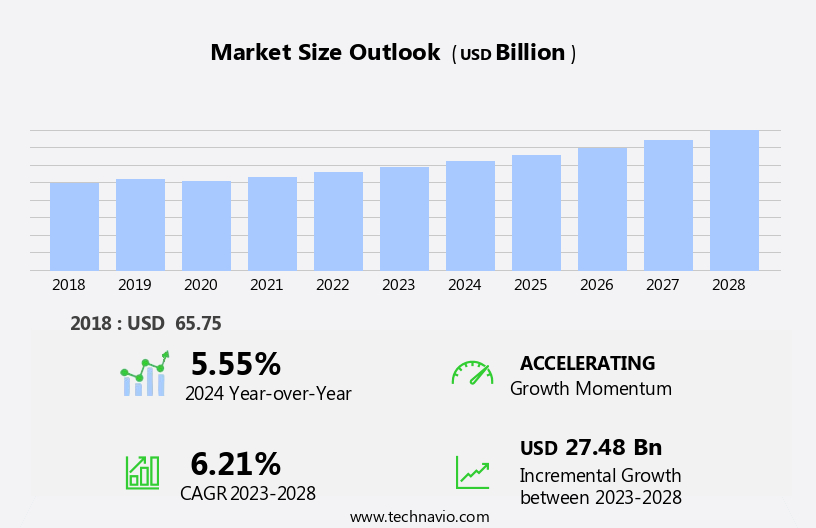
The hydropower plant construction market size is forecast to increase by USD 27.48 billion at a CAGR of 6.21% between 2023 and 2028.
- The market is experiencing significant growth driven by the increasing electricity demand worldwide. With the global energy landscape shifting towards renewable sources, hydropower remains a key contributor to the power generation mix. A notable trend in the market is the emphasis on small-scale hydropower projects, which offer numerous advantages such as reduced environmental impact and lower investment costs. These projects are particularly attractive to developing countries seeking to expand their power generation capacity. Technological advancements in renewable energy are also fueling market growth. Innovations in turbine design, energy storage solutions, and automation systems are improving the efficiency and reliability of hydropower plants.
- Moreover, the integration of digital technologies such as IoT and AI is enabling remote monitoring and predictive maintenance, reducing operational costs and enhancing overall performance. Companies seeking to capitalize on these opportunities must stay abreast of the latest technologies and trends to remain competitive. However, challenges such as regulatory hurdles, environmental concerns, and financing constraints persist, necessitating careful planning and strategic partnerships to navigate the market effectively.
What will be the Size of the Hydropower Plant Construction Market during the forecast period?
- Hydropower plants, which utilize energy from moving bodies of water to generate electricity, represent a significant segment of renewable energy sources. However, the market faces challenges due to high initial costs. Integration of energy storage systems is a key trend to address this issue and ensure a consistent power supply. Environmental concerns, particularly regarding the impact on aquatic ecosystems, are a major consideration in the development of hydroelectric power plants. Small hydropower projects and micro hydropower plants offer potential solutions with lower environmental impact. International conflicts and climate change mitigation efforts influence the hydropower generation landscape.
- Renewable energy policies and grid modernization initiatives are driving the integration of hydropower plants into the electrical grid. Hydroelectric power plants offer several advantages, including low maintenance requirements and easy replacement of worn-out components. Major players in the industry include Enel Green Power and Hydro-Québec. Streams and rivers serve as valuable resources for hydropower generation projects. Grid integration and climate change mitigation efforts are essential for the continued growth of the market. Renewable energy sources, including hydropower, are increasingly important in reducing energy emissions and addressing the global energy demand.
How is this Hydropower Plant Construction Industry segmented?
The hydropower plant construction industry research report provides comprehensive data (region-wise segment analysis), with forecasts and estimates in "USD billion" for the period 2024-2028, as well as historical data from 2018-2022 for the following segments.
- Capacity
- Large hydropower plants
- Medium hydropower plants
- Small hydropower plants
- Others
- Type
- Pumped storage
- Impoundment
- Diversion
- Geography
- North America
- US
- Europe
- Germany
- Middle East and Africa
- APAC
- China
- India
- Japan
- South America
- Rest of World (ROW)
- North America
By Capacity Insights
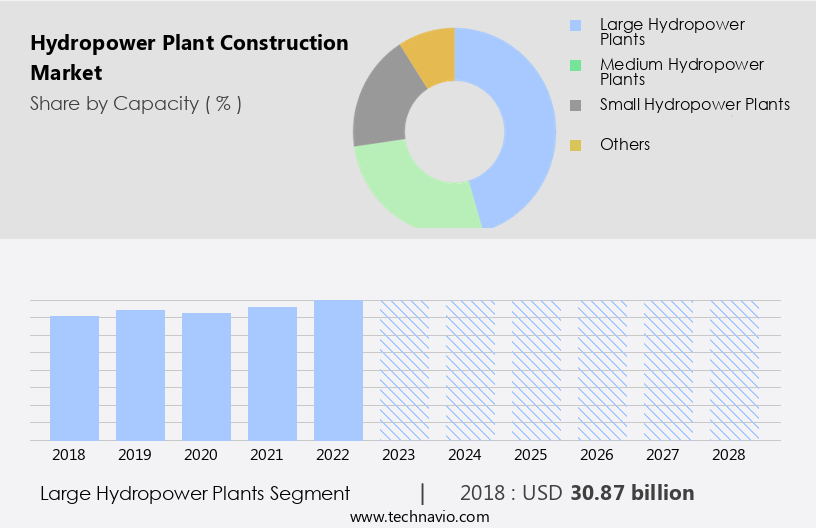
The large hydropower plants segment is estimated to witness significant growth during the forecast period.
The hydropower market encompasses various segments, with large-scale hydropower plants being a significant portion. These facilities, exceeding 50 MW in capacity, are integral to addressing the escalating demand for renewable energy sources. Hydropower plants, renowned for their electricity generation capabilities, harness the power of rivers and water bodies through dams or diversion methods. The reliability, sustainability, and eco-friendliness of hydropower are key attributes, as it does not contribute to greenhouse gas emissions during electricity production. Medium hydropower plants, with a capacity ranging from 10 MW to 50 MW, are also gaining traction due to their affordability and ease of replacement.
These installations contribute to rural electrification, flood control, and clean drinking water provision. Hydropower projects, including run-of-river installations and pumped storage facilities, offer flexibility services and climate resilience, making them valuable components of grid modernization and climate change mitigation efforts. Micro hydropower plants, with a capacity below 10 MW, are essential for small-scale electricity generation, particularly in areas with limited access to the main power grid. Hydropower plants' construction involves various stakeholders, including funding entities, energy storage providers, and turbine manufacturers. Public-private partnerships and international collaborations are common in hydropower plant construction to ensure durability and affordability.
Environmental concerns and high initial costs are challenges in the hydropower market. However, advancements in technology and renewable energy policies are driving innovation and addressing these challenges. The integration of hydropower with solar power and other renewable energy sources in hybrid systems is a promising trend. Hydroelectric power plants, nuclear power, tidal energy, and geothermal power are other power generation alternatives that complement hydropower in the energy mix. Water resource management and grid integration are crucial aspects of hydropower projects. Hydropower's role in climate change mitigation, impoundment, and water management further highlights its importance in the global energy landscape.
Get a glance at the market report of share of various segments Request Free Sample
The Large hydropower plants segment was valued at USD 30.87 billion in 2018 and showed a gradual increase during the forecast period.
Regional Analysis
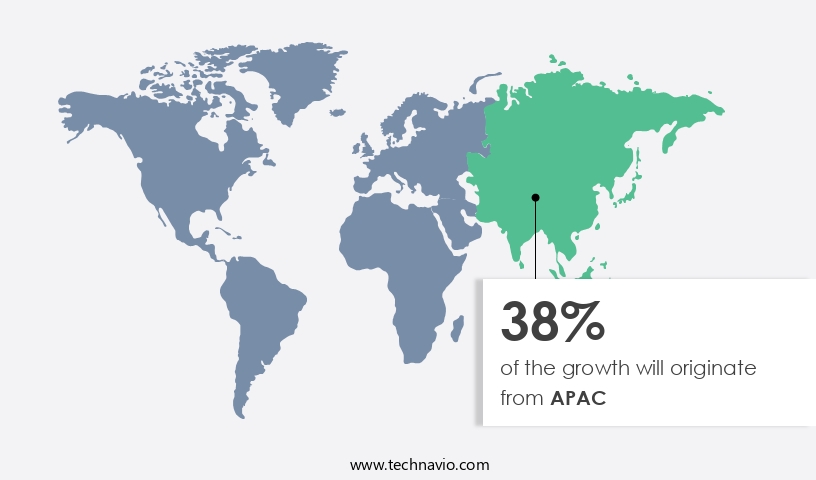
APAC is estimated to contribute 38% to the growth of the global market during the forecast period.Technavio’s analysts have elaborately explained the regional trends and drivers that shape the market during the forecast period.
For more insights on the market size of various regions, Request Free Sample
The Asia-Pacific region, comprised of countries like China, India, Japan, Australia, and Southeast Asian nations, is a significant market for hydropower plant construction. This segment's growth can be attributed to several factors. First, the region's industrialization and urbanization necessitate energy sources that are both sustainable and reliable. Hydropower, as a renewable energy source, has become an attractive solution for many countries in the region. Additionally, hydropower projects offer various benefits, such as flood control, rural electrification, and clean drinking water. Large-scale projects, including medium hydropower plants and hydropower projects, contribute significantly to the region's energy generation. Hydropower plants also offer flexibility services, climate resilience, and low-cost electricity, making them an essential component of grid modernization and climate change mitigation efforts.
Despite the high initial cost, the durability and affordability of hydropower plants make them a worthwhile investment. Furthermore, public-private partnerships and funding opportunities facilitate hydropower plant construction. However, environmental concerns and international conflicts surrounding hydropower projects remain challenges that need to be addressed. The market encompasses various components, including turbines, hydropower plants, solar power, and renewable energy policies, among others. Hydroelectric power plants, pumped storage, and impoundment are integral solutions for managing water resources and generating power. The market also includes small hydropower projects, micro hydropower plants, and various other technologies, such as nuclear power, tidal energy, and geothermal power.
Overall, the market in the Asia-Pacific region continues to evolve, driven by the need for reliable electricity, climate change mitigation, and water resource management.
Market Dynamics
Our researchers analyzed the data with 2023 as the base year, along with the key drivers, trends, and challenges. A holistic analysis of drivers will help companies refine their marketing strategies to gain a competitive advantage.
What are the key market drivers leading to the rise in the adoption of Hydropower Plant Construction Industry?
- Growing electricity demand is the key driver of the market.
- The market is experiencing significant growth due to the increasing demand for electricity and the need for sustainable energy sources. Hydropower, as a renewable and low-carbon energy solution, is becoming an attractive option for countries looking to meet their energy demands. The construction of new hydropower plants is driven by the necessity to maintain a balance between electricity supply and demand. These projects hold the potential to generate substantial amounts of electricity, thereby contributing to the alleviation of power shortages and the advancement of various industries.
- The global hydropower market's growth is influenced by various factors, including government initiatives, technological advancements, and increasing investments in renewable energy. The market's dynamics are shaped by these factors, making it an essential sector for businesses and economies worldwide.
What are the market trends shaping the Hydropower Plant Construction Industry?
- Emphasis on small-scale hydropower projects is the upcoming market trend.
- The market has seen a growing trend towards smaller-scale projects, often referred to as micro hydropower plants. These projects offer several advantages, including their eco-friendly and cost-effective nature. The focus on micro hydropower stems from the ability to utilize local water resources effectively. Unlike large-scale hydroelectric projects that require substantial dam structures and large bodies of water, micro hydropower plants can be developed on small streams and rivers.
- This decentralized approach ensures efficient and sustainable water resource utilization, minimizing environmental degradation and population displacement. The potential of harnessing local water resources has made micro hydropower an attractive option for various regions worldwide.
What challenges does the Hydropower Plant Construction Industry face during its growth?
- Technological advancements in renewable energy is a key challenge affecting the industry growth.
- The market is currently confronted with significant challenges due to advancements in renewable energy technologies. These innovations pose risks to the growth and longevity of hydroelectric power plants. One major challenge is the increasing efficiency and cost-effectiveness of solar and wind energy sources, leading to a shift in preference towards these alternatives. As a result, the demand for hydropower plants has diminished. Furthermore, the advent of new energy storage technologies, such as battery technology and pumped hydro storage, has further reduced the need for hydropower plants.
- These developments underscore the importance of staying informed about market dynamics to make strategic business decisions in the energy sector.
Exclusive Customer Landscape
The hydropower plant construction market forecasting report includes the adoption lifecycle of the market, covering from the innovator’s stage to the laggard’s stage. It focuses on adoption rates in different regions based on penetration. Furthermore, the hydropower plant construction market report also includes key purchase criteria and drivers of price sensitivity to help companies evaluate and develop their market growth analysis strategies.
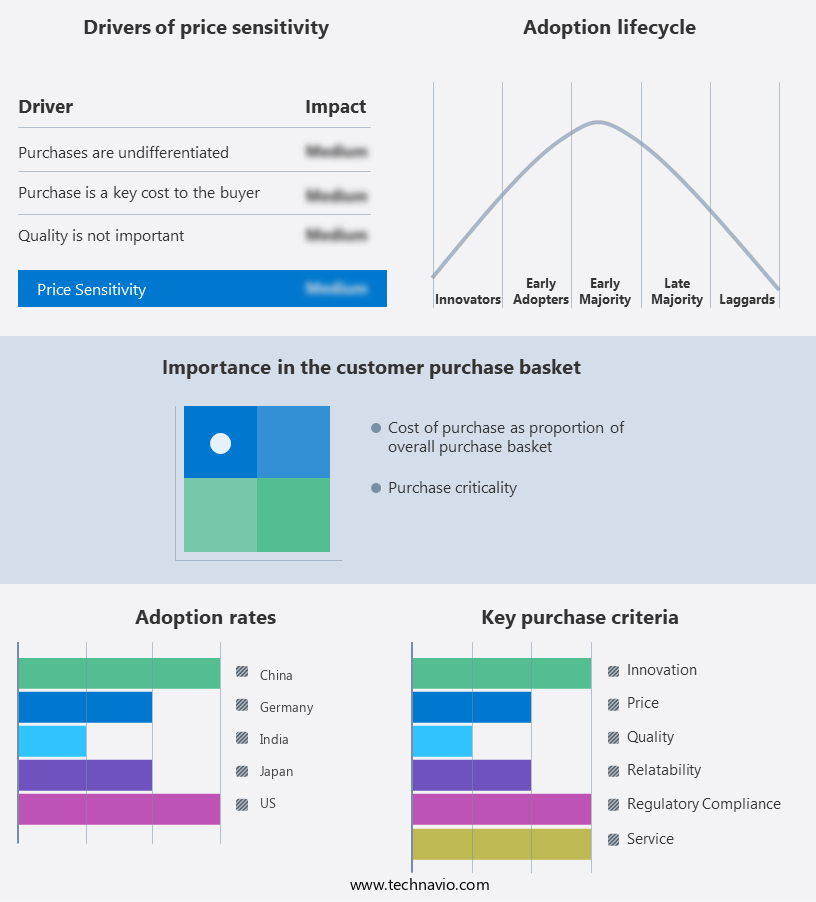
Customer Landscape
Key Companies & Market Insights
Companies are implementing various strategies, such as strategic alliances, hydropower plant construction market forecast, partnerships, mergers and acquisitions, geographical expansion, and product/service launches, to enhance their presence in the industry.
A Energi - The company specializes in constructing hydropower plants, showcasing expertise through projects like the Walter Hardman. Our construction services prioritize sustainability and efficiency, ensuring optimal energy generation. With a focus on innovative engineering solutions, we deliver high-performing hydropower facilities that meet global energy demands.
The industry research and growth report includes detailed analyses of the competitive landscape of the market and information about key companies, including:
- A Energi
- British Columbia Hydro and Power Authority
- Centrais Eletricas Brasileiras SA
- China Yangtze Power Co. Ltd.
- Doosan Enerbility Co. Ltd.
- Duke Energy Corp.
- Enel Spa
- ESFC Investment Group
- Himal Hydro and General Construction Ltd.
- Hindustan Construction Co. Ltd
- Hydro Quebec
- ITD Cementation India Ltd.
- Mannvit
- Meidensha Corp.
- Navayuga Group
- P and R InfraProjects Ltd.
- RusHydro
- Snowy Hydro Ltd.
- Southern Co.
Qualitative and quantitative analysis of companies has been conducted to help clients understand the wider business environment as well as the strengths and weaknesses of key industry players. Data is qualitatively analyzed to categorize companies as pure play, category-focused, industry-focused, and diversified; it is quantitatively analyzed to categorize companies as dominant, leading, strong, tentative, and weak.
Research Analyst Overview
Hydropower, as a renewable energy source, continues to play a significant role in global electricity generation. The market for hydropower plant construction remains robust, driven by various factors. Repowering and upgrading existing hydropower plants have gained traction due to the easy replacement of outdated technology and the potential for increased efficiency. Rural electrification is another key factor fueling the demand for hydropower. In regions with limited access to the main power grid, hydropower provides a reliable and affordable solution. Moreover, hydropower plants offer additional benefits such as flood control and clean drinking water production. Large-scale hydropower projects have long been a staple of the hydropower market.
These projects provide stable power and can generate significant capacity. However, the construction of such facilities comes with a high initial cost and environmental concerns. Medium hydropower plants offer a middle ground, providing affordable electricity with lower environmental impact. The integration of hydropower with other renewable energy sources, such as wind power and energy storage, is another trend in the hydropower market. This integration allows for greater flexibility in power generation and grid modernization. Hybrid systems that combine hydropower with other renewable energy sources can provide reliable electricity and help mitigate climate change. Funding for hydropower projects remains a critical factor in the market's growth.
Public-private partnerships have emerged as a popular funding solution, allowing for the sharing of risks and resources. Durability and affordability are essential considerations for hydropower plant construction, with many companies focusing on developing low-maintenance components and solutions. The hydropower market is not without its challenges. Environmental concerns, including the potential for environmental degradation and international conflicts over bodies of water, continue to pose challenges. However, solutions segment, such as impoundment and diversion technologies, offer potential solutions to mitigate these issues. Turbines remain a critical component of hydropower plants, with ongoing research and development focusing on increasing efficiency and reducing costs.
The integration of hydropower with grid modernization and flexibility services also presents opportunities for innovation. The hydropower market is also influenced by renewable energy policies and the push for clean energy. Climate change mitigation and climate resilience are becoming increasingly important considerations in hydropower plant construction. The integration of hydropower with other renewable energy sources, such as solar power and geothermal power, is also driving growth in the market. Water resource management is a critical factor in hydropower plant construction, with careful planning and consideration required to ensure sustainable and efficient power generation. The potential for hydropower to provide reliable electricity and contribute to climate change mitigation makes it an attractive option for many countries and regions.
In conclusion, the market remains a dynamic and evolving landscape, driven by various factors such as renewable energy policies, environmental concerns, and the need for reliable and affordable electricity. The integration of hydropower with other renewable energy sources and grid modernization is a key trend, offering opportunities for innovation and growth. The challenges facing the market, including high initial costs and environmental concerns, must be addressed through the development of sustainable and efficient solutions.
|
Market Scope |
|
|
Report Coverage |
Details |
|
Page number |
162 |
|
Base year |
2023 |
|
Historic period |
2018-2022 |
|
Forecast period |
2024-2028 |
|
Growth momentum & CAGR |
Accelerate at a CAGR of 6.21% |
|
Market growth 2024-2028 |
USD 27.48 billion |
|
Market structure |
Fragmented |
|
YoY growth 2023-2024(%) |
5.55 |
|
Key countries |
China, US, India, Germany, and Japan |
|
Competitive landscape |
Leading Companies, Market Positioning of Companies, Competitive Strategies, and Industry Risks |
What are the Key Data Covered in this Hydropower Plant Construction Market Research and Growth Report?
- CAGR of the Hydropower Plant Construction industry during the forecast period
- Detailed information on factors that will drive the growth and forecasting between 2024 and 2028
- Precise estimation of the size of the market and its contribution of the industry in focus to the parent market
- Accurate predictions about upcoming growth and trends and changes in consumer behaviour
- Growth of the market across APAC, Europe, North America, South America, and Middle East and Africa
- Thorough analysis of the market’s competitive landscape and detailed information about companies
- Comprehensive analysis of factors that will challenge the hydropower plant construction market growth of industry companies
We can help! Our analysts can customize this hydropower plant construction market research report to meet your requirements.
 RIA -
RIA - 
