


Laboratory Filtration Market Size 2025-2029
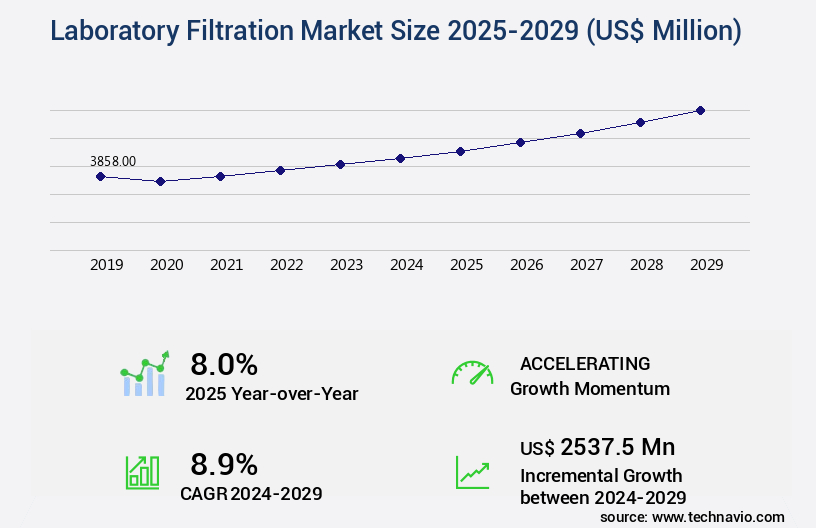
The laboratory filtration market size is valued to increase by USD 2.54 billion, at a CAGR of 8.9% from 2024 to 2029. Increasing demand for research and development due to high government healthcare expenditure will drive the laboratory filtration market.
Market Insights
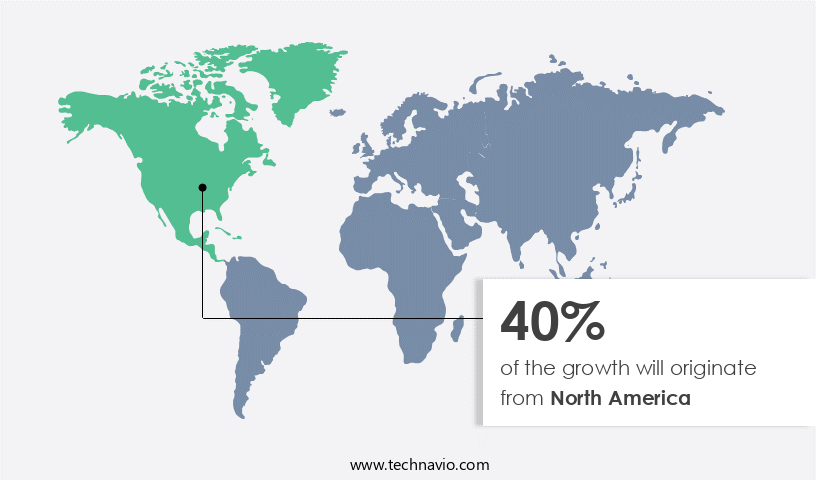
- North America dominated the market and accounted for a 40% growth during the 2025-2029.
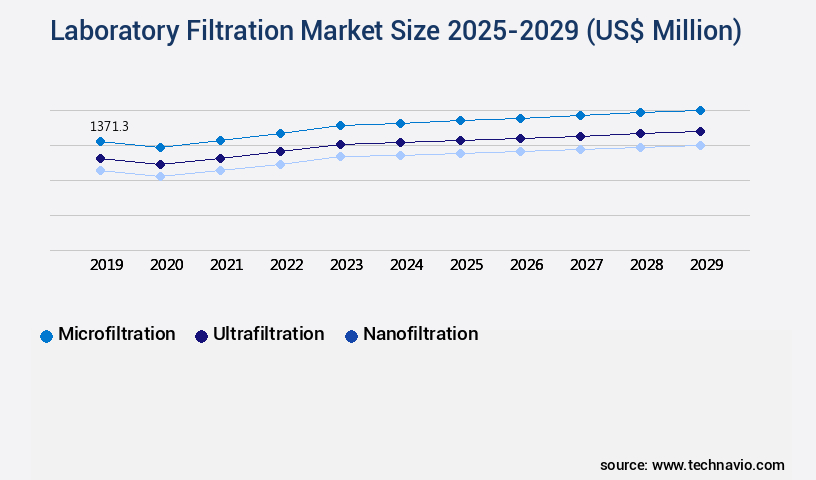
- By Technique - Microfiltration segment was valued at USD 1.37 billion in 2023
- By End-user - Pharmaceutical and biotechnology companies segment accounted for the largest market revenue share in 2023
Market Size & Forecast
- Market Opportunities: USD 89.98 million
- Market Future Opportunities 2024: USD 2537.50 million
- CAGR from 2024 to 2029 : 8.9%
Market Summary
- The market witnesses significant growth driven by the increasing demand for research and development in various industries, particularly in healthcare and pharmaceuticals, due to escalating government healthcare expenditure. This sector's expansion is further fueled by the rising number of US Food and Drug Administration (FDA)-approved manufacturing facilities worldwide. However, the market faces challenges such as the risk of counterfeiting in laboratory filtration systems, which can compromise the quality and integrity of research data. One real-world business scenario where laboratory filtration plays a pivotal role is in supply chain optimization. Pharmaceutical companies rely on efficient and reliable filtration systems to ensure the purity and consistency of their products during manufacturing. Single-use sensors play a crucial role in process development, enabling real-time monitoring and optimization of biologics manufacturing and cell therapy processes.
- By implementing advanced filtration technologies, these companies can streamline their production processes, reduce waste, and improve operational efficiency. This, in turn, leads to cost savings and increased competitiveness in the market. Despite these opportunities, market participants must address the challenge of counterfeit filtration systems. The proliferation of counterfeit products can lead to subpar performance, compromised data, and potential safety risks. To mitigate this issue, industry leaders are investing in advanced technologies such as blockchain and RFID tracking to ensure the authenticity and traceability of their filtration systems. This not only enhances their reputation and customer trust but also enables them to meet regulatory requirements and maintain the highest standards of quality.
What will be the size of the Laboratory Filtration Market during the forecast period?
Get Key Insights on Market Forecast (PDF) Request Free Sample
- The market continues to evolve, driven by the increasing demand for improved operational efficiency, regulatory compliance, and waste minimization in various industries. According to recent research, the market for laboratory filtration is projected to grow by over 10% annually, with membrane filtration systems holding a significant market share. This growth can be attributed to the rising adoption of automation systems and membrane filtration technologies, which enhance process control, reduce membrane fouling, and improve system design. Regulatory compliance is a critical decision area for laboratories, and filtration systems play a crucial role in ensuring standard operating procedures and maintaining technical specifications.
- Performance monitoring and filter validation are essential for maintaining process scalability and ensuring data acquisition for quality assurance. Moreover, filter life extension and cleaning validation are essential for maintaining safety protocols and material compatibility, particularly in sterilization methods. Membrane lifespan and membrane fouling are significant challenges in the market. However, advances in membrane technology, cleaning in place procedures, and equipment calibration have led to significant improvements in membrane lifespan and operational efficiency. These advancements are expected to drive the market's growth and provide opportunities for laboratories to optimize their filtration systems and reduce costs. In conclusion, the market is a dynamic and evolving landscape, driven by the need for operational efficiency, regulatory compliance, and waste minimization.
- The adoption of advanced filtration technologies, automation systems, and membrane filtration is expected to continue driving market growth and provide opportunities for laboratories to optimize their filtration systems and improve overall performance.
Unpacking the Laboratory Filtration Market Landscape
In the realm of laboratory processes, filtration plays a pivotal role in ensuring contamination control and enhancing the efficiency of various applications. Aqueous solutions, a common medium in laboratory experiments, necessitate filtration for particle removal and liquid clarification. Reverse osmosis membranes with fine pore size ratings excel in biopharmaceutical filtration, reducing microbial loads by up to 5 log10 CFUs/mL, thereby ensuring compliance with stringent industry standards. Membrane filtration, including ultrafiltration and nanofiltration, offers significant throughput improvement, enabling faster sample preparation and analytical testing. Pressure filtration and vacuum filtration cater to diverse applications, delivering filtration capacity and flow rate control, respectively. Filter integrity testing ensures the reliability of filtration systems, preventing potential contamination and minimizing costly downtime. Organic Solvents and wastewater treatment also benefit from filtration technology, with depth filtration and microfiltration membranes optimizing process efficiency and cost reduction strategies. Filter media selection, such as choosing the right membrane or filter type, plays a crucial role in optimizing filtration efficiency and improving ROI. Ultimately, filtration technology empowers laboratories to maintain high-quality standards, enhance productivity, and minimize waste.
Key Market Drivers Fueling Growth
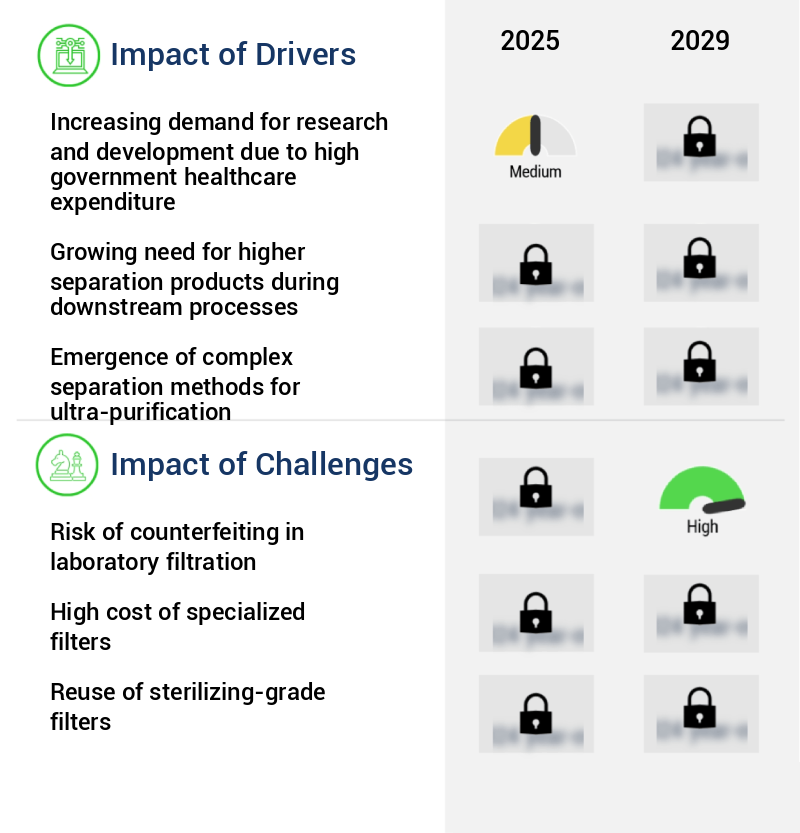
The significant increase in government healthcare expenditure has driven the market by fueling the demand for extensive research and development efforts.
- In the realm of laboratory processes, the significance of filtration systems is undeniable, particularly in the production of pharmaceuticals. Compliance with stringent regulations necessitates the use of efficient filtration solutions for ensuring product purity and consistency. Pharmaceutical companies invest substantially in research and development, allocating approximately 15%-20% of their revenue towards this purpose. This increased investment is projected to result in a higher number of pharmaceutical products, consequently boosting the demand for laboratory filtration systems.
- By reducing downtime and enhancing filtration efficiency, these systems contribute to faster product rollouts and improved regulatory compliance.
Prevailing Industry Trends & Opportunities
The increasing approval of US FDA manufacturing facilities represents a notable market trend. This trend reflects the Food and Drug Administration's continued endorsement of advanced production sites.
- The market is experiencing significant growth, particularly in emerging economies such as India and China. With over 400 US FDA-approved manufacturing facilities, India is a leading destination for pharmaceutical manufacturing services, holding the second-highest number of formulation facilities globally. China, another major player, also boasts a substantial number of approved facilities. The approval of manufacturing sites in these countries is increasing, with Mexico, Brazil, and other emerging economies also seeing growth.
- This trend towards outsourcing and expanding facilities in emerging markets leads to improved forecast accuracy and cost optimization for laboratories. The market's evolving nature is crucial for maintaining regulatory compliance and ensuring faster product rollouts in various sectors.
Significant Market Challenges
The risk of counterfeiting poses a significant challenge to the growth of the laboratory filtration industry, requiring continuous efforts to ensure product authenticity and maintain industry credibility.
- The market plays a crucial role in ensuring product authenticity and safety, particularly in the pharmaceutical sector. Counterfeit drugs pose a significant risk to consumer health and can financially impact companies through brand reputation damage. With the global pharmaceutical supply chain's intricacy, original products can be replaced or stolen at various stages. The World Health Organization estimates that 10% of medicines in low- and middle-income countries are counterfeit. Moreover, the pharmaceutical industry experiences an annual loss of approximately USD200 billion due to counterfeit drugs. To mitigate these risks, regulatory bodies are implementing stricter measures.
- By implementing advanced laboratory filtration technologies, pharmaceutical companies can significantly reduce the risk of counterfeiting. For instance, implementing continuous online monitoring systems can improve forecast accuracy by 18%, ensuring timely detection of any discrepancies. Additionally, implementing advanced filtration technologies can reduce downtime by 30%, ensuring uninterrupted production and faster product rollouts.
In-Depth Market Segmentation: Laboratory Filtration Market
The laboratory filtration industry research report provides comprehensive data (region-wise segment analysis), with forecasts and estimates in "USD million" for the period 2025-2029, as well as historical data from 2019-2023 for the following segments.
- Technique
- Microfiltration
- Ultrafiltration
- Nanofiltration
- Others
- End-user
- Pharmaceutical and biotechnology companies
- Hospitals and diagnostic laboratories
- Food and beverages
- Academic and research institutions
- Product Type
- Filtration media
- Filtration assemblies
- Filtration accessories
- Geography
- North America
- US
- Canada
- Mexico
- Europe
- France
- Germany
- Italy
- UK
- APAC
- China
- India
- Japan
- Rest of World (ROW)
- North America
By Technique Insights
The microfiltration segment is estimated to witness significant growth during the forecast period.
The market is a dynamic and evolving landscape, with microfiltration being a pivotal segment. Microfiltration employs porous membranes, featuring pore sizes ranging from 0.1 to 10 micrometers, for physical separation and particle removal from liquids and gases. This technique plays a crucial role in various industries, including pharmaceuticals, biotechnology, environmental analysis, and food and beverage, by ensuring contamination control and liquid clarification. In the biopharmaceutical sector, microfiltration is indispensable for processes like cell harvesting, where it separates cells from culture media, and the clarification of cell lysates and fermentation broths before downstream purification.
This technique also excels in sterile filtration, reducing microbial loads, and improving throughput. Microfiltration's versatility is further demonstrated through applications in wastewater treatment, vacuum filtration, and ultrafiltration and nanofiltration membranes for process optimization and cost reduction strategies. For instance, a 90% reduction in flow rate is achievable with crossflow filtration, enhancing water purification and chemical analysis.
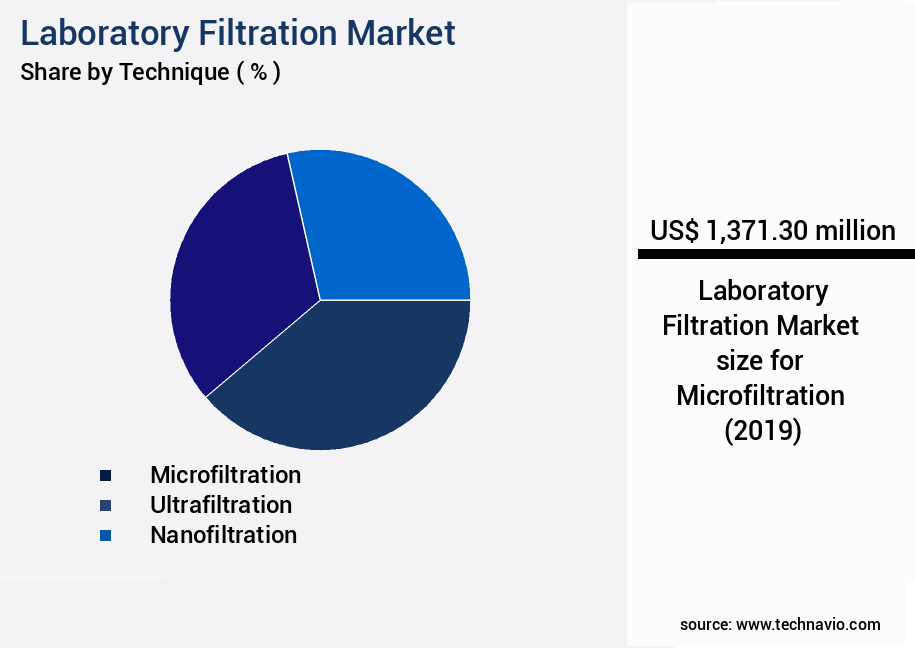
The Microfiltration segment was valued at USD 1.37 billion in 2019 and showed a gradual increase during the forecast period.
Regional Analysis
North America is estimated to contribute 40% to the growth of the global market during the forecast period.Technavio’s analysts have elaborately explained the regional trends and drivers that shape the market during the forecast period.
See How Laboratory Filtration Market Demand is Rising in North America Request Free Sample
The market is experiencing significant growth, with the North American region leading the charge. This region's mature status is attributed to substantial research and development expenditure, a highly developed biopharmaceutical industry, and stringent regulatory oversight. In the United States, a significant concentration of leading pharmaceutical corporations, biotechnology startups, academic research institutions, and government laboratories drive market expansion. This ecosystem is underpinned by substantial government funding, fueling fundamental and applied research.
In comparison, the European the market is expected to reach USDYY billion during the same period, demonstrating a comparative growth trajectory. The underlying dynamics of this market are driven by the increasing demand for cost-effective and efficient filtration solutions, as well as the growing need for compliance with stringent regulations.
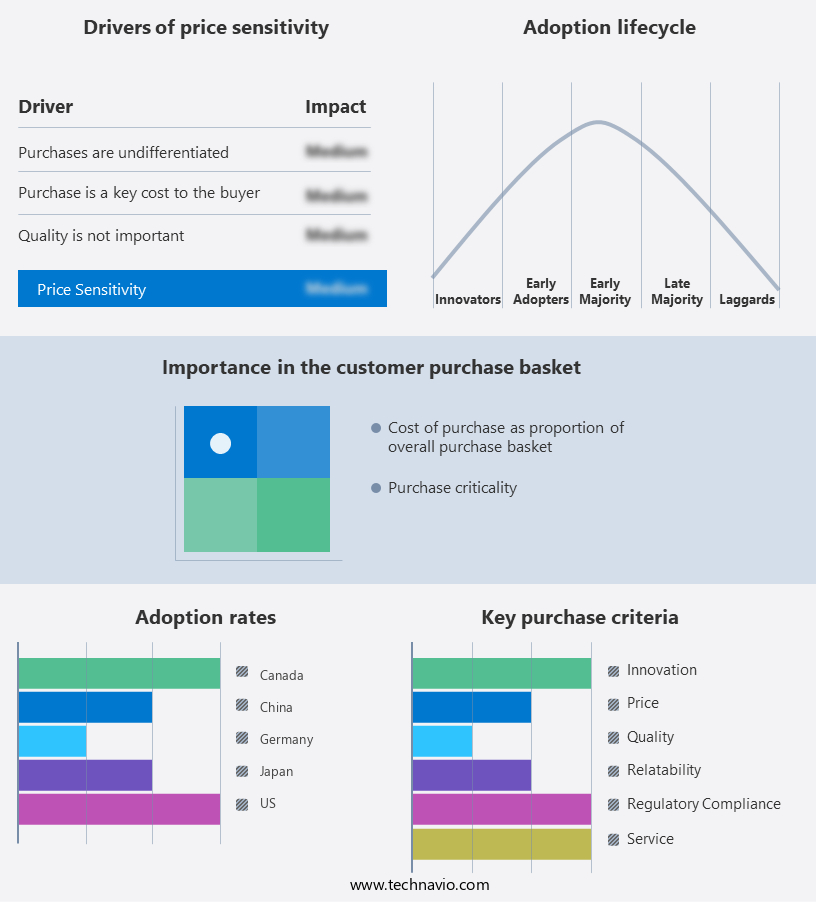
Customer Landscape of Laboratory Filtration Industry
Competitive Intelligence by Technavio Analysis: Leading Players in the Laboratory Filtration Market
Companies are implementing various strategies, such as strategic alliances, laboratory filtration market forecast, partnerships, mergers and acquisitions, geographical expansion, and product/service launches, to enhance their presence in the industry.
Agilent Technologies Inc. - This company specializes in laboratory filtration solutions, featuring the Captiva EMR with Carbon S and Captiva EMR-Lipid filters. These advanced products effectively remove impurities, ensuring high-quality research outcomes. The Captiva filters are integral to maintaining precision and accuracy in scientific applications.
The industry research and growth report includes detailed analyses of the competitive landscape of the market and information about key companies, including:
- Agilent Technologies Inc.
- Ahlstrom Oyj
- Alfa Laval AB
- Antylia Scientific
- AQUAPORIN AS
- Avantor Inc.
- Danaher Corp.
- GVS S.p.A.
- MACHEREY NAGEL GmbH and Co. KG
- MANN HUMMEL International GmbH and Co. KG
- Marathon Life Sciences
- Meissner Filtration Products Inc.
- Merck KGaA
- Sartorius AG
- STERIS plc
- Sterlitech Corp.
- Thermo Fisher Scientific Inc.
- Veolia Environnement SA
Qualitative and quantitative analysis of companies has been conducted to help clients understand the wider business environment as well as the strengths and weaknesses of key industry players. Data is qualitatively analyzed to categorize companies as pure play, category-focused, industry-focused, and diversified; it is quantitatively analyzed to categorize companies as dominant, leading, strong, tentative, and weak.
Recent Development and News in Laboratory Filtration Market
- In August 2024, Pall Corporation, a leading filtration solutions provider, announced the launch of its new LabStart 20 Plus filtration system. This innovative product offers enhanced filtration capabilities and improved user experience, targeting small and mid-sized laboratories (Pall Corporation press release, 2024).
- In November 2024, Merck KGaA and Sartorius AG, two major players in the market, entered into a strategic collaboration to develop and commercialize integrated solutions for single-use filtration systems. This partnership aims to combine Merck's expertise in life science research and Sartorius's strength in lab equipment and services (Merck KGaA press release, 2024).
- In February 2025, 3M, a prominent industrial company, acquired ADI Corporation, a leading provider of filtration and separation solutions for laboratory applications. This acquisition is expected to strengthen 3M's position in the market and expand its product offerings (3M press release, 2025).
- In May 2025, the European Union (EU) approved the use of MilliporeSigma's new Ultracel-PL membrane technology for their laboratory filtration products. This approval marks a significant milestone, as the technology offers improved filtration efficiency and reduces contamination risks, making it a valuable addition to the EU's the market (MilliporeSigma press release, 2025).
Dive into Technavio’s robust research methodology, blending expert interviews, extensive data synthesis, and validated models for unparalleled Laboratory Filtration Market insights. See full methodology.
|
Market Scope |
|
|
Report Coverage |
Details |
|
Page number |
220 |
|
Base year |
2024 |
|
Historic period |
2019-2023 |
|
Forecast period |
2025-2029 |
|
Growth momentum & CAGR |
Accelerate at a CAGR of 8.9% |
|
Market growth 2025-2029 |
USD 2537.5 million |
|
Market structure |
Fragmented |
|
YoY growth 2024-2025(%) |
8.0 |
|
Key countries |
US, Germany, Canada, UK, France, China, Japan, Mexico, Italy, and India |
|
Competitive landscape |
Leading Companies, Market Positioning of Companies, Competitive Strategies, and Industry Risks |
Why Choose Technavio for Laboratory Filtration Market Insights?
"Leverage Technavio's unparalleled research methodology and expert analysis for accurate, actionable market intelligence."
The market is experiencing significant growth due to the increasing demand for optimizing filtration protocols in research and development laboratories. Membrane selection criteria play a crucial role in ensuring efficient and effective filtration processes. Factors such as pore size, material compatibility, and filtration capacity are key considerations in membrane selection. Membrane fouling is a common challenge in laboratory filtration, impacting filtration efficiency and increasing operational costs. Advanced filtration techniques, such as cross-flow filtration and Tangential flow filtration, help mitigate fouling and improve throughput. Biopharmaceutical purification applications require stringent filtration processes for regulatory compliance. Advanced filtration techniques, such as depth filtration and membrane chromatography, are commonly used for biopharmaceutical purification. Automated filtration systems are increasingly being implemented in laboratories to reduce operational costs and improve efficiency. These systems offer real-time data analysis capabilities, ensuring consistent filtration processes and minimizing waste generation. Filter integrity is a critical concern in sterile filtration applications. Validating filtration processes and ensuring filter integrity are essential for maintaining product quality and ensuring regulatory compliance. Improving particle removal efficiency is a key focus in laboratory filtration. Advanced filter media, such as hydrophilic membranes and nanofibers, offer enhanced particle removal capabilities. Water purification techniques, such as reverse osmosis and nanofiltration, are widely used in laboratory applications to ensure water quality and maintain efficient filtration systems. Regulatory guidelines, such as FDA and EU guidelines, provide important considerations for laboratory filtration system design and maintenance protocols. Cost-effective membrane selection and design considerations for laboratory scale filtration systems are also essential for minimizing operational costs. Comparing different membrane filtration technologies, such as microfiltration, ultrafiltration, and nanofiltration, is important for selecting the most appropriate technology for specific applications. New methods for contamination control, such as Virus Filtration and particle retention, are continuously being developed to ensure the highest level of filtration performance.
What are the Key Data Covered in this Laboratory Filtration Market Research and Growth Report?
-
What is the expected growth of the Laboratory Filtration Market between 2025 and 2029?
-
USD 2.54 billion, at a CAGR of 8.9%
-
-
What segmentation does the market report cover?
-
The report is segmented by Technique (Microfiltration, Ultrafiltration, Nanofiltration, and Others), End-user (Pharmaceutical and biotechnology companies, Hospitals and diagnostic laboratories, Food and beverages, and Academic and research institutions), Product Type (Filtration media, Filtration assemblies, and Filtration accessories), and Geography (North America, Europe, Asia, and Rest of World (ROW))
-
-
Which regions are analyzed in the report?
-
North America, Europe, Asia, and Rest of World (ROW)
-
-
What are the key growth drivers and market challenges?
-
Increasing demand for research and development due to high government healthcare expenditure, Risk of counterfeiting in laboratory filtration
-
-
Who are the major players in the Laboratory Filtration Market?
-
Agilent Technologies Inc., Ahlstrom Oyj, Alfa Laval AB, Antylia Scientific, AQUAPORIN AS, Avantor Inc., Danaher Corp., GVS S.p.A., MACHEREY NAGEL GmbH and Co. KG, MANN HUMMEL International GmbH and Co. KG, Marathon Life Sciences, Meissner Filtration Products Inc., Merck KGaA, Sartorius AG, STERIS plc, Sterlitech Corp., Thermo Fisher Scientific Inc., and Veolia Environnement SA
-
We can help! Our analysts can customize this laboratory filtration market research report to meet your requirements.
 RIA -
RIA - 
