


Migraine Drugs Market Analysis North America, Europe, Asia, Rest of World (ROW) - US, Canada, Germany, China, Japan - Size and Forecast 2024-2028

Migraine Drugs Market Analysis North America, Europe, Asia, Rest of World (ROW) - US, Canada, Germany, China, Japan - Size and Forecast 2024-2028

Published: Nov 2023 168 Pages SKU: IRTNTR74642

Market Overview at a Glance

$1.34 B
Market Opportunity
6.36%
CAGR
6.22
YoY growth 2023-2024(%)

Migraine Drugs Market Size 2024-2028

The migraine drugs market size is forecast to increase by USD 1.34 billion at a CAGR of 6.36% between 2023 and 2028.

  • The market is witnessing significant growth due to the increasing number of patients diagnosed with migraines. According to the Migraine Research Foundation, approximately 39 million people In the US alone experience migraines. Moreover, advances in migraine drugs continue to emerge, providing effective relief to patients. However, concerns regarding the side effects of these drugs remain a challenge for market growth. Common side effects include dizziness, drowsiness, and nausea. As a result, there is a growing demand for non-pharmacological treatments and preventive measures. Additionally, the development of targeted therapies and personalized treatment plans is expected to offer new opportunities for market expansion.
  • Overall, the market is poised for growth, driven by the increasing prevalence of migraines, advances in drug development, and the need for safer and more effective treatment options.
  • What will be the Size of the Migraine Drugs Market During the Forecast Period?
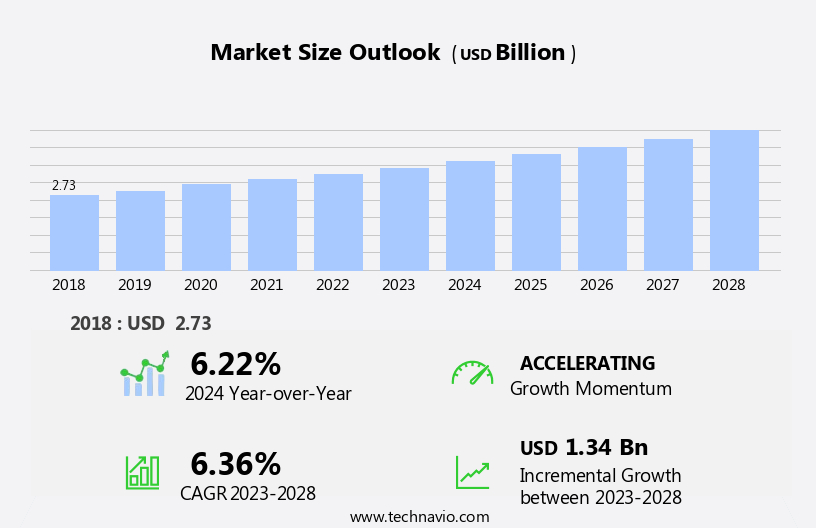
    Migraine Drugs Market Size

     Request Free Sample

  • The market encompasses a range of therapeutics designed to alleviate the debilitating symptoms of this neurological medical condition. With an estimated 39 million Americans affected by migraines, patient awareness and demand for effective treatments continue to drive market growth. Sedentary lifestyles and the younger generation's increased screen time contribute to the rising prevalence of migraines. Migraines are characterized by various neurological manifestations, including photophobia, phonophobia, and osmophobia, as well as nausea, vomiting, loss of appetite, and sensory disturbances. The market comprises several categories of pain-relieving medications, including analgesics, antipsychotics, anticonvulsant drugs, and others. The market is also influenced by the neurological condition's association with viruses and various nervous system disorders, as well as cardiac, pulmonary, and vascular diseases.
  • The bloodstream plays a crucial role In the distribution of these therapeutics, ensuring they reach the olfactory groove and effectively address the neurological causes of migraines.
  • How is this Migraine Drugs Industry segmented and which is the largest segment?

    The migraine drugs industry research report provides comprehensive data (region-wise segment analysis), with forecasts and estimates in "USD billion" for the period 2024-2028, as well as historical data from 2018-2022 for the following segments.

    • End-user
      • Hospitals
      • Retail
      • Online
    • Type
      • Preventive
      • Abortive
    • Geography
      • North America
        • Canada
        • US
      • Europe
        • Germany
      • Asia
        • China
        • Japan
      • Rest of World (ROW)

      By End-user Insights

      • The hospitals segment is estimated to witness significant growth during the forecast period.

      The global markets for migraine drugs are experiencing notable expansion due to the rising prevalence and diagnosis of this neurological condition. Migraines, characterized by photophobia, phonophobia, osmophobia, nausea, vomiting, loss of appetite, sensory disturbances, and severe headaches, affect millions worldwide. Sedentary lifestyles and the younger generation's increased screen time are contributing factors to the disease's escalation. The market encompasses various therapeutic categories, including analgesics, antipsychotics, anticonvulsant drugs, and pain-relieving medications. Preventive treatments, such as triptans, oral preventive treatment with antidepressants, antiepileptics, and beta blockers, are increasingly popular. Chronic migraine and acute therapy are significant market segments. Factors driving market growth include the epidemiology, etiology, and pathophysiology of migraines, as well as the prophylaxis of naturally occurring migraines.

      The market is influenced by neurological manifestations associated with cardiac diseases, pulmonary diseases, vascular diseases, fever, sleep disturbance, dehydration, and anxiety or depression in patients. Small molecules are a focus for new drug development. Keywords: migraine drugs, neurological condition, preventive treatment, analgesia, market growth.
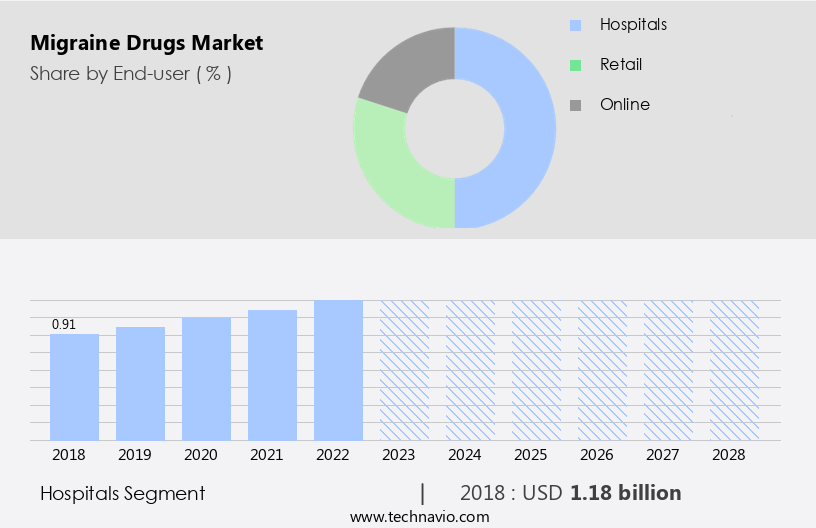
      Migraine Drugs Market Size

      Get a glance at the  Migraine Drugs Industry report of share of various segments Request Free Sample

      The Hospitals segment was valued at USD 1.18 billion in 2018 and showed a gradual increase during the forecast period.

      Regional Analysis

      • North America is estimated to contribute 41% to the growth of the global market during the forecast period.

      Technavio’s analysts have elaborately explained the regional trends and drivers that shape the market during the forecast period.
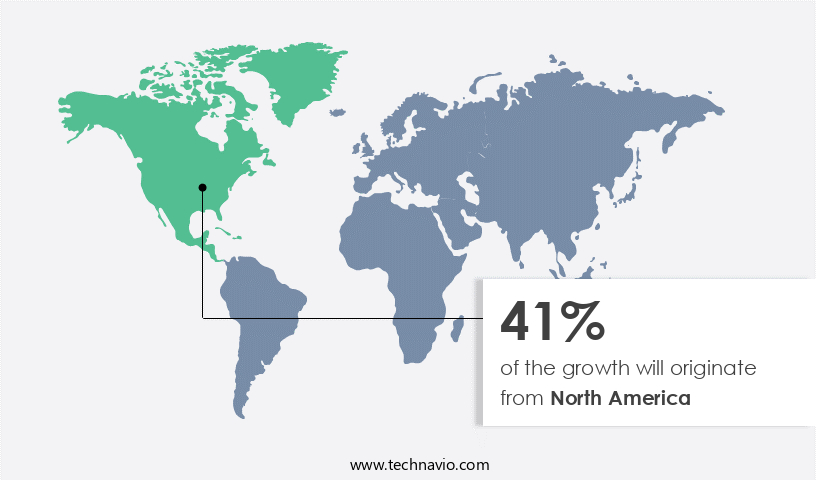
      Migraine Drugs Market Share by Geography

      For more insights on the market share of various regions, Request Free Sample

      The North American market for migraine drugs is experiencing notable expansion due to advanced healthcare infrastructure and substantial investments in research and development. Factors such as rising healthcare expenditures in countries like the US and Canada, and the availability of FDA-approved migraine treatments, contribute significantly to market growth. Major pharmaceutical companies, including Amgen, Eli Lilly and Company, and Novartis, are actively participating In the North American market by introducing innovative therapeutic solutions. Strategic collaborations between these companies aim to enhance the commercialization of migraine treatments. Migraines, a neurological medical condition, affect millions, particularly among males and younger generations. Characterized by photophobia, phonophobia, osmophobia, nausea, vomiting, loss of appetite, sensory disturbances, and various neurological manifestations, migraines can also lead to cardiac, pulmonary, and vascular diseases, fever, sleep disturbances, dehydration, and anxiety or depression.

      Triptans, antidepressants, antipsychotics, anticonvulsant drugs, analgesics, and beta blockers are among the common therapeutic approaches for migraine prevention and acute therapy. The epidemiology, etiology, and pathophysiology of migraines continue to be areas of ongoing research, with a focus on developing small molecules for preventive treatment and novel therapies for chronic migraine.

      Market Dynamics

      Our  researchers analyzed the data with 2023 as the base year, along with the key drivers, trends, and challenges. A holistic analysis of drivers will help companies refine their marketing strategies to gain a competitive advantage.

      What are the key market drivers leading to the rise In the adoption of Migraine Drugs Industry?

      Increasing number of patients suffering from migraine is the key driver of the market.

    • Migraine, a common neurological condition, affects a significant portion of the global population, particularly in North America. The disease, characterized by recurring headaches, photophobia, phonophobia, and other sensory disturbances, can be triggered by various factors, including sedentary lifestyles, stress, hormonal changes, and viral infections. The younger generation is increasingly susceptible to migraines due to their sedentary lifestyles and high stress levels. The market for migraine drugs is driven by the increasing patient awareness and the need for effective pain-relieving medications. The market comprises various therapeutic classes, including analgesics, antipsychotics, anticonvulsant drugs, and antidepressants. Triptans, a class of drugs commonly used for acute therapy, have gained popularity due to their ability to selectively target serotonin receptors In the brain.
    • However, the overuse of pain-relieving medications can lead to chronic effects such as medication-overuse headache (MOH). Other factors contributing to the development of migraines include cardiac diseases, pulmonary diseases, vascular diseases, fever, sleep disturbance, dehydration, and anxiety and depression. Preventive treatments, such as oral preventive treatment with antidepressants, anti-epileptics, and beta blockers, are increasingly being used to manage chronic migraine. The epidemiology, etiology, and pathophysiology of migraines continue to be areas of active research, with a focus on developing new small molecules for prophylaxis and acute therapy. Despite advancements in migraine treatment, the disease continues to pose a significant challenge due to its complex etiology and the individual variability in response to treatments.
    • What are the market trends shaping the Migraine Drugs Industry?

      Rising advances in migraine drugs is the upcoming market trend.

    • The market is witnessing significant advancements as manufacturers focus on developing preventive medications to mitigate the frequency and severity of migraine attacks. Neurological medical conditions, such as migraine, continue to impact a large population, particularly among sedentary lifestyles and the younger generation. Migraine, characterized by photophobia, phonophobia, osmophobia, nausea, vomiting, loss of appetite, and sensory disturbances, is a neurological condition that can lead to headaches, pain-relieving medications being the primary treatment. However, the shift towards preventive treatments, including antipsychotics, anticonvulsant drugs, antidepressants, and anti-epileptics, is gaining traction. These medications affect the nervous system by altering the levels of certain chemicals In the bloodstream, thereby preventing neurological manifestations associated with migraines.
    • Cardiac, pulmonary, and vascular diseases, fever, sleep disturbance, dehydration, and anxiety or depression are some of the conditions linked to migraines. Preventive treatments, such as beta blockers, can help manage these underlying conditions and reduce the risk of migraines. Chronic migraine, affecting approximately 1% of the population, requires long-term preventive treatment, while acute therapy is used for occasional migraines. Small molecules are the latest addition to the market, offering potential for more effective and targeted treatments. The epidemiology, etiology, and pathophysiology of migraines continue to be areas of research, with prophylaxis being a critical focus for developing more effective treatments.
    • What challenges does the Migraine Drugs Industry face during its growth?

      Concerns related to side effects of migraine drugs is a key challenge affecting the industry growth.

    • Migraine is a neurological medical condition characterized by recurring headaches, sensory disturbances, and other symptoms. The prevalence of migraines is significant, particularly among the younger generation and those with sedentary lifestyles. The market for migraine drugs is substantial, with various therapeutics available for both acute therapy and preventive treatment. These include analgesics, antipsychotics, anticonvulsant drugs, and triptans. Despite their efficacy in providing analgesia and alleviating symptoms such as photophobia, phonophobia, and osmophobia, migraine drugs come with potential side effects. Common side effects include nausea, vomiting, loss of appetite, drowsiness, insomnia, muscle weakness, chest pressure, warm sensations, and agitation. For instance, 5-HT1f drugs like lasmiditan can cause dizziness, fatigue, tingling, and numbness.
    • Triptans, another class of migraine drugs, may lead to side effects such as sleepiness, fatigue, racing heartbeat, and nausea. The side effects of migraine drugs can pose challenges for patients, particularly those with cardiac diseases, pulmonary diseases, vascular diseases, fever, sleep disturbance, dehydration, anxiety, and depression. Long-term use of these drugs can also have chronic effects. Therefore, it is crucial for healthcare providers to consider the individual patient's medical history and potential risks before prescribing migraine drugs. The epidemiology, etiology, and pathophysiology of migraines continue to be areas of research interest. The market for migraine drugs is expected to grow as the understanding of this neurological condition deepens and new therapeutics emerge.
    • Small molecules and other innovative approaches are being explored to address the unmet needs of migraine patients while minimizing side effects.
    • Exclusive Customer Landscape

      The migraine drugs market forecasting report includes the adoption lifecycle of the market, covering from the innovator’s stage to the laggard’s stage. It focuses on adoption rates in different regions based on penetration. Furthermore, the migraine drugs market report also includes key purchase criteria and drivers of price sensitivity to help companies evaluate and develop their market growth analysis strategies.
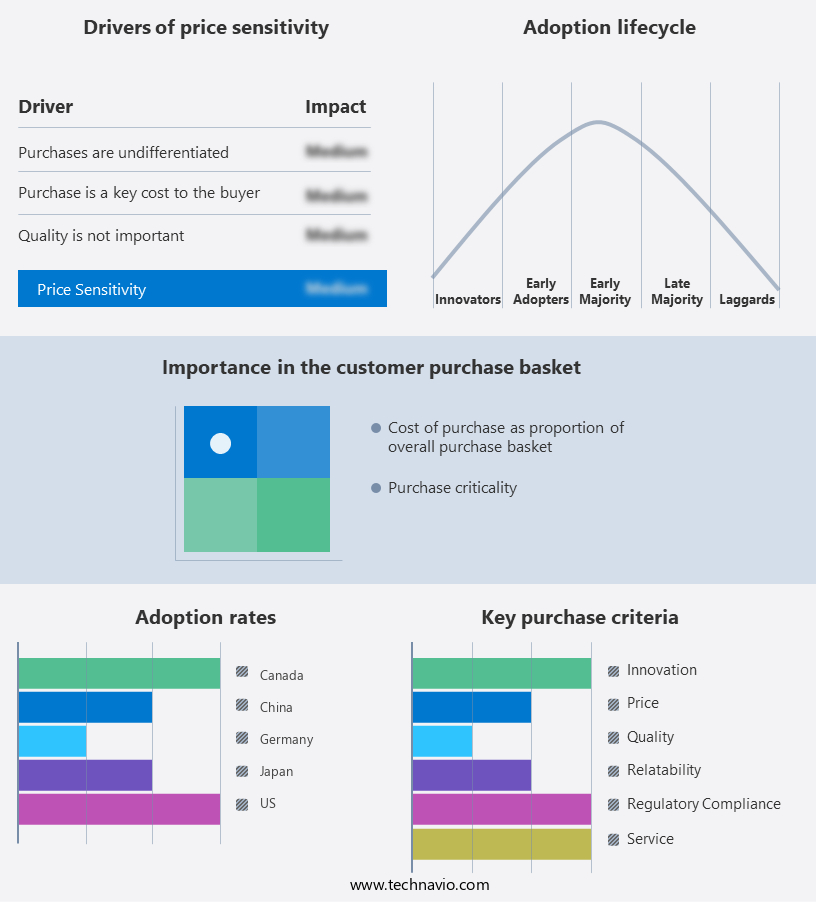
      Migraine Drugs Market Share by Geography

       Customer Landscape

      Key Companies & Market Insights

      Companies are implementing various strategies, such as strategic alliances, migraine drugs market forecast, partnerships, mergers and acquisitions, geographical expansion, and product/service launches, to enhance their presence In the industry.

      Abbott Laboratories - Migraine drugs are essential treatments for patients experiencing frequent, debilitating attacks that hinder their ability to perform daily activities. These medications offer relief and help manage the symptoms associated with migraines, contributing significantly to improving patients' quality of life. By addressing the neurological symptoms and preventing the onset of attacks, these drugs enable individuals to maintain productivity and overall well-being.

      The industry research and growth report includes detailed analyses of the competitive landscape of the market and information about key companies, including:

      • Abbott Laboratories
      • AbbVie Inc.
      • Amgen Inc.
      • Amneal Pharmaceuticals Inc.
      • AstraZeneca Plc
      • Bayer AG
      • Dr Reddys Laboratories Ltd.
      • Eli Lilly and Co.
      • Endo International Plc
      • GlaxoSmithKline Plc
      • H Lundbeck AS
      • Johnson and Johnson
      • Merck and Co. Inc.
      • Neurelis Inc.
      • Novartis AG
      • Otsuka Holdings Co. Ltd.
      • Pfizer Inc.
      • Sanofi SA
      • Teva Pharmaceutical Industries Ltd.
      • Winston Pharmaceuticals Ltd.

      Qualitative and quantitative analysis of companies has been conducted to help clients understand the wider business environment as well as the strengths and weaknesses of key industry players. Data is qualitatively analyzed to categorize companies as pure play, category-focused, industry-focused, and diversified; it is quantitatively analyzed to categorize companies as dominant, leading, strong, tentative, and weak.

      Research Analyst Overview

      Migraine, a neurological medical condition characterized by recurring headaches, is a significant health concern for millions of individuals worldwide. This debilitating condition is marked by various symptoms such as photophobia, phonophobia, and osmophobia, among others. Migraines can cause nausea, vomiting, loss of appetite, and sensory disturbances, making it challenging for patients to carry out their daily activities. The market for migraine therapeutics is driven by the growing prevalence of this neurological condition. According to epidemiological studies, migraines affect approximately 12% of the global population, with a higher prevalence among females and younger generations. The exact etiology of migraines is not fully understood, but they are believed to be linked to abnormalities In the nervous system, vascular system, and genetics.

      Migraines can manifest as chronic or acute conditions. Chronic migraines are characterized by frequent and prolonged headaches, while acute migraines are marked by episodic attacks. The chronic effects of migraines can lead to anxiety and depression, further exacerbating the condition. Several therapeutic options are available for managing migraines. Analgesics, antipsychotics, anticonvulsant drugs, and other pain-relieving medications are commonly used for acute therapy. Triptans, a class of small molecules, are a popular choice for acute treatment due to their ability to selectively target serotonin receptors In the brain. Preventive treatment options include antidepressants, anti-epileptics, and beta blockers. These medications work by modifying the underlying causes of migraines, providing long-term relief for patients.

      Oral preventive treatment is an effective strategy for managing chronic migraines, reducing the frequency and severity of attacks. Migraines can have various triggers, including viruses, cardiac diseases, pulmonary diseases, vascular diseases, fever, sleep disturbance, and dehydration. Identifying and addressing these triggers is crucial for effective migraine management. The market for migraine therapeutics is expected to grow as the prevalence of migraines continues to rise, and new treatments and delivery methods are developed. The development of novel therapeutic approaches, such as gene therapy and neurostimulation, holds great promise for the future of migraine treatment. In conclusion, migraines are a debilitating neurological condition that affects millions of individuals worldwide.

      The market for migraine therapeutics is driven by the growing prevalence of this condition and the need for effective treatment options. Analgesics, antipsychotics, anticonvulsant drugs, triptans, antidepressants, anti-epileptics, and beta blockers are among the therapeutic options available for managing migraines. Preventive treatment strategies, such as oral preventive treatment, are effective for managing chronic migraines. The future of migraine treatment holds great promise with the development of novel therapeutic approaches.

      Market Scope

      Report Coverage

      Details

      Page number

      168

      Base year

      2023

      Historic period

      2018-2022

      Forecast period

      2024-2028

      Growth momentum & CAGR

      Accelerate at a CAGR of 6.36%

      Market growth 2024-2028

      USD 1.34 billion

      Market structure

      Fragmented

      YoY growth 2023-2024(%)

      6.22

      Key countries

      US, Canada, Germany, China, and Japan

      Competitive landscape

      Leading Companies, Market Positioning of Companies, Competitive Strategies, and Industry Risks

      Request Free Sample

      What are the Key Data Covered in this Migraine Drugs Market Research and Growth Report?

      • CAGR of the Migraine Drugs industry during the forecast period
      • Detailed information on factors that will drive the growth and forecasting between 2024 and 2028
      • Precise estimation of the size of the market and its contribution of the industry in focus to the parent market
      • Accurate predictions about upcoming growth and trends and changes in consumer behaviour
      • Growth of the market across North America, Europe, Asia, and Rest of World (ROW)
      • Thorough analysis of the market’s competitive landscape and detailed information about companies
      • Comprehensive analysis of factors that will challenge the migraine drugs market growth of industry companies

      We can help! Our analysts can customize this migraine drugs market research report to meet your requirements.

      Get in touch


      1 Executive Summary

      • 1.1 Market overview
        • Exhibit 01: Executive Summary – Chart on Market Overview
        • Exhibit 02: Executive Summary – Data Table on Market Overview
        • Exhibit 03: Executive Summary – Chart on Global Market Characteristics
        • Exhibit 04: Executive Summary – Chart on Market by Geography
        • Exhibit 05: Executive Summary – Chart on Market Segmentation by End-user
        • Exhibit 06: Executive Summary – Chart on Market Segmentation by Type
        • Exhibit 07: Executive Summary – Chart on Incremental Growth
        • Exhibit 08: Executive Summary – Data Table on Incremental Growth
        • Exhibit 09: Executive Summary – Chart on Vendor Market Positioning

      2 Market Landscape

      • 2.1 Market ecosystem
        • Exhibit 10: Parent market
        • Exhibit 11: Market Characteristics

      3 Market Sizing

      • 3.1 Market definition
        • Exhibit 12: Offerings of vendors included in the market definition
      • 3.2 Market segment analysis
        • Exhibit 13: Market segments
      • 3.3 Market size 2023
        • 3.4 Market outlook: Forecast for 2023-2028
          • Exhibit 14: Chart on Global - Market size and forecast 2023-2028 ($ billion)
          • Exhibit 15: Data Table on Global - Market size and forecast 2023-2028 ($ billion)
          • Exhibit 16: Chart on Global Market: Year-over-year growth 2023-2028 (%)
          • Exhibit 17: Data Table on Global Market: Year-over-year growth 2023-2028 (%)

        4 Historic Market Size

        • 4.1 Global migraine drugs market 2018 - 2022
          • Exhibit 18: Historic Market Size – Data Table on global migraine drugs market 2018 - 2022 ($ billion)
        • 4.2 End-user Segment Analysis 2018 - 2022
          • Exhibit 19: Historic Market Size – End-user Segment 2018 - 2022 ($ billion)
        • 4.3 Type Segment Analysis 2018 - 2022
          • Exhibit 20: Historic Market Size – Type Segment 2018 - 2022 ($ billion)
        • 4.4 Geography Segment Analysis 2018 - 2022
          • Exhibit 21: Historic Market Size – Geography Segment 2018 - 2022 ($ billion)
        • 4.5 Country Segment Analysis 2018 - 2022
          • Exhibit 22: Historic Market Size – Country Segment 2018 - 2022 ($ billion)

        5 Five Forces Analysis

        • 5.1 Five forces summary
          • Exhibit 23: Five forces analysis - Comparison between 2023 and 2028
        • 5.2 Bargaining power of buyers
          • Exhibit 24: Chart on Bargaining power of buyers – Impact of key factors 2023 and 2028
        • 5.3 Bargaining power of suppliers
          • Exhibit 25: Bargaining power of suppliers – Impact of key factors in 2023 and 2028
        • 5.4 Threat of new entrants
          • Exhibit 26: Threat of new entrants – Impact of key factors in 2023 and 2028
        • 5.5 Threat of substitutes
          • Exhibit 27: Threat of substitutes – Impact of key factors in 2023 and 2028
        • 5.6 Threat of rivalry
          • Exhibit 28: Threat of rivalry – Impact of key factors in 2023 and 2028
        • 5.7 Market condition
          • Exhibit 29: Chart on Market condition - Five forces 2023 and 2028

        6 Market Segmentation by End-user

        • 6.1 Market segments
          • Exhibit 30: Chart on End-user - Market share 2023-2028 (%)
          • Exhibit 31: Data Table on End-user - Market share 2023-2028 (%)
        • 6.2 Comparison by End-user
          • Exhibit 32: Chart on Comparison by End-user
          • Exhibit 33: Data Table on Comparison by End-user
        • 6.3 Hospitals - Market size and forecast 2023-2028
          • Exhibit 34: Chart on Hospitals - Market size and forecast 2023-2028 ($ billion)
          • Exhibit 35: Data Table on Hospitals - Market size and forecast 2023-2028 ($ billion)
          • Exhibit 36: Chart on Hospitals - Year-over-year growth 2023-2028 (%)
          • Exhibit 37: Data Table on Hospitals - Year-over-year growth 2023-2028 (%)
        • 6.4 Retail - Market size and forecast 2023-2028
          • Exhibit 38: Chart on Retail - Market size and forecast 2023-2028 ($ billion)
          • Exhibit 39: Data Table on Retail - Market size and forecast 2023-2028 ($ billion)
          • Exhibit 40: Chart on Retail - Year-over-year growth 2023-2028 (%)
          • Exhibit 41: Data Table on Retail - Year-over-year growth 2023-2028 (%)
        • 6.5 Online - Market size and forecast 2023-2028
          • Exhibit 42: Chart on Online - Market size and forecast 2023-2028 ($ billion)
          • Exhibit 43: Data Table on Online - Market size and forecast 2023-2028 ($ billion)
          • Exhibit 44: Chart on Online - Year-over-year growth 2023-2028 (%)
          • Exhibit 45: Data Table on Online - Year-over-year growth 2023-2028 (%)
        • 6.6 Market opportunity by End-user
          • Exhibit 46: Market opportunity by End-user ($ billion)
          • Exhibit 47: Data Table on Market opportunity by End-user ($ billion)

        7 Market Segmentation by Type

        • 7.1 Market segments
          • Exhibit 48: Chart on Type - Market share 2023-2028 (%)
          • Exhibit 49: Data Table on Type - Market share 2023-2028 (%)
        • 7.2 Comparison by Type
          • Exhibit 50: Chart on Comparison by Type
          • Exhibit 51: Data Table on Comparison by Type
        • 7.3 Preventive - Market size and forecast 2023-2028
          • Exhibit 52: Chart on Preventive - Market size and forecast 2023-2028 ($ billion)
          • Exhibit 53: Data Table on Preventive - Market size and forecast 2023-2028 ($ billion)
          • Exhibit 54: Chart on Preventive - Year-over-year growth 2023-2028 (%)
          • Exhibit 55: Data Table on Preventive - Year-over-year growth 2023-2028 (%)
        • 7.4 Abortive - Market size and forecast 2023-2028
          • Exhibit 56: Chart on Abortive - Market size and forecast 2023-2028 ($ billion)
          • Exhibit 57: Data Table on Abortive - Market size and forecast 2023-2028 ($ billion)
          • Exhibit 58: Chart on Abortive - Year-over-year growth 2023-2028 (%)
          • Exhibit 59: Data Table on Abortive - Year-over-year growth 2023-2028 (%)
        • 7.5 Market opportunity by Type
          • Exhibit 60: Market opportunity by Type ($ billion)
          • Exhibit 61: Data Table on Market opportunity by Type ($ billion)

        8 Customer Landscape

        • 8.1 Customer landscape overview
          • Exhibit 62: Analysis of price sensitivity, lifecycle, customer purchase basket, adoption rates, and purchase criteria

        9 Geographic Landscape

        • 9.1 Geographic segmentation
          • Exhibit 63: Chart on Market share by geography 2023-2028 (%)
          • Exhibit 64: Data Table on Market share by geography 2023-2028 (%)
        • 9.2 Geographic comparison
          • Exhibit 65: Chart on Geographic comparison
          • Exhibit 66: Data Table on Geographic comparison
        • 9.3 North America - Market size and forecast 2023-2028
          • Exhibit 67: Chart on North America - Market size and forecast 2023-2028 ($ billion)
          • Exhibit 68: Data Table on North America - Market size and forecast 2023-2028 ($ billion)
          • Exhibit 69: Chart on North America - Year-over-year growth 2023-2028 (%)
          • Exhibit 70: Data Table on North America - Year-over-year growth 2023-2028 (%)
        • 9.4 Europe - Market size and forecast 2023-2028
          • Exhibit 71: Chart on Europe - Market size and forecast 2023-2028 ($ billion)
          • Exhibit 72: Data Table on Europe - Market size and forecast 2023-2028 ($ billion)
          • Exhibit 73: Chart on Europe - Year-over-year growth 2023-2028 (%)
          • Exhibit 74: Data Table on Europe - Year-over-year growth 2023-2028 (%)
        • 9.5 Asia - Market size and forecast 2023-2028
          • Exhibit 75: Chart on Asia - Market size and forecast 2023-2028 ($ billion)
          • Exhibit 76: Data Table on Asia - Market size and forecast 2023-2028 ($ billion)
          • Exhibit 77: Chart on Asia - Year-over-year growth 2023-2028 (%)
          • Exhibit 78: Data Table on Asia - Year-over-year growth 2023-2028 (%)
        • 9.6 Rest of World (ROW) - Market size and forecast 2023-2028
          • Exhibit 79: Chart on Rest of World (ROW) - Market size and forecast 2023-2028 ($ billion)
          • Exhibit 80: Data Table on Rest of World (ROW) - Market size and forecast 2023-2028 ($ billion)
          • Exhibit 81: Chart on Rest of World (ROW) - Year-over-year growth 2023-2028 (%)
          • Exhibit 82: Data Table on Rest of World (ROW) - Year-over-year growth 2023-2028 (%)
        • 9.7 US - Market size and forecast 2023-2028
          • Exhibit 83: Chart on US - Market size and forecast 2023-2028 ($ billion)
          • Exhibit 84: Data Table on US - Market size and forecast 2023-2028 ($ billion)
          • Exhibit 85: Chart on US - Year-over-year growth 2023-2028 (%)
          • Exhibit 86: Data Table on US - Year-over-year growth 2023-2028 (%)
        • 9.8 Germany - Market size and forecast 2023-2028
          • Exhibit 87: Chart on Germany - Market size and forecast 2023-2028 ($ billion)
          • Exhibit 88: Data Table on Germany - Market size and forecast 2023-2028 ($ billion)
          • Exhibit 89: Chart on Germany - Year-over-year growth 2023-2028 (%)
          • Exhibit 90: Data Table on Germany - Year-over-year growth 2023-2028 (%)
        • 9.9 Canada - Market size and forecast 2023-2028
          • Exhibit 91: Chart on Canada - Market size and forecast 2023-2028 ($ billion)
          • Exhibit 92: Data Table on Canada - Market size and forecast 2023-2028 ($ billion)
          • Exhibit 93: Chart on Canada - Year-over-year growth 2023-2028 (%)
          • Exhibit 94: Data Table on Canada - Year-over-year growth 2023-2028 (%)
        • 9.10 China - Market size and forecast 2023-2028
          • Exhibit 95: Chart on China - Market size and forecast 2023-2028 ($ billion)
          • Exhibit 96: Data Table on China - Market size and forecast 2023-2028 ($ billion)
          • Exhibit 97: Chart on China - Year-over-year growth 2023-2028 (%)
          • Exhibit 98: Data Table on China - Year-over-year growth 2023-2028 (%)
        • 9.11 Japan - Market size and forecast 2023-2028
          • Exhibit 99: Chart on Japan - Market size and forecast 2023-2028 ($ billion)
          • Exhibit 100: Data Table on Japan - Market size and forecast 2023-2028 ($ billion)
          • Exhibit 101: Chart on Japan - Year-over-year growth 2023-2028 (%)
          • Exhibit 102: Data Table on Japan - Year-over-year growth 2023-2028 (%)
        • 9.12 Market opportunity by geography
          • Exhibit 103: Market opportunity by geography ($ billion)
          • Exhibit 104: Data Tables on Market opportunity by geography ($ billion)

        10 Drivers, Challenges, and Trends

        • 10.1 Market drivers
          • 10.2 Market challenges
            • 10.3 Impact of drivers and challenges
              • Exhibit 105: Impact of drivers and challenges in 2023 and 2028
            • 10.4 Market trends

              11 Vendor Landscape

              • 11.1 Overview
                • 11.2 Vendor landscape
                  • Exhibit 106: Overview on Criticality of inputs and Factors of differentiation
                • 11.3 Landscape disruption
                  • Exhibit 107: Overview on factors of disruption
                • 11.4 Industry risks
                  • Exhibit 108: Impact of key risks on business

                12 Vendor Analysis

                • 12.1 Vendors covered
                  • Exhibit 109: Vendors covered
                • 12.2 Market positioning of vendors
                  • Exhibit 110: Matrix on vendor position and classification
                • 12.3 AbbVie Inc.
                  • Exhibit 111: AbbVie Inc. - Overview
                  • Exhibit 112: AbbVie Inc. - Product / Service
                  • Exhibit 113: AbbVie Inc. - Key news
                  • Exhibit 114: AbbVie Inc. - Key offerings
                • 12.4 Amgen Inc.
                  • Exhibit 115: Amgen Inc. - Overview
                  • Exhibit 116: Amgen Inc. - Product / Service
                  • Exhibit 117: Amgen Inc. - Key offerings
                • 12.5 Amneal Pharmaceuticals Inc.
                  • Exhibit 118: Amneal Pharmaceuticals Inc. - Overview
                  • Exhibit 119: Amneal Pharmaceuticals Inc. - Business segments
                  • Exhibit 120: Amneal Pharmaceuticals Inc. - Key news
                  • Exhibit 121: Amneal Pharmaceuticals Inc. - Key offerings
                  • Exhibit 122: Amneal Pharmaceuticals Inc. - Segment focus
                • 12.6 AstraZeneca Plc
                  • Exhibit 123: AstraZeneca Plc - Overview
                  • Exhibit 124: AstraZeneca Plc - Product / Service
                  • Exhibit 125: AstraZeneca Plc - Key news
                  • Exhibit 126: AstraZeneca Plc - Key offerings
                • 12.7 Eli Lilly and Co.
                  • Exhibit 127: Eli Lilly and Co. - Overview
                  • Exhibit 128: Eli Lilly and Co. - Product / Service
                  • Exhibit 129: Eli Lilly and Co. - Key news
                  • Exhibit 130: Eli Lilly and Co. - Key offerings
                • 12.8 Endo International Plc
                  • Exhibit 131: Endo International Plc - Overview
                  • Exhibit 132: Endo International Plc - Business segments
                  • Exhibit 133: Endo International Plc - Key news
                  • Exhibit 134: Endo International Plc - Key offerings
                  • Exhibit 135: Endo International Plc - Segment focus
                • 12.9 GlaxoSmithKline Plc
                  • Exhibit 136: GlaxoSmithKline Plc - Overview
                  • Exhibit 137: GlaxoSmithKline Plc - Business segments
                  • Exhibit 138: GlaxoSmithKline Plc - Key news
                  • Exhibit 139: GlaxoSmithKline Plc - Key offerings
                  • Exhibit 140: GlaxoSmithKline Plc - Segment focus
                • 12.10 H Lundbeck AS
                  • Exhibit 141: H Lundbeck AS - Overview
                  • Exhibit 142: H Lundbeck AS - Product / Service
                  • Exhibit 143: H Lundbeck AS - Key offerings
                • 12.11 Johnson and Johnson
                  • Exhibit 144: Johnson and Johnson - Overview
                  • Exhibit 145: Johnson and Johnson - Business segments
                  • Exhibit 146: Johnson and Johnson - Key news
                  • Exhibit 147: Johnson and Johnson - Key offerings
                  • Exhibit 148: Johnson and Johnson - Segment focus
                • 12.12 Merck and Co. Inc.
                  • Exhibit 149: Merck and Co. Inc. - Overview
                  • Exhibit 150: Merck and Co. Inc. - Business segments
                  • Exhibit 151: Merck and Co. Inc. - Key news
                  • Exhibit 152: Merck and Co. Inc. - Key offerings
                  • Exhibit 153: Merck and Co. Inc. - Segment focus
                • 12.13 Novartis AG
                  • Exhibit 154: Novartis AG - Overview
                  • Exhibit 155: Novartis AG - Business segments
                  • Exhibit 156: Novartis AG - Key offerings
                  • Exhibit 157: Novartis AG - Segment focus
                • 12.14 Otsuka Holdings Co. Ltd.
                  • Exhibit 158: Otsuka Holdings Co. Ltd. - Overview
                  • Exhibit 159: Otsuka Holdings Co. Ltd. - Business segments
                  • Exhibit 160: Otsuka Holdings Co. Ltd. - Key offerings
                  • Exhibit 161: Otsuka Holdings Co. Ltd. - Segment focus
                • 12.15 Pfizer Inc.
                  • Exhibit 162: Pfizer Inc. - Overview
                  • Exhibit 163: Pfizer Inc. - Product / Service
                  • Exhibit 164: Pfizer Inc. - Key news
                  • Exhibit 165: Pfizer Inc. - Key offerings
                • 12.16 Sanofi SA
                  • Exhibit 166: Sanofi SA - Overview
                  • Exhibit 167: Sanofi SA - Business segments
                  • Exhibit 168: Sanofi SA - Key news
                  • Exhibit 169: Sanofi SA - Key offerings
                  • Exhibit 170: Sanofi SA - Segment focus
                • 12.17 Teva Pharmaceutical Industries Ltd.
                  • Exhibit 171: Teva Pharmaceutical Industries Ltd. - Overview
                  • Exhibit 172: Teva Pharmaceutical Industries Ltd. - Business segments
                  • Exhibit 173: Teva Pharmaceutical Industries Ltd. - Key news
                  • Exhibit 174: Teva Pharmaceutical Industries Ltd. - Key offerings
                  • Exhibit 175: Teva Pharmaceutical Industries Ltd. - Segment focus

                13 Appendix

                • 13.1 Scope of the report
                  • 13.2 Inclusions and exclusions checklist
                    • Exhibit 176: Inclusions checklist
                    • Exhibit 177: Exclusions checklist
                  • 13.3 Currency conversion rates for US$
                    • Exhibit 178: Currency conversion rates for US$
                  • 13.4 Research methodology
                    • Exhibit 179: Research methodology
                    • Exhibit 180: Validation techniques employed for market sizing
                    • Exhibit 181: Information sources
                  • 13.5 List of abbreviations
                    • Exhibit 182: List of abbreviations

                  Research Methodology

                  Technavio presents a detailed picture of the market by way of study, synthesis, and summation of data from multiple sources. The analysts have presented the various facets of the market with a particular focus on identifying the key industry influencers. The data thus presented is comprehensive, reliable, and the result of extensive research, both primary and secondary.

                  INFORMATION SOURCES

                  Primary sources

                  • Manufacturers and suppliers
                  • Channel partners
                  • Industry experts
                  • Strategic decision makers

                  Secondary sources

                  • Industry journals and periodicals
                  • Government data
                  • Financial reports of key industry players
                  • Historical data
                  • Press releases

                  DATA ANALYSIS

                  Data Synthesis

                  • Collation of data
                  • Estimation of key figures
                  • Analysis of derived insights

                  Data Validation

                  • Triangulation with data models
                  • Reference against proprietary databases
                  • Corroboration with industry experts

                  REPORT WRITING

                  Qualitative

                  • Market drivers
                  • Market challenges
                  • Market trends
                  • Five forces analysis

                  Quantitative

                  • Market size and forecast
                  • Market segmentation
                  • Geographical insights
                  • Competitive landscape

                  Interested in this report?

                  Get your sample now to see our research methodology and insights!

                  Download Now

                  Frequently Asked Questions

                  Migraine Drugs market growth will increase by $ 1.34 bn during 2024-2028 .

                  The Migraine Drugs market is expected to grow at a CAGR of 6.36% during 2024-2028 .

                  Migraine Drugs market is segmented by End-user( Hospitals, Retail, Online) Type( Preventive, Abortive)

                  Abbott Laboratories, AbbVie Inc., Amgen Inc., Amneal Pharmaceuticals Inc., AstraZeneca Plc, Bayer AG, Dr Reddys Laboratories Ltd., Eli Lilly and Co., Endo International Plc, GlaxoSmithKline Plc, H Lundbeck AS, Johnson and Johnson, Merck and Co. Inc., Neurelis Inc., Novartis AG, Otsuka Holdings Co. Ltd., Pfizer Inc., Sanofi SA, Teva Pharmaceutical Industries Ltd., Winston Pharmaceuticals Ltd. are a few of the key vendors in the Migraine Drugs market.

                  North America will register the highest growth rate of 41% among the other regions. Therefore, the Migraine Drugs market in North America is expected to garner significant business opportunities for the vendors during the forecast period.

                  US, Canada, Germany, China, Japan

                  • Increasing number of patients suffering from migraineThe increase in the number of patients suffering from migraine is one of the major drivers in the global migraine drugs market. Migraine is a highly prevalent neurological disease across the world. Its prevalence is higher in North American regions across the globe. The overdose of pain-relief medicines can also lead to migraine-related problems. The frequent use of some medications can lead to the development of a disabling condition termed medication-overuse headache (MOH).Some of the other reasons that trigger migraine are lack of sleep is the driving factor this market.
                  • hunger is the driving factor this market.
                  • changes in the weather is the driving factor this market.
                  • excessive stimulation of the senses is the driving factor this market.
                  • and stress. Migraine usually begins during puberty or young adulthood. Women are more susceptible to migraine and less responsive to migraine treatment. The female reproductive hormone estrogen plays a major role in causing migraine. The fluctuations in estrogen levels affect the cells in the brain. Estrogen creates an electrical phenomenon in women's brains called cortical spreading depression is the driving factor this market.
                  • which is associated with migraine. The high prevalence of migraines across the world is expected to increase the demand for migraine therapeutics. Therefore is the driving factor this market.
                  • the prevalence of migraine globally will drive the demand for global migraine drugs market during the forecast period. is the driving factor this market.

                  The Migraine Drugs market vendors should focus on grabbing business opportunities from the Hospitals segment as it accounted for the largest market share in the base year.
