
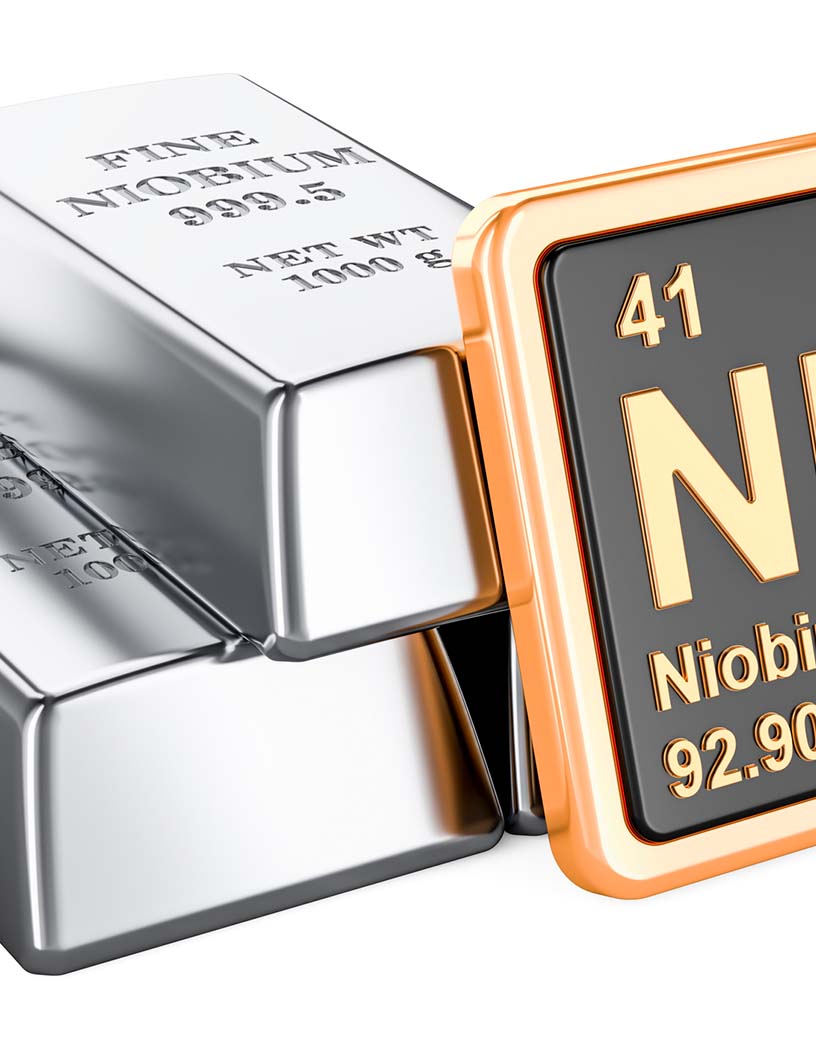


Niobium Market Size 2024-2028
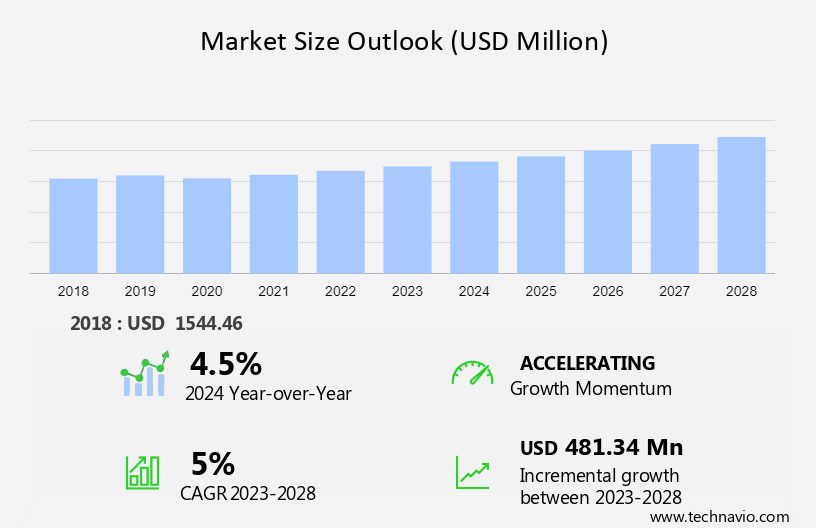
The niobium market size is forecast to increase by USD 481.34 mn at a CAGR of 5% between 2023 and 2028.
What will be the Size of the Niobium Market During the Forecast Period?
How is this Niobium Industry segmented and which is the largest segment?
The niobium industry research report provides comprehensive data (region-wise segment analysis), with forecasts and estimates in "USD million" for the period 2024-2028, as well as historical data from 2018-2022 for the following segments.
- End-user
- Construction
- Automotive and transportation
- Oil and gas
- Aerospace and defense
- Others
- Application
- Steel manufacturing
- Superalloys
- Others
- Geography
- APAC
- China
- India
- Japan
- North America
- US
- Europe
- Germany
- South America
- Middle East and Africa
- APAC
By End-user Insights
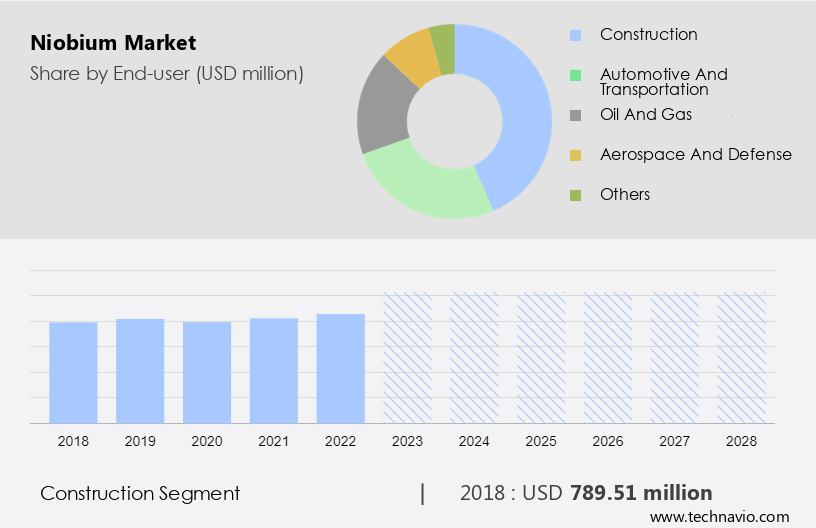
The construction segment is estimated to witness significant growth during the forecast period. Niobium, a valuable alloying element, significantly contributes to the construction sector and The market. Known as columbium, niobium enhances steel's properties, making it stronger, more durable, and resistant to corrosion. This alloying element is essential in infrastructure projects, buildings, and bridges. HSLA (High-Strength, Low-Alloy) steels, which contain niobium, offer increased load capacity and resistance to extreme weather conditions, making them suitable for constructing bridges, high-rise buildings, and industrial structures. Niobium's ability to improve steel's strength-to-weight ratio also makes it a desirable component in building lightweight structures without compromising durability. In the steel industry, niobium is used extensively in structural steel, transportation disruptions, pressure vessels, steel reinforcing bars, railway tracks, and various applications In the infrastructure sector.
The demand for niobium is driven by its use in various industries, including automotive, lithium-ion batteries, and the energy sector. The World Steel Association reports that niobium is an essential component in superalloys, superconductors, electronic components, functional ceramics, and new-age technologies. Niobium's role in various industries and applications, coupled with increasing demand for high-performance materials, is expected to drive market growth.
Get a glance at the market report of various segments Request Free Sample
The Construction segment was valued at USD 789.51 mn in 2018 and showed a gradual increase during the forecast period.
Regional Analysis
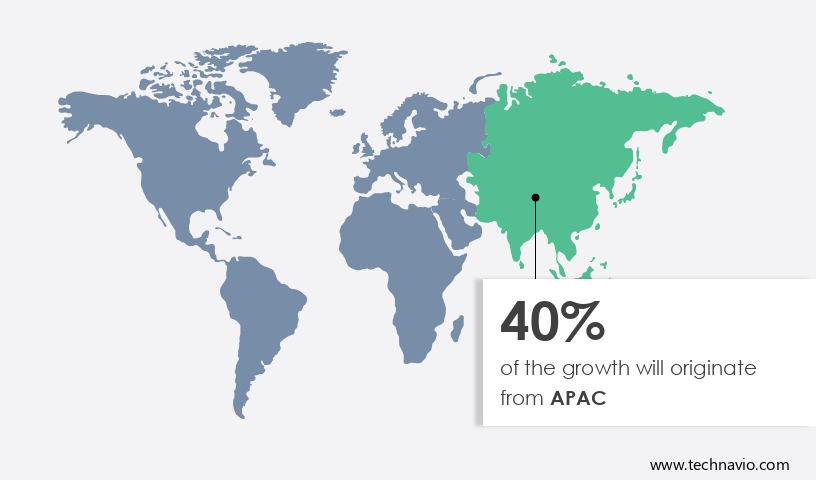
APAC is estimated to contribute 40% to the growth of the global market during the forecast period. Technavio’s analysts have elaborately explained the regional trends and drivers that shape the market during the forecast period.
For more insights on the market size of various regions, Request Free Sample
Niobium, a metallic element primarily used as an alloying agent In the steel industry, particularly for high-strength and low-alloy steels, has experienced notable growth in demand withIn the Asia-Pacific (APAC) region. This expansion is attributed to the region's significant infrastructure development and industrialization, with countries like China and India investing heavily in projects such as bridges, highways, power plants, and buildings. In the steel industry, niobium is essential for producing high-performance steel, including ferroniobium and HSLA (High-Strength Low-Alloy) steel, which offer enhanced mechanical qualities, wear resistance, and corrosion resistance. The increasing demand for these steels in infrastructure and automotive sectors, driven by urbanization and industrial expansion, is propelling the growth of the market in APAC.
Additionally, niobium is used in various industries, including transportation, energy, and electronics, further expanding its market potential.
Market Dynamics
Our researchers analyzed the data with 2023 as the base year, along with the key drivers, trends, and challenges. A holistic analysis of drivers will help companies refine their marketing strategies to gain a competitive advantage.
What are the key market drivers leading to the rise In the adoption of Niobium Industry?
- Increased growth in steel production is the key driver of the market.The market is experiencing notable expansion, primarily due to the rising global crude steel production. Niobium, an essential element, is extensively employed as an alloying agent in steelmaking. Its usage is predominantly observed In the production of high-strength, low-alloy (HSLA) steels, which are in high demand across various sectors, including automotive, construction, and infrastructure. HSLA steels offer superior mechanical qualities, such as high tensile strength, enhanced formability, and superior resistance to corrosion. As these industries continue to expand, the demand for niobium in steel production is projected to escalate. Niobium is also a vital component In the manufacturing of superalloys, superconductors, electronic components, functional ceramics, and new-age technologies.
In the infrastructure sector, niobium is used In the production of pressure vessels, heavy machinery, railway tracks, and steel reinforcing bars. In the automotive industry, it is utilized In the manufacture of passenger cars and electric vehicles, contributing to improved fuel efficiency and safety standards. In the energy sector, niobium is used in power generation facilities, both fossil fuel-based and renewable, as well as in wind turbine components, including towers, blades, penstocks, and other critical components. The market growth is influenced by several factors, including the increasing demand for high-performance engines, the growing importance of lightweight materials in reducing carbon emissions, and the increasing focus on safety standards in various industries.
Price volatility, geopolitical events, and economic conditions also impact the market. Major producers include Horwin Brasil, Telex Metals, and other leading mining companies. Niobium ore resources are primarily found in alkaline intrusive rocks such as carbonatites, granites, and pegmatites. The market is expected to continue its growth trajectory during the forecast period, driven by the increasing demand for niobium in various industries and applications.
What are the market trends shaping the Niobium market?
- Evolving electronics and optoelectronics is the upcoming market trend.The market is experiencing notable growth due to its increasing utilization in advanced technologies, particularly In the electronics and optoelectronics industries. As a transition metal, niobium boasts distinctive properties that make it indispensable for various electronic and optoelectronic devices. This trend is anticipated to substantially influence market expansion during the forecast period. A primary driver of this trend is the escalating demand for high-performance electronic gadgets, such as mobile phones, tablets, and laptops, which require niobium for miniaturization and performance enhancement. Niobium is extensively employed in electronic capacitors due to its capability to store and discharge large energy quantities swiftly.
Additionally, it is a critical component in superconducting magnets, high-strength steels, and other high-tech applications, including lithium-ion batteries, heavy machinery, pressure vessels, steel reinforcing bars, railway tracks, and infrastructure development. The market dynamics are influenced by factors such as mine design, world consumption, and the availability of niobium ore resources, including tantalite, niobium, tantalum, alkaline intrusive, carbonatites, granites, and pegmatites. Key applications of niobium include steelmaking, superalloys, superconductors, electronic components, functional ceramics, and new-age technologies. The market is further influenced by factors such as ferroalloy loadings, construction, wind turbines, medical imaging, particle accelerators, high-performance batteries, iron-based superalloys, jet engine components, gas turbines, rocket subassemblies, turbo charger systems, heat resisting, combustion equipment, air frame systems, and various industries such as Toshiba, defence and aerospace, and the strategic metal industry.
Import growth, vanadium market, rebar standards, steel makers, bridges, buildings, hangars, stadiums, high-performance engines, automobiles, lightweight materials, carbon emissions, fuel economy, nuclear fusion projects, niobium prices, and market insight reports also impact the market. Price volatility, geopolitical events, economic conditions, major producers, mining strikes, regulatory changes, and geopolitical tensions can cause price spikes and impact procurement levels, forecasted shipping delays, distributor mapping, commodity analysis, and production analysis.
What challenges does the Niobium Industry face during its growth?
- Limited supply and geographic concentration is a key challenge affecting the industry growth.The market encounters two primary challenges: the limited supply and geographic concentration of production. Niobium, a vital alloying element, is primarily derived from pyrochlore ores. The scarcity of these ores contributes to the metal's limited availability, resulting in potential price volatility and supply chain disruptions. Furthermore, the concentration of niobium production in a few countries, with Brazil being the leading producer, increases the market's vulnerability. This geographic focus can lead to geopolitical tensions and regulatory changes impacting the industry. Major consumers of niobium include the infrastructure sector for structural steel applications in construction, transportation, and infrastructure development. In the automotive industry, niobium is used in high-strength steels, pressure vessels, steel reinforcing bars, and railway tracks.
Additionally, niobium is essential In the production of lithium-ion batteries, superalloys, superconductors, electronic components, functional ceramics, and new-age technologies. The market growth is driven by the increasing demand for high-performance batteries, iron-based superalloys, jet engine components, gas turbines, rocket subassemblies, turbo charger systems, heat resisting, and combustion equipment. Despite these challenges, the market continues to grow due to its crucial role in various industries, including infrastructure, automotive, and energy sectors.
Exclusive Customer Landscape
The niobium market forecasting report includes the adoption lifecycle of the market, covering from the innovator’s stage to the laggard’s stage. It focuses on adoption rates in different regions based on penetration. Furthermore, the niobium market report also includes key purchase criteria and drivers of price sensitivity to help companies evaluate and develop their market growth analysis strategies.
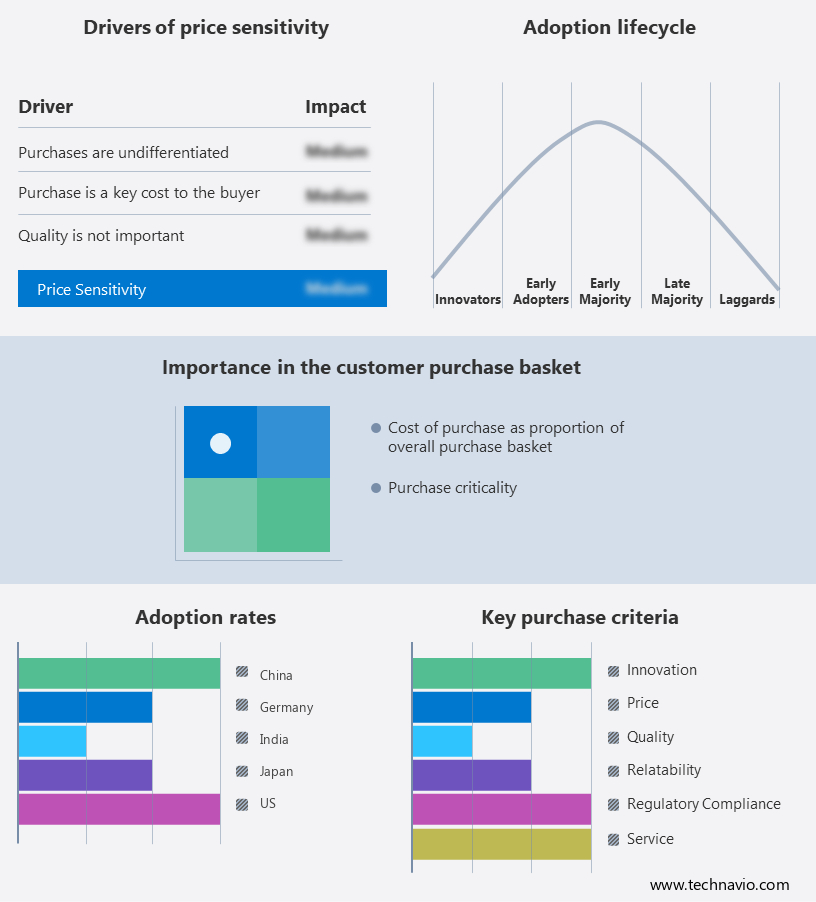
Customer Landscape
Key Companies & Market Insights
Companies are implementing various strategies, such as strategic alliances, niobium market forecast, partnerships, mergers and acquisitions, geographical expansion, and product/service launches, to enhance their presence In the industry.
Accumet Materials Co. - Niobium is produced through electron beam float zone refining techniques in a high vacuum environment. This process ensures the niobium is of the highest purity and quality. The refining method utilizes an electron beam to melt and solidify the material, resulting in a defect-free crystal structure. This advanced refining technique is essential for the production of niobium used in various high-performance applications, such as superconductors and alloys for aerospace and defense industries. The company's commitment to using this refining technique underscores its dedication to delivering top-tier niobium products to the global market.
The industry research and growth report includes detailed analyses of the competitive landscape of the market and information about key companies, including:
- Accumet Materials Co.
- Admat Inc.
- ALL METAL SALES, INC.
- ARA-T Advance GmbH
- Aritech Chemazone Pvt. Ltd.
- China Molybdenum Co. Ltd.
- Companhia Brasileira de Metalurgia e Mineracao
- Edgetech Industries LLC
- Excel Metal and Engg Industries
- Global Advanced Metals Pty Ltd.
- Globe Metals and Mining Ltd.
- H.C. Starck Solutions
- JX Metals Corp.
- Magris Performance Materials Inc.
- Otto Chemie Pvt. Ltd.
- Plansee SE
- Shree Bajrang Sales (p) Ltd.
- Wagener Elektrische Antriebstechnik GmbH
- Grondmet GmbH
- Manhar Metal Supply Corp.
Qualitative and quantitative analysis of companies has been conducted to help clients understand the wider business environment as well as the strengths and weaknesses of key industry players. Data is qualitatively analyzed to categorize companies as pure play, category-focused, industry-focused, and diversified; it is quantitatively analyzed to categorize companies as dominant, leading, strong, tentative, and weak.
Research Analyst Overview
Niobium is a critical non-ferrous metal known for its exceptional physical properties, making it an essential element in various industries. This strategic metal is primarily used as an alloying agent in steel and superalloys, enhancing their mechanical qualities, such as strength, toughness, and corrosion resistance. The demand for niobium is driven by several sectors, including transportation, infrastructure, and new-age technologies. The transportation sector utilizes niobium In the production of high-strength steel for heavy machinery, railway tracks, and pressure vessels. In the infrastructure sector, niobium is employed In the construction of bridges, buildings, hangars, stadiums, and other large-scale projects. The growing adoption of electric vehicles and renewable energy sources has significantly increased the demand for niobium In the production of lithium-ion batteries.
These batteries require high-performance materials to ensure optimal energy density, longevity, and safety. Niobium's unique properties make it an ideal choice for these applications. Moreover, niobium is a crucial component in superalloys, which are widely used In the aerospace and defense industries for manufacturing jet engine components, rocket subassemblies, and other high-performance materials. The demand for these materials is expected to grow as the global defense and aerospace sectors expand. Niobium is also used in various industrial applications, such as In the production of heat-resisting materials for combustion equipment, air frame systems, and turbo charger systems. Additionally, it is used In the energy sector for power generation facilities, both fossil fuel-based and renewable, as well as In the manufacturing of superconducting magnets and alloys for various industrial applications.
The market is influenced by several factors, including price volatility, geopolitical events, economic conditions, and regulatory changes. Major producers of niobium include Horwin Brasil, Telex Metals, and other mining companies. The availability and pricing of niobium ore resources, such as pyrochlore, columbite, and other minerals, also impact the market dynamics. The demand for niobium is expected to grow as the infrastructure sector continues to expand, and the automotive industry shifts towards lightweight materials and improved fuel efficiency. Additionally, the increasing adoption of new-age technologies, such as nuclear fusion projects, particle accelerators, and high-performance batteries, is expected to drive the demand for niobium in various industries.
In conclusion, niobium is a strategic metal with diverse applications in various industries, including transportation, infrastructure, and new-age technologies. Its unique physical properties make it an essential component In the production of high-performance materials, such as superalloys, lithium-ion batteries, and other advanced materials. The market is influenced by several factors, including geopolitical events, economic conditions, and regulatory changes, making it a dynamic and evolving market.
|
Market Scope |
|
|
Report Coverage |
Details |
|
Page number |
158 |
|
Base year |
2023 |
|
Historic period |
2018-2022 |
|
Forecast period |
2024-2028 |
|
Growth momentum & CAGR |
Accelerate at a CAGR of 5% |
|
Market growth 2024-2028 |
USD 481.34 million |
|
Market structure |
Fragmented |
|
YoY growth 2023-2024(%) |
4.5 |
|
Key countries |
US, China, India, Japan, and Germany |
|
Competitive landscape |
Leading Companies, Market Positioning of Companies, Competitive Strategies, and Industry Risks |
What are the Key Data Covered in this Niobium Market Research and Growth Report?
- CAGR of the Niobium industry during the forecast period
- Detailed information on factors that will drive the growth and forecasting between 2024 and 2028
- Precise estimation of the size of the market and its contribution of the industry in focus to the parent market
- Accurate predictions about upcoming growth and trends and changes in consumer behaviour
- Growth of the market across APAC, North America, Europe, South America, and Middle East and Africa
- Thorough analysis of the market’s competitive landscape and detailed information about companies
- Comprehensive analysis of factors that will challenge the niobium market growth of industry companies
We can help! Our analysts can customize this niobium market research report to meet your requirements.
 RIA -
RIA - 
