


Nurse Call Systems Market Size 2024-2028
The nurse call systems market size is forecast to increase by USD 1.79 billion, at a CAGR of 13.64% between 2023 and 2028.
- The market is witnessing significant growth, driven by the increasing geriatric population and rising investments in healthcare infrastructure. The aging demographic trend is leading to a surge in demand for advanced healthcare services, including those that improve patient safety and enhance operational efficiency in healthcare facilities. Consequently, there is a growing emphasis on implementing modern nurse call systems to streamline communication between nursing staff and patients. Moreover, the healthcare sector's ongoing modernization is fueling investments in advanced technologies, such as wireless nurse call systems, integrated communication platforms, and real-time location tracking systems. These solutions enable seamless communication, improve response times, and enhance patient care.
- However, the market faces challenges, including intensifying competition among nursing call system companies, which puts pressure on pricing and innovation. Additionally, ensuring interoperability with various healthcare IT systems and complying with stringent regulatory requirements pose significant challenges. To capitalize on market opportunities and navigate these challenges effectively, companies must focus on delivering cost-effective, innovative solutions that address the unique needs of healthcare providers and improve patient outcomes.
What will be the Size of the Nurse Call Systems Market during the forecast period?
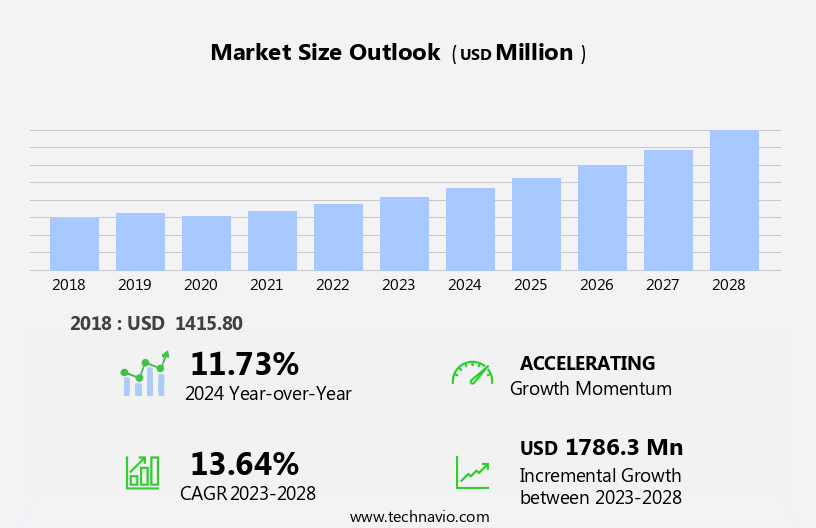
Explore in-depth regional segment analysis with market size data - historical 2018-2022 and forecasts 2024-2028 - in the full report.
Request Free Sample
The market continues to evolve, driven by advancements in technology and the growing demand for efficient, patient-centered care. These systems, which include network infrastructure, wireless nurse call, staff notification systems, and system integration services, among others, are integral to clinical workflows in various sectors. Audio-visual alerts, security features, and system maintenance protocols are essential components of these systems, ensuring seamless integration of emergency call buttons, interoperability standards, patient safety features, reporting capabilities, data logging features, bedside control panels, DECT nurse call, digital nurse call, and patient monitoring systems. The market's dynamism is reflected in the ongoing development of system scalability, two-way communication, wireless transmitters, location tracking systems, headboard control units, nurse call infrastructure, and emergency response times.
Call lights and patient room interfaces are optimized for patient comfort and safety, while fall detection systems and remote monitoring capabilities enhance care delivery. Alert management systems, nurse call software, call prioritization systems, mobility integration, and central monitoring stations are essential for efficient nurse call system management. As technology advances, these systems continue to evolve, adapting to the changing needs of healthcare providers and prioritizing patient safety and care.
How is this Nurse Call Systems Industry segmented?
The nurse call systems industry research report provides comprehensive data (region-wise segment analysis), with forecasts and estimates in "USD million" for the period 2024-2028, as well as historical data from 2018-2022 for the following segments.
- Technology
- Wired systems
- Wireless systems
- End-user
- Hospitals
- ASCs/Clinics
- Long-term care facilities
- Geography
- North America
- US
- Canada
- Europe
- Germany
- UK
- APAC
- China
- Rest of World (ROW)
- North America
By Technology Insights
The wired systems segment is estimated to witness significant growth during the forecast period.
The nurse call system market encompasses various components, including network infrastructure, wireless nurse call, staff notification systems, system integration services, audio-visual alerts, security features, system maintenance protocols, clinical workflow optimization, nurse call hardware, emergency call buttons, interoperability standards, patient safety features, reporting capabilities, data logging features, bedside control panels, DECT and digital nurse calls, patient monitoring systems, system scalability, two-way communication, wireless transmitters, location tracking systems, headboard control units, nurse call infrastructure, emergency response times, call light systems, patient room interfaces, fall detection systems, remote monitoring capabilities, alert management systems, nurse call software, call prioritization systems, mobility integration, central monitoring stations, and nurse call integrations.
These systems play a crucial role in healthcare facilities by ensuring efficient communication between patients and caregivers. Integration of IT-based technology and structured wired solutions enables seamless connectivity with other systems such as VoIP telephony, door access, bed status, fire alarms, and medical gas alarms. Wired nurse call systems offer reliability and stability, making them a preferred choice in healthcare settings. Unlike wireless systems, wired systems provide consistent communication, free from interference or signal loss. Their longer lifespan, not dependent on battery life or wireless signal strength, further boosts their adoption and contributes to the growth of the nurse call system market.
Nurse call systems also prioritize patient safety by incorporating features like fall detection and remote monitoring capabilities. Advanced alert management systems enable efficient prioritization and response to patient calls. Additionally, mobility integration allows caregivers to receive notifications on their mobile devices, enhancing flexibility and responsiveness. The market for nurse call systems continues to evolve, with a focus on system scalability and integration with other healthcare technologies. Central monitoring stations provide real-time data and analytics, enabling proactive care and improving overall patient outcomes. The adoption of digital and DECT nurse call systems further enhances communication efficiency and flexibility.
In conclusion, the nurse call system market is driven by the need for efficient communication and improved patient care in healthcare facilities. The integration of various components, such as wired and wireless systems, audio-visual alerts, security features, and patient safety features, contributes to the market's growth and evolution. The focus on system scalability, interoperability, and integration with other healthcare technologies is expected to continue shaping the market dynamics during the forecast period.
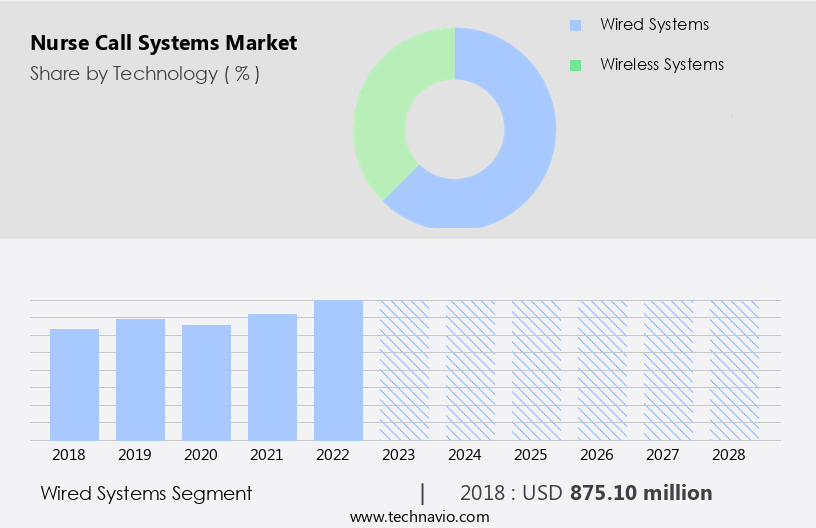
The Wired systems segment was valued at USD 875.10 billion in 2018 and showed a gradual increase during the forecast period.
Regional Analysis
Europe is estimated to contribute 39% to the growth of the global market during the forecast period. Technavio's analysts have elaborately explained the regional trends and drivers that shape the market during the forecast period.

In the market, North America emerged as the largest geographical segment in 2023, driven by the increasing prevalence of chronic conditions and surgical cases, rising product launches, and the presence of both local and global companies. The US and Canada are the major contributors to the regional market due to public and private reimbursement policies, government investment in healthcare facilities, and a growing focus on improving patient care and safety. These systems integrate advanced features such as wireless nurse call, staff notification systems, system integration services, audio-visual alerts, security features, and system maintenance protocols to optimize clinical workflows and enhance patient safety.
The market also offers various nurse call hardware options, including emergency call buttons, dect nurse calls, digital nurse calls, and patient monitoring systems, ensuring scalability and mobility integration. Two-way communication, interoperability standards, and remote monitoring capabilities are essential components of modern nurse call systems, allowing for real-time alert management and efficient response times. Central monitoring stations and nurse call software facilitate call prioritization, reporting capabilities, data logging features, and call light systems to improve overall patient room interface and fall detection system functionality. Security features, such as location tracking systems and headboard control units, provide an added layer of protection, ensuring patient privacy and safety.
The market's evolution continues with the integration of advanced technologies, including fall detection systems, alert management systems, and bedside control panels, to create a harmonious and immersive nurse call infrastructure.
Market Dynamics
Our researchers analyzed the data with 2023 as the base year, along with the key drivers, trends, and challenges. A holistic analysis of drivers will help companies refine their marketing strategies to gain a competitive advantage.
The market is witnessing significant growth due to the integration of advanced technologies, such as Electronic Health Records (EHR), wireless nurse call systems, and patient monitoring system upgrades. These innovations enable seamless communication between healthcare providers and patients, improving overall patient care and safety. During the installation of wireless nurse call systems, it's crucial to consider emergency response system maintenance protocols and central monitoring station network infrastructure. Proper nurse call system reporting capabilities are essential for effective patient care, with fall detection system integration workflows and call prioritization system algorithms playing vital roles. User interface design for bedside control panels, IP nurse call system technical support, and nurse call hardware system architecture are all crucial aspects of these systems. Power consumption is a critical factor for wireless transmitters, while location tracking system integration and staff notification system reliability are key considerations for patient safety. Two-way communication systems, data logging, system scalability for future upgrades, alert management system design principles, and mobility integration are all important features that adhere to market research report standards. Audio-visual alerts system configuration and IP nurse call system technical support ensure efficient and effective communication between healthcare staff and patients. In summary, the market is evolving to meet the demands of modern healthcare facilities, offering advanced features such as EHR integration, wireless nurse call systems, and patient monitoring system upgrades, while ensuring reliability, power efficiency, and user-friendly design.
What are the key market drivers leading to the rise in the adoption of Nurse Call Systems Industry?
- The geriatric population's expansion is the primary factor fueling market growth. (Maintaining a professional tone, ensuring grammatical correctness, and adhering to the 100-word limit.)
- In today's healthcare landscape, the need for advanced nurse call systems is increasingly significant as the geriatric population grows and seeks independent living solutions. These systems offer numerous benefits, such as network infrastructure for seamless communication, wireless capabilities for mobility, and staff notification systems for efficient response. System integration services ensure compatibility with other healthcare technologies, while audio-visual alerts and security features prioritize patient safety. Clinical workflow optimization and system maintenance protocols enhance operational efficiency. Nurse call hardware, including call buttons and nurse stations, are designed to be user-friendly and durable.
- With the integration of technology into home healthcare, nurse call systems play a vital role in managing potential risks, enabling caretakers to provide timely assistance and ensuring the elderly's independence and peace of mind.
What are the market trends shaping the Nurse Call Systems Industry?
- The investment landscape in healthcare is shifting towards increased allocations for infrastructure development. This trend reflects a growing recognition of the importance of robust healthcare infrastructure in ensuring high-quality patient care and promoting population health.
- Nurse call systems play a crucial role in enhancing patient care and hospital efficiency in various healthcare settings. These systems enable patients to summon assistance with the press of an emergency call button, ensuring prompt response from hospital staff. The adoption of nurse call systems has become increasingly important due to the rising prevalence of chronic and infectious diseases, which place significant demand on healthcare facilities. Interoperability standards enable seamless communication between different patient monitoring systems and nurse call systems, further enhancing patient safety and care. Reporting capabilities and data logging features allow healthcare organizations to monitor and analyze patient data, enabling proactive interventions and improved patient outcomes.
- Patient safety features, such as bedside control panels and DECT nurse call systems, provide patients with a sense of security and autonomy, while digital nurse call systems offer advanced communication capabilities and ease of use. The integration of nurse call systems with patient monitoring systems can lead to a more immersive and harmonious patient experience, emphasizing the importance of effective communication between patients and healthcare staff. Nurse call systems have been instrumental in reducing operational time and improving patient safety by facilitating timely and urgent communication. The adoption of these systems contributes to better patient outcomes and increased hospital efficiency, making them an essential component of modern healthcare infrastructure.
What challenges does the Nurse Call Systems Industry face during its growth?
- The intensifying competition among companies in the nursing call system market poses a significant challenge to the industry's growth. With numerous companies vying for market share, the nursing call system industry faces increased pressure to innovate and differentiate their offerings to stand out from the competition. This dynamic market environment necessitates a focus on continuous improvement and adaptation to remain competitive.
- The market is characterized by intense competition among various service providers, with many focusing on medical device connectivity and integration into life safety systems. The market's fragmentation is driven by the presence of numerous global, regional, and local companies, some of whom sell their own products while others offer rental or leasing options. Companies compete based on factors such as service quality, consulting, delivery time, long-term service and maintenance contracts, and historical engagement with buyers. Two-way communication, location tracking systems, and headboard control units are essential components of modern nurse call infrastructure. Call light systems and patient room interfaces are other crucial elements that ensure efficient communication between healthcare staff and patients.
- System scalability is a significant consideration, as healthcare facilities require flexible solutions that can accommodate changing needs. Emergency response times are a critical factor in the success of nurse call systems, making reliability and robustness essential. Wireless transmitters offer greater mobility and convenience, while location tracking systems enable quicker response times and improved patient care. Overall, the market is dynamic, with companies continually innovating to meet the evolving needs of healthcare providers.
Exclusive Customer Landscape
The nurse call systems market forecasting report includes the adoption lifecycle of the market, covering from the innovator's stage to the laggard's stage. It focuses on adoption rates in different regions based on penetration. Furthermore, the nurse call systems market report also includes key purchase criteria and drivers of price sensitivity to help companies evaluate and develop their market growth analysis strategies.

Customer Landscape
Key Companies & Market Insights
Companies are implementing various strategies, such as strategic alliances, nurse call systems market forecast, partnerships, mergers and acquisitions, geographical expansion, and product/service launches, to enhance their presence in the industry.
Alpha Communications - The company's subsidiary, Rauland, provides advanced nurse call solutions, such as Responder, enhancing communication and efficiency in healthcare facilities.
The industry research and growth report includes detailed analyses of the competitive landscape of the market and information about key companies, including:
- Alpha Communications
- AMETEK Inc.
- Ascom Holding AG
- Austco Healthcare Ltd.
- Baxter International Inc.
- Bec Integrated Solutions LLC
- Carecom Co. Ltd.
- Caretronic d.o.o.
- Cornell Communications
- Essec Group
- Halma Plc
- Honeywell International Inc.
- Jeron Electronic Systems Inc.
- Johnson Controls International Plc.
- Securitas AG
- System Technologies
- TekTone Sound and Signal Mfg. Inc.
- TigerConnect Inc.
- Tunstall Healthcare Group Ltd.
- West Com Nurse Call Systems Inc.
Qualitative and quantitative analysis of companies has been conducted to help clients understand the wider business environment as well as the strengths and weaknesses of key industry players. Data is qualitatively analyzed to categorize companies as pure play, category-focused, industry-focused, and diversified; it is quantitatively analyzed to categorize companies as dominant, leading, strong, tentative, and weak.
Recent Development and News in Nurse Call Systems Market
- In January 2024, Philips, a leading health technology company, announced the launch of their new IntelliVue DECT Nurse Call System, integrating voice communication with their patient monitoring solutions (Philips Press Release). This innovative approach aims to streamline workflows and improve patient care.
- In March 2024, Cerner Corporation and Ascom, a global solutions provider for healthcare ICT and mobility, entered into a strategic partnership to integrate Ascom's nurse call system with Cerner's electronic health record platform (Cerner Press Release). This collaboration enhances interoperability and improves communication efficiency between clinical staff.
- In May 2024, Smiths Medical, a leading medical device manufacturer, acquired Syncro Medical, a provider of wireless nurse call and real-time location systems, for approximately USD 150 million (Business Wire). This acquisition strengthens Smiths Medical's portfolio and expands their offerings in the market.
- In April 2025, the Joint Commission, an independent, nonprofit organization that accredits and certifies nearly 21,000 healthcare organizations and programs in the United States, announced new requirements for nurse call systems, mandating real-time location systems and integration with electronic health records (Joint Commission Press Release). This policy change reflects the growing importance of technology in enhancing patient safety and care.
Research Analyst Overview
- The market is characterized by continuous evolution, with a focus on enhancing patient care and staff communication. Call routing logic and central monitoring units facilitate efficient patient request handling and prioritization. System architecture is being upgraded to support advanced features, such as software updates, system customization, and real-time monitoring. Fall detection sensors and patient response systems ensure timely intervention for at-risk patients. System performance metrics and alert filtering enable proactive maintenance and troubleshooting, while system configuration and training ensure seamless implementation. Maintenance contracts, security audits, and technical support ensure system reliability and compliance with standards. Integration with Electronic Health Records (EHR) and emergency response protocols streamline workflows and improve care coordination.
- Network connectivity and system validation are essential for seamless integration and reliable performance. Hardware components undergo regular upgrades to support new technologies and enhance functionality. Data analytics and user interface design optimize system usage and user experience. System upgrade services and system training are crucial for maintaining a competitive edge in the ever-evolving market.
Dive into Technavio's robust research methodology, blending expert interviews, extensive data synthesis, and validated models for unparalleled Nurse Call Systems Market insights. See full methodology.
|
Market Scope |
|
|
Report Coverage |
Details |
|
Page number |
168 |
|
Base year |
2023 |
|
Historic period |
2018-2022 |
|
Forecast period |
2024-2028 |
|
Growth momentum & CAGR |
Accelerate at a CAGR of 13.64% |
|
Market growth 2024-2028 |
USD 1786.3 million |
|
Market structure |
Fragmented |
|
YoY growth 2023-2024(%) |
11.73 |
|
Key countries |
US, China, Germany, UK, and Canada |
|
Competitive landscape |
Leading Companies, Market Positioning of Companies, Competitive Strategies, and Industry Risks |
What are the Key Data Covered in this Nurse Call Systems Market Research and Growth Report?
- CAGR of the Nurse Call Systems industry during the forecast period
- Detailed information on factors that will drive the growth and forecasting between 2024 and 2028
- Precise estimation of the size of the market and its contribution of the industry in focus to the parent market
- Accurate predictions about upcoming growth and trends and changes in consumer behaviour
- Growth of the market across North America, Europe, APAC, Middle East and Africa, and South America
- Thorough analysis of the market's competitive landscape and detailed information about companies
- Comprehensive analysis of factors that will challenge the nurse call systems market growth of industry companies
We can help! Our analysts can customize this nurse call systems market research report to meet your requirements.
 RIA -
RIA - 
