


Organic Tampons Market Size 2025-2029
The organic tampons market size is forecast to increase by USD 581.6 million at a CAGR of 7.4% between 2024 and 2029.
- The market is experiencing significant growth, driven by the increasing popularity of organic feminine hygiene products. Consumers are increasingly seeking out natural and organic alternatives to traditional tampons, as they perceive them to be healthier and more eco-friendly. This shift in consumer preferences is leading to aggressive marketing efforts from key players in the market, further fueling growth. However, regulatory hurdles impact adoption, as organic certification processes can be lengthy and costly. Additionally, supply chain inconsistencies temper growth potential, as ensuring a consistent supply of organic cotton and other raw materials can be challenging. The market also faces increasing competition from other substitutes, such as menstrual cups and reusable pads, which offer their own unique benefits and are gaining traction among environmentally-conscious consumers. The market is experiencing significant growth, driven by the increasing awareness of personal hygiene, consumer healthcare, and the desire for effective solutions to combat germs, bacteria, and odor, all of which align with the growing focus on health and wellness.
- Companies seeking to capitalize on market opportunities must navigate these challenges effectively, focusing on regulatory compliance, supply chain optimization, and differentiation through innovative product offerings and effective marketing strategies.
What will be the Size of the Organic Tampons Market during the forecast period?

- The organic tampon market is experiencing significant growth, driven by increasing consumer awareness and demand for eco-friendly, sustainable menstrual products. This shift is evident in the rising preference for tampons made from plant-based fibers and bio-based materials. Packaging design plays a crucial role in attracting consumers, with brand values and product branding becoming increasingly important. Consumer trust is a key factor, as women seek out hypoallergenic tampons and non-toxic materials to alleviate menstrual discomfort and menstrual cycle awareness. Sustainability initiatives, such as period tracking apps and body literacy, are also gaining traction among eco-conscious consumers. Product innovation is a key trend, as companies introduce new offerings such as vaginal wipes, intimate deodorants, and menstrual cups. Natural ingredients and sustainable packaging are also gaining favor among consumers, particularly those with skin sensitivity.
- Tampon safety remains a priority, with a focus on reducing menstrual flow management issues like leakage. Female empowerment and body positivity are integral to the market, as women seek to take control of their menstrual cycles and manage menstrual cramps and period pain relief effectively. Data analytics plays a crucial role in understanding consumer behavior and preferences, informing marketing strategies and product development.
How is this Organic Tampons Industry segmented?
The organic tampons industry research report provides comprehensive data (region-wise segment analysis), with forecasts and estimates in "USD million" for the period 2025-2029, as well as historical data from 2019-2023 for the following segments.
- Type
- NAOT
- Applicator organic tampons
- Distribution Channel
- Offline
- Online
- Price
- Medium
- Low
- High
- Product
- Non-fragrance-based
- Fragrance-based
- Geography
- North America
- US
- Canada
- Europe
- France
- Germany
- Italy
- UK
- APAC
- Australia
- China
- Japan
- South America
- Brazil
- Rest of World (ROW)
- North America
By Type Insights
The NAOT segment is estimated to witness significant growth during the forecast period. The market is witnessing significant growth, with the non-applicator segment gaining popularity. These tampons, free of plastic or cardboard applicators, are inserted using fingers, making them a more eco-friendly and waste-conscious choice. They are often made from organic cotton or other natural fibers, catering to consumers seeking chemical-free and sustainable menstrual care solutions. Within the non-applicator organic tampons category, various absorbency levels and sizes, such as regular, super, and super plus, are available, allowing consumers to select tampons tailored to their menstrual flow and comfort preferences. Environmentally conscious consumers are increasingly drawn to non-applicator organic tampons due to their potential to minimize plastic waste and reduce environmental impact. Brick-and-mortar retail outlets, including supermarkets, pharmacies, specialty stores, and convenience stores, serve as primary channels, providing immediate access to a wide range of products.
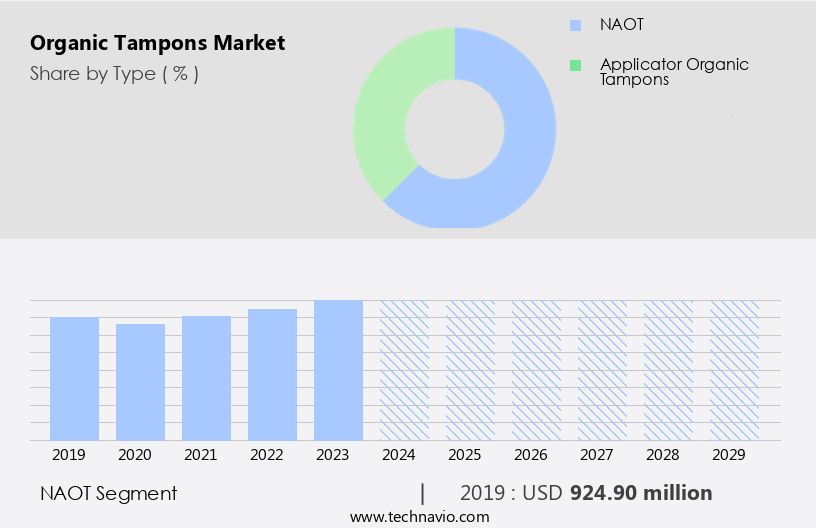
The NAOT segment was valued at USD 924.90 million in 2019 and showed a gradual increase during the forecast period. However, the counterfeit personal care products industry poses a challenge. Product innovation continues to drive the market, with the introduction of compostable tampons, menstrual cups, and biodegradable tampons made from plant-based materials. Marketing campaigns menstrual health, women's health, and social responsibility, while ethical sourcing, fair trade, and sustainable packaging are essential considerations for brands. Subscription services and distribution channels cater to the diverse needs of teen girls, adult women, and young women, offering convenient access to a wide range of menstrual hygiene products. Pricing strategies, influencer marketing, and digital marketing play crucial roles in brand awareness and customer loyalty. Fragrance-free tampons, tampon applicators, and various certifications, such as GOTS certified, further differentiate the market. The market's evolution reflects a growing awareness of the importance of sustainable and eco-friendly period care options.
Regional Analysis
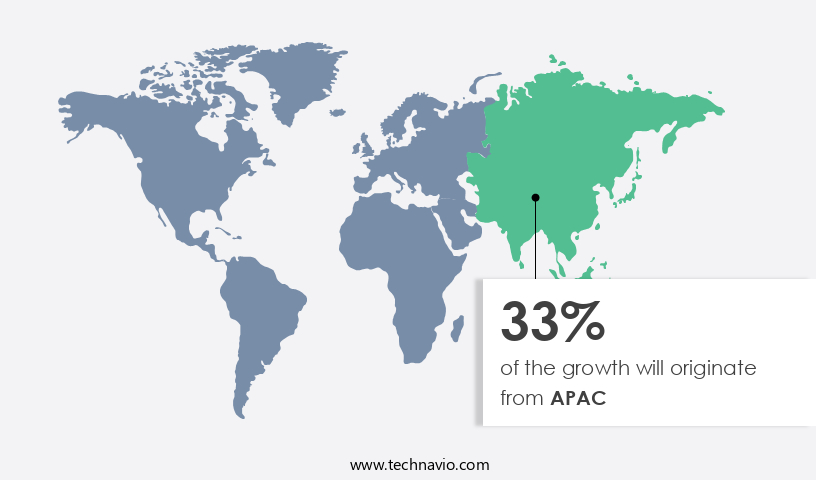
APAC is estimated to contribute 33% to the growth of the global market during the forecast period. Technavio's analysts have elaborately explained the regional trends and drivers that shape the market during the forecast period.
The organic tampon market in North America is experiencing significant growth due to increasing consumer awareness of environmental sustainability and health concerns. This region is witnessing a shift towards eco-friendly and chemical-free menstrual care options, with organic tampons gaining popularity. Key players in this market include brands such as Cora, BON Health Group, and Organyc, which specialize in organic and sustainable feminine hygiene products. These companies cater to diverse consumer preferences with a range of offerings, including applicator and non-applicator organic tampons. Canada and the US are leading countries in the adoption of feminine hygiene products like organic tampons, due to their large populations of working women and travelers.
Product differentiation is a significant trend in the market, with brands offering various types of organic tampons, such as reusable, compostable, and those made from organic cotton. Menstrual cups are also gaining traction as an alternative to traditional tampons. Light flow tampons and super tampons cater to different menstrual needs, while vegan tampons and those certified by the Global Organic Textile Standard (GOTS) appeal to consumers with specific preferences. Marketing campaigns and influencer collaborations play a crucial role in raising brand awareness and customer loyalty. Fair trade and ethical sourcing are essential considerations for many consumers, and retail stores are increasingly stocking organic tampons as part of their period care product offerings.
Subscription services and sustainable packaging are other trends that cater to the growing demand for eco-friendly menstrual care solutions. Sensitive skin, carbon footprint, and menstrual health are key concerns for adult women and young women alike. Brands are addressing these issues by offering fragrance-free tampons, tampons with different absorbencies, and tampons made from biodegradable materials. Menstrual hygiene products with a lower environmental impact are increasingly in demand, as consumers seek to reduce their carbon footprint. Product innovation, content marketing, and digital marketing are essential strategies for brands looking to differentiate themselves in the market. Sustainable tampons, biodegradable tampons, and plastic-free tampons are all areas of focus for brands looking to cater to the evolving needs and preferences of consumers.
Brands are also addressing the issue of tampon disposal by promoting sustainable practices and offering tampons with applicators made from biodegradable materials. Bleached tampons, dye-free tampons, and chlorine-free tampons are other trends in the market, as consumers become more conscious of the potential health risks associated with certain chemicals used in tampon production. Postpartum care and menstrual health education are also areas of focus for brands, as they seek to provide comprehensive period care solutions for women. The organic tampon market in North America is experiencing significant growth, driven by factors such as increasing awareness of environmental sustainability, health concerns, and a preference for organic and natural products.
Key players in the market are focusing on product differentiation, ethical sourcing, and eco-friendly practices to cater to the diverse needs and preferences of consumers. The market is expected to continue evolving as brands innovate and respond to changing consumer demands.
Market Dynamics
Our researchers analyzed the data with 2024 as the base year, along with the key drivers, trends, and challenges. A holistic analysis of drivers will help companies refine their marketing strategies to gain a competitive advantage.
What are the Organic Tampons market drivers leading to the rise in the adoption of Industry?
- Aggressive marketing efforts, characterized by increasing intensity and scale, are the primary catalyst for the growth of the organic tampon market. The market is experiencing significant growth due to increasing consumer awareness and preference for natural menstrual care products. Adult women and young females are increasingly seeking tampons made from non-GMO and biodegradable materials, prioritizing their health and the environment. Organic tampons offer benefits such as better absorbency, reduced carbon footprint, and suitability for sensitive skin. Manufacturers are leveraging various distribution channels, including subscription services, to reach consumers directly and promote their eco-friendly and socially responsible offerings. Marketing strategies, such as social media campaigns and influencer partnerships, the advantages of organic tampons, including their natural origin and biodegradable properties.
- Sustainable packaging and tampons made from biodegradable materials further enhance their appeal to eco-conscious consumers. As the market evolves, manufacturers focus on improving tampon flow and ensuring product quality while minimizing their environmental impact. Organic tampons offer a viable solution for consumers seeking period care options that align with their values and prioritize health and sustainability.
What are the Organic Tampons market trends shaping the Industry?
- Organic feminine hygiene products are experiencing a significant rise in popularity, representing a noteworthy market trend. This growing preference for natural and organic options reflects consumers' increasing awareness and concern for their health and the environment. Organic tampons have gained popularity among consumers due to growing concerns regarding the health effects of chemically synthesized menstrual products. Traditional tampons are often made of non-organic materials and contain harmful chemicals such as fragrances, bleaching agents, and chlorine. These substances may increase the risk of infections and other health issues. In response, consumers are increasingly opting for plastic-free, sustainable tampons made from natural ingredients. Brand awareness and customer loyalty are crucial factors driving the market for organic tampons. Influencer marketing and social media campaigns have played a significant role in promoting these products.
- Sustainability is a key selling point, as plastic-free tampons offer a more eco-friendly alternative to traditional applicator tampons. The organic tampon market is expected to continue growing as more women become educated about their menstrual health and the potential risks associated with conventional products. GOTS certification is a significant factor in brand differentiation and consumer trust. Pricing strategy is also essential, as affordability remains a concern for many consumers. Tampon disposal is another concern, with plastic applicators contributing to waste and environmental pollution. Organic tampons offer a more sustainable solution, as they are biodegradable and do not require applicators. As women's health and wellness become increasingly prioritized, the demand for organic tampons is expected to increase.
How does Organic Tampons market faces challenges face during its growth?
- The industry's expansion is being significantly hindered by the escalating competition from alternative solutions. Organic tampons represent a niche segment of the menstrual hygiene products market, with growing demand driven by consumer preferences for ethical sourcing and environmental considerations. Product innovation in this space includes the development of ultra and heavy flow tampons, dye-free and chlorine-free options, and organic certification. However, the market faces challenges from the availability and promotion of substitute products, such as sanitary napkins, menstrual cups, and period underwear. These alternatives are heavily promoted through content marketing and digital channels, influencing consumer purchasing decisions.
- The organic tampon market's growth is also impacted by the supply chain complexities, including sourcing organic cotton and ensuring ethical labor practices. Public relations efforts and partnerships with influencers can help increase awareness and adoption of organic tampons. While the organic tampon market holds potential for growth, it requires strategic marketing and promotion to compete with established players in the menstrual hygiene products industry.
Exclusive Customer Landscape
The organic tampons market forecasting report includes the adoption lifecycle of the market, covering from the innovator's stage to the laggard's stage. It focuses on adoption rates in different regions based on penetration. Furthermore, the organic tampons market report also includes key purchase criteria and drivers of price sensitivity to help companies evaluate and develop their market growth analysis strategies.
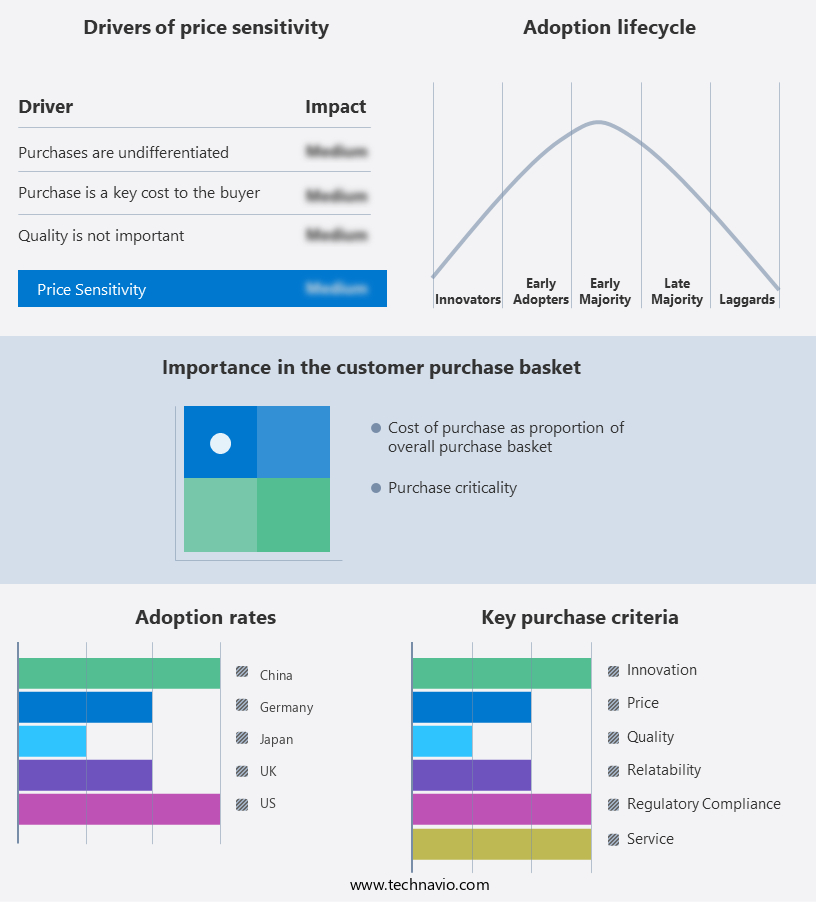
Customer Landscape
Key Companies & Market Insights
Companies are implementing various strategies, such as strategic alliances, organic tampons market forecast, partnerships, mergers and acquisitions, geographical expansion, and product/service launches, to enhance their presence in the industry.
Albaad Deutschland GmbH - This company provides eco-friendly tampons, including plastic applicator options from LOLA, free of synthetic fibers, chemical additives, fragrances, dyes, and chlorine bleach.
The industry research and growth report includes detailed analyses of the competitive landscape of the market and information about key companies, including:
- Albaad Deutschland GmbH
- ALYK Inc.
- ANDSISTERS
- Bodywise Ltd.
- BON Health Group
- COTTON HIGH TECH SL
- Edgewell Personal Care Co.
- Elize Lifestyle Pvt. Ltd.
- Grove Collaborative Inc.
- GU Planet
- LYV Life Inc.
- Maxim Hygiene Products Inc.
- Naturalena Brands
- Organic Initiative Ltd.
- Organyc
- Rael Inc.
- Seventh Generation Inc.
- Sirona Hygiene Pvt. Ltd.
- The Honest Co. Inc.
- The Procter and Gamble Co.
- TOM Organic
- TOTM Ltd.
- Winner Medical Co. Ltd.
Qualitative and quantitative analysis of companies has been conducted to help clients understand the wider business environment as well as the strengths and weaknesses of key industry players. Data is qualitatively analyzed to categorize companies as pure play, category-focused, industry-focused, and diversified; it is quantitatively analyzed to categorize companies as dominant, leading, strong, tentative, and weak.
Recent Development and News in Organic Tampons Market
- In March 2024, Tampax, a leading menstrual hygiene brand, introduced an organic cotton tampon line, expanding its product offerings to cater to the increasing demand for eco-friendly period solutions (Tampax Press Release, 2024). This move follows a growing trend in the market, as consumers express concerns over synthetic materials and chemical additives in conventional tampons.
- In September 2024, The Honest Company, a leading consumer goods company, raised USD100 million in a funding round to expand its organic tampon production and distribution (Business Wire, 2024). The investment will enable the company to meet the growing demand for organic tampons and strengthen its market position (CNBC, 2024).
- In January 2025, the European Union approved new regulations for menstrual products, requiring manufacturers to disclose ingredients and materials used in their products, including tampons (EU Commission Press Release, 2025). This initiative empowers consumers to make informed choices regarding the menstrual products they use, further driving the demand for organic tampons (Reuters, 2025).
Research Analyst Overview
The market continues to evolve, driven by consumer demand for eco-friendly and sustainable menstrual solutions. Plastic-free tampons, made from biodegradable materials, are gaining popularity due to their reduced environmental impact. Sustainable tampons, certified under the Global Organic Textile Standard (GOTS), ensure ethical sourcing and fair trade practices. Product differentiation is key, with light flow and super tampons catering to various menstrual needs. Brands are focusing on period education and brand awareness to build customer loyalty. Influencer marketing and social media campaigns are effective strategies to reach young women and teen girls. Menstrual cups and reusable tampons offer long-term cost savings and reduced carbon footprint.
Vegan tampons and fragrance-free options cater to specific consumer preferences. Pricing strategies vary, with subscription services offering discounts and convenience. Sensitive skin and menstrual health concerns drive demand for dye-free and chlorine-free tampons. Sustainable packaging and tampon applicators are essential for reducing waste. Brands are innovating with eco-friendly tampons, biodegradable applicators, and menstrual hygiene products. Competitive advantage lies in product innovation, ethical sourcing, and transparency in the supply chain. Brands are focusing on social responsibility and sustainability to build trust and loyalty. Period care is no longer a taboo topic, and brands are embracing open conversations to normalize menstruation. Period education and awareness campaigns are essential for reducing stigma and improving menstrual health. Retail stores and online platforms are expanding their offerings to cater to diverse consumer needs. The market is dynamic, with continuous innovation and evolving patterns shaping the future of menstrual care.
Dive into Technavio's strong research methodology, blending expert interviews, extensive data synthesis, and validated models for unparalleled Organic Tampons Market insights. See full methodology.
|
Market Scope |
|
|
Report Coverage |
Details |
|
Page number |
227 |
|
Base year |
2024 |
|
Historic period |
2019-2023 |
|
Forecast period |
2025-2029 |
|
Growth momentum & CAGR |
Accelerate at a CAGR of 7.4% |
|
Market growth 2025-2029 |
USD 581.6 million |
|
Market structure |
Fragmented |
|
YoY growth 2024-2025(%) |
6.8 |
|
Key countries |
US, Japan, Germany, Australia, UK, Canada, Brazil, France, China, and Italy |
|
Competitive landscape |
Leading Companies, Market Positioning of Companies, Competitive Strategies, and Industry Risks |
What are the Key Data Covered in this Organic Tampons Market Research and Growth Report?
- CAGR of the Organic Tampons industry during the forecast period
- Detailed information on factors that will drive the growth and forecasting between 2025 and 2029
- Precise estimation of the size of the market and its contribution of the industry in focus to the parent market
- Accurate predictions about upcoming growth and trends and changes in consumer behaviour
- Growth of the market across North America, Europe, APAC, South America, and Middle East and Africa
- Thorough analysis of the market's competitive landscape and detailed information about companies
- Comprehensive analysis of factors that will challenge the organic tampons market growth of industry companies
We can help! Our analysts can customize this organic tampons market research report to meet your requirements.
 RIA -
RIA - 
