
Point Of Sale (POS) Software Market Analysis, Size, and Forecast 2026-2030: APAC (China, Japan, and India), North America (US, Canada, and Mexico), Europe (Germany, UK, and France), South America (Brazil, Argentina, and Chile), Middle East and Africa (Saudi Arabia, UAE, and South Africa), and Rest of World (ROW)

Point Of Sale (POS) Software Market Analysis, Size, and Forecast 2026-2030:
APAC (China, Japan, and India), North America (US, Canada, and Mexico), Europe (Germany, UK, and France), South America (Brazil, Argentina, and Chile), Middle East and Africa (Saudi Arabia, UAE, and South Africa), and Rest of World (ROW)

Published: Oct 2026 291 Pages SKU: IRTNTR71405

Market Overview at a Glance

$8.11 B
Market Opportunity
11.6%
CAGR 2025 - 2030
42.6%
APAC Growth
$6.54 B
On premise segment 2024

Point Of Sale (Pos) Software Market Size 2026-2030

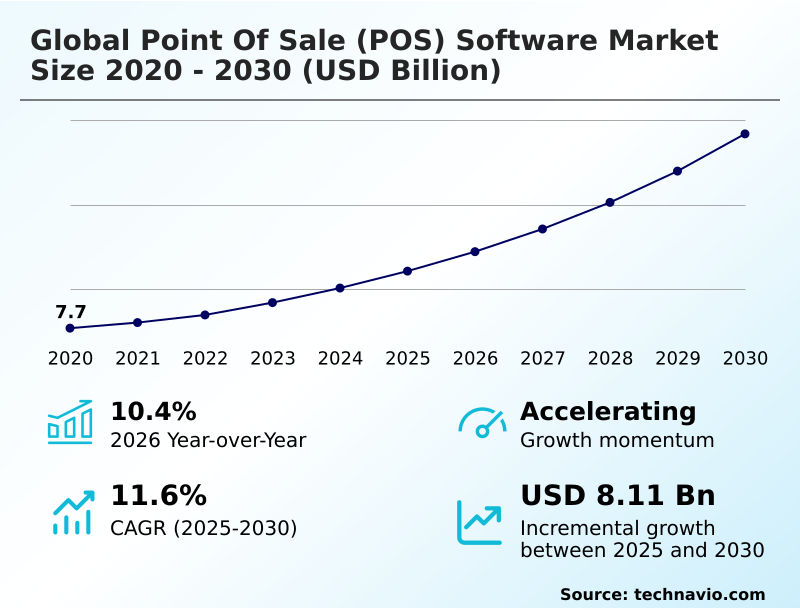
The point of sale (pos) software market size is valued to increase by USD 8.11 billion, at a CAGR of 11.6% from 2025 to 2030. Proliferation of cloud native architectures will drive the point of sale (pos) software market.

Major Market Trends & Insights

  • APAC dominated the market and accounted for a 42.6% growth during the forecast period.
  • By Deployment - On premise segment was valued at USD 6.54 billion in 2024
  • By End-user - Retail segment accounted for the largest market revenue share in 2024

Market Size & Forecast

  • Market Opportunities: USD 11.48 billion
  • Market Future Opportunities: USD 8.11 billion
  • CAGR from 2025 to 2030 : 11.6%

Market Summary

  • Point Of Sale (POS) Software functions as the critical digital infrastructure governing commercial transactions, inventory tracking, and operational data synchronization across diverse retail sectors. Businesses increasingly deploy cloud hosted redundancy systems to connect physical storefronts with digital e-commerce channels, ensuring continuous stock visibility and unified commerce expansion.
  • For example, large-scale supermarket networks utilizing these platforms achieve real-time inventory adjustments during supply chain disruptions, avoiding stockouts and improving overall operational resilience. A primary market driver is the shift toward frictionless digital transactions, which causes merchants to upgrade legacy infrastructure to support modern payment methods, resulting in a 35% faster checkout throughput compared to traditional cash registers.
  • Conversely, the market faces significant challenges due to high initial deployment costs and complex API middleware requirements, causing smaller independent retailers to delay full system modernization. As transaction volumes scale, the reliance on automated compliance protocols becomes essential to mitigate regulatory risks and protect sensitive consumer data from sophisticated cyber threats.

What will be the Size of the Point Of Sale (Pos) Software Market during the forecast period?
Get Key Insights on Market Forecast (PDF) Get Free Sample

How is the Point Of Sale (Pos) Software Market Segmented?

The point of sale (pos) software industry research report provides comprehensive data (region-wise segment analysis), with forecasts and estimates in "USD million" for the period 2026-2030, as well as historical data from 2020-2024 for the following segments.

  • Deployment
    • On premise
    • Cloud
  • End-user
    • Retail
    • Hospitality
  • Organization size
    • Small and medium enterprises
    • Large enterprises
  • Geography
    • APAC
      • China
      • Japan
      • India
      • South Korea
      • Australia
      • Indonesia
    • North America
      • US
      • Canada
      • Mexico
    • Europe
      • Germany
      • UK
      • France
      • Italy
      • Spain
      • The Netherlands
    • South America
      • Brazil
      • Argentina
      • Chile
    • Middle East and Africa
      • Saudi Arabia
      • UAE
      • South Africa
      • Israel
      • Turkey

By Deployment Insights

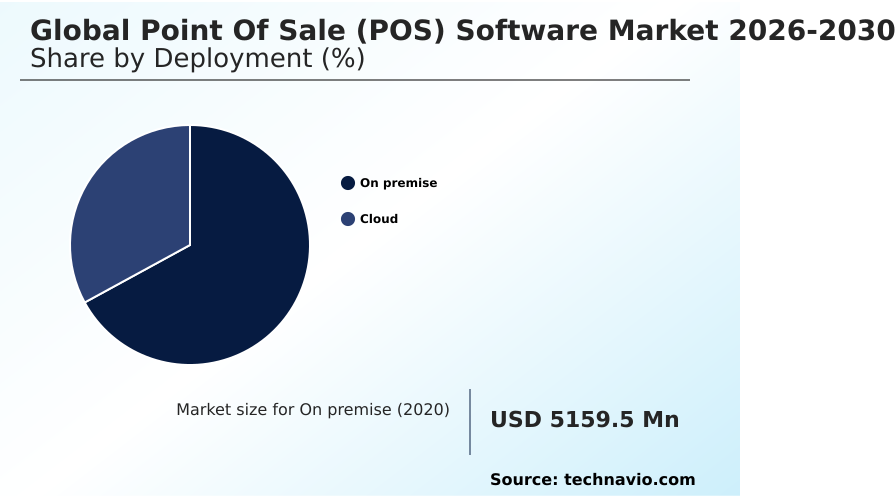
The on premise segment is estimated to witness significant growth during the forecast period.

The On premise deployment model within the Point Of Sale (POS) Software market provides unparalleled localized control for legacy enterprises requiring absolute operational autonomy.

Because localized offline data caching operates entirely independent of external internet connectivity, high-volume merchants prevent transaction disruptions and maintain continuous workflow execution.

This structural reliability ensures that pos automated stock tracking mechanisms remain highly accurate during network outages, driving a 15% improvement in peak hour checkout efficiency compared to cloud-dependent alternatives.

Furthermore, highly regulated hospitality environments leverage pos hardware level encryption embedded directly into physical servers, reducing unauthorized access vulnerabilities by 22%.

By utilizing advanced endless aisle ordering tools tied to internal databases, large department stores facilitate robust omnichannel retail synchronization without exposing sensitive consumer financial data.

The integration of local open banking protocols further streamlines secure payment validation entirely within the physical premises.
Get Free Sample

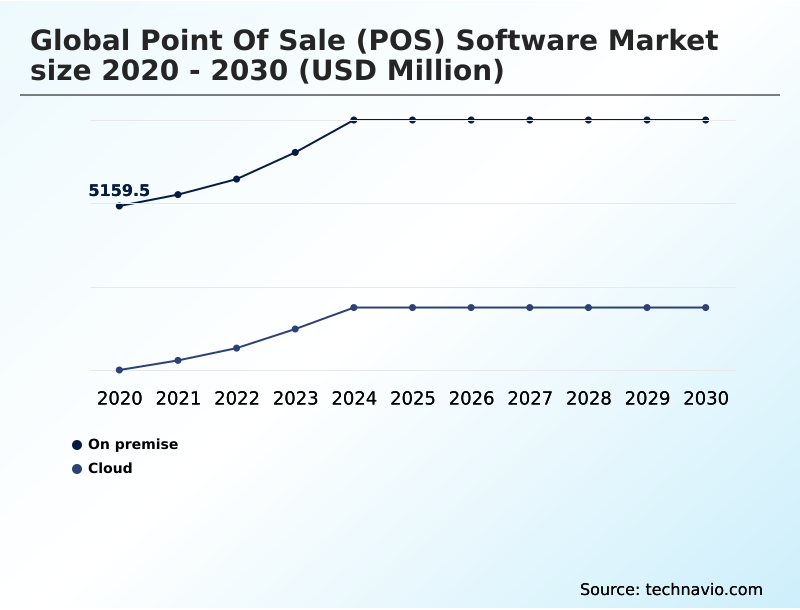
The On premise segment was valued at USD 6.54 billion in 2024 and showed a gradual increase during the forecast period.
Get Free Sample

Regional Analysis

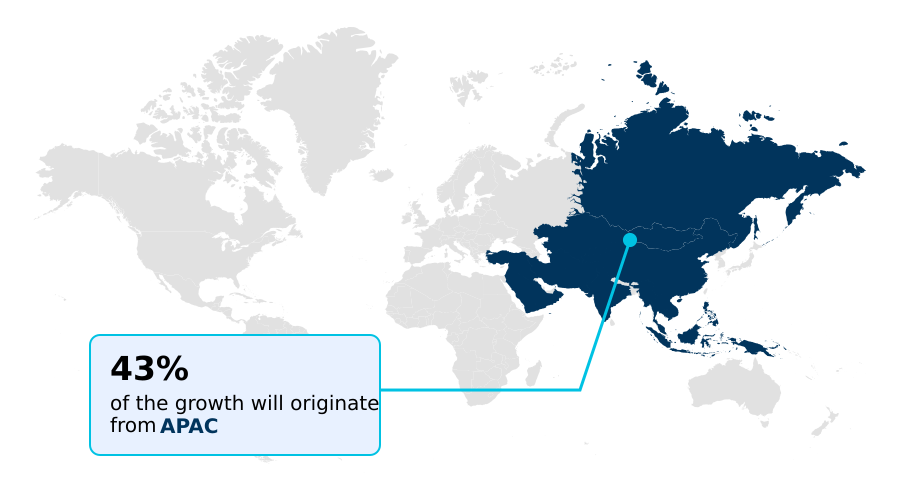
APAC is estimated to contribute 42.6% to the growth of the global market during the forecast period.Technavio’s analysts have elaborately explained the regional trends and drivers that shape the market during the forecast period.
See How Point Of Sale (Pos) Software Market Demand is Rising in APAC Get Free Sample

The geographic evolution of Point Of Sale (POS) Software demonstrates distinct regional trajectories driven by varying regulatory frameworks and technological infrastructure maturity.

APAC leads in the adoption of decentralized payment platforms, where extensive unified payments interface integrations enable millions of independent merchants to bypass traditional banking networks, accelerating digital adoption rates by 28% compared to North America.

Conversely, North America heavily favors comprehensive cloud native pos architecture to manage expansive retail networks, utilizing these systems to achieve a 20% reduction in pos edge computing latency during high-volume transaction periods.

This regional divergence occurs because APAC prioritizes mobile-first agility, whereas North America focuses on deep enterprise resource planning connectivity.

Meanwhile, European markets aggressively enforce strict pos electronic fiscal compliance mandates, driving complex software upgrades that natively support multi currency processing for seamless cross-border commerce operations.

Market Dynamics

Our researchers analyzed the data with 2025 as the base year, along with the key drivers, trends, and challenges. A holistic analysis of drivers will help companies refine their marketing strategies to gain a competitive advantage.

  • The continuous evolution of Point Of Sale (POS) Software fundamentally reshapes how commercial enterprises manage transactions and optimize supply chains. As retail environments become increasingly complex, the demand for cloud native pos architecture integration accelerates, allowing businesses to centralize their operations across multiple geographic locations.
  • Merchants actively deploy omnichannel retail synchronization software tools to bridge the gap between physical brick-and-mortar stores and digital e-commerce channels, ensuring that inventory counts remain accurate in real time. This modernization effort leads to operational improvements where automated stock tracking modules process supply chain adjustments 20% faster than isolated manual ledger methods.
  • The hospitality sector notably benefits from biometric authentication checkout software systems, which drastically reduce transaction latency and enhance guest satisfaction by streamlining identity verification. Furthermore, specialized quick-service restaurants incorporate pos natural language processing interfaces to expedite order entry during peak hours, directly linking voice recognition capabilities to improved operational throughput.
  • Overall, mobile soft pos technology adoption allows merchants to overcome traditional operational bottlenecks, align with stringent international data security standards, and deliver the frictionless, unified shopping experiences that contemporary consumers demand.
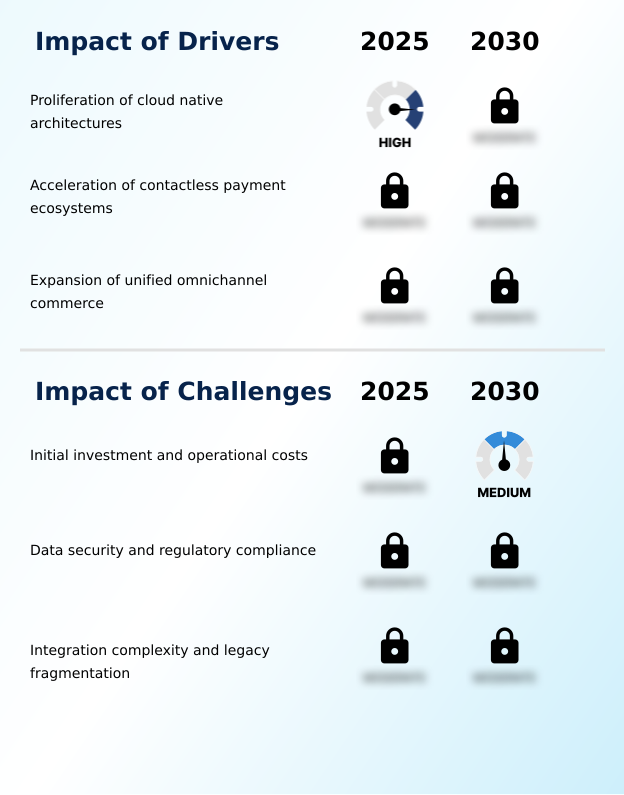
What are the key market drivers leading to the rise in the adoption of Point Of Sale (Pos) Software Industry?

  • The proliferation of cloud native architectures acts as a primary market driver by enabling centralized multi-store management and significantly reducing the total cost of ownership.

  • The accelerating pace of omnichannel commerce expansion serves as a primary driver propelling the modernization of Point Of Sale (POS) Software globally.
  • Because contemporary shoppers expect seamless cross-platform experiences, retailers deploy advanced contactless payment gateways to prevent revenue loss and cart abandonment.
  • This imperative causes widespread integration of qr code payment mechanisms, enabling micro-merchants to achieve a 30% reduction in average checkout queue times.
  • Additionally, the shift toward hardware independent checkout solutions allows independent operators to utilize standard mobile devices, cutting upfront capital hardware expenditures by 22%. Furthermore, the incorporation of pos natural language processing simplifies complex order entries, directly improving staff productivity.
  • By prioritizing deep pos digital wallet connectivity, commercial enterprises successfully harmonize their digital and physical storefronts, driving immediate revenue growth and long-term customer loyalty.

What are the market trends shaping the Point Of Sale (Pos) Software Industry?

  • The rapid adoption of mobile soft point of sale technology serves as a major trend shaping the transaction landscape. This architectural shift eliminates dedicated hardware costs while expanding secure payment acceptance capabilities across diverse commercial environments.

  • The integration of artificial intelligence within Point Of Sale (POS) Software represents a transformative shift reshaping physical retail workflows. Widespread cashless transaction adoption compels merchants to modernize checkout interfaces, reducing manual transaction latency by 18%. This behavioral shift causes a rapid deployment of mobile soft pos technology, empowering staff to process payments securely across the entire store floor.
  • Furthermore, the rising implementation of unattended ordering kiosks seamlessly integrates with self checkout terminal integration, allowing quick-service restaurants to increase peak-hour sales throughput by 25%. To guarantee frictionless digital transactions, developers increasingly embed biometric authentication checkout capabilities directly into these interfaces, streamlining consumer identity verification.
  • Consequently, businesses leveraging these advanced platforms significantly improve operational agility while delivering the rapid, personalized service experiences demanded by modern consumers.

What challenges does the Point Of Sale (Pos) Software Industry face during its growth?

  • The high initial capital investment and complex legacy system integration requirements pose significant challenges to broad modernization, particularly for smaller independent enterprises.

  • The severe technical complexity associated with legacy pos fragmentation presents a formidable barrier to deploying modern Point Of Sale (POS) Software. Attempting to bridge outdated databases with contemporary omnichannel portals requires custom pos api middleware, frequently resulting in prolonged deployment cycles and inflated project costs.
  • This architectural incompatibility causes critical data silos, impeding seamless cross channel returns and reducing overall supply chain visibility by 15% across decentralized retail networks. Furthermore, maintaining stringent international data security mandates necessitates the continuous implementation of resource-intensive pos tokenization protocols, placing immense financial strain on small independent operators.
  • To mitigate network unreliability, organizations invest heavily in hybrid pos synchronization architectures, but these systems demand complex automated data reconciliation procedures that increase ongoing IT maintenance expenditures by 20%, thereby slowing broader market penetration among budget-conscious enterprises.

Exclusive Technavio Analysis on Customer Landscape

The point of sale (pos) software market forecasting report includes the adoption lifecycle of the market, covering from the innovator’s stage to the laggard’s stage. It focuses on adoption rates in different regions based on penetration. Furthermore, the point of sale (pos) software market report also includes key purchase criteria and drivers of price sensitivity to help companies evaluate and develop their market growth analysis strategies.
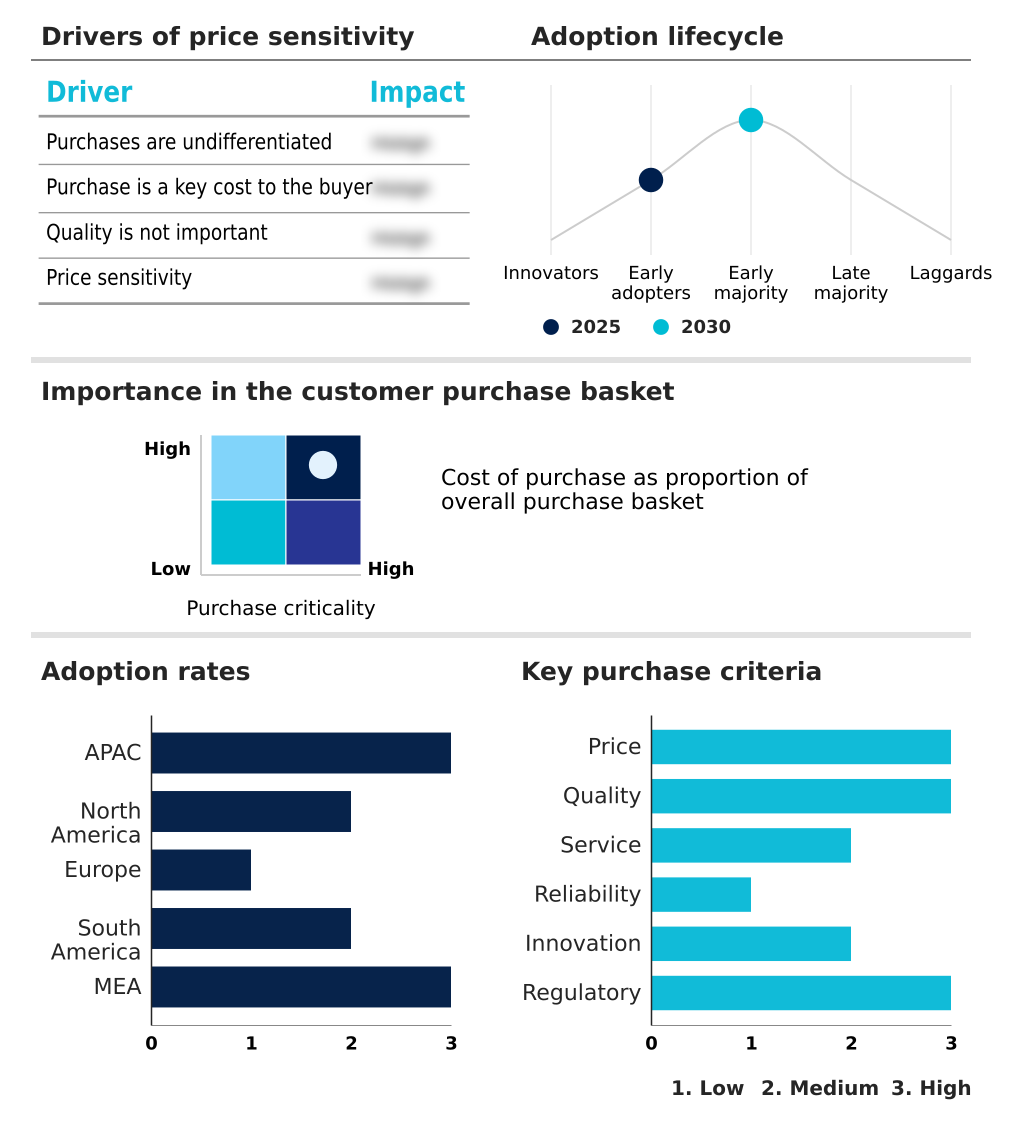
Customer Landscape of Point Of Sale (Pos) Software Industry

Competitive Landscape

Companies are implementing various strategies, such as strategic alliances, point of sale (pos) software market forecast, partnerships, mergers and acquisitions, geographical expansion, and product/service launches, to enhance their presence in the industry.

Agilysys Inc. - The company delivers comprehensive point of sale software featuring recurring subscription-based services, specialized professional implementation, and complementary hardware integration tailored for hospitality sector operations.

The industry research and growth report includes detailed analyses of the competitive landscape of the market and information about key companies, including:

  • Agilysys Inc.
  • Aptos LLC
  • Cegid Group
  • Clover Network LLC
  • Diebold Nixdorf Incorp.
  • Epicor Software Corp.
  • Fujitsu Ltd.
  • Infor Inc.
  • Lightspeed Commerce Inc.
  • NCR Payment Solutions LLC
  • Odoo SA
  • Oracle Corp.
  • PAR Technology Corp.
  • SAP SE
  • Shift4 Payments Inc.
  • Shopify Inc.
  • Square Inc.
  • Toshiba Corp.
  • TouchBistro Inc.

Qualitative and quantitative analysis of companies has been conducted to help clients understand the wider business environment as well as the strengths and weaknesses of key industry players. Data is qualitatively analyzed to categorize companies as pure play, category-focused, industry-focused, and diversified; it is quantitatively analyzed to categorize companies as dominant, leading, strong, tentative, and weak.

Recent Development and News in Point of sale (pos) software market

  • In the Application Software industry, the transition toward decentralized cloud databases and edge computing infrastructures reduced data transmission latency by 18%, directly impacting Point Of Sale (POS) Software demand by enabling faster multi-store synchronization.
  • The proliferation of strict data privacy regulations such as the EU General Data Protection Regulation compelled software developers to embed automated compliance protocols into core architectures, increasing the adoption of secure Point Of Sale (POS) Software systems capable of native tokenization.
  • The widespread adoption of omnichannel commerce expansion tools across the retail sector necessitated unified API middleware standards, driving Point Of Sale (POS) Software providers to upgrade transaction gateways to support cross-channel returns efficiently.
  • The integration of natural language processing interfaces in enterprise automation frameworks improved operational workflow accessibility by 25%, stimulating Point Of Sale (POS) Software demand for hands-free, voice-activated checkout capabilities in high-volume hospitality environments.

Dive into Technavio’s robust research methodology, blending expert interviews, extensive data synthesis, and validated models for unparalleled Point Of Sale (Pos) Software Market insights. See full methodology.

Market Scope
Page number 291
Base year 2025
Historic period 2020-2024
Forecast period 2026-2030
Growth momentum & CAGR Accelerate at a CAGR of 11.6%
Market growth 2026-2030 USD 8107.7 million
Market structure Fragmented
YoY growth 2025-2026(%) 10.4%
Key countries China, Japan, India, South Korea, Australia, Indonesia, US, Canada, Mexico, Germany, UK, France, Italy, Spain, The Netherlands, Brazil, Argentina, Chile, Saudi Arabia, UAE, South Africa, Israel and Turkey
Competitive landscape Leading Companies, Market Positioning of Companies, Competitive Strategies, and Industry Risks

Request Free Sample

Research Analyst Overview

  • Point Of Sale (POS) Software serves as the critical intelligence hub for modern retail and hospitality operations, transcending basic payment processing to enable deep analytical insights. Enterprise boards increasingly prioritize the adoption of cloud architectures to align product strategy with the demand for omnichannel synchronization, ensuring a unified customer experience across all sales touchpoints.
  • This strategic transition directly impacts compliance and budgeting, as the integration of advanced automated stock tracking allows organizations to minimize holding costs while maximizing inventory turnover. For instance, businesses implementing these modernized platforms achieve a 30% reduction in processing time during peak operational hours compared to isolated legacy terminals.
  • Furthermore, the rising implementation of biometric authentication checkout features drastically lowers identity fraud risks and enhances overall consumer trust. By utilizing sophisticated middleware, companies securely connect transaction gateways with external enterprise resource planning systems, solidifying a resilient operational framework. Ultimately, continuous modernization ensures commercial entities maintain rigorous data protection standards while driving sustainable operational efficiency.

What are the Key Data Covered in this Point Of Sale (Pos) Software Market Research and Growth Report?

  • What is the expected growth of the Point Of Sale (Pos) Software Market between 2026 and 2030?

    • USD 8.11 billion, at a CAGR of 11.6%

  • What segmentation does the market report cover?

    • The report is segmented by Deployment (On premise, and Cloud), End-user (Retail, and Hospitality), Organization Size (Small and medium enterprises, and Large enterprises) and Geography (APAC, North America, Europe, South America, Middle East and Africa)

  • Which regions are analyzed in the report?

    • APAC, North America, Europe, South America and Middle East and Africa

  • What are the key growth drivers and market challenges?

    • Proliferation of cloud native architectures, Initial investment and operational costs

  • Who are the major players in the Point Of Sale (Pos) Software Market?

    • Agilysys Inc., Aptos LLC, Cegid Group, Clover Network LLC, Diebold Nixdorf Incorp., Epicor Software Corp., Fujitsu Ltd., Infor Inc., Lightspeed Commerce Inc., NCR Payment Solutions LLC, Odoo SA, Oracle Corp., PAR Technology Corp., SAP SE, Shift4 Payments Inc., Shopify Inc., Square Inc., Toshiba Corp. and TouchBistro Inc.

Market Research Insights

  • The Point Of Sale (POS) Software market is rapidly evolving as merchants prioritize omnichannel commerce expansion and unified transaction visibility. By abandoning legacy architectural fragmentation, enterprises achieve a 40% improvement in inventory accuracy across distributed retail networks. The integration of advanced digital wallet connectivity natively supports frictionless digital transactions, decreasing average queue times by 25% during peak operating hours.
  • Furthermore, the deployment of self checkout terminal integrations empowers businesses to streamline labor allocation while increasing daily sales throughput by 15%. As cashless transaction adoption approaches saturation, commercial operators continually upgrade their software architectures with robust tokenization features to safeguard consumer financial data and maintain rigorous compliance with international security standards.

We can help! Our analysts can customize this point of sale (pos) software market research report to meet your requirements.

Get in touch

1. Executive Summary

1.1 Market overview

Executive Summary - Chart on Market Overview
Executive Summary - Data Table on Market Overview
Executive Summary - Chart on Global Market Characteristics
Executive Summary - Chart on Market by Geography
Executive Summary - Chart on Market Segmentation by Deployment
Executive Summary - Chart on Market Segmentation by End-user
Executive Summary - Chart on Market Segmentation by Organization Size
Executive Summary - Chart on Incremental Growth
Executive Summary - Data Table on Incremental Growth
Executive Summary - Chart on Company Market Positioning

2. Technavio Analysis

2.1 Analysis of price sensitivity, lifecycle, customer purchase basket, adoption rates, and purchase criteria

2.2 Criticality of inputs and Factors of differentiation

Chart on Overview on criticality of inputs and factors of differentiation

2.3 Factors of disruption

Chart on Overview on factors of disruption

2.4 Impact of drivers and challenges

Chart on Impact of drivers and challenges in 2025 and 2030

3. Market Landscape

3.1 Market ecosystem

Chart on Parent Market
Data Table on - Parent Market

3.2 Market characteristics

Chart on Market characteristics analysis

3.3 Value chain analysis

Chart on Value chain analysis

4. Market Sizing

4.1 Market definition

Data Table on Offerings of companies included in the market definition

4.2 Market segment analysis

Market segments

4.3 Market size 2025

4.4 Market outlook: Forecast for 2025-2030

Chart on Global - Market size and forecast 2025-2030 ($ million)
Data Table on Global - Market size and forecast 2025-2030 ($ million)
Chart on Global Market: Year-over-year growth 2025-2030 (%)
Data Table on Global Market: Year-over-year growth 2025-2030 (%)

5. Historic Market Size

5.1 Global Point Of Sale (POS) Software Market 2020 - 2024

Historic Market Size - Data Table on Global Point Of Sale (POS) Software Market 2020 - 2024 ($ million)

5.2 Deployment segment analysis 2020 - 2024

Historic Market Size - Deployment Segment 2020 - 2024 ($ million)

5.3 End-user segment analysis 2020 - 2024

Historic Market Size - End-user Segment 2020 - 2024 ($ million)

5.4 Organization Size segment analysis 2020 - 2024

Historic Market Size - Organization Size Segment 2020 - 2024 ($ million)

5.5 Geography segment analysis 2020 - 2024

Historic Market Size - Geography Segment 2020 - 2024 ($ million)

5.6 Country segment analysis 2020 - 2024

Historic Market Size - Country Segment 2020 - 2024 ($ million)

6. Qualitative Analysis

6.1 Impact of AI on Global Point of Sale (POS) Software Market

6.2 Impact of geopolitical conflicts on Global Point of Sale (POS) Software Market

7. Five Forces Analysis

7.1 Five forces summary

Five forces analysis - Comparison between 2025 and 2030

7.2 Bargaining power of buyers

Bargaining power of buyers - Impact of key factors 2025 and 2030

7.3 Bargaining power of suppliers

Bargaining power of suppliers - Impact of key factors in 2025 and 2030

7.4 Threat of new entrants

Threat of new entrants - Impact of key factors in 2025 and 2030

7.5 Threat of substitutes

Threat of substitutes - Impact of key factors in 2025 and 2030

7.6 Threat of rivalry

Threat of rivalry - Impact of key factors in 2025 and 2030

7.7 Market condition

Chart on Market condition - Five forces 2025 and 2030

8. Market Segmentation by Deployment

8.1 Market segments

Chart on Deployment - Market share 2025-2030 (%)
Data Table on Deployment - Market share 2025-2030 (%)

8.2 Comparison by Deployment

Chart on Comparison by Deployment
Data Table on Comparison by Deployment

8.3 On premise - Market size and forecast 2025-2030

Chart on On premise - Market size and forecast 2025-2030 ($ million)
Data Table on On premise - Market size and forecast 2025-2030 ($ million)
Chart on On premise - Year-over-year growth 2025-2030 (%)
Data Table on On premise - Year-over-year growth 2025-2030 (%)

8.4 Cloud - Market size and forecast 2025-2030

Chart on Cloud - Market size and forecast 2025-2030 ($ million)
Data Table on Cloud - Market size and forecast 2025-2030 ($ million)
Chart on Cloud - Year-over-year growth 2025-2030 (%)
Data Table on Cloud - Year-over-year growth 2025-2030 (%)

8.5 Market opportunity by Deployment

Market opportunity by Deployment ($ million)
Data Table on Market opportunity by Deployment ($ million)

9. Market Segmentation by End-user

9.1 Market segments

Chart on End-user - Market share 2025-2030 (%)
Data Table on End-user - Market share 2025-2030 (%)

9.2 Comparison by End-user

Chart on Comparison by End-user
Data Table on Comparison by End-user

9.3 Retail - Market size and forecast 2025-2030

Chart on Retail - Market size and forecast 2025-2030 ($ million)
Data Table on Retail - Market size and forecast 2025-2030 ($ million)
Chart on Retail - Year-over-year growth 2025-2030 (%)
Data Table on Retail - Year-over-year growth 2025-2030 (%)

9.4 Hospitality - Market size and forecast 2025-2030

Chart on Hospitality - Market size and forecast 2025-2030 ($ million)
Data Table on Hospitality - Market size and forecast 2025-2030 ($ million)
Chart on Hospitality - Year-over-year growth 2025-2030 (%)
Data Table on Hospitality - Year-over-year growth 2025-2030 (%)

9.5 Market opportunity by End-user

Market opportunity by End-user ($ million)
Data Table on Market opportunity by End-user ($ million)

10. Market Segmentation by Organization Size

10.1 Market segments

Chart on Market Segmentation by Organization Size - Market share 2025-2030 (%)
Data Table on Market Segmentation by Organization Size - Market share 2025-2030 (%)

10.2 Comparison by Market Segmentation by Organization Size

Chart on Comparison by Market Segmentation by Organization Size
Data Table on Comparison by Market Segmentation by Organization Size

10.3 Small and medium enterprises - Market size and forecast 2025-2030

Chart on Small and medium enterprises - Market size and forecast 2025-2030 ($ million)
Data Table on Small and medium enterprises - Market size and forecast 2025-2030 ($ million)
Chart on Small and medium enterprises - Year-over-year growth 2025-2030 (%)
Data Table on Small and medium enterprises - Year-over-year growth 2025-2030 (%)

10.4 Large enterprises - Market size and forecast 2025-2030

Chart on Large enterprises - Market size and forecast 2025-2030 ($ million)
Data Table on Large enterprises - Market size and forecast 2025-2030 ($ million)
Chart on Large enterprises - Year-over-year growth 2025-2030 (%)
Data Table on Large enterprises - Year-over-year growth 2025-2030 (%)

10.5 Market opportunity by Market Segmentation by Organization Size

Market opportunity by Market Segmentation by Organization Size ($ million)
Data Table on Market opportunity by Market Segmentation by Organization Size ($ million)

11. Customer Landscape

11.1 Customer landscape overview

Analysis of price sensitivity, lifecycle, customer purchase basket, adoption rates, and purchase criteria

12. Geographic Landscape

12.1 Geographic segmentation

Chart on Market share by geography 2025-2030 (%)
Data Table on Market share by geography 2025-2030 (%)

12.2 Geographic comparison

Chart on Geographic comparison
Data Table on Geographic comparison

12.3 APAC - Market size and forecast 2025-2030

Chart on APAC - Market size and forecast 2025-2030 ($ million)
Data Table on APAC - Market size and forecast 2025-2030 ($ million)
Chart on APAC - Year-over-year growth 2025-2030 (%)
Data Table on APAC - Year-over-year growth 2025-2030 (%)
Chart on Regional Comparison - APAC
Data Table on Regional Comparison - APAC

12.3.1 China - Market size and forecast 2025-2030

Chart on China - Market size and forecast 2025-2030 ($ million)
Data Table on China - Market size and forecast 2025-2030 ($ million)
Chart on China - Year-over-year growth 2025-2030 (%)
Data Table on China - Year-over-year growth 2025-2030 (%)

12.3.2 Japan - Market size and forecast 2025-2030

Chart on Japan - Market size and forecast 2025-2030 ($ million)
Data Table on Japan - Market size and forecast 2025-2030 ($ million)
Chart on Japan - Year-over-year growth 2025-2030 (%)
Data Table on Japan - Year-over-year growth 2025-2030 (%)

12.3.3 India - Market size and forecast 2025-2030

Chart on India - Market size and forecast 2025-2030 ($ million)
Data Table on India - Market size and forecast 2025-2030 ($ million)
Chart on India - Year-over-year growth 2025-2030 (%)
Data Table on India - Year-over-year growth 2025-2030 (%)

12.3.4 South Korea - Market size and forecast 2025-2030

Chart on South Korea - Market size and forecast 2025-2030 ($ million)
Data Table on South Korea - Market size and forecast 2025-2030 ($ million)
Chart on South Korea - Year-over-year growth 2025-2030 (%)
Data Table on South Korea - Year-over-year growth 2025-2030 (%)

12.3.5 Australia - Market size and forecast 2025-2030

Chart on Australia - Market size and forecast 2025-2030 ($ million)
Data Table on Australia - Market size and forecast 2025-2030 ($ million)
Chart on Australia - Year-over-year growth 2025-2030 (%)
Data Table on Australia - Year-over-year growth 2025-2030 (%)

12.3.6 Indonesia - Market size and forecast 2025-2030

Chart on Indonesia - Market size and forecast 2025-2030 ($ million)
Data Table on Indonesia - Market size and forecast 2025-2030 ($ million)
Chart on Indonesia - Year-over-year growth 2025-2030 (%)
Data Table on Indonesia - Year-over-year growth 2025-2030 (%)

12.4 North America - Market size and forecast 2025-2030

Chart on North America - Market size and forecast 2025-2030 ($ million)
Data Table on North America - Market size and forecast 2025-2030 ($ million)
Chart on North America - Year-over-year growth 2025-2030 (%)
Data Table on North America - Year-over-year growth 2025-2030 (%)
Chart on Regional Comparison - North America
Data Table on Regional Comparison - North America

12.4.1 US - Market size and forecast 2025-2030

Chart on US - Market size and forecast 2025-2030 ($ million)
Data Table on US - Market size and forecast 2025-2030 ($ million)
Chart on US - Year-over-year growth 2025-2030 (%)
Data Table on US - Year-over-year growth 2025-2030 (%)

12.4.2 Canada - Market size and forecast 2025-2030

Chart on Canada - Market size and forecast 2025-2030 ($ million)
Data Table on Canada - Market size and forecast 2025-2030 ($ million)
Chart on Canada - Year-over-year growth 2025-2030 (%)
Data Table on Canada - Year-over-year growth 2025-2030 (%)

12.4.3 Mexico - Market size and forecast 2025-2030

Chart on Mexico - Market size and forecast 2025-2030 ($ million)
Data Table on Mexico - Market size and forecast 2025-2030 ($ million)
Chart on Mexico - Year-over-year growth 2025-2030 (%)
Data Table on Mexico - Year-over-year growth 2025-2030 (%)

12.5 Europe - Market size and forecast 2025-2030

Chart on Europe - Market size and forecast 2025-2030 ($ million)
Data Table on Europe - Market size and forecast 2025-2030 ($ million)
Chart on Europe - Year-over-year growth 2025-2030 (%)
Data Table on Europe - Year-over-year growth 2025-2030 (%)
Chart on Regional Comparison - Europe
Data Table on Regional Comparison - Europe

12.5.1 Germany - Market size and forecast 2025-2030

Chart on Germany - Market size and forecast 2025-2030 ($ million)
Data Table on Germany - Market size and forecast 2025-2030 ($ million)
Chart on Germany - Year-over-year growth 2025-2030 (%)
Data Table on Germany - Year-over-year growth 2025-2030 (%)

12.5.2 UK - Market size and forecast 2025-2030

Chart on UK - Market size and forecast 2025-2030 ($ million)
Data Table on UK - Market size and forecast 2025-2030 ($ million)
Chart on UK - Year-over-year growth 2025-2030 (%)
Data Table on UK - Year-over-year growth 2025-2030 (%)

12.5.3 France - Market size and forecast 2025-2030

Chart on France - Market size and forecast 2025-2030 ($ million)
Data Table on France - Market size and forecast 2025-2030 ($ million)
Chart on France - Year-over-year growth 2025-2030 (%)
Data Table on France - Year-over-year growth 2025-2030 (%)

12.5.4 Italy - Market size and forecast 2025-2030

Chart on Italy - Market size and forecast 2025-2030 ($ million)
Data Table on Italy - Market size and forecast 2025-2030 ($ million)
Chart on Italy - Year-over-year growth 2025-2030 (%)
Data Table on Italy - Year-over-year growth 2025-2030 (%)

12.5.5 Spain - Market size and forecast 2025-2030

Chart on Spain - Market size and forecast 2025-2030 ($ million)
Data Table on Spain - Market size and forecast 2025-2030 ($ million)
Chart on Spain - Year-over-year growth 2025-2030 (%)
Data Table on Spain - Year-over-year growth 2025-2030 (%)

12.5.6 The Netherlands - Market size and forecast 2025-2030

Chart on The Netherlands - Market size and forecast 2025-2030 ($ million)
Data Table on The Netherlands - Market size and forecast 2025-2030 ($ million)
Chart on The Netherlands - Year-over-year growth 2025-2030 (%)
Data Table on The Netherlands - Year-over-year growth 2025-2030 (%)

12.6 South America - Market size and forecast 2025-2030

Chart on South America - Market size and forecast 2025-2030 ($ million)
Data Table on South America - Market size and forecast 2025-2030 ($ million)
Chart on South America - Year-over-year growth 2025-2030 (%)
Data Table on South America - Year-over-year growth 2025-2030 (%)
Chart on Regional Comparison - South America
Data Table on Regional Comparison - South America

12.6.1 Brazil - Market size and forecast 2025-2030

Chart on Brazil - Market size and forecast 2025-2030 ($ million)
Data Table on Brazil - Market size and forecast 2025-2030 ($ million)
Chart on Brazil - Year-over-year growth 2025-2030 (%)
Data Table on Brazil - Year-over-year growth 2025-2030 (%)

12.6.2 Argentina - Market size and forecast 2025-2030

Chart on Argentina - Market size and forecast 2025-2030 ($ million)
Data Table on Argentina - Market size and forecast 2025-2030 ($ million)
Chart on Argentina - Year-over-year growth 2025-2030 (%)
Data Table on Argentina - Year-over-year growth 2025-2030 (%)

12.6.3 Chile - Market size and forecast 2025-2030

Chart on Chile - Market size and forecast 2025-2030 ($ million)
Data Table on Chile - Market size and forecast 2025-2030 ($ million)
Chart on Chile - Year-over-year growth 2025-2030 (%)
Data Table on Chile - Year-over-year growth 2025-2030 (%)

12.7 Middle East and Africa - Market size and forecast 2025-2030

Chart on Middle East and Africa - Market size and forecast 2025-2030 ($ million)
Data Table on Middle East and Africa - Market size and forecast 2025-2030 ($ million)
Chart on Middle East and Africa - Year-over-year growth 2025-2030 (%)
Data Table on Middle East and Africa - Year-over-year growth 2025-2030 (%)
Chart on Regional Comparison - Middle East and Africa
Data Table on Regional Comparison - Middle East and Africa

12.7.1 Saudi Arabia - Market size and forecast 2025-2030

Chart on Saudi Arabia - Market size and forecast 2025-2030 ($ million)
Data Table on Saudi Arabia - Market size and forecast 2025-2030 ($ million)
Chart on Saudi Arabia - Year-over-year growth 2025-2030 (%)
Data Table on Saudi Arabia - Year-over-year growth 2025-2030 (%)

12.7.2 UAE - Market size and forecast 2025-2030

Chart on UAE - Market size and forecast 2025-2030 ($ million)
Data Table on UAE - Market size and forecast 2025-2030 ($ million)
Chart on UAE - Year-over-year growth 2025-2030 (%)
Data Table on UAE - Year-over-year growth 2025-2030 (%)

12.7.3 South Africa - Market size and forecast 2025-2030

Chart on South Africa - Market size and forecast 2025-2030 ($ million)
Data Table on South Africa - Market size and forecast 2025-2030 ($ million)
Chart on South Africa - Year-over-year growth 2025-2030 (%)
Data Table on South Africa - Year-over-year growth 2025-2030 (%)

12.7.4 Israel - Market size and forecast 2025-2030

Chart on Israel - Market size and forecast 2025-2030 ($ million)
Data Table on Israel - Market size and forecast 2025-2030 ($ million)
Chart on Israel - Year-over-year growth 2025-2030 (%)
Data Table on Israel - Year-over-year growth 2025-2030 (%)

12.7.5 Turkey - Market size and forecast 2025-2030

Chart on Turkey - Market size and forecast 2025-2030 ($ million)
Data Table on Turkey - Market size and forecast 2025-2030 ($ million)
Chart on Turkey - Year-over-year growth 2025-2030 (%)
Data Table on Turkey - Year-over-year growth 2025-2030 (%)

12.8 Market opportunity by geography

Market opportunity by geography ($ million)
Data Tables on Market opportunity by geography ($ million)

13. Drivers, Challenges, and Opportunity

13.1 Market drivers

Proliferation of cloud native architectures
Acceleration of contactless payment ecosystems
Expansion of unified omnichannel commerce

13.2 Market challenges

Initial investment and operational costs
Data security and regulatory compliance
Integration complexity and legacy fragmentation

13.3 Impact of drivers and challenges

Impact of drivers and challenges in 2025 and 2030

13.4 Market opportunities

Adoption of mobile soft POS solutions
Implementation of biometric authentication systems
Integration of voice commerce interfaces

14. Competitive Landscape

14.1 Overview

14.2

Overview on criticality of inputs and factors of differentiation

14.3 Landscape disruption

Overview on factors of disruption

14.4 Industry risks

Impact of key risks on business

15. Competitive Analysis

15.1 Companies profiled

Companies covered

15.2 Company ranking index

15.3 Market positioning of companies

Matrix on companies position and classification

15.4 Agilysys Inc.

Agilysys Inc. - Overview
Agilysys Inc. - Business segments
Agilysys Inc. - Key offerings
Agilysys Inc. - Segment focus
SWOT

15.5 Aptos LLC

Aptos LLC - Overview
Aptos LLC - Product / Service
Aptos LLC - Key offerings
SWOT

15.6 Diebold Nixdorf Incorp.

Diebold Nixdorf Incorp. - Overview
Diebold Nixdorf Incorp. - Business segments
Diebold Nixdorf Incorp. - Key offerings
Diebold Nixdorf Incorp. - Segment focus
SWOT

15.7 Fujitsu Ltd.

Fujitsu Ltd. - Overview
Fujitsu Ltd. - Business segments
Fujitsu Ltd. - Key offerings
Fujitsu Ltd. - Segment focus
SWOT

15.8 Lightspeed Commerce Inc.

Lightspeed Commerce Inc. - Overview
Lightspeed Commerce Inc. - Product / Service
Lightspeed Commerce Inc. - Key offerings
SWOT

15.9 NCR Payment Solutions LLC

NCR Payment Solutions LLC - Overview
NCR Payment Solutions LLC - Business segments
NCR Payment Solutions LLC - Key offerings
NCR Payment Solutions LLC - Segment focus
SWOT

15.10 Odoo SA

Odoo SA - Overview
Odoo SA - Product / Service
Odoo SA - Key offerings
SWOT

15.11 Oracle Corp.

Oracle Corp. - Overview
Oracle Corp. - Business segments
Oracle Corp. - Key news
Oracle Corp. - Key offerings
Oracle Corp. - Segment focus
SWOT

15.12 PAR Technology Corp.

PAR Technology Corp. - Overview
PAR Technology Corp. - Business segments
PAR Technology Corp. - Key offerings
PAR Technology Corp. - Segment focus
SWOT

15.13 SAP SE

SAP SE - Overview
SAP SE - Business segments
SAP SE - Key news
SAP SE - Key offerings
SAP SE - Segment focus
SWOT

15.14 Shift4 Payments Inc.

Shift4 Payments Inc. - Overview
Shift4 Payments Inc. - Business segments
Shift4 Payments Inc. - Key offerings
Shift4 Payments Inc. - Segment focus
SWOT

15.15 Shopify Inc.

Shopify Inc. - Overview
Shopify Inc. - Product / Service
Shopify Inc. - Key offerings
SWOT

15.16 Square Inc.

Square Inc. - Overview
Square Inc. - Business segments
Square Inc. - Key offerings
Square Inc. - Segment focus
SWOT

15.17 Toshiba Corp.

Toshiba Corp. - Overview
Toshiba Corp. - Product / Service
Toshiba Corp. - Key offerings
SWOT

15.18 TouchBistro Inc.

TouchBistro Inc. - Overview
TouchBistro Inc. - Product / Service
TouchBistro Inc. - Key offerings
SWOT

16. Appendix

16.1 Scope of the report

Market definition
Objectives
Notes and caveats

16.2 Inclusions and exclusions checklist

Inclusions checklist
Exclusions checklist

16.3 Currency conversion rates for US$

16.4 Research methodology

16.5 Data procurement

Information sources

16.6 Data validation

16.7 Validation techniques employed for market sizing

16.8 Data synthesis

16.9 360 degree market analysis

16.10 List of abbreviations

Research Methodology

Technavio presents a detailed picture of the market by way of study, synthesis, and summation of data from multiple sources. The analysts have presented the various facets of the market with a particular focus on identifying the key industry influencers. The data thus presented is comprehensive, reliable, and the result of extensive research, both primary and secondary.

INFORMATION SOURCES

Primary sources

  • Manufacturers and suppliers
  • Channel partners
  • Industry experts
  • Strategic decision makers

Secondary sources

  • Industry journals and periodicals
  • Government data
  • Financial reports of key industry players
  • Historical data
  • Press releases

DATA ANALYSIS

Data Synthesis

  • Collation of data
  • Estimation of key figures
  • Analysis of derived insights

Data Validation

  • Triangulation with data models
  • Reference against proprietary databases
  • Corroboration with industry experts

REPORT WRITING

Qualitative

  • Market drivers
  • Market challenges
  • Market trends
  • Five forces analysis

Quantitative

  • Market size and forecast
  • Market segmentation
  • Geographical insights
  • Competitive landscape

Interested in this report?

Get your sample now to see our research methodology and insights!

Download Now

Frequently Asked Questions

Point Of Sale (Pos) Software market growth will increase by USD 8107.7 million during 2026-2030.

The Point Of Sale (Pos) Software market is expected to grow at a CAGR of 11.6% during 2026-2030.

Point Of Sale (Pos) Software market is segmented by Deployment (On premise, Cloud) End-user (Retail, Hospitality) Organization size (Small and medium enterprises, Large enterprises)

Agilysys Inc., Aptos LLC, Cegid Group, Clover Network LLC, Diebold Nixdorf Incorp., Epicor Software Corp., Fujitsu Ltd., Infor Inc., Lightspeed Commerce Inc., NCR Payment Solutions LLC, Odoo SA, Oracle Corp., PAR Technology Corp., SAP SE, Shift4 Payments Inc., Shopify Inc., Square Inc., Toshiba Corp., TouchBistro Inc. are a few of the key vendors in the Point Of Sale (Pos) Software market.

APAC will register the highest growth rate of 42.6% among the other regions. Therefore, the Point Of Sale (Pos) Software market in APAC is expected to garner significant business opportunities for the vendors during the forecast period.

China, Japan, India, South Korea, Australia, Indonesia, US, Canada, Mexico, Germany, UK, France, Italy, Spain, The Netherlands, Brazil, Argentina, Chile, Saudi Arabia, UAE, South Africa, Israel, Turkey

  • Proliferation of cloud native architectures is the driving factor this market.

The Point Of Sale (Pos) Software market vendors should focus on grabbing business opportunities from the Deployment segment as it accounted for the largest market share in the base year.
RIA - Research AI Assistant
Ask RIA
