


Pulmonary Arterial Hypertension (PAH) Drugs Market Size 2024-2028
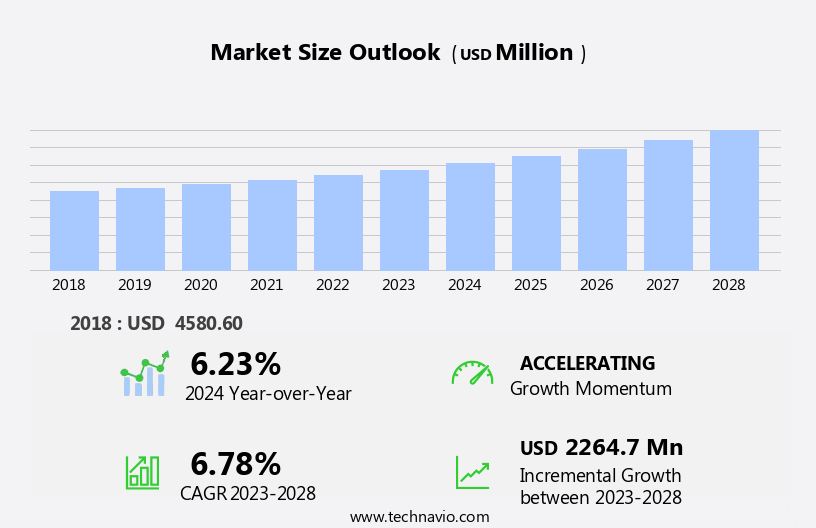
The pulmonary arterial hypertension (pah) drugs market size is forecast to increase by USD 2.26 billion at a CAGR of 6.78% between 2023 and 2028.
- The market is experiencing significant growth due to the rising prevalence of this life-threatening condition and increasing awareness among healthcare professionals and patients. PAH is a progressive and debilitating disease characterized by increased pressure in the pulmonary arteries, leading to right heart failure. According to estimates, the prevalence of PAH is expected to increase, driven by an aging population and rising incidence of associated risk factors such as connective tissue diseases and HIV infection. Despite the growing need for effective treatments, the market is challenged by the high costs associated with PAH therapies. These drugs are often expensive, limiting their accessibility to a significant patient population.
- However, ongoing research and development efforts are expected to yield new treatment options, improving patient outcomes and potentially reducing costs. Companies seeking to capitalize on market opportunities should focus on developing cost-effective solutions while maintaining therapeutic efficacy. Additionally, strategic partnerships and collaborations could help reduce development costs and accelerate time-to-market for new therapies. Overall, the PAH Drugs Market presents both challenges and opportunities for stakeholders, requiring a strategic approach to navigate the complex regulatory landscape and address the unmet medical needs of this patient population.
What will be the Size of the Pulmonary Arterial Hypertension (PAH) Drugs Market during the forecast period?
- The market is experiencing significant dynamics and trends, shaped by various factors. Clinical guidelines play a crucial role in guiding treatment decisions, while digital health solutions facilitate remote patient monitoring and disease management. Disease progression drives the demand for antiproliferative agents, intellectual property rights, and regulatory approval. Home healthcare and outcome-based pricing are transforming the healthcare landscape, influenced by healthcare reform and treatment algorithms. Patient engagement, targeted therapy, and precision medicine are key focus areas, with personalized medicine and genetic testing offering potential solutions.
- Adverse events, public health concerns, and health policy are critical factors, alongside palliative care, patient advocacy, and global health initiatives. Value-based care, sustainable healthcare, and drug interactions are shaping the market's future direction, with a growing emphasis on symptom management, drug safety, and emerging markets.
How is this Pulmonary Arterial Hypertension (PAH) Drugs Industry segmented?
The pulmonary arterial hypertension (pah) drugs industry research report provides comprehensive data (region-wise segment analysis), with forecasts and estimates in "USD million" for the period 2024-2028, as well as historical data from 2018-2022 for the following segments.
- Route Of Administration
- Oral
- Injectable
- Inhalation
- Action Mechanism
- Prostacyclin analogs
- Endothelin receptor antagonists (ERAs)
- Phosphodiesterase (PDE) inhibitors
- Soluble guanylate cyclase stimulators (SGCSs)
- Geography
- North America
- US
- Canada
- Europe
- Germany
- UK
- Middle East and Africa
- APAC
- Japan
- South America
- Rest of World (ROW)
- North America
By Route Of Administration Insights
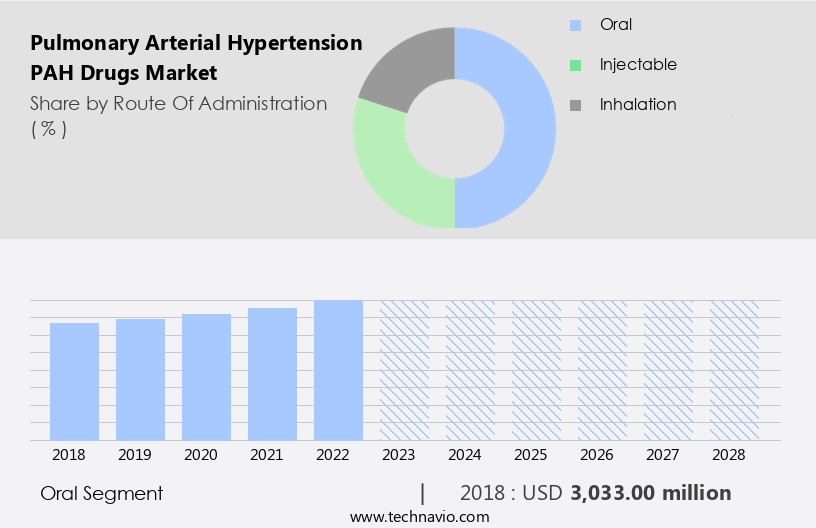
The oral segment is estimated to witness significant growth during the forecast period.
Get a glance at the market report of share of various segments Request Free Sample
The Oral segment was valued at USD 3.03 billion in 2018 and showed a gradual increase during the forecast period.
Regional Analysis
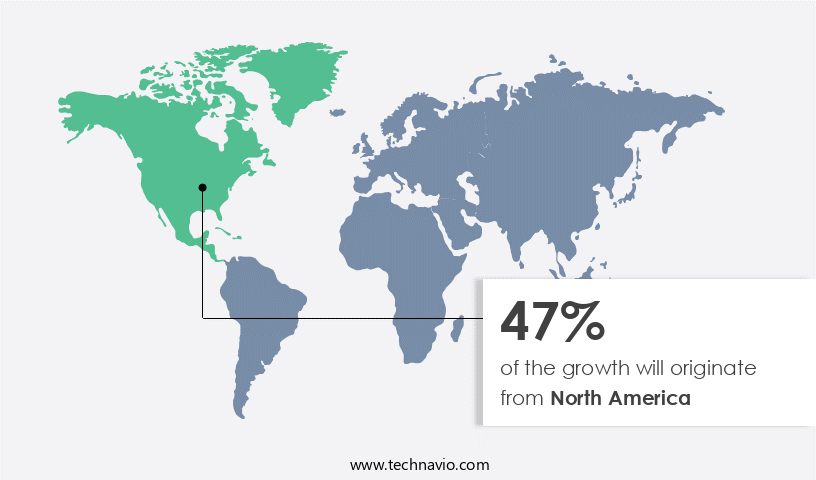
North America is estimated to contribute 47% to the growth of the global market during the forecast period.Technavio’s analysts have elaborately explained the regional trends and drivers that shape the market during the forecast period.
For more insights on the market size of various regions, Request Free Sample
The North American market holds the largest share in the global PAH (Pulmonary Arterial Hypertension) drugs market, driven by advanced healthcare systems in the US and Canada. This region's market growth can be attributed to several factors, including a high diagnosis rate, elevated awareness, and favorable government initiatives. The presence of key players and a well-designed reimbursement structure further bolster the market expansion. The need for advanced healthcare facilities to manage PAH is escalating due to the rising prevalence of infectious and chronic diseases. In the US, primary care physicians play a crucial role in diagnosing and managing this condition, often collaborating with specialists and utilizing tools like pulmonary function tests and right heart catheterization.
Health insurance coverage and patient outcomes are significant concerns, with clinical trials and disease management strategies aiming to improve treatment adherence and quality of life. Biopharmaceutical companies are investing in research and development of novel therapies, including PDE5 inhibitors, endothelin receptor antagonists, inhaled therapy, intravenous therapy, oral therapy, and combination therapy. Patient education and support are essential components of successful treatment, with initiatives like patient support groups and disease-specific resources helping to improve patient understanding and adherence. Healthcare costs remain a significant challenge, with PAH treatments often requiring long-term management and frequent monitoring. Health insurance coverage and access to care are critical factors in ensuring patients receive appropriate treatment.
Patient outcomes, including survival rate and functional class (as measured by the WHO Functional Class), are closely monitored to assess the effectiveness of various therapeutic approaches. In summary, the PAH drugs market in North America is driven by advanced healthcare systems, a high diagnosis rate, and favorable government initiatives. The need for effective treatments and patient support, combined with the challenges of managing healthcare costs, make ongoing research and innovation essential.
Market Dynamics
Our researchers analyzed the data with 2023 as the base year, along with the key drivers, trends, and challenges. A holistic analysis of drivers will help companies refine their marketing strategies to gain a competitive advantage.
What are the key market drivers leading to the rise in the adoption of Pulmonary Arterial Hypertension (PAH) Drugs Industry?
- Growing prevalence of PAH is the key driver of the market.
- The market for pulmonary arterial hypertension (PAH) drugs is experiencing growth due to the increasing prevalence of PAH diseases. During the forecast period, the demand for PAH medications is projected to rise as a result of the hospitalization of patients for treatment. PAH occurs when the tiny arteries in the lungs thicken and narrow, obstructing blood flow. This condition results in elevated lung blood pressure, making it difficult for the heart to pump blood effectively throughout the body. Women between the ages of 30 and 60 are most commonly affected by PAH. The disease's progression can lead to heart failure if left untreated.
- The market dynamics are driven by the rising prevalence of PAH diseases, increasing awareness, and advancements in drug development. The market's growth is further fueled by the unmet medical needs and the potential for new drug approvals. The market's expansion is expected to continue as researchers explore new treatment options and improve existing therapies.
What are the market trends shaping the Pulmonary Arterial Hypertension (PAH) Drugs Industry?
- Increasing awareness regarding PAH is the upcoming market trend.
- Pulmonary Arterial Hypertension (PAH) is a rare and progressive disorder characterized by high blood pressure in the pulmonary arteries, which transport blood from the heart to the lungs. This condition occurs when these arteries shrink or become blocked, impeding the flow of blood. Rising risk factors, including HIV infection, sedentary lifestyles, tobacco and alcohol consumption, and other idiopathic conditions, have contributed to the increasing prevalence of PAH in recent years. The global PAH drugs market is poised for growth due to the escalating need for effective treatments to slow down the disease progression and improve patients' quality of life.
- Numerous therapeutic options are available, including vasodilators, diuretics, and endothelin receptor antagonists, among others. Market participants stand to benefit from the growing demand for these treatments during the forecast period.
What challenges does the Pulmonary Arterial Hypertension (PAH) Drugs Industry face during its growth?
- High costs associated with PAH treatment is a key challenge affecting the industry growth.
- Pulmonary Arterial Hypertension (PAH) is a debilitating condition characterized by chronically elevated pulmonary arterial pressure and pulmonary vascular resistance. This condition can lead to severe disability and even death if left untreated. Some common symptoms of PAH include dizziness, fatigue, chest pain, fainting, palpitations, and peripheral edema. Moreover, patients with PAH often experience mental health issues such as anxiety and depression, which further impact their quality of life. The physical and emotional toll of the disease places a significant financial burden on patients, their families, healthcare systems, and society. According to recent research, the prevalence of PAH is increasing, and it is essential to understand the disease's impact on patients and healthcare systems.
- The high cost of treatment and the lack of effective therapies contribute to the financial burden of PAH. Despite the challenges, ongoing research and development efforts aim to improve the diagnosis and treatment of PAH, providing hope for those affected by this condition.
Exclusive Customer Landscape
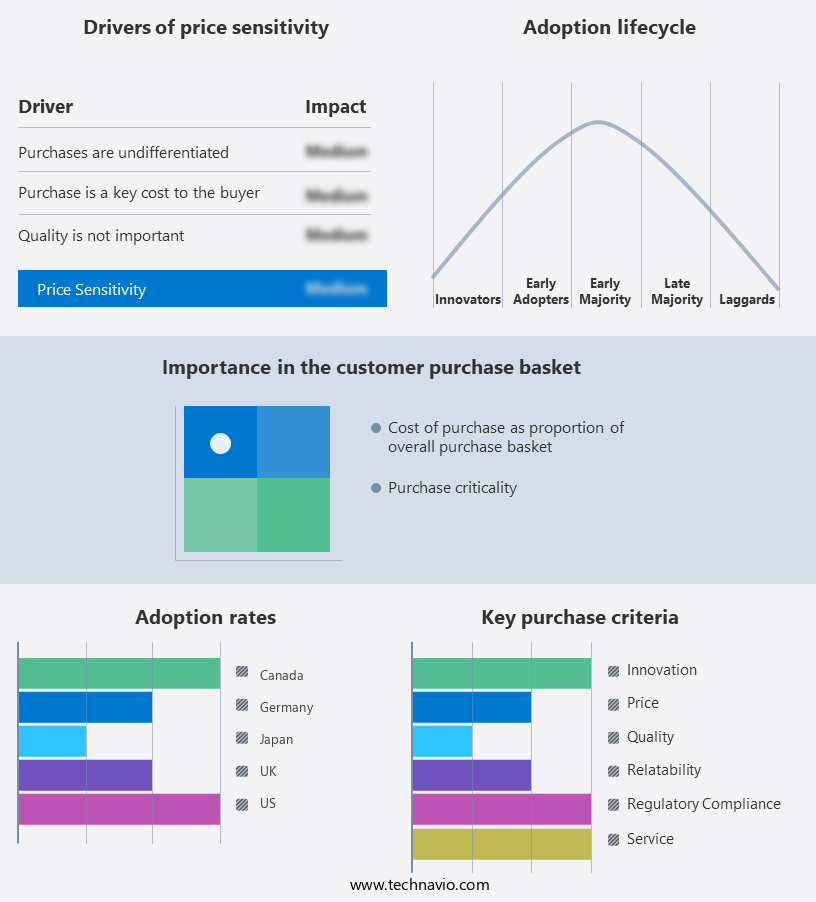
The pulmonary arterial hypertension (pah) drugs market forecasting report includes the adoption lifecycle of the market, covering from the innovator’s stage to the laggard’s stage. It focuses on adoption rates in different regions based on penetration. Furthermore, the pulmonary arterial hypertension (pah) drugs market report also includes key purchase criteria and drivers of price sensitivity to help companies evaluate and develop their market growth analysis strategies.
Customer Landscape
Key Companies & Market Insights
Companies are implementing various strategies, such as strategic alliances, pulmonary arterial hypertension (pah) drugs market forecast, partnerships, mergers and acquisitions, geographical expansion, and product/service launches, to enhance their presence in the industry.
Aerami Therapeutics Holdings Inc. - The company specializes in providing innovative drug solutions for pulmonary arterial hypertension, including the Orphan designation. Our offerings aim to improve patient outcomes and advance medical research in this field. Through a commitment to scientific excellence and regulatory compliance, we contribute to the global effort to address this complex and challenging condition.
The industry research and growth report includes detailed analyses of the competitive landscape of the market and information about key companies, including:
- Aerami Therapeutics Holdings Inc.
- Aerovate Therapeutics Inc.
- Alembic Pharmaceuticals Ltd.
- Asklepion Pharmaceuticals LLC
- AstraZeneca Plc
- Bayer AG
- Daiichi Sankyo Co. Ltd.
- Dr Reddys Laboratories Ltd.
- Eiger BioPharmaceuticals Inc.
- Gilead Sciences Inc.
- GlaxoSmithKline Plc
- Johnson and Johnson Services Inc.
- Lupin Ltd.
- Merck and Co. Inc.
- Novartis AG
- Pfizer Inc.
- Reata Pharmaceuticals Inc.
- Teva Pharmaceutical Industries Ltd.
- United Therapeutics Corp.
- Viatris Inc.
Qualitative and quantitative analysis of companies has been conducted to help clients understand the wider business environment as well as the strengths and weaknesses of key industry players. Data is qualitatively analyzed to categorize companies as pure play, category-focused, industry-focused, and diversified; it is quantitatively analyzed to categorize companies as dominant, leading, strong, tentative, and weak.
Research Analyst Overview
Pulmonary Arterial Hypertension (PAH) is a complex and progressive disease characterized by elevated pressure in the pulmonary arteries, leading to right heart failure. The PAH drugs market reflects the ongoing efforts of healthcare professionals to manage this condition and improve patient outcomes. Prostacyclin analogs have been a cornerstone of PAH treatment for several decades. These medications, which include intravenous and inhaled forms, act by increasing the production of cyclic adenosine monophosphate (cAMP), a second messenger that relaxes smooth muscle and dilates blood vessels. However, their high cost and complex administration have limited their widespread use. The introduction of generic versions of prostacyclin analogs has brought some relief to healthcare costs, allowing more patients to access these life-saving medications.
Clinical trials continue to explore the potential of these drugs in combination with other therapies, such as PDE5 inhibitors and endothelin receptor antagonists. Patient education plays a crucial role in the effective use of PAH drugs. Healthcare professionals work to ensure that patients understand the importance of treatment adherence and the potential side effects of various medications. Patient support groups and organizations offer valuable resources for patients and their families, helping to improve quality of life and disease management. The PAH drugs market is evolving, with a focus on developing new therapies and delivery methods. Oral therapy and inhaled therapy are becoming increasingly popular due to their ease of administration and improved patient compliance.
Drug development is ongoing, with biopharmaceutical companies investing in research and clinical trials to bring new treatments to market. Health insurance coverage and access to care are significant challenges in the PAH drugs market. Primary care physicians play a critical role in diagnosing and managing PAH, but they may lack the expertise and resources to effectively treat this complex condition. Right heart catheterization and pulmonary function tests are essential for diagnosing PAH, but they can be costly and time-consuming. Patient outcomes are closely monitored through various measures, including survival rate, functional class (according to the World Health Organization), and the 6-minute walk test.
These metrics provide valuable insights into the effectiveness of current treatments and help guide future research and development efforts. The PAH drugs market is characterized by ongoing innovation and collaboration between healthcare professionals, biopharmaceutical companies, and patient organizations. The ultimate goal is to improve patient outcomes and quality of life while addressing the challenges of cost, access, and adherence.
|
Market Scope |
|
|
Report Coverage |
Details |
|
Page number |
180 |
|
Base year |
2023 |
|
Historic period |
2018-2022 |
|
Forecast period |
2024-2028 |
|
Growth momentum & CAGR |
Accelerate at a CAGR of 6.78% |
|
Market growth 2024-2028 |
USD 2264.7 million |
|
Market structure |
Fragmented |
|
YoY growth 2023-2024(%) |
6.23 |
|
Key countries |
US, UK, Germany, Canada, and Japan |
|
Competitive landscape |
Leading Companies, Market Positioning of Companies, Competitive Strategies, and Industry Risks |
What are the Key Data Covered in this Pulmonary Arterial Hypertension (PAH) Drugs Market Research and Growth Report?
- CAGR of the Pulmonary Arterial Hypertension (PAH) Drugs industry during the forecast period
- Detailed information on factors that will drive the growth and forecasting between 2024 and 2028
- Precise estimation of the size of the market and its contribution of the industry in focus to the parent market
- Accurate predictions about upcoming growth and trends and changes in consumer behaviour
- Growth of the market across North America, Europe, Asia, and Rest of World (ROW)
- Thorough analysis of the market’s competitive landscape and detailed information about companies
- Comprehensive analysis of factors that will challenge the pulmonary arterial hypertension (pah) drugs market growth of industry companies
We can help! Our analysts can customize this pulmonary arterial hypertension (pah) drugs market research report to meet your requirements.
 RIA -
RIA - 
