



Shapewear Market Size 2025-2029
The shapewear market size is forecast to increase by USD 1.2 billion, at a CAGR of 7.8% between 2024 and 2029.
- The market is experiencing significant growth, driven by the increasing penetration of smartphones and the expanding E-commerce industry. These factors enable easy access to a wide range of shapewear options for consumers, fostering market expansion. Technological advancements are also playing a pivotal role, with innovations leading to the creation of more comfortable and effective shapewear solutions. However, the market faces challenges, including unpredictable raw material prices, which can impact production costs and profitability for manufacturers.
- Companies seeking to capitalize on market opportunities should focus on offering technologically advanced, affordable, and sustainable shapewear solutions while navigating the volatility of raw material prices. This strategic approach will enable businesses to effectively cater to the evolving consumer preferences and market demands.
What will be the Size of the Shapewear Market during the forecast period?
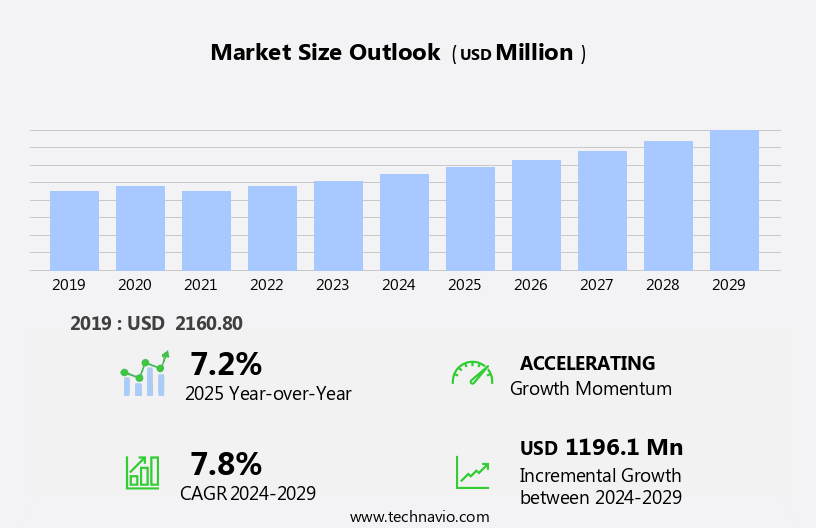
Explore in-depth regional segment analysis with market size data - historical 2019-2023 and forecasts 2025-2029 - in the full report.
Request Free Sample
The market continues to evolve, driven by design innovation and shifting consumer preferences. Athleisure wear and everyday wear are prominent sectors, with seamless designs and ethical sourcing gaining traction. Body image and body sculpting remain key factors, as compression textile garments offer tummy control and breast enhancement, while moisture-wicking and breathable fabrics ensure comfort. Retail channels and customer segmentation are evolving, with a focus on body positivity and confidence building. Tank tops and control tops are popular choices, with invisible seams and high-waisted briefs providing styling tips for various occasions. Fabric technology advances, including slimming underwear and waist trainers, cater to diverse customer needs.
Size range and body contouring are essential considerations, with brands offering a wide range of compression levels and post-surgical garments. Ethical sourcing and quality control are crucial, as health benefits and customer reviews drive demand. The supply chain and raw materials are under scrutiny, with sustainability and transparency becoming increasingly important. Fashion trends and fashion styling continue to influence the market, with compression garments becoming more mainstream and body shaping a priority for many consumers. The ongoing dynamism of the market reflects the evolving needs and preferences of consumers, as they seek comfortable, effective, and stylish solutions for body sculpting and confidence building.
How is this Shapewear Industry segmented?
The shapewear industry research report provides comprehensive data (region-wise segment analysis), with forecasts and estimates in "USD million" for the period 2025-2029, as well as historical data from 2019-2023 for the following segments.
- Distribution Channel
- Offline
- Online
- End-user
- Female
- Male
- Product Type
- Bodysuits
- Waist Cinchers
- Leggings
- Geography
- North America
- US
- Canada
- Mexico
- Europe
- France
- Germany
- Italy
- Spain
- UK
- Middle East and Africa
- UAE
- APAC
- China
- India
- Japan
- South Korea
- South America
- Brazil
- Rest of World (ROW)
- North America
By Distribution Channel Insights
The offline segment is estimated to witness significant growth during the forecast period.
The market encompasses department stores and specialty retailers, with the latter dominating revenue generation. Specialty stores, including branded outlets like Jockey International, offer a diverse range of shapewear products from various brands. Fast-fashion retailers, a significant segment within specialty stores, prioritize providing the latest trends to consumers swiftly. These retailers employ effective marketing strategies and merchandising techniques to attract customers, particularly among younger demographics where brand recognition plays a crucial role. In the realm of women's clothing and accessories, shapewear holds a substantial share of annual sales in department stores. Innovations in design, such as seamless construction and moisture-wicking fabrics, cater to the evolving needs of consumers.
Ethical sourcing and body positivity are emerging trends, with an increasing emphasis on confidence building and inclusive size ranges. Comfort and health benefits are essential factors, leading to advancements in fabric technology, compression levels, and post-surgical garments. Customer reviews significantly influence purchasing decisions, and retail channels continue to expand, including online platforms and pop-up shops. Body sculpting solutions, such as slimming technology and waist trainers, remain popular. High-waisted briefs, tank tops, and control tops are staples, while styling tips and outfit inspiration guide consumers in incorporating shapewear into their wardrobes for various occasions. Fast fashion trends, such as body contouring and breast enhancement, continue to shape the market. Postpartum support and compression garments cater to specific customer segments, while supply chain optimization and raw material sourcing ensure quality control.
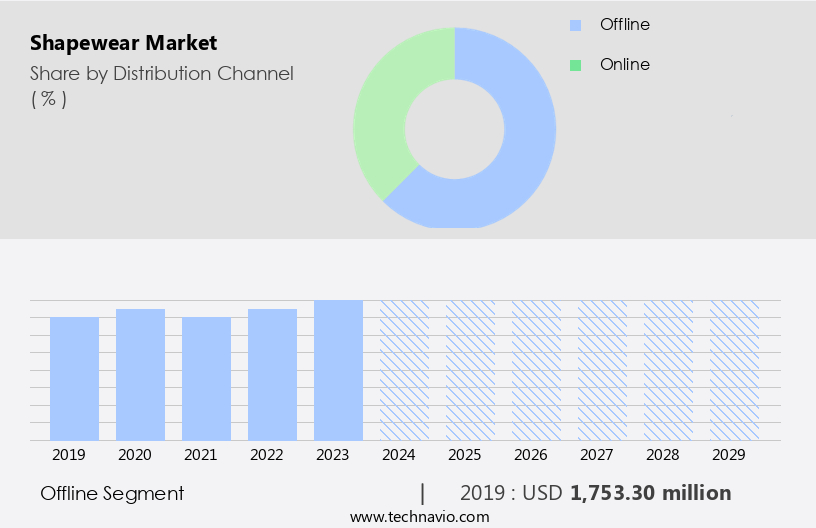
The Offline segment was valued at USD 1.75 billion in 2019 and showed a gradual increase during the forecast period.
Regional Analysis
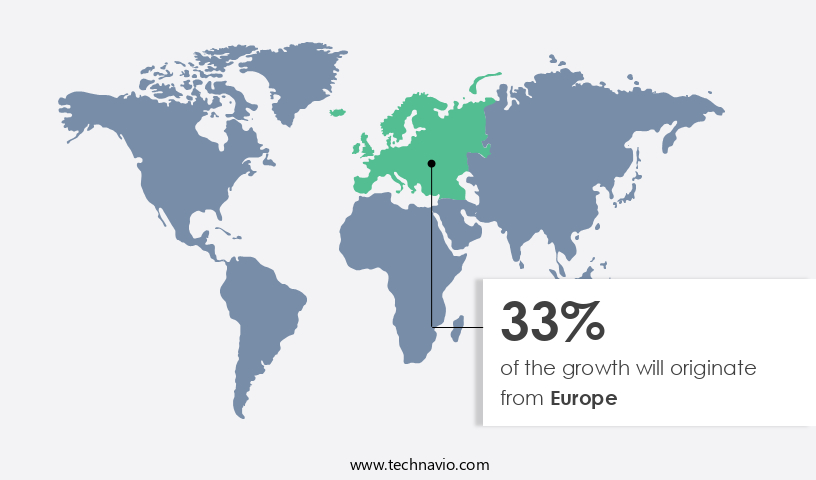
Europe is estimated to contribute 33% to the growth of the global market during the forecast period.Technavio's analysts have elaborately explained the regional trends and drivers that shape the market during the forecast period.
North America is witnessing significant growth, with the US leading the region. Consumers are increasingly seeking innovative designs that offer superior comfort and support, resulting in a willingness to invest in high-quality shapewear. Factors driving market expansion include the widespread adoption of the Internet and social media, enabling easier access to information and trends. Seamless designs, ethical sourcing, and body positivity are key trends shaping the market. Everyday wear, such as tank tops and control tops, remain popular, while body sculpting through compression garments, slimming technology, and post-surgical support continues to gain traction.
Fabric technology, including moisture-wicking and breathable fabrics, is essential for enhancing comfort and confidence. Retail channels, including department stores and specialty stores, dominate sales, with size range and body contouring catering to diverse customer segments. Comfort level, fashion styling, and postpartum support are also critical considerations. Fabric sourcing and quality control ensure the production of superior shapewear, offering health benefits and boosting customer confidence.
Market Dynamics
Our researchers analyzed the data with 2024 as the base year, along with the key drivers, trends, and challenges. A holistic analysis of drivers will help companies refine their marketing strategies to gain a competitive advantage.
The market caters to consumers seeking to enhance their body contours and improve their confidence through specially designed undergarments. These garments, available in various shapes and sizes, offer compression, support, and smoothing effects. Shapewear can be found in different styles, including bodysuits, shorts, leggings, and bras, each designed to target specific areas such as the waist, thighs, hips, and buttocks. Made from breathable, comfortable materials like spandex and nylon, shapewear is suitable for various occasions, from everyday wear to special events. With the growing trend towards body positivity and self-acceptance, the market continues to expand, offering innovative solutions for those desiring a more streamlined silhouette. Additionally, advancements in technology have led to the development of shapewear with added benefits, such as moisture-wicking and odor-resistant properties, making them a popular choice for fitness enthusiasts and those with active lifestyles.
What are the key market drivers leading to the rise in the adoption of Shapewear Industry?
- The expanding E-commerce sector, driven by the rising prevalence of smartphones, serves as a primary catalyst for market growth.
- The market has experienced significant growth due to design innovation and the rise of athleisure wear. Consumers seek seamless designs and ethical fabric sourcing for everyday wear, enhancing body image and confidence building. With the increasing popularity of tank tops and other body sculpting garments, companies prioritize innovation to meet evolving consumer preferences. Online shopping offers convenience, privacy, and a wide selection, making it an attractive option for consumers worldwide.
- As lifestyle trends shift, even companies in developing countries are expanding their online presence to cater to this growing demand. The ease and comfort of purchasing goods online have made it a preferred choice for many, contributing to the market's continuous growth.
What are the market trends shaping the Shapewear Industry?
- The trend in the market is leaning towards advanced technological innovations in the creation of shapewear. Shapewear's manufacturing process is undergoing significant technological upgrades.
- The market has experienced notable growth due to technological advancements. These innovations have led to the creation of advanced products, offering superior comfort, performance, and aesthetics. One such trend is the integration of smart fabrics into shapewear. These fabrics, equipped with sensors and electronic components, monitor body movements, temperature, and heart rate, enhancing the effectiveness of compression wear and providing valuable insights for fitness enthusiasts and individuals seeking body contouring benefits. Additionally, other technological advancements include the development of fabrics with moisture-wicking properties, seamless designs, and various size ranges to cater to diverse customer needs.
- Styling tips and outfit inspiration are also increasingly becoming essential aspects of the market, with high-waisted briefs, control tops, and invisible seams gaining popularity for various occasions.
What challenges does the Shapewear Industry face during its growth?
- The unpredictability of raw material prices poses a significant challenge to industry growth, requiring heightened adaptability and strategic planning from professionals in the field.
- The market is influenced by fashion trends and the growing emphasis on body positivity, leading to an increase in demand for compression garments. Customer segmentation and target audience identification are crucial for retailers to effectively cater to various needs, such as tummy control and moisture-wicking fabrics for athletic wear. Breathable fabrics and quality control are essential for consumer comfort and health benefits.
- However, the market faces challenges due to the volatility of raw material prices, particularly for nylon. This uncertainty can impact production costs, potentially affecting product quality and consumer confidence. Manufacturers and retailers must navigate these challenges to maintain competitiveness in the market.
Exclusive Customer Landscape
The shapewear market forecasting report includes the adoption lifecycle of the market, covering from the innovator's stage to the laggard's stage. It focuses on adoption rates in different regions based on penetration. Furthermore, the shapewear market report also includes key purchase criteria and drivers of price sensitivity to help companies evaluate and develop their market growth analysis strategies.
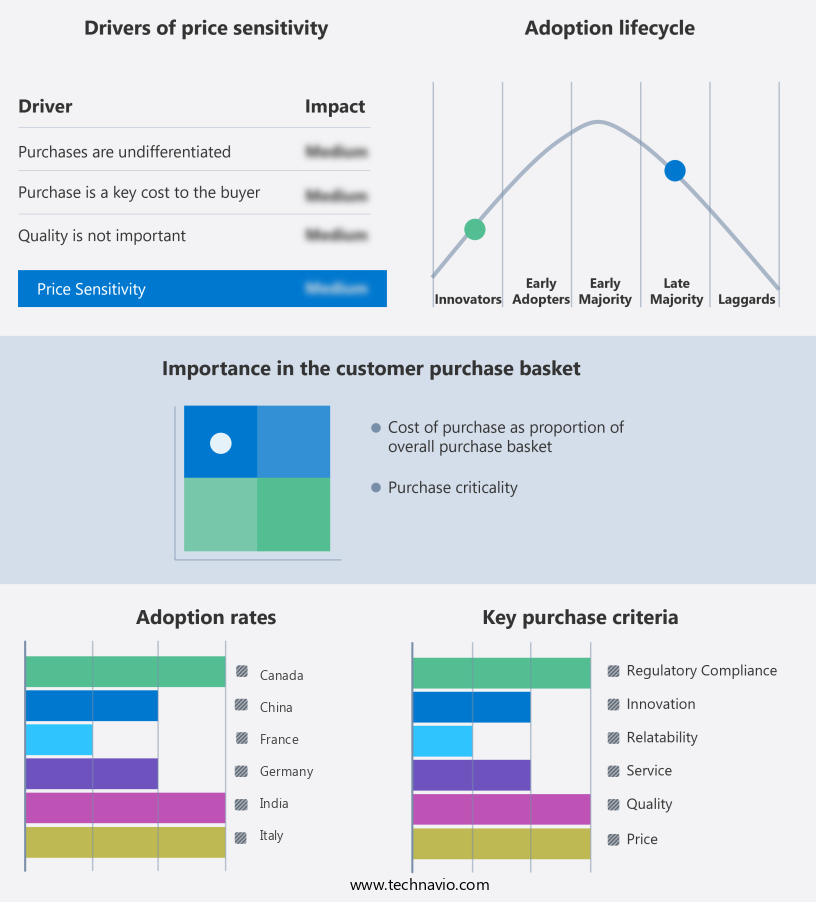
Customer Landscape
Key Companies & Market Insights
Companies are implementing various strategies, such as strategic alliances, shapewear market forecast, partnerships, mergers and acquisitions, geographical expansion, and product/service launches, to enhance their presence in the industry.
Spanx, Inc. (United States) - This company specializes in high-quality shapewear, providing figure-enhancing solutions through figure-shaping bodywear and slim-fitting designs. Our offerings elevate confidence and comfort, expertly contouring the body for a refined silhouette.
The industry research and growth report includes detailed analyses of the competitive landscape of the market and information about key companies, including:
- Spanx, Inc. (United States)
- Skims (United States)
- Maidenform (United States)
- Wacoal Holdings Corporation (Japan)
- Leonisa S.A. (Colombia)
- Triumph International (Germany)
- Hanesbrands Inc. (United States)
- Jockey International, Inc. (United States)
- Yummie (United States)
- Miraclesuit (United States)
- Commando LLC (United States)
- Nancy Ganz (Australia)
- Rago Shapewear (United States)
- Body Wrap (Australia)
- Ann Chery (Colombia)
- Vedette Shapewear (United States)
- Rhonda Shear Enterprises (United States)
- Flexees (United States)
- Squeem (Brazil)
- Lycra (United States)
Qualitative and quantitative analysis of companies has been conducted to help clients understand the wider business environment as well as the strengths and weaknesses of key industry players. Data is qualitatively analyzed to categorize companies as pure play, category-focused, industry-focused, and diversified; it is quantitatively analyzed to categorize companies as dominant, leading, strong, tentative, and weak.
Recent Development and News in Shapewear Market
- In January 2024, leading shapewear brand, HanesBrands Inc., announced the launch of its new line of shapewear, "Livibod," which focuses on size inclusivity and affordability. The collection offers sizes ranging from XS to 5X and is priced competitively to cater to a broader audience (HanesBrands Inc. Press Release, 2024).
- In March 2024, shapewear technology took a significant leap with the announcement of Spanx, a market leader, partnering with a tech startup, Body Labs, to develop custom-fit shapewear using 3D body scanning technology. This collaboration aims to provide a more personalized and comfortable shapewear experience for consumers (Spanx Press Release, 2024).
- In May 2024, Wacoal Holdings Corporation, a major player in the shapewear industry, announced a strategic partnership with Amazon Fashion to expand its reach and increase sales. This collaboration allowed Wacoal to sell its products directly on Amazon, providing convenience and accessibility to a larger customer base (Wacoal Holdings Corporation Press Release, 2024).
- In April 2025, Shapermint, a leading online shapewear retailer, raised USD30 million in a Series C funding round led by Norwest Venture Partners. The funds will be used to expand its product offerings, enhance its technology, and improve the customer experience (Shapermint Press Release, 2025).
Research Analyst Overview
- The market is characterized by a dynamic business landscape, shaped by various trends and initiatives. Sustainability initiatives are increasingly influencing the industry, with brands focusing on eco-friendly materials and ethical manufacturing practices. Social media marketing and influencer collaborations are driving consumer engagement, while retail analytics and customer data help tailor product offerings and enhance brand loyalty. Garment construction and textile manufacturing engineering advancements continue to shape the market, enabling better body shaping techniques and improved product safety. Pricing strategies and regulatory requirements are key factors influencing product development and distribution networks. Brand positioning and intellectual property protection are essential for market differentiation.
- Customer satisfaction, measured through online reviews and customer relationship management, plays a crucial role in long-term success. Pattern making, product lifecycle management, and size charts are critical aspects of quality assurance, ensuring a consistent fitting process and reducing return rates. Sales channels, including both online and offline platforms, continue to evolve, requiring effective marketing strategies and supply chain management. Innovations in material science and design trends are shaping the future of the market, offering new opportunities for growth and expansion. Regulatory requirements and product safety concerns remain top priorities, as brands strive to maintain customer trust and loyalty.
Dive into Technavio's robust research methodology, blending expert interviews, extensive data synthesis, and validated models for unparalleled Shapewear Market insights. See full methodology.
|
Market Scope |
|
|
Report Coverage |
Details |
|
Page number |
184 |
|
Base year |
2024 |
|
Historic period |
2019-2023 |
|
Forecast period |
2025-2029 |
|
Growth momentum & CAGR |
Accelerate at a CAGR of 7.8% |
|
Market growth 2025-2029 |
USD 1196.1 million |
|
Market structure |
Fragmented |
|
YoY growth 2024-2025(%) |
7.2 |
|
Key countries |
US, China, Germany, Canada, India, South Korea, France, Japan, Italy, Brazil, UAE, UK, Spain, and Mexico |
|
Competitive landscape |
Leading Companies, Market Positioning of Companies, Competitive Strategies, and Industry Risks |
What are the Key Data Covered in this Shapewear Market Research and Growth Report?
- CAGR of the Shapewear industry during the forecast period
- Detailed information on factors that will drive the growth and forecasting between 2025 and 2029
- Precise estimation of the size of the market and its contribution of the industry in focus to the parent market
- Accurate predictions about upcoming growth and trends and changes in consumer behaviour
- Growth of the market across North America, Europe, APAC, South America, and Middle East and Africa
- Thorough analysis of the market's competitive landscape and detailed information about companies
- Comprehensive analysis of factors that will challenge the shapewear market growth of industry companies
We can help! Our analysts can customize this shapewear market research report to meet your requirements.
 RIA -
RIA - 
