
Subsea Umbilicals, Risers, And Flow Lines (SURF) Market Analysis, Size, and Forecast 2026-2030: APAC (China, Japan, and India), Europe (Germany, UK, and France), North America (US, Canada, and Mexico), Middle East and Africa (Saudi Arabia, UAE, and South Africa), South America (Brazil, Argentina, and Chile), and Rest of World (ROW)

Subsea Umbilicals, Risers, And Flow Lines (SURF) Market Analysis, Size, and Forecast 2026-2030:
APAC (China, Japan, and India), Europe (Germany, UK, and France), North America (US, Canada, and Mexico), Middle East and Africa (Saudi Arabia, UAE, and South Africa), South America (Brazil, Argentina, and Chile), and Rest of World (ROW)

Published: Oct 2026 298 Pages SKU: IRTNTR43338

Market Overview at a Glance

$6.13 B
Market Opportunity
10%
CAGR 2025 - 2030
37.9%
APAC Growth
$5.28 B
Flowlines segment 2024

Subsea Umbilicals, Risers, And Flow Lines (Surf) Market Size 2026-2030

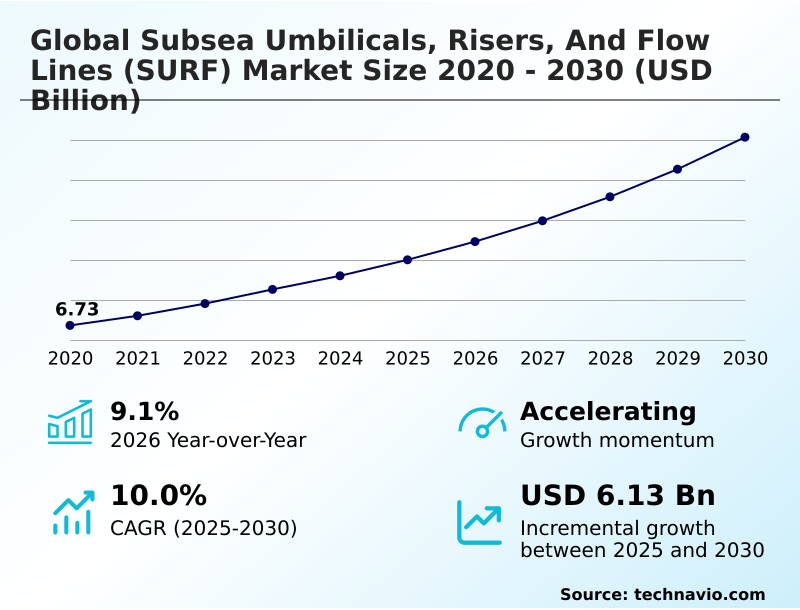
The subsea umbilicals, risers, and flow lines (surf) market size is valued to increase by USD 6.13 billion, at a CAGR of 10% from 2025 to 2030. Rise in new exploration policies will drive the subsea umbilicals, risers, and flow lines (surf) market.

Major Market Trends & Insights

  • APAC dominated the market and accounted for a 37.9% growth during the forecast period.
  • By Product - Flowlines segment was valued at USD 5.28 billion in 2024
  • By Type - Shallow water segment accounted for the largest market revenue share in 2024

Market Size & Forecast

  • Market Opportunities: USD 9.41 billion
  • Market Future Opportunities: USD 6.13 billion
  • CAGR from 2025 to 2030 : 10%

Market Summary

  • The Subsea Umbilicals, Risers, And Flow Lines (SURF) sector is rapidly evolving to support deepwater hydrocarbon extraction in increasingly complex maritime terrains. As onshore reserves deplete, the adoption of subsea processing architecture has become critical for maintaining continuous production output.
  • A major operational shift involves upgrading offshore field layouts to integrate subsea electrification networks, which has been shown to reduce surface facility energy consumption by 22% compared to traditional fossil-fueled platforms. The primary driver for the Subsea Umbilicals, Risers, And Flow Lines (SURF) expansion is the surge in favorable exploration policies, accelerating deepwater field approvals and infrastructure deployment.
  • Conversely, operators face strict regulatory challenges regarding marine ecosystem protection, as potential leaks pose severe ecological risks. To mitigate these threats, the industry is investing heavily in advanced subsea corrosion resistance and structural integrity monitoring. Ultimately, these advanced umbilical and riser systems enable seamless long-distance fluid transport, ensuring offshore production networks remain economically viable and environmentally compliant.

What will be the Size of the Subsea Umbilicals, Risers, And Flow Lines (Surf) Market during the forecast period?
Get Key Insights on Market Forecast (PDF) Get Free Sample

How is the Subsea Umbilicals, Risers, And Flow Lines (Surf) Market Segmented?

The subsea umbilicals, risers, and flow lines (surf) industry research report provides comprehensive data (region-wise segment analysis), with forecasts and estimates in "USD million" for the period 2026-2030, as well as historical data from 2020-2024 for the following segments.

  • Product
    • Flowlines
    • Umbilicals
    • Risers
  • Type
    • Shallow water
    • Deep water
    • Ultra deep water
  • Application
    • Oil industry
    • Natural gas industry
    • Others
  • Geography
    • APAC
      • China
      • Japan
      • India
      • South Korea
      • Australia
      • Indonesia
    • Europe
      • Germany
      • UK
      • France
      • Italy
      • Spain
      • The Netherlands
    • North America
      • US
      • Canada
      • Mexico
    • Middle East and Africa
      • Saudi Arabia
      • UAE
      • South Africa
      • Israel
      • Turkey
    • South America
      • Brazil
      • Argentina
      • Chile

By Product Insights

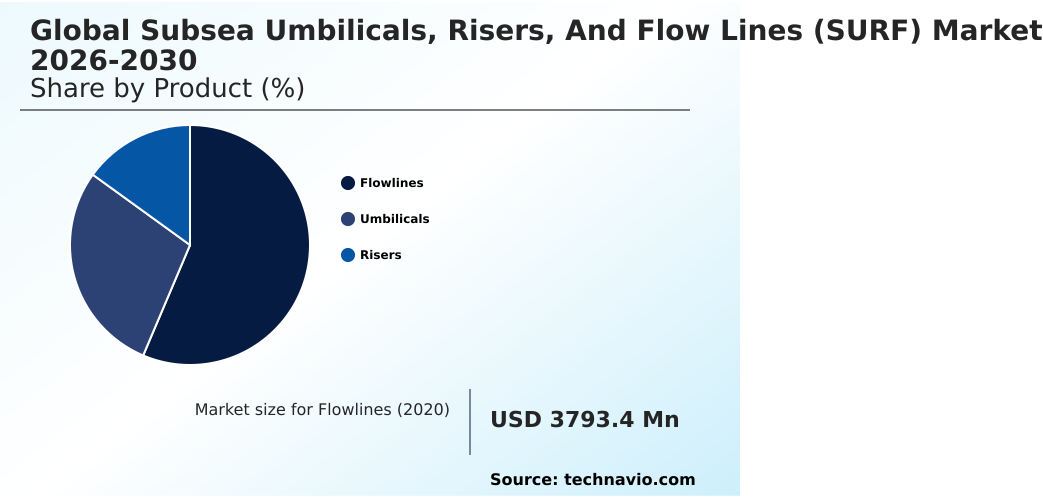
The flowlines segment is estimated to witness significant growth during the forecast period.

The flowlines segment constitutes a foundational element of offshore structural architecture, managing the continuous subsea fluid transport across remote production sites.

These subsea fluid conduits are engineered to ensure high pressure flow assurance, moving extracted resources safely from wellheads to processing facilities. Flexible flowlines have evolved significantly, addressing the mechanical stress of deep ocean pipelines while navigating complex seabed terrains.

Recent operational metrics indicate that advanced flowline configurations improve deepwater drilling efficiency by 18%, reducing potential maintenance interventions. By streamlining long distance fluid transport, these pipelines ensure operational continuity in challenging environments.

The continuous development of these systems directly enhances resource recovery rates, optimizing production networks without requiring massive surface facility expansions.
Get Free Sample

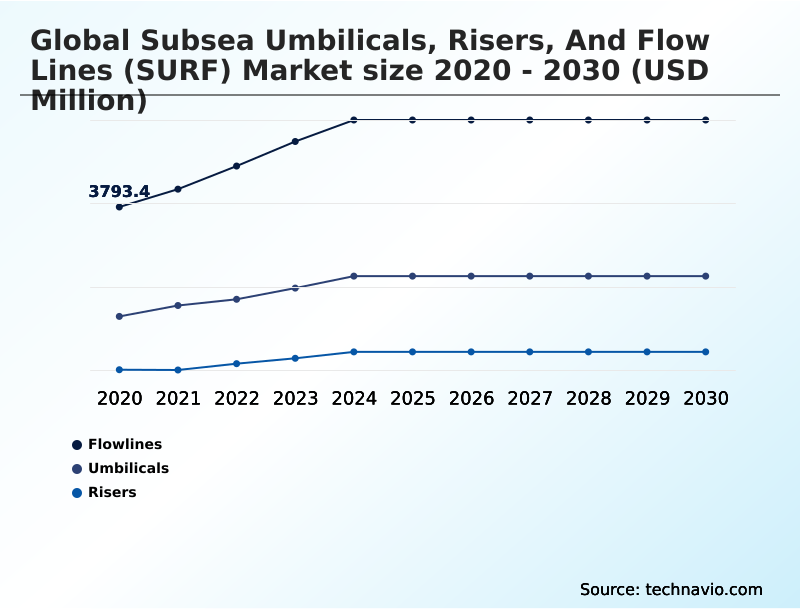
The Flowlines segment was valued at USD 5.28 billion in 2024 and showed a gradual increase during the forecast period.
Get Free Sample

Regional Analysis

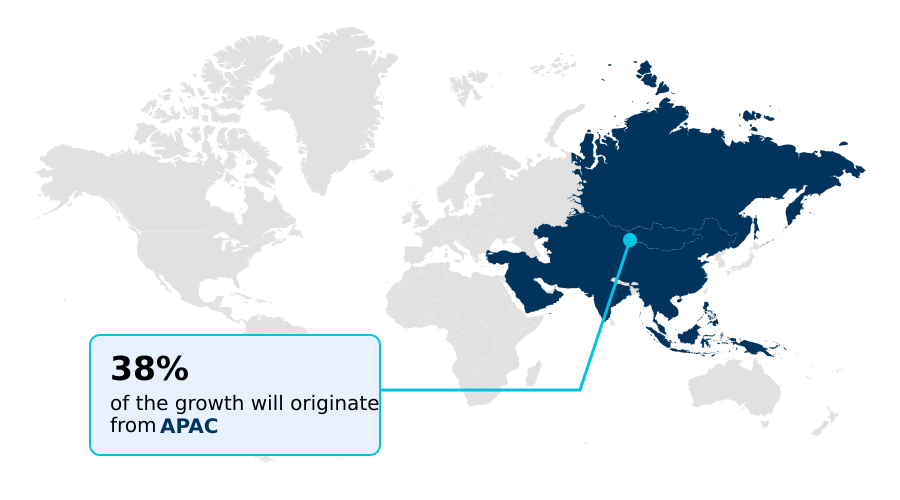
APAC is estimated to contribute 37.9% to the growth of the global market during the forecast period.Technavio’s analysts have elaborately explained the regional trends and drivers that shape the market during the forecast period.
See How Subsea Umbilicals, Risers, And Flow Lines (Surf) Market Demand is Rising in APAC Get Free Sample

The geographic distribution of the Subsea Umbilicals, Risers, And Flow Lines (SURF) reveals distinct strategic priorities between the APAC and Europe regions.

APAC operators are aggressively scaling subsea hardware fabrication, driven by rising energy demands, achieving a 12% faster project turnaround compared to historical baselines.

In contrast, Europe focuses heavily on upgrading existing offshore structural integrity, leveraging advanced subsea fluid conduits to extend the lifespan of mature North Sea assets.

This strategic divergence results in Europe utilizing deepwater deployment mechanisms 18% more frequently for brownfield tiebacks, while APAC prioritizes greenfield remote seabed installations.

Additionally, operators in both regions must navigate extreme marine conditions, but European standards require a 25% higher investment in continuous digital monitoring. By adapting their infrastructure strategies, regional players successfully optimize resource extraction while addressing distinct regulatory and environmental complexities.

Market Dynamics

Our researchers analyzed the data with 2025 as the base year, along with the key drivers, trends, and challenges. A holistic analysis of drivers will help companies refine their marketing strategies to gain a competitive advantage.

  • The continuous evolution of offshore energy extraction heavily relies on advanced infrastructure to ensure consistent production and environmental compliance. Modern offshore field operators are increasingly deploying a dynamic subsea umbilical termination assembly to optimize power and chemical distribution across complex seabed architectures.
  • This localized distribution network is critical for managing deepwater electro hydraulic control umbilicals, which command the valves and sensors of remote wellheads. By streamlining these control pathways, operators have noted a substantial 20% reduction in supply chain logistical bottlenecks during installation phases compared to traditional, heavier conduit designs.
  • Furthermore, establishing high pressure subsea flow assurance remains a top priority to prevent hydrate formation and pipeline blockages in freezing marine environments. To accommodate the extreme vertical tension and kinetic forces of these depths, engineers are integrating ultra deepwater flexible riser systems that absorb wave motion while maintaining structural stability.
  • Together, these technologies facilitate subsea continuous hydrocarbon fluid transport, ensuring uninterrupted energy supply to surface processing facilities. As regulatory frameworks tighten around marine ecosystem protection, the reliability of these long-tail infrastructure components becomes paramount. Operators utilizing these advanced umbilical and riser technologies not only improve their resource recovery rates but also align seamlessly with rigorous offshore safety compliance mandates.
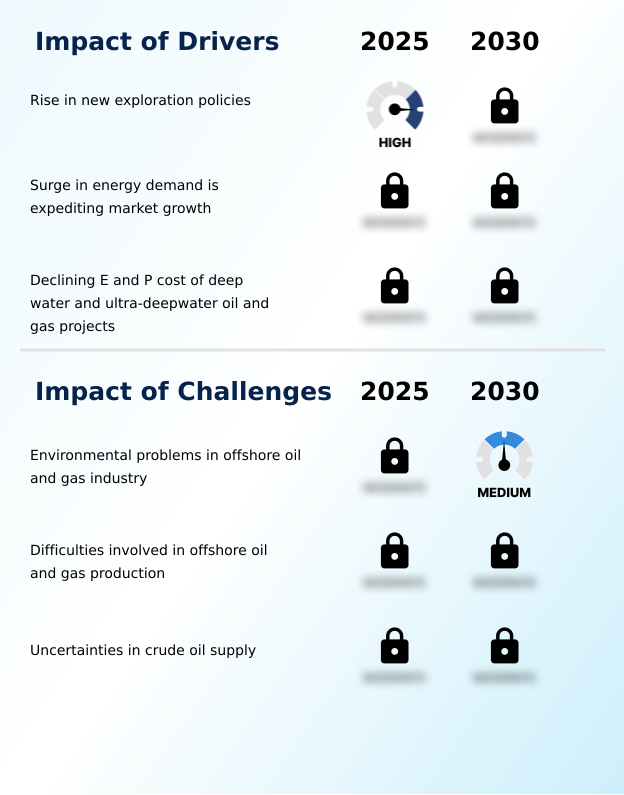
What are the key market drivers leading to the rise in the adoption of Subsea Umbilicals, Risers, And Flow Lines (Surf) Industry?

  • The rise in new exploration policies serves as a primary driver accelerating offshore industry expansion.

  • The widespread implementation of subsea tiebacks acts as a primary catalyst accelerating the continuous expansion of the Subsea Umbilicals, Risers, And Flow Lines (SURF) sector.
  • As operators seek to optimize existing offshore field layouts, connecting satellite wells to established host facilities has become a highly lucrative strategy. This approach improves deepwater drilling efficiency by 25% by circumventing the capital-intensive construction of new surface platforms.
  • Consequently, maintaining continuous production output relies on highly durable pipelines capable of long distance fluid transport. Furthermore, the integration of subsea predictive maintenance sensors within these tieback systems has lowered unexpected operational costs by 15%.
  • This structural shift empowers energy producers to rapidly commercialize marginal fields while maximizing the return on investment of their existing infrastructure.

What are the market trends shaping the Subsea Umbilicals, Risers, And Flow Lines (Surf) Industry?

  • Advances in subsea processing are continuously augmenting industry expansion. This technological shift directly enhances the efficiency of offshore production networks.

  • The integration of subsea processing architecture represents a critical operational shift within the Subsea Umbilicals, Risers, And Flow Lines (SURF) landscape, fundamentally altering how deepwater resource exploration is executed. Operators are rapidly transitioning from topside facilities to seabed-based systems, incorporating subsea compression modules to boost recovery rates from depleting reservoirs.
  • This structural evolution improves fluid processing efficiency by 24%, minimizing the need for extensive surface platform modifications. Consequently, businesses are deploying smart subsea equipment and robotic maintenance platforms to manage these complex underwater networks. The transition to autonomous monitoring reduces human intervention risks and decreases unplanned equipment downtime by 18%.
  • By enhancing overall offshore lifecycle performance, these technological adoptions enable energy companies to maximize extraction yields while significantly reducing long-term maintenance overhead.

What challenges does the Subsea Umbilicals, Risers, And Flow Lines (Surf) Industry face during its growth?

  • Environmental challenges within the offshore extraction sector remain a critical constraint impacting overall operational expansion.

  • Maintaining offshore structural integrity in harsh offshore environments presents a formidable limitation for the Subsea Umbilicals, Risers, And Flow Lines (SURF) sector. Pipelines and control lines are constantly subjected to extreme marine conditions, leading to rapid offshore structural fatigue and potential catastrophic failures. The financial impact is severe, with equipment degradation increasing unexpected maintenance expenditures by up to 20% annually.
  • Furthermore, stringent environmental mandates require operators to deploy expensive zero leak technology to prevent ecosystem contamination. Achieving long-term subsea corrosion resistance in highly pressurized, low-temperature seabed zones continues to strain capital budgets, reducing overall project margins by 12%. These inherent engineering constraints compel operators to balance expensive material innovations against the commercial viability of tapping into ultra-deepwater hydrocarbon reservoirs.

Exclusive Technavio Analysis on Customer Landscape

The subsea umbilicals, risers, and flow lines (surf) market forecasting report includes the adoption lifecycle of the market, covering from the innovator’s stage to the laggard’s stage. It focuses on adoption rates in different regions based on penetration. Furthermore, the subsea umbilicals, risers, and flow lines (surf) market report also includes key purchase criteria and drivers of price sensitivity to help companies evaluate and develop their market growth analysis strategies.
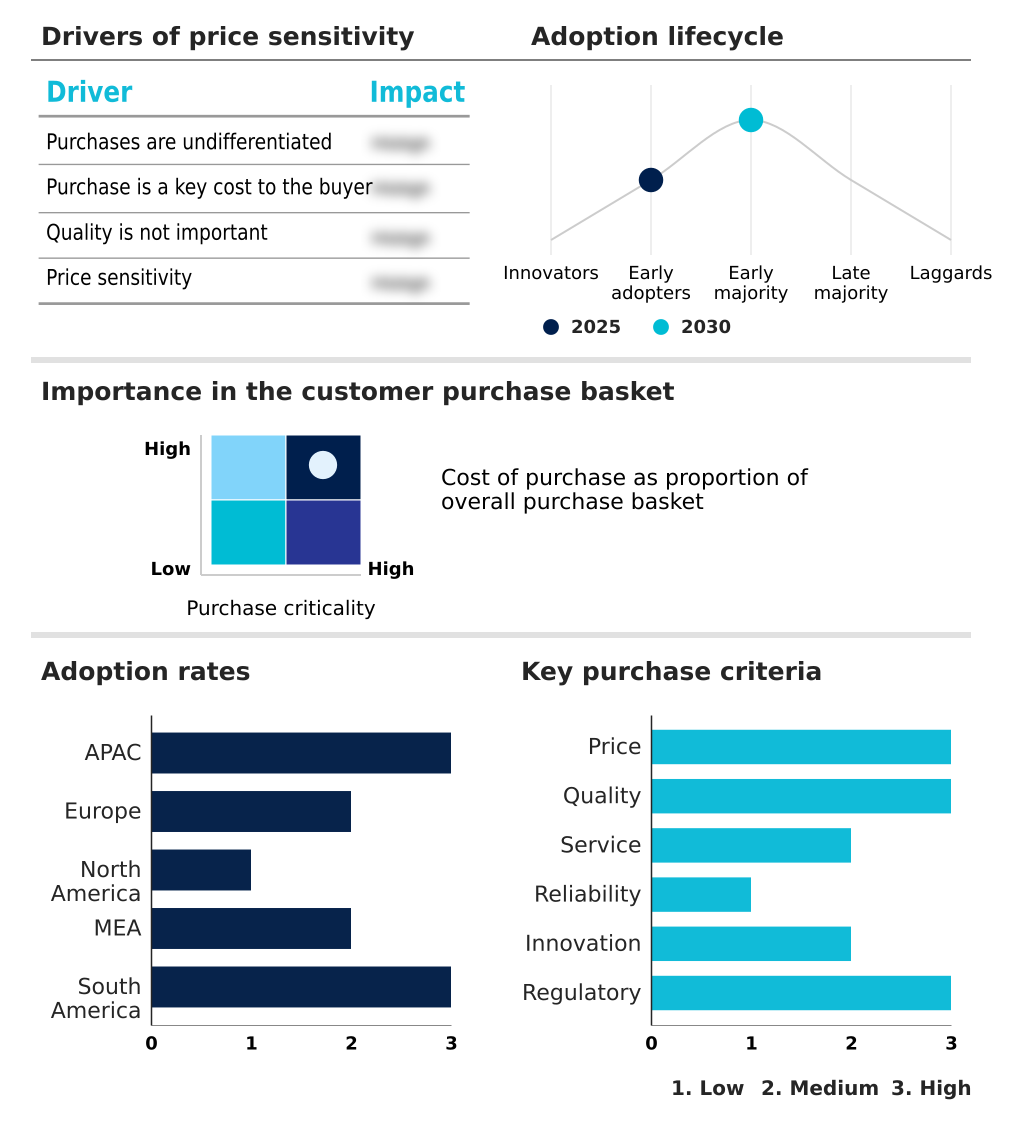
Customer Landscape of Subsea Umbilicals, Risers, And Flow Lines (Surf) Industry

Competitive Landscape

Companies are implementing various strategies, such as strategic alliances, subsea umbilicals, risers, and flow lines (surf) market forecast, partnerships, mergers and acquisitions, geographical expansion, and product/service launches, to enhance their presence in the industry.

ABCO Subsea LLC - The provider delivers specialized dynamic subsea umbilicals, static control lines, and robust riser systems designed to optimize deepwater hydrocarbon extraction and ensure reliable offshore structural integrity.

The industry research and growth report includes detailed analyses of the competitive landscape of the market and information about key companies, including:

  • ABCO Subsea LLC
  • Aker Solutions ASA
  • Baker Hughes Co.
  • Cortland Ltd.
  • Furukawa Electric Co. Ltd.
  • Hellenic Cables SA
  • Hengtong Group Co. Ltd.
  • Hydro Group
  • JDR Cable Systems Ltd.
  • MacArtney AS
  • Nexans SA
  • Ningbo Orient Wires and Cables
  • NKT AS
  • NOV Inc.
  • Oceaneering International Inc.
  • Parker Hannifin Corp.
  • Prysmian S.p.A
  • Schlumberger Ltd.
  • TechnipFMC plc
  • Tratos Cavi S.p.A.

Qualitative and quantitative analysis of companies has been conducted to help clients understand the wider business environment as well as the strengths and weaknesses of key industry players. Data is qualitatively analyzed to categorize companies as pure play, category-focused, industry-focused, and diversified; it is quantitatively analyzed to categorize companies as dominant, leading, strong, tentative, and weak.

Recent Development and News in Subsea umbilicals, risers, and flow lines (surf) market

  • In the Oil and Gas Equipment and Services industry, the transition toward subsea electrification networks has reduced offshore platform emissions by 25%, directly impacting Subsea Umbilicals, Risers, And Flow Lines (SURF) demand by requiring high-voltage transmission cables.
  • Stringent marine ecosystem protection regulations, such as the OSPAR Convention limits, have mandated the integration of zero leak technology, compelling the Subsea Umbilicals, Risers, And Flow Lines (SURF) sector to upgrade subsea hardware fabrication standards.
  • The rapid deployment of autonomous underwater vehicles for seabed topography mapping has improved installation precision by 15%, increasing the feasibility of complex offshore developments and driving specialized Subsea Umbilicals, Risers, And Flow Lines (SURF) adoption.
  • Advancements in subsea compression modules and robotic maintenance platforms have extended offshore lifecycle performance by 20%, generating sustained demand for upgraded Subsea Umbilicals, Risers, And Flow Lines (SURF) capable of handling extreme marine conditions.

Dive into Technavio’s robust research methodology, blending expert interviews, extensive data synthesis, and validated models for unparalleled Subsea Umbilicals, Risers, And Flow Lines (Surf) Market insights. See full methodology.

Market Scope
Page number 298
Base year 2025
Historic period 2020-2024
Forecast period 2026-2030
Growth momentum & CAGR Accelerate at a CAGR of 10%
Market growth 2026-2030 USD 6125.8 million
Market structure Fragmented
YoY growth 2025-2026(%) 9.1%
Key countries China, Japan, India, South Korea, Australia, Indonesia, Germany, UK, France, Italy, Spain, The Netherlands, US, Canada, Mexico, Saudi Arabia, UAE, South Africa, Israel, Turkey, Brazil, Argentina and Chile
Competitive landscape Leading Companies, Market Positioning of Companies, Competitive Strategies, and Industry Risks

Request Free Sample

Research Analyst Overview

  • The Subsea Umbilicals, Risers, And Flow Lines (SURF) framework is undergoing a profound technological transformation to meet the rigorous demands of deepwater hydrocarbon extraction. Strategic decision-making at the board level now heavily prioritizes the integration of subsea electrification networks, displacing traditional hydraulic infrastructures to lower carbon footprints.
  • This shift has enabled operators to decrease subsea wellhead connectivity energy losses by 22%, directly improving overall asset profitability. Advancements in rigid riser systems and thermoplastic hose assemblies provide unparalleled durability against high-pressure marine environments. Furthermore, companies are deploying synthetic tether solutions to stabilize these massive pipelines, significantly mitigating structural fatigue.
  • To ensure continuous compliance and operational safety, the industry is increasingly utilizing autonomous underwater vehicles equipped with digital twin monitoring systems. This proactive maintenance strategy allows operators to identify potential pipeline degradation early, reducing catastrophic failure risks by up to 30%.
  • Ultimately, these engineering innovations empower energy producers to optimize resource recovery while maintaining strict alignment with modern environmental safety protocols.

What are the Key Data Covered in this Subsea Umbilicals, Risers, And Flow Lines (Surf) Market Research and Growth Report?

  • What is the expected growth of the Subsea Umbilicals, Risers, And Flow Lines (Surf) Market between 2026 and 2030?

    • USD 6.13 billion, at a CAGR of 10%

  • What segmentation does the market report cover?

    • The report is segmented by Product (Flowlines, Umbilicals, and Risers), Type (Shallow water, Deep water, and Ultra deep water), Application (Oil industry, Natural gas industry, and Others) and Geography (APAC, Europe, North America, Middle East and Africa, South America)

  • Which regions are analyzed in the report?

    • APAC, Europe, North America, Middle East and Africa and South America

  • What are the key growth drivers and market challenges?

    • Rise in new exploration policies, Environmental problems in offshore oil and gas industry

  • Who are the major players in the Subsea Umbilicals, Risers, And Flow Lines (Surf) Market?

    • ABCO Subsea LLC, Aker Solutions ASA, Baker Hughes Co., Cortland Ltd., Furukawa Electric Co. Ltd., Hellenic Cables SA, Hengtong Group Co. Ltd., Hydro Group, JDR Cable Systems Ltd., MacArtney AS, Nexans SA, Ningbo Orient Wires and Cables, NKT AS, NOV Inc., Oceaneering International Inc., Parker Hannifin Corp., Prysmian S.p.A, Schlumberger Ltd., TechnipFMC plc and Tratos Cavi S.p.A.

Market Research Insights

  • The Subsea Umbilicals, Risers, And Flow Lines (SURF) sector drives the commercial viability of tapping into ultra deepwater reserves through highly integrated offshore infrastructure. Modernizing offshore platform connectivity allows operators to streamline heavy lift operations, reducing overall deployment timelines by 15%.
  • This structural efficiency directly improves the profitability of marginal field development by connecting remote wellheads without requiring new surface facilities. Furthermore, implementing smart subsea equipment reduces unplanned maintenance delays by 20%, ensuring continuous compliance with stringent marine safety regulations.
  • By leveraging these advanced conduit networks, energy producers achieve significant operational cost reductions while securing reliable fluid transport across extreme marine environments.

We can help! Our analysts can customize this subsea umbilicals, risers, and flow lines (surf) market research report to meet your requirements.

Get in touch

1. Executive Summary

1.1 Market overview

Executive Summary - Chart on Market Overview
Executive Summary - Data Table on Market Overview
Executive Summary - Chart on Global Market Characteristics
Executive Summary - Chart on Market by Geography
Executive Summary - Chart on Market Segmentation by Product
Executive Summary - Chart on Market Segmentation by Type
Executive Summary - Chart on Market Segmentation by Application
Executive Summary - Chart on Incremental Growth
Executive Summary - Data Table on Incremental Growth
Executive Summary - Chart on Company Market Positioning

2. Technavio Analysis

2.1 Analysis of price sensitivity, lifecycle, customer purchase basket, adoption rates, and purchase criteria

2.2 Criticality of inputs and Factors of differentiation

Chart on Overview on criticality of inputs and factors of differentiation

2.3 Factors of disruption

Chart on Overview on factors of disruption

2.4 Impact of drivers and challenges

Chart on Impact of drivers and challenges in 2025 and 2030

3. Market Landscape

3.1 Market ecosystem

Chart on Parent Market
Data Table on - Parent Market

3.2 Market characteristics

Chart on Market characteristics analysis

3.3 Value chain analysis

Chart on Value chain analysis

4. Market Sizing

4.1 Market definition

Data Table on Offerings of companies included in the market definition

4.2 Market segment analysis

Market segments

4.3 Market size 2025

4.4 Market outlook: Forecast for 2025-2030

Chart on Global - Market size and forecast 2025-2030 ($ million)
Data Table on Global - Market size and forecast 2025-2030 ($ million)
Chart on Global Market: Year-over-year growth 2025-2030 (%)
Data Table on Global Market: Year-over-year growth 2025-2030 (%)

5. Historic Market Size

5.1 Global Subsea Umbilicals, Risers, And Flow Lines (SURF) Market 2020 - 2024

Historic Market Size - Data Table on Global Subsea Umbilicals, Risers, And Flow Lines (SURF) Market 2020 - 2024 ($ million)

5.2 Product segment analysis 2020 - 2024

Historic Market Size - Product Segment 2020 - 2024 ($ million)

5.3 Type segment analysis 2020 - 2024

Historic Market Size - Type Segment 2020 - 2024 ($ million)

5.4 Application segment analysis 2020 - 2024

Historic Market Size - Application Segment 2020 - 2024 ($ million)

5.5 Geography segment analysis 2020 - 2024

Historic Market Size - Geography Segment 2020 - 2024 ($ million)

5.6 Country segment analysis 2020 - 2024

Historic Market Size - Country Segment 2020 - 2024 ($ million)

6. Qualitative Analysis

6.1 Impact of AI on Global Subsea Umbilicals, Risers, and Flow Lines (SURF) Market

6.2 Impact of Geopolitical Conflicts on Global Subsea Umbilicals, Risers, and Flow Lines (SURF) Market

7. Five Forces Analysis

7.1 Five forces summary

Five forces analysis - Comparison between 2025 and 2030

7.2 Bargaining power of buyers

Bargaining power of buyers - Impact of key factors 2025 and 2030

7.3 Bargaining power of suppliers

Bargaining power of suppliers - Impact of key factors in 2025 and 2030

7.4 Threat of new entrants

Threat of new entrants - Impact of key factors in 2025 and 2030

7.5 Threat of substitutes

Threat of substitutes - Impact of key factors in 2025 and 2030

7.6 Threat of rivalry

Threat of rivalry - Impact of key factors in 2025 and 2030

7.7 Market condition

Chart on Market condition - Five forces 2025 and 2030

8. Market Segmentation by Product

8.1 Market segments

Chart on Product - Market share 2025-2030 (%)
Data Table on Product - Market share 2025-2030 (%)

8.2 Comparison by Product

Chart on Comparison by Product
Data Table on Comparison by Product

8.3 Flowlines - Market size and forecast 2025-2030

Chart on Flowlines - Market size and forecast 2025-2030 ($ million)
Data Table on Flowlines - Market size and forecast 2025-2030 ($ million)
Chart on Flowlines - Year-over-year growth 2025-2030 (%)
Data Table on Flowlines - Year-over-year growth 2025-2030 (%)

8.4 Umbilicals - Market size and forecast 2025-2030

Chart on Umbilicals - Market size and forecast 2025-2030 ($ million)
Data Table on Umbilicals - Market size and forecast 2025-2030 ($ million)
Chart on Umbilicals - Year-over-year growth 2025-2030 (%)
Data Table on Umbilicals - Year-over-year growth 2025-2030 (%)

8.5 Risers - Market size and forecast 2025-2030

Chart on Risers - Market size and forecast 2025-2030 ($ million)
Data Table on Risers - Market size and forecast 2025-2030 ($ million)
Chart on Risers - Year-over-year growth 2025-2030 (%)
Data Table on Risers - Year-over-year growth 2025-2030 (%)

8.6 Market opportunity by Product

Market opportunity by Product ($ million)
Data Table on Market opportunity by Product ($ million)

9. Market Segmentation by Type

9.1 Market segments

Chart on Type - Market share 2025-2030 (%)
Data Table on Type - Market share 2025-2030 (%)

9.2 Comparison by Type

Chart on Comparison by Type
Data Table on Comparison by Type

9.3 Shallow water - Market size and forecast 2025-2030

Chart on Shallow water - Market size and forecast 2025-2030 ($ million)
Data Table on Shallow water - Market size and forecast 2025-2030 ($ million)
Chart on Shallow water - Year-over-year growth 2025-2030 (%)
Data Table on Shallow water - Year-over-year growth 2025-2030 (%)

9.4 Deep water - Market size and forecast 2025-2030

Chart on Deep water - Market size and forecast 2025-2030 ($ million)
Data Table on Deep water - Market size and forecast 2025-2030 ($ million)
Chart on Deep water - Year-over-year growth 2025-2030 (%)
Data Table on Deep water - Year-over-year growth 2025-2030 (%)

9.5 Ultra deep water - Market size and forecast 2025-2030

Chart on Ultra deep water - Market size and forecast 2025-2030 ($ million)
Data Table on Ultra deep water - Market size and forecast 2025-2030 ($ million)
Chart on Ultra deep water - Year-over-year growth 2025-2030 (%)
Data Table on Ultra deep water - Year-over-year growth 2025-2030 (%)

9.6 Market opportunity by Type

Market opportunity by Type ($ million)
Data Table on Market opportunity by Type ($ million)

10. Market Segmentation by Application

10.1 Market segments

Chart on Application - Market share 2025-2030 (%)
Data Table on Application - Market share 2025-2030 (%)

10.2 Comparison by Application

Chart on Comparison by Application
Data Table on Comparison by Application

10.3 Oil industry - Market size and forecast 2025-2030

Chart on Oil industry - Market size and forecast 2025-2030 ($ million)
Data Table on Oil industry - Market size and forecast 2025-2030 ($ million)
Chart on Oil industry - Year-over-year growth 2025-2030 (%)
Data Table on Oil industry - Year-over-year growth 2025-2030 (%)

10.4 Natural gas industry - Market size and forecast 2025-2030

Chart on Natural gas industry - Market size and forecast 2025-2030 ($ million)
Data Table on Natural gas industry - Market size and forecast 2025-2030 ($ million)
Chart on Natural gas industry - Year-over-year growth 2025-2030 (%)
Data Table on Natural gas industry - Year-over-year growth 2025-2030 (%)

10.5 Others - Market size and forecast 2025-2030

Chart on Others - Market size and forecast 2025-2030 ($ million)
Data Table on Others - Market size and forecast 2025-2030 ($ million)
Chart on Others - Year-over-year growth 2025-2030 (%)
Data Table on Others - Year-over-year growth 2025-2030 (%)

10.6 Market opportunity by Application

Market opportunity by Application ($ million)
Data Table on Market opportunity by Application ($ million)

11. Customer Landscape

11.1 Customer landscape overview

Analysis of price sensitivity, lifecycle, customer purchase basket, adoption rates, and purchase criteria

12. Geographic Landscape

12.1 Geographic segmentation

Chart on Market share by geography 2025-2030 (%)
Data Table on Market share by geography 2025-2030 (%)

12.2 Geographic comparison

Chart on Geographic comparison
Data Table on Geographic comparison

12.3 APAC - Market size and forecast 2025-2030

Chart on APAC - Market size and forecast 2025-2030 ($ million)
Data Table on APAC - Market size and forecast 2025-2030 ($ million)
Chart on APAC - Year-over-year growth 2025-2030 (%)
Data Table on APAC - Year-over-year growth 2025-2030 (%)
Chart on Regional Comparison - APAC
Data Table on Regional Comparison - APAC

12.3.1 China - Market size and forecast 2025-2030

Chart on China - Market size and forecast 2025-2030 ($ million)
Data Table on China - Market size and forecast 2025-2030 ($ million)
Chart on China - Year-over-year growth 2025-2030 (%)
Data Table on China - Year-over-year growth 2025-2030 (%)

12.3.2 Japan - Market size and forecast 2025-2030

Chart on Japan - Market size and forecast 2025-2030 ($ million)
Data Table on Japan - Market size and forecast 2025-2030 ($ million)
Chart on Japan - Year-over-year growth 2025-2030 (%)
Data Table on Japan - Year-over-year growth 2025-2030 (%)

12.3.3 India - Market size and forecast 2025-2030

Chart on India - Market size and forecast 2025-2030 ($ million)
Data Table on India - Market size and forecast 2025-2030 ($ million)
Chart on India - Year-over-year growth 2025-2030 (%)
Data Table on India - Year-over-year growth 2025-2030 (%)

12.3.4 South Korea - Market size and forecast 2025-2030

Chart on South Korea - Market size and forecast 2025-2030 ($ million)
Data Table on South Korea - Market size and forecast 2025-2030 ($ million)
Chart on South Korea - Year-over-year growth 2025-2030 (%)
Data Table on South Korea - Year-over-year growth 2025-2030 (%)

12.3.5 Australia - Market size and forecast 2025-2030

Chart on Australia - Market size and forecast 2025-2030 ($ million)
Data Table on Australia - Market size and forecast 2025-2030 ($ million)
Chart on Australia - Year-over-year growth 2025-2030 (%)
Data Table on Australia - Year-over-year growth 2025-2030 (%)

12.3.6 Indonesia - Market size and forecast 2025-2030

Chart on Indonesia - Market size and forecast 2025-2030 ($ million)
Data Table on Indonesia - Market size and forecast 2025-2030 ($ million)
Chart on Indonesia - Year-over-year growth 2025-2030 (%)
Data Table on Indonesia - Year-over-year growth 2025-2030 (%)

12.4 Europe - Market size and forecast 2025-2030

Chart on Europe - Market size and forecast 2025-2030 ($ million)
Data Table on Europe - Market size and forecast 2025-2030 ($ million)
Chart on Europe - Year-over-year growth 2025-2030 (%)
Data Table on Europe - Year-over-year growth 2025-2030 (%)
Chart on Regional Comparison - Europe
Data Table on Regional Comparison - Europe

12.4.1 Germany - Market size and forecast 2025-2030

Chart on Germany - Market size and forecast 2025-2030 ($ million)
Data Table on Germany - Market size and forecast 2025-2030 ($ million)
Chart on Germany - Year-over-year growth 2025-2030 (%)
Data Table on Germany - Year-over-year growth 2025-2030 (%)

12.4.2 UK - Market size and forecast 2025-2030

Chart on UK - Market size and forecast 2025-2030 ($ million)
Data Table on UK - Market size and forecast 2025-2030 ($ million)
Chart on UK - Year-over-year growth 2025-2030 (%)
Data Table on UK - Year-over-year growth 2025-2030 (%)

12.4.3 France - Market size and forecast 2025-2030

Chart on France - Market size and forecast 2025-2030 ($ million)
Data Table on France - Market size and forecast 2025-2030 ($ million)
Chart on France - Year-over-year growth 2025-2030 (%)
Data Table on France - Year-over-year growth 2025-2030 (%)

12.4.4 Italy - Market size and forecast 2025-2030

Chart on Italy - Market size and forecast 2025-2030 ($ million)
Data Table on Italy - Market size and forecast 2025-2030 ($ million)
Chart on Italy - Year-over-year growth 2025-2030 (%)
Data Table on Italy - Year-over-year growth 2025-2030 (%)

12.4.5 Spain - Market size and forecast 2025-2030

Chart on Spain - Market size and forecast 2025-2030 ($ million)
Data Table on Spain - Market size and forecast 2025-2030 ($ million)
Chart on Spain - Year-over-year growth 2025-2030 (%)
Data Table on Spain - Year-over-year growth 2025-2030 (%)

12.4.6 The Netherlands - Market size and forecast 2025-2030

Chart on The Netherlands - Market size and forecast 2025-2030 ($ million)
Data Table on The Netherlands - Market size and forecast 2025-2030 ($ million)
Chart on The Netherlands - Year-over-year growth 2025-2030 (%)
Data Table on The Netherlands - Year-over-year growth 2025-2030 (%)

12.5 North America - Market size and forecast 2025-2030

Chart on North America - Market size and forecast 2025-2030 ($ million)
Data Table on North America - Market size and forecast 2025-2030 ($ million)
Chart on North America - Year-over-year growth 2025-2030 (%)
Data Table on North America - Year-over-year growth 2025-2030 (%)
Chart on Regional Comparison - North America
Data Table on Regional Comparison - North America

12.5.1 US - Market size and forecast 2025-2030

Chart on US - Market size and forecast 2025-2030 ($ million)
Data Table on US - Market size and forecast 2025-2030 ($ million)
Chart on US - Year-over-year growth 2025-2030 (%)
Data Table on US - Year-over-year growth 2025-2030 (%)

12.5.2 Canada - Market size and forecast 2025-2030

Chart on Canada - Market size and forecast 2025-2030 ($ million)
Data Table on Canada - Market size and forecast 2025-2030 ($ million)
Chart on Canada - Year-over-year growth 2025-2030 (%)
Data Table on Canada - Year-over-year growth 2025-2030 (%)

12.5.3 Mexico - Market size and forecast 2025-2030

Chart on Mexico - Market size and forecast 2025-2030 ($ million)
Data Table on Mexico - Market size and forecast 2025-2030 ($ million)
Chart on Mexico - Year-over-year growth 2025-2030 (%)
Data Table on Mexico - Year-over-year growth 2025-2030 (%)

12.6 Middle East and Africa - Market size and forecast 2025-2030

Chart on Middle East and Africa - Market size and forecast 2025-2030 ($ million)
Data Table on Middle East and Africa - Market size and forecast 2025-2030 ($ million)
Chart on Middle East and Africa - Year-over-year growth 2025-2030 (%)
Data Table on Middle East and Africa - Year-over-year growth 2025-2030 (%)
Chart on Regional Comparison - Middle East and Africa
Data Table on Regional Comparison - Middle East and Africa

12.6.1 Saudi Arabia - Market size and forecast 2025-2030

Chart on Saudi Arabia - Market size and forecast 2025-2030 ($ million)
Data Table on Saudi Arabia - Market size and forecast 2025-2030 ($ million)
Chart on Saudi Arabia - Year-over-year growth 2025-2030 (%)
Data Table on Saudi Arabia - Year-over-year growth 2025-2030 (%)

12.6.2 UAE - Market size and forecast 2025-2030

Chart on UAE - Market size and forecast 2025-2030 ($ million)
Data Table on UAE - Market size and forecast 2025-2030 ($ million)
Chart on UAE - Year-over-year growth 2025-2030 (%)
Data Table on UAE - Year-over-year growth 2025-2030 (%)

12.6.3 South Africa - Market size and forecast 2025-2030

Chart on South Africa - Market size and forecast 2025-2030 ($ million)
Data Table on South Africa - Market size and forecast 2025-2030 ($ million)
Chart on South Africa - Year-over-year growth 2025-2030 (%)
Data Table on South Africa - Year-over-year growth 2025-2030 (%)

12.6.4 Israel - Market size and forecast 2025-2030

Chart on Israel - Market size and forecast 2025-2030 ($ million)
Data Table on Israel - Market size and forecast 2025-2030 ($ million)
Chart on Israel - Year-over-year growth 2025-2030 (%)
Data Table on Israel - Year-over-year growth 2025-2030 (%)

12.6.5 Turkey - Market size and forecast 2025-2030

Chart on Turkey - Market size and forecast 2025-2030 ($ million)
Data Table on Turkey - Market size and forecast 2025-2030 ($ million)
Chart on Turkey - Year-over-year growth 2025-2030 (%)
Data Table on Turkey - Year-over-year growth 2025-2030 (%)

12.7 South America - Market size and forecast 2025-2030

Chart on South America - Market size and forecast 2025-2030 ($ million)
Data Table on South America - Market size and forecast 2025-2030 ($ million)
Chart on South America - Year-over-year growth 2025-2030 (%)
Data Table on South America - Year-over-year growth 2025-2030 (%)
Chart on Regional Comparison - South America
Data Table on Regional Comparison - South America

12.7.1 Brazil - Market size and forecast 2025-2030

Chart on Brazil - Market size and forecast 2025-2030 ($ million)
Data Table on Brazil - Market size and forecast 2025-2030 ($ million)
Chart on Brazil - Year-over-year growth 2025-2030 (%)
Data Table on Brazil - Year-over-year growth 2025-2030 (%)

12.7.2 Argentina - Market size and forecast 2025-2030

Chart on Argentina - Market size and forecast 2025-2030 ($ million)
Data Table on Argentina - Market size and forecast 2025-2030 ($ million)
Chart on Argentina - Year-over-year growth 2025-2030 (%)
Data Table on Argentina - Year-over-year growth 2025-2030 (%)

12.7.3 Chile - Market size and forecast 2025-2030

Chart on Chile - Market size and forecast 2025-2030 ($ million)
Data Table on Chile - Market size and forecast 2025-2030 ($ million)
Chart on Chile - Year-over-year growth 2025-2030 (%)
Data Table on Chile - Year-over-year growth 2025-2030 (%)

12.8 Market opportunity by geography

Market opportunity by geography ($ million)
Data Tables on Market opportunity by geography ($ million)

13. Drivers, Challenges, and Opportunity

13.1 Market drivers

Rise in new exploration policies
Surge in energy demand is expediting market growth
Declining E and P cost of deep water and ultra-deepwater oil and gas projects

13.2 Market challenges

Environmental problems in offshore oil and gas industry
Difficulties involved in offshore oil and gas production
Uncertainties in crude oil supply

13.3 Impact of drivers and challenges

Impact of drivers and challenges in 2025 and 2030

13.4 Market opportunities

Advances in subsea processing is augmenting market growth
Using laser technology in workover rigs
Emergence of next-generation automated drilling rigs

14. Competitive Landscape

14.1 Overview

14.2

Overview on criticality of inputs and factors of differentiation

14.3 Landscape disruption

Overview on factors of disruption

14.4 Industry risks

Impact of key risks on business

15. Competitive Analysis

15.1 Companies profiled

Companies covered

15.2 Company ranking index

15.3 Market positioning of companies

Matrix on companies position and classification

15.4 Aker Solutions ASA

Aker Solutions ASA - Overview
Aker Solutions ASA - Business segments
Aker Solutions ASA - Key offerings
Aker Solutions ASA - Segment focus
SWOT

15.5 Baker Hughes Co.

Baker Hughes Co. - Overview
Baker Hughes Co. - Business segments
Baker Hughes Co. - Key offerings
Baker Hughes Co. - Segment focus
SWOT

15.6 Furukawa Electric Co. Ltd.

Furukawa Electric Co. Ltd. - Overview
Furukawa Electric Co. Ltd. - Business segments
Furukawa Electric Co. Ltd. - Key offerings
Furukawa Electric Co. Ltd. - Segment focus
SWOT

15.7 Hellenic Cables SA

Hellenic Cables SA - Overview
Hellenic Cables SA - Product / Service
Hellenic Cables SA - Key offerings
SWOT

15.8 Hengtong Group Co. Ltd.

Hengtong Group Co. Ltd. - Overview
Hengtong Group Co. Ltd. - Product / Service
Hengtong Group Co. Ltd. - Key offerings
SWOT

15.9 JDR Cable Systems Ltd.

JDR Cable Systems Ltd. - Overview
JDR Cable Systems Ltd. - Product / Service
JDR Cable Systems Ltd. - Key offerings
SWOT

15.10 MacArtney AS

MacArtney AS - Overview
MacArtney AS - Product / Service
MacArtney AS - Key offerings
SWOT

15.11 Nexans SA

Nexans SA - Overview
Nexans SA - Business segments
Nexans SA - Key offerings
Nexans SA - Segment focus
SWOT

15.12 Ningbo Orient Wires and Cables

Ningbo Orient Wires and Cables - Overview
Ningbo Orient Wires and Cables - Product / Service
Ningbo Orient Wires and Cables - Key offerings
SWOT

15.13 NOV Inc.

NOV Inc. - Overview
NOV Inc. - Business segments
NOV Inc. - Key offerings
NOV Inc. - Segment focus
SWOT

15.14 Oceaneering International Inc.

Oceaneering International Inc. - Overview
Oceaneering International Inc. - Business segments
Oceaneering International Inc. - Key news
Oceaneering International Inc. - Key offerings
Oceaneering International Inc. - Segment focus
SWOT

15.15 Parker Hannifin Corp.

Parker Hannifin Corp. - Overview
Parker Hannifin Corp. - Business segments
Parker Hannifin Corp. - Key offerings
Parker Hannifin Corp. - Segment focus
SWOT

15.16 Prysmian S.p.A

Prysmian S.p.A - Overview
Prysmian S.p.A - Product / Service
Prysmian S.p.A - Key offerings
SWOT

15.17 Schlumberger Ltd.

Schlumberger Ltd. - Overview
Schlumberger Ltd. - Business segments
Schlumberger Ltd. - Key news
Schlumberger Ltd. - Key offerings
Schlumberger Ltd. - Segment focus
SWOT

15.18 TechnipFMC plc

TechnipFMC plc - Overview
TechnipFMC plc - Business segments
TechnipFMC plc - Key offerings
TechnipFMC plc - Segment focus
SWOT

16. Appendix

16.1 Scope of the report

Market definition
Objectives
Notes and caveats

16.2 Inclusions and exclusions checklist

Inclusions checklist
Exclusions checklist

16.3 Currency conversion rates for US$

16.4 Research methodology

16.5 Data procurement

Information sources

16.6 Data validation

16.7 Validation techniques employed for market sizing

16.8 Data synthesis

16.9 360 degree market analysis

16.10 List of abbreviations

Research Methodology

Technavio presents a detailed picture of the market by way of study, synthesis, and summation of data from multiple sources. The analysts have presented the various facets of the market with a particular focus on identifying the key industry influencers. The data thus presented is comprehensive, reliable, and the result of extensive research, both primary and secondary.

INFORMATION SOURCES

Primary sources

  • Manufacturers and suppliers
  • Channel partners
  • Industry experts
  • Strategic decision makers

Secondary sources

  • Industry journals and periodicals
  • Government data
  • Financial reports of key industry players
  • Historical data
  • Press releases

DATA ANALYSIS

Data Synthesis

  • Collation of data
  • Estimation of key figures
  • Analysis of derived insights

Data Validation

  • Triangulation with data models
  • Reference against proprietary databases
  • Corroboration with industry experts

REPORT WRITING

Qualitative

  • Market drivers
  • Market challenges
  • Market trends
  • Five forces analysis

Quantitative

  • Market size and forecast
  • Market segmentation
  • Geographical insights
  • Competitive landscape

Interested in this report?

Get your sample now to see our research methodology and insights!

Download Now

Frequently Asked Questions

Subsea Umbilicals, Risers, And Flow Lines (Surf) market growth will increase by USD 6125.8 million during 2026-2030.

The Subsea Umbilicals, Risers, And Flow Lines (Surf) market is expected to grow at a CAGR of 10% during 2026-2030.

Subsea Umbilicals, Risers, And Flow Lines (Surf) market is segmented by Product (Flowlines, Umbilicals, Risers) Type (Shallow water, Deep water, Ultra deep water) Application (Oil industry, Natural gas industry, Others)

ABCO Subsea LLC, Aker Solutions ASA, Baker Hughes Co., Cortland Ltd., Furukawa Electric Co. Ltd., Hellenic Cables SA, Hengtong Group Co. Ltd., Hydro Group, JDR Cable Systems Ltd., MacArtney AS, Nexans SA, Ningbo Orient Wires and Cables, NKT AS, NOV Inc., Oceaneering International Inc., Parker Hannifin Corp., Prysmian S.p.A, Schlumberger Ltd., TechnipFMC plc, Tratos Cavi S.p.A. are a few of the key vendors in the Subsea Umbilicals, Risers, And Flow Lines (Surf) market.

APAC will register the highest growth rate of 37.9% among the other regions. Therefore, the Subsea Umbilicals, Risers, And Flow Lines (Surf) market in APAC is expected to garner significant business opportunities for the vendors during the forecast period.

China, Japan, India, South Korea, Australia, Indonesia, Germany, UK, France, Italy, Spain, The Netherlands, US, Canada, Mexico, Saudi Arabia, UAE, South Africa, Israel, Turkey, Brazil, Argentina, Chile

  • Rise in new exploration policies is the driving factor this market.

The Subsea Umbilicals, Risers, And Flow Lines (Surf) market vendors should focus on grabbing business opportunities from the Product segment as it accounted for the largest market share in the base year.
RIA - Research AI Assistant
Ask RIA
