



Truffles Market Size 2026-2030
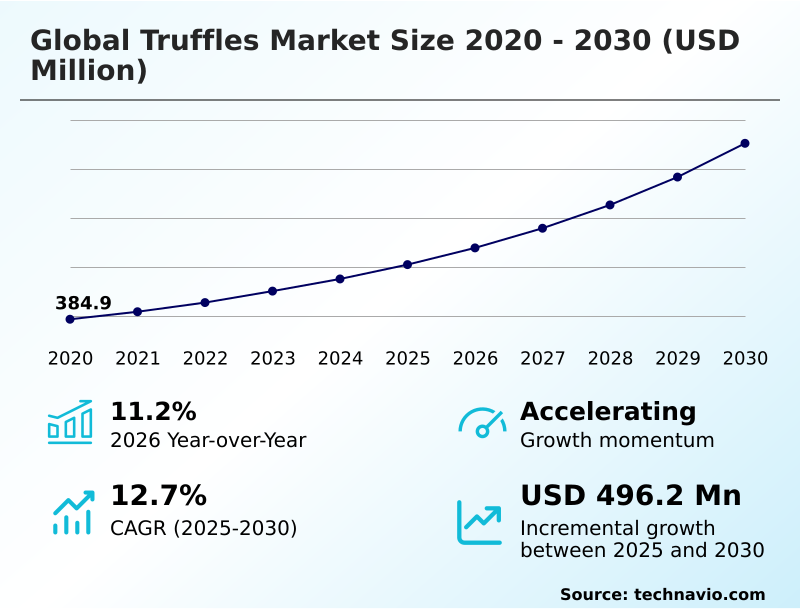
The Truffles Market size was valued at USD 608.4 million in 2025, growing at a CAGR of 12.7% during the forecast period 2026-2030.
Major Market Trends & Insights
- APAC dominated the market and accounted for a 38.6% growth during the forecast period.
- By Product - Black truffles segment was valued at USD 261.2 million in 2024
- By End-user - Food and beverages segment accounted for the largest market revenue share in 2024
Market Size & Forecast
- Historic Market Opportunities 2020-2024: USD 719.7 million
- Market Future Opportunities 2025-2030: USD 496.2 million
- CAGR from 2025 to 2030 : 12.7%
Market Summary
- The Truffles Market is defined by a complex interplay between traditional agriculture and modern consumer demand, with the food and beverages end-user segment being over 7.5 times larger than the personal care segment. This disparity underscores the ingredient's primary role in culinary applications.
- A key driver is the expansion of commercial truffle farming, which promises greater supply stability compared to unpredictable wild harvests. For example, a business scenario involves a food processor securing a long-term contract with a cultivated truffle farm, reducing input cost volatility by an estimated 15% over five years.
- However, the market faces a significant challenge from the proliferation of products using synthetic substitutes, which can dilute brand value and mislead consumer perception regarding authentic flavor profiles.
What will be the Size of the Truffles Market during the forecast period?
Get Key Insights on Market Forecast (PDF) Request Free Sample
How is the Truffles Market Segmented?
The truffles industry research report provides comprehensive data (region-wise segment analysis), with forecasts and analysis for the period 2026-2030, as well as historical data from 2020-2024 for the following segments.
- Product
- Black truffles
- White truffles
- Others
- End-user
- Food and beverages
- Personal care products
- Pharmaceuticals
- Product type
- Raw
- Processed
- Geography
- APAC
- China
- India
- Australia
- North America
- US
- Canada
- Mexico
- Europe
- France
- Italy
- UK
- South America
- Brazil
- Argentina
- Middle East and Africa
- UAE
- Saudi Arabia
- South Africa
- Rest of World (ROW)
- APAC
How is the Truffles Market Segmented by Product?
The black truffles segment is estimated to witness significant growth during the forecast period.
The black truffles product segment, representing nearly 48% of the total market, is the primary revenue driver due to its robust supply chain and versatility in culinary applications.
This segment, primarily featuring Tuber melanosporum, is over 37% larger than the white truffles segment, reflecting its broader use in industrial food processing and premiumization strategies.
The unique terroir influence on this ectomycorrhizal fungi allows for a differentiated flavor profile that is maintained through advanced post-harvest handling.
The resilience of its aroma during cooking makes it a favored gourmet ingredient for chefs and food manufacturers, supporting its dominant market share and consistent demand within the food service channel, which is a key part of its appeal in the Global Truffles Market 2026-2030.
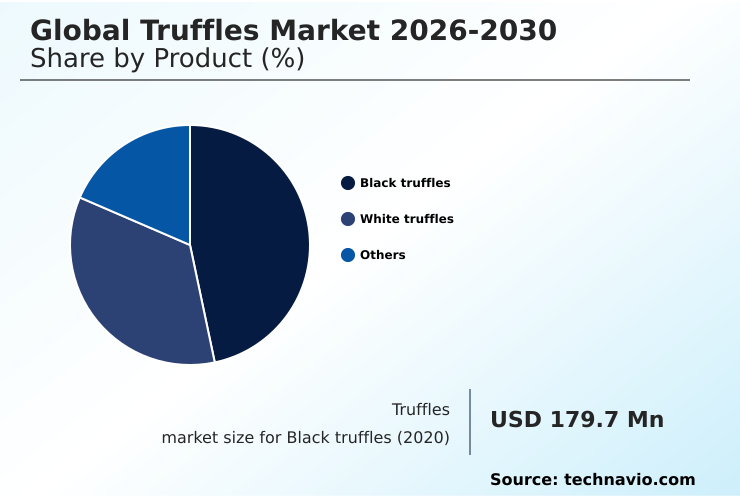
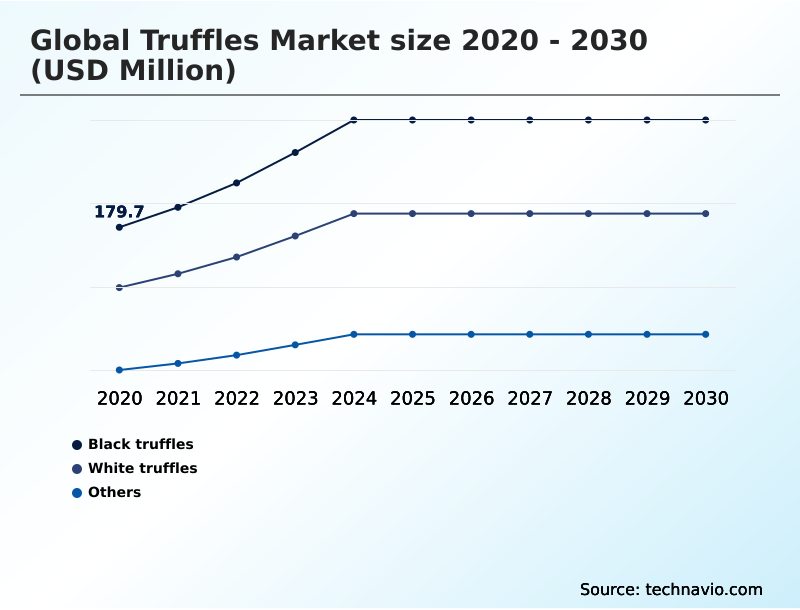
The Black truffles segment was valued at USD 261.2 million in 2024 and showed a gradual increase during the forecast period.
How demand for the Truffles market is rising in the leading region?
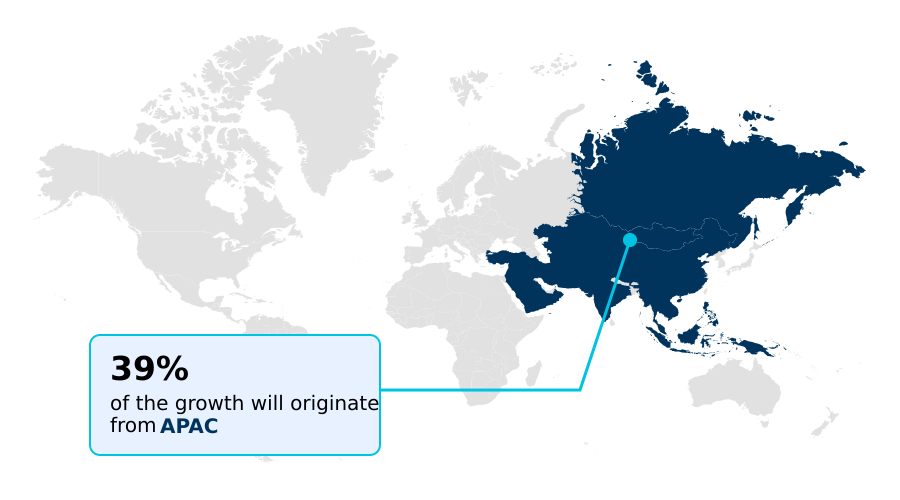
APAC is estimated to contribute 38.6% to the growth of the global market during the forecast period.Technavio’s analysts have elaborately explained the regional trends and drivers that shape the market during the forecast period.
See How Truffles Market demand is rising in APAC Request Free Sample
The global geographic landscape is shifting, with APAC poised to experience the fastest growth at a CAGR of 13.1%, outpacing Europe’s 12.1% growth rate due to rising disposable incomes and demand for luxury goods.
This makes APAC the largest contributor to incremental growth, accounting for 38.6% of the market's expansion.
Within this dynamic, North America remains a dominant force in consumption, where the US market alone is valued at over 2.1 times that of China's market.
This regional disparity necessitates different go-to-market strategies; for example, success in APAC requires navigating complex cold chain logistics and developing products tailored to local culinary applications, while North American strategies focus on retail-ready gourmet ingredients and leveraging counter-seasonal supply from Southern Hemisphere producers.
What are the key Drivers, Trends, and Challenges in the Truffles Market?
Our researchers analyzed the data with 2025 as the base year, along with the key drivers, trends, and challenges. A holistic analysis of drivers will help companies refine their marketing strategies to gain a competitive advantage.
- Understanding the global truffles market requires a nuanced analysis of its production and economic drivers, with the processed product segment growing approximately 1.4% faster than the raw product segment. Key questions revolve around the commercial truffle farming success rate, which is critical for stabilizing supply chains that have historically been dependent on volatile wild harvests.
- Producers and investors frequently evaluate the Tuber melanosporum vs Tuber indicum debate, as the latter offers a more accessible price point but a different flavor profile, impacting market positioning. A major concern for consumers and regulators is the truffle infused oil authenticity test, which helps differentiate products with natural flavoring from those using synthetic compounds.
- As the market evolves, the focus on sustainable truffle harvesting techniques is growing, driven by both environmental concerns and the need to protect long-term yields. This is directly linked to the impact of climate on truffle yield, as unpredictable weather patterns can reduce a season's harvest by up to 30%, causing significant price fluctuations.
- These factors collectively shape procurement strategies and investment decisions across the industry.
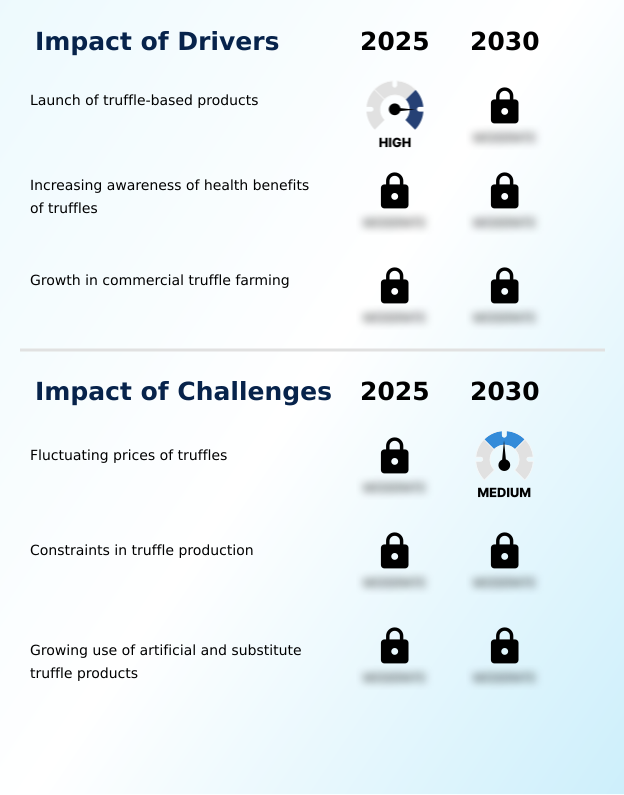
What are the key market drivers leading to the rise in the adoption of Truffles Industry?
- The launch of diverse truffle-based products is a key market driver, expanding consumer access and transforming the ingredient from a niche luxury to a mainstream flavor.
- A primary market driver is the growth in commercial truffle farming, which addresses the supply instability of traditional wild harvesting.
- This shift toward controlled truffle cultivation is critical, as establishing a productive truffle orchard through mycorrhizal inoculation requires a significant upfront investment and a lead time of up to a decade to reach peak yield optimization.
- This controlled approach, however, offers a projected 20-30% reduction in long-term price volatility compared to wild-harvested supplies.
- Simultaneously, increasing consumer awareness of the health benefits of truffles, which are promoted for their nutrient density and bioactive compounds, is expanding the market.
- This positions truffles as a functional ingredient aligning with the clean label trend, broadening their appeal beyond taste alone.
What are the market trends shaping the Truffles Industry?
- The growing adoption of truffles in fine dining establishments and for gourmet dishes is a significant market trend. This is driven by chefs seeking to differentiate menus with premium ingredients and consumers desiring elevated culinary experiences.
- A defining market trend is the expansion of truffle-infused packaged products, which are reshaping consumption habits by making gourmet flavors accessible for everyday use. While the processed product segment's growth of 43.6% over four years is only slightly faster than the raw segment's 42.2% growth, its impact on consumer perception is significant.
- This shift is democratizing the flavor profile beyond the confines of fine dining, with shelf-stable products now common in retail. Advances in aroma compound analysis allow manufacturers to create consistent products, though this also raises concerns about product authenticity.
- Consequently, supply chain traceability has become a crucial differentiator, allowing brands to verify the origin and quality of their ingredients for discerning consumers in the Global Truffles Market 2026-2030.
What challenges does the Truffles Industry face during its growth?
- Fluctuating prices, caused by unpredictable supply and inelastic demand, represent a key challenge impacting the truffles market.
- A significant challenge facing the market is the proliferation of artificial substitutes, which creates market distortion and erodes consumer trust. Products using synthetic compounds like 2,4-dithiapentane can mimic the aroma of genuine truffles at a fraction of the cost, making it difficult for authentic products to compete on price.
- This issue is compounded by production constraints, where a single adverse weather event can reduce sporocarp formation and cut wild harvesting yields by over 25%, leading to extreme price volatility. This uncertainty complicates financial planning for producers and makes the predictable, stable cost of synthetic alternatives more appealing to some food manufacturers, undermining the market for genuine truffles.
Exclusive Technavio Analysis on Customer Landscape
The truffles market forecasting report includes the adoption lifecycle of the market, covering from the innovator’s stage to the laggard’s stage. It focuses on adoption rates in different regions based on penetration. Furthermore, the truffles market report also includes key purchase criteria and drivers of price sensitivity to help companies evaluate and develop their market growth analysis strategies.
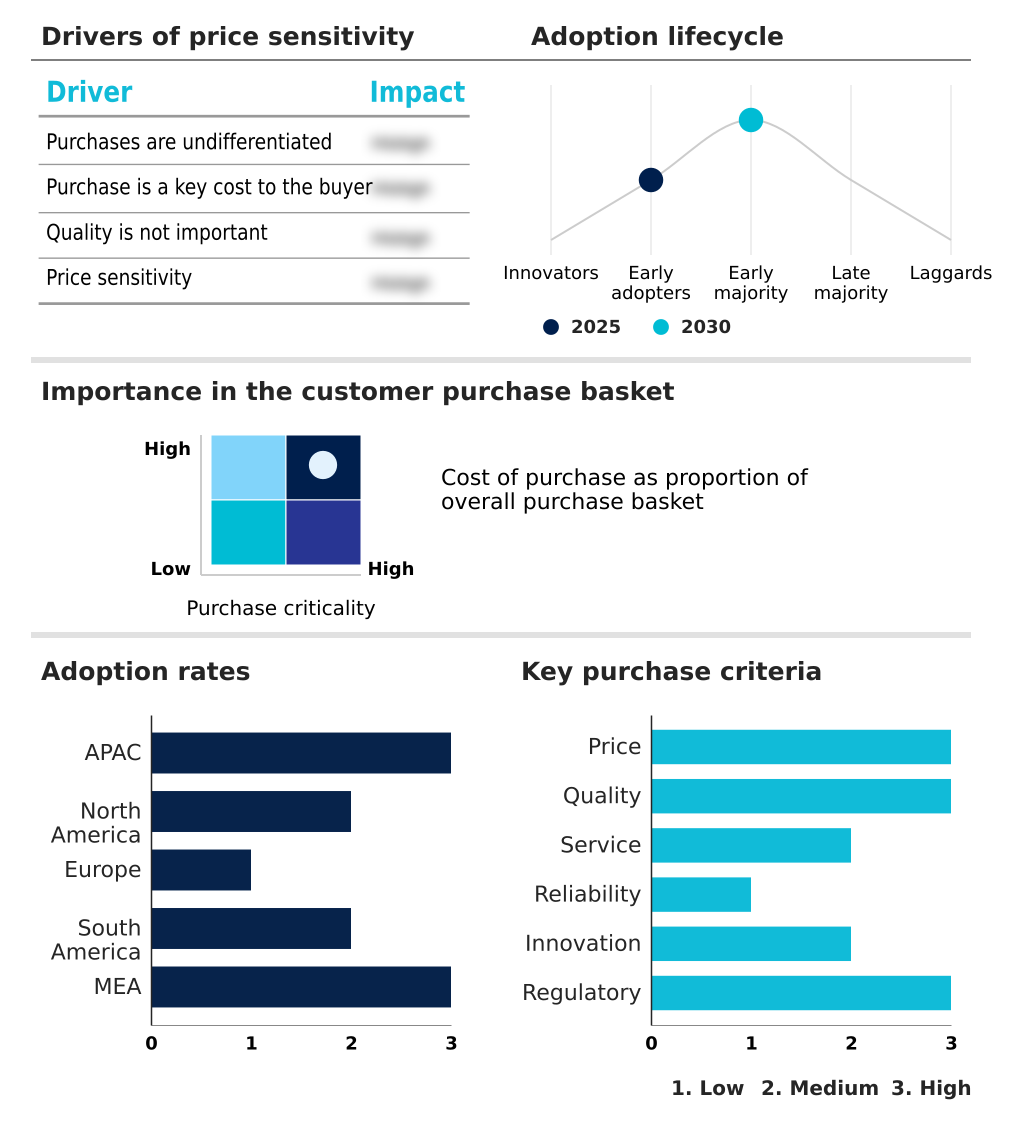
Customer Landscape of Truffles Industry
Competitive Landscape
Companies are implementing various strategies, such as strategic alliances, truffles market forecast, partnerships, mergers and acquisitions, geographical expansion, and product/service launches, to enhance their presence in the industry.
Acqualagna Tartufi Srl - Key market offerings include fresh seasonal fungi, alongside a wide range of value-added products like truffle-infused oils, condiments, sauces, and preserved truffle items for global distribution.
The industry research and growth report includes detailed analyses of the competitive landscape of the market and information about key companies, including:
- Acqualagna Tartufi Srl
- Angellozzi Tartuficoltura
- Appennino Food Group SpA
- Arotz Foods SA
- Bernardini Tartufi Srl
- Espora Gourmet SL
- Geofoods Srl
- Giuliano Tartufi Srl
- La Rustichella Tartufi
- Maison de la Truffe
- Sabatino Italia Srl
- San Pietro a Pettine
- Savini Tartufi Srl
- Tartufi Jimmy Srl
- Tartufi Morra Srl
- Trivelli Tartufi Srl
- Truffle Hill
- TruffleHunter Ltd.
- Urbani Tartufi Srl
- Zigante Tartufi
Qualitative and quantitative analysis of companies has been conducted to help clients understand the wider business environment as well as the strengths and weaknesses of key industry players. Data is qualitatively analyzed to categorize companies as pure play, category-focused, industry-focused, and diversified; it is quantitatively analyzed to categorize companies as dominant, leading, strong, tentative, and weak.
Market Intelligence Radar: High-Impact Developments & Growth Signals
- In the Packaged Foods and Meats industry, the expansion of private-label product lines by major retailers has created new channels for truffle-infused products, directly impacting the Global Truffles Market 2026-2030 by broadening consumer access beyond specialty stores. This has led to a greater demand for consistent, high-quality truffle ingredients that can meet the scale of mass-market retail, influencing commercial farming practices.
- The increasing consumer focus on health and wellness within the Packaged Foods and Meats industry has elevated demand for minimally processed, nutrient-dense ingredients. This shift in consumer perception has benefited the Global Truffles Market 2026-2030 by positioning truffles as a functional, natural flavoring with antioxidant properties, driving their inclusion in clean label product formulations.
- Within the Packaged Foods and Meats industry, a growing adoption of robust e-commerce platforms and direct-to-consumer distribution models is reshaping supply chains. For the Global Truffles Market 2026-2030, this enhances supply chain traceability and allows smaller producers to bypass traditional intermediaries, providing fresher products to end-users and improving market access.
- Stringent food safety regulations and traceability requirements, such as those mandated by the Food Safety Modernization Act (FSMA) in the Packaged Foods and Meats industry, are compelling truffle producers to invest in advanced tracking and quality control. This affects the Global Truffles Market 2026-2030 by increasing operational costs but also builds consumer trust through enhanced product authenticity and safety.
Dive into Technavio’s robust research methodology, blending expert interviews, extensive data synthesis, and validated models for unparalleled Truffles Market insights. See full methodology.
| Market Scope | |
|---|---|
| Page number | 290 |
| Base year | 2025 |
| Historic period | 2020-2024 |
| Forecast period | 2026-2030 |
| Growth momentum & CAGR | Accelerate at a CAGR of 12.7% |
| Market growth 2026-2030 | USD 496.2 million |
| Market structure | Fragmented |
| YoY growth 2025-2026(%) | 11.2% |
| Key countries | China, India, Australia, Japan, South Korea, Indonesia, US, Canada, Mexico, France, Italy, UK, Spain, Germany, The Netherlands, Brazil, Argentina, Chile, UAE, Saudi Arabia, South Africa, Turkey and Israel |
| Competitive landscape | Leading Companies, Market Positioning of Companies, Competitive Strategies, and Industry Risks |
Research Analyst Overview
- The market ecosystem functions through a specialized value chain where the food and beverages segment accounts for over 81% of end-user consumption. The process begins with landowners and agricultural specialists engaged in either wild harvesting or truffle cultivation, representing the primary input suppliers.
- These raw materials are then sourced by processing companies, such as Urbani Tartufi Srl and Sabatino Italia Srl, which transform them into a variety of products, including fresh truffles, infused oils, and sauces. Distribution is handled through a network of specialty food importers, wholesalers, and increasingly, direct-to-consumer e-commerce platforms.
- End-users range from high-end restaurants, which drive demand for premium fresh products, to retail consumers purchasing value-added goods. The entire ecosystem is influenced by culinary trends, food safety regulations, and research institutions that focus on yield optimization and genetic verification.
What are the Key Data Covered in this Truffles Market Research and Growth Report?
-
What is the expected growth of the Truffles Market between 2026 and 2030?
-
The Truffles Market is expected to grow by USD 496.2 million during 2026-2030, registering a CAGR of 12.7%. Year-over-year growth in 2026 is estimated at 11.2%%. This acceleration is shaped by launch of truffle-based products, which is intensifying demand across multiple end-use verticals covered in the report.
-
-
What segmentation does the market report cover?
-
The report is segmented by Product (Black truffles, White truffles, and Others), End-user (Food and beverages, Personal care products, and Pharmaceuticals), Product Type (Raw, and Processed) and Geography (APAC, North America, Europe, South America, Middle East and Africa). Among these, the Black truffles segment is estimated to witness significant growth during the forecast period, driven by rising adoption across key application areas. Each segment includes detailed qualitative and quantitative analysis, along with historical data from 2020-2024 and forecasts through 2030 with year-over-year growth rates.
-
-
Which regions are analyzed in the report?
-
The report covers APAC, North America, Europe, South America and Middle East and Africa. APAC is estimated to contribute 38.6% to market growth during the forecast period. Country-level analysis includes China, India, Australia, Japan, South Korea, Indonesia, US, Canada, Mexico, France, Italy, UK, Spain, Germany, The Netherlands, Brazil, Argentina, Chile, UAE, Saudi Arabia, South Africa, Turkey and Israel, with dedicated market size tables and year-over-year growth for each.
-
-
What are the key growth drivers and market challenges?
-
The primary driver is launch of truffle-based products, which is accelerating investment and industry demand. The main challenge is fluctuating prices of truffles, creating operational barriers for key market participants. The report quantifies the impact of each driver and challenge across 2026 and 2030 with comparative analysis.
-
-
Who are the major players in the Truffles Market?
-
Key vendors include Acqualagna Tartufi Srl, Angellozzi Tartuficoltura, Appennino Food Group SpA, Arotz Foods SA, Bernardini Tartufi Srl, Espora Gourmet SL, Geofoods Srl, Giuliano Tartufi Srl, La Rustichella Tartufi, Maison de la Truffe, Sabatino Italia Srl, San Pietro a Pettine, Savini Tartufi Srl, Tartufi Jimmy Srl, Tartufi Morra Srl, Trivelli Tartufi Srl, Truffle Hill, TruffleHunter Ltd., Urbani Tartufi Srl and Zigante Tartufi. The report provides qualitative and quantitative analysis categorizing companies as dominant, leading, strong, tentative, and weak based on their market positioning. Company profiles include business segment analysis, SWOT assessment, key offerings, and recent strategic developments.
-
Market Research Insights
- The competitive landscape is characterized by high capital expenditures, with R&D investment ranked as a medium-level input criticality for vendors. Established players like Urbani Tartufi Srl and Sabatino Italia Srl dominate by leveraging extensive distribution networks and product innovation. For instance, Urbani's introduction of an all-natural white truffle oil line caters to the growing demand for clean-label products.
- These strategic moves reflect a broader industry trend where a 1% increase in product line diversification is correlated with a measurable uptick in market penetration. The primary challenge remains supply chain management for the highly perishable raw product, compelling firms to invest heavily in cold-chain logistics to maintain quality from harvest to final sale.
We can help! Our analysts can customize this truffles market research report to meet your requirements.
 RIA -
RIA - 
