



Urticaria Drugs Market 2024-2028
The Urticaria Drugs Market size is forecast to increase by USD 1.66 billion, at a CAGR of 11.64% between 2023 and 2028.
There has been an increasing approval of new drugs for urticaria across the world. In addition, urticaria has a strong pipeline, considering the early and late-stage pipeline candidates. Moreover, most drugs are anti-allergens that have a symptomatic management approach. In addition, few promising molecules in the pipeline have disease-modifying activities for chronic spontaneous urticaria, acute urticaria, angioedema, and others. Furthermore, major companies such as Novartis AG, Amneal Pharmaceuticals Inc., F. Hoffmann La Roche Ltd., and Viatris Inc. have a strong pipeline in their portfolios for urticaria indication. Hence, such factors are positively impacting the market.
Technavio has segmented the market into Application, Type, and Geography
- The application segment is classified into acute urticaria and chronic urticaria
- The type segment is classified into antihistamines, anti-inflammatory agents, sulfones, and biologics
- The geography segment includes key regions such as North America, Europe, Asia, and the Rest of the World (ROW)
It also includes an in-depth analysis of drivers, trends, and challenges. Our report examines historical data from 2018 - 2022, besides analyzing the current market scenario.
What will be the Size of the Urticaria Drugs Market During the Forecast Period?
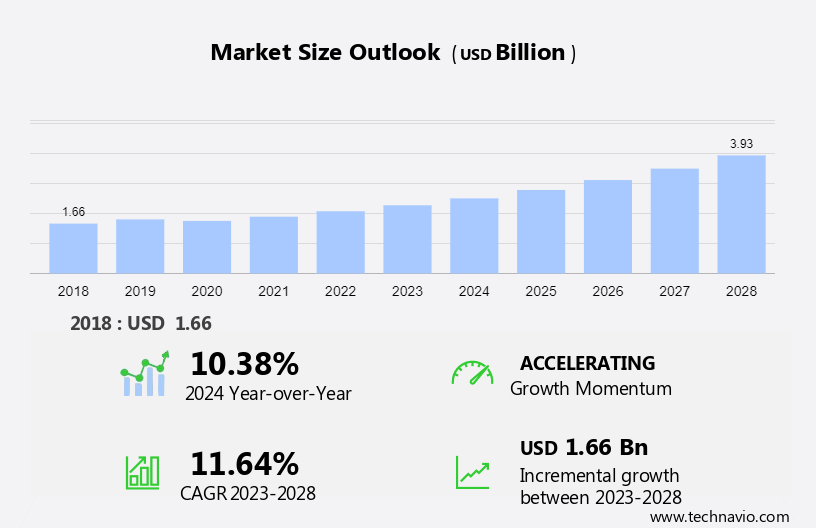
To learn more about this report, Download Report Sample
Urticaria Drugs Market Segmentation by Application, Type and Geography Analysis
Application Analysis
Acute urticaria
The acute urticaria segment is estimated to witness significant growth during the forecast period. The growth of this segment is fuelled by the fact that acute urticaria is more common than chronic since it mostly occurs as a result of associated allergies or diseases associated with food allergies, post-viral illnesses, etc. In addition, they last less than six weeks and can generally be managed by antihistamines. Furthermore, due to their higher incidence rates than chronic urticaria, they have a higher market share.
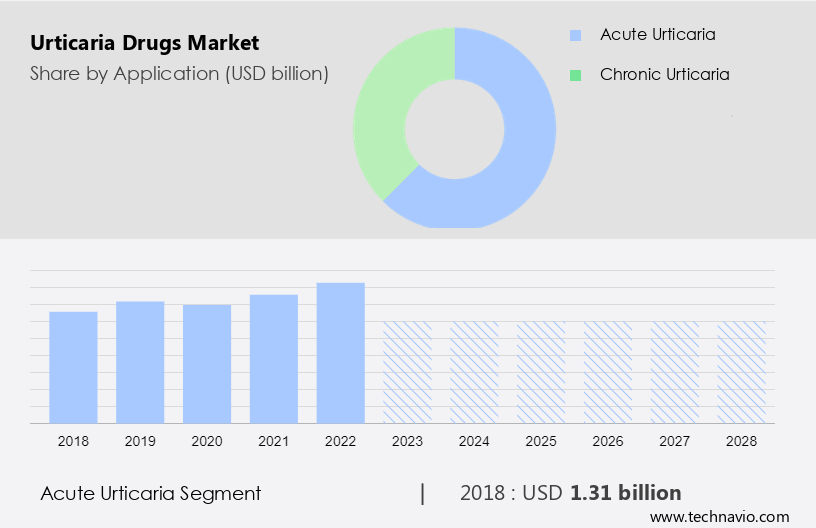
Get a glance at the market contribution of various segments Download PDF Sample
The acute urticaria segment was the largest segment and was valued at USD 1.31 billion in 2018. Moreover, the acute urticaria segment of the global urticaria drugs market is expected to show accelerating growth in the forecast period since the incidence of acute urticaria is increasing owing to the increased prevalence of allergic diseases worldwide. In addition, the acute urticaria segment is expected to show an accelerating year-over-year growth with the increasing approval of drugs for acute urticaria. Furthermore, many pharmaceutical companies are performing extensive research in the acute urticaria area and planning to launch their products. Hence, such factors are fuelling the growth of this segment which in turn drives the market growth during the forecast period.
Type Analysis
Antihistamines
The first-line drug therapy used for the treatment of urticaria comprises sedative antihistamines and non-sedative antihistamines. In addition, the second-line drug therapy includes doxepin and leukotriene inhibitors. Furthermore, the third-line drug therapy includes cyclosporine and colchicine. Moreover, there is no need for extensive laboratory testing for most patients with antihistamine-responsive chronic urticaria. Hence, first-line antihistamine therapy is practically effective for treating chronic urticaria patients. Furthermore, the antihistamines used in treating chronic urticaria showed a 44%-90% response rate in various studies. Hence, such factors are fuelling the growth of this segment which in turn drives the market growth during the forecast period.
Anti-inflammatory agents
The global urticaria drugs market encompasses several key segments, with the anti-inflammatory agents segment playing a pivotal role. Urticaria, commonly known as hives, manifests as itchy, raised welts on the skin, typically triggered by allergic reactions. Anti-inflammatory agents are crucial in managing and treating urticaria by reducing inflammation, thereby alleviating symptoms like itching, redness, and swelling. These agents target underlying inflammatory processes that stimulate histamine release, a primary cause of allergic reactions. The effectiveness of anti-inflammatory treatments is driving growth in this market segment throughout the forecast period. Concurrently, advancements in medical research are expanding treatment options across various therapeutic areas, including segments like female sexual dysfunction treatment, ensuring a broader scope for pharmaceutical innovation and market development.
Regional Analysis
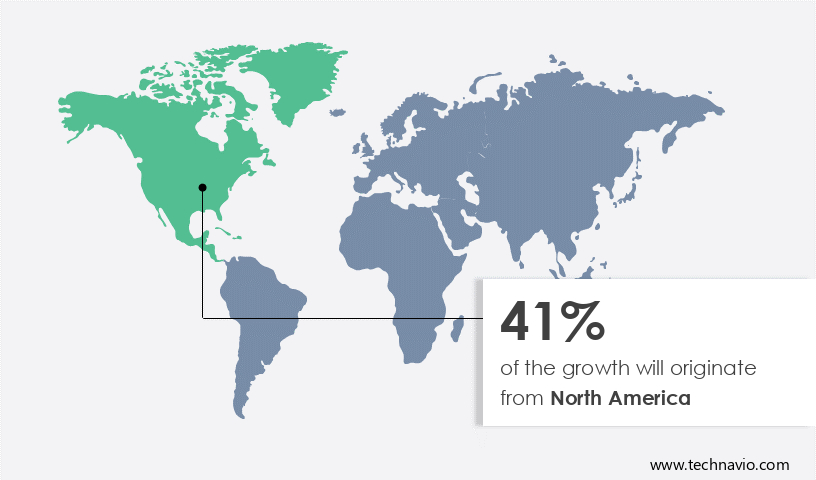
For more insights about the market share of various regions Download PDF Sample now!
North America is estimated to contribute 41% to the growth of the global market during the forecast period. Technavio’s analysts have elaborately explained the regional trends and drivers that will shape the market during the forecast period. Factors such as the increasing incidence and the unmet demand for safe and effective urticaria drugs are expected to fuel the market growth in North America. In addition, The market is expected to register accelerating but moderate growth momentum due to research activities of companies in the US, such as Sorrento Therapeutics, which are developing biosimilars for urticaria. Moreover, the US is the major revenue generator in North America, followed by Brazil and Canada. The high prevalence of acute urticaria along with chronic urticaria is the key factor for the high market share of the US. Hence, such factors are driving the market growth in North America during the forecast period.
Key Urticaria Drugs Market Players
Companies are implementing various strategies, such as strategic alliances, partnerships, mergers and acquisitions, geographical expansion, and product/service launches, to enhance their presence in the market. The report also includes detailed analyses of the competitive landscape of the market and information about 15 market companies, including:
Allakos Inc: The company offers urticaria drugs that minimizes the release of mediators throughout the allergic inflammatory cascade.
- Amneal Pharmaceuticals Inc.
- Aurobindo Pharma Ltd.
- Bayer AG
- F. Hoffmann La Roche Ltd.
- GlaxoSmithKline Plc
- Johnson and Johnson
- Meiji Holdings Co. Ltd.
- Novartis AG
- Otsuka Holdings Co. Ltd.
- Pfizer Inc.
- Sanofi SA
- TerSera Therapeutics LLC
- Teva Pharmaceutical Industries Ltd.
- Viatris Inc.
Qualitative and quantitative analysis of companies has been conducted to help clients understand the wider business environment as well as the strengths and weaknesses of key market players. Data is qualitatively analyzed to categorize companies as pure play, category-focused, industry-focused, and diversified; it is quantitatively analyzed to categorize companies as dominant, leading, strong, tentative, and weak.
Urticaria Drugs Market: Key Drivers, Trends, Challenges, and Customer Landscape
There are multiple factors influencing market growth. Our researchers analyzed the data with 2022 as the base year, along with the key drivers, trends, and challenges.
Key Urticaria Drugs Market Drivers
One of the key factors driving the urticaria drugs market growth is the increasing prevalence of urticaria. Urticaria is a vastly prevalent disorder leading to high medical consultations globally. In addition, there is an increase in risk factors for urticaria like latent infectious, chronic inflammatory diseases, autoreactivity, and alcohol consumption.
Moreover, the global urticaria drugs market is driven by the rising incidence of allergic disorders and infections, which are significant risk factors for developing urticaria. Individuals with compromised immune systems are particularly susceptible, as their immune response can trigger the release of mast cells and histamines, leading to hives. Approximately 20 percent of people experience hives at some point in their lives, underscoring the widespread impact of this condition. As the prevalence of allergic conditions continues to increase globally, the demand for effective treatments, including anti-inflammatory agents and autoinjectors for severe cases, is expected to drive market growth during the forecast period. Autoinjectors play a crucial role in delivering rapid and precise doses of medication, enhancing convenience and safety for patients managing acute allergic reactions and urticaria symptoms.
Significant Urticaria Drugs Market Trends
A key factor shaping the urticaria drugs market growth is the increasing research funding for urticaria. Despite the presence of different approved therapies for the treatment of urticaria, the global urticaria drug market still has a significant unmet need due to the increasing prevalence of the indication and the lack of highly effective treatment options. In addition, the unmet need is also due to the unclear pathogenesis of the condition, which makes it difficult for the vendors to find a potential cure.
Moreover, to address these challenges, numerous companies and research institutions are actively engaged in studying and developing novel therapeutics for treating urticaria. This concerted effort is supported by increasing research funding, which is attracting small and mid-sized vendors and researchers to explore potential treatments and cures for urticaria across various causal indications. Additionally, potassium hydrogen sulfite, a compound known for its antioxidant and preservative properties, is being investigated for its potential therapeutic benefits in managing allergic reactions and related conditions like urticaria. These advancements in research and development are pivotal in driving market growth during the forecast period, aiming to improve treatment outcomes and quality of life for individuals affected by urticaria and associated allergic disorders.
Major Urticaria Drugs Market Challenges
The social stigma associated with urticaria is one of the key challenges hindering the urticaria drugs market growth. Due to the social stigma associated with the urticaria condition, access to healthcare systems and the rate of hospitalization may also decrease. In addition, the level of stigmatization may also change based on the geography of residence. Furthermore, certain countries have lesser awareness of dermatological conditions, and patients find fewer employment opportunities leading to economic challenges.
Moreover, dealing with the social stigma may lead to mood disorders like anxiety and depression. In addition, perceived stigma by the patient may also lead to stress and may negatively impact the quality of life of the patient. Hence, such factors are negatively impacting the market. Therefore, it is expected to hinder the market growth during the forecast period.
Key Urticaria Drugs Market Customer Landscape
The market report includes the adoption lifecycle of the market, covering from the innovator’s stage to the laggard’s stage. It focuses on adoption rates in different regions based on penetration. Furthermore, the report also includes key purchase criteria and drivers of price sensitivity to help companies evaluate and develop their growth strategies.
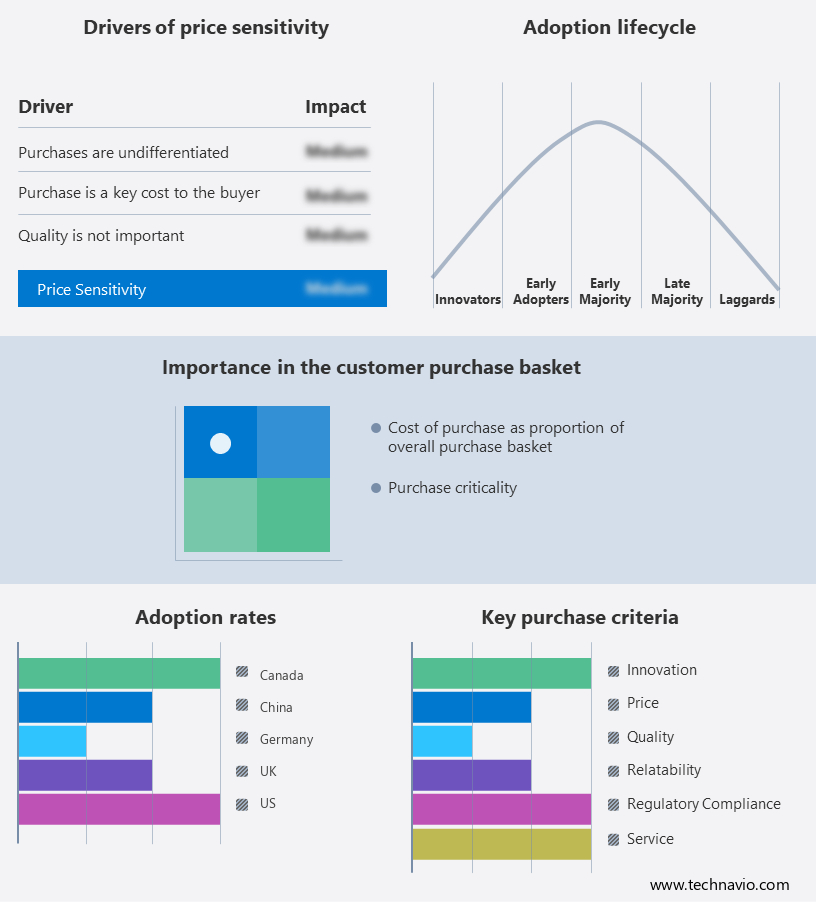
Global Urticaria Drugs Market Customer Landscape
Segment Overview
The urticaria drugs market report forecasts market growth by revenue at global, regional & country levels and provides a market growth analysis of the latest market trends and analysis and growth opportunities from 2018 to 2028.
- Application Outlook
- Acute urticaria
- Chronic urticaria
- Type Outlook
- Antihistamines
- Anti-inflammatory agents
- Sulfones
- Biologics
- Geography Outlook
- North America
- The U.S.
- Canada
- Europe
- The U.K.
- Germany
- France
- Rest of Europe
- Asia
- China
- India
- Rest of the World (ROW)
- Australia
- Argentina
- Brazil
- North America
|
Urticaria Drugs Market Scope |
|
|
Report Coverage |
Details |
|
Page number |
167 |
|
Base year |
2023 |
|
Historic period |
2018-2022 |
|
Forecast period |
2024-2028 |
|
Growth momentum & CAGR |
Accelerate at a CAGR of 11.64% |
|
Market Growth 2024-2028 |
USD 1.66 billion |
|
Market structure |
Fragmented |
|
YoY growth 2023-2024(%) |
10.38 |
|
Regional analysis |
North America, Europe, Asia, and the Rest of the World (ROW) |
|
Performing market contribution |
North America at 41% |
|
Key countries |
US, Canada, Germany, UK, and China |
|
Competitive landscape |
Leading Vendors, Market Positioning of Vendors, Competitive Strategies, and Industry Risks |
|
Key companies profiled |
Allakos Inc., Amneal Pharmaceuticals Inc., Aurobindo Pharma Ltd., Bayer AG, F. Hoffmann La Roche Ltd., GlaxoSmithKline Plc, Johnson and Johnson, Meiji Holdings Co. Ltd., Novartis AG, Otsuka Holdings Co. Ltd., Pfizer Inc., Sanofi SA, TerSera Therapeutics LLC, Teva Pharmaceutical Industries Ltd., and Viatris Inc. |
|
Market dynamics |
Parent market analysis, Market growth inducers and obstacles, Fast-growing and slow-growing segment analysis, COVID-19 impact and recovery analysis and future consumer dynamics, and Market condition analysis for the forecast period. |
|
Customization purview |
If our report has not included the data that you are looking for, you can reach out to our analysts and get segments customized. |
Download Sample PDF at your Fingertips
What are the Key Data Covered in this Urticaria Drugs Market Research Report?
- CAGR of the market during the forecast period
- Detailed information on factors that will drive the growth of the urticaria drugs market between 2023 and 2028
- Precise estimation of the urticaria drugs market size and its contribution to the market in focus on the parent market
- Detailed market research and growth analysis of customer landscape covering Diver of price sensitivity, Adoption of the lifecycle, and key purchase criteria
- Companies landscape comparing criticality of inputs and factors of differentiation
- Exclusive Matrix on companies position and classification
- Accurate market forecast about upcoming market growth and trends and changes in consumer behavior
- Growth of the market across North America, Europe, Asia, and the Rest of the World (ROW)
- A thorough market growth and forecasting of the market’s competitive landscape and detailed information about companies
- Comprehensive market analysis and report of factors that will challenge the growth of urticaria drugs market companies
We can help! Our analysts can customize this market research report to meet your requirements. Get in touch
 RIA -
RIA - 
