



Vacation Rental Market Size 2025-2029
The vacation rental market size is valued to increase USD 22 billion, at a CAGR of 4.1% from 2024 to 2029. Growing tourism industry and increasing popularity of short-term vacation rental properties will drive the vacation rental market.
Major Market Trends & Insights
- Europe dominated the market and accounted for a 32% growth during the forecast period.
- By Management - Managed by owners segment was valued at USD 48.50 billion in 2023
- By Method - Offline segment accounted for the largest market revenue share in 2023
Market Size & Forecast
- Market Opportunities: USD 68.07 billion
- Market Future Opportunities: USD 22.00 billion
- CAGR : 4.1%
- Europe: Largest market in 2023
Market Summary
- The market encompasses the provision of short-term stays in residential properties, including houses, apartments, and homestays. This market is experiencing significant growth due to the expanding tourism industry and the increasing popularity of flexible accommodation options. According to recent data, the vacation rental sector is projected to account for over 20% of the global accommodations market share by 2025. Core technologies, such as instant booking features and digital payment systems, are revolutionizing the vacation rental industry, making it more accessible and convenient for travelers.
- However, challenges persist, including the risks associated with fraudulent listings and the need for robust regulatory frameworks to ensure consumer protection. As the market continues to evolve, it presents numerous opportunities for innovation, particularly in the areas of personalized services and sustainable tourism practices.
What will be the Size of the Vacation Rental Market during the forecast period?
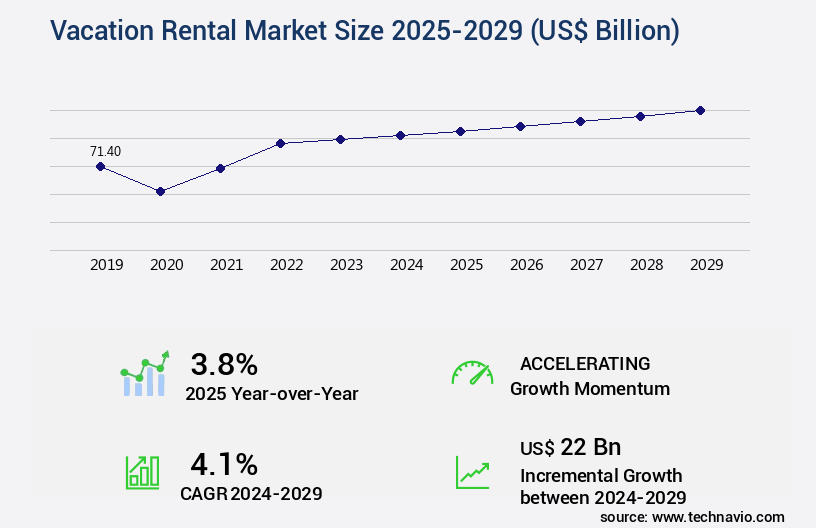
Get Key Insights on Market Forecast (PDF) Request Free Sample
How is the Vacation Rental Market Segmented and what are the key trends of market segmentation?
The vacation rental industry research report provides comprehensive data (region-wise segment analysis), with forecasts and estimates in "USD billion" for the period 2025-2029, as well as historical data from 2019-2023 for the following segments.
- Management
- Managed by owners
- Professionally managed
- Method
- Offline
- Online
- Type
- Home
- Apartments
- Resort/Condominium
- Others
- Geography
- North America
- US
- Canada
- Europe
- France
- Italy
- UK
- APAC
- China
- India
- Japan
- South America
- Brazil
- Rest of World (ROW)
- North America
By Management Insights
The managed by owners segment is estimated to witness significant growth during the forecast period.
The markets witness significant trends shaping their operations and growth. Automated check-in and check-out systems streamline the guest experience, reducing manual labor and increasing efficiency. Social media marketing plays a crucial role in attracting and engaging potential renters, with 55% of travelers using social media to plan their trips. Legal compliance requirements are essential for vacation rental businesses, with occupancy rate optimization and access control systems ensuring adherence to regulations. Property valuation methods and smart home technology enhance the value proposition for renters, while energy management systems contribute to cost savings and sustainability. Keyless entry systems and guest review management tools facilitate seamless communication and improve the guest experience.
Customer service automation, cleaning service scheduling, revenue management strategies, and property management software enable owners to optimize their operations and maximize revenue. Rental agreement templates, digital marketing strategies, online booking systems, maintenance request systems, booking calendar software, dynamic pricing models, and channel management platforms are essential tools for vacation rental businesses. Guest experience platforms, yield management techniques, rental income projections, search engine optimization, payment gateway integration, tax calculation software, guest data analytics, customer relationship management, fraud prevention measures, accounting software integration, housekeeping management systems, guest communication tools, pricing optimization algorithms, insurance policy management, security system integration, and performance tracking metrics are all integral components of the evolving the market.
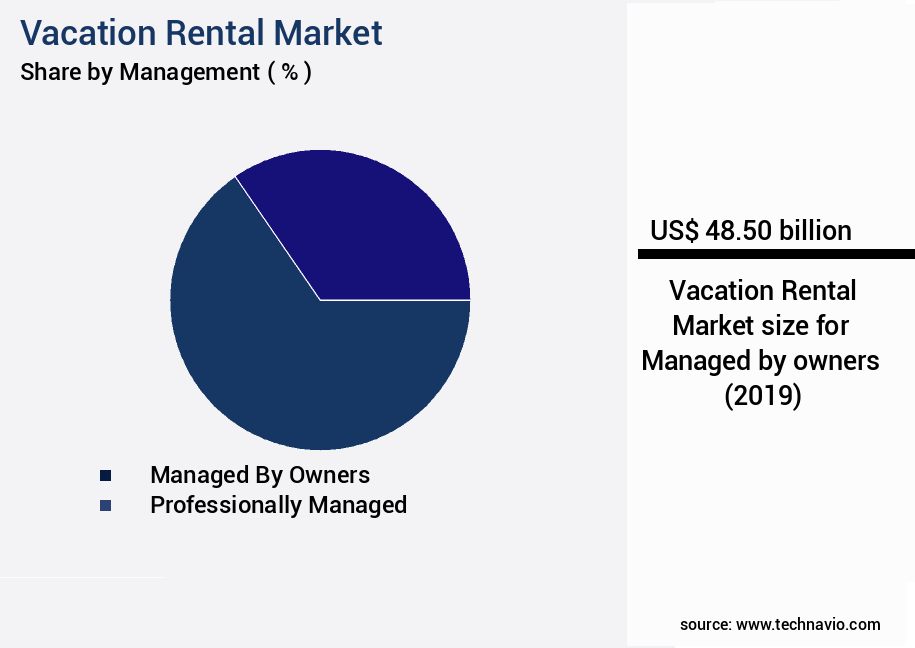
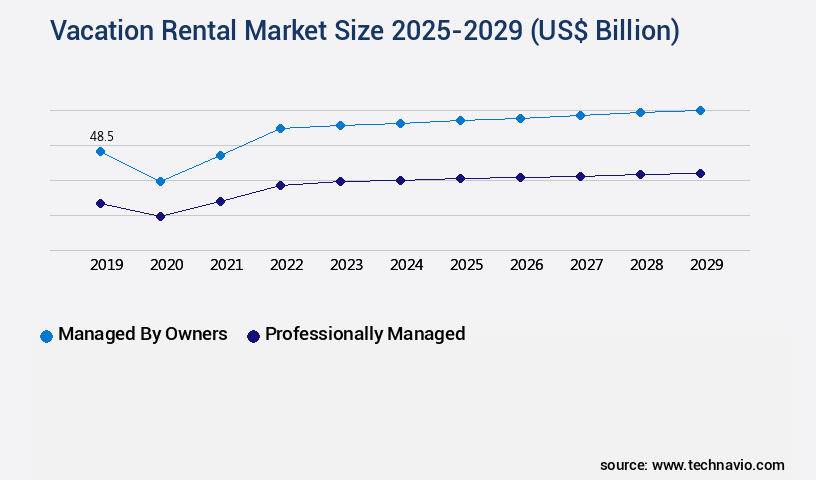
The Managed by owners segment was valued at USD 48.50 billion in 2019 and showed a gradual increase during the forecast period.
Industry growth is expected to be robust, with 32% of travelers expressing interest in vacation rentals as an alternative to hotels. Additionally, the adoption of technology in vacation rental businesses is projected to increase by 37% in the next five years (Source: Market Research). These trends underscore the importance of staying informed and adapting to the continuous evolution of the market.
Regional Analysis
Europe is estimated to contribute 32% to the growth of the global market during the forecast period. Technavio's analysts have elaborately explained the regional trends and drivers that shape the market during the forecast period.
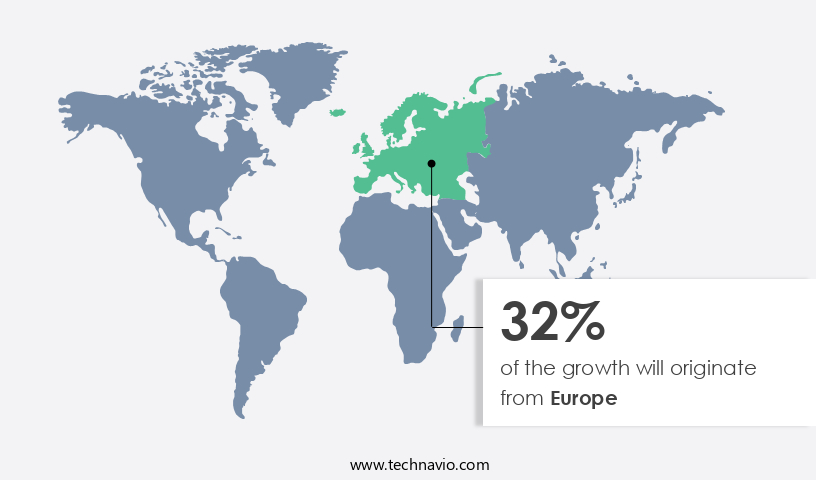
See How Vacation Rental Market Demand is Rising in Europe Request Free Sample
The European the market is experiencing significant growth due to the increasing trend of travel for exploration and unique experiences. Travelers are increasingly preferring vacation rentals over traditional hotels for their flexibility and cost-effectiveness, particularly for family vacations or group travel. Short-term rentals, such as weekend getaways and city breaks, are gaining popularity, aligning with the trend of experiential travel. The demand for personalized and authentic accommodations is driving the growth of the European the market.
These rentals often provide more space, amenities, and privacy, making them an attractive alternative to hotels. The market's expansion is expected to continue as more travelers seek out unique and memorable experiences.
Market Dynamics
Our researchers analyzed the data with 2024 as the base year, along with the key drivers, trends, and challenges. A holistic analysis of drivers will help companies refine their marketing strategies to gain a competitive advantage.
The market is experiencing significant growth as travelers seek more flexible and personalized accommodations. Integrating smart home devices in vacation rentals is becoming the norm, optimizing pricing strategies through dynamic models is essential to maximizing occupancy rates, and managing guest communication efficiently is crucial for improving customer service experience. Automated check-in and check-out processes, streamlined payment processing, and automated booking confirmation emails enhance the overall guest experience. Efficient property maintenance scheduling systems and keyless entry systems further streamline operations. Analyzing guest reviews to improve service and rental agreement legal compliance are vital for maintaining a positive reputation.
Effective property damage insurance strategies and rental property tax reporting compliance are essential for mitigating risks and ensuring regulatory adherence. More than 70% of vacation rental businesses prioritize implementing technology to manage their operations, with a significant portion focusing on enhancing guest experience. For instance, managing housekeeping efficiently through automated systems and leveraging social media marketing to reach potential renters are becoming industry best practices. Comparatively, only a minority of players in the market, less than 15%, have fully adopted these advanced technologies and strategies. This gap presents an opportunity for early adopters to gain a competitive edge, maximizing their market share and revenue potential.
Measuring performance metrics such as occupancy rates, guest satisfaction, and operational efficiency is crucial for continuously improving the business. By focusing on these areas and addressing the challenges of managing a vacation rental property, businesses can differentiate themselves and thrive in this growing market.
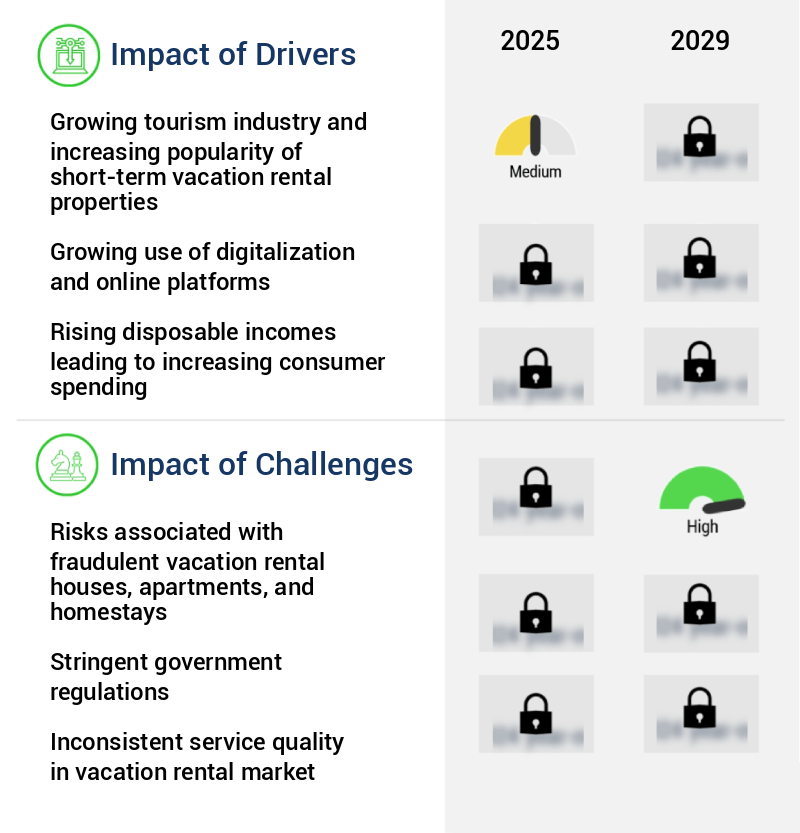
What are the key market drivers leading to the rise in the adoption of Vacation Rental Industry?
- The tourism industry's expansion and the rising preference for short-term vacation rentals are the primary market drivers.
- The global tourism sector has witnessed significant expansion, fueled by factors such as enhanced connectivity, expanding disposable income, and a burgeoning middle class. According to the World Tourism Organization, international tourist arrivals reached an estimated 235 million in the first quarter of 2023, representing an impressive 80% recovery from pre-pandemic levels. This surge in travel reflects the evolving preferences of modern tourists, who seek unique, immersive experiences. Traditional accommodations no longer suffice, as travelers yearn for a deeper connection to local cultures, histories, and lifestyles.
- This trend is not limited to international travel, as domestic tourism also experiences a resurgence, driven by similar motivations. The tourism industry's continuous growth and adaptability underscore its vital role in the global economy and society.
What are the market trends shaping the Vacation Rental Industry?
- The rising availability of instant booking features represents a significant market trend. This trend signifies a growing demand for convenience and efficiency in travel arrangements.
- The market experiences continuous growth due to the increasing popularity of instant bookings. Instant booking processes, which offer minimal wait times, are a significant value-addition for customers, leading to enhanced convenience and satisfaction. Online vacation rental sites enable real-time booking, contributing to the market's expansion. Airbnb, a key player, has implemented instant booking provisions, fostering inclusivity by reducing discrimination based on factors like gender, identity, race, disability, national origin, or age.
- This trend strengthens the competitive landscape, as differentiation becomes increasingly important in the evolving the market.
What challenges does the Vacation Rental Industry face during its growth?
- The growth of the vacation rental industry is significantly challenged by the risks and potential negative consequences associated with fraudulent listings for houses, apartments, and homestays. These risks, which can include misrepresentation of property conditions, safety concerns, and financial scams, can negatively impact both renters and property owners, potentially undermining trust and confidence in the industry as a whole. It is imperative that industry stakeholders, including rental platforms and regulatory bodies, take proactive measures to mitigate these risks and ensure the authenticity and transparency of listings.
- The market faces challenges from various risk factors that undermine customer trust. Deceptive practices, such as scams, fraudulent reviews, and unethical dealings, are perpetrated by unscrupulous players, yet they negatively impact the reputations and revenues of legitimate market companies. Airbnb and Expedia Group's HomeAway, for instance, provide user reviews and secure transactions to mitigate these risks. However, issues like fraudulent advertisements, bait-and-switch tactics, and double bookings continue to plague the market, leading to a decline in overall market performance.
- Despite these challenges, the market's dynamic nature persists, with ongoing efforts to enhance security measures and improve customer experiences. The evolving landscape presents opportunities for innovation and growth in the vacation rental sector.
Exclusive Technavio Analysis on Customer Landscape
The vacation rental market forecasting report includes the adoption lifecycle of the market, covering from the innovator's stage to the laggard's stage. It focuses on adoption rates in different regions based on penetration. Furthermore, the vacation rental market report also includes key purchase criteria and drivers of price sensitivity to help companies evaluate and develop their market growth analysis strategies.
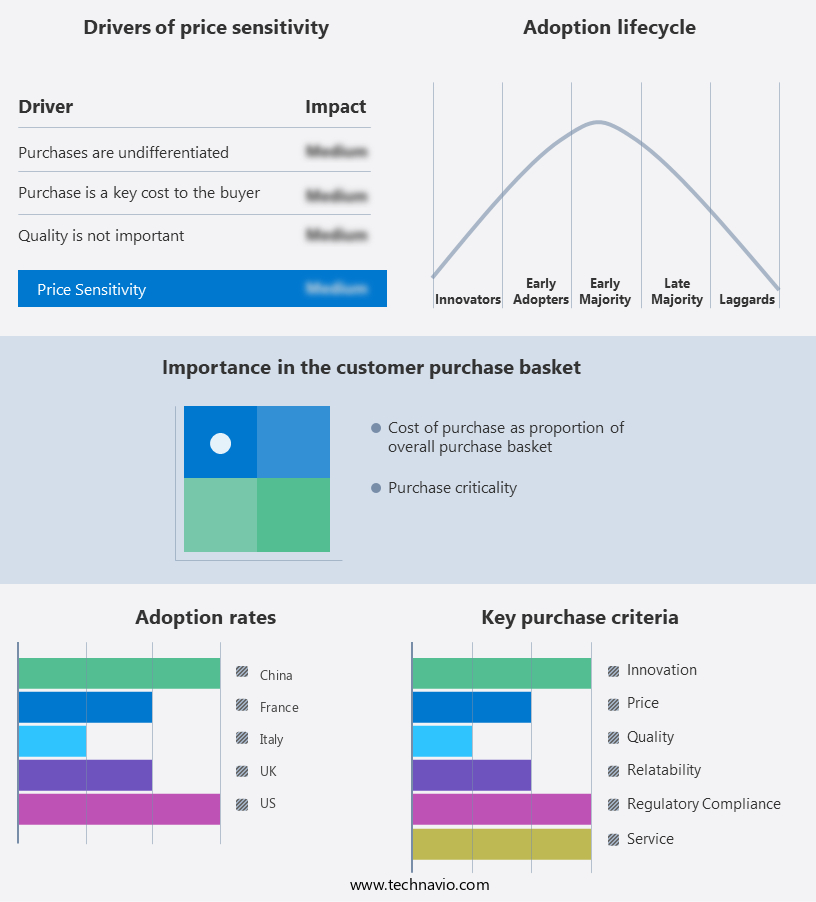
Customer Landscape of Vacation Rental Industry
Competitive Landscape
Companies are implementing various strategies, such as strategic alliances, vacation rental market forecast, partnerships, mergers and acquisitions, geographical expansion, and product/service launches, to enhance their presence in the industry.
9flats.com PTE Ltd. - A global provider of vacation rentals offers a diverse range of accommodations, including private apartments and guest houses.
The industry research and growth report includes detailed analyses of the competitive landscape of the market and information about key companies, including:
- 9flats.com PTE Ltd.
- Accor S.A.
- Agoda Co. Pte. Ltd.
- Airbnb Inc.
- AltexSoft Inc
- Bennington Properties LLC
- Bluefish Vacation Rentals
- BoutiqueHomes
- Clickstay Ltd.
- Elite Destination Homes
- Expedia Group Inc.
- Holidu GmbH
- Hotelplan Management AG
- MakeMyTrip Ltd.
- NOVASOL AS
- Oravel Stays Ltd.
- TripAdvisor Inc.
- VIVI HOLIDAY HOMES S.L.
- World Travel Holdings
- Wyndham Hotels and Resorts Inc.
Qualitative and quantitative analysis of companies has been conducted to help clients understand the wider business environment as well as the strengths and weaknesses of key industry players. Data is qualitatively analyzed to categorize companies as pure play, category-focused, industry-focused, and diversified; it is quantitatively analyzed to categorize companies as dominant, leading, strong, tentative, and weak.
Recent Development and News in Vacation Rental Market
- In January 2024, Airbnb, a leading player in the market, announced the launch of its new "Airbnb Plus" service, offering guests a higher standard of accommodation with rigorously verified listings, in-person inspections, and enhanced customer service (Airbnb Press Release).
- In March 2024, Expedia Group's Vrbo platform entered into a strategic partnership with Marriott International, allowing Marriott's loyalty members to earn and redeem points when booking vacation rentals on Vrbo (Expedia Group Press Release).
- In July 2024, Sonder, a tech-driven hospitality brand, secured a USD 175 million funding round, bringing its total funding to USD 400 million, to expand its footprint in the market and further develop its technology offerings (Sonder Press Release).
- In May 2025, the European Union passed the European Digital Services Act, which includes provisions for regulating online platforms, including those offering vacation rentals, addressing issues such as transparency, fairness, and accountability (European Commission Press Release).
Dive into Technavio's robust research methodology, blending expert interviews, extensive data synthesis, and validated models for unparalleled Vacation Rental Market insights. See full methodology.
|
Market Scope |
|
|
Report Coverage |
Details |
|
Page number |
194 |
|
Base year |
2024 |
|
Historic period |
2019-2023 |
|
Forecast period |
2025-2029 |
|
Growth momentum & CAGR |
Accelerate at a CAGR of 4.1% |
|
Market growth 2025-2029 |
USD 22 billion |
|
Market structure |
Fragmented |
|
YoY growth 2024-2025(%) |
3.8 |
|
Key countries |
US, UK, France, Italy, Canada, China, India, Saudi Arabia, Japan, and Brazil |
|
Competitive landscape |
Leading Companies, Market Positioning of Companies, Competitive Strategies, and Industry Risks |
Research Analyst Overview
- In the dynamic and evolving market, various trends and technologies are shaping the industry's landscape. Automated check-in/check-out processes streamline guest experiences, enhancing convenience and efficiency. Social media marketing is a crucial component of modern marketing strategies, enabling property managers to reach wider audiences and engage with guests effectively. Legal compliance requirements continue to shape market activities, with property valuation methods evolving to reflect changing regulations. Smart home technology and energy management systems are increasingly popular, offering cost savings and improved guest experiences. Access control systems and keyless entry systems ensure security and convenience, while guest review management tools help maintain high-quality services.
- Customer service automation, cleaning service scheduling, and revenue management strategies are essential for optimizing occupancy rates. Property management software, rental agreement templates, and digital marketing strategies are indispensable tools for managing day-to-day operations. Dynamic pricing models, channel management platforms, and guest experience platforms enable property managers to adapt to market fluctuations and guest preferences. Yield management techniques, rental income projections, and search engine optimization are essential for maximizing revenue. Payment gateway integration, tax calculation software, and guest data analytics facilitate efficient financial management. Customer relationship management, fraud prevention measures, accounting software integration, housekeeping management systems, guest communication tools, and pricing optimization algorithms are all integral components of successful vacation rental businesses.
- Security system integration and performance tracking metrics are essential for maintaining guest safety and ensuring business success. The market continues to evolve, with ongoing innovation in technology and regulatory compliance shaping its future.
What are the Key Data Covered in this Vacation Rental Market Research and Growth Report?
-
What is the expected growth of the Vacation Rental Market between 2025 and 2029?
-
USD 22 billion, at a CAGR of 4.1%
-
-
What segmentation does the market report cover?
-
The report segmented by Management (Managed by owners and Professionally managed), Method (Offline and Online), Geography (Europe, North America, APAC, Middle East and Africa, and South America), and Type (Home, Apartments, Resort/Condominium, and Others)
-
-
Which regions are analyzed in the report?
-
Europe, North America, APAC, Middle East and Africa, and South America
-
-
What are the key growth drivers and market challenges?
-
Growing tourism industry and increasing popularity of short-term vacation rental properties, Risks associated with fraudulent vacation rental houses, apartments, and homestays
-
-
Who are the major players in the Vacation Rental Market?
-
Key Companies 9flats.com PTE Ltd., Accor S.A., Agoda Co. Pte. Ltd., Airbnb Inc., AltexSoft Inc, Bennington Properties LLC, Bluefish Vacation Rentals, BoutiqueHomes, Clickstay Ltd., Elite Destination Homes, Expedia Group Inc., Holidu GmbH, Hotelplan Management AG, MakeMyTrip Ltd., NOVASOL AS, Oravel Stays Ltd., TripAdvisor Inc., VIVI HOLIDAY HOMES S.L., World Travel Holdings, and Wyndham Hotels and Resorts Inc.
-
Market Research Insights
- The market continues to evolve, driven by technological advancements and shifting consumer preferences. According to recent estimates, the market size was valued at USD 124.6 billion in 2020, projected to expand at a steady rate. In contrast, the traditional hotel industry, valued at USD 600 billion, experiences a more modest growth. Automation plays a significant role in the vacation rental sector, with rental marketing automation, digital key systems, and property maintenance software streamlining operations. For instance, an automated messaging system can reduce response time to potential guests, enhancing customer experience. Moreover, conversion rate optimization tools and website analytics dashboards help property managers maximize bookings.
- These technological investments contribute to operational efficiency, enabling property managers to cater to the increasing demand for flexible, affordable, and personalized accommodation options. Additionally, tax reporting software and liability protection policies ensure regulatory compliance, while pricing strategy software and guest feedback analysis facilitate data-driven decision-making.
We can help! Our analysts can customize this vacation rental market research report to meet your requirements.
 RIA -
RIA - 
