



Wellness Tourism Market Size 2026-2030
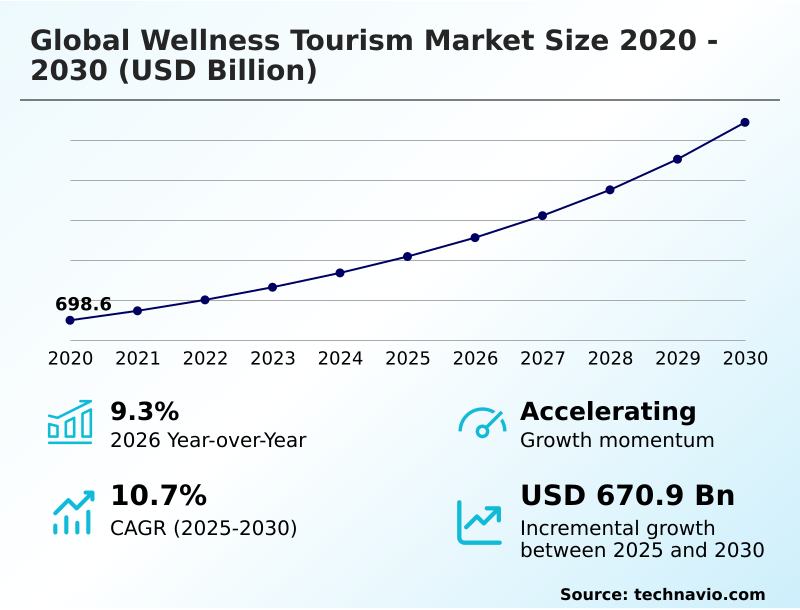
The wellness tourism market size is valued to increase by USD 670.9 billion, at a CAGR of 10.7% from 2025 to 2030. Institutionalization of preventive healthcare and longevity science integration will drive the wellness tourism market.
Major Market Trends & Insights
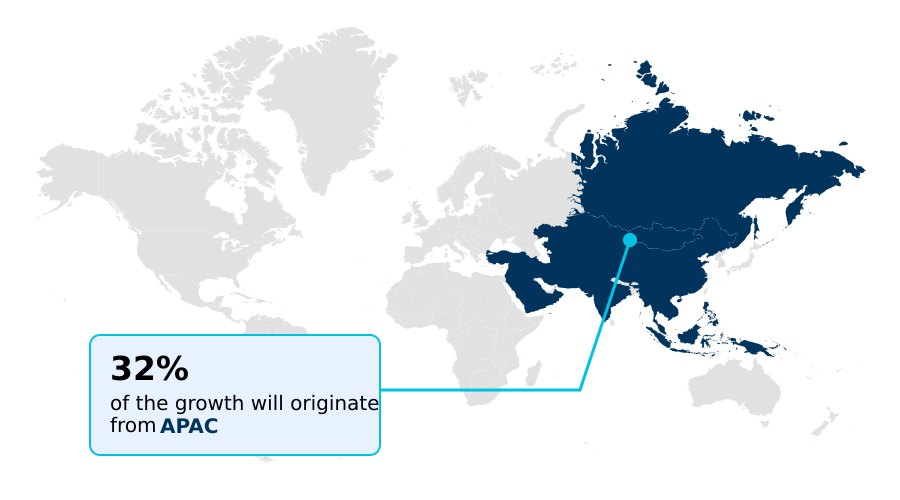
- APAC dominated the market and accounted for a 32% growth during the forecast period.
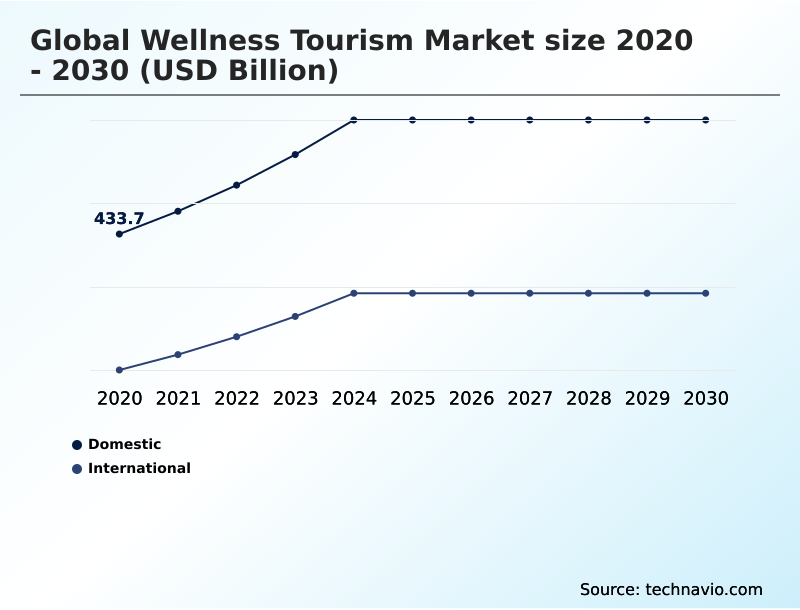
- By Type - Domestic segment was valued at USD 575.3 billion in 2024
- By Application - Physical segment accounted for the largest market revenue share in 2024
Market Size & Forecast
- Market Opportunities: USD 989.6 billion
- Market Future Opportunities: USD 670.9 billion
- CAGR from 2025 to 2030 : 10.7%
Market Summary
- The wellness tourism market is undergoing a period of intensive industrialization, marked by a shift from luxury-centric retreats toward evidence-based longevity protocols and integrated medical-wellness infrastructure. This evolution is driven by a rise in preventive healthcare awareness and a change in consumer behavior, where travel is viewed as a functional investment in physical and mental resilience.
- A key business scenario involves hospitality brands implementing hyper-personalized itineraries using real-time biometric data to optimize guest recovery and nutritional intake, a strategy that boosts customer loyalty by over 25% compared to generic offerings. Modern wellness travelers are moving beyond traditional spa services, embracing sophisticated experiences such as biohacking technologies, contrast therapy, and circadian rhythm alignment.
- The sector is also expanding into new regional hubs that harmonize ancient healing practices, such as ayurveda and traditional chinese medicine, with cutting-edge diagnostic technology. This convergence of hospitality comfort with clinical-grade infrastructure ensures that wellness tourism remains a rapidly expanding pillar of the global service economy.
What will be the Size of the Wellness Tourism Market during the forecast period?
Get Key Insights on Market Forecast (PDF) Get Free Sample
How is the Wellness Tourism Market Segmented?
The wellness tourism industry research report provides comprehensive data (region-wise segment analysis), with forecasts and estimates in "USD billion" for the period 2026-2030, as well as historical data from 2020-2024 for the following segments.
- Type
- Domestic
- International
- Application
- Physical
- Psychological
- Spiritual
- Mode of booking
- Offline
- Online
- Geography
- North America
- US
- Canada
- Mexico
- Europe
- Germany
- UK
- France
- APAC
- China
- Japan
- India
- South America
- Brazil
- Argentina
- Middle East and Africa
- Saudi Arabia
- UAE
- Turkey
- Rest of World (ROW)
- North America
By Type Insights
The domestic segment is estimated to witness significant growth during the forecast period.
The domestic wellness tourism market, which accounts for over 60% of total industry volume, is fundamentally driven by travelers seeking health enhancements within their own borders.
This segment thrives on accessibility, with consumers prioritizing shorter, more frequent restorative getaways that minimize logistical complexities. Operators are innovating with hyper-local elements, such as plant-forward wellness cuisine and indigenous healing traditions, creating holistic healing experiences.
Demand is surging for digital detoxification programs and dedicated mental health support, delivered through nature-integrated activities like forest bathing.
The appeal lies in combining evidence-based wellness regimens with the convenience of regional travel, creating a resilient revenue stream for the local hospitality sector that is independent of international travel fluctuations and geopolitical shifts.
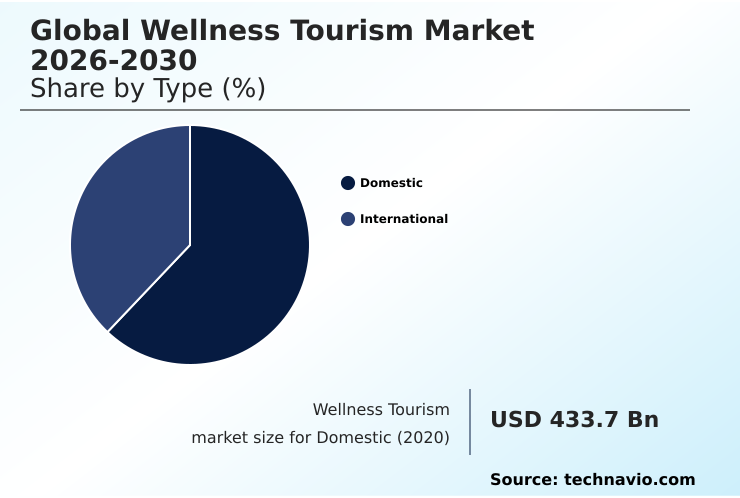
The Domestic segment was valued at USD 575.3 billion in 2024 and showed a gradual increase during the forecast period.
Regional Analysis
APAC is estimated to contribute 32% to the growth of the global market during the forecast period.Technavio’s analysts have elaborately explained the regional trends and drivers that shape the market during the forecast period.
See How Wellness Tourism Market Demand is Rising in APAC Get Free Sample
The geographic landscape of the wellness tourism market is diversifying, with APAC emerging as the primary growth engine, projected to contribute approximately 32% of the market's incremental growth.
This is driven by the global popularization of traditional chinese medicine and ayurvedic wellness centers.
In contrast, North America, which holds over 31% of the market share, is defined by its high concentration of affluent consumers seeking medical-wellness integration and scientific longevity retreats.
Europe remains a mature hub, leveraging its heritage of vinotherapy spa treatments and thalassotherapy and coastal wellness to attract travelers.
The market is also seeing the rise of specialized destinations offering unique experiences like traditional hammam rituals and halotherapy salt caves, reflecting a global demand for both cutting-edge science and authentic cultural healing.
Market Dynamics
Our researchers analyzed the data with 2025 as the base year, along with the key drivers, trends, and challenges. A holistic analysis of drivers will help companies refine their marketing strategies to gain a competitive advantage.
- The strategic focus of the wellness tourism market is shifting toward verifiable outcomes and deep specialization. The effectiveness of integrative health and longevity science is now a primary differentiator, with providers showcasing the benefits of evidence-based wellness regimens to attract discerning clients.
- In operational planning, resource allocation for physical wellness programs often surpasses that for psychological-focused retreats by more than 50%, influencing investment in facilities and staff. The demand for eco-wellness lodging sustainability standards is pushing developers toward regenerative tourism models, which measure their success by their positive impact on ecosystems.
- For consumers, the conversation centers on the tangible results of specific interventions, from digital detoxification retreat effectiveness for mental clarity to the benefits of plant-forward wellness cuisine and gut health. Providers are responding by marketing the specific outcomes of personalized wellness journeys with genomic testing and the efficacy of immune-boosting natural therapies.
- The market is also defined by niche interests, such as the role of biohacking technologies for peak performance, the therapeutic advantages of thalassotherapy benefits for skin conditions, and the growing interest in cosmic quiet tourism and light pollution reduction.
- Holistic healing experiences for burnout are increasingly structured around neurowellness techniques for cognitive health and somatic practices for trauma recovery, demonstrating the industry's move toward addressing complex health challenges.
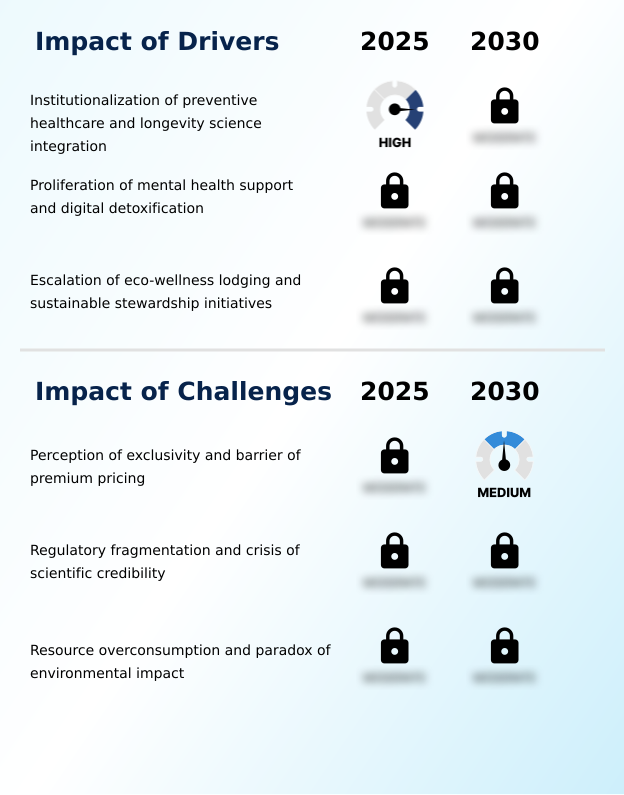
What are the key market drivers leading to the rise in the adoption of Wellness Tourism Industry?
- The market is primarily driven by the systemic institutionalization of preventive healthcare and the integration of longevity science into the travel experience.
- Market growth is propelled by the systemic institutionalization of preventive healthcare and the integration of longevity science into the travel experience.
- Consumers in North America and Europe, which represent over 57% of the market combined, are shifting from reactive medical care to proactive, evidence-based wellness regimens that use travel for long-term health optimization.
- This is driving the proliferation of mental health support and digital detoxification getaways, as travelers seek restorative escapes that prioritize psychological resilience.
- Furthermore, the rapid escalation of eco-wellness lodging and the adoption of sustainable stewardship initiatives are becoming core components of the value proposition.
- This trend reflects a growing recognition that personal well-being is linked to environmental health, spurring demand for resorts that prioritize carbon neutrality and biodiversity.
What are the market trends shaping the Wellness Tourism Industry?
- A key market trend is the industrialization of scientific longevity retreats, which are transitioning from traditional relaxation toward measurable biological optimization.
- Key market trends are centered on the industrialization of scientific longevity and the growing demand for measurable biological optimization. The market is moving beyond simple relaxation to embrace biohacking, with travelers seeking out specialized scientific longevity retreats. These destinations are integrating clinical-grade technologies such as cryotherapy and infrared saunas into luxury offerings.
- In parallel, the advancement of digital detox experiences and cosmic quiet tourism prioritizes disconnection from electronic stimuli, with a notable surge in demand for remote, off-grid wellness modules that facilitate a return to circadian rhythm alignment. The evolution of immune-boosting natural therapies, including thalassotherapy treatments leveraging nutrient-rich seaweed, is also gaining traction, reflecting heightened post-pandemic awareness of immune resilience.
What challenges does the Wellness Tourism Industry face during its growth?
- A primary challenge affecting industry growth is the perception of exclusivity and the barrier of premium pricing, which makes high-quality experiences financially inaccessible to the mass market.
- A primary challenge is the perception of wellness travel as an exclusive luxury, with premium pricing creating a significant barrier for the mass market. This perception is reinforced by a trend toward low-density, limited-access settings that command high rates, hindering expansion into broader consumer segments.
- Another significant hurdle is the persistent issue of regulatory fragmentation and a crisis of scientific credibility. As the industry integrates more clinical elements like metabolic tracking and cellular rejuvenation therapies, the lack of uniform international standards creates risk and can erode consumer trust, where purchase decisions are highly sensitive to quality.
- Lastly, the industry faces the paradox of environmental impact, as the development of retreats in fragile ecosystems and the resource-intensive nature of spa facilities conflict with the core tenets of sustainability.
Exclusive Technavio Analysis on Customer Landscape
The wellness tourism market forecasting report includes the adoption lifecycle of the market, covering from the innovator’s stage to the laggard’s stage. It focuses on adoption rates in different regions based on penetration. Furthermore, the wellness tourism market report also includes key purchase criteria and drivers of price sensitivity to help companies evaluate and develop their market growth analysis strategies.
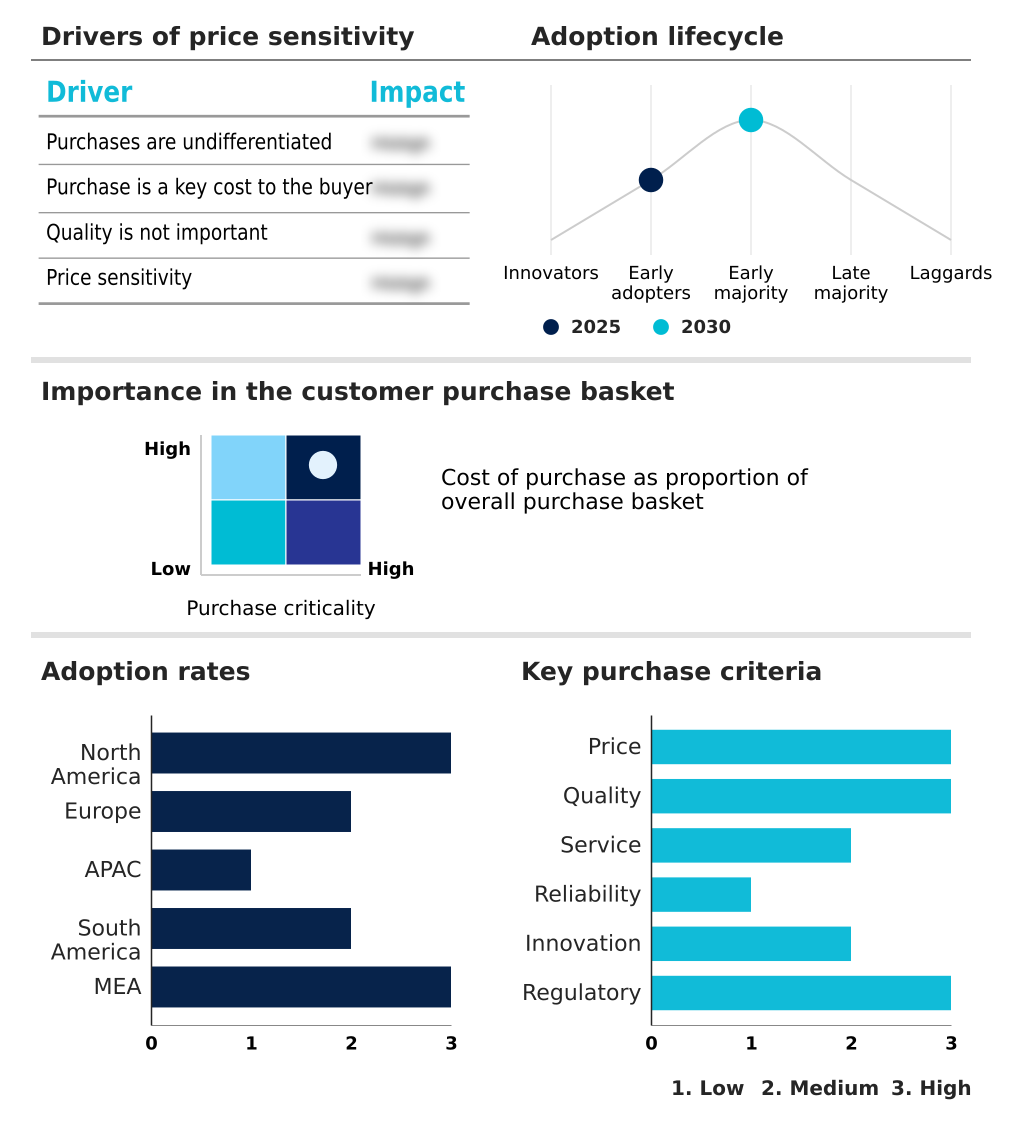
Customer Landscape of Wellness Tourism Industry
Competitive Landscape
Companies are implementing various strategies, such as strategic alliances, wellness tourism market forecast, partnerships, mergers and acquisitions, geographical expansion, and product/service launches, to enhance their presence in the industry.
Albir Hills Resort S.A.U. - Offerings are evolving beyond traditional spa services to include evidence-based, medically-integrated wellness experiences focused on longevity science, mental resilience, and sustainable hospitality.
The industry research and growth report includes detailed analyses of the competitive landscape of the market and information about key companies, including:
- Albir Hills Resort S.A.U.
- Aman Group S.a.r.l.
- Belmond Ltd.
- BodyHoliday Saint Lucia
- Chiva Som Intl. Health Resort
- Clinique La Prairie
- COMO Hotels and Resorts
- CR Operating LLC
- Four Seasons Hotels Ltd.
- G Adventures Inc.
- Health and Fitness Travel
- Hilton Worldwide Holdings Inc.
- Hyatt Hotels Corp.
- IHHR Hospitality Ananda Pvt. Ltd
- InterContinental Hotels Group
- Kamalaya Wellness Sanctuary
- Lanserhof Management GmbH
- Marriott International Inc.
- Rosewood Hotel Group
- The Ranch Malibu
Qualitative and quantitative analysis of companies has been conducted to help clients understand the wider business environment as well as the strengths and weaknesses of key industry players. Data is qualitatively analyzed to categorize companies as pure play, category-focused, industry-focused, and diversified; it is quantitatively analyzed to categorize companies as dominant, leading, strong, tentative, and weak.
Recent Development and News in Wellness tourism market
- In June, 2025, Hyatt Hotels Corp. announced the launch of the Secrets St. Lucia Resort and Spa, a development that significantly expanded its adults-only luxury wellness portfolio while integrating regional ecological preservation efforts into the guest experience.
- In November, 2025, Accor strengthened its partnership with Guerlain to expand exclusive wellness and spa concepts across its Fairmont and premium brand portfolios, emphasizing holistic mental tranquility and artisanal skincare treatments.
- In December, 2025, Tourism Fiji launched a targeted campaign to position its natural serenity as a restorative travel choice, highlighting the strategic move toward using nature as a restorative intervention while protecting natural assets from over-tourism.
- In March, 2026, Four Seasons Hotels Ltd. introduced a comprehensive suite of sleep revitalization therapies and facial reflexology modules at its Nam Hai resort, designed to enhance physiological recovery through expert-led guided relaxation.
Dive into Technavio’s robust research methodology, blending expert interviews, extensive data synthesis, and validated models for unparalleled Wellness Tourism Market insights. See full methodology.
| Market Scope | |
|---|---|
| Page number | 287 |
| Base year | 2025 |
| Historic period | 2020-2024 |
| Forecast period | 2026-2030 |
| Growth momentum & CAGR | Accelerate at a CAGR of 10.7% |
| Market growth 2026-2030 | USD 670.9 billion |
| Market structure | Fragmented |
| YoY growth 2025-2026(%) | 9.3% |
| Key countries | US, Canada, Mexico, Germany, UK, France, Italy, Spain, The Netherlands, China, Japan, India, South Korea, Australia, Indonesia, Brazil, Argentina, Chile, Saudi Arabia, UAE, Turkey, South Africa and Israel |
| Competitive landscape | Leading Companies, Market Positioning of Companies, Competitive Strategies, and Industry Risks |
Research Analyst Overview
- The wellness tourism market is defined by a strategic pivot toward medical-wellness integration and measurable results, compelling providers to invest in sophisticated capabilities.
- Boardroom decisions now center on balancing capital-intensive biohacking technologies with high-value human expertise, where operational success hinges more on specialized labor for practices like ayurveda and thalassotherapy, which can hold twice the strategic weight of technology investments alone. The industry is industrializing scientific longevity through longevity science integration, offering everything from genomic testing and metabolic tracking to cellular rejuvenation.
- This shift extends to mental well-being, with a focus on digital detoxification, neurowellness, and sleep tourism to achieve circadian rhythm alignment. The value proposition is further enhanced by unique offerings such as cosmic quiet, vinotherapy, and traditional hammam rituals.
- Sustainability is now a core tenet, manifesting as eco-wellness lodging, biophilic structures, and regenerative tourism models that incorporate preventive healthcare and sustainable stewardship. This evolution demands a synthesis of advanced science and holistic healing.
What are the Key Data Covered in this Wellness Tourism Market Research and Growth Report?
-
What is the expected growth of the Wellness Tourism Market between 2026 and 2030?
-
USD 670.9 billion, at a CAGR of 10.7%
-
-
What segmentation does the market report cover?
-
The report is segmented by Type (Domestic, and International), Application (Physical, Psychological, and Spiritual), Mode of Booking (Offline, and Online) and Geography (North America, Europe, APAC, South America, Middle East and Africa)
-
-
Which regions are analyzed in the report?
-
North America, Europe, APAC, South America and Middle East and Africa
-
-
What are the key growth drivers and market challenges?
-
Institutionalization of preventive healthcare and longevity science integration, Perception of exclusivity and barrier of premium pricing
-
-
Who are the major players in the Wellness Tourism Market?
-
Albir Hills Resort S.A.U., Aman Group S.a.r.l., Belmond Ltd., BodyHoliday Saint Lucia, Chiva Som Intl. Health Resort, Clinique La Prairie, COMO Hotels and Resorts, CR Operating LLC, Four Seasons Hotels Ltd., G Adventures Inc., Health and Fitness Travel, Hilton Worldwide Holdings Inc., Hyatt Hotels Corp., IHHR Hospitality Ananda Pvt. Ltd, InterContinental Hotels Group, Kamalaya Wellness Sanctuary, Lanserhof Management GmbH, Marriott International Inc., Rosewood Hotel Group and The Ranch Malibu
-
Market Research Insights
- The market is being reshaped by a demand for sophisticated, evidence-based wellness regimens and personalized wellness journeys that deliver measurable outcomes. Providers are leveraging medical-wellness infrastructure and offering specialized digital detoxification programs to meet the needs of a workforce facing burnout.
- Regional opportunities are significant, with APAC poised to capture 32% of the market's incremental growth, while North America's market continues to expand at a rate of 10.2%. Success increasingly depends on creating holistic healing experiences through sustainable stewardship initiatives and eco-wellness lodging solutions, as consumers now prioritize environmental and social governance benchmarks.
- This strategic alignment ensures that operators can deliver high-value mental health getaways and preventive healthcare travel programs, maintaining a competitive edge in a discerning market.
We can help! Our analysts can customize this wellness tourism market research report to meet your requirements.
 RIA -
RIA - 
