



Xanthan Gum Market Size 2025-2029
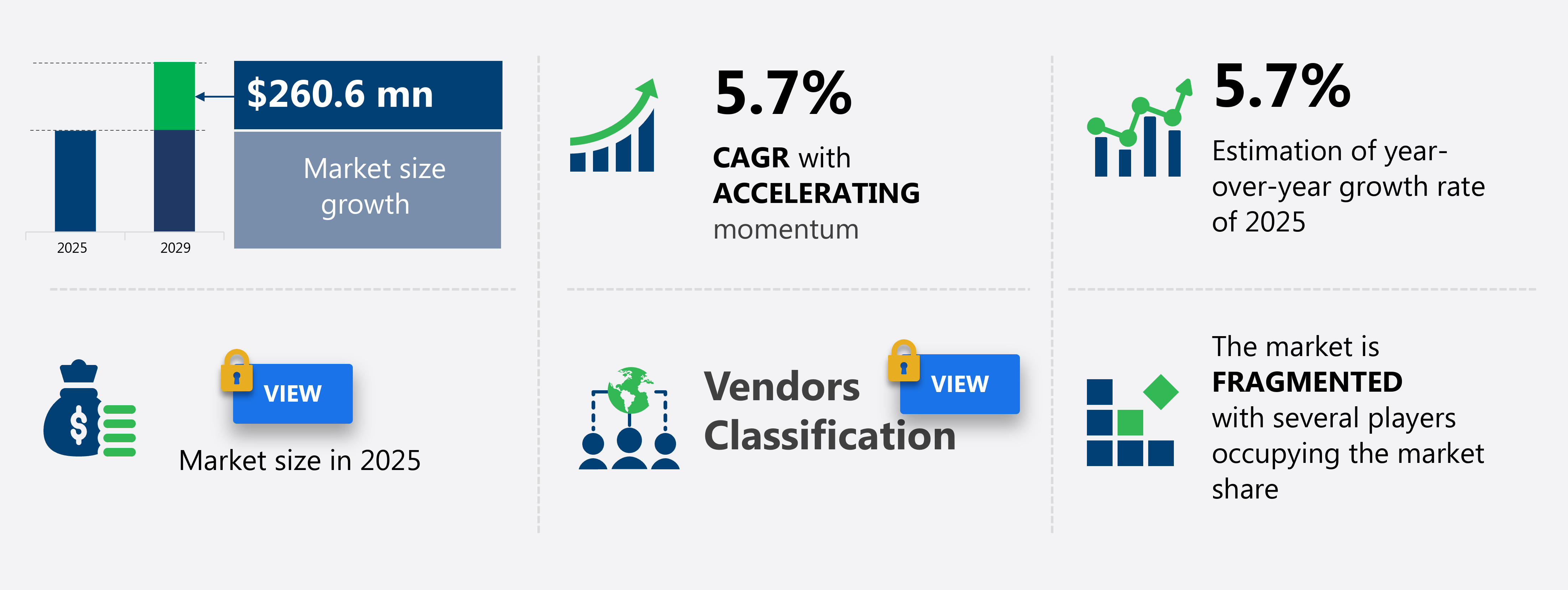
The xanthan gum market is forecasted to grow by USD 260.6 million at a CAGR of 5.7% during the forecast period. Exact values for this market can be accessed upon purchasing the report.
- The market is experiencing significant growth due to the increasing demand for natural and organic ingredients In the food industry. This trend is driven by consumers' preference for healthier food options and a growing awareness of the negative health effects of artificial additives. Additionally, fluctuating raw material prices pose a challenge for market participants, as xanthan gum is derived from fermented sugars and its production cost can vary depending on the availability and price of raw materials. Producers must navigate these price fluctuations to maintain profitability and meet the increasing demand for xanthan gum in various applications, including food and beverages, pharmaceuticals, and industrial uses.
To access the full market forecast and comprehensive analysis, Buy Now
How is this market segmented?
- The market is experiencing robust growth, driven by its versatile applications in various industries. This natural, microbial polysaccharide is widely used as a thickener, stabilizer, and emulsifier in food and beverage production, including low-fat food products, artisan bread, olive oil beverages, and vegan food options. In addition, xanthan gum finds extensive use in industrial applications such as waterproofing sealants, pharmaceuticals, industrial adhesives, and protective coatings. Its eco-friendly production process aligns with current market trends towards sustainability and natural ingredients, making it an attractive alternative to synthetic additives. Furthermore, xanthan gum's role in food quality control, biodegradable detergents, and non-GMO food certification adds to its market appeal.
- Its potential applications continue to expand, making it a valuable ingredient in numerous industries.
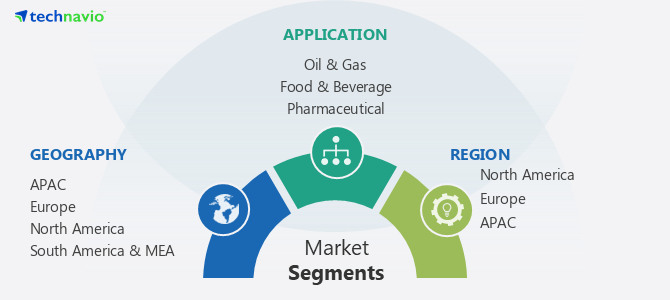
The market research report provides comprehensive data (region-wise segment analysis), with forecasts and estimates in USD mn for the period 2025-2029, as well as historical data from 2019-2024 for the following segments:
- Application
- Oil & Gas
- Food & Beverage
- Pharmaceutical
- Cosmetics
- Others
- Region
- North America
- Europe
- APAC
- CSA
- MEA
- Geography
- APAC
- China
- India
- Japan
- Europe
- Germany
- UK
- North America
- US
- South America & MEA
- APAC
By Application Insights
- The oil & gas segment is estimated to witness significant growth during the forecast period.
Xanthan gum, a versatile additive, experiences steady expansion in various industries. With a CAGR of 5.9% forecasted, this segment's growth is driven by its unique ability to thicken solutions at minimal concentrations. In food applications, it dominated the market in 2023 with a 45.8% revenue share, thanks to its seamless integration into various products. Pharmaceuticals also utilize xanthan gum as a binder and stabilizer, contributing to moderate growth. Personal care products' increasing demand for natural and organic ingredients propels steady growth. Lastly, textiles, paints, and adhesives applications represent gradual growth opportunities.
Regional Analysis
The market is experiencing notable growth, driven by factors such as increasing incomes and population growth in Asia Pacific. Key contributing countries include Germany and the UK, despite challenges from declining smoking rates. The US and Canada lead the market due to established industries and large consumer bases, although health consciousness poses challenges. Urbanization and rising incomes in Brazil and the UAE are driving growth, making these regions significant hubs for tobacco production and trade. Market expansion is expected to continue, fueled by consumer demand for food and beverage products with improved texture and stability.
Market Dynamics
Our xanthan gum market researchers analyzed the data with 2024 as the base year, along with the key drivers, trends, and challenges. A holistic analysis of drivers will help companies refine their marketing strategies to gain a competitive advantage.
What are the key market drivers leading to the rise in adoption of xanthan gum market?
Growing Food Industry is the key driver of the market.
- The market is witnessing notable expansion In the global food and beverage sector, driven by the increasing preference for processed foods and convenience items. This trend is attributed to the versatility of xanthan gum as a thickening and stabilizing agent. The ingredient's ability to maintain consistency in various food applications, including baked goods, sauces, and beverages, makes it a popular choice among manufacturers. Additionally, the growing health consciousness among consumers, leading to the demand for clean-label products, is further fueling the market growth.
- The ingredient's functionality in various food applications, combined with its ability to enhance product texture and shelf life, makes it an essential component In the food industry.
What are the market trends shaping the xanthan gum market?
Demand for Natural and Organic Ingredients is the upcoming market trend.
- Xanthan gum, a natural and versatile food additive, is experiencing significant demand due to the increasing consumer preference for natural and organic ingredients in food products. This trend is driving the growth of the market, as food manufacturers seek to cater to this consumer preference. Xanthan gum is widely used as a thickener, stabilizer, and emulsifier in various food applications, including baked goods, beverages, and sauces. The market dynamics for xanthan gum are influenced by several factors, including consumer trends, regulatory requirements, and technological advancements. Consumer demand for clean-label products, free from artificial additives, is a key driver of the market.
- Additionally, regulatory bodies are increasingly focusing on the use of natural food additives, further boosting the demand for xanthan gum. Technological advancements In the production and application of xanthan gum are also contributing to the market growth. For instance, the development of new production methods and the use of biotechnology to produce xanthan gum are expected to increase its production efficiency and reduce costs. These reports highlight the increasing demand for natural and organic food products and the role of xanthan gum as a key ingredient in meeting this demand.
- The market is expected to continue its growth trajectory, driven by consumer trends, regulatory requirements, and technological advancements. Food manufacturers are increasingly turning to xanthan gum as a natural and versatile food additive to cater to the growing demand for clean-label products. The market research firms forecast positive growth prospects for the market, making it an attractive investment opportunity for businesses In the food industry.
What challenges does the xanthan gum market face?
Fluctuating Raw Material Prices is a key challenge affecting the industry growth.
- Xanthan gum is a common food additive and industrial ingredient, widely used for its thickening and stabilizing properties. The production process involves fermenting sugars with the bacterium Xanthomonas campestris. Raw materials, primarily corn and soybeans, are essential inputs in this process, making their price fluctuations a significant market factor. These commodity price changes can impact the overall cost of xanthan gum production, potentially affecting profitability. Factors like increasing demand from various industries, including food and beverage, pharmaceuticals, and cosmetics, further influence the market's growth trajectory.
- Despite the challenges, the market continues to expand, driven by its versatile applications and growing consumer awareness of its health benefits.
Key Companies & Market Insights
Leading companies are implementing strategies such as product innovations, acquisitions, and geographic expansions to enhance their market position. Key players In the xanthan gum marketinclude:
- ADM
- Foodchem International Corporation
- Deosen Biochemical (Ordos) Ltd.
- Cargill, Incorporated
- Ingredion
These companies are strategically focused on product development, market expansion, and partnerships to maintaIn their competitive edge In the growing xanthan gum market.
Research Analyst Overview
Xanthan gum, a microbial polysaccharide derived from fermented sugars, has emerged as a versatile and indispensable ingredient in various industries due to its unique thickening, stabilizing, and binding properties. This compound, renowned for its ability to enhance the texture and consistency of a wide range of products, has gained significant traction In the market, driven by its functionalities and benefits. The market is characterized by its dynamic nature, with continuous advancements in technology and innovation leading to new applications and product development. The compound's use extends to numerous sectors, including food and beverage, pharmaceuticals, personal care, oil sector, and industrial applications.
In the food industry, xanthan gum is widely used as a thickener and stabilizer in various food products, such as beverages, bakery items, and dairy alternatives. Its ability to maintain consistency and texture in fat-free and low-fat foods, as well as its suitability for vegan and gluten-free goods, has made it a popular choice among manufacturers. The pharmaceutical sector also benefits from xanthan gum's properties, as it serves as a vital component In the production of dietary supplements and tablets. Its non-GMO status and ability to improve the flow properties of suspensions and emulsions make it an essential ingredient in this industry.
In the personal care sector, xanthan gum is used as a thickener and stabilizer in various cosmetic and toiletry products, including shampoos, conditioners, and lotions. Its ability to provide a smooth and consistent texture, as well as its stability in various pH ranges, makes it a preferred choice among manufacturers. The oil sector utilizes xanthan gum as a drilling fluid additive, enhancing its performance and efficiency. Its ability to improve the fluid's properties, such as its viscosity and stability, allows for more effective drilling and production. Xanthan gum's use is not limited to these industries, as it also finds applications In the production of coating materials, adhesives, and sealants.
In addition, it is used In the agriculture sector as a fertilizer additive, improving the consistency and efficiency of fertilizer applications. Despite the numerous benefits of xanthan gum, there are concerns regarding its production and potential health implications. The compound is produced through a fermentation process, which raises questions about its environmental impact and sustainability. Additionally, some consumers express concerns regarding its potential health effects, particularly in large quantities. To address these concerns, manufacturers and researchers are focusing on developing more sustainable production methods and exploring alternative sources for xanthan gum. For instance, some researchers are investigating the use of recycled olives as a potential source for xanthan gum production.
This approach not only reduces waste but also offers a more sustainable and eco-friendly production method. The market is a dynamic and growing industry, driven by the compound's unique properties and versatility. Its applications span various sectors, from food and beverage to pharmaceuticals, personal care, oil sector, and industrial applications. Despite some concerns regarding its production and potential health implications, ongoing research and innovation are addressing these challenges, ensuring the continued growth and relevance of xanthan gum In the market.
How the Benefits of a Technavio Market Research Report Can Empower Your Business
Technavio's reports provide a range of market insights, including:
- A detailed analysis of the market, featuring market size, growth rate, segmentation, and regional performance
- In-depth analysis of the drivers, challenges, and other dynamics that will impact the growth of the market
- Predictions about upcoming trends and changes in consumer behavior
- Detailed information on key market players, including market positioning, product offerings, and more
 RIA -
RIA - 
