
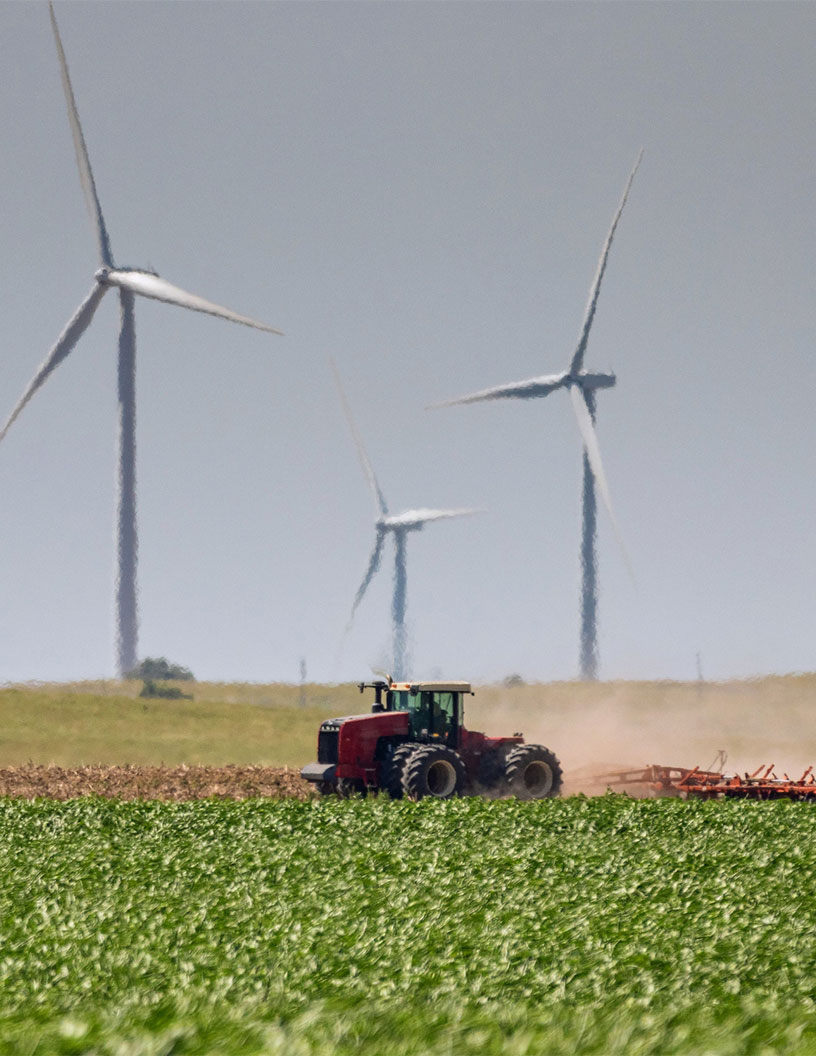


Agricultural Wind Turbine Market Size 2024-2028
The agricultural wind turbine market size is forecast to increase by USD 983.5 million at a CAGR of 3.14% between 2023 and 2028. Wind turbines have become an increasingly popular solution for agricultural farms seeking to diversify their income sources and reduce their carbon footprint. The key offering of wind turbines lies in their ability to generate clean, renewable energy while coexisting with agricultural activities. Regulations encouraging power generation from renewable sources, such as net metering policies and incentives, further incentivize farmers to invest in wind energy. The installation of wind turbines on agricultural lands not only provides a steady income through energy sales but also offers environmental benefits, including reduced greenhouse gas emissions and improved air quality. Additionally, wind turbines can provide shade and shelter for livestock, making them a valuable addition to modern farming operations. With advancements in technology and decreasing costs, wind turbines are becoming a practical and profitable investment for forward-thinking farmers.

For More Highlights About this Report, Download Free Sample in a Minute
Market Segmentation
Type Segment
The horizontal segment is estimated to witness significant growth during the forecast period. Horizontal wind turbines have a rotor whose axis of rotation is parallel to the direction of the wind. To assemble a horizontal wind turbine, needs a corresponding tower. Most wind turbines are horizontal axis models. They have to look directly into the wind. They have a tail that continuously guides them into the wind.
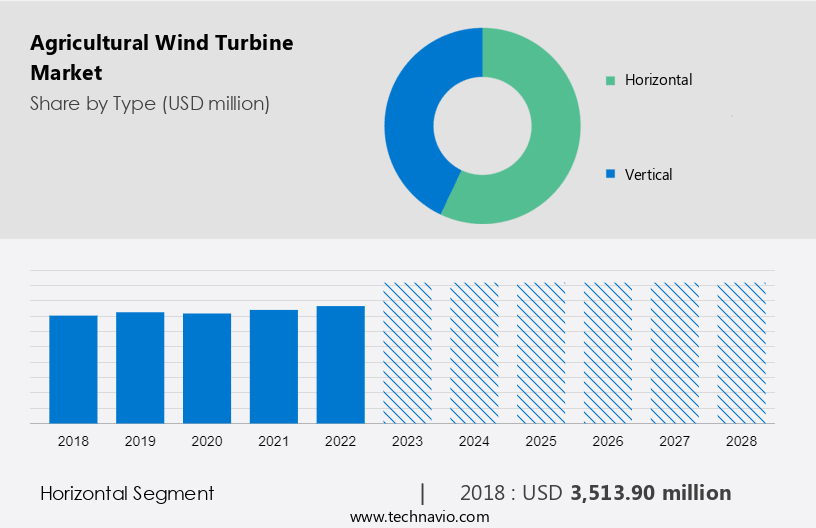
Get a glance at the market contribution of various segments Download PDF Sample
The horizontal segment was the largest segment and was valued at USD 3.51 billion in 2018. The rotor blades of a horizontal agricultural wind turbine are connected to a horizontal shaft. Such agricultural wind turbines are mainly used for commercial applications, including farms. Furthermore, the main advantages of horizontal agricultural wind turbines are high power generation capacity, variable pitch blade capability, increased efficiency, and tall towers that capture large amounts of wind energy. Therefore, such factors will propel the growth of the market segment during the forecast period.
By Region
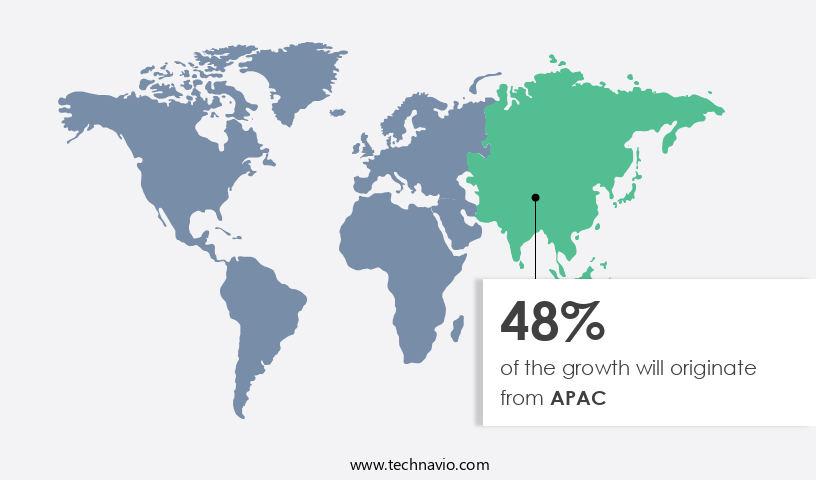
For more insights on the market share of various regions Download PDF Sample now!
APAC is estimated to contribute 48% to the growth of the global market during the forecast period. Technavio’s analysts have elaborately explained the regional trends and drivers that shape the market during the forecast period.
Energy demand in APAC is increasing and there is increasing focus on renewable energy for power generation in various sectors such as agriculture. In countries like India, farmers save or significantly reduce energy costs by installing wind turbines on their farms to generate energy year-round. This has made it possible to mitigate the annual rise in electricity prices and allows agricultural asset owners to take their energy supply into their own hands. Therefore, increasing the use of agricultural wind turbines in farms will drive the growth of the regional market during the forecast period.
Market Dynamics
The market is witnessing significant growth due to the increasing demand for renewable energy sources in farm fields. These wind turbines generate electricity from wind energy, providing an alternative source of power for farming sites. Turbine blades play a crucial role in converting wind energy into electricity. However, challenges such as fungal infestations, toxins, and microclimate can impact the efficiency of these turbines. To reduce carbon dioxide emissions, agricultural installations are integrating solar PV energy systems with computational fluid model, opting for hybridized solution that enhance efficiency through stand-alone machine and advanced technology. Agricultural meteorology, including studies on dew, temperature, and wind patterns, is essential for optimizing the placement and design of agricultural wind turbines. Gene Takle, a renowned agricultural meteorologist, emphasizes the importance of considering the impact of wind turbines on crops and the surrounding microclimate. Advanced technologies like computational fluid models, anemometers, and temperature sensors are used to analyze wind patterns and optimize turbine performance. Small wind turbines are gaining popularity due to cost reductions and the ability to operate in large open fields with high energy use. Companies like Ryse Energy are leading the market with innovative solutions, including stand-alone machines and hybridized solutions with Solar PV and battery storage.
Key Market Driver
The advantages of wind turbines in agricultural farms is the key factor driving the growth of the market. Farmers and ranchers can generate their own electricity from wind. With outputs ranging from 400 watts to over 40 kilowatts, small wind generators can power entire farms or be customized for specific applications. Compared to outdated windmills with fan blades that pump water, electric wind generators are much more efficient and reliable. It's also cheaper than installing new power lines, more practical, and potentially cheaper than diesel generators.
Furthermore, net metering allows farmers to get the most out of their wind turbines. If the turbine produces less energy than it consumes in operation, the counter rotates normally in the positive direction. At the end of the month or year, the farmer or electricity supplier pays the net production or net consumption. Therefore, such advantages of agricultural wind turbines will drive the growth of the market during the forecast period.
Significant Market Trends
Reduction in the cost of wind projects is the primary trend shaping the growth of the market. The cost of wind energy technology has fallen rapidly over the past two decades. The main factors that determine the cost of electricity from wind energy are capital costs, operating costs, and capacity factors. Capital expenditures (CAPEX), operating expenditures (OPEX), project design, and turbine output financing costs are the main drivers of wind energy cost reduction.
Furthermore, higher tower heights and larger rotor diameters, coupled with larger turbines, are important factors for wind projects and enhance the overall functionality of the wind turbine. This is driving the wind energy market around the world. As a result, these factors will grow the demand for agricultural wind turbines, thereby driving the growth of the market during the forecast period.
Major Market Challenge
Land lease agreements are a challenge that affects the growth of the market. Installing wind turbines on agricultural land requires a fair and favorable land lease, which is an important step. Farmers need to negotiate terms that guarantee a stable income and consider the possibility of expanding or repurposing the property. It may be wise to seek legal and financial advice during negotiations, but this will result in additional costs for the farmer.
Moreover, for farmers, coordinating leases and revenue sharing is an advantageous option to achieve the increased value of wind energy in the future. However, wind turbine developers almost always object to this approach. Therefore, land lease agreements between wind turbine developers and farmers will have a negative impact on the market during the forecast period.
Key Market Customer Landscape
The market research report includes the adoption lifecycle of the market, covering from the innovator’s stage to the laggard’s stage. It focuses on adoption rates in different regions based on penetration. Furthermore, the report also includes key purchase criteria and drivers of price sensitivity to help companies evaluate and develop their growth strategies.
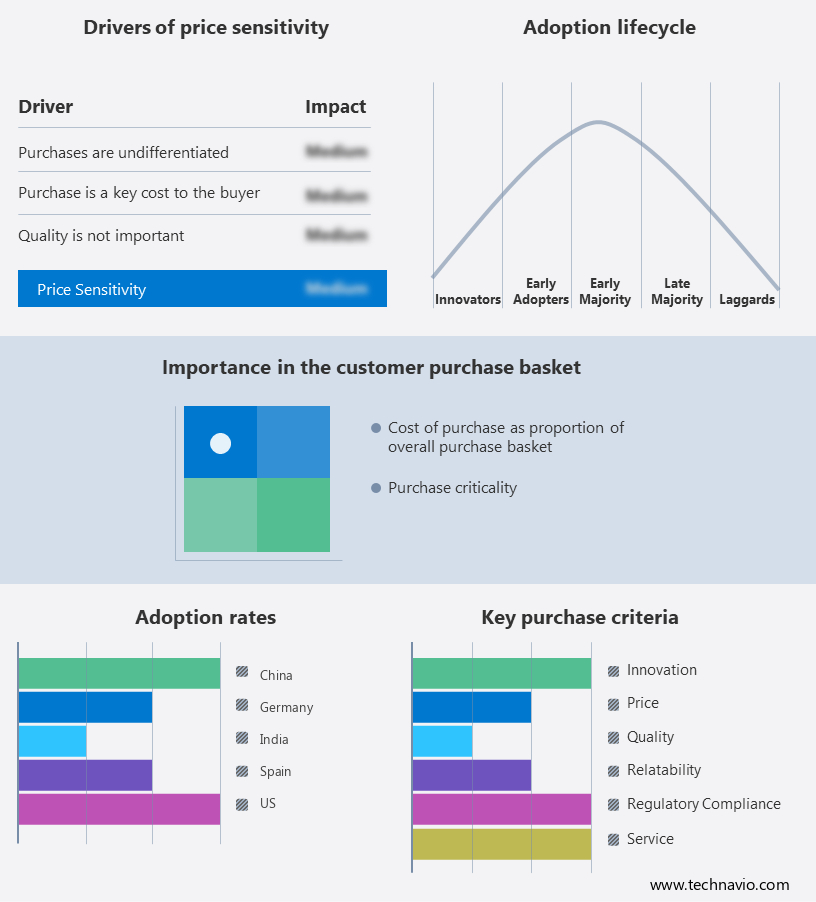
Global Market Customer Landscape
Major Market Companies
Companies are implementing various strategies, such as strategic alliances, partnerships, mergers and acquisitions, geographical expansion, and product/service launches, to enhance their presence in the market.
Ansaldo Energia Spa: The company offers agricultural wind turbine such as AE-T100 microturbine composed by a high-speed generator, a compressor and turbine wheels.
The research report also includes detailed analyses of the competitive landscape of the market and information about 15 market companies, including:
- Aeolos Wind Energy Ltd.
- Avant Garde Innovations Pvt. Ltd.
- Balaji Systems Pvt. Ltd.
- Bergey Wind Power Co.
- Earthmill Maintenance Ltd.
- Eco EnerG Solutions Renewables Ltd.
- EOCYCLE
- Eveready Pty Ltd.
- Kliux Energies International Inc.
- Marlec Engineering Co. Ltd.
- Northern Power Systems Srl
- Polaris America LLC
- Renewtech LLC
- Ryse Energy
- SD Wind Energy Ltd.
Qualitative and quantitative analysis of companies has been conducted to help clients understand the wider business environment as well as the strengths and weaknesses of key market players. Data is qualitatively analyzed to categorize companies as pure play, category-focused, industry-focused, and diversified; it is quantitatively analyzed to categorize companies as dominant, leading, strong, tentative, and weak.
Segment Overview
The market research report provides comprehensive data (region-wise segment analysis), with forecasts and estimates in "USD million " for the period 2024-2028, as well as historical data from 2018-2022 for the following segments.
- Type Outlook
- Horizontal
- Vertical
- Application Outlook
- Electricity generation
- Irrigation
- Region Outlook
- North America
- The U.S.
- Canada
- Europe
- U.K.
- Germany
- France
- Rest of Europe
- APAC
- China
- India
- South America
- Chile
- Brazil
- Argentina
- Middle East & Africa
- Saudi Arabia
- South Africa
- Rest of the Middle East & Africa
- North America
You may also interested in the below market reports
-
Small Wind Turbine Market: Analysis APAC, Europe, North America, South America, Middle East and Africa - US, China, Japan, Germany, Spain - Size and Forecast
-
Wind Turbine Components Market: Analysis APAC, Europe, North America, South America, Middle East and Africa - China, US, Germany, India, Spain - Size and Forecast
-
Wind Turbine Bearing Market: Analysis APAC, Europe, North America, South America, Middle East and Africa - China, US, Germany, India, Spain - Size and Forecast
Market Analyst Overview
Agricultural wind turbines have emerged as a promising solution for farmers in large open fields to generate electricity and reduce their dependence on traditional energy sources. These turbines, equipped with long blades, convert the kinetic energy from the wind into electrical power. The Energy Information Administration reports that PV solar arrays installed on solar farms in the Great Plains are enhancing sustainability by powering farm equipment, which in turn improves crop yields for soybean and corn during the growing season, even under extreme degree days. The integration of renewable energy into farm fields not only reduces electricity charges but also provides an off-grid energy solution during power outages. Fungal infestations, frost, dew, and toxins in the microclimate can impact the performance of turbine blades. Agricultural meteorology, a field of study that focuses on weather and climate conditions in relation to crops, plays a crucial role in optimizing the placement and operation of agricultural wind turbines.
Furthermore, LIDAR technology and anemometers are essential tools used to measure turbulence and wind speed, ensuring the efficient functioning of the turbines. Advanced computational fluid models help in analyzing the heat exchange between the turbine and the environment, minimizing the impact on photosynthesis. Companies like Ryse Energy are pioneering cost reductions in small wind turbines, making them an attractive option for farmers. Hybridized solutions, combining PV solar arrays and battery storage, offer stability and increased energy supply. Trees in agricultural shelterbelts can also act as natural wind barriers, enhancing the efficiency of wind turbines. In the Midwest, where high energy use is common in agriculture, the adoption of agricultural wind turbines is on the rise. Farmers are embracing this innovative technology to power their farming sites and contribute to a greener future.
|
Market Scope |
|
|
Report Coverage |
Details |
|
Page number |
157 |
|
Base year |
2023 |
|
Historic period |
2018 - 2022 |
|
Forecast period |
2024-2028 |
|
Growth momentum & CAGR |
Accelerate at a CAGR of 3.14% |
|
Market growth 2024-2028 |
USD 983.5 million |
|
Market structure |
Fragmented |
|
YoY growth 2023-2024(%) |
3.05 |
|
Regional analysis |
APAC, Europe, North America, Middle East and Africa, and South America |
|
Performing market contribution |
APAC at 48% |
|
Key countries |
China, US, Germany, India, and Spain |
|
Competitive landscape |
Leading Companies, Market Positioning of Companies, Competitive Strategies, and Industry Risks |
|
Key companies profiled |
Aeolos Wind Energy Ltd., Ansaldo Energia Spa, Avant Garde Innovations Pvt. Ltd., Balaji Systems Pvt. Ltd., Bergey Wind Power Co., Earthmill Maintenance Ltd., Eco EnerG Solutions Renewables Ltd., EOCYCLE, Eveready Pty Ltd., Kliux Energies International Inc., Marlec Engineering Co. Ltd., Northern Power Systems Srl, Polaris America LLC, Renewtech LLC, Ryse Energy, and SD Wind Energy Ltd. |
|
Market dynamics |
Parent market analysis, Market Forecasting, Market growth inducers and obstacles, Fast-growing and slow-growing segment analysis, Market growth and Forecasting, COVID 19 impact and recovery analysis and future consumer dynamics, Market condition analysis for market forecast period |
|
Customization purview |
If our report has not included the data that you are looking for, you can reach out to our analysts and get segments customized. |
What are the Key Data Covered in this Market Report?
- CAGR of the market during the forecast period
- Detailed information on factors that will drive the market growth and forecasting of the market between 2024 and 2028
- Precise estimation of the size of the market size and its contribution to the parent market
- Accurate predictions about upcoming market trends and analysis and changes in consumer behavior
- Growth of the market industry across Europe, North America, APAC, South America, and Middle East and Africa
- Thorough market growth analysis of the market’s competitive landscape and detailed information about companies
- Comprehensive market analysis and report on the factors that will challenge the market research and growth of market companies
We can help! Our analysts can customize this market research report to meet your requirements.
 RIA -
RIA - 
