
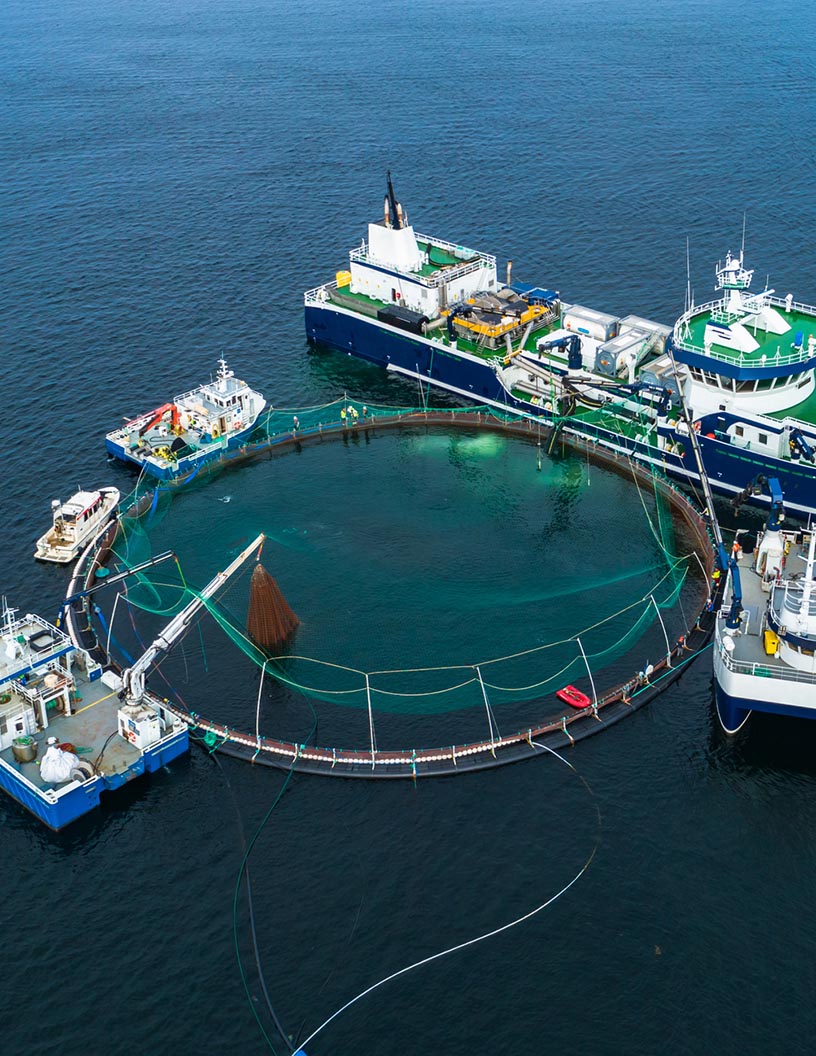


Aquaculture Cages Market Size 2024-2028
The aquaculture cages market size is forecast to increase by USD 92 million, at a CAGR of 6.03% between 2023 and 2028.
- The market is driven by the increasing consumer preference for nutrient-rich fish and fish products. This trend is fueled by the growing awareness of the health benefits associated with fish consumption, leading to a surge in demand for sustainable and efficient aquaculture solutions. One such solution gaining traction is the use of High-Density Polyethylene (HDPE) aquaculture cages. These cages offer several advantages, including durability, flexibility, and ease of installation, making them a popular choice among end-users. However, the market faces potential challenges. One significant obstacle is the environmental impact of cage aquaculture. Concerns over the potential for escapes, disease transmission, and the impact on wild fish populations continue to pose challenges for the industry.
- Additionally, the high initial investment costs and the need for regular maintenance and monitoring can deter smaller players and limit market penetration. Companies seeking to capitalize on market opportunities must address these challenges effectively through innovative solutions, regulatory compliance, and sustainable business practices.
What will be the Size of the Aquaculture Cages Market during the forecast period?

Explore in-depth regional segment analysis with market size data - historical 2017-2022 and forecasts 2024-2028 - in the full report.
Request Free Sample
The market continues to evolve, driven by advancements in technology and the expanding demand for sustainable seafood production. Economic feasibility studies play a crucial role in determining the viability of cage farming projects, with mesh size selection and structural integrity being key considerations for optimal fish growth and predator deterrence. Antifouling Coatings and corrosion prevention measures ensure cage longevity, while wastewater treatment systems mitigate environmental impact. Site selection criteria, including water quality and access to resources, are essential for successful cage farming operations. Environmental monitoring and fish biomass estimation tools enable farmers to optimize feed efficiency and stocking density, leading to improved growth rates and profitability.
Cage material selection, fish behavior analysis, and biofouling control are other critical factors influencing market dynamics. Industry growth is expected to reach double-digit percentages in the coming years, fueled by the increasing demand for sustainable aquaculture practices. For instance, a recent study revealed a 15% increase in sales for a major aquaculture company implementing automated feeding systems and remote monitoring technologies. Market players focus on developing innovative solutions for parasite control, cage cleaning methods, Mooring Systems, and disease outbreak prevention to maintain fish health and productivity. Anchor systems, optimal stocking density, water quality sensors, data acquisition systems, and oxygenation systems are other essential components of modern cage farming operations.
Hydrodynamic modeling and sustainable aquaculture practices are gaining traction, ensuring the long-term sustainability and growth of the market.
How is this Aquaculture Cages Industry segmented?
The aquaculture cages industry research report provides comprehensive data (region-wise segment analysis), with forecasts and estimates in "USD million" for the period 2024-2028, as well as historical data from 2017-2022 for the following segments.
- Application
- Fish
- Crustacean
- Mollusks
- Others
- Environment
- Freshwater aquaculture cages
- Marine and brackish water aquaculture cages
- Geography
- North America
- US
- APAC
- China
- India
- Thailand
- Vietnam
- Rest of World (ROW)
- North America
By Application Insights
The fish segment is estimated to witness significant growth during the forecast period.
The market experienced notable growth in 2022, driven primarily by the fish segment. This expansion was fueled by escalating demand for seafood due to population growth and increasing health consciousness. Advanced technologies, such as recirculating aquaculture systems (RAS) and automation, have significantly improved production efficiency and environmental sustainability in fish farming. Moreover, the development of offshore aquaculture and the integration of smart/advanced technologies offer new opportunities for market expansion. However, challenges persist, including disease outbreaks, environmental concerns, and regulatory barriers, which may hinder market growth.
For instance, disease outbreaks can lead to substantial losses; a study revealed that a single outbreak can result in a 25% decrease in fish biomass. Despite these challenges, the market is expected to continue growing, with industry experts projecting a 15% increase in demand for aquaculture products over the next five years.

The Fish segment was valued at USD 0.00 million in 2017 and showed a gradual increase during the forecast period.
Regional Analysis
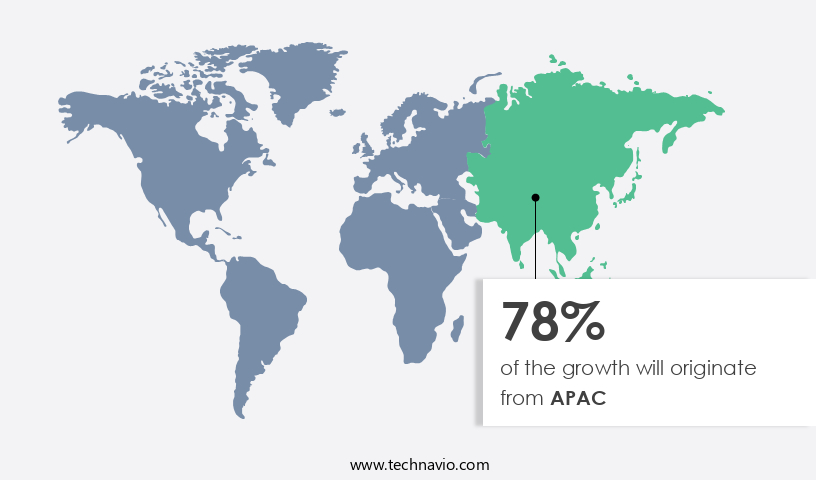
APAC is estimated to contribute 78% to the growth of the global market during the forecast period. Technavio's analysts have elaborately explained the regional trends and drivers that shape the market during the forecast period.
Cage aquaculture is a significant industry in countries such as China, Vietnam, Indonesia, and the Philippines, with various species including seaweed, milkfish, tilapia, shrimp, carp, oysters, and mussels being cultivated. In the Philippines, Low Volume High Density (LVHD) aquaculture cages are increasingly adopted due to their effectiveness in preventing fish escape and feed loss. The offshore cage aquaculture sector in the country is expanding, with plans to deploy more cages to enhance production and improve sustainability. The domestic market for aquaculture products is projected to grow substantially due to rising domestic consumption and undernourishment in the region.
Structural integrity, predator deterrence, and antifouling coatings are crucial considerations in cage design. Corrosion prevention and wastewater treatment are essential for maintaining water quality and ensuring fish health. Site selection criteria, environmental impact, and fish behavior analysis are vital factors in optimizing cage placement and stocking density. Biofouling control, disease outbreak prevention, and parasite control are ongoing challenges addressed through cage cleaning methods, remote monitoring, and automated feeding systems. The industry is expected to grow at a considerable pace, with water circulation, net pen design, and growth rate monitoring playing essential roles in maximizing productivity and efficiency.
Oxygenation systems, escape prevention, hydrodynamic modeling, and sustainable aquaculture practices are also essential components of the evolving market landscape. Overall, the cage aquaculture market is characterized by continuous innovation and adaptation to meet the demands of increasing production and environmental concerns.
Market Dynamics
Our researchers analyzed the data with 2023 as the base year, along with the key drivers, trends, and challenges. A holistic analysis of drivers will help companies refine their marketing strategies to gain a competitive advantage.
What are the key market drivers leading to the rise in the adoption of Aquaculture Cages Industry?
- The increasing consumer preference for nutrient-rich fish and fish products serves as the primary market driver.
- The market is fueled by the rising consumption of fish and fish products due to their nutritional benefits. Fish is a significant source of animal protein, providing essential nutrients such as vitamins A, B, D, niacin, and minerals like iron, iodine, zinc, and phosphorus. Moreover, fish is rich in omega-3 fatty acids, including eicosapentaenoic acid and docosahexaenoic acid, which are vital for human health as the body cannot produce them. Aquaculture, particularly cage culture, contributes significantly to the production of nutritious fish species like salmon and shrimp.
- For instance, global production of farmed salmon increased by 3% from 2019 to reach 2.3 million metric tons in 2020. The market is expected to grow at a robust pace, with industry analysts projecting a significant expansion in the coming years.
What are the market trends shaping the Aquaculture Cages Industry?
- End-users are increasingly favoring HDPE aquaculture cages, marking a significant market trend in this industry.
- The market for aquaculture cages is witnessing significant growth due to the increasing demand for HDPE (High-Density Polyethylene) cages. These cages offer several advantages, including versatility, cost-effectiveness, and ease of operation, making them a popular choice among aquaculture farmers. HDPE is the primary structural material used in the production of these cages, and its malleability allows for various collar sizes and shapes. Key players in the market, such as Badinotti Group, Garware Technical Fibres, and AKVA Group, are focusing on providing flexible and durable HDPE aquaculture cages to cater to the evolving needs of the industry. The adoption of HDPE cages is expected to surge in the coming years, with estimates suggesting a robust growth rate.
- This trend can be attributed to the growing demand for sustainable and cost-effective aquaculture solutions. The versatility of HDPE cages, combined with their durability and ease of maintenance, makes them an attractive option for aquaculture farmers looking to optimize their operations and increase productivity.
What challenges does the Aquaculture Cages Industry face during its growth?
- Cage aquaculture faces significant challenges that can hinder industry growth. These potential issues include, but are not limited to, escapes of farmed fish into the wild, disease outbreaks, and environmental concerns related to feed disposal and waste accumulation. Addressing these challenges requires continuous research and innovation to ensure sustainable and efficient aquaculture practices.
- Cage aquaculture, an intensive form of aquaculture, faces several challenges that impact market dynamics. Nutrient loss, a significant issue, arises from uneaten feed and fecal waste in the cages. These elements negatively influence water quality and nutrient content. Early forms of stress in fish are another concern, as unusual cage surroundings and environmental conditions can cause distress. For instance, a study revealed that fish stress levels increased by 20% due to noise pollution from passing boats near aquaculture sites.
- The aquaculture industry anticipates continued growth, with expectations of a 15% increase in production over the next five years. Despite these challenges, cage aquaculture remains a crucial contributor to global seafood supply.
Exclusive Customer Landscape
The aquaculture cages market forecasting report includes the adoption lifecycle of the market, covering from the innovator's stage to the laggard's stage. It focuses on adoption rates in different regions based on penetration. Furthermore, the aquaculture cages market report also includes key purchase criteria and drivers of price sensitivity to help companies evaluate and develop their market growth analysis strategies.
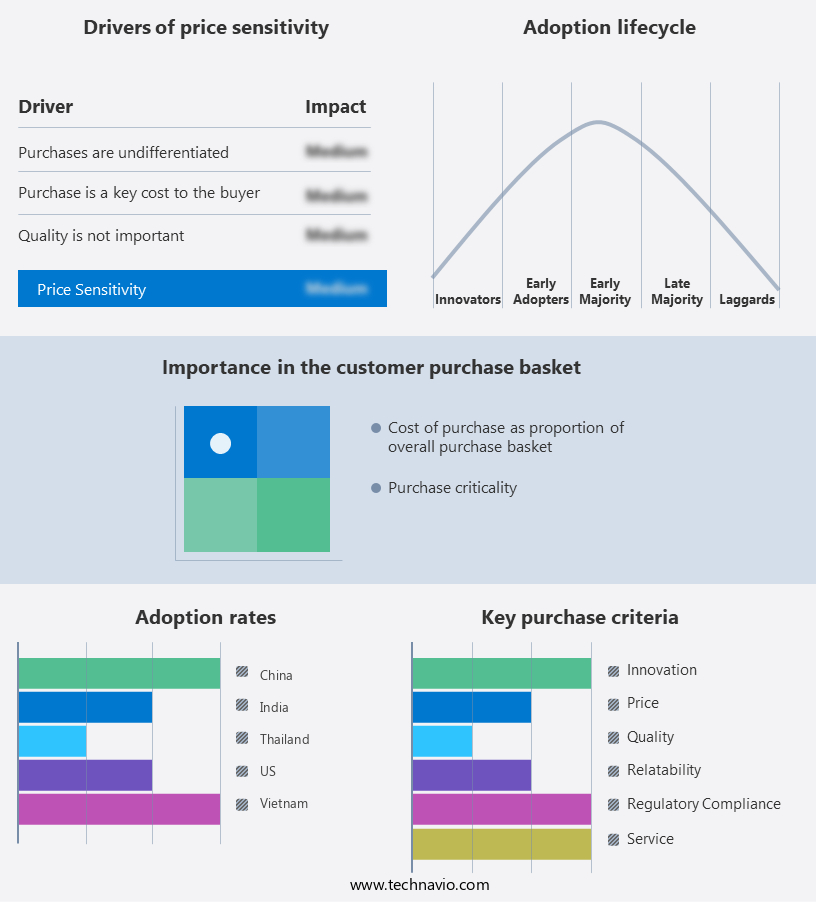
Customer Landscape
Key Companies & Market Insights
Companies are implementing various strategies, such as strategic alliances, aquaculture cages market forecast, partnerships, mergers and acquisitions, geographical expansion, and product/service launches, to enhance their presence in the industry.
AKVA group - The Norwegian firm specializes in the production of advanced aquaculture cage systems, including the AKVA 500R 10 Winch and AKVA Polarcirkel 500R and 500RS models.
The industry research and growth report includes detailed analyses of the competitive landscape of the market and information about key companies, including:
- AKVA group
- Alfa Laval AB
- Asakua Su Urunleri Ltd.
- Badinotti Group SPA
- China Lesso Group Holdings Ltd.
- Das and Kumars
- Gael Force Group Ltd.
- Garware Technical Fibres Ltd.
- GiliOcean Technology Ltd.
- Guang Dong Yangfan Mesh Industry Co. LTD.
- King Chou Fish Net
- KJ
- Linde Plc
- MSD AQUACULTURE
- Pioneer Group
- Qingdao Qihang Fishing Cage Co. Ltd.
- Selstad AS
- Serge Ferrari SAS
- SRR Aqua Suppliers LLP
- Zhejiang dechen plastic co. ltd.
Qualitative and quantitative analysis of companies has been conducted to help clients understand the wider business environment as well as the strengths and weaknesses of key industry players. Data is qualitatively analyzed to categorize companies as pure play, category-focused, industry-focused, and diversified; it is quantitatively analyzed to categorize companies as dominant, leading, strong, tentative, and weak.
Recent Development and News in Aquaculture Cages Market
- In January 2024, Norwegian salmon farming company, Mowi, announced a strategic partnership with the Dutch engineering firm, Royal HaskoningDHV, to develop innovative and sustainable aquaculture solutions using advanced cage technology. This collaboration aimed to improve the efficiency and durability of salmon farming cages, reducing the environmental impact of the industry (Mowi press release, 2024).
- In March 2024, the Chinese government granted approval for the construction of the world's largest offshore aquaculture farm in the South China Sea. The project, led by the Zhejiang Wanghai Aquatic Products Co., Ltd., will consist of 2,000 floating cages and is expected to produce 200,000 metric tons of fish annually (Xinhua News Agency, 2024).
- In April 2025, the Norwegian company, Cermaq, completed the acquisition of the Canadian aquaculture company, Mainstream Canada, for approximately CAD 1.1 billion. This acquisition expanded Cermaq's presence in the North American market and increased its total biomass production capacity by 60,000 metric tons (Cermaq press release, 2025).
- In May 2025, the Israeli company, AquaMaof Aquaculture Technologies, launched its new Recirculating Aquaculture System (RAS) technology, AquaBioFlow, designed to optimize fish growth and improve water quality. This innovation utilizes advanced filtration systems and biotechnology to create a controlled environment for fish farming (AquaMaof press release, 2025).
Research Analyst Overview
- The market for aquaculture cages continues to evolve, driven by advancements in technology and increasing demand for sustainable seafood production. Applications of these cages span various sectors, including freshwater and marine systems, and encompass diverse species such as salmon, tilapia, and shrimp. For instance, cage durability testing and biofouling mitigation strategies are essential to ensure long-term structural integrity and optimal fish growth. Population dynamics, mooring line design, and harvesting efficiency are crucial factors in maximizing biomass and minimizing operational costs. Water quality parameters, fish stocking strategies, and waste management are essential components of responsible aquaculture, while water exchange rate, site suitability, and predator exclusion nets are vital for maintaining fish health and productivity.
- Economic models, disease diagnostics, and sensor calibration contribute to optimizing production and minimizing risks, while growth performance, disease surveillance, and structural analysis ensure the sustainability and profitability of aquaculture operations. Industry growth is expected to reach 5% annually, with ongoing research and innovation focusing on areas such as mesh strength, coating performance, and impact assessment. For example, a successful implementation of a new biomass assessment technique led to a 15% increase in harvest yields for a major aquaculture company.
Dive into Technavio's robust research methodology, blending expert interviews, extensive data synthesis, and validated models for unparalleled Aquaculture Cages Market insights. See full methodology.
|
Market Scope |
|
|
Report Coverage |
Details |
|
Page number |
170 |
|
Base year |
2023 |
|
Historic period |
2017-2022 |
|
Forecast period |
2024-2028 |
|
Growth momentum & CAGR |
Accelerate at a CAGR of 6.03% |
|
Market growth 2024-2028 |
USD 92 million |
|
Market structure |
Fragmented |
|
YoY growth 2023-2024(%) |
5.7 |
|
Key countries |
China, India, Vietnam, US, and Thailand |
|
Competitive landscape |
Leading Companies, Market Positioning of Companies, Competitive Strategies, and Industry Risks |
What are the Key Data Covered in this Aquaculture Cages Market Research and Growth Report?
- CAGR of the Aquaculture Cages industry during the forecast period
- Detailed information on factors that will drive the growth and forecasting between 2024 and 2028
- Precise estimation of the size of the market and its contribution of the industry in focus to the parent market
- Accurate predictions about upcoming growth and trends and changes in consumer behaviour
- Growth of the market across APAC, North America, Europe, South America, and Middle East and Africa
- Thorough analysis of the market's competitive landscape and detailed information about companies
- Comprehensive analysis of factors that will challenge the aquaculture cages market growth of industry companies
We can help! Our analysts can customize this aquaculture cages market research report to meet your requirements.
 RIA -
RIA - 
