
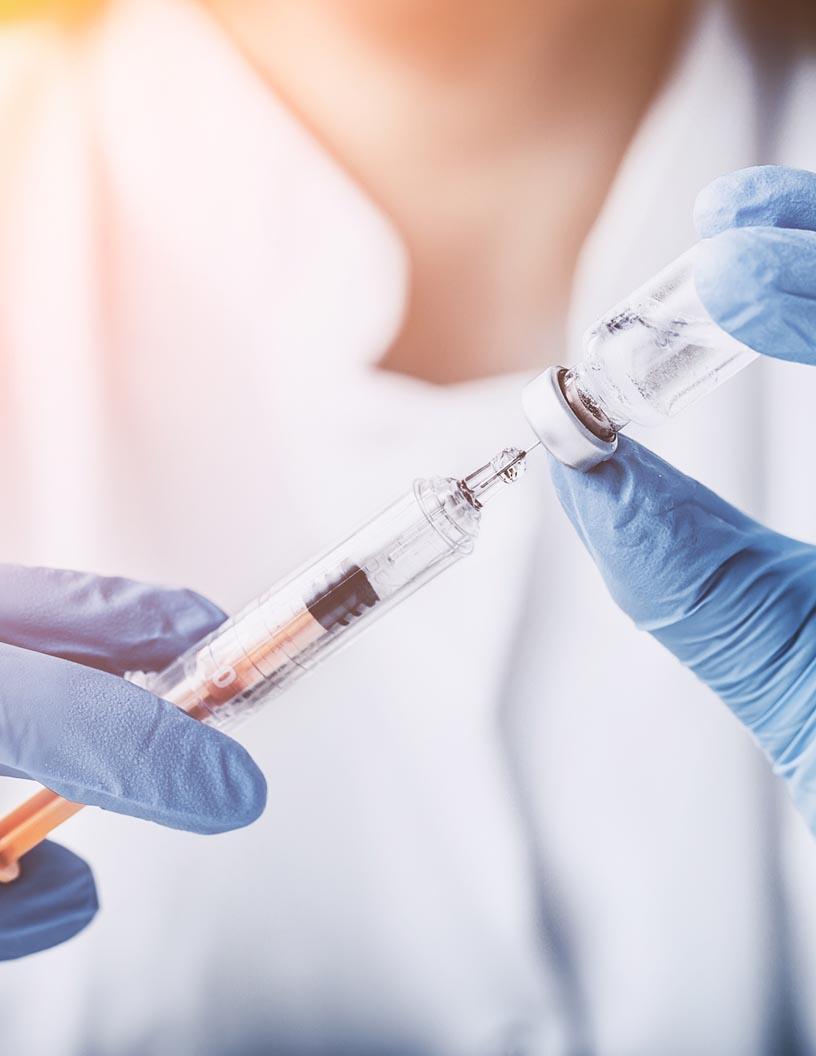


Botox Market Size 2025-2029
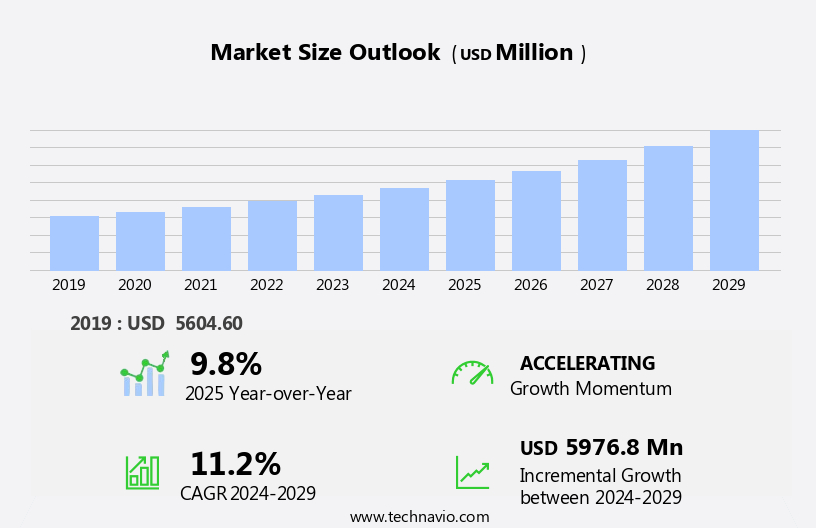
The botox market size is forecast to increase by USD 5.98 billion at a CAGR of 11.2% between 2024 and 2029.
- The market is experiencing significant growth driven by the increasing applications of the treatment in both cosmetic and therapeutic procedures. Medical aesthetics are gaining increasing importance in the healthcare industry, leading to a growth in demand for Botox. However, the high cost of Botox procedures remains a significant challenge for market growth, particularly in developing countries. Despite this, opportunities abound for companies that can effectively address affordability concerns through innovative pricing models or alternative treatment options. Overall, the market presents significant opportunities for growth in the North American region, particularly in the United States, where the demand for cosmetic procedures is high.
- Furthermore, ongoing research and development efforts to explore new indications for Botox, such as the treatment of migraines and urinary incontinence, are expected to expand the market's reach and revenue potential. Companies seeking to capitalize on these opportunities must stay abreast of regulatory requirements and consumer preferences to ensure successful market entry and sustainable growth.
What will be the Size of the Botox Market during the forecast period?
- The market encompasses a range of medical procedures utilizing injectable treatments derived from botulinum toxin, primarily used for anti-aging purposes, headache relief, and pain management. This market's growth is driven by the increasing preference for non-surgical treatments in medical aesthetics, including wrinkle reduction, brow lifts, and skin tightening. Neurotoxin therapy, a key application, is sought after for its ability to relax muscles, addressing forehead wrinkles, crows feet, and other facial lines. Additionally, the market for Botox and other cosmetic injectables is vast and diverse, encompassing beauty clinics, cosmetic doctors, medical spas, dermatology clinics, and wellness centers.
- These establishments offer a range of aesthetic treatments, including dermal fillers, brow lifts, and skin tightening, to cater to the evolving needs of consumers. Moreover, the market for Botox and other injectable treatments is not limited to anti-aging applications. It also includes the use of Botox for pain management, such as migraine prevention and headache relief. Botox injections have been proven effective in reducing the frequency and severity of migraines, making it a valuable treatment option for those suffering from this debilitating condition.
- The market's expansion is further fueled by the rising popularity of aesthetic treatments at medical spas, beauty clinics, and dermatology centers, as individuals prioritize health and wellness, and seek holistic and natural remedies alongside traditional cosmetic procedures. The market's sizeable revenue is expected to continue growing, as more consumers turn to these non-surgical, non-invasive treatments for facial rejuvenation and pain relief.
How is this Botox Industry segmented?
The botox industry research report provides comprehensive data (region-wise segment analysis), with forecasts and estimates in "USD million" for the period 2025-2029, as well as historical data from 2019-2023 for the following segments.
- Application
- Aesthetic
- Medical
- End-user
- Hospitals
- Dermatology clinics
- Others
- Gender
- Female
- Male
- Geography
- North America
- US
- Canada
- Mexico
- Europe
- Germany
- UK
- Asia
- Rest of World (ROW)
- North America
By Application Insights
The aesthetic segment is estimated to witness significant growth during the forecast period. The market's aesthetic segment is projected to experience consistent expansion during the forecast period. Factors fueling this growth include increasing awareness of various aesthetic procedures and innovations. Reports from leading medical aesthetic organizations, such as the International Society of Aesthetic Plastic Surgery (ISAPS) and the American Society for Aesthetic Plastic Surgery (ASAPS), indicate a global rise in aesthetic procedures. Key countries for these procedures include the US, Brazil, Japan, Italy, Mexico, Russia, India, Turkey, Germany, and France, which collectively account for over half of the global volume of aesthetic procedures. Botox, a botulinum toxin, is widely used for cosmetic applications, including the treatment of preauricular lines, forehead lines, glabellar lines, frown lines, fine lines, and masseter brown lines.
It also has therapeutic uses for primary neurological illnesses such as cervical dystonia, tension-type headaches, chronic migraine, overactive bladder, and muscle spasticity. Botox works by inhibiting the release of acetylcholine, a neurotransmitter, thereby relaxing muscles and improving skin appearance. Non-invasive botox treatments are increasingly popular due to their minimal downtime and natural-looking results. The growing popularity of social media influencers promoting cosmetic procedures and the aging process's impact on skin abnormalities further contribute to the market's growth. Skincare clinics and dermatological clinics offer botox treatments for various cosmetic and therapeutic purposes. The development of micro botulinum toxin and advancements in drug development continue to enhance the market's potential. Skin peels and other minimally invasive procedures often complement botox treatments for enhanced results.
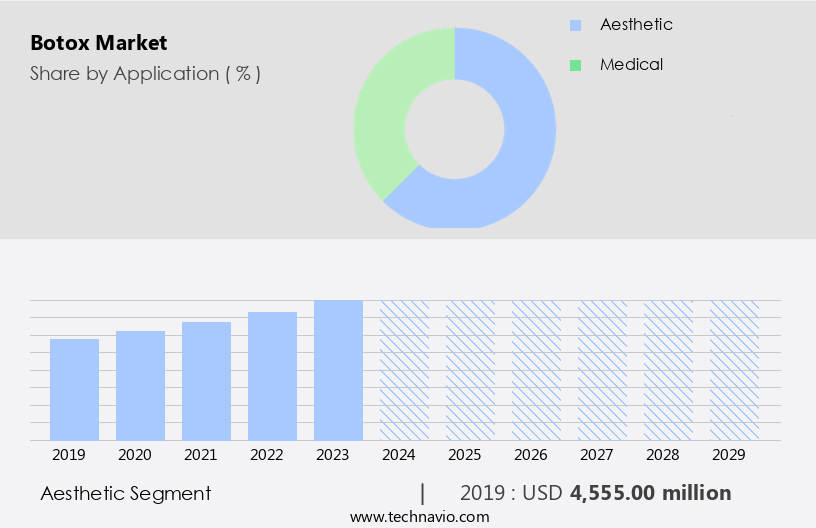
Get a glance at the market report of share of various segments Request Free Sample
The Aesthetic segment was valued at USD 4.56 billion in 2019 and showed a gradual increase during the forecast period.
Regional Analysis
North America is estimated to contribute 50% to the growth of the global market during the forecast period. Technavio's analysts have elaborately explained the regional trends and drivers that shape the market during the forecast period.
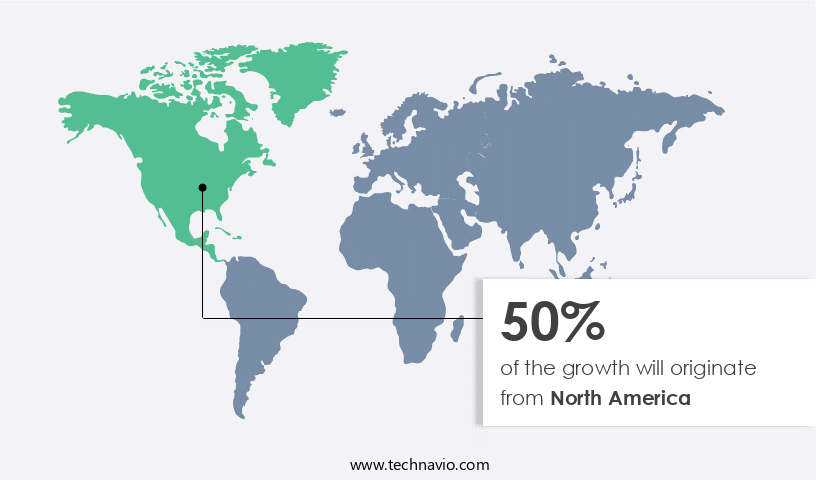
For more insights on the market size of various regions, Request Free Sample
The market is experiencing significant growth, driven by the increasing prevalence of primary neurological illnesses, such as tension-type headaches, cervical dystonia, and chronic migraine, as well as the rising demand for non-invasive treatments for various skin abnormalities and aging signs. Botox, a type of botulinum toxin produced by the bacterium Clostridium botulinum, is widely used for therapeutic applications, including the treatment of muscle spasticity, detrusor hyperactivity, and neurotoxic protein-induced conditions. In the realm of cosmetic applications, botox injections are popular for addressing fine lines and wrinkles, such as those around the eyes (crow's feet) and forehead lines, as well as for enhancing facial aesthetics by relaxing muscles and creating a more relaxed and rejuvenated appearance.
The market is also witnessing the emergence of micro botulinum toxin and other advanced treatments, offering long-lasting results with natural-looking outcomes. The growing popularity of social media influencers and the increasing acceptance of medical aesthetics have further fueled the market's expansion. The market encompasses various end-users, including dermatological and skincare clinics, hospitals, and research institutions, all contributing to its growth.
Market Dynamics
Our researchers analyzed the data with 2024 as the base year, along with the key drivers, trends, and challenges. A holistic analysis of drivers will help companies refine their marketing strategies to gain a competitive advantage.
What are the key market drivers leading to the rise in the adoption of Botox Industry?
- Increasing applications of botox in cosmetic and therapeutic procedures is the key driver of the market. Botox, a well-established medication, was first approved by the Food and Drug Administration (FDA) in 1989 for treating two rare eye muscle disorders, blepharospasm and strabismus, in adults. Currently, it holds approvals for 15 therapeutic indications, including chronic migraine, overactive bladder, incontinence, spasticity, cervical dystonia, severe underarm sweating (axillary hyperhidrosis), neurogenic detrusor overactivity in pediatric patients, prophylaxis of headaches in adult patients with chronic migraine, and treatment of severe axillary hyperhidrosis.
- Additionally, botox's therapeutic uses extend to non-invasive treatments for conditions like hyperhidrosis and detrusor hyperactivity. Dermatological clinics, hospitals, med spas, and skincare clinics offer Botox treatments for cosmetic and therapeutic purposes. Botulinum toxin, the neurotoxic protein in Botox, works by blocking the release of acetylcholine, thereby relaxing muscles and reducing nerve signals. Cosmetic uses of Botox include microbotox, mesotherapy, skin peels, and dermaplaning, providing natural-looking results for individuals seeking to combat the aging process. Other neurotoxins, like Dysport, Xeomin, and Jeuveau, serve similar purposes. Botox's versatility and effectiveness have solidified its position in the medical aesthetics market.
What are the market trends shaping the Botox Industry?
- Growing importance of medical aesthetics is the upcoming market trend. The medical aesthetics market is experiencing significant growth due to the increasing trend of aesthetic clinical treatments worldwide. These procedures, which include non-surgical, minimally invasive options, offer rapid results, with some treatments showing improvements in as little as three days. The global market for these treatments is expanding at an annual rate of 10%-12%, with approximately 10-12 million procedures performed each year.
- Moreover, dermatological clinics, hospitals, med spas, and skincare clinics are the primary end-users of these treatments. The development of new drug formulations and the expansion of cosmetic applications for neurotoxins, such as microbotox and cosmetic use for square jaw, masseter brown lines, and glabellar lines, are driving the growth of the market. The use of botulinum toxin for cosmetic procedures, like skin peels, derma planning, and mesotherapy, is also gaining popularity. The neurotoxic protein, produced by the bacteria Clostridium botulinum, is used to relax muscles and inhibit acetylcholine release, making it an effective solution for a range of medical and cosmetic concerns.
What challenges does the Botox Industry face during its growth?
- High cost of botox procedures is a key challenge affecting the industry growth. The adoption of botox procedures has been on the rise, yet the high cost remains a significant barrier to entry for many individuals, particularly those in developing countries with middle-income and lower-middle-income populations. The expenses associated with these procedures encompass the cost of screening tests, aesthetic products, replacement or recurrence procedures, and consultation fees. For instance, the global average selling price of botox ranges from USD 300 to USD 500.
- Furthermore, the absence of reimbursement policies for these procedures in developed countries, including Germany, France, Japan, and the US, exacerbates the affordability issue. Despite advancements in medical device and pharmaceutical reforms, these nations have yet to establish proper reimbursement packages for botox treatments. Other neurotoxins, such as Dysport, Xeomin, and Jeuveau, are also gaining popularity. The market for botulinum toxin is diverse, with end users including hospitals, clinics, med spas, and dermatological clinics. The use of botulinum toxin for cosmetic applications is increasingly popular among females, with social media influencers promoting natural-looking results. The aging process and various skin abnormalities, such as perioral lines, masseter brown lines, and glabellar lines, are common indications for cosmetic botulinum toxin treatments.
Exclusive Customer Landscape
The botox market forecasting report includes the adoption lifecycle of the market, covering from the innovator's stage to the laggard's stage. It focuses on adoption rates in different regions based on penetration. Furthermore, the botox market report also includes key purchase criteria and drivers of price sensitivity to help companies evaluate and develop their market growth analysis strategies.
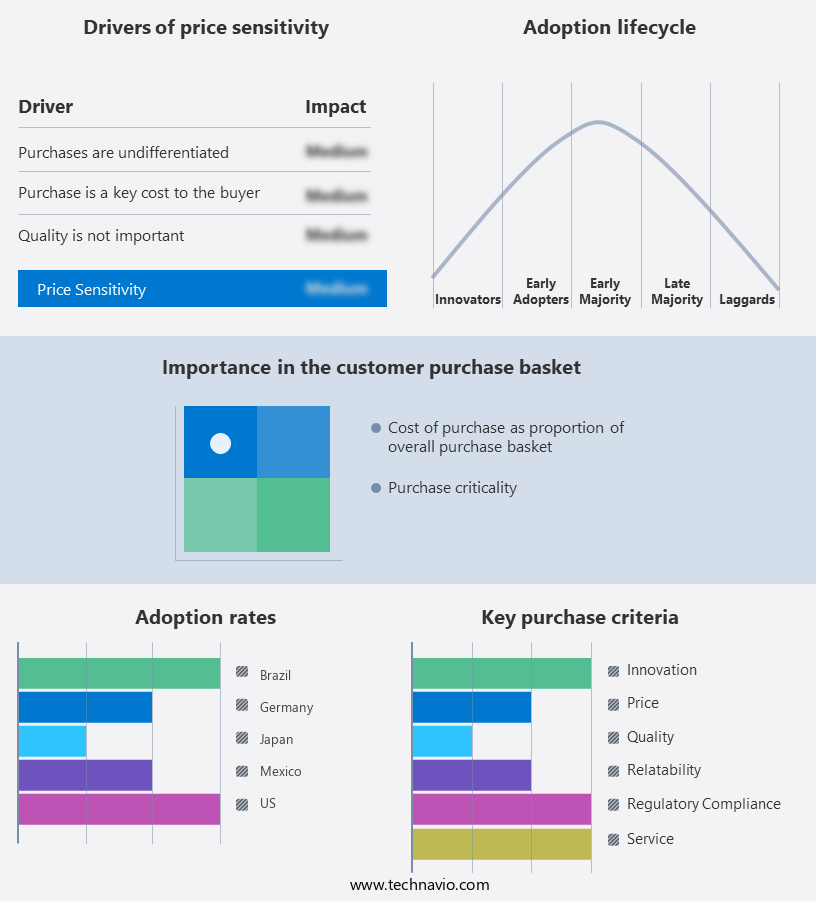
Customer Landscape
Key Companies & Market Insights
Companies are implementing various strategies, such as strategic alliances, botox market forecast, partnerships, mergers and acquisitions, geographical expansion, and product/service launches, to enhance their presence in the industry.
AbbVie Inc. - The company offers botox, such as botox cosmetic onabotulinumtoxin, an injection under the brand Allergan Inc.
The industry research and growth report includes detailed analyses of the competitive landscape of the market and information about key companies, including:
- AbbVie Inc.
- Bausch Health Companies Inc.
- BTXA
- Candela Corp.
- Daewoong Bio Inc.
- Eisai Co. Ltd.
- Evolus Inc.
- FASTOX Pharma
- Galderma SA
- Hugel Inc.
- Huons Global
- Ipsen Pharma
- Medytox
- Merz Pharma GmbH and Co. KGaA
- NEXUS LIFECARE PVT. LTD.
- Object Pharma Inc.
- Revance Therapeutics Inc.
- SciVision Biotech Inc.
Qualitative and quantitative analysis of companies has been conducted to help clients understand the wider business environment as well as the strengths and weaknesses of key industry players. Data is qualitatively analyzed to categorize companies as pure play, category-focused, industry-focused, and diversified; it is quantitatively analyzed to categorize companies as dominant, leading, strong, tentative, and weak.
Research Analyst Overview
The market encompasses a range of applications, with a significant portion dedicated to cosmetic uses. This segment involves the injection of the neurotoxic protein derived from Clostridium botulinum for the treatment of various facial lines and wrinkles. These lines, including preauricular and glabellar lines, are caused by the repeated contraction of facial muscles. Botulinum toxin is also employed in the treatment of primary neurological illnesses, such as tension-type headaches, cervical rigidity, and dystonias. These therapeutic applications aim to alleviate symptoms by inhibiting the release of acetylcholine, a neurotransmitter responsible for muscle contraction. The botulinum toxin market is witnessing substantial growth due to the increasing popularity of non-invasive treatments.
These treatments offer several advantages over cosmetic surgery, including minimal downtime, fewer risks, and more natural-looking results. Additionally, the rise of social media influencers promoting beauty treatments has contributed to the market's expansion. Beyond cosmetic applications, botulinum toxin is also used to address various medical conditions. For instance, it is effective in treating overactive bladder, detrusor hyperactivity, and muscle spasticity. In the realm of neuroaesthetics, botox treatments are used to correct conditions like masseter brown lines, square jaw, and frown lines. The development of micro botulinum toxin and long-lasting formulations has further bolstered the market's growth. These advancements enable more precise treatments and extended efficacy, making botulinum toxin a preferred choice for both cosmetic and therapeutic applications.
Moreover, the market is witnessing a surge in demand from skincare clinics and dermatological centers. This trend can be attributed to the increasing awareness of facial aesthetics and the desire for a more youthful appearance. As the aging process continues to be a concern for many individuals, the demand for botulinum toxin treatments is expected to remain strong. Despite its numerous benefits, the botulinum toxin market faces challenges, including the risk of adverse effects and the need for regular treatments. Additionally, the high cost of botulinum toxin and the presence of counterfeit products pose challenges to market growth.
The market is experiencing steady growth due to its diverse applications in both cosmetic and therapeutic sectors. The increasing popularity of non-invasive treatments, advancements in formulations, and the rise of social media influencers have contributed to the market's expansion. However, challenges such as adverse effects, cost, and counterfeit products remain areas of concern.
|
Market Scope |
|
|
Report Coverage |
Details |
|
Page number |
208 |
|
Base year |
2024 |
|
Historic period |
2019-2023 |
|
Forecast period |
2025-2029 |
|
Growth momentum & CAGR |
Accelerate at a CAGR of 11.2% |
|
Market growth 2025-2029 |
USD 5.97 Billion |
|
Market structure |
Fragmented |
|
YoY growth 2024-2025(%) |
9.8 |
|
Key countries |
US, Mexico, Brazil, Japan, Germany, UK, Canada, China, India, and South Africa |
|
Competitive landscape |
Leading Companies, Market Positioning of Companies, Competitive Strategies, and Industry Risks |
What are the Key Data Covered in this Botox Market Research and Growth Report?
- CAGR of the Botox industry during the forecast period
- Detailed information on factors that will drive the growth and forecasting between 2025 and 2029
- Precise estimation of the size of the market and its contribution of the industry in focus to the parent market
- Accurate predictions about upcoming growth and trends and changes in consumer behaviour
- Growth of the market across North America, Europe, Asia, and Rest of World (ROW)
- Thorough analysis of the market's competitive landscape and detailed information about companies
- Comprehensive analysis of factors that will challenge the botox market growth and forecasting
We can help! Our analysts can customize this botox market research report to meet your requirements.
 RIA -
RIA - 
