

Commercial Kitchen Ventilation Systems Market Analysis, Size, and Forecast 2026-2030: APAC (China, Japan, and India), Europe (Germany, UK, and France), North America (US, Canada, and Mexico), South America (Brazil and Argentina), Middle East and Africa (Saudi Arabia, UAE, and South Africa), and Rest of World (ROW)

Commercial Kitchen Ventilation Systems Market Analysis, Size, and Forecast 2026-2030:
APAC (China, Japan, and India), Europe (Germany, UK, and France), North America (US, Canada, and Mexico), South America (Brazil and Argentina), Middle East and Africa (Saudi Arabia, UAE, and South Africa), and Rest of World (ROW)

Published: Mar 2026 301 Pages SKU: IRTNTR40586

Market Overview at a Glance

$1.17 B
Market Opportunity
7.6%
CAGR 2025 - 2030
36.4%
APAC Growth
$1.53 B
Type I hood segment 2024

Commercial Kitchen Ventilation Systems Market Size 2026-2030

The commercial kitchen ventilation systems market size is valued to increase by USD 1.17 billion, at a CAGR of 7.6% from 2025 to 2030. Stringent regulatory mandates for fire safety and occupational health will drive the commercial kitchen ventilation systems market.

Major Market Trends & Insights

  • APAC dominated the market and accounted for a 36.4% growth during the forecast period.
  • By Type - Type I hood segment was valued at USD 1.53 billion in 2024
  • By Product - Wall-mounted canopy hoods segment accounted for the largest market revenue share in 2024

Market Size & Forecast

  • Market Opportunities: USD 2.21 billion
  • Market Future Opportunities: USD 1.17 billion
  • CAGR from 2025 to 2030 : 7.6%

Market Summary

  • The Commercial Kitchen Ventilation Systems Market is driven by the non-negotiable need for fire safety, regulatory compliance, and occupational health. Stringent codes mandate the use of advanced systems featuring baffle filter technology and integrated fire suppression systems to manage hazardous grease-laden vapor.
  • Growth in the global foodservice sector, including the rise of delivery-only facilities, creates sustained demand for new installations, from a standard makeup air unit to complex HVAC integration. A key trend is the push for energy efficiency through technologies like demand control kitchen ventilation, which leverages variable frequency drives and sensors to optimize the air exchange rate.
  • For example, a restaurant chain upgrading its portfolio can achieve significant operational savings by retrofitting older units with smart hood controls that modulate fan speed based on real-time cooking loads, reducing energy use.
  • However, the high initial cost of systems with uv-c light systems or an electrostatic precipitator remains a barrier for smaller operators, creating a market dynamic where performance, cost, and compliance must be carefully balanced. This tension influences purchasing decisions across all segments, from type i hood to specialized ventless cooking systems.

What will be the Size of the Commercial Kitchen Ventilation Systems Market during the forecast period?

Get Key Insights on Market Forecast (PDF) Request Free Sample

How is the Commercial Kitchen Ventilation Systems Market Segmented?

The commercial kitchen ventilation systems industry research report provides comprehensive data (region-wise segment analysis), with forecasts and estimates in "USD million" for the period 2026-2030, as well as historical data from 2020-2024 for the following segments.

  • Type
    • Type I hood
    • Type II hood
  • Product
    • Wall-mounted canopy hoods
    • Proximity hoods
    • Island canopy hoods
  • End-user
    • Full-service restaurants
    • Quick-service restaurants
    • Institutional
    • Hotels and resorts
    • Others
  • Geography
    • APAC
      • China
      • Japan
      • India
    • Europe
      • Germany
      • UK
      • France
    • North America
      • US
      • Canada
      • Mexico
    • South America
      • Brazil
      • Argentina
    • Middle East and Africa
      • Saudi Arabia
      • UAE
      • South Africa
    • Rest of World (ROW)

By Type Insights

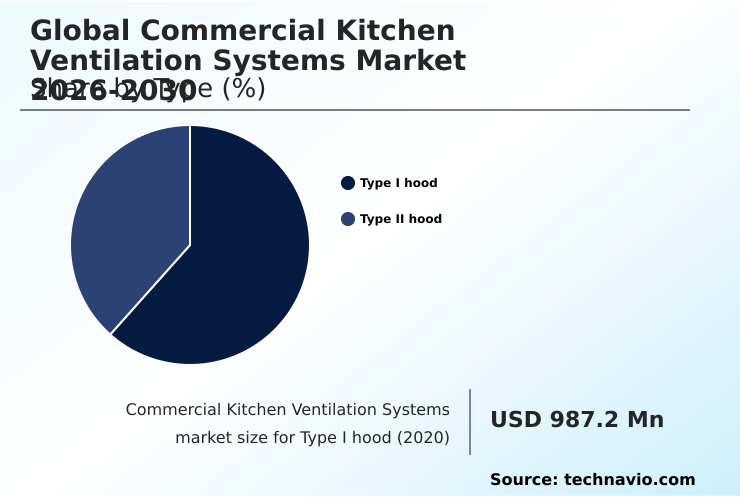
The type i hood segment is estimated to witness significant growth during the forecast period.

The type i hood segment, also known as a grease hood, is foundational to the Commercial Kitchen Ventilation Systems Market.

Its function is the non-negotiable capture and removal of flammable byproducts like grease and smoke, governed by stringent fire safety standards.

These systems, which include proximity hood, island canopy hood, and wall-mounted canopy hood designs, are mandated for appliances producing grease. Advanced models incorporate cyclonic filtration and chemisorbent media for enhanced air purification technology.

Proper sizing of the exhaust fan and supply fan is critical for cross-draft prevention.

Meeting codes for high-rise building ventilation and historic building kitchen compliance requires specialized engineering to manage kitchen ventilation noise reduction and ensure safety, directly impacting multi-unit restaurant operations.
Request Free Sample

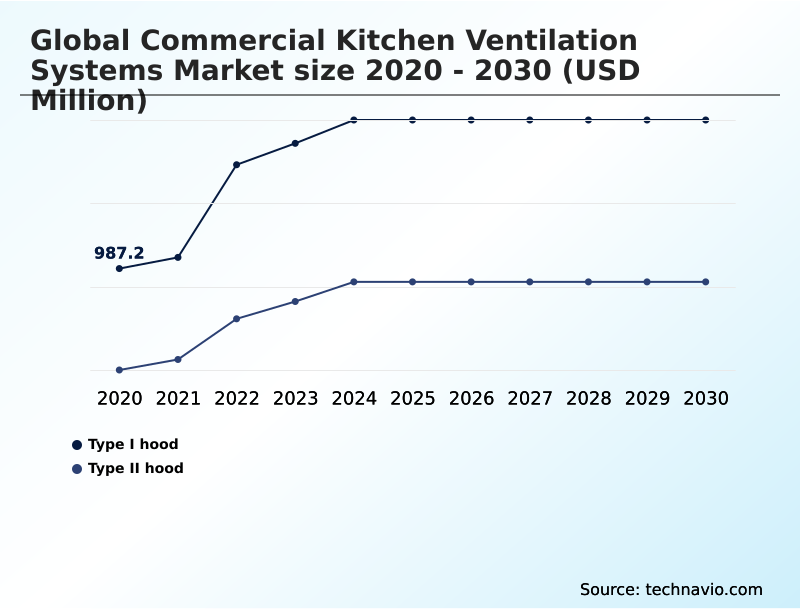
The Type I hood segment was valued at USD 1.53 billion in 2024 and showed a gradual increase during the forecast period.
Request Free Sample

Regional Analysis

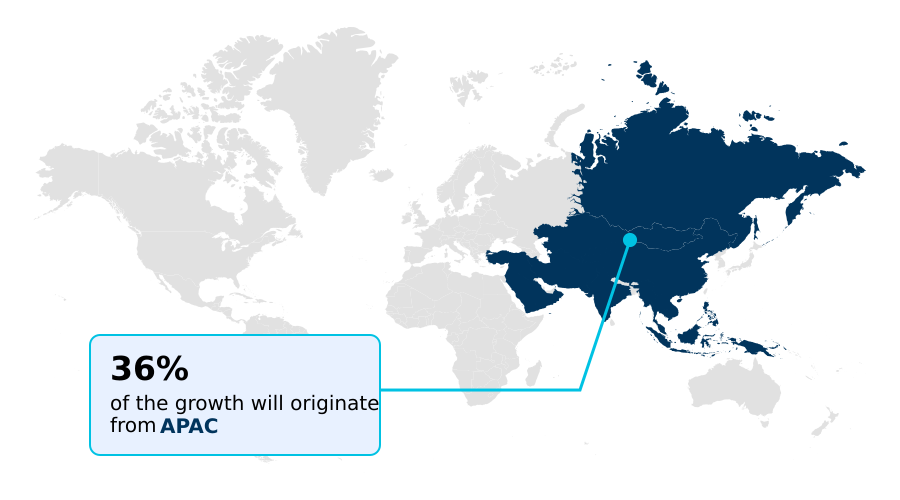
APAC is estimated to contribute 36.4% to the growth of the global market during the forecast period.Technavio’s analysts have elaborately explained the regional trends and drivers that shape the market during the forecast period.
See How Commercial Kitchen Ventilation Systems Market Demand is Rising in APAC Request Free Sample

The geographic landscape is led by the APAC region, projected to account for over 36% of market growth, driven by rapid foodservice expansion.

In North America and Europe, the focus is on energy efficient kitchen ventilation and sustainable kitchen design, with regulations promoting heat reclaim ventilator technology.

Advanced building automation controls collect building management system data to optimize performance, with some systems demonstrating a 25% improvement in energy efficiency.

In these mature markets, specifications often include a type i hood with an integrated pollution control unit for grease and a type ii hood or condensate hood for steam, with some premium installations featuring a self-cleaning hood.

This contrasts with emerging markets where baseline compliance for restaurant hvac design is the primary goal for commercial kitchen emission control.

Market Dynamics

Our researchers analyzed the data with 2025 as the base year, along with the key drivers, trends, and challenges. A holistic analysis of drivers will help companies refine their marketing strategies to gain a competitive advantage.

  • Strategic decisions in the Commercial Kitchen Ventilation Systems Market increasingly hinge on a nuanced understanding of lifecycle costs and specialized applications. When comparing dckv vs traditional ventilation, operators find that while upfront costs are higher, the long-term roi on energy efficient kitchen fans is compelling, especially when considering methods for reducing restaurant hvac energy consumption.
  • The benefits of uv-c in kitchen hoods extend beyond efficiency to include enhanced safety, directly impacting nfpa 96 ductwork cleaning requirements by minimizing grease buildup. For space-constrained urban environments, the cost of ventless ventilation systems is often offset by the ability to operate in locations where traditional ducting is impossible.
  • Ventilation requirements for ghost kitchens are particularly stringent, favoring compact, high-efficiency solutions. In display kitchens, the best ventilation for open kitchen concepts involves balancing proximity hood efficiency vs canopy hood performance with aesthetic demands, often leading to custom island hood design for aesthetic kitchens.
  • Key considerations include selecting filters for high-grease cooking, integrating fire suppression with hoods, and choosing effective odor control solutions for urban restaurants. The challenges of multi-story kitchen exhaust and achieving UL certification for commercial hoods require expert engineering. The decision between wall-mounted vs island canopy hoods depends entirely on kitchen layout.
  • Technologies like smart controls for kitchen ventilation and an automated hood cleaning system benefits are becoming key differentiators, while proper electrostatic precipitator maintenance schedule and calculating makeup air for commercial kitchens remain fundamental for system longevity and compliance.
What are the key market drivers leading to the rise in the adoption of Commercial Kitchen Ventilation Systems Industry?

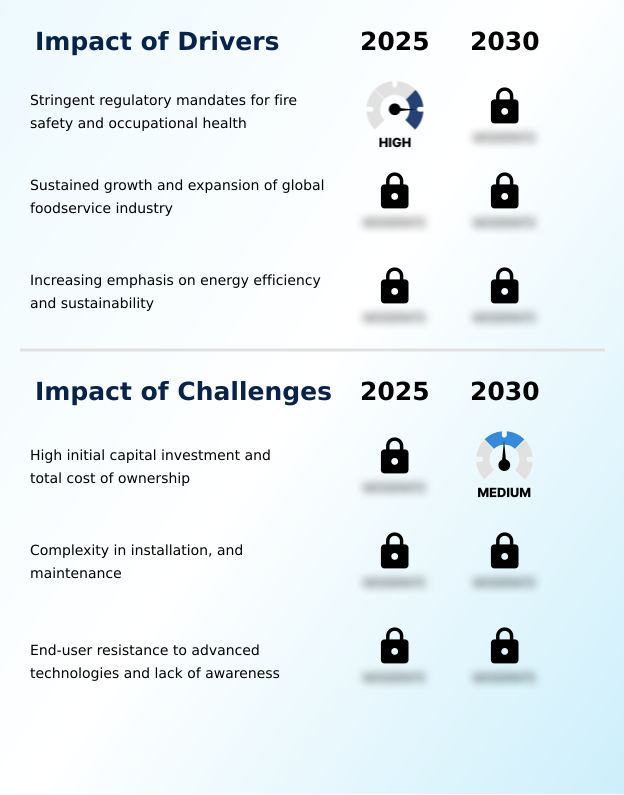
  • Stringent regulatory mandates for fire safety and occupational health serve as a primary, non-negotiable driver for the market, ensuring consistent demand across the global foodservice industry.

  • Stringent regulations are a primary market driver, mandating adherence to standards like NFPA 96 compliance and UL 710 standard for commercial kitchen fire safety.
  • These codes dictate the specifications for systems designed to handle grease-laden vapor, requiring effective baffle filter banks and integrated fire suppression systems.
  • Proper kitchen ventilation code compliance also defines the required air exchange rate and the capacity of the makeup air unit to ensure a safe working environment.
  • For operators, certified kitchen ventilation installation is not optional, with non-compliance leading to operational shutdowns. These rules are especially critical in institutional kitchen standards and hospitality ventilation solutions, where adherence to grease duct cleaning standards is rigorously audited.

What are the market trends shaping the Commercial Kitchen Ventilation Systems Industry?

  • The progressive integration of smart technology and the Internet of Things (IoT) is a defining trend, marking a fundamental shift from standalone systems to intelligent, interconnected ventilation ecosystems.

  • The market is rapidly evolving toward intelligent systems that enhance kitchen indoor air quality. The integration of demand control kitchen ventilation is becoming standard, utilizing variable frequency drives to modulate fan speeds based on data from infrared sensor, optical sensor, and acoustic sensor inputs. This smart kitchen technology integration allows for a 30% reduction in energy waste.
  • Advanced smart hood controls and uv-c light systems offer superior odor abatement solutions and grease mitigation. Moreover, IoT connectivity enables predictive maintenance for hvac systems and air quality monitoring kitchen dashboards, with some solutions featuring automated filter cleaning to improve operational uptime by up to 15%.

What challenges does the Commercial Kitchen Ventilation Systems Industry face during its growth?

  • The high initial capital investment and total cost of ownership represent a key challenge, particularly for small and medium-sized enterprises within the foodservice industry.

  • Navigating high upfront costs and technical complexity remains a key market challenge. While the return on investment dckv is clear, the initial total cost of ownership ventilation can deter operators. Implementing advanced solutions like an electrostatic precipitator or ventless cooking systems with a catalytic converter requires specialized expertise.
  • Poor airflow management can lead to negative air pressure management issues, impacting appliance performance. For older buildings, retrofit ventilation projects that require complex hvac integration are particularly challenging. Furthermore, monitoring ductwork static pressure and fan motor vibration is crucial, especially to meet unique ghost kitchen ventilation requirements where compact, flexible kitchen design is essential and downtime is unacceptable.

Exclusive Technavio Analysis on Customer Landscape

The commercial kitchen ventilation systems market forecasting report includes the adoption lifecycle of the market, covering from the innovator’s stage to the laggard’s stage. It focuses on adoption rates in different regions based on penetration. Furthermore, the commercial kitchen ventilation systems market report also includes key purchase criteria and drivers of price sensitivity to help companies evaluate and develop their market growth analysis strategies.
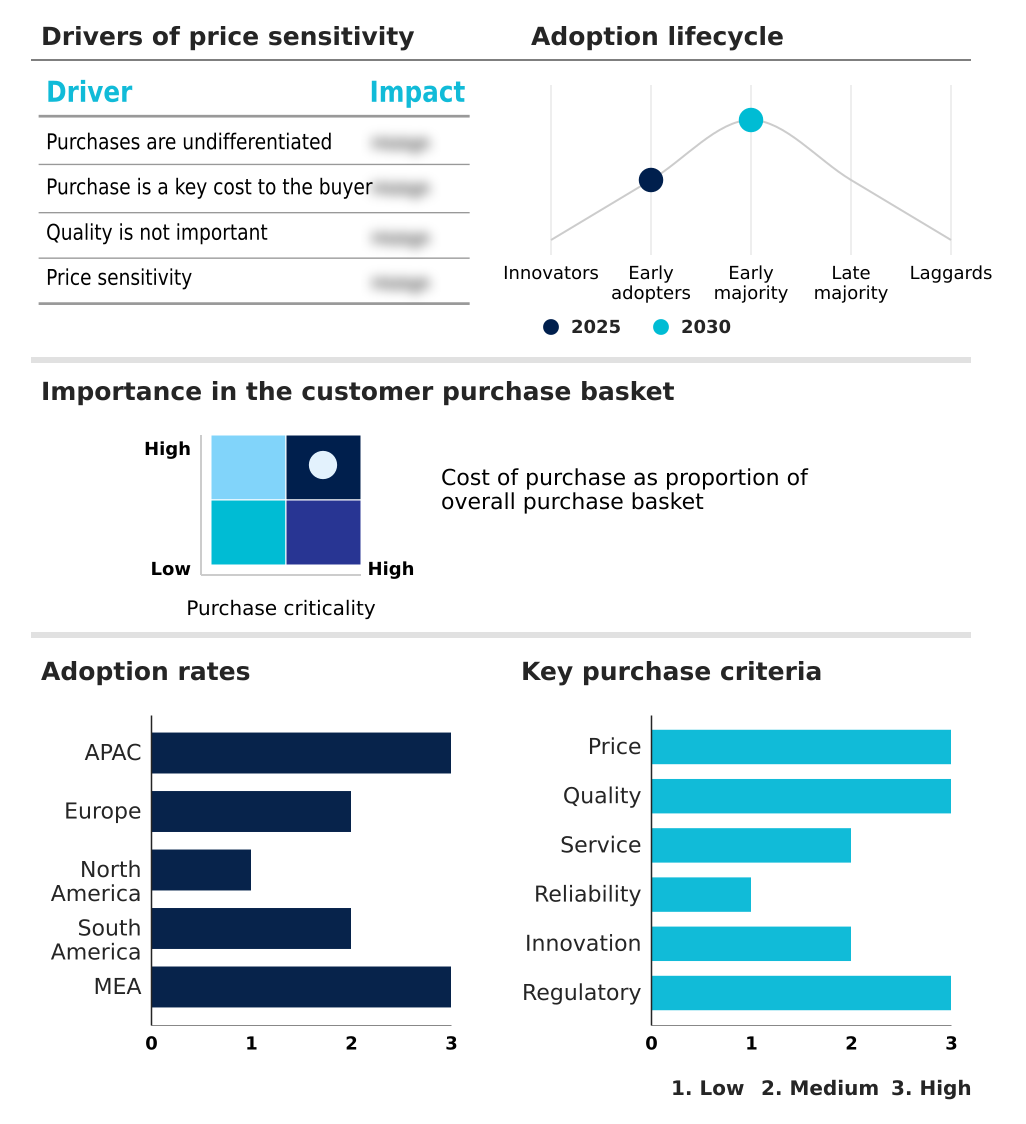
Customer Landscape of Commercial Kitchen Ventilation Systems Industry

Competitive Landscape

Companies are implementing various strategies, such as strategic alliances, commercial kitchen ventilation systems market forecast, partnerships, mergers and acquisitions, geographical expansion, and product/service launches, to enhance their presence in the industry.

Aldes Ventilation Corp. - Key offerings include engineered ventilation solutions, exhaust hoods, fans, fire suppression systems, and integrated demand-control technologies for commercial kitchen environments.

The industry research and growth report includes detailed analyses of the competitive landscape of the market and information about key companies, including:

  • Aldes Ventilation Corp.
  • American Hood Systems, Inc.
  • Caddy Corp.
  • Captive Aire Systems Inc.
  • Carrier Global Corp.
  • Daikin Industries Ltd.
  • Elta Group
  • FlaktGroup Holding GmbH
  • Gaylord
  • Greenheck Fan Corp.
  • Jasun Filtration
  • Johnson Controls International
  • Loren Cook Co.
  • Melink Corp.
  • MK PLASTICS CORP.
  • PennBarry
  • S and P Ventilation Systems
  • Spring Air Systems
  • Systemair AB
  • Trane Technologies plc

Qualitative and quantitative analysis of companies has been conducted to help clients understand the wider business environment as well as the strengths and weaknesses of key industry players. Data is qualitatively analyzed to categorize companies as pure play, category-focused, industry-focused, and diversified; it is quantitatively analyzed to categorize companies as dominant, leading, strong, tentative, and weak.

Recent Development and News in Commercial kitchen ventilation systems market

  • In May 2025, Greenheck Fan Corp. launched its new optics-driven hood controls, employing advanced optical sensors to precisely detect cooking intensity for enhanced demand-controlled ventilation and energy efficiency.
  • In April 2025, CaptiveAire Systems Inc. introduced its Intelli-Hood Pro series, an AI-driven canopy hood system featuring multi-modal sensing, including acoustic detection, to achieve unparalleled accuracy in airflow modulation and energy conservation.
  • In March 2025, Daikin Industries Ltd. announced a strategic investment in Poppy, an air tracing and ventilation optimization technology company, signaling a broader industry push toward superior indoor air quality management in commercial spaces.
  • In January 2025, Accurex unveiled its Aura-Shield line of proximity hoods, which integrate a compact, self-cleaning UV-C system with an automated hot water rinse cycle to minimize manual cleaning and reduce fire risk from grease buildup.

Dive into Technavio’s robust research methodology, blending expert interviews, extensive data synthesis, and validated models for unparalleled Commercial Kitchen Ventilation Systems Market insights. See full methodology.

Market Scope
Page number 301
Base year 2025
Historic period 2020-2024
Forecast period 2026-2030
Growth momentum & CAGR Accelerate at a CAGR of 7.6%
Market growth 2026-2030 USD 1168.7 million
Market structure Fragmented
YoY growth 2025-2026(%) 7.3%
Key countries China, Japan, India, South Korea, Australia, Indonesia, Germany, UK, France, Italy, Spain, The Netherlands, US, Canada, Mexico, Brazil, Argentina, Chile, Saudi Arabia, UAE, South Africa, Turkey and Israel
Competitive landscape Leading Companies, Market Positioning of Companies, Competitive Strategies, and Industry Risks

Request Free Sample

Research Analyst Overview

  • The Commercial Kitchen Ventilation Systems Market is defined by a mandatory adherence to safety standards and an increasing focus on operational efficiency. Boardroom decisions are heavily influenced by NFPA 96 compliance and UL 710 standard, making investments in compliant type i hood and fire suppression systems a core capital expenditure.
  • The integration of a makeup air unit with building-wide hvac integration and building automation controls is now standard for optimizing energy use. Advanced systems utilize demand control kitchen ventilation and variable frequency drives to manage grease-laden vapor, with some achieving a 40% reduction in fan energy consumption.
  • Technologies like uv-c light systems, electrostatic precipitator units, and ventless cooking systems are shifting from niche to mainstream. Innovations in filtration, including advanced baffle filter designs and catalytic converter technology, are critical for performance.
  • The market includes diverse products like the proximity hood, island canopy hood, wall-mounted canopy hood, self-cleaning hood, and condensate hood, all governed by the required air exchange rate. This technological evolution is pivotal for companies aiming to balance compliance with profitability.

What are the Key Data Covered in this Commercial Kitchen Ventilation Systems Market Research and Growth Report?

  • What is the expected growth of the Commercial Kitchen Ventilation Systems Market between 2026 and 2030?

    • USD 1.17 billion, at a CAGR of 7.6%

  • What segmentation does the market report cover?

    • The report is segmented by Type (Type I hood, and Type II hood), Product (Wall-mounted canopy hoods, Proximity hoods, and Island canopy hoods), End-user (Full-service restaurants, Quick-service restaurants, Institutional, Hotels and resorts, and Others) and Geography (APAC, Europe, North America, South America, Middle East and Africa)

  • Which regions are analyzed in the report?

    • APAC, Europe, North America, South America and Middle East and Africa

  • What are the key growth drivers and market challenges?

    • Stringent regulatory mandates for fire safety and occupational health, High initial capital investment and total cost of ownership

  • Who are the major players in the Commercial Kitchen Ventilation Systems Market?

    • Aldes Ventilation Corp., American Hood Systems, Inc., Caddy Corp., Captive Aire Systems Inc., Carrier Global Corp., Daikin Industries Ltd., Elta Group, FlaktGroup Holding GmbH, Gaylord, Greenheck Fan Corp., Jasun Filtration, Johnson Controls International, Loren Cook Co., Melink Corp., MK PLASTICS CORP., PennBarry, S and P Ventilation Systems, Spring Air Systems, Systemair AB and Trane Technologies plc

Market Research Insights

  • The market's dynamics are shaped by a push for operational intelligence and efficiency. Adoption of smart kitchen technology integration is accelerating, with systems demonstrating a 15% reduction in unplanned downtime through predictive maintenance for hvac.
  • The financial case for advanced technology is strengthening; the return on investment dckv can be achieved in under 24 months in high-energy-cost regions, influencing the total cost of ownership ventilation. As operators expand, multi-unit restaurant operations are leveraging centralized building management system data for portfolio-wide food service energy management.
  • This data-driven approach allows for precise air quality monitoring kitchen performance and ensures kitchen ventilation code compliance, which is critical for avoiding costly penalties and operational interruptions across diverse establishments, from new builds to complex retrofit ventilation projects.

We can help! Our analysts can customize this commercial kitchen ventilation systems market research report to meet your requirements.

Get in touch

1. Executive Summary

1.1 Market overview

Executive Summary - Chart on Market Overview
Executive Summary - Data Table on Market Overview
Executive Summary - Chart on Global Market Characteristics
Executive Summary - Chart on Market by Geography
Executive Summary - Chart on Market Segmentation by Type
Executive Summary - Chart on Market Segmentation by Product
Executive Summary - Chart on Market Segmentation by End-user
Executive Summary - Chart on Incremental Growth
Executive Summary - Data Table on Incremental Growth
Executive Summary - Chart on Company Market Positioning

2. Technavio Analysis

2.1 Analysis of price sensitivity, lifecycle, customer purchase basket, adoption rates, and purchase criteria

2.2 Criticality of inputs and Factors of differentiation

Chart on Overview on criticality of inputs and factors of differentiation

2.3 Factors of disruption

Chart on Overview on factors of disruption

2.4 Impact of drivers and challenges

Chart on Impact of drivers and challenges in 2025 and 2030

3. Market Landscape

3.1 Market ecosystem

Chart on Parent Market
Data Table on - Parent Market

3.2 Market characteristics

Chart on Market characteristics analysis

3.3 Value chain analysis

Chart on Value chain analysis

4. Market Sizing

4.1 Market definition

Data Table on Offerings of companies included in the market definition

4.2 Market segment analysis

Market segments

4.3 Market size 2025

4.4 Market outlook: Forecast for 2025-2030

Chart on Global - Market size and forecast 2025-2030 ($ million)
Data Table on Global - Market size and forecast 2025-2030 ($ million)
Chart on Global Market: Year-over-year growth 2025-2030 (%)
Data Table on Global Market: Year-over-year growth 2025-2030 (%)

5. Historic Market Size

5.1 Global Commercial Kitchen Ventilation Systems Market 2020 - 2024

Historic Market Size - Data Table on Global Commercial Kitchen Ventilation Systems Market 2020 - 2024 ($ million)

5.2 Type segment analysis 2020 - 2024

Historic Market Size - Type Segment 2020 - 2024 ($ million)

5.3 Product segment analysis 2020 - 2024

Historic Market Size - Product Segment 2020 - 2024 ($ million)

5.4 End-user segment analysis 2020 - 2024

Historic Market Size - End-user Segment 2020 - 2024 ($ million)

5.5 Geography segment analysis 2020 - 2024

Historic Market Size - Geography Segment 2020 - 2024 ($ million)

5.6 Country segment analysis 2020 - 2024

Historic Market Size - Country Segment 2020 - 2024 ($ million)

6. Qualitative Analysis

6.1 The AI impact on global commercial kitchen ventilation systems market

7. Five Forces Analysis

7.1 Five forces summary

Five forces analysis - Comparison between 2025 and 2030

7.2 Bargaining power of buyers

Bargaining power of buyers - Impact of key factors 2025 and 2030

7.3 Bargaining power of suppliers

Bargaining power of suppliers - Impact of key factors in 2025 and 2030

7.4 Threat of new entrants

Threat of new entrants - Impact of key factors in 2025 and 2030

7.5 Threat of substitutes

Threat of substitutes - Impact of key factors in 2025 and 2030

7.6 Threat of rivalry

Threat of rivalry - Impact of key factors in 2025 and 2030

7.7 Market condition

Chart on Market condition - Five forces 2025 and 2030

8. Market Segmentation by Type

8.1 Market segments

Chart on Type - Market share 2025-2030 (%)
Data Table on Type - Market share 2025-2030 (%)

8.2 Comparison by Type

Chart on Comparison by Type
Data Table on Comparison by Type

8.3 Type I hood - Market size and forecast 2025-2030

Chart on Type I hood - Market size and forecast 2025-2030 ($ million)
Data Table on Type I hood - Market size and forecast 2025-2030 ($ million)
Chart on Type I hood - Year-over-year growth 2025-2030 (%)
Data Table on Type I hood - Year-over-year growth 2025-2030 (%)

8.4 Type II hood - Market size and forecast 2025-2030

Chart on Type II hood - Market size and forecast 2025-2030 ($ million)
Data Table on Type II hood - Market size and forecast 2025-2030 ($ million)
Chart on Type II hood - Year-over-year growth 2025-2030 (%)
Data Table on Type II hood - Year-over-year growth 2025-2030 (%)

8.5 Market opportunity by Type

Market opportunity by Type ($ million)
Data Table on Market opportunity by Type ($ million)

9. Market Segmentation by Product

9.1 Market segments

Chart on Product - Market share 2025-2030 (%)
Data Table on Product - Market share 2025-2030 (%)

9.2 Comparison by Product

Chart on Comparison by Product
Data Table on Comparison by Product

9.3 Wall-mounted canopy hoods - Market size and forecast 2025-2030

Chart on Wall-mounted canopy hoods - Market size and forecast 2025-2030 ($ million)
Data Table on Wall-mounted canopy hoods - Market size and forecast 2025-2030 ($ million)
Chart on Wall-mounted canopy hoods - Year-over-year growth 2025-2030 (%)
Data Table on Wall-mounted canopy hoods - Year-over-year growth 2025-2030 (%)

9.4 Proximity hoods - Market size and forecast 2025-2030

Chart on Proximity hoods - Market size and forecast 2025-2030 ($ million)
Data Table on Proximity hoods - Market size and forecast 2025-2030 ($ million)
Chart on Proximity hoods - Year-over-year growth 2025-2030 (%)
Data Table on Proximity hoods - Year-over-year growth 2025-2030 (%)

9.5 Island canopy hoods - Market size and forecast 2025-2030

Chart on Island canopy hoods - Market size and forecast 2025-2030 ($ million)
Data Table on Island canopy hoods - Market size and forecast 2025-2030 ($ million)
Chart on Island canopy hoods - Year-over-year growth 2025-2030 (%)
Data Table on Island canopy hoods - Year-over-year growth 2025-2030 (%)

9.6 Market opportunity by Product

Market opportunity by Product ($ million)
Data Table on Market opportunity by Product ($ million)

10. Market Segmentation by End-user

10.1 Market segments

Chart on End-user - Market share 2025-2030 (%)
Data Table on End-user - Market share 2025-2030 (%)

10.2 Comparison by End-user

Chart on Comparison by End-user
Data Table on Comparison by End-user

10.3 Full-service restaurants - Market size and forecast 2025-2030

Chart on Full-service restaurants - Market size and forecast 2025-2030 ($ million)
Data Table on Full-service restaurants - Market size and forecast 2025-2030 ($ million)
Chart on Full-service restaurants - Year-over-year growth 2025-2030 (%)
Data Table on Full-service restaurants - Year-over-year growth 2025-2030 (%)

10.4 Quick-service restaurants - Market size and forecast 2025-2030

Chart on Quick-service restaurants - Market size and forecast 2025-2030 ($ million)
Data Table on Quick-service restaurants - Market size and forecast 2025-2030 ($ million)
Chart on Quick-service restaurants - Year-over-year growth 2025-2030 (%)
Data Table on Quick-service restaurants - Year-over-year growth 2025-2030 (%)

10.5 Institutional - Market size and forecast 2025-2030

Chart on Institutional - Market size and forecast 2025-2030 ($ million)
Data Table on Institutional - Market size and forecast 2025-2030 ($ million)
Chart on Institutional - Year-over-year growth 2025-2030 (%)
Data Table on Institutional - Year-over-year growth 2025-2030 (%)

10.6 Hotels and resorts - Market size and forecast 2025-2030

Chart on Hotels and resorts - Market size and forecast 2025-2030 ($ million)
Data Table on Hotels and resorts - Market size and forecast 2025-2030 ($ million)
Chart on Hotels and resorts - Year-over-year growth 2025-2030 (%)
Data Table on Hotels and resorts - Year-over-year growth 2025-2030 (%)

10.7 Others - Market size and forecast 2025-2030

Chart on Others - Market size and forecast 2025-2030 ($ million)
Data Table on Others - Market size and forecast 2025-2030 ($ million)
Chart on Others - Year-over-year growth 2025-2030 (%)
Data Table on Others - Year-over-year growth 2025-2030 (%)

10.8 Market opportunity by End-user

Market opportunity by End-user ($ million)
Data Table on Market opportunity by End-user ($ million)

11. Customer Landscape

11.1 Customer landscape overview

Analysis of price sensitivity, lifecycle, customer purchase basket, adoption rates, and purchase criteria

12. Geographic Landscape

12.1 Geographic segmentation

Chart on Market share by geography 2025-2030 (%)
Data Table on Market share by geography 2025-2030 (%)

12.2 Geographic comparison

Chart on Geographic comparison
Data Table on Geographic comparison

12.3 APAC - Market size and forecast 2025-2030

Chart on APAC - Market size and forecast 2025-2030 ($ million)
Data Table on APAC - Market size and forecast 2025-2030 ($ million)
Chart on APAC - Year-over-year growth 2025-2030 (%)
Data Table on APAC - Year-over-year growth 2025-2030 (%)
Chart on Regional Comparison - APAC
Data Table on Regional Comparison - APAC

12.3.1 China - Market size and forecast 2025-2030

Chart on China - Market size and forecast 2025-2030 ($ million)
Data Table on China - Market size and forecast 2025-2030 ($ million)
Chart on China - Year-over-year growth 2025-2030 (%)
Data Table on China - Year-over-year growth 2025-2030 (%)

12.3.2 Japan - Market size and forecast 2025-2030

Chart on Japan - Market size and forecast 2025-2030 ($ million)
Data Table on Japan - Market size and forecast 2025-2030 ($ million)
Chart on Japan - Year-over-year growth 2025-2030 (%)
Data Table on Japan - Year-over-year growth 2025-2030 (%)

12.3.3 India - Market size and forecast 2025-2030

Chart on India - Market size and forecast 2025-2030 ($ million)
Data Table on India - Market size and forecast 2025-2030 ($ million)
Chart on India - Year-over-year growth 2025-2030 (%)
Data Table on India - Year-over-year growth 2025-2030 (%)

12.3.4 South Korea - Market size and forecast 2025-2030

Chart on South Korea - Market size and forecast 2025-2030 ($ million)
Data Table on South Korea - Market size and forecast 2025-2030 ($ million)
Chart on South Korea - Year-over-year growth 2025-2030 (%)
Data Table on South Korea - Year-over-year growth 2025-2030 (%)

12.3.5 Australia - Market size and forecast 2025-2030

Chart on Australia - Market size and forecast 2025-2030 ($ million)
Data Table on Australia - Market size and forecast 2025-2030 ($ million)
Chart on Australia - Year-over-year growth 2025-2030 (%)
Data Table on Australia - Year-over-year growth 2025-2030 (%)

12.3.6 Indonesia - Market size and forecast 2025-2030

Chart on Indonesia - Market size and forecast 2025-2030 ($ million)
Data Table on Indonesia - Market size and forecast 2025-2030 ($ million)
Chart on Indonesia - Year-over-year growth 2025-2030 (%)
Data Table on Indonesia - Year-over-year growth 2025-2030 (%)

12.4 Europe - Market size and forecast 2025-2030

Chart on Europe - Market size and forecast 2025-2030 ($ million)
Data Table on Europe - Market size and forecast 2025-2030 ($ million)
Chart on Europe - Year-over-year growth 2025-2030 (%)
Data Table on Europe - Year-over-year growth 2025-2030 (%)
Chart on Regional Comparison - Europe
Data Table on Regional Comparison - Europe

12.4.1 Germany - Market size and forecast 2025-2030

Chart on Germany - Market size and forecast 2025-2030 ($ million)
Data Table on Germany - Market size and forecast 2025-2030 ($ million)
Chart on Germany - Year-over-year growth 2025-2030 (%)
Data Table on Germany - Year-over-year growth 2025-2030 (%)

12.4.2 UK - Market size and forecast 2025-2030

Chart on UK - Market size and forecast 2025-2030 ($ million)
Data Table on UK - Market size and forecast 2025-2030 ($ million)
Chart on UK - Year-over-year growth 2025-2030 (%)
Data Table on UK - Year-over-year growth 2025-2030 (%)

12.4.3 France - Market size and forecast 2025-2030

Chart on France - Market size and forecast 2025-2030 ($ million)
Data Table on France - Market size and forecast 2025-2030 ($ million)
Chart on France - Year-over-year growth 2025-2030 (%)
Data Table on France - Year-over-year growth 2025-2030 (%)

12.4.4 Italy - Market size and forecast 2025-2030

Chart on Italy - Market size and forecast 2025-2030 ($ million)
Data Table on Italy - Market size and forecast 2025-2030 ($ million)
Chart on Italy - Year-over-year growth 2025-2030 (%)
Data Table on Italy - Year-over-year growth 2025-2030 (%)

12.4.5 Spain - Market size and forecast 2025-2030

Chart on Spain - Market size and forecast 2025-2030 ($ million)
Data Table on Spain - Market size and forecast 2025-2030 ($ million)
Chart on Spain - Year-over-year growth 2025-2030 (%)
Data Table on Spain - Year-over-year growth 2025-2030 (%)

12.4.6 The Netherlands - Market size and forecast 2025-2030

Chart on The Netherlands - Market size and forecast 2025-2030 ($ million)
Data Table on The Netherlands - Market size and forecast 2025-2030 ($ million)
Chart on The Netherlands - Year-over-year growth 2025-2030 (%)
Data Table on The Netherlands - Year-over-year growth 2025-2030 (%)

12.5 North America - Market size and forecast 2025-2030

Chart on North America - Market size and forecast 2025-2030 ($ million)
Data Table on North America - Market size and forecast 2025-2030 ($ million)
Chart on North America - Year-over-year growth 2025-2030 (%)
Data Table on North America - Year-over-year growth 2025-2030 (%)
Chart on Regional Comparison - North America
Data Table on Regional Comparison - North America

12.5.1 US - Market size and forecast 2025-2030

Chart on US - Market size and forecast 2025-2030 ($ million)
Data Table on US - Market size and forecast 2025-2030 ($ million)
Chart on US - Year-over-year growth 2025-2030 (%)
Data Table on US - Year-over-year growth 2025-2030 (%)

12.5.2 Canada - Market size and forecast 2025-2030

Chart on Canada - Market size and forecast 2025-2030 ($ million)
Data Table on Canada - Market size and forecast 2025-2030 ($ million)
Chart on Canada - Year-over-year growth 2025-2030 (%)
Data Table on Canada - Year-over-year growth 2025-2030 (%)

12.5.3 Mexico - Market size and forecast 2025-2030

Chart on Mexico - Market size and forecast 2025-2030 ($ million)
Data Table on Mexico - Market size and forecast 2025-2030 ($ million)
Chart on Mexico - Year-over-year growth 2025-2030 (%)
Data Table on Mexico - Year-over-year growth 2025-2030 (%)

12.6 South America - Market size and forecast 2025-2030

Chart on South America - Market size and forecast 2025-2030 ($ million)
Data Table on South America - Market size and forecast 2025-2030 ($ million)
Chart on South America - Year-over-year growth 2025-2030 (%)
Data Table on South America - Year-over-year growth 2025-2030 (%)
Chart on Regional Comparison - South America
Data Table on Regional Comparison - South America

12.6.1 Brazil - Market size and forecast 2025-2030

Chart on Brazil - Market size and forecast 2025-2030 ($ million)
Data Table on Brazil - Market size and forecast 2025-2030 ($ million)
Chart on Brazil - Year-over-year growth 2025-2030 (%)
Data Table on Brazil - Year-over-year growth 2025-2030 (%)

12.6.2 Argentina - Market size and forecast 2025-2030

Chart on Argentina - Market size and forecast 2025-2030 ($ million)
Data Table on Argentina - Market size and forecast 2025-2030 ($ million)
Chart on Argentina - Year-over-year growth 2025-2030 (%)
Data Table on Argentina - Year-over-year growth 2025-2030 (%)

12.6.3 Chile - Market size and forecast 2025-2030

Chart on Chile - Market size and forecast 2025-2030 ($ million)
Data Table on Chile - Market size and forecast 2025-2030 ($ million)
Chart on Chile - Year-over-year growth 2025-2030 (%)
Data Table on Chile - Year-over-year growth 2025-2030 (%)

12.7 Middle East and Africa - Market size and forecast 2025-2030

Chart on Middle East and Africa - Market size and forecast 2025-2030 ($ million)
Data Table on Middle East and Africa - Market size and forecast 2025-2030 ($ million)
Chart on Middle East and Africa - Year-over-year growth 2025-2030 (%)
Data Table on Middle East and Africa - Year-over-year growth 2025-2030 (%)
Chart on Regional Comparison - Middle East and Africa
Data Table on Regional Comparison - Middle East and Africa

12.7.1 Saudi Arabia - Market size and forecast 2025-2030

Chart on Saudi Arabia - Market size and forecast 2025-2030 ($ million)
Data Table on Saudi Arabia - Market size and forecast 2025-2030 ($ million)
Chart on Saudi Arabia - Year-over-year growth 2025-2030 (%)
Data Table on Saudi Arabia - Year-over-year growth 2025-2030 (%)

12.7.2 UAE - Market size and forecast 2025-2030

Chart on UAE - Market size and forecast 2025-2030 ($ million)
Data Table on UAE - Market size and forecast 2025-2030 ($ million)
Chart on UAE - Year-over-year growth 2025-2030 (%)
Data Table on UAE - Year-over-year growth 2025-2030 (%)

12.7.3 South Africa - Market size and forecast 2025-2030

Chart on South Africa - Market size and forecast 2025-2030 ($ million)
Data Table on South Africa - Market size and forecast 2025-2030 ($ million)
Chart on South Africa - Year-over-year growth 2025-2030 (%)
Data Table on South Africa - Year-over-year growth 2025-2030 (%)

12.7.4 Turkey - Market size and forecast 2025-2030

Chart on Turkey - Market size and forecast 2025-2030 ($ million)
Data Table on Turkey - Market size and forecast 2025-2030 ($ million)
Chart on Turkey - Year-over-year growth 2025-2030 (%)
Data Table on Turkey - Year-over-year growth 2025-2030 (%)

12.7.5 Israel - Market size and forecast 2025-2030

Chart on Israel - Market size and forecast 2025-2030 ($ million)
Data Table on Israel - Market size and forecast 2025-2030 ($ million)
Chart on Israel - Year-over-year growth 2025-2030 (%)
Data Table on Israel - Year-over-year growth 2025-2030 (%)

12.8 Market opportunity by geography

Market opportunity by geography ($ million)
Data Tables on Market opportunity by geography ($ million)

13. Drivers, Challenges, and Opportunity

13.1 Market drivers

Stringent regulatory mandates for fire safety and occupational health
Sustained growth and expansion of global foodservice industry
Increasing emphasis on energy efficiency and sustainability

13.2 Market challenges

High initial capital investment and total cost of ownership
Complexity in installation, and maintenance
End-user resistance to advanced technologies and lack of awareness

13.3 Impact of drivers and challenges

Impact of drivers and challenges in 2025 and 2030

13.4 Market opportunities

Integration of smart technology and internet of things (IoT)
Increasing adoption of ventless and recirculating ventilation technologies
Advancements in filtration and air purification for emission control

14. Competitive Landscape

14.1 Overview

14.2

Overview on criticality of inputs and factors of differentiation

14.3 Landscape disruption

Overview on factors of disruption

14.4 Industry risks

Impact of key risks on business

15. Competitive Analysis

15.1 Companies profiled

Companies covered

15.2 Company ranking index

15.3 Market positioning of companies

Matrix on companies position and classification

15.4 Aldes Ventilation Corp.

Aldes Ventilation Corp. - Overview
Aldes Ventilation Corp. - Product / Service
Aldes Ventilation Corp. - Key offerings
SWOT

15.5 Caddy Corp.

Caddy Corp. - Overview
Caddy Corp. - Product / Service
Caddy Corp. - Key offerings
SWOT

15.6 Captive Aire Systems Inc.

Captive Aire Systems Inc. - Overview
Captive Aire Systems Inc. - Product / Service
Captive Aire Systems Inc. - Key offerings
SWOT

15.7 Carrier Global Corp.

Carrier Global Corp. - Overview
Carrier Global Corp. - Business segments
Carrier Global Corp. - Key news
Carrier Global Corp. - Key offerings
Carrier Global Corp. - Segment focus
SWOT

15.8 Daikin Industries Ltd.

Daikin Industries Ltd. - Overview
Daikin Industries Ltd. - Business segments
Daikin Industries Ltd. - Key news
Daikin Industries Ltd. - Key offerings
Daikin Industries Ltd. - Segment focus
SWOT

15.9 FlaktGroup Holding GmbH

FlaktGroup Holding GmbH - Overview
FlaktGroup Holding GmbH - Product / Service
FlaktGroup Holding GmbH - Key offerings
SWOT

15.10 Gaylord

Gaylord - Overview
Gaylord - Product / Service
Gaylord - Key offerings
SWOT

15.11 Greenheck Fan Corp.

Greenheck Fan Corp. - Overview
Greenheck Fan Corp. - Product / Service
Greenheck Fan Corp. - Key offerings
SWOT

15.12 Johnson Controls International

Johnson Controls International - Overview
Johnson Controls International - Business segments
Johnson Controls International - Key news
Johnson Controls International - Key offerings
Johnson Controls International - Segment focus
SWOT

15.13 Loren Cook Co.

Loren Cook Co. - Overview
Loren Cook Co. - Product / Service
Loren Cook Co. - Key offerings
SWOT

15.14 Melink Corp.

Melink Corp. - Overview
Melink Corp. - Product / Service
Melink Corp. - Key offerings
SWOT

15.15 S and P Ventilation Systems

S and P Ventilation Systems - Overview
S and P Ventilation Systems - Product / Service
S and P Ventilation Systems - Key offerings
SWOT

15.16 Spring Air Systems

Spring Air Systems - Overview
Spring Air Systems - Product / Service
Spring Air Systems - Key offerings
SWOT

15.17 Systemair AB

Systemair AB - Overview
Systemair AB - Business segments
Systemair AB - Key offerings
Systemair AB - Segment focus
SWOT

15.18 Trane Technologies plc

Trane Technologies plc - Overview
Trane Technologies plc - Business segments
Trane Technologies plc - Key news
Trane Technologies plc - Key offerings
Trane Technologies plc - Segment focus
SWOT

16. Appendix

16.1 Scope of the report

Market definition
Objectives
Notes and caveats

16.2 Inclusions and exclusions checklist

Inclusions checklist
Exclusions checklist

16.3 Currency conversion rates for US$

16.4 Research methodology

16.5 Data procurement

Information sources

16.6 Data validation

16.7 Validation techniques employed for market sizing

16.8 Data synthesis

16.9 360 degree market analysis

16.10 List of abbreviations

Research Methodology

Technavio presents a detailed picture of the market by way of study, synthesis, and summation of data from multiple sources. The analysts have presented the various facets of the market with a particular focus on identifying the key industry influencers. The data thus presented is comprehensive, reliable, and the result of extensive research, both primary and secondary.

INFORMATION SOURCES

Primary sources

  • Manufacturers and suppliers
  • Channel partners
  • Industry experts
  • Strategic decision makers

Secondary sources

  • Industry journals and periodicals
  • Government data
  • Financial reports of key industry players
  • Historical data
  • Press releases

DATA ANALYSIS

Data Synthesis

  • Collation of data
  • Estimation of key figures
  • Analysis of derived insights

Data Validation

  • Triangulation with data models
  • Reference against proprietary databases
  • Corroboration with industry experts

REPORT WRITING

Qualitative

  • Market drivers
  • Market challenges
  • Market trends
  • Five forces analysis

Quantitative

  • Market size and forecast
  • Market segmentation
  • Geographical insights
  • Competitive landscape

Interested in this report?

Get your sample now to see our research methodology and insights!

Download Now

Frequently Asked Questions

Commercial Kitchen Ventilation Systems market growth will increase by USD 1168.7 million during 2026-2030.

The Commercial Kitchen Ventilation Systems market is expected to grow at a CAGR of 7.6% during 2026-2030.

Commercial Kitchen Ventilation Systems market is segmented by Type (Type I hood, Type II hood) Product (Wall-mounted canopy hoods, Proximity hoods, Island canopy hoods) End-user (Full-service restaurants, Quick-service restaurants, Institutional, Hotels and resorts, Others)

Aldes Ventilation Corp., American Hood Systems, Inc., Caddy Corp., Captive Aire Systems Inc., Carrier Global Corp., Daikin Industries Ltd., Elta Group, FlaktGroup Holding GmbH, Gaylord, Greenheck Fan Corp., Jasun Filtration, Johnson Controls International, Loren Cook Co., Melink Corp., MK PLASTICS CORP., PennBarry, S and P Ventilation Systems, Spring Air Systems, Systemair AB, Trane Technologies plc are a few of the key vendors in the Commercial Kitchen Ventilation Systems market.

APAC will register the highest growth rate of 36.4% among the other regions. Therefore, the Commercial Kitchen Ventilation Systems market in APAC is expected to garner significant business opportunities for the vendors during the forecast period.

China, Japan, India, South Korea, Australia, Indonesia, Germany, UK, France, Italy, Spain, The Netherlands, US, Canada, Mexico, Brazil, Argentina, Chile, Saudi Arabia, UAE, South Africa, Turkey, Israel

  • Stringent regulatory mandates for fire safety and occupational health is the driving factor this market.

The Commercial Kitchen Ventilation Systems market vendors should focus on grabbing business opportunities from the Type segment as it accounted for the largest market share in the base year.
