
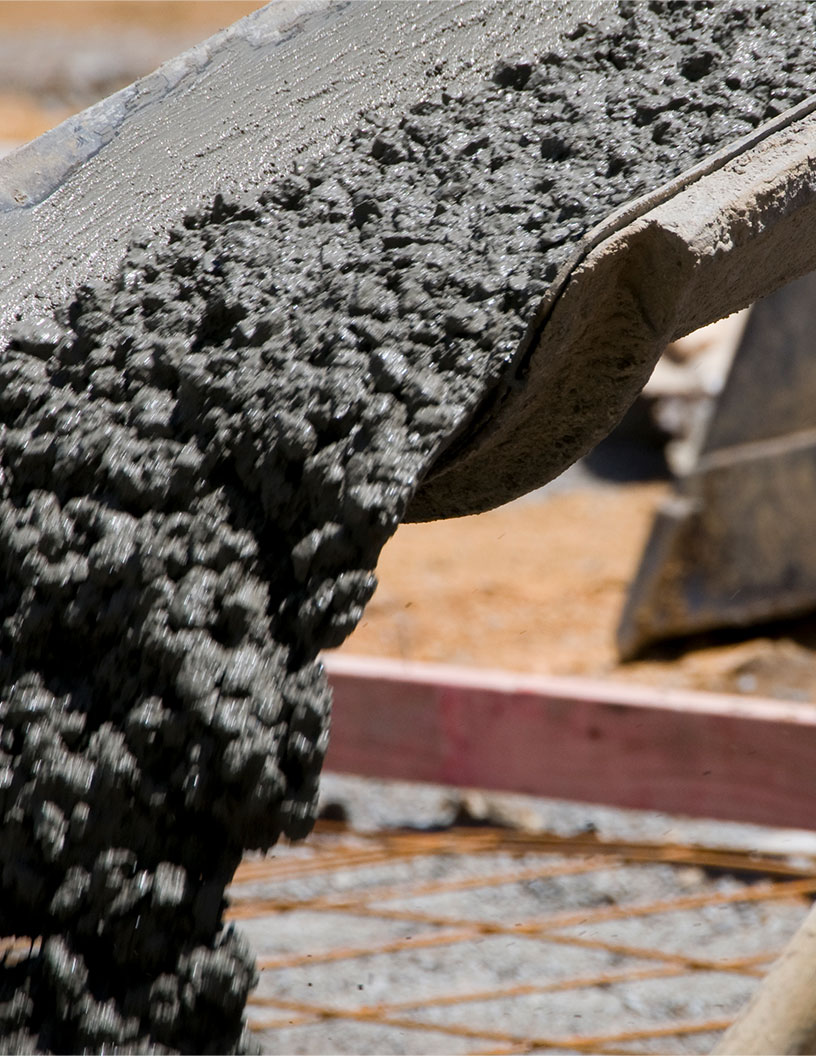


Concrete Admixtures Market Size 2024-2028
The concrete admixtures market size is forecast to increase by USD 3.77 billion, at a CAGR of 4.46% between 2023 and 2028.
- The market is experiencing significant growth due to the surge in global construction and infrastructure development activities. This trend is driven by the increasing disposable income of people worldwide, leading to an increase in demand for residential and commercial buildings. However, the market faces challenges from fluctuations in raw material prices, which can impact the profitability of concrete admixture manufacturers. These price volatilities can be attributed to the dependence on natural resources such as limestone, fly ash, and silica fume, which are essential in the production of concrete admixtures. To capitalize on market opportunities, companies must focus on innovation and cost optimization strategies to mitigate the impact of raw material price fluctuations.
- Additionally, there is a growing demand for eco-friendly and sustainable concrete admixtures, providing an opportunity for companies to differentiate themselves and cater to the evolving consumer preferences. Overall, the market presents a dynamic and promising landscape for businesses, requiring strategic planning and agility to navigate challenges and capitalize on opportunities.
What will be the Size of the Concrete Admixtures Market during the forecast period?
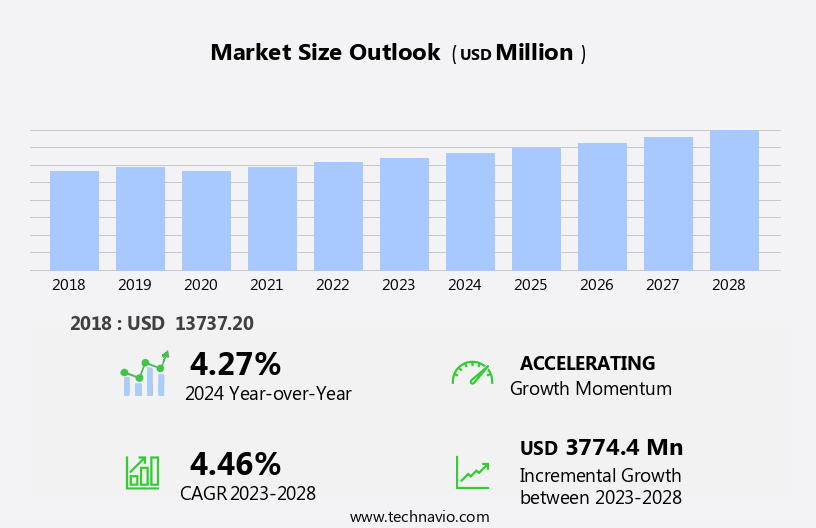
Explore in-depth regional segment analysis with market size data - historical 2018-2022 and forecasts 2024-2028 - in the full report.
Request Free Sample
The market continues to evolve, driven by the ever-changing dynamics of construction industry requirements and advancements in cement chemistry. Mineral admixtures, such as fly ash and silica fume, play a significant role in enhancing concrete's properties, including durability and strength. Durability testing is crucial to ensure long-term performance, with tests like compressive strength and flexural strength assessing concrete's ability to withstand various stresses. Transportation logistics and batching plants optimize the delivery and mixing of concrete, reducing waste and ensuring consistency. High-strength concrete (HSC) and fiber-reinforced concrete (FRC) are increasingly used in infrastructure projects, necessitating the development of set retarders and early strength development admixtures.
Embodied carbon and environmental impact are growing concerns, leading to the adoption of green concrete and the use of recycled materials. ACI and ASTM standards guide the industry, ensuring adherence to quality and safety regulations. Chloride resistance and sulfate resistance admixtures address corrosion risks, while strength enhancers and segregation reduction agents improve concrete's overall performance. Building codes and industry standards continue to evolve, driving the need for continuous innovation in concrete admixtures. Adhesion promoters, rheology modifiers, and curing properties enhancers are among the latest developments. The market's ongoing evolution reflects the industry's commitment to delivering high-performance, sustainable, and cost-effective concrete solutions.
How is this Concrete Admixtures Industry segmented?
The concrete admixtures industry research report provides comprehensive data (region-wise segment analysis), with forecasts and estimates in "USD million" for the period 2024-2028, as well as historical data from 2018-2022 for the following segments.
- End-user
- Clubs
- Coaches
- Leagues
- Sports association
- Others
- Geography
- North America
- US
- Europe
- Russia
- APAC
- China
- India
- South America
- Brazil
- Rest of World (ROW)
- North America
By End-user Insights
The clubs segment is estimated to witness significant growth during the forecast period.
The market is experiencing significant growth due to the increasing construction activities, particularly in the residential sector. With the world's population projected to reach 8.5 billion by 2030, according to The World Bank, the demand for new housing units, especially in urban areas of Asia Pacific (APAC) and North America, is expected to surge. Concrete admixtures play a crucial role in enhancing the properties of concrete, such as durability, strength, and workability, making them an essential component in various residential applications, including flooring and walls. New housing projects are underway worldwide, and APAC and Middle East Africa (MEA) are expected to witness the highest construction activities.
Mineral admixtures, such as fly ash and silica fume, are commonly used to improve concrete's strength and durability. ACI and ASTM standards ensure the quality and consistency of these admixtures. Set retarders and water reducers help reduce water usage and improve concrete's slump retention, thereby reducing transportation logistics costs and improving sustainability. High-strength concrete (HSC) and fiber-reinforced concrete (FRC) are popular choices for high-rise buildings and infrastructure projects, requiring long-term strength development. Environmental concerns are driving the demand for green concrete and the reduction of embodied carbon. ISO standards and lifecycle assessments guide the production and use of eco-friendly concrete admixtures.
Self-consolidating concrete (SCC) and other advanced concrete technologies are gaining popularity due to their placement properties and reduced need for segregation reduction admixtures. Concrete testing is essential to ensure compliance with building codes and regulations, including early strength development, sulfate resistance, and shrinkage reduction. Cement chemistry plays a significant role in the performance of concrete admixtures. Portland cement is the primary raw material, and set accelerators and air-entraining agents are used to optimize the curing properties. Corrosion inhibitors and durability enhancers are added to improve concrete's resistance to chloride and other aggressive environments. Ready-mix concrete and precast concrete are common construction methods that rely on concrete admixtures for optimal performance.
In conclusion, the market is experiencing significant growth due to the increasing demand for new housing units and infrastructure projects. Mineral admixtures, durability testing, and environmental concerns are key trends driving the market. Concrete testing and quality control are essential to ensure compliance with building codes and regulations. The market is expected to remain dynamic, with ongoing research and development in cement chemistry, advanced concrete technologies, and sustainable production methods.
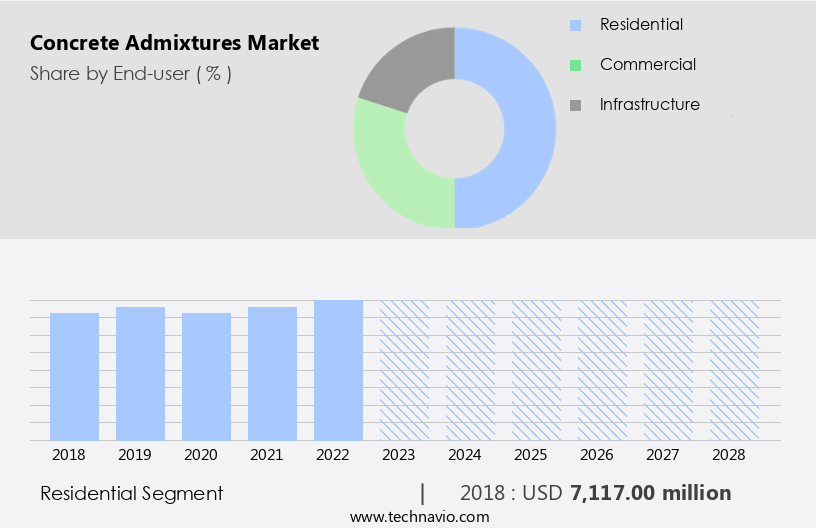
The Clubs segment was valued at USD 7.12 billion in 2018 and showed a gradual increase during the forecast period.
Regional Analysis
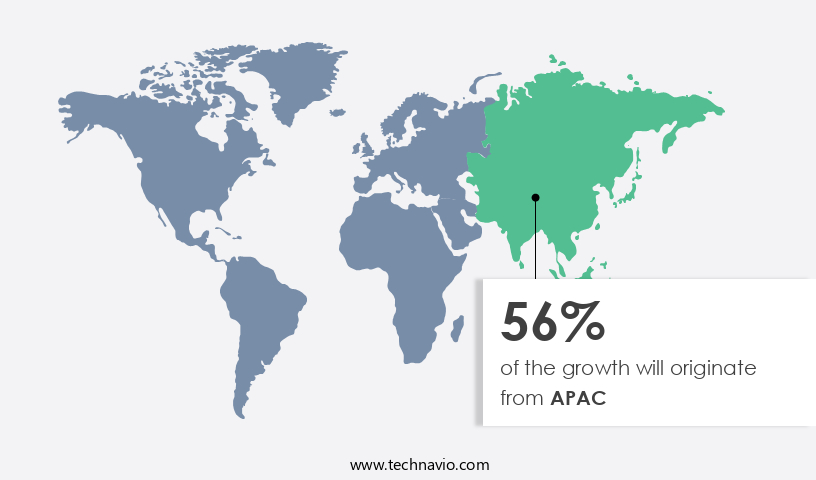
APAC is estimated to contribute 56% to the growth of the global market during the forecast period. Technavio's analysts have elaborately explained the regional trends and drivers that shape the market during the forecast period.
The market is experiencing significant growth, particularly in the Asia Pacific region, due to the increasing number of construction projects. Countries such as India, Vietnam, Indonesia, and Thailand are expected to lead this growth, with their infrastructure and construction sectors allocating substantial budgets. For instance, India's infrastructure budget for 2024 was USD 11.11 trillion (Rs. 133.9 billion), a large portion of which was dedicated to infrastructure development. Mineral admixtures, such as silica fume and fly ash, are essential components of high-performance concrete and fiber-reinforced concrete (FRC), contributing to their durability and long-term strength development. ACI and ASTM standards ensure the quality and consistency of these admixtures, while set retarders and accelerators regulate the concrete setting process.
Environmental concerns are increasingly influencing market trends, with a focus on reducing embodied carbon and promoting green concrete. The use of recycled materials and the optimization of transportation logistics are essential strategies for reducing waste and minimizing the environmental impact of concrete production and delivery. Ready-mix concrete and precast concrete are popular applications for concrete admixtures, with self-consolidating concrete (SCC) and high-strength concrete (HSC) gaining popularity due to their superior placement properties and compressive strength. Durability enhancers, such as chloride resistance and freeze-thaw resistance, are crucial for ensuring the long-term performance of concrete structures. Quality control and supply chain management are essential aspects of the market, with the use of ISO standards and concrete testing playing a vital role in maintaining consistency and ensuring compliance with building codes.
Workability enhancers, such as water reducers and rheology modifiers, improve the concrete's pumping properties and reduce segregation. In conclusion, the market is driven by the growing construction industry in the Asia Pacific region, with a focus on sustainability, durability, and efficiency. Mineral admixtures, environmental considerations, and quality control are key trends shaping the market's growth.
Market Dynamics
Our researchers analyzed the data with 2023 as the base year, along with the key drivers, trends, and challenges. A holistic analysis of drivers will help companies refine their marketing strategies to gain a competitive advantage.
What are the key market drivers leading to the rise in the adoption of Concrete Admixtures Industry?
- The escalating trend in global construction and infrastructure development serves as the primary catalyst for market growth.
- The market is experiencing significant growth due to the increasing construction activities in both developed and developing countries. The US economy's recovery has led to a surge in demand for new residential and commercial projects, as evidenced by the US Census Bureau's report of USD2,102 billion spent on construction in January 2024. This trend is further fueled by the US government's investment in infrastructure development, driven by urbanization. Concrete admixtures, including set accelerators, air-entraining agents, workability enhancers, and curing properties, play a crucial role in enhancing the quality of concrete. Raw materials sourcing and supply chain management are essential factors that influence the market's growth.
- Portland cement is the primary raw material used in the production of concrete admixtures. Fly ash, a byproduct of coal-fired power plants, is increasingly being used as a raw material due to its environmental benefits and improved freeze-thaw resistance. Green concrete, a sustainable alternative, is gaining popularity due to its reduced carbon footprint. Concrete pumping is another application where concrete admixtures are extensively used to ensure proper placement properties and maintain the desired workability. Chemical admixtures offer several advantages, such as improved strength, durability, and cost savings, making them an essential component of modern concrete production.
- Quality control is a critical aspect of the market, ensuring that the final product meets the required specifications and standards.
What are the market trends shaping the Concrete Admixtures Industry?
- Global disposable income is on the rise, representing a significant market trend for businesses. This increasing financial capacity of individuals presents a valuable opportunity for companies to expand their customer base.
- The global construction industry is experiencing growth due to economic developments and urbanization in countries like India, Vietnam, Malaysia, China, and Qatar. These economic advancements have increased disposable income and purchasing power among consumers, leading to increased spending on infrastructure. This trend positively impacts the market, as these materials play a crucial role in concrete mixing and enhancing its properties. Concrete admixtures, including mineral admixtures, set retarders, strength enhancers, segregation reducers, chloride resistance agents, and fiber-reinforced concrete, contribute significantly to waste reduction, transportation logistics, and long-term strength development in concrete. Adherence to industry standards, such as ACI and ASTM, ensures the quality and durability of concrete structures.
- Moreover, the focus on reducing embodied carbon in construction materials has led to an increased demand for high-strength concrete (HSC) and other advanced concrete technologies. The market is expected to continue growing as these trends persist, providing opportunities for innovation and growth.
What challenges does the Concrete Admixtures Industry face during its growth?
- The volatility in raw material prices poses a significant challenge to the industry's growth trajectory.
- Concrete admixtures are essential additives used in the production of concrete to enhance its properties. The market consists of two primary categories: chemical and mineral admixtures. Chemical admixtures, which include plasticizers and viscosity modifiers, are derived mainly from petroleum-based raw materials. As a result, the volatility in global crude oil prices significantly influences the market. According to the US Energy Information Administration (US EIA), crude oil prices have experienced fluctuations since 2014, posing a challenge to the global concrete admixtures industry. Mineral admixtures, such as silica fume and fly ash, are sourced from industrial by-products.
- These admixtures contribute to the concrete's compressive strength, cracking resistance, and durability. In ready-mix concrete and precast concrete applications, admixtures like adhesion promoters, lifecycle assessment, rheology modifiers, and flexural strength test enhancers are commonly used. ISO standards ensure the quality and consistency of concrete admixtures, ensuring they meet the building codes and specifications. Silica fume, a mineral admixture, is known for its high compressive strength and cracking resistance, making it a popular choice for high-performance concrete applications. In summary, the market is influenced by the availability and pricing of raw materials, primarily crude oil, and the demand for high-performance concrete in various construction applications.
- Adherence to ISO standards and the use of advanced admixtures, such as silica fume and rheology modifiers, contribute to the industry's growth and innovation.
Exclusive Customer Landscape
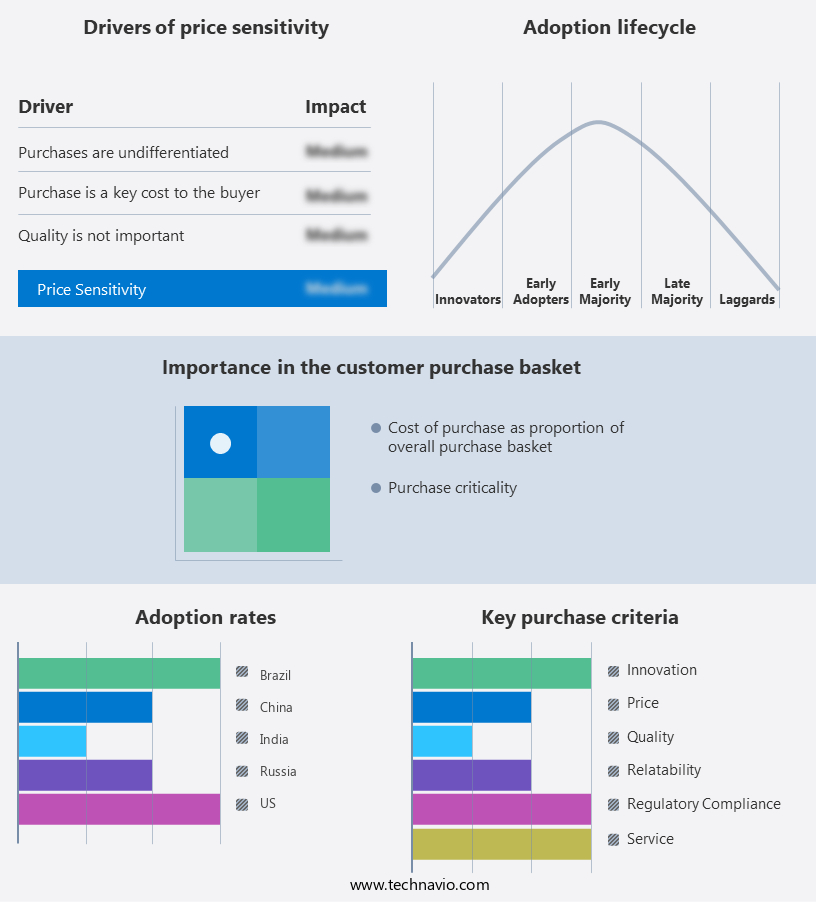
The concrete admixtures market forecasting report includes the adoption lifecycle of the market, covering from the innovator's stage to the laggard's stage. It focuses on adoption rates in different regions based on penetration. Furthermore, the concrete admixtures market report also includes key purchase criteria and drivers of price sensitivity to help companies evaluate and develop their market growth analysis strategies.
Customer Landscape
Key Companies & Market Insights
Companies are implementing various strategies, such as strategic alliances, concrete admixtures market forecast, partnerships, mergers and acquisitions, geographical expansion, and product/service launches, to enhance their presence in the industry.
Arkema Group - This company specializes in the development and distribution of innovative sports products, catering to diverse consumer needs and preferences.
The industry research and growth report includes detailed analyses of the competitive landscape of the market and information about key companies, including:
- Arkema Group
- Armstrong Chemicals Pvt. Ltd.
- BASF SE
- CEMEX SAB de CV
- CICO Group
- Compagnie de Saint Gobain
- Dow Chemical Co.
- GCP Applied Technologies Inc.
- Henan Kingsun Chemical Co. Ltd.
- JMH International Ltd.
- Kao Corp.
- Mapei SpA
- MC-Bauchemie Muller GmbH and Co. KG
- PCC SE
- Pidilite Industries Ltd
- Premier Magnesia LLC
- RPM International Inc.
- Sika AG
- Silica Systems Inc.
- Yara International ASA
Qualitative and quantitative analysis of companies has been conducted to help clients understand the wider business environment as well as the strengths and weaknesses of key industry players. Data is qualitatively analyzed to categorize companies as pure play, category-focused, industry-focused, and diversified; it is quantitatively analyzed to categorize companies as dominant, leading, strong, tentative, and weak.
Recent Development and News in Concrete Admixtures Market
- In January 2024, BASF Corporation, a leading chemical producer, announced the launch of MasterEase S-Series, a new range of high-performance concrete admixtures designed to improve workability and reduce water consumption in concrete production. This innovation was showcased at the World of Concrete event in Las Vegas (BASF press release, 2024).
- In March 2024, Sika AG, a global specialty chemicals company, entered into a strategic partnership with Cemex, a leading cement manufacturer, to expand their collaboration in the production and distribution of concrete admixtures. The partnership aimed to enhance Sika's market presence and strengthen Cemex's product offerings (Cemex press release, 2024).
- In May 2024, Master Builders Solutions, a business unit of BASF, acquired the concrete admixtures business of Elementia S.A.B. De C.V., a leading Mexican construction materials company. The acquisition enabled Master Builders Solutions to expand its footprint in Latin America and strengthen its position as a global market leader (BASF press release, 2024).
- In April 2025, the European Union's European Chemicals Agency (ECHA) approved the use of a new corrosion inhibitor, manufactured by W.R. Grace & Co., for use in concrete admixtures. This approval marked a significant regulatory milestone, enabling the production and distribution of concrete admixtures with enhanced durability and resistance to corrosion (ECHA press release, 2025).
Research Analyst Overview
- The market encompasses a diverse range of specialty chemicals used to enhance the properties of concrete in various applications. In the realm of construction, admixtures play a pivotal role in residential and commercial buildings, as well as industrial structures. Performance evaluation and quality assurance are paramount in ensuring optimal concrete durability and cost-effective construction. Admixture dosage and mixing procedures are critical factors influencing construction costs. Sustainable construction trends have fueled the demand for eco-friendly admixtures, contributing to the market's growth. Digital transformation in construction has led to the adoption of digital twins, AI, and ML for predictive modeling and remote monitoring, revolutionizing the industry.
- Material compatibility and interaction effects are essential aspects of admixture selection, with structural engineering and civil engineering applications requiring stringent technical specifications. Regulatory compliance, product certifications, and waste management are integral to the circular economy and resource optimization in the concrete industry. Smart construction, 3D printing, and additive manufacturing are emerging trends, necessitating advancements in admixture technology. Field testing, durability modeling, and big data analysis are essential for ensuring end-use applications meet the highest standards. Health and safety, construction management, and regulatory requirements continue to shape the market landscape. In conclusion, the market is driven by a multitude of factors, including application methods, construction costs, performance evaluation, and sustainability.
- Technological advancements, regulatory compliance, and the circular economy are shaping the future of the industry.
Dive into Technavio's robust research methodology, blending expert interviews, extensive data synthesis, and validated models for unparalleled Concrete Admixtures Market insights. See full methodology.
|
Market Scope |
|
|
Report Coverage |
Details |
|
Page number |
150 |
|
Base year |
2023 |
|
Historic period |
2018-2022 |
|
Forecast period |
2024-2028 |
|
Growth momentum & CAGR |
Accelerate at a CAGR of 4.46% |
|
Market growth 2024-2028 |
USD 3774.4 million |
|
Market structure |
Fragmented |
|
YoY growth 2023-2024(%) |
4.27 |
|
Key countries |
China, US, India, Russia, and Brazil |
|
Competitive landscape |
Leading Companies, Market Positioning of Companies, Competitive Strategies, and Industry Risks |
What are the Key Data Covered in this Concrete Admixtures Market Research and Growth Report?
- CAGR of the Concrete Admixtures industry during the forecast period
- Detailed information on factors that will drive the growth and forecasting between 2024 and 2028
- Precise estimation of the size of the market and its contribution of the industry in focus to the parent market
- Accurate predictions about upcoming growth and trends and changes in consumer behaviour
- Growth of the market across APAC, Europe, North America, Middle East and Africa, and South America
- Thorough analysis of the market's competitive landscape and detailed information about companies
- Comprehensive analysis of factors that will challenge the concrete admixtures market growth of industry companies
We can help! Our analysts can customize this concrete admixtures market research report to meet your requirements.
 RIA -
RIA - 
