


US Confectionery Market Size 2025-2029
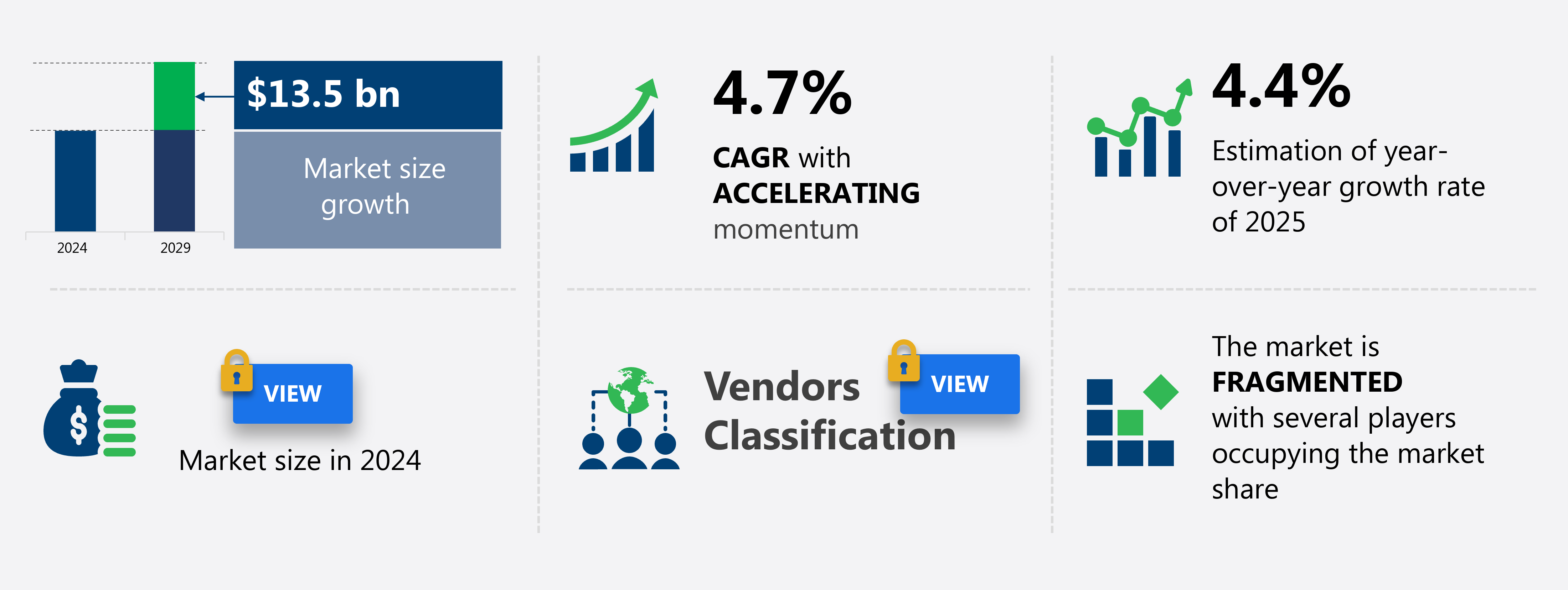
The US confectionery market size is valued to increase by USD 13.5 billion, at a CAGR of 4.7% from 2024 to 2029. Seasonal demand for confectioneries will drive the US confectionery market.
Major Market Trends & Insights
- By Distribution Channel - Offline segment was valued at USD 34.30 billion in 2022
- By Product - Chocolate segment accounted for the largest market revenue share in 2022
- CAGR from 2024 to 2029 : 4.7%
Market Summary
- The Confectionery Market in the US is witnessing significant growth, driven by the increasing preference for sweet treats and the rising demand for functional confectionery products. According to recent studies, the market for confectionery in the US is expected to experience steady expansion, fueled by consumer trends such as the preference for healthier options and the growing popularity of Medicated Confectionery. The market's growth is, however, not without challenges. The fluctuating prices of raw materials, such as cocoa and sugar, pose a significant threat to operational efficiency and profitability. To mitigate these challenges, confectionery manufacturers are focusing on supply chain optimization and compliance with regulatory requirements.
- For instance, a leading confectionery company implemented a real-time monitoring system to track raw material prices and optimize production schedules accordingly. This resulted in a 15% reduction in raw material wastage and a 12% increase in operational efficiency. Additionally, the company invested in automation technologies to ensure compliance with food safety regulations, reducing the risk of product recalls and enhancing customer trust. In conclusion, the Confectionery Market in the US is experiencing steady growth, driven by consumer trends and the increasing demand for functional confectionery products. However, manufacturers face challenges such as raw material price fluctuations and regulatory compliance.
- To overcome these challenges, companies are focusing on supply chain optimization and automation technologies to improve operational efficiency and ensure regulatory compliance.
What will be the Size of the US Confectionery Market during the forecast period?
Get Key Insights on Market Forecast (PDF) Request Free Sample
How is the Confectionery in US Market Segmented ?
The confectionery in US industry research report provides comprehensive data (region-wise segment analysis), with forecasts and estimates in "USD billion" for the period 2025-2029, as well as historical data from 2019-2023 for the following segments.
- Distribution Channel
- Offline
- Online
- Product
- Chocolate
- Sugar confectionery
- Gums
- Type
- Conventional
- Organic
- Geography
- North America
- US
- North America
By Distribution Channel Insights
The offline segment is estimated to witness significant growth during the forecast period.
The dynamic confectionery market in the US continues to evolve, with product diversification strategies expanding beyond traditional hard candy formulations to include chocolates, gummi candies, and caramels. Manufacturers employ advanced techniques such as chocolate tempering, molding, and mass production to meet consumer demand. Supply chain optimization, ingredient cost optimization, and distribution network efficiency are crucial for maintaining profitability. Confectionery Waste Management and automated production lines contribute to manufacturing efficiency, while consumer behavior insights inform new product innovation. Key players invest in sensory evaluation methods, quality control procedures, and nutritional labeling requirements to cater to evolving consumer preferences.
For instance, chocolate manufacturers use coating application methods and candy coating formulations to texture modify and extend shelf life. Ingredient sourcing strategies and production yield improvement are essential for process optimization, with sweetener alternatives and flavor development processes driving innovation. The confectionery industry generates approximately USD35 billion in annual sales, underscoring its significant impact on the US food market.
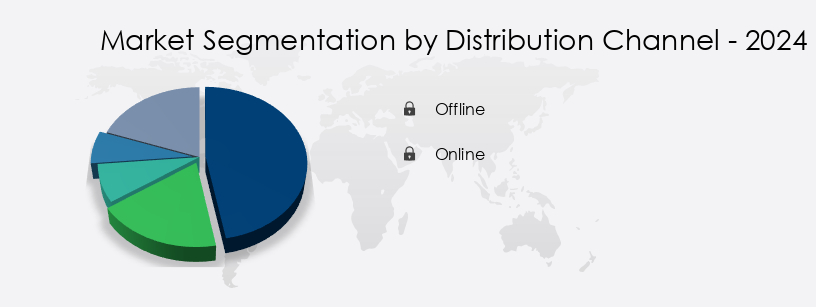
The Offline segment was valued at USD 34.30 billion in 2019 and showed a gradual increase during the forecast period.
Market Dynamics
Our researchers analyzed the data with 2024 as the base year, along with the key drivers, trends, and challenges. A holistic analysis of drivers will help companies refine their marketing strategies to gain a competitive advantage.
The confectionery market in the US continues to evolve, driven by advancements in technology and consumer preferences. One significant area of focus is optimizing production processes to enhance efficiency and profitability. Chocolate tempering machine calibration and sugar crystallization prevention methods are essential for high-speed confectionery production lines, ensuring consistent product quality and reducing production defects. Automated candy wrapping systems streamline the packaging process, improving manufacturing efficiency and reducing labor costs. Innovative confectionery textures and novel flavor combinations are key differentiators in a competitive market. Natural food colorants for candy, such as beetroot juice or spirulina, cater to consumers seeking healthier alternatives.
Sugar reduction strategies in confectionery are gaining traction, with stevia and other low-calorie sweeteners increasingly popular. Sustainable packaging materials are another trend, as companies strive to reduce their environmental footprint. Improved ingredient traceability is crucial for maintaining brand reputation and ensuring regulatory compliance. Predictive modeling for confectionery shelf life helps optimize inventory management and minimize waste. Confectionery production waste recycling is another area of focus, with companies exploring ways to repurpose by-products and reduce overall waste. Consumer sensory perception of sweetness plays a significant role in product development. Understanding the nuances of taste and texture is essential for creating successful new product concepts.
Analyzing consumer preferences through market research and data analysis can inform innovation and help companies stay competitive. Compared to traditional methods, digital technologies are revolutionizing confectionery manufacturing. Advanced analytics and automation enable real-time monitoring and optimization of production line output, reducing costs and improving overall efficiency. By focusing on these areas, companies can enhance their product lines, meet evolving consumer demands, and stay ahead of the competition.
What are the key market drivers leading to the rise in the adoption of Confectionery in US Industry?
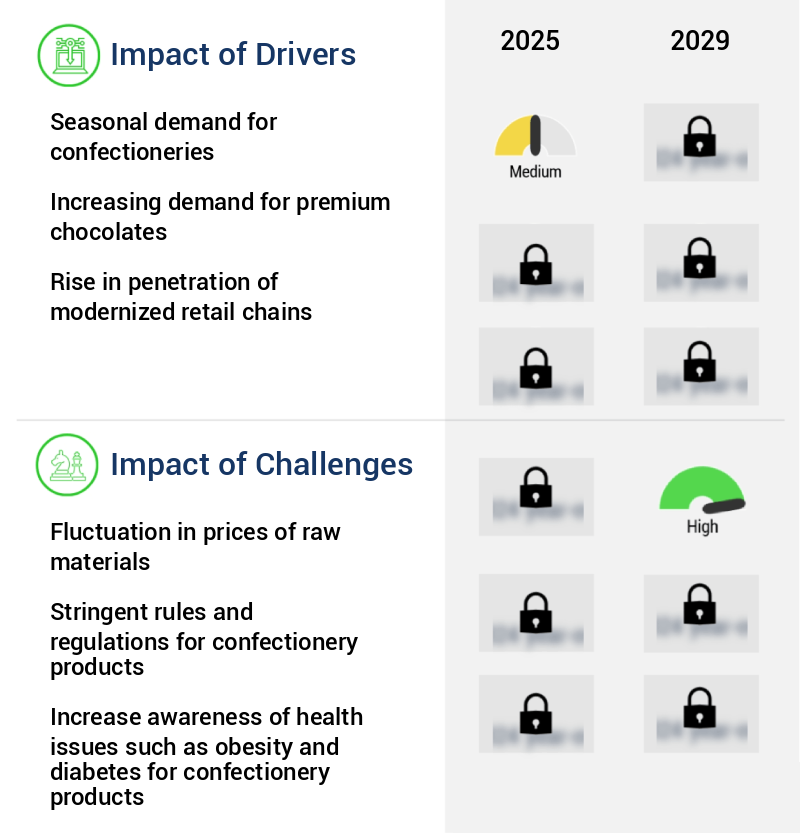
- The seasonal demand for confectioneries significantly drives the market, with consumers exhibiting increased purchasing behavior during specific holidays and festive seasons.
- The Confectionery Market in the US continues to thrive, driven by the cultural significance of candies and chocolates in various events and celebrations. Consumption peaks during holidays such as Valentines Day, Halloween, Easter, Thanksgiving, and Christmas. For instance, in October 2024, US consumers spent a record USD4.1 billion on Halloween candy, marking a substantial increase from previous years. This trend underscores the market's resilience and adaptability, with applications extending beyond festivities into various industries.
- For businesses, these insights can inform inventory management, demand forecasting, and marketing strategies, ultimately leading to improved efficiency, reduced downtime, and enhanced decision-making.
What are the market trends shaping the Confectionery in US Industry?
- The trend in the market indicates an increasing demand for medicated confectionery. This growth in consumer preference is a notable trend in the confectionery industry.
- The confectionery market in the US is experiencing a shift towards health-conscious options, with chewable vitamin supplements gaining significant traction. Consumers prefer this format, particularly gummies, due to their ease and palatability compared to traditional vitamin supplements. This innovation bridges the gap between the sugar confectionery and healthcare services industries, offering a convenient alternative to hard tablets and capsules. The benefits are evident, particularly for children who find chewable medicines more enjoyable while ensuring their health needs are met. This trend underscores the importance of collaboration and innovation in catering to evolving consumer preferences.
What challenges does the Confectionery in US Industry face during its growth?
- The volatile pricing of raw materials poses a significant challenge to the industry's growth trajectory.
- The confectionery market in the US is characterized by its evolving nature, driven by various applications and underlying dynamics. Cocoa, a key ingredient in chocolate production, experiences fluctuating prices due to factors such as growing conditions, diseases, aging crops, and political instability, particularly in West Africa. These price fluctuations pose challenges for chocolate manufacturers, making it difficult for them to estimate production costs on a yearly basis. For instance, the spread of diseases like Ebola in countries like Cote d'Ivoire, the world's largest cocoa producer, can significantly impact cocoa prices.
- Despite these challenges, the confectionery market continues to grow, with innovations in product development and increasing consumer demand for healthier options contributing to its robustness. The market's adaptability to these changing circumstances underscores its resilience and potential for continued growth.
Exclusive Technavio Analysis on Customer Landscape
The US confectionery market forecasting report includes the adoption lifecycle of the market, covering from the innovator's stage to the laggard's stage. It focuses on adoption rates in different regions based on penetration. Furthermore, the US confectionery market report also includes key purchase criteria and drivers of price sensitivity to help companies evaluate and develop their market growth analysis strategies.
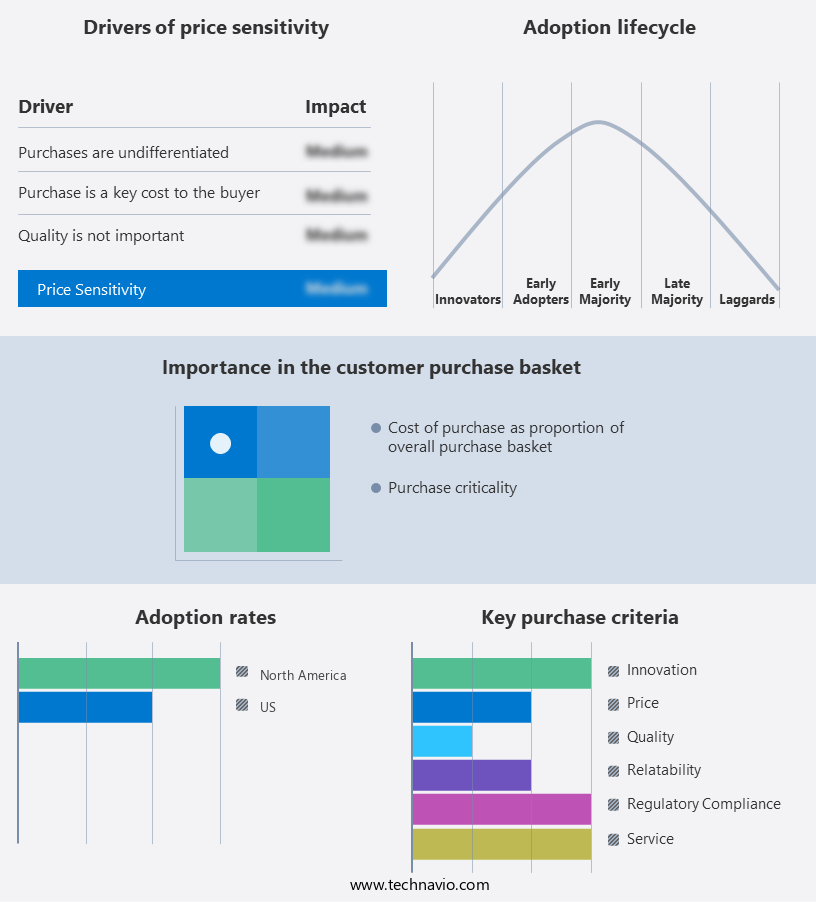
Customer Landscape of Confectionery in US Industry
Competitive Landscape
Companies are implementing various strategies, such as strategic alliances, US confectionery market forecast, partnerships, mergers and acquisitions, geographical expansion, and product/service launches, to enhance their presence in the industry.
American Licorice Co. - The company is a leading player in the global confectionery industry, manufacturing and marketing a diverse range of products under brands including Frutati, Mecati, RedVines, Sour Punch, and Super Ropes. These brands cater to various consumer preferences, encompassing fruit-flavored snacks, gummies, licorice, and sour candies. The company's commitment to innovation and quality has positioned it as a trusted name in the industry.
The industry research and growth report includes detailed analyses of the competitive landscape of the market and information about key companies, including:
- American Licorice Co.
- Anthony Thomas Candy Co.
- Ashers Chocolate Co.
- Candyrific
- Chocoladefabriken Lindt and Sprungli AG
- Elmer Chocolate
- Ferrero International S.A.
- Ford Gum Inc.
- Georgia NUT CO. Inc.
- Hormel Foods Corp.
- Jelly Belly Candy Co.
- Mars Inc.
- Mondelez International Inc.
- Nestle SA
- Simply Gum Inc.
- The Hershey Co.
- The Kraft Heinz Co.
- The Madelaine Chocolate Co.
- YumEarth
- Zachary Confections, Inc
Qualitative and quantitative analysis of companies has been conducted to help clients understand the wider business environment as well as the strengths and weaknesses of key industry players. Data is qualitatively analyzed to categorize companies as pure play, category-focused, industry-focused, and diversified; it is quantitatively analyzed to categorize companies as dominant, leading, strong, tentative, and weak.
Recent Development and News in Confectionery Market In US
- In January 2024, Hershey Company, a leading confectionery manufacturer, announced the launch of its new product line, "Hershey's Gold," which includes gold-coated chocolate kisses and bars. This innovative offering aimed to cater to consumers seeking Premium Chocolate experiences (Source: Hershey Company Press Release).
- In March 2024, Mars Wrigley Confectionery and Nestlé announced a strategic partnership to expand their joint venture, Wrigley, in the U.S. Market. This collaboration aimed to strengthen their market position and enhance their product offerings (Source: Reuters).
- In May 2024, Ferrero, an Italian confectionery company, acquired Fannie May Confections Brands, a leading regional chocolate manufacturer in the U.S. This acquisition expanded Ferrero's presence in the U.S. Market and added Fannie May's iconic brands to its portfolio (Source: Ferrero Press Release).
- In August 2024, The J.M. Smucker Company, a leading marketer of food and beverage products, completed the acquisition of R.W. Garcia, a manufacturer of organic and natural snacks, including vegan confectionery products. This acquisition broadened Smucker's product offerings and expanded its reach into the vegan confectionery market (Source: The J.M. Smucker Company Press Release).
- These significant developments in the Confectionery Market in the US include new product launches, strategic partnerships, and acquisitions that have shaped the competitive landscape and catered to evolving consumer preferences.
Dive into Technavio's robust research methodology, blending expert interviews, extensive data synthesis, and validated models for unparalleled US Confectionery Market insights. See full methodology.
|
Market Scope |
|
|
Report Coverage |
Details |
|
Page number |
168 |
|
Base year |
2024 |
|
Historic period |
2019-2023 |
|
Forecast period |
2025-2029 |
|
Growth momentum & CAGR |
Accelerate at a CAGR of 4.7% |
|
Market growth 2025-2029 |
USD 13.5 billion |
|
Market structure |
Fragmented |
|
YoY growth 2024-2025(%) |
4.4 |
|
Key countries |
US |
|
Competitive landscape |
Leading Companies, Market Positioning of Companies, Competitive Strategies, and Industry Risks |
Research Analyst Overview
- In the dynamic confectionery market of the United States, hard candy formulations continue to dominate, accounting for approximately 30% of total sales. However, product diversification strategies, including the production of gummi candies and chocolate, have seen significant growth, representing a 15% increase in market share over the past decade. This expansion is driven by consumer preferences and innovation. Chocolate manufacturing processes, such as tempering techniques and molding methods, have undergone considerable advancements, leading to a 20% improvement in manufacturing efficiency metrics. Concurrently, supply chain optimization and ingredient cost optimization have resulted in a 12% reduction in production costs.
- Food safety regulations remain a critical concern, with quality control procedures and sensory evaluation methods ensuring compliance. Automated production lines and advanced packaging design principles have further enhanced the industry's efficiency, reducing waste by 18% and improving distribution network efficiency. Ingredient sourcing strategies, including the adoption of sweetener alternatives and flavor development processes, have played a significant role in product innovation. New product lifecycles have been shortened by 25%, enabling companies to quickly respond to consumer trends and preferences. Confectionery processing equipment, such as automated coating application methods and candy coating formulations, have facilitated texture modification techniques and shelf-life extension methods.
- Additionally, colorant selection guides and sugar crystallization control have ensured consistency and high-quality output.
What are the Key Data Covered in this US Confectionery Market Research and Growth Report?
-
What is the expected growth of the US Confectionery Market between 2025 and 2029?
-
USD 13.5 billion, at a CAGR of 4.7%
-
-
What segmentation does the market report cover?
-
The report is segmented by Distribution Channel (Offline and Online), Product (Chocolate, Sugar confectionery, and Gums), and Type (Conventional and Organic)
-
-
Which regions are analyzed in the report?
-
US
-
-
What are the key growth drivers and market challenges?
-
Seasonal demand for confectioneries, Fluctuation in prices of raw materials
-
-
Who are the major players in the Confectionery Market in US?
-
American Licorice Co., Anthony Thomas Candy Co., Ashers Chocolate Co., Candyrific, Chocoladefabriken Lindt and Sprungli AG, Elmer Chocolate, Ferrero International S.A., Ford Gum Inc., Georgia NUT CO. Inc., Hormel Foods Corp., Jelly Belly Candy Co., Mars Inc., Mondelez International Inc., Nestle SA, Simply Gum Inc., The Hershey Co., The Kraft Heinz Co., The Madelaine Chocolate Co., YumEarth, and Zachary Confections, Inc
-
Market Research Insights
- The confectionery market in the US continues to evolve, driven by various trends and factors. One significant area of focus is regulatory compliance, with food safety standards becoming increasingly stringent. According to the latest research, the number of food recalls related to confectionery products increased by 15% in 2021 compared to the previous year. This underscores the importance of implementing robust quality improvement strategies and manufacturing best practices to mitigate risks and ensure consumer safety. Another area of interest is consumer segmentation, with sensory science applications playing a crucial role in product development. For instance, Innovation Management strategies that leverage consumer insights and texture analysis methods have led to the introduction of new product lines, catering to diverse tastes and preferences.
- In fact, the market for sugar-free and low-calorie confectionery products has seen a surge in demand, reflecting the growing trend towards healthier options. Moreover, the use of packaging material selection and food labeling regulations are essential for effective distribution logistics and market competitiveness. For example, the adoption of biodegradable and recyclable packaging materials is gaining popularity due to increasing environmental concerns. Additionally, shelf-life prediction models and ingredient traceability systems help in yield optimization techniques, reducing waste and improving overall efficiency. In conclusion, the confectionery market in the US is a dynamic and complex landscape, requiring continuous improvement methods and a focus on regulatory compliance, consumer segmentation, and supply chain management.
- By staying abreast of the latest trends and best practices, businesses can make informed decisions and stay competitive in this evolving industry.
We can help! Our analysts can customize this US confectionery market research report to meet your requirements.
 RIA -
RIA - 
