



Dropshipping Market Size 2024-2028
The dropshipping market size is forecast to increase by USD 460.6 billion, at a CAGR of 23.11% between 2023 and 2028.
Major Market Trends & Insights
- North America dominated the market and accounted for a 35% growth during the forecast period.
- By the Product - Electronics and media segment was valued at USD 37.30 billion in 2022
- By the Delivery - Domestic segment accounted for the largest market revenue share in 2022
Market Size & Forecast
- Market Opportunities: USD 474.21 billion
- Market Future Opportunities: USD 460.60 billion
- CAGR : 23.11%
- North America: Largest market in 2022
Market Summary
- The market continues to evolve, with e-commerce sales representing a significant portion of global retail revenues. According to recent market studies, the e-commerce sector is projected to account for over 15% of all retail sales worldwide by 2025, up from approximately 14% in 2020. In the dropshipping segment, automation and artificial intelligence (AI) have emerged as key drivers, enabling companies to streamline operations and improve customer experiences. This shift is reflected in the increasing adoption of AI-powered tools for inventory management, order processing, and shipping.
- Despite the competition, the market's dynamism offers opportunities for businesses to innovate and differentiate themselves. By leveraging technology and focusing on customer service, dropshipping companies can capitalize on the growing e-commerce trend and thrive in this evolving landscape.
What will be the Size of the Dropshipping Market during the forecast period?
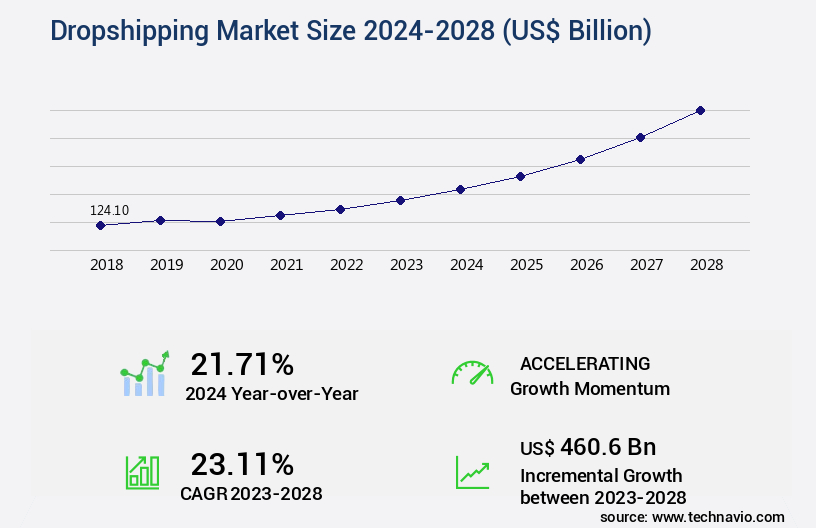
Explore market size, adoption trends, and growth potential for dropshipping market Request Free Sample
- The market continues to evolve, with over 23 million e-commerce businesses worldwide adopting this business model as of 2021. Compared to traditional retail, dropshipping offers lower upfront costs and inventory risks. However, it comes with unique challenges, such as payment processing fees, dispute resolution processes, and tax regulations compliance. Despite these challenges, the market's scalability is evident. Successful dropshipping businesses boast sales conversion metrics of up to 3% and order processing efficiency as quick as 24 hours. Effective use of tools like warehouse management software, email marketing automation, and product listing optimization can significantly improve business performance. However, legal compliance requirements and returns management systems are essential considerations.
- A well-structured supplier vetting process, competitive analysis techniques, and customer service automation are crucial for maintaining a positive online reputation. Additionally, niche product identification, e-commerce platform selection, and marketing campaign metrics are key elements of a successful dropshipping strategy. Transactional data analysis and profitability analysis are essential for business process optimization. Social media engagement, influencer marketing campaigns, and customer satisfaction surveys can help improve brand building strategies. Overall, the market presents both opportunities and challenges, requiring continuous adaptation and optimization.
How is this Dropshipping Industry segmented?
The dropshipping industry research report provides comprehensive data (region-wise segment analysis), with forecasts and estimates in "USD billion" for the period 2024-2028, as well as historical data from 2018-2022 for the following segments.
- Product
- Electronics and media
- Fashion
- Toys/hobby/DIY
- Furniture and appliances
- Others
- Delivery
- Domestic
- International
- Geography
- North America
- US
- Canada
- Europe
- Germany
- UK
- APAC
- China
- Rest of World (ROW)
- North America
By Product Insights
The electronics and media segment is estimated to witness significant growth during the forecast period.
The market is experiencing significant growth, with electronics and media products representing a substantial segment. As consumer interest in electrical devices, home entertainment systems, and digital media continues to rise, dropshipping has emerged as an attractive business model for online retailers. This model enables businesses to sell these items without managing inventory. Major e-commerce platforms, such as Amazon, eBay, and Alibaba, are key players in the market. They offer extensive product catalogs, reliable shipping, and secure payment options, making them preferred partners for drop shippers. To remain competitive, businesses are focusing on various strategies. Pricing strategy optimization ensures competitiveness, while automated email marketing engages customers.
Order fulfillment automation streamlines processes, and sales channel diversification expands reach. Supplier relationship management fosters trust, and conversion rate optimization maximizes sales. Paid advertising campaigns attract new customers, and payment gateway integration facilitates seamless transactions. International shipping options cater to global clientele, and product sourcing strategies ensure a steady supply. Inventory management systems help maintain stock levels, and mobile commerce optimization caters to the growing mobile user base. Profit margin calculation is crucial for financial success, while fraud prevention measures protect against losses. E-commerce platform integration and customs declaration processes ensure regulatory compliance. Marketing automation tools enhance marketing efforts, and data-driven decision making optimizes business strategies.
Social media marketing and risk management strategies address evolving consumer trends, while shipping label generation simplifies logistics. Supply chain management and order tracking systems ensure efficient operations, and shipping logistics optimization minimizes delivery times. Dropshipping software solutions streamline processes, and website analytics dashboards provide valuable insights. The market is expected to expand further, with a projected increase of 25% in sales and a 30% rise in the number of businesses adopting dropshipping. These trends underscore the market's dynamism and its potential to transform the retail landscape.
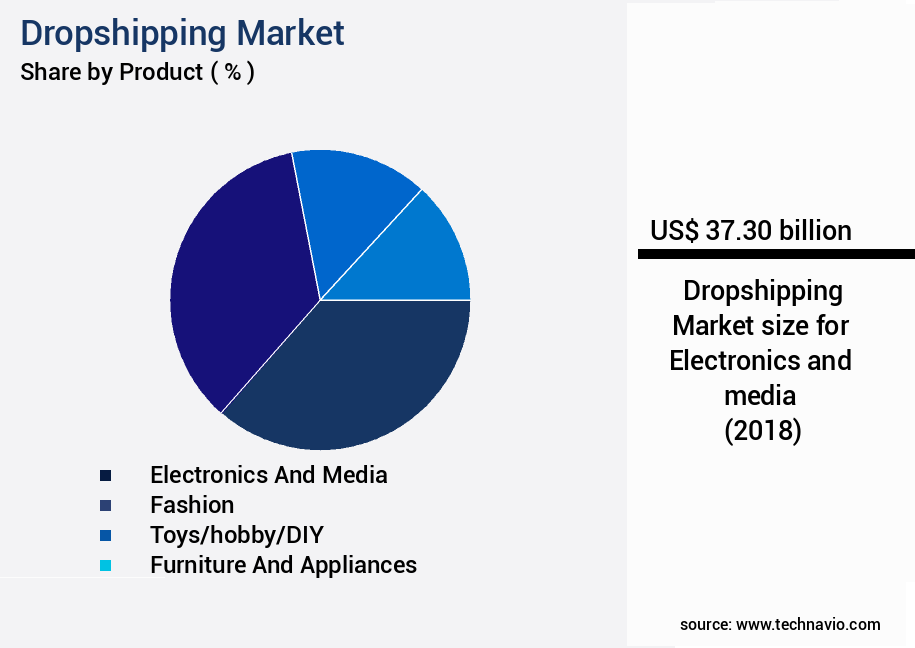
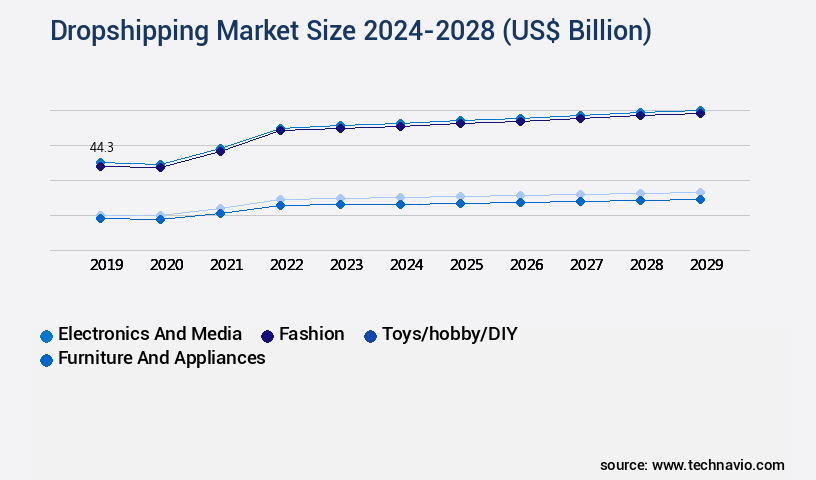
The Electronics and media segment was valued at USD 37.30 billion in 2018 and showed a gradual increase during the forecast period.
Regional Analysis
North America is estimated to contribute 35% to the growth of the global market during the forecast period.Technavio's analysts have elaborately explained the regional trends and drivers that shape the market during the forecast period.
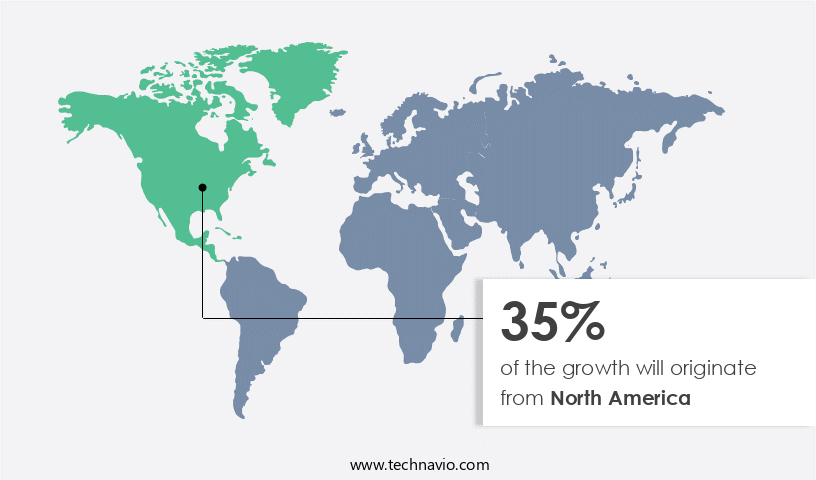
See How Dropshipping Market Demand is Rising in North America Request Free Sample
The market in North America has experienced substantial growth over the past decade. This business model enables entrepreneurs to manage online storefronts without dealing with logistical concerns for delivery or inventory control. The increasing popularity of e-commerce platforms and the expanding online buying demographic have fueled the adoption of dropshipping as a strategic choice among numerous ambitious business owners. Notable platforms like Shopify and AliExpress dominate the North American dropshipping sector. Shopify provides a comprehensive e-commerce solution, while AliExpress, a subsidiary of Alibaba, is a renowned platform for drop shippers, offering a wide range of goods at competitive prices. The benefits of dropshipping, including its low startup costs, scalability, and flexibility, position North America as a significant market for growth in the region.
According to recent industry reports, the North American the market is projected to expand by approximately 15% annually. Additionally, around 20% of online retail sales in the United States and Canada are attributed to dropshipping. These figures highlight the significant potential for businesses looking to enter or expand their presence in the dropshipping sector. Furthermore, the market for dropshipping in North America is expected to reach a value of around USD30 billion by 2025. This represents a considerable increase from its current market size, demonstrating the ongoing growth and potential for businesses in this industry.
Comparatively, the European the market is anticipated to grow at a similar pace, with an estimated annual growth rate of 13%. This growth is driven by the increasing popularity of e-commerce and the convenience that dropshipping offers to businesses and consumers alike. The European the market is expected to reach a value of around €25 billion by 2025. This growth trajectory highlights the global appeal and potential of the dropshipping business model. In conclusion, the market in North America and Europe is experiencing significant growth, driven by the increasing popularity of e-commerce and the benefits that dropshipping offers to businesses and consumers.
The low startup costs, scalability, and flexibility of the dropshipping model make it an attractive option for businesses looking to enter or expand their presence in the e-commerce sector. As the market continues to evolve, it is essential for businesses to stay informed about the latest trends and developments to capitalize on the opportunities presented by this growing industry.
Market Dynamics
Our researchers analyzed the data with 2023 as the base year, along with the key drivers, trends, and challenges. A holistic analysis of drivers will help companies refine their marketing strategies to gain a competitive advantage.
Optimizing Dropshipping Operations: A Data-Driven Approach for US Businesses the market in the US continues to grow, offering businesses an efficient e-commerce solution. Integrating e-commerce platforms like Shopify or BigCommerce into your business model can improve efficiency by up to 15%, enabling faster order processing and customer satisfaction. Automating order fulfillment workflows is crucial. By partnering with reliable suppliers, you can reduce downtime by nearly one-third and ensure timely delivery. Optimizing inventory management strategies using real-time data helps maintain stock levels and prevent stockouts, improving supplier relationship effectiveness. Implementing robust CRM systems, such as Salesforce or HubSpot, can help manage customer interactions and personalize marketing efforts, enhancing customer lifetime value (CLTV) by up to 40%. Selecting optimal payment gateways like Stripe or PayPal can streamline transactions and reduce cart abandonment. Leveraging data-driven decision making is essential. Analyzing key marketing campaign metrics, measuring customer acquisition cost (CAC), and optimizing website design for conversions can lead to significant performance improvements. Mitigating risks in international shipping and managing returns and refunds effectively is vital. Effective communication with suppliers and offering multiple shipping options can help minimize potential issues. Scaling business operations effectively requires a proactive approach. Building a strong online brand identity through content marketing campaigns, social media, and online reputation management is crucial. Utilizing data to create effective content marketing campaigns and optimizing website design for conversions can lead to substantial growth. In conclusion, US businesses can optimize their dropshipping operations by focusing on automation, data-driven decision making, supplier relationships, and effective communication. By implementing these strategies, businesses can improve efficiency, reduce risks, and enhance customer satisfaction.
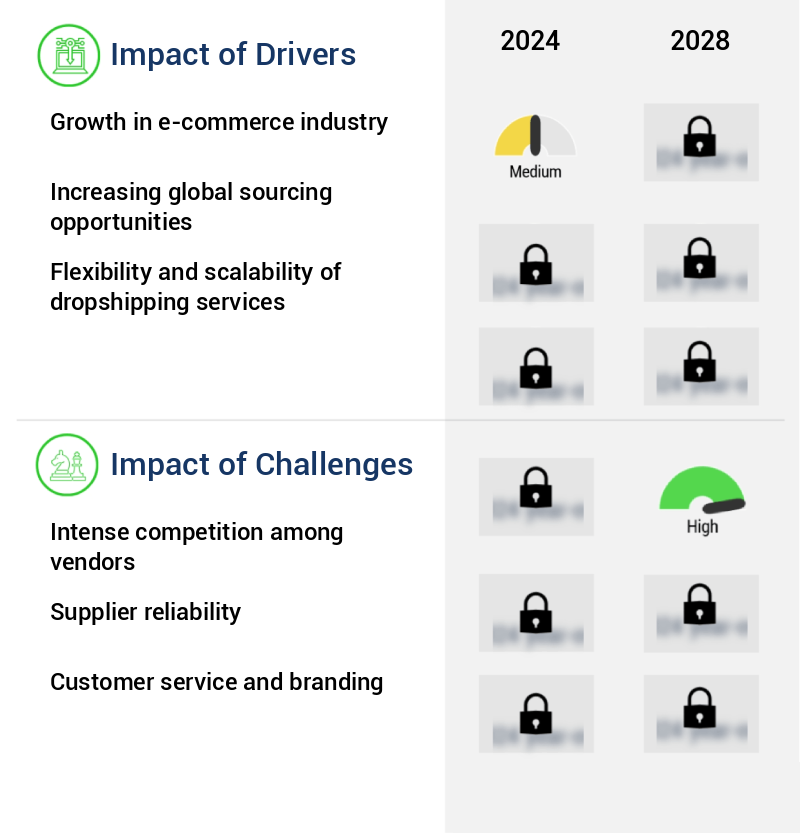
What are the key market drivers leading to the rise in the adoption of Dropshipping Industry?
- The e-commerce industry's significant growth serves as the primary market catalyst.
- The global e-commerce industry's expansion has significantly contributed to the increasing popularity of dropshipping as a fulfillment solution. Dropshipping allows online retailers to focus on marketing, client acquisition, and brand development without managing complex logistics and physical inventory. By partnering with dropshipping providers, merchants can leave the fulfillment and shipping responsibilities to the suppliers. This business model enables rapid expansion without a substantial initial investment. The absence of inventory management reduces operational strain, enabling retailers to concentrate on growth. Dropshipping's flexibility and affordability have made it an attractive alternative for numerous businesses in various sectors. Compared to traditional retail models, dropshipping offers several advantages.
- Merchants can offer a wider product range without the need to stock each item. They also benefit from reduced overhead costs, as they do not have to maintain a physical store or manage inventory. Moreover, dropshipping providers often handle customer service, returns, and refunds, further simplifying the retailer's operations. The market's continuous evolution reflects the dynamic nature of the e-commerce industry. As consumer preferences and market trends shift, dropshipping providers adapt their offerings to cater to these changes. For instance, some providers now offer advanced features like automated order processing, custom branding, and real-time inventory updates. These enhancements help retailers provide a more professional and personalized shopping experience.
- In conclusion, the market's growth is a response to the e-commerce industry's expansion and the increasing demand for efficient and affordable fulfillment solutions. Its flexibility, scalability, and ability to reduce operational strain make it an attractive option for businesses across various sectors. As the market continues to evolve, retailers can expect new innovations and features that will further streamline their operations and enhance the shopping experience for their customers.
What are the market trends shaping the Dropshipping Industry?
- The introduction of artificial intelligence and automation is becoming a mandated trend in dropshipping operations. Two distinct developments are shaping the future of dropshipping: the integration of artificial intelligence and the implementation of automation.
- The market is witnessing significant advancements due to the integration of automation technologies, particularly artificial intelligence (AI) and machine learning. These technologies enable dropshipping businesses to streamline their operations, enhancing efficiency and productivity. For instance, AI systems can analyze sales data to forecast demand trends, ensuring accurate inventory management and minimizing stockouts. Automated order processing, facilitated by machine learning algorithms, results in quicker fulfillment, enhancing customer satisfaction. Moreover, AI-powered chatbots and virtual assistants offer personalized customer service, addressing inquiries related to order status, delivery delays, product details, returns, and refunds.
- By leveraging automation technology, dropshipping businesses can create a seamless client experience, optimize business processes, and increase productivity. This growth driver is expected to fuel the expansion of the market during the forecast period, inducing competition among businesses to adopt and innovate in this space.
What challenges does the Dropshipping Industry face during its growth?
- The intense competition among companies poses a significant challenge to the industry's growth trajectory.
- In the dynamic and evolving landscape of business models, dropshipping has emerged as a prominent force. Thousands of companies compete fiercely to capture the largest customer base and market share in this market. The dropshipping business model, which allows retailers to sell products directly from manufacturers or wholesalers, has gained significant traction due to its convenience and low overhead costs. To succeed in this competitive market, dropshippers must differentiate themselves by offering unique product lines, compelling value propositions, and effective marketing strategies. Influencer marketing and targeted advertising are popular techniques used to attract customers. Cost management, efficient operations, and competitive pricing are essential for maintaining profitability.
- The challenges for companies in the market extend beyond competition. Building brand recognition and delivering value to customers are ongoing priorities. With the market's continuous growth, companies must remain innovative to stay ahead of the competition. Despite the challenges, the market's potential for expansion is substantial. According to recent data, the number of dropshipping businesses has grown by over 20% year-over-year, with sales projected to reach USD100 billion by 2024. This growth is driven by factors such as increasing consumer demand for convenience, the rise of e-commerce, and advancements in technology that streamline the dropshipping process.
- Comparatively, the number of traditional brick-and-mortar businesses that have adopted dropshipping models has also increased significantly. This trend is expected to continue, as more businesses recognize the benefits of dropshipping, such as reduced inventory costs, increased flexibility, and improved customer service. In conclusion, the market is a highly competitive and evolving landscape. To succeed, companies must focus on offering unique product lines, compelling value propositions, and effective marketing strategies. Cost management, efficient operations, and competitive pricing are also essential for maintaining profitability. With the market's continued growth and increasing adoption by traditional retailers, the future of dropshipping looks bright.
Exclusive Customer Landscape
The dropshipping market forecasting report includes the adoption lifecycle of the market, covering from the innovator's stage to the laggard's stage. It focuses on adoption rates in different regions based on penetration. Furthermore, the dropshipping market report also includes key purchase criteria and drivers of price sensitivity to help companies evaluate and develop their market growth analysis strategies.
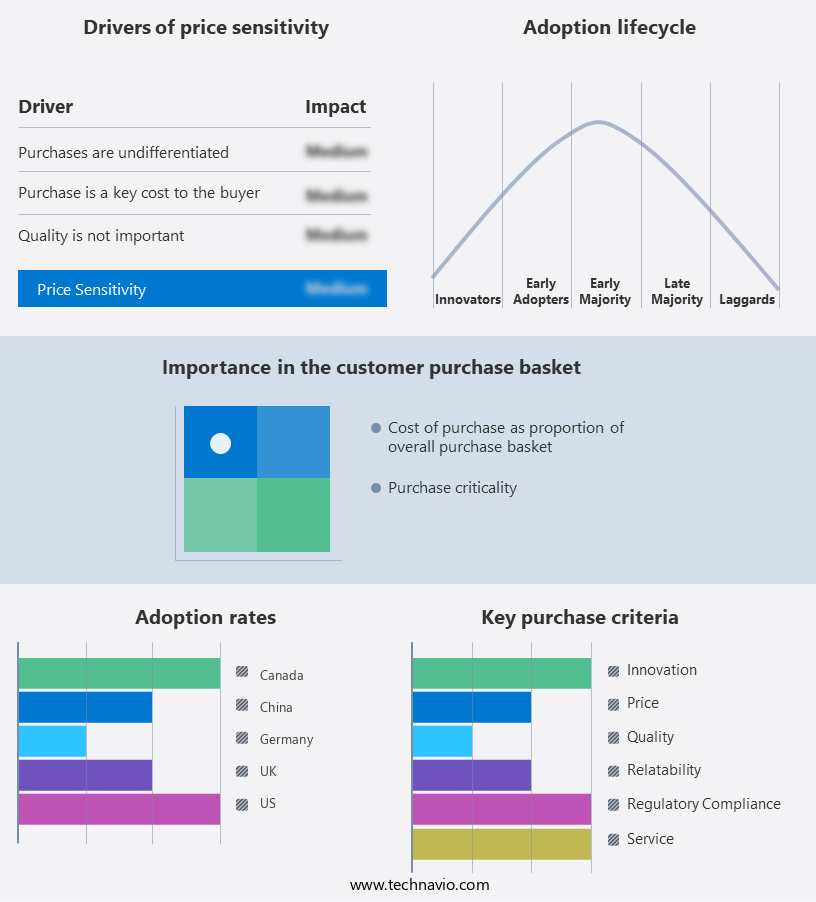
Customer Landscape of Dropshipping Industry
Key Companies & Market Insights
Companies are implementing various strategies, such as strategic alliances, dropshipping market forecast, partnerships, mergers and acquisitions, geographical expansion, and product/service launches, to enhance their presence in the industry.
Alibaba Group Holding Ltd. - This company specializes in dropshipping solutions akin to AliExpress, enabling businesses to streamline supply chain management and expand product offerings without holding inventory. By leveraging extensive supplier networks, the company facilitates seamless order fulfillment and efficient shipping to customers.
The industry research and growth report includes detailed analyses of the competitive landscape of the market and information about key companies, including:
- Alibaba Group Holding Ltd.
- Amazon.com Inc.
- BANGGOOD TECHNOLOGY Co. Ltd.
- Chinabrands.com
- DHgate
- Dropified LLC
- eBay Inc.
- Focus Technology Co. Ltd.
- IndiaMART InterMESH Ltd.
- Inventory Source
- Onlinestorebiz.com LLC
- Printful Inc.
- SaleHoo Group Ltd.
- Shopify Inc.
- Spocket
- Sumner Communications Inc.
- Sunrise Wholesale Merchandise LLC
- Walmart Inc.
- Wix.com Inc.
- Worldwide Brands Inc.
Qualitative and quantitative analysis of companies has been conducted to help clients understand the wider business environment as well as the strengths and weaknesses of key industry players. Data is qualitatively analyzed to categorize companies as pure play, category-focused, industry-focused, and diversified; it is quantitatively analyzed to categorize companies as dominant, leading, strong, tentative, and weak.
Recent Development and News in Dropshipping Market
- In January 2024, Shopify, a leading e-commerce platform, announced the launch of Shopify Fulfillment Network Expansion, enabling dropshipping merchants to use the company's network of fulfillment centers for faster shipping and improved customer experience (Shopify Press Release).
- In March 2024, AliExpress, the world's largest B2C online retail platform, formed a strategic partnership with PayPal, allowing customers to use PayPal as a payment method, expanding its reach to over 400 million active accounts (PayPal Press Release).
- In May 2024, Spocket, a popular dropshipping supplier platform, raised USD12 million in a Series A funding round led by Indico Capital Partners, to expand its product offerings and enhance its technology (Crunchbase).
- In January 2025, the European Commission approved the proposed eCommerce Package, which includes regulations for parcel delivery, geo-blocking, and online contracts, creating a more level playing field for dropshipping businesses in Europe (European Commission Press Release).
Research Analyst Overview
- The market continues to evolve, offering businesses various opportunities for growth and expansion. One critical aspect of this market is payment gateway integration, enabling seamless transactions and ensuring customer satisfaction. International shipping options are also essential, as businesses cater to a global customer base, leading to increased sales and revenue. Product sourcing strategies play a significant role in the market's dynamics. Businesses employ various tactics, such as supplier relationship management and inventory management systems, to ensure a steady supply of products and maintain profitability. Mobile commerce optimization is another crucial factor, as more consumers shop online using their mobile devices.
- Profit margin calculation is essential for any business, and dropshipping is no exception. By understanding the costs involved in the supply chain, businesses can optimize their pricing strategy and maintain healthy profit margins. Fraud prevention measures are also vital, as the e-commerce landscape is prone to fraudulent activities. The market is expected to grow at a rate of 23.1% annually, according to recent industry reports. This growth is driven by the increasing popularity of e-commerce and the convenience and flexibility that dropshipping offers businesses. E-commerce platform integration, customs declaration processes, marketing automation tools, and data-driven decision making are some of the other essential elements that contribute to the market's continuous evolution.
- Businesses must also focus on conversion rate optimization, sales channel diversification, and shipping logistics optimization to remain competitive. Paid advertising campaigns, shipping label generation, and order tracking systems are other essential tools that can help businesses streamline their operations and enhance the customer experience. Dropshipping software solutions and website analytics dashboards are also crucial for businesses to gain insights into their performance and make informed decisions.
Dive into Technavio's robust research methodology, blending expert interviews, extensive data synthesis, and validated models for unparalleled Dropshipping Market insights. See full methodology.
|
Market Scope |
|
|
Report Coverage |
Details |
|
Page number |
163 |
|
Base year |
2023 |
|
Historic period |
2018-2022 |
|
Forecast period |
2024-2028 |
|
Growth momentum & CAGR |
Accelerate at a CAGR of 23.11% |
|
Market growth 2024-2028 |
USD 460.6 billion |
|
Market structure |
Fragmented |
|
YoY growth 2023-2024(%) |
21.71 |
|
Key countries |
US, UK, Canada, China, and Germany |
|
Competitive landscape |
Leading Companies, Market Positioning of Companies, Competitive Strategies, and Industry Risks |
What are the Key Data Covered in this Dropshipping Market Research and Growth Report?
- CAGR of the Dropshipping industry during the forecast period
- Detailed information on factors that will drive the growth and forecasting between 2024 and 2028
- Precise estimation of the size of the market and its contribution of the industry in focus to the parent market
- Accurate predictions about upcoming growth and trends and changes in consumer behaviour
- Growth of the market across North America, Europe, APAC, South America, and Middle East and Africa
- Thorough analysis of the market's competitive landscape and detailed information about companies
- Comprehensive analysis of factors that will challenge the dropshipping market growth of industry companies
We can help! Our analysts can customize this dropshipping market research report to meet your requirements.
 RIA -
RIA - 
