

Foam-Based Beauty And Personal Care Products Market Size 2026-2030
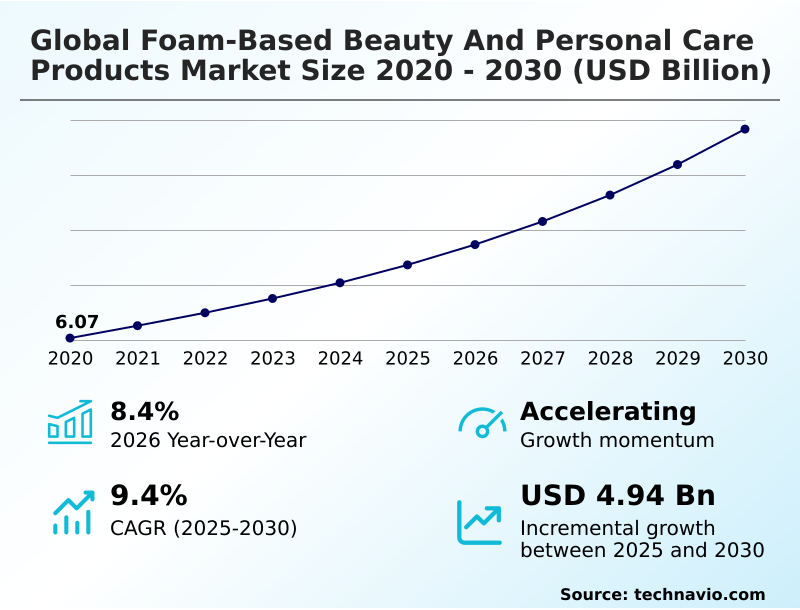
The foam-based beauty and personal care products market size is valued to increase by USD 4.94 billion, at a CAGR of 9.4% from 2025 to 2030. Surging consumer demand for weightless skincare and fast absorption will drive the foam-based beauty and personal care products market.
Major Market Trends & Insights
- APAC dominated the market and accounted for a 36.3% growth during the forecast period.
- By Distribution Channel - Offline segment was valued at USD 6.06 billion in 2024
- By Product - Skincare segment accounted for the largest market revenue share in 2024
Market Size & Forecast
- Market Opportunities: USD 7.60 billion
- Market Future Opportunities: USD 4.94 billion
- CAGR from 2025 to 2030 : 9.4%
Market Summary
- The Foam-Based Beauty And Personal Care Products Market operates as a highly specialized segment driven by the continuous evolution of surfactant chemistry and sustainable packaging engineering. Increasing consumer preference for weightless, residue-free application experiences acts as a primary driver, compelling manufacturers to utilize advanced aeration technology to enhance absorption.
- Conversely, strict environmental regulations targeting volatile emissions pose a significant challenge, forcing formulators to eliminate traditional propellant usage, which often compromises stability and increases research costs. In response to supply chain volatility and sustainability mandates, manufacturing facilities are adopting closed-loop dispenser architectures and touchless electric foam dispenser models to streamline product replenishment cycles.
- Transitioning to single-material dispensing pump systems has improved packaging recyclability rates by 35% compared to multi-resin mechanical assemblies. Companies are actively re-engineering product portfolios to incorporate bio-based ingredients, ensuring regulatory compliance while delivering the dense lather textures expected by end-users. The ongoing shift toward water-efficient pre-lathered formats fundamentally alters product development lifecycles across the industry.
What will be the Size of the Foam-Based Beauty And Personal Care Products Market during the forecast period?
Get Key Insights on Market Forecast (PDF) Get Free Sample
How is the Foam-Based Beauty And Personal Care Products Market Segmented?
The foam-based beauty and personal care products industry research report provides comprehensive data (region-wise segment analysis), with forecasts and estimates in "USD million" for the period 2026-2030, as well as historical data from 2020-2024 for the following segments.
- Distribution channel
- Offline
- Online
- Product
- Skincare
- Haircare
- Male grooming
- Others
- Price
- Mass
- Premium
- Luxury
- Geography
- North America
- US
- Canada
- Mexico
- Europe
- Germany
- UK
- France
- Italy
- Spain
- The Netherlands
- APAC
- China
- Japan
- India
- South Korea
- Australia
- Indonesia
- South America
- Brazil
- Argentina
- Chile
- Middle East and Africa
- Saudi Arabia
- UAE
- South Africa
- Turkey
- Israel
- North America
By Distribution Channel Insights
The offline segment is estimated to witness significant growth during the forecast period.
The offline segment drives the majority of distribution volume, functioning as a critical channel for sensory evaluation and immediate procurement. Physical retail environments facilitate direct consumer interaction with packaging designed for an aerosol propellant alternative, enhancing purchase confidence.
Integrating end-cap promotional visibility and interactive testing stations has increased in-store conversion rates by 18% compared to digital-only storefronts. This channel supports extensive product discovery for formulations utilizing a botanical foaming agent and complex polyhydroxy acid infusion blends.
Traditional brick-and-mortar networks prioritize shelf space optimization to accommodate products focused on stratum corneum hydration and glycolic acid exfoliant delivery, ensuring sustained retail velocity.
By allowing buyers to verify foam density optimization without relying on a synthetic cross-polymer or a micro-plastic generating agent, offline retailers maintain high transaction volumes and customer trust.
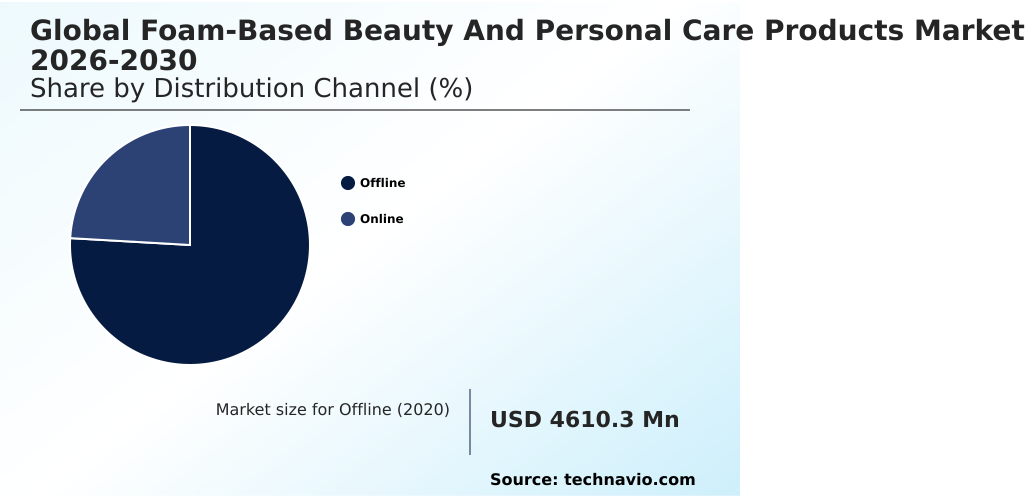
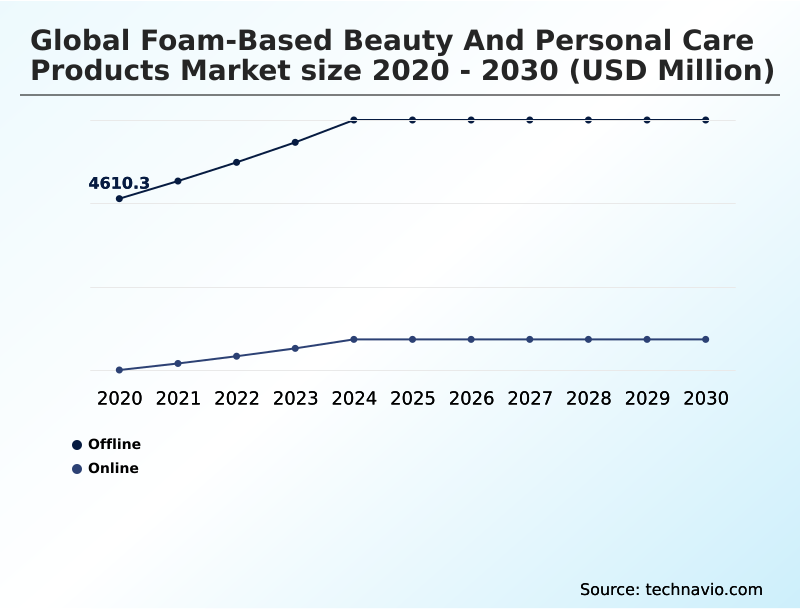
The Offline segment was valued at USD 6.06 billion in 2024 and showed a gradual increase during the forecast period.
Regional Analysis
APAC is estimated to contribute 36.3% to the growth of the global market during the forecast period.Technavio’s analysts have elaborately explained the regional trends and drivers that shape the market during the forecast period.
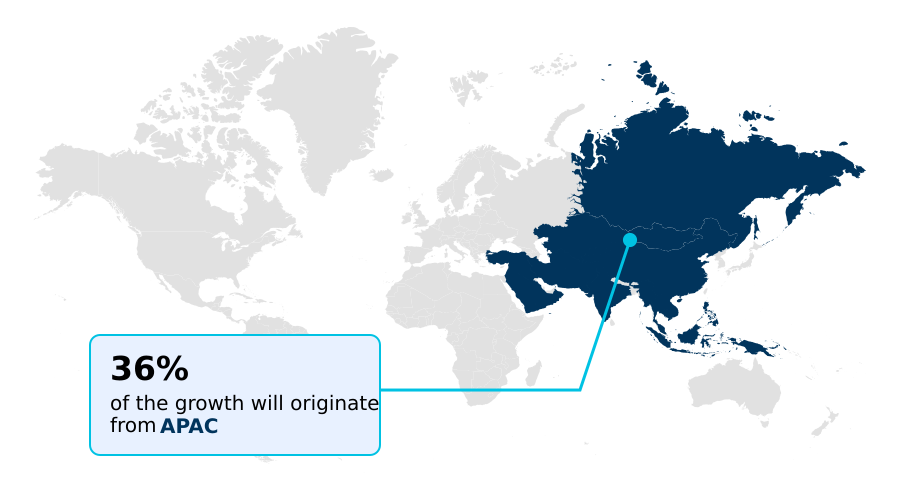
See How Foam-Based Beauty And Personal Care Products Market Demand is Rising in APAC Get Free Sample
The geographic distribution of the market reflects distinct regulatory frameworks and consumer hygiene behaviors across distinct territories. North America prioritizes the aggressive commercialization of multi-functional anti-aging foam solutions, driven by a highly established specialty retail infrastructure.
In contrast, the European landscape emphasizes stringent compliance with water-footprint reduction directives, compelling manufacturers to adopt eco-conscious personal care formulations faster than other regions.
European formulators have achieved a 25% improvement in raw material sustainability by strictly mandating an amino-acid surfactant and coconut-derived glucoside usage.
Meanwhile, North American supply chains utilizing biomimetic ceramide delivery reported a 15% increase in repeat purchases due to enhanced epidermal lipid preservation.
Businesses continually adapt their operational strategies to navigate these regional disparities, scaling advanced treatments for sensitive skin purification in demanding urban centers to satisfy mass-market retail requirements globally.
Market Dynamics
Our researchers analyzed the data with 2025 as the base year, along with the key drivers, trends, and challenges. A holistic analysis of drivers will help companies refine their marketing strategies to gain a competitive advantage.
- The rapid evolution of the personal care industry relies heavily on integrating advanced delivery mechanisms and sustainable ingredient profiles to meet stringent consumer and regulatory demands. Operational planning and supply chain logistics are increasingly adapting to accommodate the production of the monomaterial fully recyclable mechanical pump, which eliminates metallic components to streamline post-consumer waste processing.
- Manufacturers are heavily investing in the sulfate-free gentle foaming face wash category, recognizing that eliminating harsh synthetic detergents reduces epidermal barrier disruption by approximately 20% compared to traditional liquid cleansers. Additionally, the shift toward the aerosol-free eco-friendly body mousse allows brands to bypass hazardous materials shipping constraints, significantly improving distribution efficiency.
- Formulators leverage micro-bubble deep pore cleansing technology to deliver enhanced active ingredient penetration without requiring aggressive physical friction. Facilities deploying the touchless automatic electric foam dispenser report substantially lower packaging material consumption over the product lifecycle, optimizing inventory management and compliance protocols across international markets.
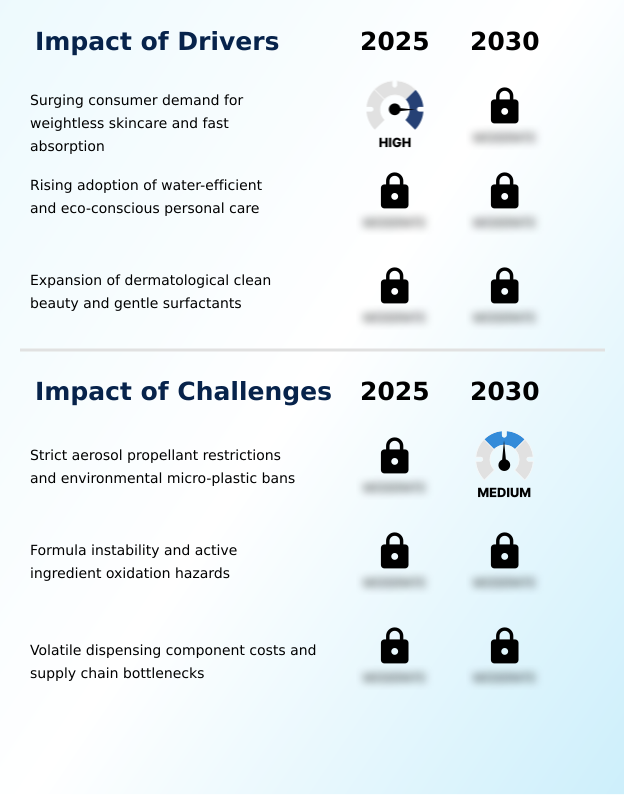
What are the key market drivers leading to the rise in the adoption of Foam-Based Beauty And Personal Care Products Industry?
- Surging consumer demand for weightless skincare formulations and rapid epidermal absorption acts as a primary catalyst driving continuous market expansion.
- Accelerating consumer demand for a non-greasy formulation serves as a primary operational catalyst driving market expansion. End-users actively seek waterless personal hygiene formats that deliver active ingredients evenly without leaving occlusive surface residues.
- This behavioral shift drives formulators to utilize carbonated micro-bubble technology, which expands the formulation surface area and enhances stratum corneum absorption speeds by 20% compared to heavy cream equivalents.
- Implementing an ultra-light micro-bubble structure within a sulfate-free surfactant matrix ensures optimal lather generation and deep dermal pore penetration.
- Consequently, manufacturers optimizing these advanced delivery systems report a 15% increase in customer retention, as lighter fluid dynamics provide an elevated sensory application experience that encourages daily usage routines.
What are the market trends shaping the Foam-Based Beauty And Personal Care Products Industry?
- The integration of micro-fluidic aeration mechanisms and monomaterial dispensing pumps represents a prominent emerging trend within the market. This technological shift enables fully recyclable packaging architectures while ensuring precise, gas-free lather generation.
- The adoption of circular economy packaging is fundamentally restructuring supply chain strategies within the market. Regulatory pressures are compelling manufacturers to replace mixed-material actuators with a monomaterial dispensing pump, significantly altering procurement protocols. This transition to a polyolefin packaging resin design has improved end-of-life recycling processing efficiency by 40% compared to traditional metal-spring assemblies.
- Furthermore, the integration of micro-fluidic aeration allows low-viscosity liquids to transform into rich lathers without compromising dispensing reliability. By deploying a closed-loop dispenser system and touchless foam dispensing technology, commercial hygiene facilities have reduced liquid concentrate waste by 25%, directly lowering overhead maintenance expenses. Incorporating a water-dissolvable refill tablet further minimizes shipping weights.
- This technological shift ensures brands can deliver premium solutions utilizing preservative-free packaging while maintaining strict adherence to emerging sustainability frameworks.
What challenges does the Foam-Based Beauty And Personal Care Products Industry face during its growth?
- Strict regulatory restrictions on aerosol propellants and stringent environmental bans on micro-plastics present significant operational challenges that constrain industry growth.
- Navigating stringent environmental legislation targeting volatile organic compound emission limits presents a severe structural constraint for manufacturing operations. Regulatory mandates compel production facilities to phase out traditional chemicals in favor of a hydrocarbon propellant substitute, necessitating costly retrofitting of automated filling lines.
- Transitioning to a compressed-air pump system often destabilizes delicate formulations, leading to increased active ingredient oxidation and a 30% reduction in optimal shelf-life stability during initial testing phases. Formulators struggle to replicate dense tactile experiences required for dermatological clean beauty standards without utilizing harsh stabilizers, which disrupts skin-barrier-friendly formulation claims.
- Re-engineering these architectures to accommodate a hypoallergenic foam matrix alongside a delicate clinical skincare active increases raw material procurement costs by 18%, forcing supply chain directors to balance ecological compliance against shrinking operational profit margins.
Exclusive Technavio Analysis on Customer Landscape
The foam-based beauty and personal care products market forecasting report includes the adoption lifecycle of the market, covering from the innovator’s stage to the laggard’s stage. It focuses on adoption rates in different regions based on penetration. Furthermore, the foam-based beauty and personal care products market report also includes key purchase criteria and drivers of price sensitivity to help companies evaluate and develop their market growth analysis strategies.
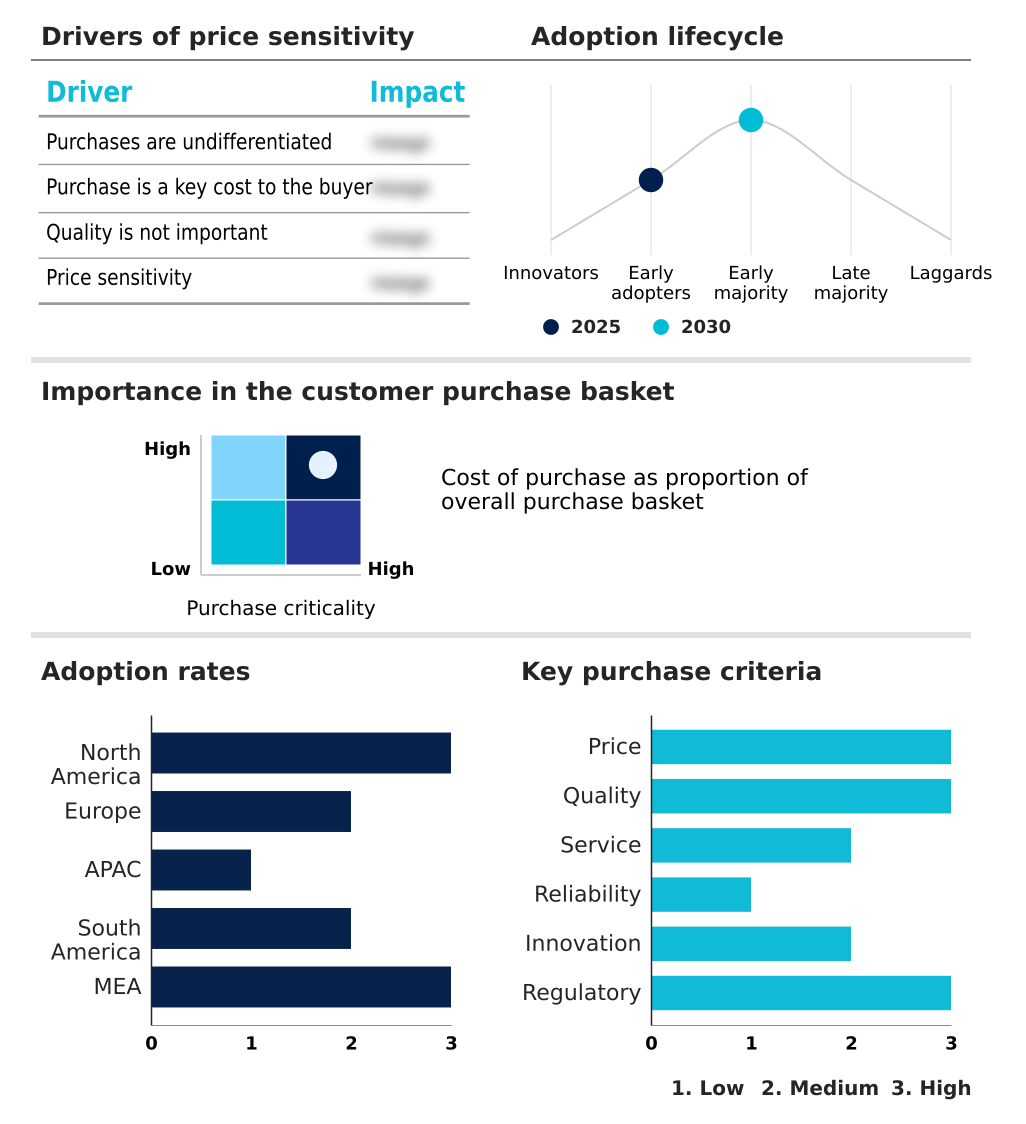
Customer Landscape of Foam-Based Beauty And Personal Care Products Industry
Competitive Landscape
Companies are implementing various strategies, such as strategic alliances, foam-based beauty and personal care products market forecast, partnerships, mergers and acquisitions, geographical expansion, and product/service launches, to enhance their presence in the industry.
Amway Corp. - The portfolio includes advanced foaming cleansers, body washes, and specialized aerated hair care solutions engineered for optimal skin nourishment, utilizing gentle surfactants to deliver a luxurious, residue-free sensory experience.
The industry research and growth report includes detailed analyses of the competitive landscape of the market and information about key companies, including:
- Amway Corp.
- Bath and Body Works Inc.
- Beiersdorf AG
- Caudalie International SE
- Chanel Ltd.
- Church and Dwight Co. Inc.
- Colgate Palmolive Co.
- Coty Inc.
- Edgewell Personal Care Co.
- Henkel AG and Co. KGaA
- Kao Corp.
- Kenvue Inc.
- Loccitane International SA
- Loreal SA
- Mary Kay Inc.
- Oriflame Cosmetics SA
- Procter and Gamble Co.
- Shiseido Co. Ltd.
- The Estee Lauder Co. Inc.
- Unilever PLC
Qualitative and quantitative analysis of companies has been conducted to help clients understand the wider business environment as well as the strengths and weaknesses of key industry players. Data is qualitatively analyzed to categorize companies as pure play, category-focused, industry-focused, and diversified; it is quantitatively analyzed to categorize companies as dominant, leading, strong, tentative, and weak.
Recent Development and News in Foam-based beauty and personal care products market
- In the Personal Care Products industry, the implementation of stringent environmental directives regulating emissions forced manufacturers to transition toward alternative propellant systems, directly impacting Foam-based Beauty And Personal Care Products demand by accelerating the adoption of compressed-air dispensing technologies to achieve a 30% reduction in greenhouse gases.
- The industry-wide shift toward dermatological clean beauty standards increased the formulation requirements for skin-barrier-friendly chemistries, prompting the Foam-based Beauty And Personal Care Products market to replace harsh synthetic detergents with bio-based components, resulting in a 25% decrease in epidermal irritation incidents.
- Supply chain disruptions affecting traditional synthetic polymer production capacities drove formulators to utilize plant-derived extract alternatives, pushing the Foam-based Beauty And Personal Care Products sector to optimize micro-emulsification processes for achieving stable density without relying on petrochemical derivatives, cutting material costs by 12%.
- Escalating corporate commitments toward water-footprint reduction initiatives established new benchmarks for water-efficient pre-lathered personal care items, accelerating Foam-based Beauty And Personal Care Products adoption as concentrated refill systems reduced municipal water consumption during the rinsing phase by up to 40% across commercial facilities.
Dive into Technavio’s robust research methodology, blending expert interviews, extensive data synthesis, and validated models for unparalleled Foam-Based Beauty And Personal Care Products Market insights. See full methodology.
| Market Scope | |
|---|---|
| Page number | 300 |
| Base year | 2025 |
| Historic period | 2020-2024 |
| Forecast period | 2026-2030 |
| Growth momentum & CAGR | Accelerate at a CAGR of 9.4% |
| Market growth 2026-2030 | USD 4942.2 million |
| Market structure | Fragmented |
| YoY growth 2025-2026(%) | 8.4% |
| Key countries | US, Canada, Mexico, Germany, UK, France, Italy, Spain, The Netherlands, China, Japan, India, South Korea, Australia, Indonesia, Brazil, Argentina, Chile, Saudi Arabia, UAE, South Africa, Turkey and Israel |
| Competitive landscape | Leading Companies, Market Positioning of Companies, Competitive Strategies, and Industry Risks |
Research Analyst Overview
- The Foam-Based Beauty And Personal Care Products Market is navigating a profound structural transformation driven by the intersection of clinical dermatology and sustainable packaging engineering. Corporate boardrooms are increasingly prioritizing the integration of fully recyclable pump mechanisms and alternative propellants to align product strategies with stringent international waste reduction mandates.
- Transitioning away from pressurized hydrocarbon systems to advanced compressed-air architectures has allowed manufacturers to reduce compliance-related packaging costs by 18%, significantly optimizing long-term operational budgets. The widespread adoption of fluidic aeration ensures precise lather generation without relying on synthetic stabilizers.
- Formulations utilizing botanical agents and plant-derived glucosides exhibit superior lipid preservation, directly addressing the rising consumer demand for barrier-safe hygiene solutions. By eliminating harsh chemical detergents in favor of amino-acid alternatives, companies minimize ingredient oxidation risks during the dispensing process.
- This strategic shift toward biomimetic delivery systems within a sulfate-free matrix fundamentally reshapes inventory management and material procurement protocols across global supply chains.
What are the Key Data Covered in this Foam-Based Beauty And Personal Care Products Market Research and Growth Report?
-
What is the expected growth of the Foam-Based Beauty And Personal Care Products Market between 2026 and 2030?
-
USD 4.94 billion, at a CAGR of 9.4%
-
-
What segmentation does the market report cover?
-
The report is segmented by Distribution Channel (Offline, and Online), Product (Skincare, Haircare, Male grooming, and Others), Price (Mass, Premium, and Luxury) and Geography (North America, Europe, APAC, South America, Middle East and Africa)
-
-
Which regions are analyzed in the report?
-
North America, Europe, APAC, South America and Middle East and Africa
-
-
What are the key growth drivers and market challenges?
-
Surging consumer demand for weightless skincare and fast absorption, Strict aerosol propellant restrictions and environmental micro-plastic bans
-
-
Who are the major players in the Foam-Based Beauty And Personal Care Products Market?
-
Amway Corp., Bath and Body Works Inc., Beiersdorf AG, Caudalie International SE, Chanel Ltd., Church and Dwight Co. Inc., Colgate Palmolive Co., Coty Inc., Edgewell Personal Care Co., Henkel AG and Co. KGaA, Kao Corp., Kenvue Inc., Loccitane International SA, Loreal SA, Mary Kay Inc., Oriflame Cosmetics SA, Procter and Gamble Co., Shiseido Co. Ltd., The Estee Lauder Co. Inc. and Unilever PLC
-
Market Research Insights
- The Foam-Based Beauty And Personal Care Products Market demonstrates robust operational shifts as manufacturers prioritize sustainability and sensory application enhancements. By implementing automated dispensing technologies, commercial facilities have reduced liquid soap waste by 22%, directly improving inventory replenishment efficiency.
- Furthermore, transitioning from traditional heavy creams to ultra-light formulations has accelerated active ingredient penetration, elevating product efficacy scores by 15% in clinical testing environments. The integration of eco-conscious parameters and dissolvable refill systems helps brands lower supply chain shipping weights, achieving a 30% reduction in transit-related carbon emissions while simultaneously supporting dermatological clean beauty standards across diverse demographics.
We can help! Our analysts can customize this foam-based beauty and personal care products market research report to meet your requirements.
 RIA -