
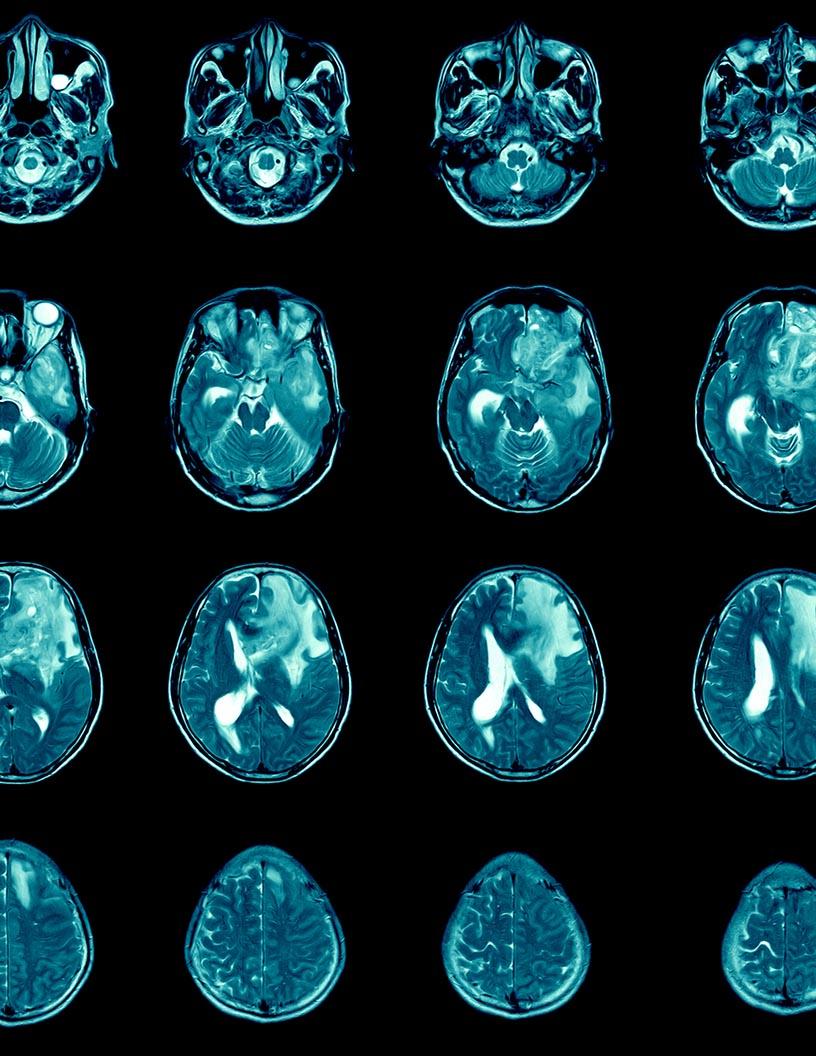


Glioblastoma Multiforme Treatment Market Size 2024-2028
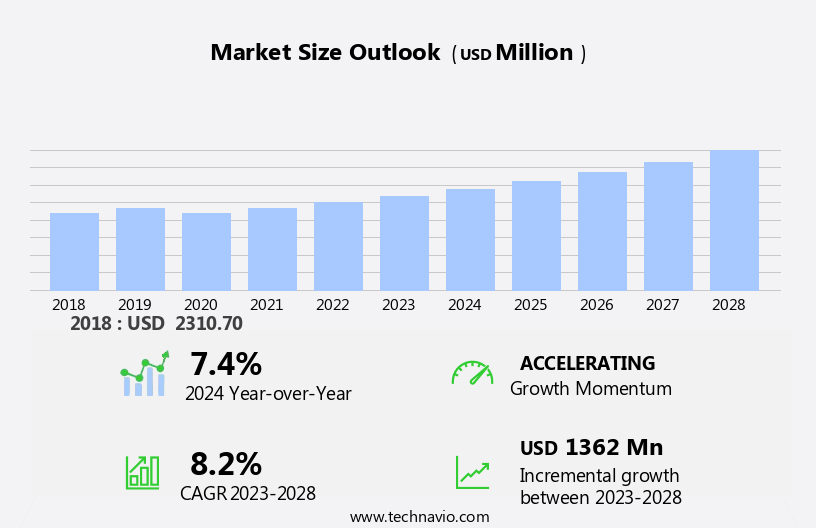
The glioblastoma multiforme treatment market size is forecast to increase by USD 1.36 billion at a CAGR of 8.2% between 2023 and 2028.
- The glioblastoma multiforme (GBM) treatment market is experiencing significant growth due to the rising incidence of this aggressive brain cancer and increasing research and development activities In the healthcare sector. According to the American Brain Tumor Association's Cancer Observatory, GBM accounts for approximately 15% of all primary brain tumors and is the most common malignant brain tumor in adults. Current treatment options include surgery, targeted therapy, and chemotherapy. Surgery remains the primary treatment modality for GBM, with various options such as awake craniotomy and awake craniotomy with intraoperative monitoring. This includes various strategies such as checkpoint inhibitors, monoclonal antibodies, and gene therapy. However, these procedures come with adverse effects such as cognitive impairment and motor deficits. Targeted therapies, such as temozolomide, are used in conjunction with surgery and chemotherapy to improve patient outcomes. The pharmaceutical supply chain plays a crucial role in ensuring the timely availability of these treatments to patients. Despite advancements in treatment options, the high mortality rate associated with GBM necessitates continued research and development efforts to improve patient outcomes and quality of life.
What will be the Size of the Glioblastoma Multiforme Treatment Market During the Forecast Period?
- Glioblastoma multiforme (GBM), a malignant tumor of the central nervous system (CNS), is a significant health concern worldwide. According to the Global Cancer Observatory, CNS cancers accounted for approximately 2.3% of all cancer diagnoses and 2.5% of cancer deaths in 2020. This article provides an overview of the current treatment landscape for GBM, focusing on surgical, radiation, chemotherapy, targeted therapy, immunotherapy, and emerging novel therapies. Surgery is the primary treatment modality for GBM, with the primary goal being to remove as much of the tumor as possible while minimizing damage to healthy brain tissue. Ambulatory surgical centers and hospitals offer various surgical procedures, including craniotomy and awake craniotomy. Following surgery, patients typically undergo radiation therapy to target any remaining cancer cells. External beam radiation therapy (EBRT) is the most common approach, delivering high-energy radiation to the tumor site. Chemotherapy is often used in combination with radiation therapy to enhance the therapeutic effect.
- Moreover, temozolomide, a chemotherapeutic agent, is the most widely used drug for GBM treatment. Corticosteroids, such as dexamethasone, are also frequently administered to reduce swelling and improve symptoms. Targeted therapies, such as bevacizumab, are designed to specifically target the molecular mechanisms of GBM. These therapies inhibit the growth and spread of cancer cells by blocking the action of specific proteins. Moreover, combination Therapies: Combination therapies, which involve the use of multiple treatment modalities, are increasingly being explored to improve treatment outcomes for GBM. For example, the combination of temozolomide and radiation therapy has been shown to improve survival rates compared to monotherapy. Immunotherapy: Immunotherapy, which harnesses the power of the immune system to fight cancer, is an emerging treatment approach for GBM. Personalized Medicine: The heterogeneity of GBM necessitates personalized treatment approaches.
- Thus, drug classes and treatment procedures are being tailored to individual patients based on their unique tumor characteristics, such as genetic mutations and protein expression profiles. The treatment market for GBM is continually evolving, with a focus on developing novel therapies and combination strategies to improve patient outcomes. The pharmaceutical supply chain plays a crucial role in ensuring the availability and accessibility of these treatments. As the understanding of GBM biology deepens, so too will the range and effectiveness of treatment options.
How is this Glioblastoma Multiforme Treatment Industry segmented and which is the largest segment?
The glioblastoma multiforme treatment industry research report provides comprehensive data (region-wise segment analysis), with forecasts and estimates in "USD billion" for the period 2024-2028, as well as historical data from 2018-2022 for the following segments.
- End-user
- Hospitals
- Clinics
- Ambulatory surgical centers
- Geography
- North America
- Canada
- US
- Europe
- Germany
- UK
- Asia
- China
- Rest of World (ROW)
- North America
By End-user Insights
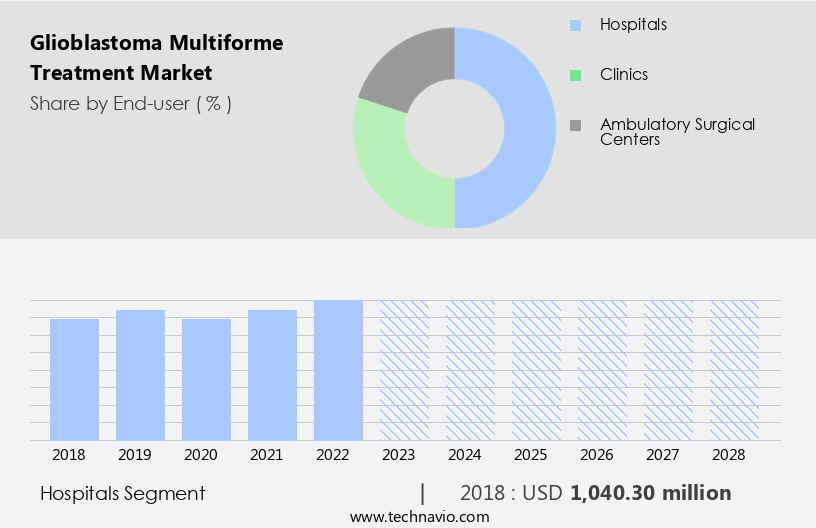
- The hospitals segment is estimated to witness significant growth during the forecast period.
The hospitals sector holds a significant position In the global glioblastoma multiforme (GBM) treatment market due to the intricate care and attention needed for patients with this brain tumor. Hospitals provide a range of treatment procedures, including patient-oriented surgeries, drug therapeutics, and gene therapy, which are vital for managing GBM. In 2023, hospitals led the market in terms of revenue generation, primarily due to their capacity to offer specialized care and access to advanced technologies. The high volume of surgeries performed for tumor resection and the need for post-operative care significantly contribute to the growth of this segment. Moreover, hospitals have multidisciplinary teams consisting of neurosurgeons, oncologists, and radiologists, ensuring a coordinated approach to patient care. The cost of treatment in hospitals can be substantial, making personalized medicine and cost-effective solutions essential for improving patient outcomes and affordability.
Get a glance at the Glioblastoma Multiforme Treatment Industry report of share of various segments Request Free Sample
The hospitals segment was valued at USD 1.04 billion in 2018 and showed a gradual increase during the forecast period.
Regional Analysis
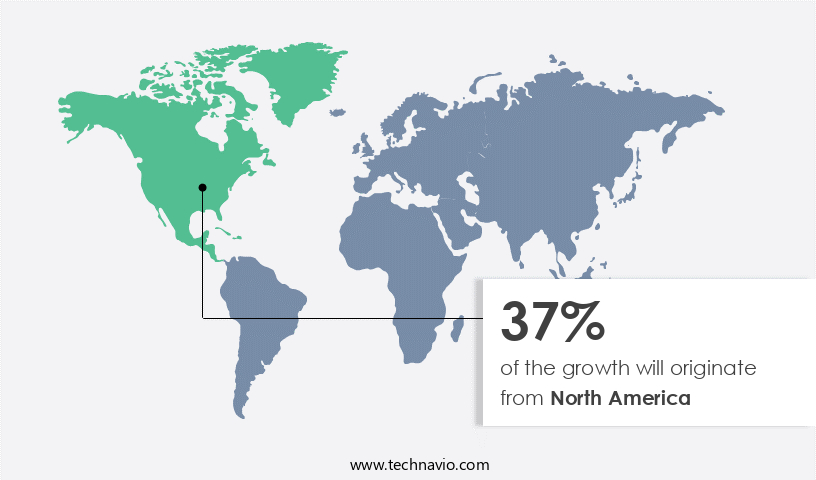
- North America is estimated to contribute 37% to the growth of the global market during the forecast period.
Technavio's analysts have elaborately explained the regional trends and drivers that shape the market during the forecast period.
For more insights on the market share of various regions, Request Free Sample
The market in North America is experiencing significant growth due to the presence of numerous pharmaceutical companies and sophisticated medical facilities In the United States and Canada. Moreover, the increasing geriatric population, who are more susceptible to this disease, is fueling market expansion. According to the American Association of Neurological Surgeons, the incidence of glioblastoma increases substantially with age, with a median age at diagnosis being 65 years. In summary, the advanced medical infrastructure, leading pharmaceutical companies, and the aging population in North America are key factors propelling the growth of the market.
Market Dynamics
Our researchers analyzed the data with 2023 as the base year, along with the key drivers, trends, and challenges. A holistic analysis of drivers will help companies refine their marketing strategies to gain a competitive advantage.
What are the key market drivers leading to the rise In the adoption of Glioblastoma Multiforme Treatment Industry?
The increasing incidence of glioblastoma multiforme is the key driver of the market.
- The prevalence of glioblastoma multiforme (GBM), an aggressive malignant brain tumor, is driving the growth of the global treatment market. GBM is responsible for approximately 14% of all primary brain tumors, with over 12,000 new cases diagnosed annually In the US. The escalating incidence of this disease underscores the urgent need for effective treatment options. According to the Global Cancer Observatory, the incidence of brain and central nervous system cancers reached approximately 308,102 in 2020.
- Furthermore, this trend is prompting increased research and development activities to discover innovative therapeutic approaches, such as targeted therapies using agents like Bevacizumab, and combination therapies. The demand for these advanced treatments reflects the unmet medical need for effective interventions against this devastating disease.
What are the market trends shaping the Glioblastoma Multiforme Treatment Industry?
Increasing research and development activities is the upcoming market trend.
- The market is witnessing significant advancements due to the growing clinical research focused on developing more effective therapies for this aggressive brain cancer. Traditional treatment methods, such as surgery and chemotherapy, have limited success, leading researchers to explore innovative approaches. One such promising treatment is DCVax-L, a personalized cancer vaccine that utilizes dendritic cells to stimulate an immune response against GBM. This therapy has demonstrated positive results in phase III trials for extending survival in patients with newly diagnosed or recurrent GBM.
- Also, another innovative strategy gaining attention is Tumor Treating Fields (TTF), which employs alternating electric fields to disrupt tumor cell division. This non-invasive treatment option is becoming increasingly popular due to its potential to improve patient outcomes without the need for surgery. The health and wellness industry is working diligently to ensure the pharmaceutical supply chain can accommodate these new treatment options, making them accessible to patients in need. The Cancer Observatory and various research organizations, such as the National Cancer Institute, are closely monitoring these developments to provide updated clinical guidelines for healthcare professionals.
What challenges does the Glioblastoma Multiforme Treatment Industry face during its growth?
Adverse effects associated with treatments are a key challenge affecting the industry's growth.
- Glioblastoma multiforme (GBM), a type of brain cancer, presents unique challenges in treatment due to tumor heterogeneity. Traditional cancer therapies, such as radiation and chemotherapy, have limitations in addressing the diverse nature of GBM. While these treatments aim to eliminate cancer cells, they can result in various side effects that impact patients differently. Factors like treatment schedules, dosages, and drug combinations contribute to the variability of side effects. Corticosteroids, like dexamethasone, are often used to alleviate symptoms caused by the swelling of the brain. Drug classes, such as alkylating agents and temozolomide, are commonly used in chemotherapy for GBM treatment.
- Nanoparticle-based treatments are emerging as potential alternatives, offering targeted delivery and reduced side effects. The side effects of GBM treatments can significantly impact patients' quality of life. Understanding the unique response of each patient to different treatments is crucial for optimizing care and minimizing side effects. Personalized treatments tailored to individual patient needs can help improve treatment outcomes and reduce morbidity. In summary, the complexity of GBM and its response to treatments necessitates a more nuanced approach to cancer care. By focusing on personalized treatments and addressing tumor heterogeneity, healthcare professionals can improve patient outcomes and enhance their overall experience.
Exclusive Customer Landscape
The glioblastoma multiforme treatment market forecasting report includes the adoption lifecycle of the market, market growth and forecasting, covering from the innovator's stage to the laggard's stage. It focuses on adoption rates in different regions based on penetration. Furthermore, the glioblastoma multiforme treatment market report also includes key purchase criteria and drivers of price sensitivity to help companies evaluate and develop their market growth analysis strategies.
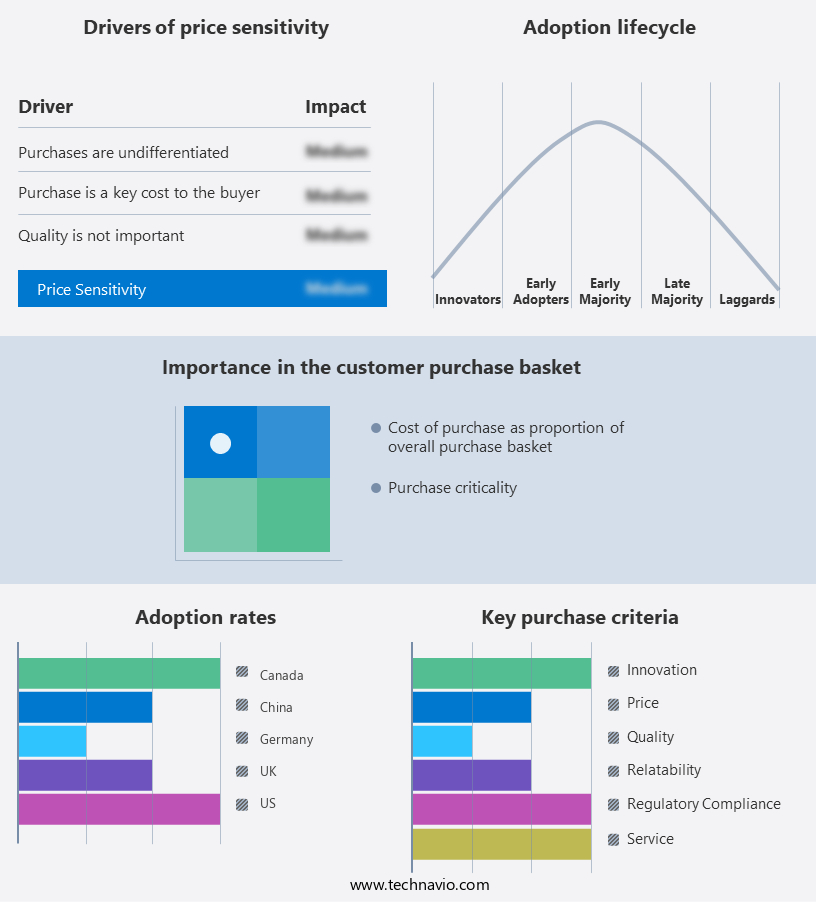
Customer Landscape
Key Companies & Market Insights
Companies are implementing various strategies, such as strategic alliances, glioblastoma multiforme treatment market forecast, partnerships, mergers and acquisitions, geographical expansion, and product/service launches, to enhance their presence In the industry.
The industry research and growth report includes detailed analyses of the competitive landscape of the market and information about key companies, including:
- AIVITA Biomedical Inc.
- Amgen Inc.
- Amneal Pharmaceuticals Inc.
- Angiochem Inc.
- Arbor Pharmaceuticals LLC
- AstraZeneca Plc
- Bayer AG
- Bristol Myers Squibb Co.
- Chimerix Inc.
- DNAtrix Inc.
- F. Hoffmann La Roche Ltd.
- Karyopharm Therapeutics Inc.
- Kazia Therapeutics Ltd.
- Medicenna Therapeutics Corp.
- Merck and Co. Inc.
- Pfizer Inc.
- Sumitomo Pharma Co. Ltd.
- Sun Pharmaceutical Industries Ltd.
Qualitative and quantitative analysis of companies has been conducted to help clients understand the wider business environment as well as the strengths and weaknesses of key industry players. Data is qualitatively analyzed to categorize companies as pure play, category-focused, industry-focused, and diversified; it is quantitatively analyzed to categorize companies as dominant, leading, strong, tentative, and weak.
Research Analyst Overview
The treatment market for CNS cancers, specifically glioblastoma multiforme, is a significant and growing area in cancer care. Glioblastoma multiforme is a malignant tumor that affects the brain and is one of the most common and aggressive forms of primary brain tumors. Novel therapies, such as targeted therapies and combination therapies, are being explored to improve treatment outcomes. Bevacizumab, a monoclonal antibody, is a commonly used targeted therapy for glioblastoma multiforme. Personalized treatments, including gene therapy and nanoparticle-based treatments, are also being investigated to address tumor heterogeneity. Corticosteroids, such as dexamethasone, are often used to reduce swelling and alleviate symptoms.
Further, radiation therapy, chemotherapy with temozolomide, and surgery are the primary treatment options for glioblastoma multiforme. Surgical treatment options include patient-oriented surgery and minimally invasive procedures. Non-invasive therapies, such as drug delivery and proton therapy, are also being explored to improve treatment efficacy and reduce side effects. Clinical guidelines provide recommendations for the diagnosis and treatment of glioblastoma multiforme. Hospitals, clinics, and ambulatory surgical centers offer various treatment procedures for patients. The pharmaceutical supply chain plays a crucial role in ensuring the availability and affordability of glioblastoma multiforme treatments. The cost of treatment can be high, and healthcare infrastructure and cancer treatment centers play a significant role in providing access to care. Clinical trials offer hope for new treatments and improved outcomes. Medical tourism is also an option for patients seeking affordable and specialized care.
|
Market Scope |
|
|
Report Coverage |
Details |
|
Page number |
137 |
|
Base year |
2023 |
|
Historic period |
2018-2022 |
|
Forecast period |
2024-2028 |
|
Growth momentum & CAGR |
Accelerate at a CAGR of 8.2% |
|
Market growth 2024-2028 |
USD 1.36 billion |
|
Market structure |
Fragmented |
|
YoY growth 2023-2024(%) |
7.4 |
|
Key countries |
US, Germany, Canada, China, and UK |
|
Competitive landscape |
Leading Companies, Market Positioning of Companies, Competitive Strategies, and Industry Risks |
What are the Key Data Covered in this Glioblastoma Multiforme Treatment Market Research and Growth Report?
- CAGR of the Glioblastoma Multiforme Treatment industry during the forecast period
- Detailed information on factors that will drive the growth and forecasting between 2024 and 2028
- Precise estimation of the size of the market and its contribution of the industry in focus to the parent market
- Accurate predictions about upcoming growth and trends and changes in consumer behaviour
- Growth of the market across North America, Europe, Asia, and Rest of World (ROW)
- Thorough analysis of the market's competitive landscape and detailed information about companies
- Comprehensive analysis of factors that will challenge the glioblastoma multiforme treatment market growth of industry companies
We can help! Our analysts can customize this glioblastoma multiforme treatment market research report to meet your requirements.
 RIA -
RIA - 
