
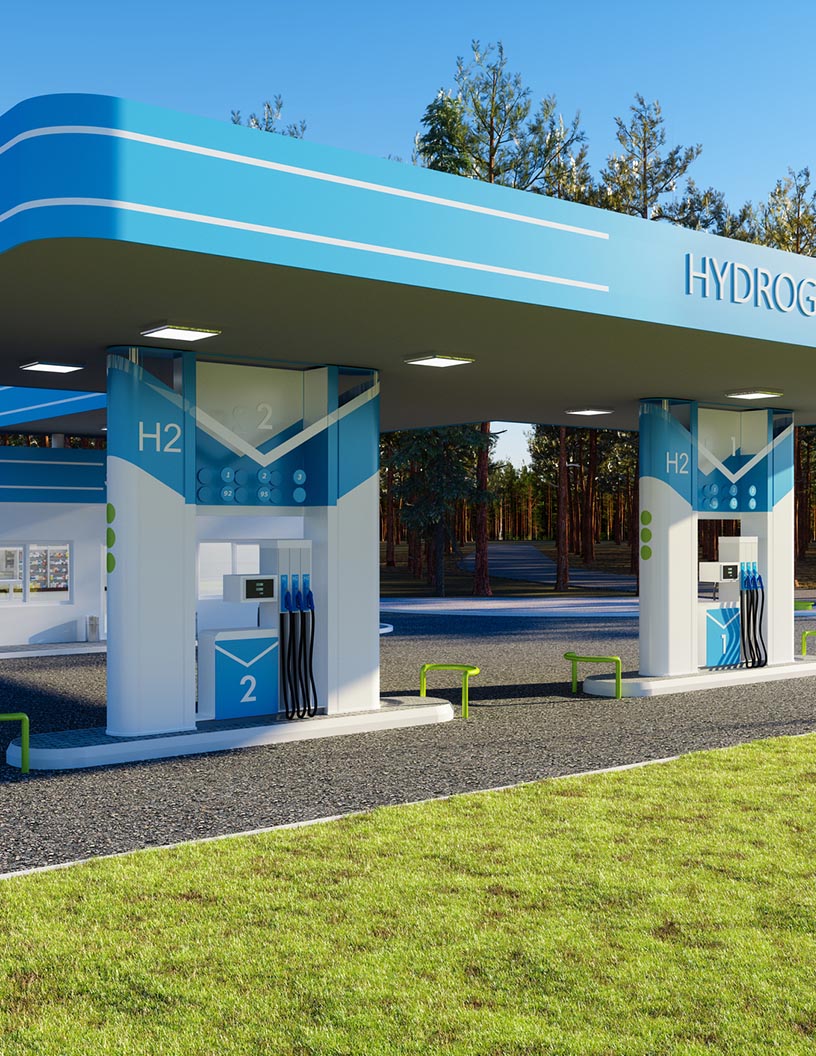


Hydrogen Fueling Stations Market Size 2024-2028
The hydrogen fueling stations market size is forecast to increase by USD 2.27 billion at a CAGR of 37.46% between 2023 and 2028.
- The market is witnessing significant growth due to the increasing adoption of low carbon technologies. This trend is driven by the need to reduce greenhouse gas emissions and promote sustainable energy solutions. However, the market also faces challenges, including the high cost of hydrogen production and the lack of infrastructure for hydrogen refueling facilities. Hydrogen serves as an effective clean energy carrier for the transportation sector, particularly for heavy-duty vehicles and industries such as steelmaking and ammonia manufacture. Hydrogen dispensers and compression systems are crucial components of stations, enabling the refueling of heavy-duty vehicles, commercial vehicles, passenger cars, marine, rail, and other applications. Recent developments in hydrogen production technologies and government initiatives to invest in hydrogen infrastructure are expected to mitigate these challenges. The market is expected to grow steadily In the coming years, offering opportunities for stakeholders to invest and innovate. The analysis also covers the impact of regulatory policies and technological advancements on market growth.
What will be the Size of the Market During the Forecast Period?
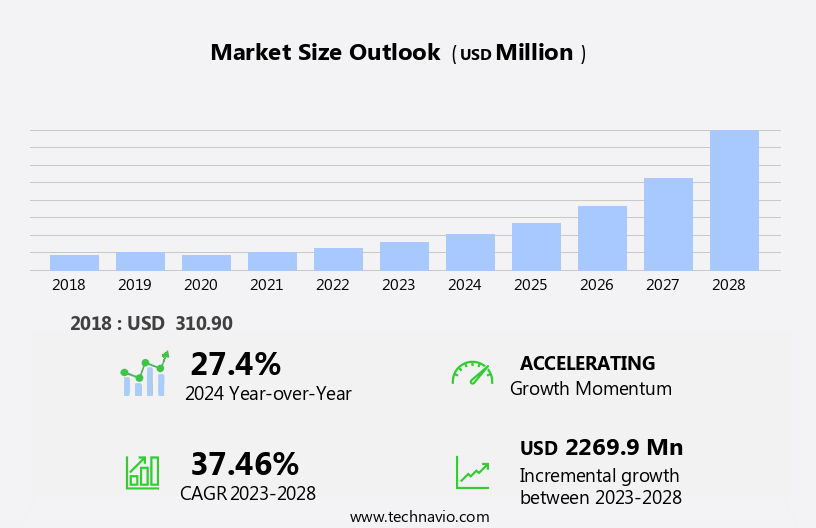
- The market is experiencing significant growth due to the increasing adoption of zero-emission vehicles (ZEVs) as part of decarbonization efforts to mitigate greenhouse gas emissions and address climate change and urban air pollution.
- Moreover, hydrogen refueling stations utilize hydrogen dispensers, compression systems, and hydrogen production through electrolyzers powered by renewable energy sources. The hydrogen economy is gaining traction as a viable alternative to fossil fuels, offering energy security and contributing to the global transition towards a clean energy future. The market dynamics are influenced by factors such as hydrogen production costs, infrastructure development, and government policies. The market is expected to continue growing as the world strives to meet climate goals and reduce greenhouse gas emissions from the transportation sector.
How is this Industry segmented and which is the largest segment?
The research report provides comprehensive data (region-wise segment analysis), with forecasts and estimates in "USD billion" for the period 2024-2028, as well as historical data from 2018-2022 for the following segments.
- Type
- Small station
- Medium station
- Large station
- Geography
- APAC
- China
- Japan
- South Korea
- Europe
- Germany
- North America
- US
- Middle East and Africa
- South America
- APAC
By Type Insights
- The small station segment is estimated to witness significant growth during the forecast period.
The market is experiencing substantial growth due to the increasing adoption of zero-emission vehicles (ZEVs) as part of decarbonization efforts and the shift towards clean transport. Hydrogen dispensers and compression systems are crucial components of infrastructure, catering to the refueling needs of heavy-duty vehicles, commercial vehicles, and passenger cars. The market's growth is influenced by factors such as climate change mitigation, urban air pollution reduction, and energy security. Hydrogen refueling stations, available as fixed, mobile, on-site, and off-site solutions, are essential for the hydrogen economy's development. The hydrogen demand is driven by various industries, including transportation, steelmaking, ammonia manufacture, and hydrogen plants.
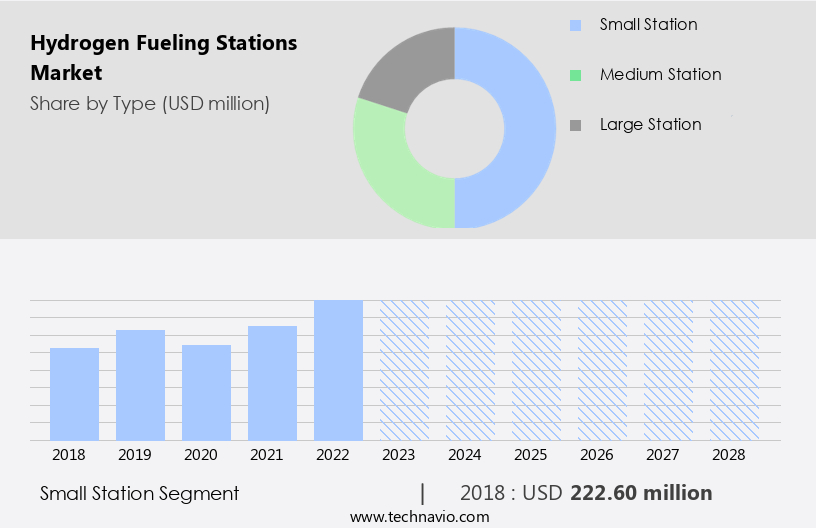
Get a glance at the Hydrogen Fueling Stations Industry report of share of various segments Request Free Sample
The small station segment was valued at USD 222.60 million in 2018 and showed a gradual increase during the forecast period.
Regional Analysis
- APAC is estimated to contribute 49% to the growth of the global market during the forecast period.
Technavio's analysts have elaborately explained the regional trends and drivers that shape the market during the forecast period.
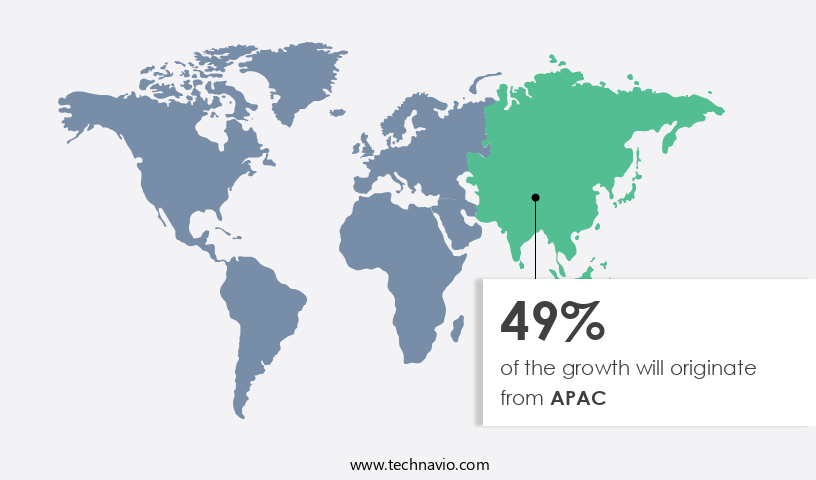
For more insights on the market share of various regions, Request Free Sample
The hydrogen fueling station market is experiencing significant growth, particularly In the Asia Pacific (APAC) region. Countries like China, Japan, and South Korea are leading this market due to their commitment to decarbonization and the increasing adoption of zero-emission vehicles (ZEVs). These nations have set ambitious targets for hydrogen fuel cell vehicle deployment and the establishment of hydrogen refueling stations (HRS). Hydrogen is an essential clean energy carrier for the transportation sector, contributing to the reduction of greenhouse gas emissions, air pollution, and energy security concerns. Hydrogen production is achieved through various methods, including renewable energy sources and hydrogen plants utilizing electrolyzers and fuel cells.
Market Dynamics
Our hydrogen fueling stations market researchers analyzed the data with 2023 as the base year, along with the key drivers, trends, and challenges. A holistic analysis of drivers will help companies refine their marketing strategies to gain a competitive advantage.
What are the key market drivers leading to the rise In the adoption of Hydrogen Fueling Stations Industry?
Rising adoption of low carbon technologies is the key driver of the market.
- The market is experiencing significant growth due to the increasing demand for zero-emission vehicles (ZEV) and the need to decarbonize various industries, including transportation. With climate change and air pollution becoming major concerns, governments worldwide are investing heavily in hydrogen infrastructure to reduce greenhouse gas (GHG) emissions. The hydrogen economy is gaining momentum as an alternative fuel source, with hydrogen production from renewable energy sources becoming increasingly cost-effective. Renewable hydrogen production methods include electrolysis, which uses excess renewable energy to split water into hydrogen and oxygen.
- Furthermore, hydrogen can be used as a clean energy carrier in various industries, including steelmaking and ammonia manufacture, and as a zero-emission transportation fuel. The market for hydrogen fueling stations includes both fixed and mobile stations, with retail hydrogen stations becoming more common in urban areas. However, there are risks associated with hydrogen-related hazards, including high-pressure refueling infrastructure and on-site hydrogen production. Risk assessment and safety measures are essential to ensure the safe deployment of hydrogen fueling stations. The Hydrogen Council estimates that hydrogen could meet up to 18% of the world's total energy demand by 2050, making it a significant player In the energy sector.
What are the market trends shaping the Hydrogen Fueling Stations Industry?
Recent developments is the upcoming market trend.
- The market is experiencing significant growth due to the increasing demand for zero-emission vehicles (ZEV) and the need to decarbonize the transportation sector. Hydrogen is considered a clean energy carrier that can help reduce greenhouse gas emissions, contribute to climate goals, and mitigate urban air pollution. Hydrogen fueling stations come in various forms, including fixed stations, mobile stations, and on-site and off-site production. companies are investing heavily In the development of hydrogen dispensers, compression systems, and high-pressure refueling infrastructure to cater to the growing demand for hydrogen as an alternative fuel source. The market is driven by the increasing adoption of hydrogen in heavy-duty vehicles, commercial vehicles, and passenger cars, as well as in industries such as steelmaking and ammonia manufacture.
- In addition, the hydrogen council and various research organizations predict that hydrogen will play a crucial role In the hydrogen economy, which aims to provide clean energy solutions for transportation and energy sectors. However, the high capital investment required for hydrogen production through electrolyzers and fuel cells, as well as the risks associated with hydrogen-related hazards, pose challenges to market growth. Despite these challenges, the market is expected to grow significantly during the forecast period due to the increasing focus on decarbonization, energy security, and net zero movement. Renewable energy sources, such as wind and solar, are being integrated into hydrogen production to make it a more sustainable and cost-effective alternative to fossil fuels.
What challenges does the Hydrogen Fueling Stations Industry face during its growth?
Challenges associated with hydrogen refueling facilities is a key challenge affecting the industry growth.
- Hydrogen fueling stations (HRS) play a crucial role In the transition to zero-emission transportation as an alternative to traditional fossil fuels. With the growing focus on decarbonization, climate change mitigation, and air pollution reduction, the demand for hydrogen as a clean energy carrier In the transportation sector is increasing. According to the International Energy Agency (IEA), there were approximately 685 hydrogen fueling stations worldwide in 2021, with 60 operational In the US as of January 2021. Hydrogen fueling stations offer refueling capacity for various zero-emission vehicles, including heavy-duty trucks, commercial vehicles, passenger cars, marine, rail, and more. The production of hydrogen can be achieved through various methods, including on-site hydrogen production using renewable energy sources such as wind or solar power, or through off-site hydrogen production from hydrogen plants that use natural gas or coal.
- In addition, hydrogen fueling stations consist of hydrogen dispensers, compression systems, and other components that ensure the safe and efficient dispensing of hydrogen at varying pressures. The high capital investment required for hydrogen infrastructure, including hydrogen production, transportation, and storage, presents a challenge to the widespread adoption of hydrogen fueling stations. Despite these challenges, the hydrogen economy is gaining momentum as governments and automotive manufacturers invest in hydrogen infrastructure to meet climate goals and reduce greenhouse gas (GHG) emissions. The hydrogen industry is collaborating through organizations like the Hydrogen Council to accelerate the development and deployment of hydrogen infrastructure. However, it is essential to assess the risks associated with hydrogen-related hazards and ensure the safety and reliability of hydrogen fueling stations.
Exclusive Customer Landscape
The hydrogen fueling stations market forecasting report includes the adoption lifecycle of the market, covering from the innovator's stage to the laggard's stage. It focuses on adoption rates in different regions based on penetration. Furthermore, the hydrogen fueling stations market report also includes key purchase criteria and drivers of price sensitivity to help companies evaluate and develop their market growth analysis strategies.
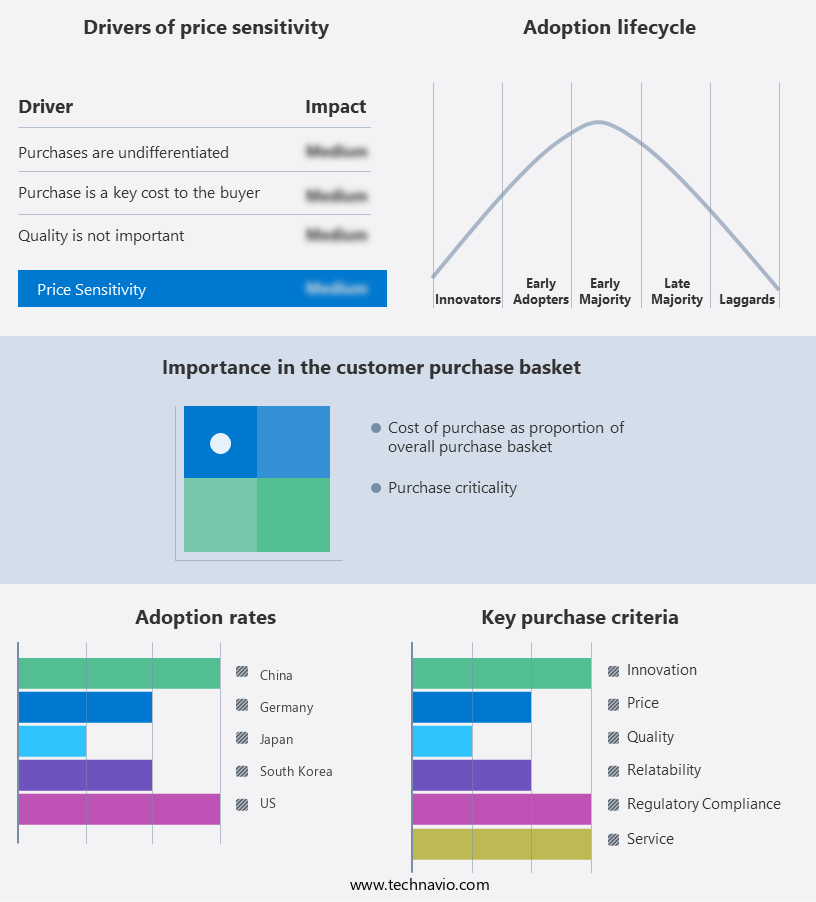
Customer Landscape
Key Companies & Market Insights
Companies are implementing various strategies, such as strategic alliances, hydrogen fueling stations market forecast, partnerships, mergers and acquisitions, geographical expansion, and product/service launches, to enhance their presence In the industry.
The industry research and growth report includes detailed analyses of the competitive landscape of the market and information about key companies, including:
- Air Liquide SA
- Air Products and Chemicals Inc.
- ATAWEY
- Ballard Power Systems Inc.
- BP Plc
- Cummins Inc.
- FirstElement Fuel Inc.
- FuelCell Energy Inc.
- H2ENERGY SOLUTIONS LTD
- HUMBLE HYDROGEN
- ITM Power PLC
- Linde Plc
- Nel ASA
- Nikola Corp.
- Nuvera Fuel Cells LLC
- PDC Machines Inc.
- Plug Power Inc.
- Sera GmBH
- Shell plc
- Sinopec Shanghai Petrochemical Co. Ltd.
Qualitative and quantitative analysis of companies has been conducted to help clients understand the wider business environment as well as the strengths and weaknesses of key industry players. Data is qualitatively analyzed to categorize companies as pure play, category-focused, industry-focused, and diversified; it is quantitatively analyzed to categorize companies as dominant, leading, strong, tentative, and weak.
Research Analyst Overview
The hydrogen fueling station market represents a significant milestone In the transition towards zero-emission transportation and decarbonization of various sectors, including commercial vehicles and heavy-duty industries. Hydrogen is emerging as a promising clean energy carrier, offering numerous advantages over traditional fossil fuels in terms of reduced greenhouse gas emissions, improved energy security, and reduced urban air pollution. Zero-emission vehicles (ZEVs), including passenger cars, buses, trucks, marine vessels, and rail, are gaining increasing popularity as climate goals and environmental concerns continue to shape the global transportation landscape. Hydrogen fueling stations play a crucial role in facilitating the widespread adoption of ZEVs by providing a reliable and convenient refueling infrastructure.
Furthermore, hydrogen fueling stations can be categorized into fixed and mobile stations. Fixed stations are typically located at strategic locations such as transportation hubs, commercial areas, and industrial complexes, providing high refueling capacity for heavy-duty vehicles and commercial fleets. Mobile hydrogen stations, on the other hand, offer on-site hydrogen production and refueling, catering to the needs of off-grid applications and remote locations. The hydrogen fueling station market is driven by several factors, including the growing demand for zero-emission transportation, the need to reduce greenhouse gas emissions and combat climate change, and the increasing availability of renewable energy sources for hydrogen production.
In addition, hydrogen can be produced from various sources, including renewable energy, natural gas, coal, and biomass, making it a versatile alternative fuel source. The production of hydrogen involves several processes, including electrolysis, steam methane reforming, and autothermal reforming. Electrolyzers, which use electricity to split water molecules into hydrogen and oxygen, are gaining popularity due to their low carbon footprint and high efficiency. Fuel cells, which convert hydrogen into electricity and water, are used to power ZEVs and provide clean energy for various applications. The hydrogen fueling station market also faces several challenges, including the high capital investment required for infrastructure development, the need for high-pressure refueling infrastructure, and the risks associated with hydrogen-related hazards.
Moreover, decentralized energy solutions, such as on-site hydrogen production, are gaining traction as a potential solution to address some of these challenges. Therefore, the hydrogen fueling station market represents a significant opportunity for the clean energy and transportation sectors, offering a promising solution for reducing greenhouse gas emissions, improving energy security, and addressing urban air pollution. The market is driven by various factors, including the growing demand for zero-emission transportation, the availability of renewable energy sources, and the need to decarbonize various industries. However, the market also faces several challenges, including high capital investment, the need for high-pressure refueling infrastructure, and hydrogen-related hazards. Addressing these challenges and continuing to innovate in hydrogen production, storage, and transportation technologies will be crucial for the growth and success of the hydrogen fueling station market.
|
Hydrogen Fueling Stations Market Scope |
|
|
Report Coverage |
Details |
|
Page number |
142 |
|
Base year |
2023 |
|
Historic period |
2018-2022 |
|
Forecast period |
2024-2028 |
|
Growth momentum & CAGR |
Accelerate at a CAGR of 37.46% |
|
Market growth 2024-2028 |
USD 2.27 billion |
|
Market structure |
Fragmented |
|
YoY growth 2023-2024(%) |
27.4 |
|
Key countries |
Japan, South Korea, Germany, US, and China |
|
Competitive landscape |
Leading Companies, market growth and forecasting, Market Positioning of Companies, Competitive Strategies, and Industry Risks |
What are the Key Data Covered in this Hydrogen Fueling Stations Market Research and Growth Report?
- CAGR of the Hydrogen Fueling Stations industry during the forecast period
- Detailed information on factors that will drive the Hydrogen Fueling Stations growth and forecasting between 2024 and 2028
- Precise estimation of the size of the market and its contribution of the industry in focus to the parent market
- Accurate predictions about upcoming growth and trends and changes in consumer behaviour
- Growth of the market across APAC, Europe, North America, Middle East and Africa, and South America
- Thorough analysis of the market's competitive landscape and detailed information about companies
- Comprehensive analysis of factors that will challenge the hydrogen fueling stations market growth of industry companies
We can help! Our analysts can customize this hydrogen fueling stations market research report to meet your requirements.
 RIA -
RIA - 
