
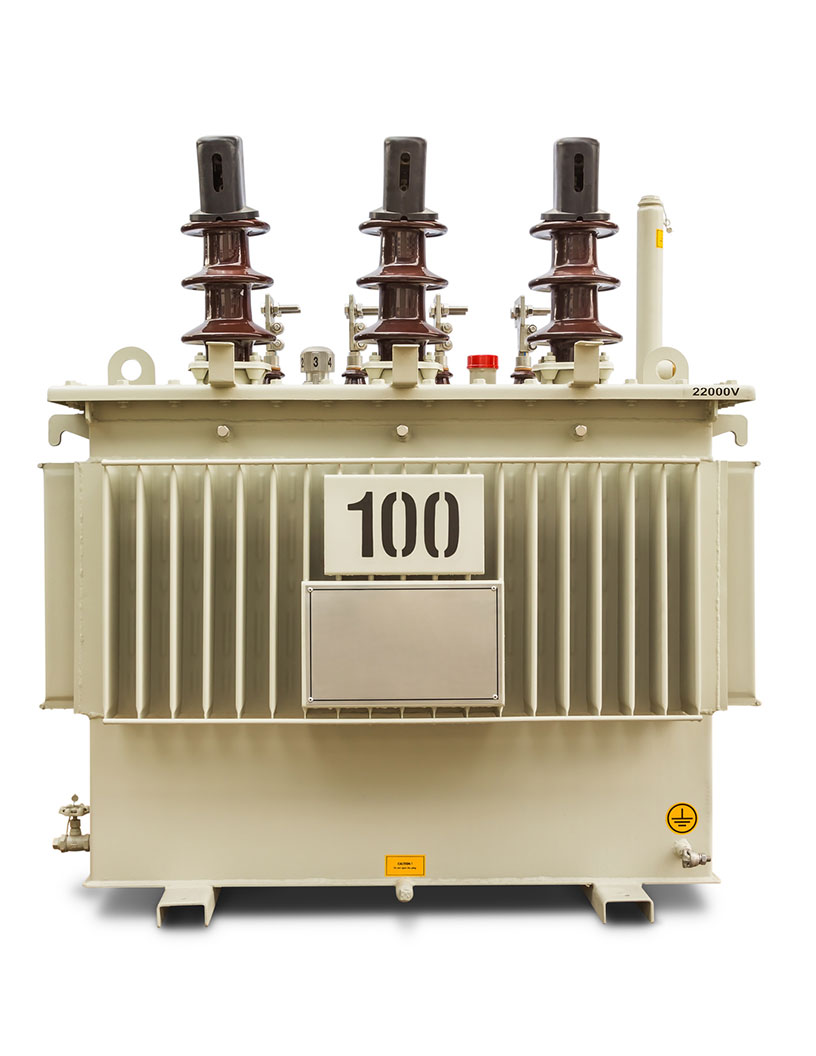


Liquid-Immersed Transformers Market Size 2024-2028
The liquid-immersed transformers market size is forecast to increase by USD 12.45 billion, at a CAGR of 6.36% between 2023 and 2028.
- The market is experiencing significant growth, driven by the expanding power transmission and distribution (T&D) infrastructure. The increasing demand for reliable and efficient power transmission solutions is fueling the market's expansion. Additionally, the preference for bio-based and naphthenic transformer oils is gaining traction due to their superior insulation properties and environmental benefits. However, the market faces challenges as well. New regulations mandating the replacement of aging power transformers with more efficient and eco-friendly alternatives are increasing costs for manufacturers and utilities.
- This regulatory pressure, coupled with the high initial investment required for liquid-immersed transformers, presents a significant challenge for market participants. Companies seeking to capitalize on the market's opportunities must navigate these challenges effectively, focusing on innovation, cost optimization, and regulatory compliance to remain competitive.
What will be the Size of the Liquid-Immersed Transformers Market during the forecast period?
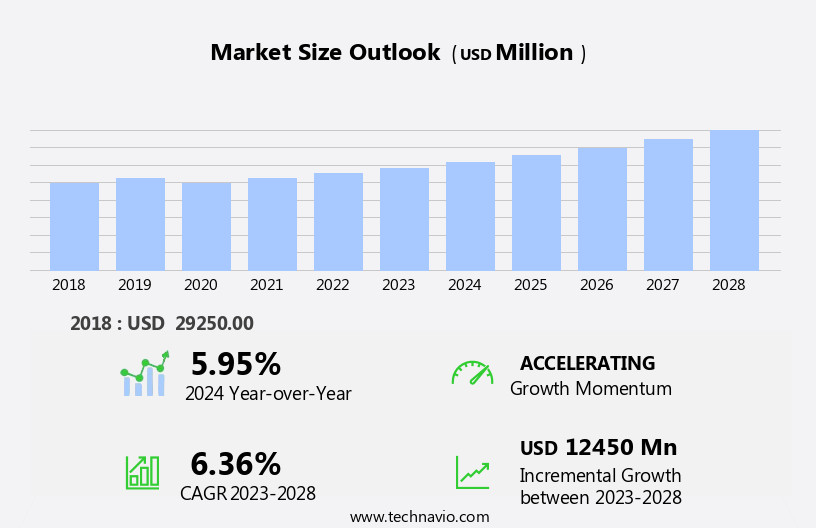
Explore in-depth regional segment analysis with market size data - historical 2018-2022 and forecasts 2024-2028 - in the full report.
Request Free Sample
The liquid-immersed transformer market continues to evolve, driven by the increasing demand for reliable and efficient power transmission solutions across various sectors. Condition monitoring sensors and fault diagnosis algorithms are increasingly being integrated into transformer maintenance schedules to enhance power system stability and reduce no-load losses. On-load tap changers and energy efficiency improvements are also key focus areas, as the industry strives to minimize core loss and enhance power transformer design. Oil filtration techniques and oil quality monitoring are essential for maintaining transformer health, with dielectric strength testing and partial discharge detection playing crucial roles in detecting potential faults. Thermal management strategies, such as winding temperature control and overvoltage protection, are also critical in mitigating transformer aging process and electrical breakdown strength issues.
Electromagnetic interference and insulation paper degradation are common challenges in the industry, necessitating the use of advanced liquid cooling systems and reactive power compensation techniques. Dissolved gas analysis and high-voltage insulation testing are essential for ensuring transformer efficiency and extending transformer lifespan. According to industry reports, the global liquid-immersed transformer market is expected to grow by over 5% annually in the coming years, driven by the increasing demand for electrical power and the need for more efficient and reliable power transmission solutions. For instance, a major utility company was able to reduce transformer failures by 30% through the implementation of advanced monitoring and maintenance strategies.
How is this Liquid-Immersed Transformers Industry segmented?
The liquid-immersed transformers industry research report provides comprehensive data (region-wise segment analysis), with forecasts and estimates in "USD million" for the period 2024-2028, as well as historical data from 2018-2022 for the following segments.
- Type
- Power transformers
- Distribution transformers
- Application
- Commercial power
- Residential power
- Industrial power
- Geography
- North America
- US
- Europe
- Germany
- APAC
- China
- India
- Japan
- Rest of World (ROW)
- North America
By Type Insights
The power transformers segment is estimated to witness significant growth during the forecast period.
Power transformers, a critical component of the electrical power grid, predominantly utilize oil as an insulating medium due to its cost-effectiveness and widespread availability. Inside substations and distribution stations, power transformers are positioned, reducing the risk of injuries or fatalities. Although SF6 gas, a non-flammable and non-polluting alternative, offers superior insulating properties, its high cost restricts its usage in developing nations. Condition monitoring sensors and fault diagnosis algorithms are increasingly integrated into transformer systems for early detection and prevention of potential failures. Transformer maintenance schedules are optimized through no-load losses analysis and on-load tap changers, enhancing energy efficiency and power system stability.
Oil filtration techniques and dielectric strength testing ensure transformer longevity by maintaining oil quality and electrical integrity. Thermal management strategies, such as winding temperature control and liquid cooling systems, improve transformer efficiency and extend lifespan. Voltage regulation methods, including reactive power compensation and electrical insulation testing, minimize core losses and impulse voltage withstand. Dissolved gas analysis and high-voltage insulation monitoring provide insights into transformer health and aging process. Industry growth is expected to reach 6% annually, driven by the increasing demand for electricity and the need for improved power system reliability and efficiency. For instance, a utility company implemented a transformer maintenance program, reducing downtime by 20% and increasing overall efficiency by 15%.
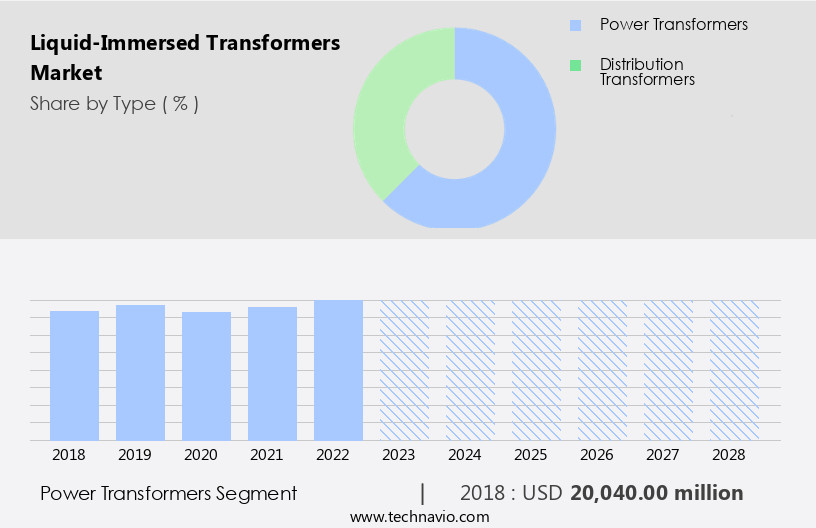
The Power transformers segment was valued at USD 20.04 billion in 2018 and showed a gradual increase during the forecast period.
Regional Analysis
APAC is estimated to contribute 39% to the growth of the global market during the forecast period. Technavio's analysts have elaborately explained the regional trends and drivers that shape the market during the forecast period.
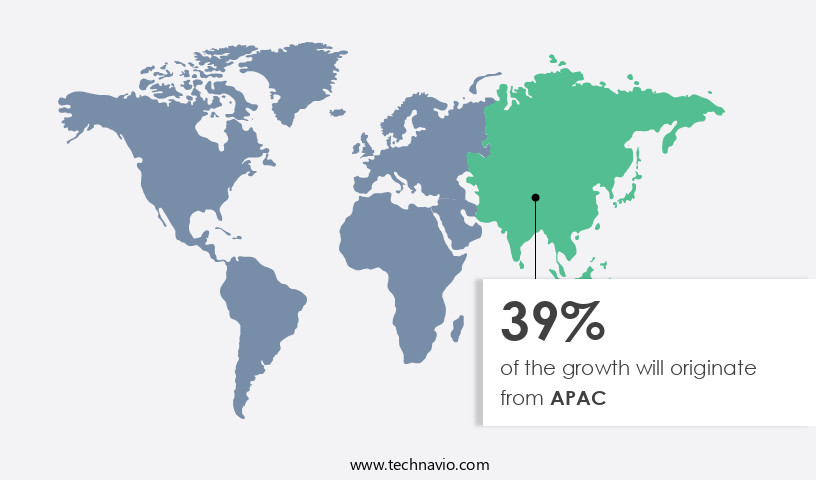
Liquid-immersed transformers are experiencing increased demand, particularly in APAC, due to the region's significant expansion in the power and distribution sector. The rising urban population and industrial growth, particularly in countries like China, India, Vietnam, Thailand, and the Philippines, necessitate the installation and expansion of electrical infrastructure. This includes the deployment of power transformers, which are often liquid-immersed, to expand the grid and maintain power system stability. Condition monitoring sensors and fault diagnosis algorithms play a crucial role in ensuring transformer efficiency and longevity. Regular maintenance schedules, including no-load losses analysis and oil filtration techniques, are essential for optimizing transformer performance and minimizing energy losses.
On-load tap changers facilitate energy efficiency improvements by allowing transformers to operate at optimal voltage levels. Transformer design and oil quality monitoring are critical factors in ensuring transformer reliability and longevity. Dielectric strength testing, partial discharge detection, and oil breakdown voltage analysis help identify potential issues before they become major problems. Thermal management strategies, such as winding temperature control and liquid cooling systems, are essential for maintaining transformer performance and extending their lifespan. Overvoltage protection, voltage regulation methods, and electrical insulation testing are essential for ensuring power system stability and preventing electrical damage. Core loss minimization and impulse voltage withstand are crucial considerations for transformer design, while magnetic flux density and transformer oil dielectric strength are essential factors in ensuring transformer efficiency and reliability.
The transformer aging process, electromagnetic interference, insulation paper degradation, and short circuit withstand are all factors that impact transformer performance and lifespan. Reactive power compensation and dissolved gas analysis are essential tools for mitigating these issues and maintaining transformer health. The liquid-immersed transformer market is expected to grow at a steady pace, with industry experts predicting a 7% increase in demand over the next five years.
Market Dynamics
Our researchers analyzed the data with 2023 as the base year, along with the key drivers, trends, and challenges. A holistic analysis of drivers will help companies refine their marketing strategies to gain a competitive advantage.
The market is experiencing significant growth due to the increasing demand for reliable and efficient power transmission solutions. Liquid-immersed transformers, which utilize oil as a coolant and insulator, play a crucial role in the power industry. However, ensuring the optimal performance and longevity of these transformers requires rigorous maintenance and monitoring. One critical aspect of maintaining liquid-immersed transformers is monitoring the quality of transformer oil. The presence of dissolved gases, moisture, and contaminants can degrade the oil's dielectric strength, leading to insulation failure and potential transformer downtime. Advanced diagnostic techniques, such as infrared scanning and gas chromatography, are used to detect and quantify these impurities. Thermal management is another essential consideration for liquid-immersed transformers. Proper insulation design and high-voltage transformer insulation materials are crucial to minimize electrical stress on the insulation and prevent degradation mechanisms such as oxidation and polymerization. Techniques for transformer oil purification, such as filtration and vacuum dehydration, can help extend the lifespan of the transformer oil. Predictive maintenance strategies, including condition monitoring of transformer oil quality and assessment of transformer winding condition, are becoming increasingly popular in the power industry. These strategies allow for early detection and prevention of potential issues, reducing downtime and maintenance costs. Design considerations for liquid-immersed transformers, such as optimizing the design for reduced losses and efficient thermal management, are also essential to ensure reliable operation and improve overall efficiency. In conclusion, the market is driven by the need for efficient and reliable power transmission solutions. Proper maintenance and monitoring, including transformer oil quality testing, advanced diagnostic techniques, thermal management, and predictive maintenance strategies, are essential to ensure the reliable operation and extended lifespan of these transformers. Mitigating transformer oil degradation mechanisms and optimizing transformer design are also crucial factors in maintaining the competitiveness of the market.
What are the key market drivers leading to the rise in the adoption of Liquid-Immersed Transformers Industry?
- The expansion of the T&D (Transmission and Distribution) sector is the primary driver of the market for liquid-immersed transformers, as the increasing demand for reliable and efficient power transmission and distribution solutions necessitates the use of advanced transformer technology.
- The Asia-Pacific (APAC) market for liquid-immersed transformers is experiencing significant growth due to the region's robust economic expansion and industrial development. Countries such as China, Thailand, the Philippines, Vietnam, India, Japan, and Australia are undergoing urbanization, leading to increased construction activities in the residential and commercial sectors. According to estimates, half a billion people are expected to move to urban areas in China alone during 2013-2025, necessitating massive investments in urban infrastructure. In India, urbanization is driven by rapid population growth and rising disposable incomes, making it one of the fastest-urbanizing countries globally. These trends are fueling the demand for electricity and, consequently, the need for reliable power transmission infrastructure.
- The liquid-immersed transformer market in APAC is anticipated to grow by over 7% annually, driven by these economic and demographic factors. For instance, the construction sector in India is projected to expand at a CAGR of 11% from 2020 to 2025, increasing the demand for power and transformers.
What are the market trends shaping the Liquid-Immersed Transformers Industry?
- The rising preference for bio-based and naphthenic transformer oils represents a significant market trend in the upcoming period.
- Bio-based transformer oil, known for its non-toxic and incombustible properties, is gaining significant traction in the transformer industry. The market for this eco-friendly alternative is projected to expand in the coming years. Countries, particularly those in North America, are increasingly adopting bio-based oil due to its numerous advantages. Bio-based oil boasts superior insulating properties, biodegradability (degrading up to 99% in 21 days), high fire point, and an extended service life for transformers. Additionally, its biodegradable nature offers cost savings from oil spill remediation.
- The use of bio-based oil is on the rise due to several factors: an increase in fire accidents in mineral oil-based transformers and the non-biodegradable nature of mineral oil. The demand for naphthenic oil is anticipated to surge during the forecast period.
What challenges does the Liquid-Immersed Transformers Industry face during its growth?
- The escalating costs of power transformers due to new regulations pose a significant challenge to the industry's growth trajectory.
- The market in Europe and the US is witnessing increased regulations aimed at enhancing energy efficiency. In the US, the Department of Energy (DOE) mandated energy efficiency standards for low-voltage dry-type power transformers in 2007. The National Electrical Manufacturers Association (NEMA) TP-1 standard was introduced, and manufacturers were required to meet these minimum efficiency levels. In 2016, the standards were revised, and the NEMA Candidate Standard Level (CSL)-3 standards, introduced in 2010, became mandatory. Europe followed suit with the European Commission's introduction of the Ecodesign Directive for distribution and power transformers in 2015. This directive sets minimum energy performance requirements for transformers, driving manufacturers to innovate and improve efficiency.
- For instance, the implementation of these regulations led to a 10% increase in energy efficiency for transformers in the US. Industry experts predict that the market will grow by over 5% annually in the coming years, driven by these regulatory initiatives and the need for energy efficiency.
Exclusive Customer Landscape
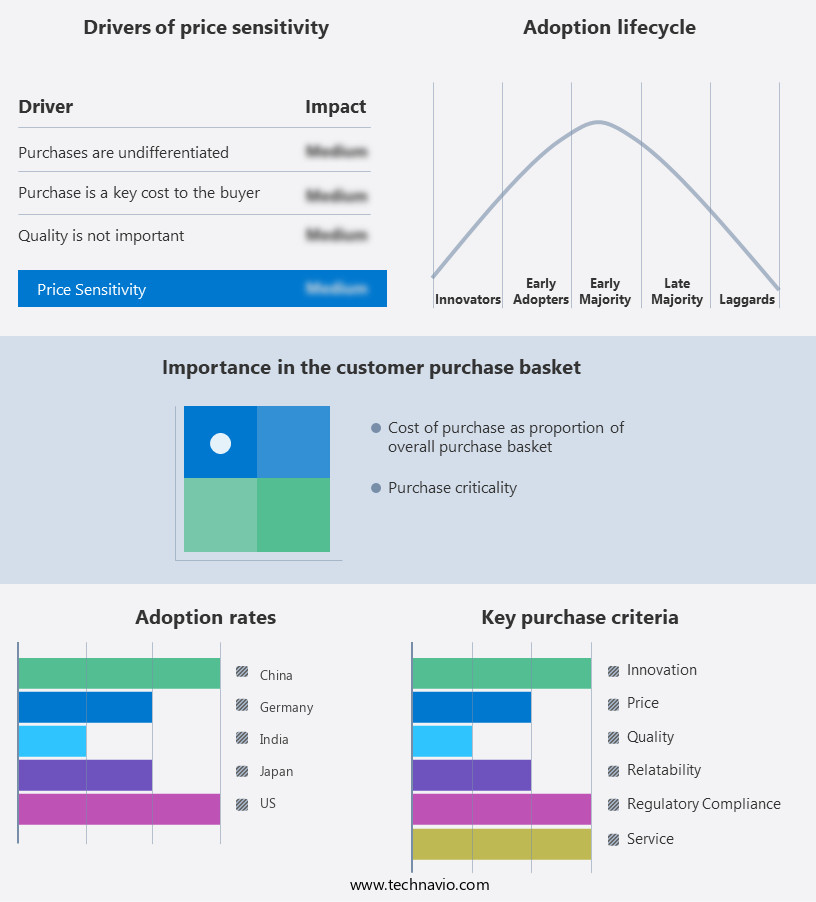
The liquid-immersed transformers market forecasting report includes the adoption lifecycle of the market, covering from the innovator's stage to the laggard's stage. It focuses on adoption rates in different regions based on penetration. Furthermore, the liquid-immersed transformers market report also includes key purchase criteria and drivers of price sensitivity to help companies evaluate and develop their market growth analysis strategies.
Customer Landscape
Key Companies & Market Insights
Companies are implementing various strategies, such as strategic alliances, liquid-immersed transformers market forecast, partnerships, mergers and acquisitions, geographical expansion, and product/service launches, to enhance their presence in the industry.
ABB Ltd. - Liquid-immersed transformers are a specialized offering in the wind energy sector.
The industry research and growth report includes detailed analyses of the competitive landscape of the market and information about key companies, including:
- ABB Ltd.
- ALTRAFO Srl
- Celme Srl
- CG Power and Industrial Solutions Ltd.
- China XD Group Co. Ltd.
- DuPont de Nemours Inc.
- Eaton Corp. Plc
- EL Sewedy Electric Co.
- General Electric Co.
- Hitachi Ltd.
- Hyosung Heavy Industries Corp.
- Hyundai Heavy Industries Group
- IMEFY GROUP
- ISMET GmbH
- LS ELECTRIC Co. Ltd.
- MGM Transformer Co.
- Schneider Electric SE
- Siemens AG
- Toshiba Corp.
- Vantran Transformers
Qualitative and quantitative analysis of companies has been conducted to help clients understand the wider business environment as well as the strengths and weaknesses of key industry players. Data is qualitatively analyzed to categorize companies as pure play, category-focused, industry-focused, and diversified; it is quantitatively analyzed to categorize companies as dominant, leading, strong, tentative, and weak.
Recent Development and News in Liquid-Immersed Transformers Market
- In January 2024, ABB, a leading technology provider, announced the launch of their new line of liquid-immersed transformers, the ABB Ability Ellipse Power Transformer series, featuring advanced digital capabilities for improved efficiency and performance (ABB Press Release, 2024).
- In March 2024, Siemens Energy and Mitsubishi Electric Corporation signed a strategic collaboration agreement to develop and manufacture liquid-immersed transformers for the Asian market, aiming to strengthen their market presence and enhance their product offerings (Siemens Energy Press Release, 2024).
- In May 2024, General Electric (GE) secured a significant order from the Saudi Arabian Electricity Company to supply 12 liquid-immersed transformers, marking GE's largest order in the Middle East for this product line (GE Press Release, 2024).
- In February 2025, Schneider Electric received regulatory approval from the European Union for its new liquid-immersed transformer, the Masterpact MTZ, featuring a compact design and improved thermal performance (Schneider Electric Press Release, 2025).
Research Analyst Overview
- The market for liquid-immersed transformers continues to evolve, driven by advancements in technology and the expanding applications across various sectors. Ground fault protection and transformer protection relays are increasingly being integrated into transformer designs to enhance safety and reliability. Winding design optimization and magnetic core design are also gaining traction to improve efficiency and reduce losses. Heat transfer modeling and liquid dielectric breakdown analysis are essential for optimizing transformer performance and ensuring longevity. Voltage surge protection and real-time monitoring systems are becoming standard features to safeguard against power system disturbances. Mineral oil properties, such as insulation resistance measurement, furans concentration levels, and electrical field analysis, are crucial for maintaining transformer health.
- Advanced diagnostic tools, including acoustic emission sensing, impedance measurement techniques, and oil degradation product analysis, enable early detection of potential issues. Industry growth is expected to remain steady, with a projected increase of 5% annually. For instance, a leading utility company reported a 10% sales increase in transformers with advanced protection features. The market is further expected to witness the adoption of synthetic ester dielectric fluids and natural ester fluids, as well as the integration of advanced analytical techniques like power system harmonics analysis, vibration analysis, partial discharge analysis, and oil oxidation inhibitors.
Dive into Technavio's robust research methodology, blending expert interviews, extensive data synthesis, and validated models for unparalleled Liquid-Immersed Transformers Market insights. See full methodology.
|
Market Scope |
|
|
Report Coverage |
Details |
|
Page number |
175 |
|
Base year |
2023 |
|
Historic period |
2018-2022 |
|
Forecast period |
2024-2028 |
|
Growth momentum & CAGR |
Accelerate at a CAGR of 6.36% |
|
Market growth 2024-2028 |
USD 12450 million |
|
Market structure |
Fragmented |
|
YoY growth 2023-2024(%) |
5.95 |
|
Key countries |
China, US, India, Japan, and Germany |
|
Competitive landscape |
Leading Companies, Market Positioning of Companies, Competitive Strategies, and Industry Risks |
What are the Key Data Covered in this Liquid-Immersed Transformers Market Research and Growth Report?
- CAGR of the Liquid-Immersed Transformers industry during the forecast period
- Detailed information on factors that will drive the growth and forecasting between 2024 and 2028
- Precise estimation of the size of the market and its contribution of the industry in focus to the parent market
- Accurate predictions about upcoming growth and trends and changes in consumer behaviour
- Growth of the market across APAC, North America, Europe, Middle East and Africa, and South America
- Thorough analysis of the market's competitive landscape and detailed information about companies
- Comprehensive analysis of factors that will challenge the liquid-immersed transformers market growth of industry companies
We can help! Our analysts can customize this liquid-immersed transformers market research report to meet your requirements.
 RIA -
RIA - 
