


Malabsorption Syndrome Market Analysis North America, Europe, Asia, Rest of World (ROW) - US, Germany, China, UK, Canada - Size and Forecast 2024-2028

Malabsorption Syndrome Market Analysis North America, Europe, Asia, Rest of World (ROW) - US, Germany, China, UK, Canada - Size and Forecast 2024-2028

Published: Jul 2024 138 Pages SKU: IRTNTR73926

Market Overview at a Glance

$843 Mn
Market Opportunity
4.5%
CAGR
4.23
YoY growth 2023-2024(%)

Malabsorption Syndrome Market Size 2024-2028 

The malabsorption syndrome market size is forecast to increase by USD 843 million and is estimated to grow at a CAGR of 4.5% between 2023 and 2028. Gluten intolerance and lactose intolerance are common dietary restrictions that have gained significant attention in recent years. The consumption of gluten-containing foods, such as wheat, barley, and rye, can cause adverse health effects for those with gluten intolerance or celiac disease. Similarly, lactose intolerance affects the ability to digest lactose, a sugar found in milk and dairy products. Both conditions can lead to digestive discomfort, bloating, and other symptoms. The increasing prevalence of these conditions has led to a growing demand for alternative food options. Government initiatives and awareness programs have played a crucial role in promoting the availability and acceptance of gluten-free and lactose-free products. These efforts have resulted in a wider range of options for individuals with dietary restrictions, making it easier for them to maintain a healthy and balanced diet. In summary, the rising awareness of gluten intolerance and lactose intolerance, coupled with government initiatives and advancements in food technology, has led to an increase in the availability and acceptance of alternative food options for those with dietary restrictions.

What will be the Size of the Market During the Forecast Period?
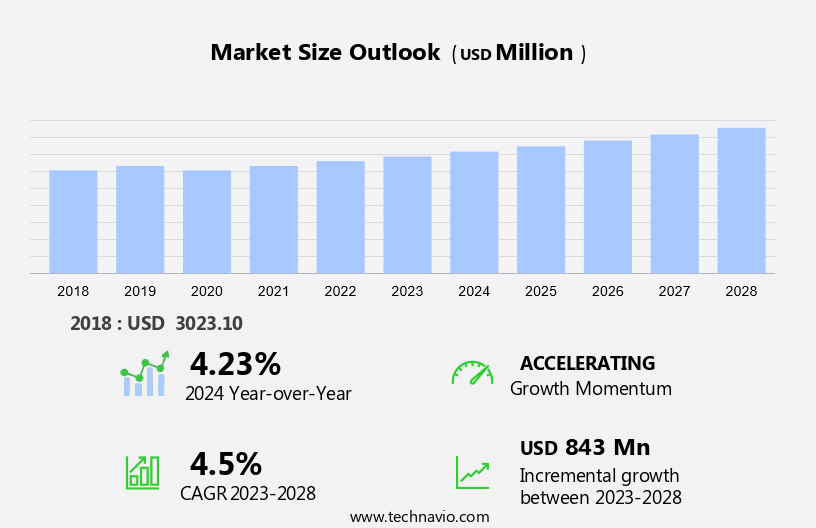
Malabsorption Syndrome Market Size

For More Highlights About this Report, Request Free Sample

Market Dynamic and Customer Landscape

Malabsorption Syndrome Market: Overview and Growth Dynamics Malabsorption syndrome is a digestive disorder characterized by the inability to absorb essential nutrients such as lipids, vitamins, carbohydrates, and proteins from food. The condition can be caused by various factors including intestinal inflammation, celiac disease, cystic fibrosis, Crohn's disease, lactose intolerance, parasite illnesses, gallbladder, and liver disease. Unmet medical demands, healthcare spending, regulatory framework, adoption rate, financing, and reimbursement policies are key factors influencing the growth of the malabsorption syndrome market. The market for malabsorption syndrome is expected to witness significant growth due to the increasing prevalence of underlying conditions that cause malabsorption. For instance, celiac disease affects an estimated 1 in 100 people worldwide, while cystic fibrosis affects approximately 70,000 people globally. Moreover, antibiotic usage, physical distancing protocols, and lockdowns due to the COVID-19 pandemic have disrupted the pharmaceutical supply chain, leading to a shortage of essential medications for managing malabsorption syndrome. Pharmaceutical and biotech businesses are investing in vaccine research and development to address unmet medical needs in malabsorption syndrome. For instance, hydroxychloroquine, a drug used to treat malabsorption syndrome, has gained significant attention due to its potential role in managing COVID-19. However, the regulatory approval process and reimbursement policies for these treatments can impact market growth. In summary, the malabsorption syndrome market is expected to grow due to the increasing prevalence of underlying conditions, healthcare spending, and regulatory framework. Pharmaceutical and biotech businesses are investing in research and development to address unmet medical needs, while the disruption of the pharmaceutical supply chain and regulatory approval processes pose challenges to market growth. Our researchers analyzed the data with 2023 as the base year, along with the key drivers, trends, and challenges. A holistic analysis of drivers will help companies refine their marketing strategies to gain a competitive advantage.

Key Market Driver

Higher consumption of gluten-containing food is notably driving market growth. Malabsorption Syndrome, specifically Sprue Disease, is a digestive disorder characterized by the inability to absorb essential nutrients due to impaired digestion. Gluten, a protein found in wheat, barley, and rye, is a common cause of this syndrome.

Moreover, foods such as pizza, cake, soups, beer, bread, cookies, pasta, and burgers are among the widely consumed items containing gluten. The global consumption of these foods, particularly fast foods like pizza and burgers, is on the rise. For instance, in the US, approximately 30% of the population consumes pizza on a typical day. This trend is linked to various digestive disorders, including celiac disease or Sprue Disease. Thus, such factors are driving the growth of the market during the forecast period.

Significant Market Trends

Increased prevalence of cystic fibrosis in Europe, North America, and South America is the key trend in the market. The global market for Malabsorption Syndrome is witnessing significant growth due to the increasing prevalence of digestive disorders, particularly cystic fibrosis, in regions such as Europe, North America, and South America.

Moreover, cystic fibrosis affects approximately one out of every 25,000 individuals in North America and one out of every 3,500 individuals in South America. Europe has the highest reported prevalence of the disease, while Asia has the lowest. This high prevalence has led to the development of new treatments, including antibiotics, surgery, and digestive enzymes, by leading industry players. Thus, such trends will shape the growth of the market during the forecast period.

Major Market Challenge

Shifting preferences towards dairy-free alternatives is the major challenge that affects the growth of the market. Malabsorption Syndrome, a group of digestive disorders, necessitates the utilization of various treatments, including antibiotics, surgery, and digestive enzymes. The market for these treatments is subject to stringent safety standards and regulatory oversight.

Moreover, clinical trials are essential to ensure the efficacy and safety of new products. Trained personnel are required to administer these treatments, adhering to safety regulations. The product pipeline analysis of Malabsorption Syndrome drugs includes several revenue pockets, with digestive enzymes being a significant area of focus. Hence, the above factors will impede the growth of the market during the forecast period.

Exclusive Customer Landscape

The market forecasting report includes the adoption lifecycle of the market, covering from the innovator’s stage to the laggard’s stage. It focuses on adoption rates in different regions based on penetration. Furthermore, the report also includes key purchase criteria and drivers of price sensitivity to help companies evaluate and develop their market growth analysis strategies.
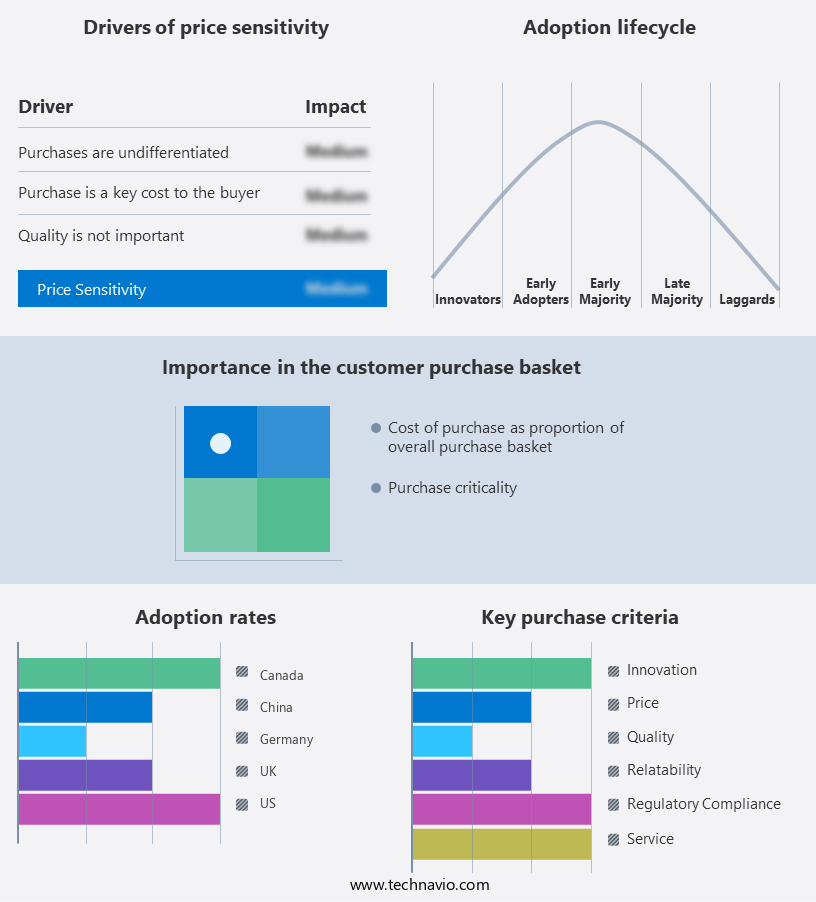
Malabsorption Syndrome Market Share by Geography

 Customer Landscape

Key Companies & Market Insights

Companies are implementing various strategies, such as strategic alliances, partnerships, mergers and acquisitions, geographical expansion, and product/service launches, to enhance their presence in the market.

AbbVie Inc: The company offers malabsorption syndrome drugs namely Delzicol DR Capsules.

The market research and growth report also includes detailed analyses of the competitive landscape of the market and information about key companies, including:

  • Aspen Pharmacare Holdings Ltd.
  • Bausch Health Companies Inc.
  • Baxter International Inc.
  • Cosmo Pharmaceuticals NV
  • Ferring BV
  • Koninklijke DSM NV
  • Lannett Co. Inc.
  • Merck and Co. Inc.
  • Novartis AG
  • Organon and Co.
  • Perrigo Co. Plc
  • Pfizer Inc.
  • ProThera Biologics Inc.
  • Sanofi SA
  • Tillotts Pharma AG
  • Xspire Pharma LLC

Qualitative and quantitative analysis of companies has been conducted to help clients understand the wider business environment as well as the strengths and weaknesses of key market players. Data is qualitatively analyzed to categorize companies as pure play, category-focused, industry-focused, and diversified; it is quantitatively analyzed to categorize companies as dominant, leading, strong, tentative, and weak.

Market Segmentation

By Disease Type 

The lactose intolerance segment is estimated to witness significant growth during the forecast period. The Market encompasses various digestive disorders, including celiac disease, cystic fibrosis, Crohn's disease, lactose intolerance, parasite illnesses, gallbladder, and liver diseases, among others. These conditions result in the inability to absorb essential nutrients such as lipids, vitamins, carbohydrates, and proteins from food.
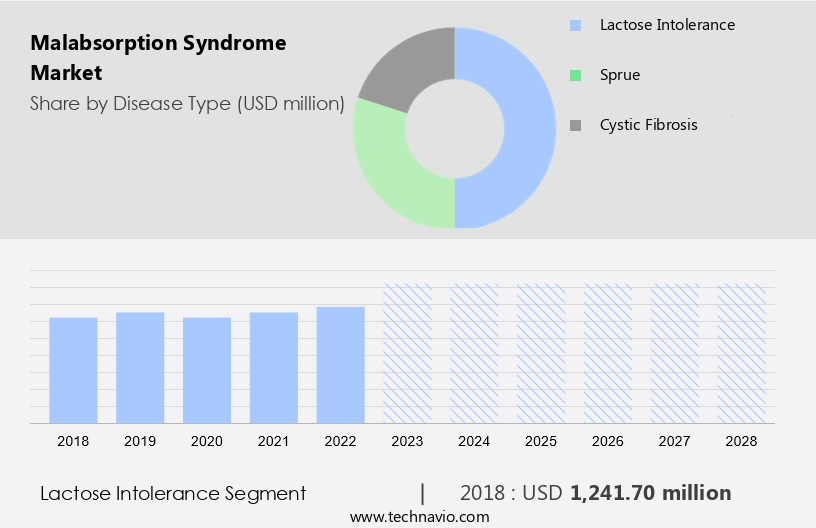
Malabsorption Syndrome Market Size

Get a glance at the market share of various regions Download the PDF Sample


The lactose intolerance segment was the largest segment and valued at USD 1.24 billion in 2018. The unmet medical demands in this area have led to significant healthcare spending, particularly in middle-income countries. The regulatory framework plays a crucial role in the adoption rate of treatments and interventions for malabsorbption syndromes. Financing and reimbursement policies vary across regions, influencing the market dynamics. For instance, pharmaceutical and biotech businesses are investing in vaccine research and innovative interventions, such as hydroxychloroquine, to address malabsorption syndromes related to cancers and radiation therapy. Hence, such factors are fuelling the growth of this segment during the forecast period.

Regional Analysis
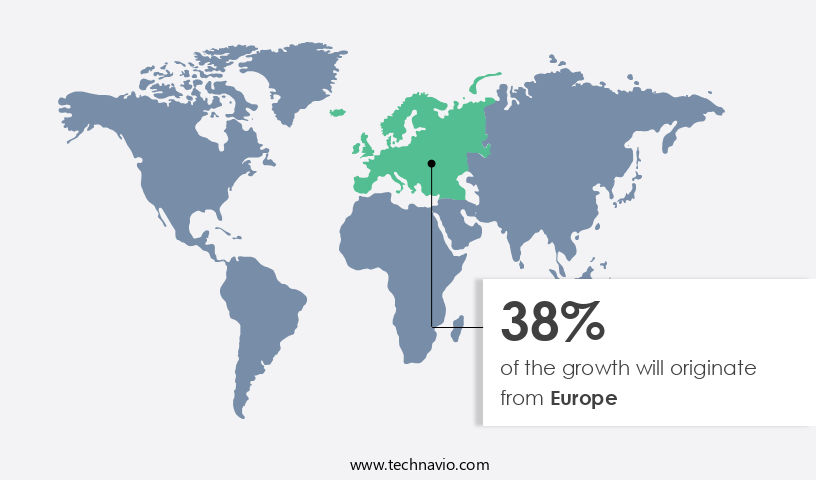
Malabsorption Syndrome Market Share by Geography

For more insights on the market share of various regions Download PDF Sample now!

Europe is estimated to contribute 38% to the growth of the global market during the forecast period. Technavio’s analysts have elaborately explained the regional trends and drivers that shape the market during the forecast period. Malabsorption Syndrome, a condition characterized by the intestine's inability to absorb essential nutrients such as lipids, vitamins, carbohydrates, and proteins, presents significant unmet medical demands worldwide. The healthcare spending on digestive diseases, including malabsorption syndrome, is projected to increase due to the rising prevalence of underlying conditions like celiac disease, cystic fibrosis, Crohn's disease, lactose intolerance, parasite illnesses, gallbladder, and liver diseases, among others. Hence, such factors are driving the market in Europe during the forecast period.

Segment Overview

The market research report provides comprehensive data (region wise segment analysis), with forecasts and estimates in "USD Billion" for the period 2024 to 2028, as well as historical data from 2018 to 2022 for the following segments

  • Disease Type Outlook
    • Lactose intolerance
    • Sprue
    • Cystic fibrosis
  • Region Outlook
    • North America
      • The U.S.
      • Canada
    • Europe
      • U.K.
      • Germany
      • France
      • Rest of Europe
    • APAC
      • China
      • India
    • Middle East & Africa
      • Saudi Arabia
      • South Africa
      • Rest of the Middle East & Africa

You may also interested in below market reports:

Market Analyst Overview

Malabsorption syndrome is a digestive disorder that impedes the intake of essential nutrients such as lipids, vitamins, carbohydrates, and proteins. Unmet medical demands for effective treatments continue to drive healthcare spending in this area. The regulatory framework plays a crucial role in the adoption rate of new therapies. Financing and reimbursement policies are significant factors influencing the market growth. Conditions like celiac disease, cystic fibrosis, Crohn's disease, lactose intolerance, parasite illnesses, gallbladder, and liver disease contribute to the high prevalence of malabsorption syndrome. Antibiotic usage and intestinal inflammation are other contributing factors. The pharmaceutical and biotech businesses are focusing on innovative interventions, including vaccine research, to address these conditions. The lockdown and physical distancing protocols have impacted the pharmaceutical supply chain, affecting the availability of essential medications. Middle-income countries are expected to witness significant growth due to increasing healthcare costs and a regulatory environment that supports R&D initiatives. Hydroxychloroquine and biotechnology sectors are some of the vaccine candidates under investigation. The Celiac Disease Foundation and other organizations are advocating for financial support to accelerate research and development. Cancer patients undergoing radiation therapy also experience malabsorption syndrome, adding to the market demand.

Market Scope

Report Coverage

Details

Page number

138

Base year

2023

Historic period

2018-2022

Forecast period

2024-2028

Growth momentum & CAGR

Accelerate at a CAGR of 4.5%

Market growth 2024-2028

USD 843 million

Market structure

Fragmented

YoY growth 2023-2024(%)

4.23

Regional analysis

North America, Europe, Asia, and Rest of World (ROW)

Performing market contribution

Europe at 38%

Key countries

US, Germany, China, UK, and Canada

Competitive landscape

Leading Companies, Market Positioning of Companies, Competitive Strategies, and Industry Risks

Key companies profiled

AbbVie Inc., Aspen Pharmacare Holdings Ltd., Bausch Health Companies Inc., Baxter International Inc., Cosmo Pharmaceuticals NV, Ferring BV, Koninklijke DSM NV, Lannett Co. Inc., Merck and Co. Inc., Novartis AG, Organon and Co., Perrigo Co. Plc, Pfizer Inc., ProThera Biologics Inc., Sanofi SA, Tillotts Pharma AG, and Xspire Pharma LLC

Market dynamics

Parent market analysis, market report , market forecast , Market growth inducers and obstacles, Fast-growing and slow-growing segment analysis, COVID-19 impact and recovery analysis and future consumer dynamics, Market condition analysis for forecast period

Customization purview

If our report has not included the data that you are looking for, you can reach out to our analysts and get segments customized.

Download PDF Sample

What are the Key Data Covered in this Market Research Report?

  • CAGR of the market during the forecast period
  • Detailed information on factors that will drive the market growth and forecasting between 2024 and 2028
  • Precise estimation of the size of the market  and its contribution of the market in focus to the parent market
  • Accurate predictions about upcoming market growth and trends and changes in consumer behaviour
  • Growth of the market across North America, Europe, Asia, and Rest of World (ROW)
  • Thorough analysis of the market’s competitive landscape and detailed information about companies
  • Comprehensive analysis of factors that will challenge the growth of market companies

1 Executive Summary

  • 1.1 Market overview
    • Executive Summary - Chart on Market Overview
    • Executive Summary - Data Table on Market Overview
    • Executive Summary - Chart on Global Market Characteristics
    • Executive Summary - Chart on Market by Geography
    • Executive Summary - Chart on Market Segmentation by Disease Type
    • Executive Summary - Chart on Incremental Growth
    • Executive Summary - Data Table on Incremental Growth
    • Executive Summary - Chart on Company Market Positioning

2 Market Landscape

  • 2.1 Market ecosystem
    • Parent Market
    • Data Table on - Parent Market
  • 2.2 Market characteristics
    • Market characteristics analysis
  • 2.3 Value chain analysis
    • Value Chain Analysis

3 Market Sizing

  • 3.1 Market definition
    • Offerings of companies included in the market definition
  • 3.2 Market segment analysis
    • Market segments
  • 3.3 Market size 2023
    • 3.4 Market outlook: Forecast for 2023-2028
      • Chart on Global - Market size and forecast 2023-2028 ($ million)
      • Data Table on Global - Market size and forecast 2023-2028 ($ million)
      • Chart on Global Market: Year-over-year growth 2023-2028 (%)
      • Data Table on Global Market: Year-over-year growth 2023-2028 (%)

    4 Historic Market Size

    • 4.1 Global Malabsorption Syndrome Market 2018 - 2022
      • Historic Market Size - Data Table on Global Malabsorption Syndrome Market 2018 - 2022 ($ million)
    • 4.2 Disease Type segment analysis 2018 - 2022
      • Historic Market Size - Disease Type Segment 2018 - 2022 ($ million)
    • 4.3 Geography segment analysis 2018 - 2022
      • Historic Market Size - Geography Segment 2018 - 2022 ($ million)
    • 4.4 Country segment analysis 2018 - 2022
      • Historic Market Size - Country Segment 2018 - 2022 ($ million)

    5 Five Forces Analysis

    • 5.1 Five forces summary
      • Five forces analysis - Comparison between 2023 and 2028
    • 5.2 Bargaining power of buyers
      • Bargaining power of buyers - Impact of key factors 2023 and 2028
    • 5.3 Bargaining power of suppliers
      • Bargaining power of suppliers - Impact of key factors in 2023 and 2028
    • 5.4 Threat of new entrants
      • Threat of new entrants - Impact of key factors in 2023 and 2028
    • 5.5 Threat of substitutes
      • Threat of substitutes - Impact of key factors in 2023 and 2028
    • 5.6 Threat of rivalry
      • Threat of rivalry - Impact of key factors in 2023 and 2028
    • 5.7 Market condition
      • Chart on Market condition - Five forces 2023 and 2028

    6 Market Segmentation by Disease Type

    • 6.1 Market segments
      • Chart on Disease Type - Market share 2023-2028 (%)
      • Data Table on Disease Type - Market share 2023-2028 (%)
    • 6.2 Comparison by Disease Type
      • Chart on Comparison by Disease Type
      • Data Table on Comparison by Disease Type
    • 6.3 Lactose intolerance - Market size and forecast 2023-2028
      • Chart on Lactose intolerance - Market size and forecast 2023-2028 ($ million)
      • Data Table on Lactose intolerance - Market size and forecast 2023-2028 ($ million)
      • Chart on Lactose intolerance - Year-over-year growth 2023-2028 (%)
      • Data Table on Lactose intolerance - Year-over-year growth 2023-2028 (%)
    • 6.4 Sprue - Market size and forecast 2023-2028
      • Chart on Sprue - Market size and forecast 2023-2028 ($ million)
      • Data Table on Sprue - Market size and forecast 2023-2028 ($ million)
      • Chart on Sprue - Year-over-year growth 2023-2028 (%)
      • Data Table on Sprue - Year-over-year growth 2023-2028 (%)
    • 6.5 Cystic fibrosis - Market size and forecast 2023-2028
      • Chart on Cystic fibrosis - Market size and forecast 2023-2028 ($ million)
      • Data Table on Cystic fibrosis - Market size and forecast 2023-2028 ($ million)
      • Chart on Cystic fibrosis - Year-over-year growth 2023-2028 (%)
      • Data Table on Cystic fibrosis - Year-over-year growth 2023-2028 (%)
    • 6.6 Market opportunity by Disease Type
      • Market opportunity by Disease Type ($ million)
      • Data Table on Market opportunity by Disease Type ($ million)

    7 Customer Landscape

    • 7.1 Customer landscape overview
      • Analysis of price sensitivity, lifecycle, customer purchase basket, adoption rates, and purchase criteria

    8 Geographic Landscape

    • 8.1 Geographic segmentation
      • Chart on Market share by geography 2023-2028 (%)
      • Data Table on Market share by geography 2023-2028 (%)
    • 8.2 Geographic comparison
      • Chart on Geographic comparison
      • Data Table on Geographic comparison
    • 8.3 North America - Market size and forecast 2023-2028
      • Chart on North America - Market size and forecast 2023-2028 ($ million)
      • Data Table on North America - Market size and forecast 2023-2028 ($ million)
      • Chart on North America - Year-over-year growth 2023-2028 (%)
      • Data Table on North America - Year-over-year growth 2023-2028 (%)
    • 8.4 Europe - Market size and forecast 2023-2028
      • Chart on Europe - Market size and forecast 2023-2028 ($ million)
      • Data Table on Europe - Market size and forecast 2023-2028 ($ million)
      • Chart on Europe - Year-over-year growth 2023-2028 (%)
      • Data Table on Europe - Year-over-year growth 2023-2028 (%)
    • 8.5 Asia - Market size and forecast 2023-2028
      • Chart on Asia - Market size and forecast 2023-2028 ($ million)
      • Data Table on Asia - Market size and forecast 2023-2028 ($ million)
      • Chart on Asia - Year-over-year growth 2023-2028 (%)
      • Data Table on Asia - Year-over-year growth 2023-2028 (%)
    • 8.6 Rest of World (ROW) - Market size and forecast 2023-2028
      • Chart on Rest of World (ROW) - Market size and forecast 2023-2028 ($ million)
      • Data Table on Rest of World (ROW) - Market size and forecast 2023-2028 ($ million)
      • Chart on Rest of World (ROW) - Year-over-year growth 2023-2028 (%)
      • Data Table on Rest of World (ROW) - Year-over-year growth 2023-2028 (%)
    • 8.7 US - Market size and forecast 2023-2028
      • Chart on US - Market size and forecast 2023-2028 ($ million)
      • Data Table on US - Market size and forecast 2023-2028 ($ million)
      • Chart on US - Year-over-year growth 2023-2028 (%)
      • Data Table on US - Year-over-year growth 2023-2028 (%)
    • 8.8 Germany - Market size and forecast 2023-2028
      • Chart on Germany - Market size and forecast 2023-2028 ($ million)
      • Data Table on Germany - Market size and forecast 2023-2028 ($ million)
      • Chart on Germany - Year-over-year growth 2023-2028 (%)
      • Data Table on Germany - Year-over-year growth 2023-2028 (%)
    • 8.9 China - Market size and forecast 2023-2028
      • Chart on China - Market size and forecast 2023-2028 ($ million)
      • Data Table on China - Market size and forecast 2023-2028 ($ million)
      • Chart on China - Year-over-year growth 2023-2028 (%)
      • Data Table on China - Year-over-year growth 2023-2028 (%)
    • 8.10 UK - Market size and forecast 2023-2028
      • Chart on UK - Market size and forecast 2023-2028 ($ million)
      • Data Table on UK - Market size and forecast 2023-2028 ($ million)
      • Chart on UK - Year-over-year growth 2023-2028 (%)
      • Data Table on UK - Year-over-year growth 2023-2028 (%)
    • 8.11 Canada - Market size and forecast 2023-2028
      • Chart on Canada - Market size and forecast 2023-2028 ($ million)
      • Data Table on Canada - Market size and forecast 2023-2028 ($ million)
      • Chart on Canada - Year-over-year growth 2023-2028 (%)
      • Data Table on Canada - Year-over-year growth 2023-2028 (%)
    • 8.12 Market opportunity by geography
      • Market opportunity by geography ($ million)
      • Data Tables on Market opportunity by geography ($ million)

    9 Drivers, Challenges, and Opportunity/Restraints

    • 9.1 Market drivers
      • 9.2 Market challenges
        • 9.3 Impact of drivers and challenges
          • Impact of drivers and challenges in 2023 and 2028
        • 9.4 Market opportunities/restraints

          10 Competitive Landscape

          • 10.1 Overview
            • 10.2 Competitive Landscape
              • Overview on criticality of inputs and factors of differentiation
            • 10.3 Landscape disruption
              • Overview on factors of disruption
            • 10.4 Industry risks
              • Impact of key risks on business

            11 Competitive Analysis

            • 11.1 Companies profiled
              • Companies covered
            • 11.2 Market positioning of companies
              • Matrix on companies position and classification
            • 11.3 AbbVie Inc.
              • AbbVie Inc. - Overview
              • AbbVie Inc. - Product / Service
              • AbbVie Inc. - Key news
              • AbbVie Inc. - Key offerings
            • 11.4 Koninklijke DSM NV
              • Koninklijke DSM NV - Overview
              • Koninklijke DSM NV - Business segments
              • Koninklijke DSM NV - Key news
              • Koninklijke DSM NV - Key offerings
              • Koninklijke DSM NV - Segment focus
            • 11.5 Lannett Co. Inc.
              • Lannett Co. Inc. - Overview
              • Lannett Co. Inc. - Product / Service
              • Lannett Co. Inc. - Key offerings
            • 11.6 Merck and Co. Inc.
              • Merck and Co. Inc. - Overview
              • Merck and Co. Inc. - Business segments
              • Merck and Co. Inc. - Key news
              • Merck and Co. Inc. - Key offerings
              • Merck and Co. Inc. - Segment focus
            • 11.7 Novartis AG
              • Novartis AG - Overview
              • Novartis AG - Business segments
              • Novartis AG - Key news
              • Novartis AG - Key offerings
              • Novartis AG - Segment focus
            • 11.8 Organon and Co.
              • Organon and Co. - Overview
              • Organon and Co. - Product / Service
              • Organon and Co. - Key offerings
            • 11.9 Perrigo Co. Plc
              • Perrigo Co. Plc - Overview
              • Perrigo Co. Plc - Business segments
              • Perrigo Co. Plc - Key news
              • Perrigo Co. Plc - Key offerings
              • Perrigo Co. Plc - Segment focus
            • 11.10 Pfizer Inc.
              • Pfizer Inc. - Overview
              • Pfizer Inc. - Product / Service
              • Pfizer Inc. - Key news
              • Pfizer Inc. - Key offerings
            • 11.11 ProThera Biologics Inc.
              • ProThera Biologics Inc. - Overview
              • ProThera Biologics Inc. - Product / Service
              • ProThera Biologics Inc. - Key offerings
            • 11.12 Sanofi SA
              • Sanofi SA - Overview
              • Sanofi SA - Business segments
              • Sanofi SA - Key news
              • Sanofi SA - Key offerings
              • Sanofi SA - Segment focus

            12 Appendix

            • 12.1 Scope of the report
              • 12.2 Inclusions and exclusions checklist
                • Inclusions checklist
                • Exclusions checklist
              • 12.3 Currency conversion rates for US$
                • Currency conversion rates for US$
              • 12.4 Research methodology
                • Research methodology
              • 12.5 Data procurement
                • Information sources
              • 12.6 Data validation
                • Data validation
              • 12.7 Validation techniques employed for market sizing
                • Validation techniques employed for market sizing
              • 12.8 Data synthesis
                • Data synthesis
              • 12.9 360 degree market analysis
                • 360 degree market analysis
              • 12.10 List of abbreviations
                • List of abbreviations

              Research Methodology

              Technavio presents a detailed picture of the market by way of study, synthesis, and summation of data from multiple sources. The analysts have presented the various facets of the market with a particular focus on identifying the key industry influencers. The data thus presented is comprehensive, reliable, and the result of extensive research, both primary and secondary.

              INFORMATION SOURCES

              Primary sources

              • Manufacturers and suppliers
              • Channel partners
              • Industry experts
              • Strategic decision makers

              Secondary sources

              • Industry journals and periodicals
              • Government data
              • Financial reports of key industry players
              • Historical data
              • Press releases

              DATA ANALYSIS

              Data Synthesis

              • Collation of data
              • Estimation of key figures
              • Analysis of derived insights

              Data Validation

              • Triangulation with data models
              • Reference against proprietary databases
              • Corroboration with industry experts

              REPORT WRITING

              Qualitative

              • Market drivers
              • Market challenges
              • Market trends
              • Five forces analysis

              Quantitative

              • Market size and forecast
              • Market segmentation
              • Geographical insights
              • Competitive landscape

              Interested in this report?

              Get your sample now to see our research methodology and insights!

              Download Now

              Frequently Asked Questions

              Malabsorption Syndrome market growth will increase by $ 843 mn during 2024-2028 .

              The Malabsorption Syndrome market is expected to grow at a CAGR of 4.5% during 2024-2028 .

              Malabsorption Syndrome market is segmented by Disease Type( Lactose intolerance, Sprue, Cystic fibrosis)

              AbbVie Inc., Aspen Pharmacare Holdings Ltd., Bausch Health Companies Inc., Baxter International Inc., Cosmo Pharmaceuticals NV, Ferring BV, Koninklijke DSM NV, Lannett Co. Inc., Merck and Co. Inc., Novartis AG, Organon and Co., Perrigo Co. Plc, Pfizer Inc., ProThera Biologics Inc., Sanofi SA, Tillotts Pharma AG, Xspire Pharma LLC are a few of the key vendors in the Malabsorption Syndrome market.

              Europe will register the highest growth rate of 38% among the other regions. Therefore, the Malabsorption Syndrome market in Europe is expected to garner significant business opportunities for the vendors during the forecast period.

              US, Germany, China, UK, Canada

              • Higher consumption of gluten-containing foodSprue disease is characterized by an increase in gluten deposition in the body due to the high consumption of gluten-containing food. Pizza is the driving factor this market.
              • cake is the driving factor this market.
              • soups is the driving factor this market.
              • beer is the driving factor this market.
              • bread is the driving factor this market.
              • cookies is the driving factor this market.
              • pasta is the driving factor this market.
              • and burgers are a few of the widely consumed food that contains gluten. The consumption of fast foods such as pizza and burgers is increasing globally. For instance is the driving factor this market.
              • in the US is the driving factor this market.
              • about one in e Americans eat pizza on a typical day. Nearly 15% of Americans eat pizza and one in four boys between 6 and 19 years eat pizza on an average day. The consumption of fast-food containing gluten is linked to celiac disease (also known as sprue disease). For instance is the driving factor this market.
              • people with celiac disease trigger an immune response in their intestines after the consumption of gluten-containing food. The production and consumption of beer increased in the last decade. Further is the driving factor this market.
              • a significant rise in per capita income in developed and developing economies has increased the consumption of beer among consumers. The growing demand for craft beer has led to an increase in the number of craft breweries globally. For instance is the driving factor this market.
              • the number of craft breweries in the US increased from 5 is the driving factor this market.
              • 606 in 2016 to more than 9 is the driving factor this market.
              • 000 in 2021. Experimentation with new processes and ingredients by vendors to add new flavors to craft beer will drive the consumption of beer. As most beers are produced using barley is the driving factor this market.
              • hops is the driving factor this market.
              • and yeast is the driving factor this market.
              • they contain gluten. Therefore is the driving factor this market.
              • consumption of gluten-containing beer will trigger an immune response in people with sprue disease. This will further fuel the demand for various malabsorption syndrome drugs during the forecast period.   is the driving factor this market.

              The Malabsorption Syndrome market vendors should focus on grabbing business opportunities from the Lactose intolerance segment as it accounted for the largest market share in the base year.
