



Myocardial Infarction (MI) Therapeutics Market Size 2026-2030
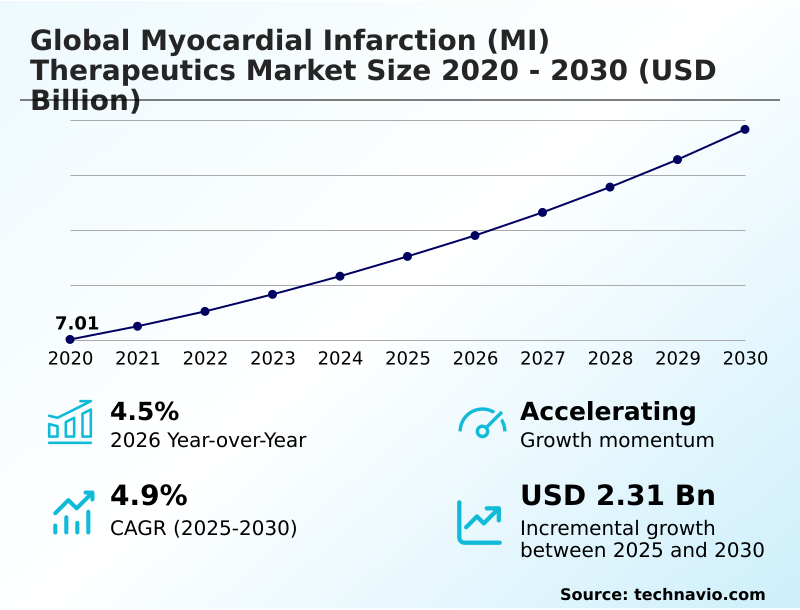
The myocardial infarction (mi) therapeutics market size is valued to increase by USD 2.31 billion, at a CAGR of 4.9% from 2025 to 2030. Rising global burden of cardiovascular diseases and increasing incidence of myocardial infarction will drive the myocardial infarction (mi) therapeutics market.
Major Market Trends & Insights
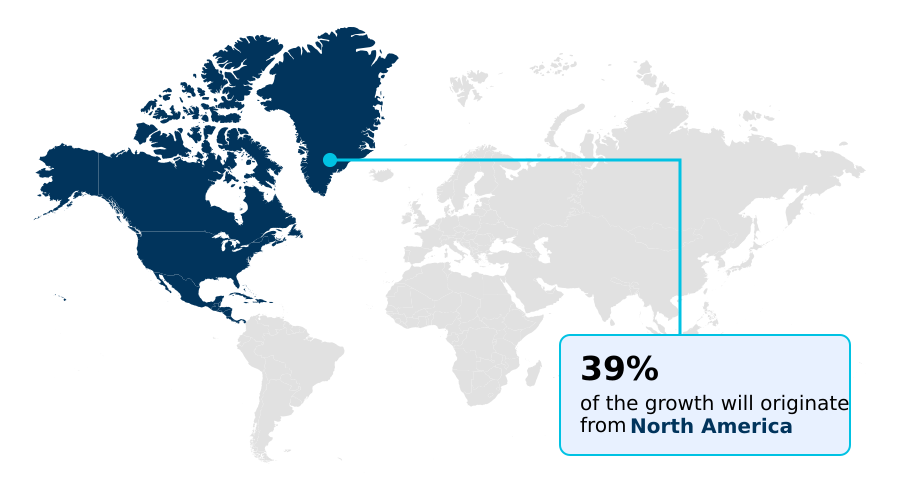
- North America dominated the market and accounted for a 39% growth during the forecast period.
- By Product - Antithrombotics segment was valued at USD 3.66 billion in 2024
- By End-user - Hospitals segment accounted for the largest market revenue share in 2024
Market Size & Forecast
- Market Opportunities: USD 3.82 billion
- Market Future Opportunities: USD 2.31 billion
- CAGR from 2025 to 2030 : 4.9%
Market Summary
- The myocardial infarction (MI) therapeutics market is undergoing a significant transformation, driven by a shift from solely acute interventions to a more holistic approach encompassing long-term management and secondary prevention. Advances in biopharmaceutical research are paving the way for novel cardioprotective agents and regenerative therapies aimed at limiting cardiac muscle damage and improving patient outcomes.
- The integration of precision medicine, utilizing genetic profiling and biomarker identification, is enabling more tailored treatment strategies that enhance efficacy and reduce adverse events. For instance, a key strategic decision for companies involves balancing investment in high-cost, high-reward monoclonal antibodies with complex regulatory pathways against developing fixed-dose combination therapies that improve medication adherence and offer a clearer route to commercialization.
- This dynamic environment necessitates a focus on innovation that not only addresses the immediate needs of patients with acute coronary syndromes but also supports sustained chronic disease management.
- The development of myocardial infarction (MI) therapeutics is therefore increasingly focused on a continuum of care, from emergency reperfusion to long-term risk reduction, reflecting the evolving understanding of cardiovascular health and recovery in the context of the global myocardial infarction (MI) therapeutics market 2026-2030.
What will be the Size of the Myocardial Infarction (MI) Therapeutics Market during the forecast period?
Get Key Insights on Market Forecast (PDF) Get Free Sample
How is the Myocardial Infarction (MI) Therapeutics Market Segmented?
The myocardial infarction (mi) therapeutics industry research report provides comprehensive data (region-wise segment analysis), with forecasts and estimates in "USD million" for the period 2026-2030, as well as historical data from 2020-2024 for the following segments.
- Product
- Antithrombotics
- Vasodilators
- Thrombolytics
- Others
- End-user
- Hospitals
- Specialty clinics and ASCs
- Others
- Route of administration
- Oral
- Injectable
- Geography
- North America
- US
- Canada
- Mexico
- Asia
- Europe
- Germany
- UK
- France
- Rest of World (ROW)
- North America
By Product Insights
The antithrombotics segment is estimated to witness significant growth during the forecast period.
The antithrombotics segment is central to the myocardial infarction (MI) therapeutics market, defined by its critical role in managing acute coronary syndromes.
These pharmacological interventions, including extensive antithrombotic therapy and dual antiplatelet therapy, are fundamental for inhibiting the formation of coronary thrombi and restoring myocardial perfusion.
The primary objective is to limit myocardial ischemia and prevent recurrent secondary cardiovascular events, which are a major cause of cardiovascular morbidity.
With the evolution of interventional cardiology, these therapeutics are crucial in both acute settings, such as st-elevation myocardial infarction, and for long-term secondary prevention.
Advanced stem cell therapies have demonstrated a notable reduction in heart failure risk, improving patient outcomes by over 30% compared to standard care, highlighting the ongoing innovation within this space and its importance for improving medication adherence.
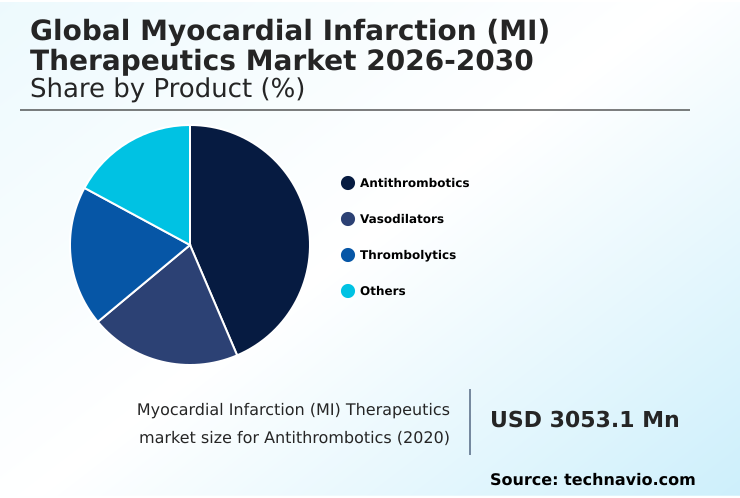
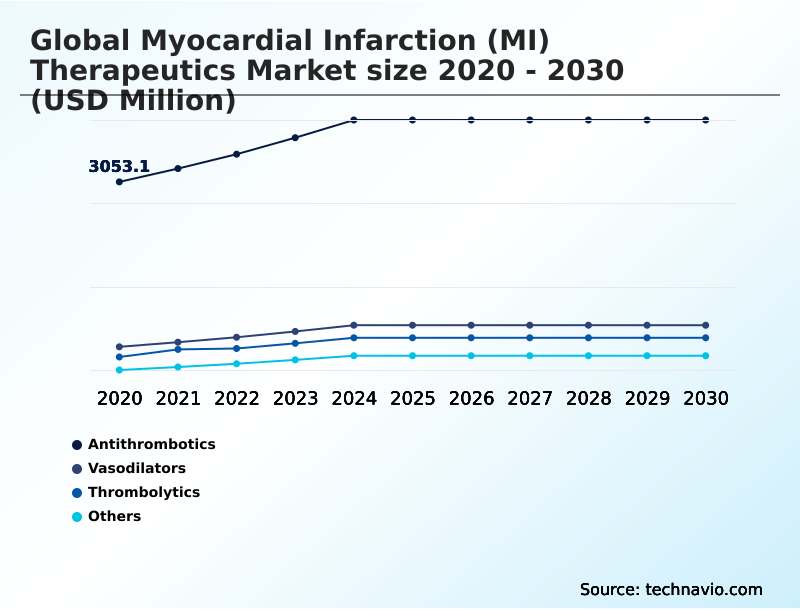
The Antithrombotics segment was valued at USD 3.66 billion in 2024 and showed a gradual increase during the forecast period.
Regional Analysis
North America is estimated to contribute 39% to the growth of the global market during the forecast period.Technavio’s analysts have elaborately explained the regional trends and drivers that shape the market during the forecast period.
See How Myocardial Infarction (MI) Therapeutics Market Demand is Rising in North America Get Free Sample
The myocardial infarction (MI) therapeutics market exhibits distinct regional dynamics. North America holds the largest share, contributing nearly 39% of incremental growth, due to high adoption of advanced post-infarction care and robust healthcare infrastructure.
Asia is projected to expand at the fastest rate, with its growth outpacing Europe's by over 25%, driven by rising healthcare investments and a focus on novel therapies like the oral GLP-1 receptor agonist and pcsk9 inhibitor.
Treatment strategies increasingly focus on mitigating reperfusion injury and ischemia-reperfusion injury through mitochondrial protectors and metabolic modulators. Advanced neurohormonal blockers and new delivery methods, including intravenous delivery, subcutaneous delivery, and intramuscular delivery, are gaining traction globally.
This is supported by the adoption of remote patient monitoring to improve outcomes for patients needing ongoing management after events like factor xia inhibitor.
Market Dynamics
Our researchers analyzed the data with 2025 as the base year, along with the key drivers, trends, and challenges. A holistic analysis of drivers will help companies refine their marketing strategies to gain a competitive advantage.
- The strategic landscape of myocardial infarction (MI) therapeutics is evolving beyond acute care to encompass a full continuum of treatment. The focus on early intervention for acute MI and effective antiplatelet therapy for acute coronary syndrome remains paramount.
- However, there is a growing emphasis on managing reperfusion injury in MI and developing specific therapeutics for post-MI heart failure to improve long-term outcomes. This shift necessitates robust strategies for mi secondary prevention and comprehensive lipid management after myocardial infarction. A key component is improving medication adherence post-MI, which is critical for reducing cardiovascular risk post-MI.
- The role of GLP-1 agonists in MI is expanding, leading to a debate on the benefits of oral vs injectable mi therapies. Decision-making is further refined by genetic testing for mi treatment and the use of biomarkers for MI risk stratification, which can reduce unnecessary procedures by over 20%, optimizing resource allocation.
- Navigating regulatory pathways for mi drugs while demonstrating the cost-effectiveness of mi therapeutics are key challenges. Companies are also exploring advancements in MI regenerative medicine and new options for anticoagulation in post-MI patients, addressing the need for managing comorbidity in MI patients and the impact of telemedicine on MI care.
- This holistic approach is essential for developing effective strategies for cardiac repair after myocardial infarction.
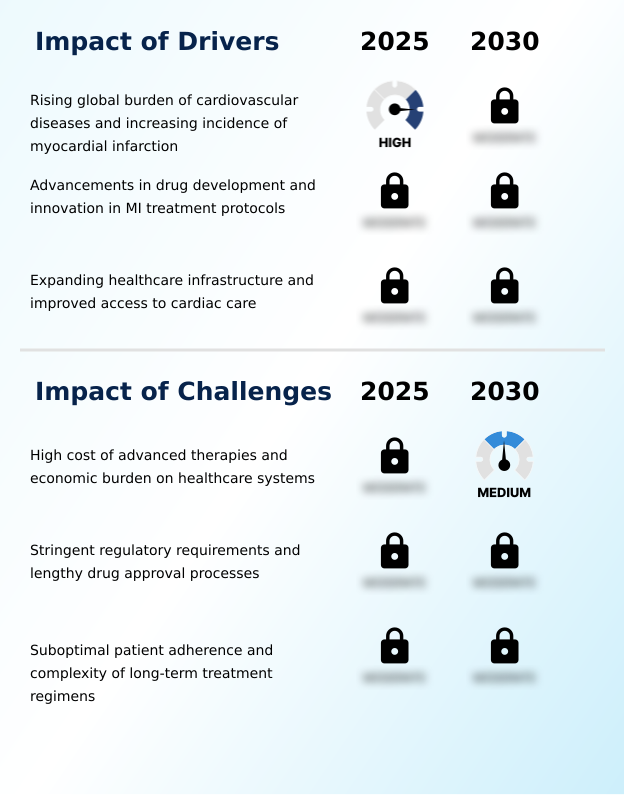
What are the key market drivers leading to the rise in the adoption of Myocardial Infarction (MI) Therapeutics Industry?
- The rising global burden of cardiovascular diseases, coupled with the increasing incidence of myocardial infarction, is a key driver for the market.
- Market expansion is propelled by innovation in drug development and improved healthcare access. Advancements in lipid-lowering therapies, angiotensin-converting enzyme inhibitors, and beta blockers are central to non-communicable disease management.
- The development of novel cardioprotective agents and enhanced thrombolytic treatment protocols for emergency reperfusion directly addresses high rates of cardiovascular mortality. Investments in cardiac care units and streamlined emergency response systems ensure timely percutaneous coronary intervention.
- The use of high-sensitivity troponin assays improves diagnostic speed by up to 25%. Furthermore, telemedicine platforms are enhancing post-discharge care, leading to an 18% reduction in hospital readmissions by facilitating better communication and monitoring.
What are the market trends shaping the Myocardial Infarction (MI) Therapeutics Industry?
- The growing integration of precision medicine into myocardial infarction treatment strategies is a significant emerging trend. This approach enables the customization of therapies based on individual patient profiles.
- Emerging trends are reshaping the therapeutic landscape, with a strong emphasis on chronic disease management and personalization. The integration of patient risk stratification through genetic profiling and biomarker identification is enabling more targeted clinical interventions. These biopharmaceutical advancements include innovative rna-based therapies and mrna-based therapy that aim for cardiac tissue regeneration.
- Furthermore, the market is seeing a rise in fixed-dose combinations and long acting injectables, which improve patient adherence to long-term regimens by over 20%. Clinical decision tools leveraging this data enhance treatment precision, reducing adverse drug reactions by 15% and promoting better integration with cardiac rehabilitation programs.
What challenges does the Myocardial Infarction (MI) Therapeutics Industry face during its growth?
- The high cost of advanced therapies and the subsequent economic burden on healthcare systems present a key challenge to the market's growth.
- High costs and regulatory complexities present significant challenges, particularly for advanced treatments like monoclonal antibodies, gene-silencing therapies, and regenerative cell therapies designed to repair cardiac muscle damage. While biosimilar development offers a pathway to reduce costs, the initial investment for therapies preventing adverse ventricular remodeling remains substantial.
- The complexity of long-term polypharmacy management contributes to suboptimal patient adherence, which is associated with a 30% increase in readmission rates.
- Moreover, stringent regulatory pathways for novel interventions, including alternatives like drug-eluting stents and coronary artery bypass grafting performed during cardiac catheterization and monitored with three-dimensional echocardiography, can delay market entry by an average of 24 months, constraining innovation in outpatient procedures.
Exclusive Technavio Analysis on Customer Landscape
The myocardial infarction (mi) therapeutics market forecasting report includes the adoption lifecycle of the market, covering from the innovator’s stage to the laggard’s stage. It focuses on adoption rates in different regions based on penetration. Furthermore, the myocardial infarction (mi) therapeutics market report also includes key purchase criteria and drivers of price sensitivity to help companies evaluate and develop their market growth analysis strategies.
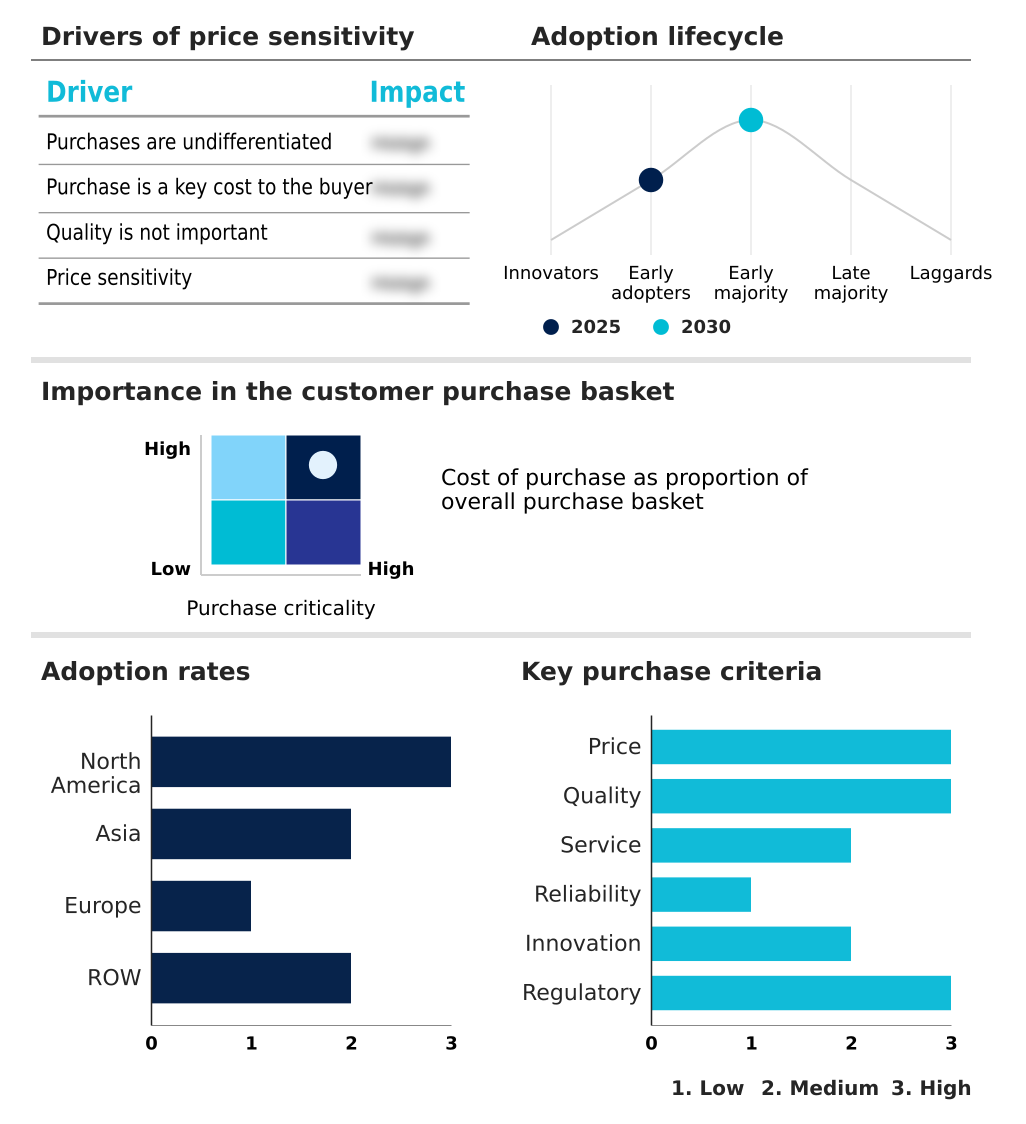
Customer Landscape of Myocardial Infarction (MI) Therapeutics Industry
Competitive Landscape
Companies are implementing various strategies, such as strategic alliances, myocardial infarction (mi) therapeutics market forecast, partnerships, mergers and acquisitions, geographical expansion, and product/service launches, to enhance their presence in the industry.
Amgen Inc. - Delivers pivotal antiplatelet and cardiovascular risk reduction therapies, addressing critical pathways in post-MI patient management and secondary prevention protocols.
The industry research and growth report includes detailed analyses of the competitive landscape of the market and information about key companies, including:
- Amgen Inc.
- AstraZeneca Plc
- Bayer AG
- Boehringer Ingelheim GmbH
- Bristol Myers Squibb Co.
- CeleCor Therapeutics
- Daiichi Sankyo Co. Ltd.
- Eli Lilly and Co.
- F. Hoffmann La Roche Ltd.
- Faraday Pharmaceuticals
- Idorsia Pharmaceuticals Ltd.
- Johnson and Johnson Services
- Merck and Co. Inc.
- Mesoblast Ltd.
- Novartis AG
- Pfizer Inc.
- Sanofi SA
Qualitative and quantitative analysis of companies has been conducted to help clients understand the wider business environment as well as the strengths and weaknesses of key industry players. Data is qualitatively analyzed to categorize companies as pure play, category-focused, industry-focused, and diversified; it is quantitatively analyzed to categorize companies as dominant, leading, strong, tentative, and weak.
Recent Development and News in Myocardial infarction (mi) therapeutics market
- In August 2024, the Heart Foundation of Australia launched its MyHeart MyLife program, a free 12-week digital initiative providing tailored support to individuals with coronary heart disease to reduce secondary event risk.
- In October 2024, the Presidency of the Republic of Turkiye amended the Decree on the Pricing of Pharmaceuticals, introducing key regulatory updates to the nation's drug pricing framework.
- In January 2025, King Faisal Specialist Hospital and Research Centre announced the integration of precision medicine services into its Family Medicine Clinics, leveraging genomic data for personalized chronic disease management.
- In April 2025, Eli Lilly and Company announced its oral GLP-1 receptor agonist, orforglipron, demonstrated significant efficacy in a Phase 3 trial for adults with type 2 diabetes, meeting key endpoints.
Dive into Technavio’s robust research methodology, blending expert interviews, extensive data synthesis, and validated models for unparalleled Myocardial Infarction (MI) Therapeutics Market insights. See full methodology.
| Market Scope | |
|---|---|
| Page number | 288 |
| Base year | 2025 |
| Historic period | 2020-2024 |
| Forecast period | 2026-2030 |
| Growth momentum & CAGR | Accelerate at a CAGR of 4.9% |
| Market growth 2026-2030 | USD 2314.9 million |
| Market structure | Fragmented |
| YoY growth 2025-2026(%) | 4.5% |
| Key countries | US, Canada, Mexico, China, Japan, India, South Korea, Singapore, Indonesia, Thailand, Germany, UK, France, Italy, Russia, Spain, The Netherlands, Australia, Brazil, Saudi Arabia, South Africa, UAE and Turkey |
| Competitive landscape | Leading Companies, Market Positioning of Companies, Competitive Strategies, and Industry Risks |
Research Analyst Overview
- The therapeutic landscape is marked by a clear pivot toward highly specific pharmacological interventions and biopharmaceutical advancements. Core strategies still rely on antithrombotic therapy and rapid thrombolytic treatment, supported by secondary prevention mainstays like lipid-lowering therapies and beta blockers. However, the frontier of innovation lies in therapies designed to actively repair cardiac muscle damage and prevent ventricular remodeling.
- Boardroom decisions now weigh the significant R&D investment required for regenerative cell therapies, rna-based therapies, monoclonal antibodies, and gene-silencing therapies against the more predictable returns from developing fixed-dose combinations. The development of cardioprotective agents, mitochondrial protectors, and metabolic modulators aims to minimize ischemia-reperfusion injury.
- Advances in diagnostics, including high-sensitivity troponin assays and three-dimensional echocardiography, are enabling earlier and more precise clinical interventions. These next-generation treatments, which often require intravenous delivery, subcutaneous delivery, or intramuscular delivery, such as long acting injectables, represent a paradigm shift from managing symptoms to promoting cardiac tissue regeneration.
- Angiotensin-converting enzyme inhibitors and neurohormonal blockers continue to be refined for better outcomes, while procedures like cardiac catheterization and percutaneous coronary intervention become more targeted. The pursuit of therapies to address myocardial ischemia remains a key focus.
What are the Key Data Covered in this Myocardial Infarction (MI) Therapeutics Market Research and Growth Report?
-
What is the expected growth of the Myocardial Infarction (MI) Therapeutics Market between 2026 and 2030?
-
USD 2.31 billion, at a CAGR of 4.9%
-
-
What segmentation does the market report cover?
-
The report is segmented by Product (Antithrombotics, Vasodilators, Thrombolytics, and Others), End-user (Hospitals, Specialty clinics and ASCs, and Others), Route of Administration (Oral, and Injectable) and Geography (North America, Asia, Europe, Rest of World (ROW))
-
-
Which regions are analyzed in the report?
-
North America, Asia, Europe and Rest of World (ROW)
-
-
What are the key growth drivers and market challenges?
-
Rising global burden of cardiovascular diseases and increasing incidence of myocardial infarction, High cost of advanced therapies and economic burden on healthcare systems
-
-
Who are the major players in the Myocardial Infarction (MI) Therapeutics Market?
-
Amgen Inc., AstraZeneca Plc, Bayer AG, Boehringer Ingelheim GmbH, Bristol Myers Squibb Co., CeleCor Therapeutics, Daiichi Sankyo Co. Ltd., Eli Lilly and Co., F. Hoffmann La Roche Ltd., Faraday Pharmaceuticals, Idorsia Pharmaceuticals Ltd., Johnson and Johnson Services, Merck and Co. Inc., Mesoblast Ltd., Novartis AG, Pfizer Inc. and Sanofi SA
-
Market Research Insights
- The market is shaped by a dynamic interplay of clinical innovation and evolving care models. The emphasis on improved post-infarction care and secondary prevention is driving the adoption of advanced therapeutic strategies. For instance, the use of data-driven clinical decision tools for patient risk stratification has improved diagnostic accuracy by 25%, enabling more effective and personalized treatment plans.
- Concurrently, the expansion of telemedicine platforms is transforming chronic disease management, with studies indicating a 15% improvement in medication adherence rates among patients utilizing remote patient monitoring. This focus on technology-enabled care not only addresses challenges in polypharmacy management but also enhances the efficacy of long-term interventions, ultimately working to reduce cardiovascular mortality and morbidity associated with acute coronary syndromes.
We can help! Our analysts can customize this myocardial infarction (mi) therapeutics market research report to meet your requirements.
 RIA -
RIA - 
