
Ophthalmic Lens Market Analysis, Size, and Forecast 2025-2029: North America (US and Canada), Europe (France, Germany, and UK), APAC (China, India, Japan, and South Korea), South America (Brazil), and Rest of World (ROW)

Ophthalmic Lens Market Analysis, Size, and Forecast 2025-2029:
North America (US and Canada), Europe (France, Germany, and UK), APAC (China, India, Japan, and South Korea), South America (Brazil), and Rest of World (ROW)

Published: Apr 2025 243 Pages SKU: IRTNTR43602

Market Overview at a Glance

$14.39 B
Market Opportunity
4.5%
CAGR
4.3
YoY growth 2024-2025(%)

Ophthalmic Lens Market Size 2025-2029

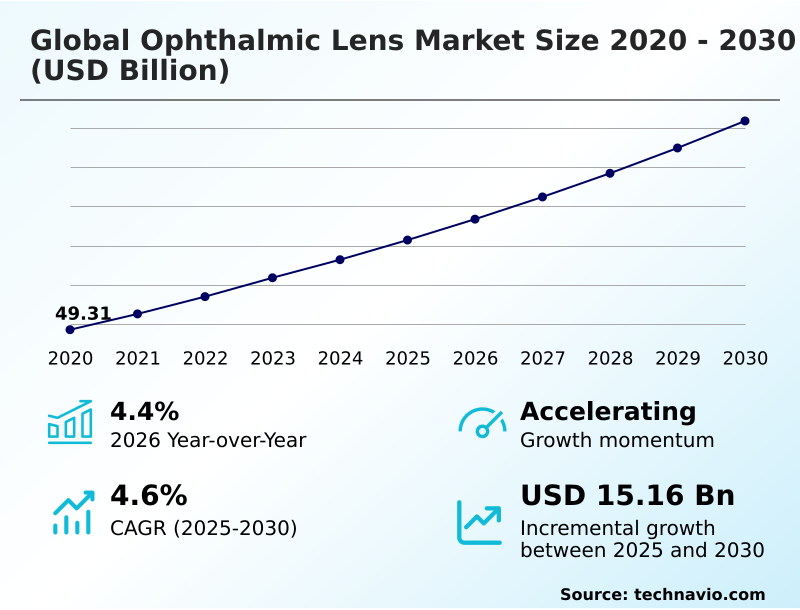
The ophthalmic lens market size is forecast to increase by USD 14.39 billion at a CAGR of 4.5% between 2024 and 2029.

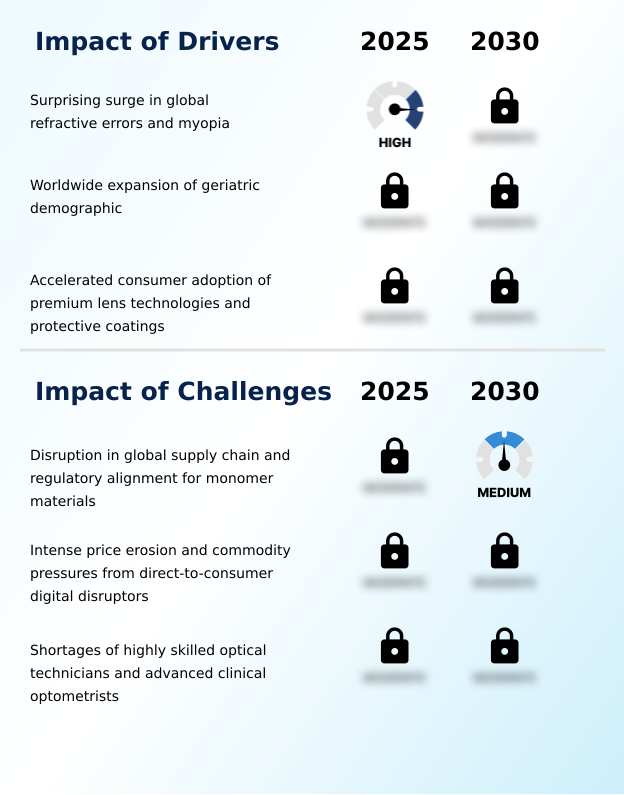
  • The market is experiencing significant growth, driven primarily by the increasing prevalence of refractive errors worldwide. According to the World Health Organization, approximately 1.1 billion people live with refractive errors, and this number is projected to increase due to aging populations and rising prevalence of lifestyle-related factors. Another key trend influencing market growth is the increasing adoption of daily disposable Contact Lenses, which offer convenience, comfort, and improved eye health. However, the high cost of ophthalmic lenses remains a significant challenge for both manufacturers and consumers. Regulatory hurdles, including stringent approval processes and ongoing compliance requirements, also impact adoption and add to the overall cost structure.
  • Supply chain inconsistencies, particularly in emerging markets, temper growth potential and require careful management by market participants. To capitalize on market opportunities and navigate these challenges effectively, companies must focus on innovation, cost reduction, and strategic partnerships. By addressing these issues, they can differentiate themselves in a competitive landscape and meet the evolving needs of consumers.

What will be the Size of the Ophthalmic Lens Market during the forecast period?
Ophthalmic Lens Market Size

 Request Free Sample

  • The market continues to evolve, driven by advancements in lens technology and rising eye health awareness. Customization and personalization are key trends, with consumers seeking lenses tailored to their specific vision needs and lifestyle. Corrective lenses, including prescription eyewear, remain a significant segment, while vision improvement solutions gain traction due to increasing computer use and digital eye fatigue. Ophthalmic optics prioritize lens performance, durability, safety, and comfort, addressing eye strain relief and vision enhancement. The eye care industry also recognizes the importance of lens aesthetics, offering various styles to cater to diverse preferences.

  • An emerging trend shaping the market is the integration of smart glass technology, intelligent lenses that adapt to environmental conditions, provide digital displays, or offer connectivity features. These innovations blur the lines between traditional eyewear and wearable tech, appealing to consumers seeking both vision correction and smart functionality. Vision care market growth is further fueled by breakthroughs in vision correction technology and the compelling value proposition of high-quality, comfortable lenses. Lens clarity, technology, and perceived value are essential factors influencing consumer decisions. The eyewear market continues to adapt, ensuring that lens offerings meet both functional and aesthetic demands while embracing the possibilities enabled by smart glass.

How is this Ophthalmic Lens Industry segmented?

The ophthalmic lens industry research report provides comprehensive data (region-wise segment analysis), with forecasts and estimates in "USD million" for the period 2025-2029, as well as historical data from 2019-2023 for the following segments.

  • End-user
    • Consumers
    • Hospitals and clinics
    • Ambulatory surgery centers
  • Product
    • Spectacle lens
    • Contact lens
    • IOLs
  • Material
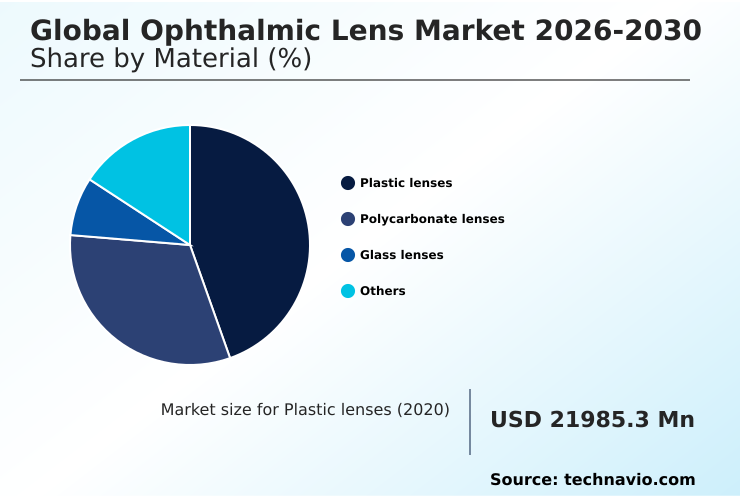
    • Plastic lenses
    • Polycarbonate lenses
    • Glass lenses
    • Others
  • Distribution Channel
    • Offline
    • Online
  • Geography
    • North America
      • US
      • Canada
    • Europe
      • France
      • Germany
      • UK
    • APAC
      • China
      • India
      • Japan
      • South Korea
    • South America
      • Brazil
    • Rest of World (ROW)

By End-user Insights

The consumers segment is estimated to witness significant growth during the forecast period.

The market is witnessing significant growth due to the increasing prevalence of vision disorders, particularly among aging populations and tech-savvy younger demographics. Presbyopia and cataracts, age-related conditions, are driving the demand for corrective lenses. Simultaneously, the extensive use of digital devices has led to a wave in digital eye strain and myopia cases, further fueling the need for lenses. Major market players, such as EssilorLuxottica and Zeiss, cater to diverse consumer requirements. EssilorLuxottica offers Varilux progressive lenses, ensuring clear vision at all distances for presbyopic individuals. Zeiss, on the other hand, provides DuraVision BlueProtect lenses, which minimize blue light exposure from digital screens, addressing concerns related to digital eye strain.

Advanced lens technologies, including machine learning, digital imaging, adaptive optics, and artificial intelligence, are revolutionizing the industry. These innovations enable personalized vision care, addressing individual needs effectively. Lens materials, such as trivex and polycarbonate, offer enhanced durability and safety. Additionally, lens care, lens fitting, and lens replacement services ensure optimal lens performance and user comfort. Ophthalmic lens manufacturing processes have evolved, incorporating cylinder correction, spherical correction, and high index lenses, among others, to cater to various prescriptions and eye health concerns. Intraocular lenses, contact lenses, and refractive surgery are alternative solutions for vision correction. Overall, the market is characterized by continuous innovation, driven by consumer needs and advancements in technology.

Ophthalmic Lens Market Size

Request Free Sample

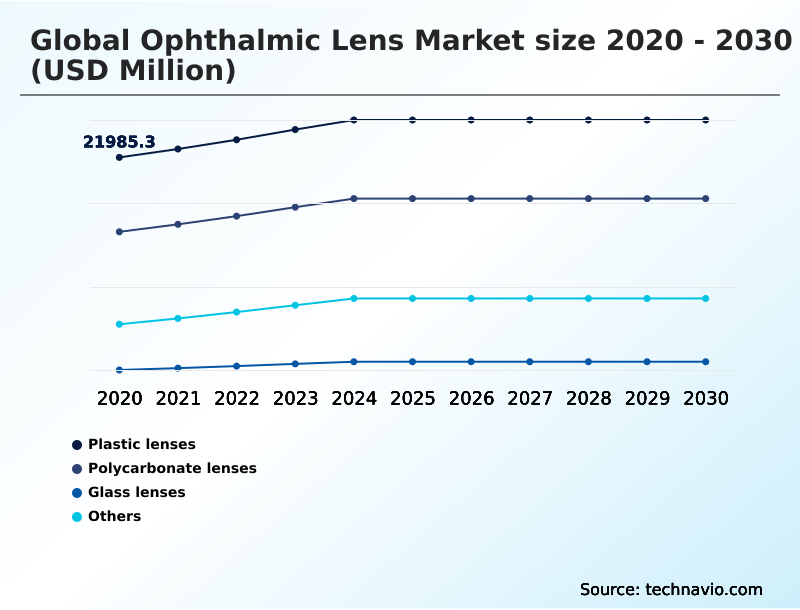
The Consumers segment was valued at USD 24.23 billion in 2019 and showed a gradual increase during the forecast period.
Regional Analysis

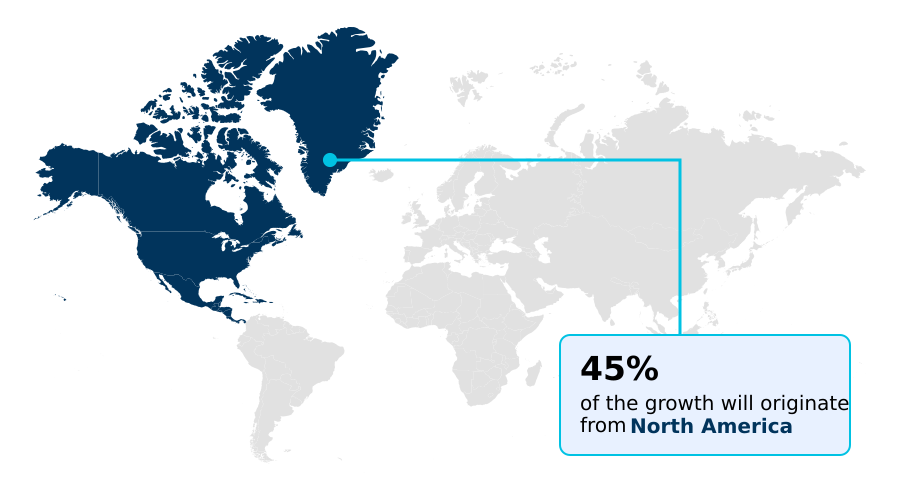
North America is estimated to contribute 47% to the growth of the global market during the forecast period. Technavio's analysts have elaborately explained the regional trends and drivers that shape the market during the forecast period.
Ophthalmic Lens Market Share by Geography

Download Free Sample Report

The North American market holds the largest share in the global ophthalmic lens industry, driven by the increasing prevalence of refractive errors, a growing aging population, rising healthcare expenditure, and the demand for advanced lenses. The US is the major revenue contributor in this region, followed by Canada. Advanced healthcare infrastructure and the strong market presence of key players also fuel the market growth. Furthermore, the increasing disposable income has led to an uptick in the demand for premium lenses, such as photochromic, progressive, and high-index lenses. These lenses cater to various vision correction needs, including astigmatism, presbyopia, and myopia control.

Advanced technologies, like digital imaging, machine learning, and adaptive optics, are increasingly integrated into ophthalmic lenses, enhancing their functionality and personalized vision care. Eye care professionals play a crucial role in the lens dispensing process, ensuring proper lens fitting and lens care. Lens materials, such as glass, trivex, and polycarbonate, offer varying benefits, including lightweight, impact resistance, and UV protection. Additionally, lens coatings, like scratch-resistant and blue light filtering, extend the longevity and functionality of the lenses. The market encompasses various sub-segments, including intraocular lenses, prescription lenses, contact lenses, and lens replacement. Cataract surgery and refractive surgery are significant growth areas, with a rising number of procedures performed each year.

Eye health remains a top priority, leading to the adoption of advanced lens technologies and personalized vision care solutions.

Market Dynamics

Our researchers analyzed the data with 2024 as the base year, along with the key drivers, trends, and challenges. A holistic analysis of drivers will help companies refine their marketing strategies to gain a competitive advantage.

What are the Ophthalmic Lens market drivers leading to the rise in the adoption of Industry?

  • The rising prevalence of refractive errors serves as the primary market driver. Refractive errors, such as myopia, hyperopia, presbyopia, and astigmatism, affect approximately 60% of the global population, yet only half receive treatment. Myopia, the most common refractive error, typically manifests in children and progresses until around age 20. Digital imaging technology plays a crucial role in diagnosing and correcting refractive errors. Single vision lenses, including spherical and cylinder corrections, are commonly used for vision correction. Advanced technologies like adaptive optics and artificial intelligence are revolutionizing personalized vision care. Lens materials, coatings, and cleaning methods have also evolved to enhance visual clarity and durability.
  • Eyewear retailers are exploring new technologies like 3D printing and cataract surgery to meet the growing demand for vision correction solutions. The market dynamics are driven by the increasing prevalence of refractive errors, advancements in technology, and the growing awareness of the importance of eye health.

What are the Ophthalmic Lens market trends shaping the Industry?

  • The use of daily disposable contact lenses is gaining significant traction in the market, representing a notable trend. This trend is driven by several factors, including convenience, improved eye health, and increased consumer preference for disposable options. Daily disposable contact lenses are gaining popularity in the market due to their numerous benefits. Unlike bi-weekly and monthly lenses, daily disposables are single-use and require no cleaning or storage. This eliminates the risk of calcium or hairspray deposits and contact lens-related eye infections. Additionally, less chair time is needed for patient education as there is no requirement for instructions on lens care. The advantages of daily disposables extend to various lens materials such as Trivex and high index lenses. These materials offer superior comfort and crystal-clear vision. Moreover, daily disposables can be fitted with UV protection and scratch-resistant coatings, ensuring eye health and lens durability.
  • Lens diameter and base curve are essential factors in lens fitting, and daily disposables cater to a wide range of prescriptions. Furthermore, daily disposables are suitable for various lens designs, including bifocals and lenses for refractive surgery patients. Overall, daily disposable contact lenses offer convenience, comfort, and enhanced eye health, making them a preferred choice for many consumers.

How does Ophthalmic Lens market faces challenges face during its growth?

  • The escalating costs of producing ophthalmic lenses pose a significant challenge to the growth of the industry. Ophthalmic lenses have seen a notable price increase due to technological advancements. The cost discrepancy depends on the type of lens. For example, high-definition spectacle glass lenses cost 25-30% more than conventional spectacle glass lenses. Multifocal glasses are approximately 30% pricier than single-vision glasses. Progressive glass lenses carry a price tag double that of single-vision glasses. Additional features such as non-glare coatings and changeable tint lenses further hike up the cost. Annual expenses for daily disposable soft contact lenses, toric contact lenses, and bifocal contact lenses are 2-3 times higher than the cost of normal disposable soft contact lenses that are replaced every two weeks.

Exclusive Customer Landscape

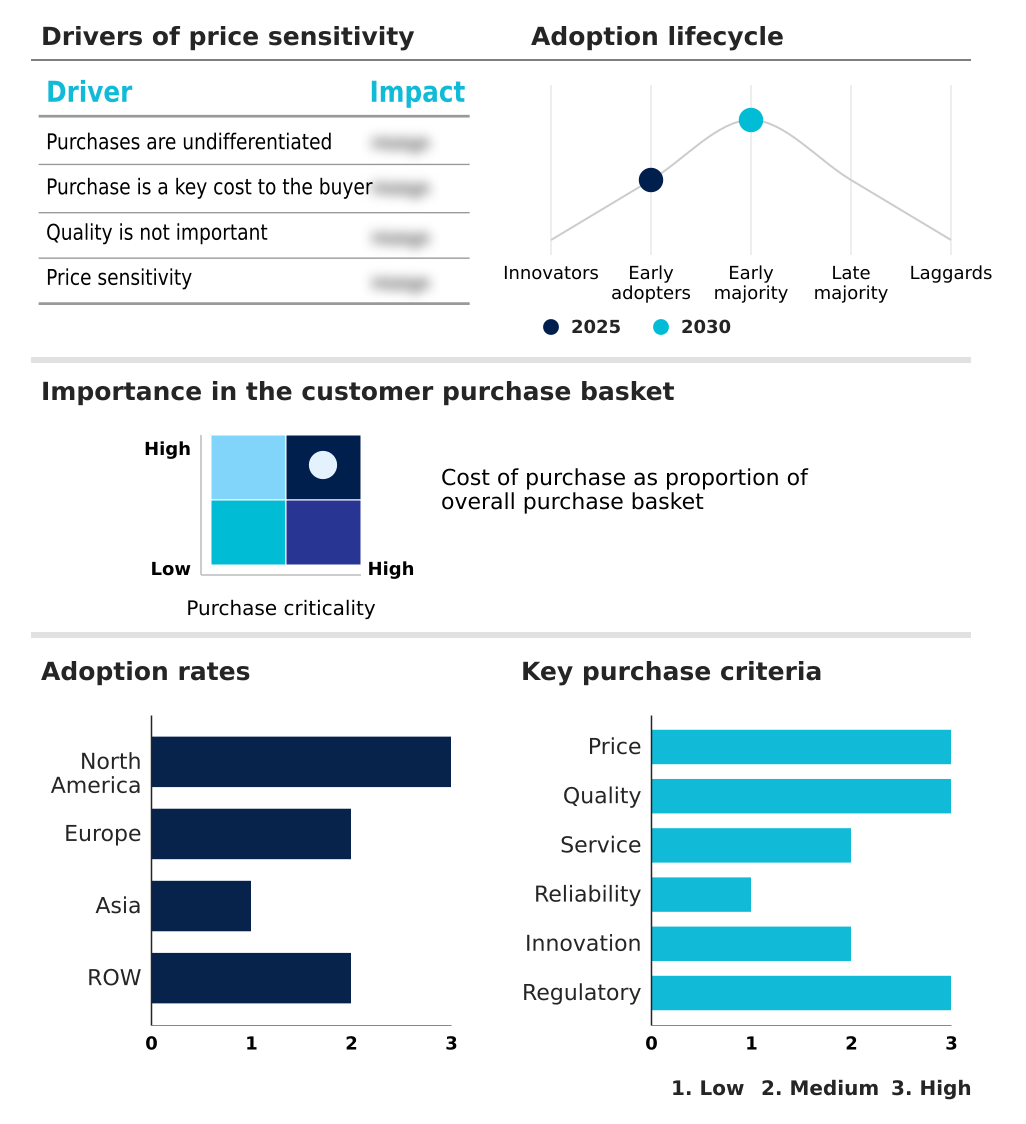
The ophthalmic lens market forecasting report includes the adoption lifecycle of the market, covering from the innovator's stage to the laggard's stage. It focuses on adoption rates in different regions based on penetration. Furthermore, the ophthalmic lens market report also includes key purchase criteria and drivers of price sensitivity to help companies evaluate and develop their market growth analysis strategies.
Ophthalmic Lens Market Share by Geography

 Customer Landscape

Key Companies & Market Insights

Companies are implementing various strategies, such as strategic alliances, ophthalmic lens market forecast, partnerships, mergers and acquisitions, geographical expansion, and product/service launches, to enhance their presence in the industry.

Alcon Inc. -The company offers ophthalmic lenses such as Plano-Convex Lenses, Double-Convex Lenses, Plano-Concave Lenses, Laser Lenses, and others.

The industry research and growth report includes detailed analyses of the competitive landscape of the market and information about key companies, including:

  • Alcon Inc.
  • Alpine Research Optics
  • Bausch Health Companies Inc.
  • Bod Lenses
  • CAMAX OPTICAL CORP.
  • Carl Zeiss AG
  • Corning Inc.
  • EssilorLuxottica
  • Halma Plc
  • HOYA CORP.
  • Jiangsu Hongchen Optical Co. Ltd.
  • Johnson and Johnson Services Inc.
  • Mitsui Chemicals Inc.
  • Nikon Corp.
  • Privo
  • Rodenstock GmBH
  • Shamir Ltd.
  • The Cooper Companies Inc.
  • The Walman Optical Co.
  • VISION EASE

Qualitative and quantitative analysis of companies has been conducted to help clients understand the wider business environment as well as the strengths and weaknesses of key industry players. Data is qualitatively analyzed to categorize companies as pure play, category-focused, industry-focused, and diversified; it is quantitatively analyzed to categorize companies as dominant, leading, strong, tentative, and weak.

Recent Development and News in Ophthalmic Lens Market

  • In January 2024, Carl Zeiss AG, a leading global technology company, introduced the new AT LARA progressive lens, designed to provide enhanced visual comfort and clarity for individuals with presbyopia (1). This innovation marks a significant advancement in the market, as it combines individualized lens designs with advanced technology to cater to the unique visual needs of each wearer.
  • In March 2025, EssilorLuxottica, the world's largest ophthalmic lens manufacturer, announced a strategic partnership with Google to develop Smart Glasses with advanced lens technology (2). This collaboration represents a major shift in the market, as it merges the realms of eyewear and technology to create innovative products that cater to both vision correction and augmented reality needs.
  • In August 2024, Hoya Corporation, a Japanese ophthalmic lens manufacturer, completed the acquisition of Vufine, a leading developer of wearable displays for virtual and augmented reality applications (3). This strategic move expands Hoya's product portfolio and strengthens its presence in the growing market for advanced lens technologies, particularly in the areas of virtual and augmented reality.
  • In October 2025, the European Union granted marketing authorization for Alcon Laboratories' new panretinal photocoagulation (PRP) laser system, which features an innovative lens design that enhances the efficacy and safety of PRP treatments for diabetic retinopathy patients (4). This regulatory approval marks a significant development in the market, as it highlights the growing importance of advanced lens technologies in medical applications and underscores the increasing role of regulatory bodies in driving innovation in the sector.

Research Analyst Overview

The market continues to evolve, driven by advancements in technology and the growing demand for vision correction solutions. Eye care professionals are at the forefront of this dynamic industry, utilizing various lens types to address a range of vision needs. Photochromic Lenses, for instance, adapt to changing light conditions, offering convenience and visual comfort. Progressive lenses cater to presbyopia, ensuring clear vision at various distances. Digital eye strain, a growing concern in today's digital age, is addressed through blue light filtering lenses and computer vision syndrome solutions. Lens manufacturing processes, including ophthalmic lensometry and advanced lens technologies like adaptive optics and machine learning, contribute to the industry's ongoing innovation.

Lens materials, such as glass, Trivex, and polycarbonate, offer varying benefits in terms of weight, durability, and optical clarity. Personalized vision care is a key trend, with customized lens designs, cylinder correction, spherical correction, and lens powers tailored to individual needs. Lens care, including cleaning and warranty, is essential to ensure the longevity and effectiveness of these solutions. Eyewear retailers and lens dispensing services play a crucial role in bringing these innovations to consumers. The integration of digital imaging, 3D printing, and AI in lens design and manufacturing further enhances the industry's capabilities. Intraocular lenses, contact lenses, and refractive surgery are alternative vision correction methods that continue to gain popularity.

UV protection coating, scratch-resistant coatings, and high index lenses are essential features that enhance the functionality and durability of ophthalmic lenses. The market's continuous dynamism is reflected in the ongoing unfolding of market activities and evolving patterns. As technology advances and consumer needs evolve, the ophthalmic lens industry remains a vibrant and innovative sector.

Dive into Technavio's robust research methodology, blending expert interviews, extensive data synthesis, and validated models for unparalleled Ophthalmic Lens Market insights. See full methodology.

Market Scope

Report Coverage

Details

Page number

243

Base year

2024

Historic period

2019-2023

Forecast period

2025-2029

Growth momentum & CAGR

Accelerate at a CAGR of 4.5%

Market growth 2025-2029

USD 14.39 billion

Market structure

Fragmented

YoY growth 2024-2025(%)

4.3

Key countries

US, China, Germany, Canada, Japan, France, India, UK, South Korea, and Brazil

Competitive landscape

Leading Companies, Market Positioning of Companies, Competitive Strategies, and Industry Risks

Request Free Sample

What are the Key Data Covered in this Ophthalmic Lens Market Research and Growth Report?

  • CAGR of the Ophthalmic Lens industry during the forecast period
  • Detailed information on factors that will drive the growth and forecasting between 2025 and 2029
  • Precise estimation of the size of the market and its contribution of the industry in focus to the parent market
  • Accurate predictions about upcoming growth and trends and changes in consumer behaviour
  • Growth of the market across North America, Europe, Asia, and Rest of World (ROW)
  • Thorough analysis of the market's competitive landscape and detailed information about companies
  • Comprehensive analysis of factors that will challenge the ophthalmic lens market growth of industry companies

We can help! Our analysts can customize this ophthalmic lens market research report to meet your requirements.

Get in touch

1 Executive Summary

  • 1.1 Market overview
    • Executive Summary - Chart on Market Overview
    • Executive Summary - Data Table on Market Overview
    • Executive Summary - Chart on Global Market Characteristics
    • Executive Summary - Chart on Market by Geography
    • Executive Summary - Chart on Market Segmentation by End-user
    • Executive Summary - Chart on Market Segmentation by Product
    • Executive Summary - Chart on Market Segmentation by Material
    • Executive Summary - Chart on Market Segmentation by Distribution Channel
    • Executive Summary - Chart on Incremental Growth
    • Executive Summary - Data Table on Incremental Growth
    • Executive Summary - Chart on Company Market Positioning

2 Technavio Analysis

  • 2.1 Analysis of price sensitivity, lifecycle, customer purchase basket, adoption rates, and purchase criteria
    • Analysis of price sensitivity, lifecycle, customer purchase basket, adoption rates, and purchase criteria
  • 2.2 Criticality of inputs and Factors of differentiation
    • Overview on criticality of inputs and factors of differentiation
  • 2.3 Factors of disruption
    • Overview on factors of disruption
  • 2.4 Impact of drivers and challenges
    • Impact of drivers and challenges in 2024 and 2029

3 Market Landscape

  • 3.1 Market ecosystem
    • Parent Market
    • Data Table on - Parent Market
  • 3.2 Market characteristics
    • Market characteristics analysis
  • 3.3 Value chain analysis
    • Value chain analysis

4 Market Sizing

  • 4.1 Market definition
    • Offerings of companies included in the market definition
  • 4.2 Market segment analysis
    • Market segments
  • 4.3 Market size 2024
    • 4.4 Market outlook: Forecast for 2024-2029
      • Chart on Global - Market size and forecast 2024-2029 ($ million)
      • Data Table on Global - Market size and forecast 2024-2029 ($ million)
      • Chart on Global Market: Year-over-year growth 2024-2029 (%)
      • Data Table on Global Market: Year-over-year growth 2024-2029 (%)

    5 Historic Market Size

    • 5.1 Global Ophthalmic Lens Market 2019 - 2023
      • Historic Market Size - Data Table on Global Ophthalmic Lens Market 2019 - 2023 ($ million)
    • 5.2 End-user segment analysis 2019 - 2023
      • Historic Market Size - End-user Segment 2019 - 2023 ($ million)
    • 5.3 Product segment analysis 2019 - 2023
      • Historic Market Size - Product Segment 2019 - 2023 ($ million)
    • 5.4 Material segment analysis 2019 - 2023
      • Historic Market Size - Material Segment 2019 - 2023 ($ million)
    • 5.5 Distribution Channel segment analysis 2019 - 2023
      • Historic Market Size - Distribution Channel Segment 2019 - 2023 ($ million)
    • 5.6 Geography segment analysis 2019 - 2023
      • Historic Market Size - Geography Segment 2019 - 2023 ($ million)
    • 5.7 Country segment analysis 2019 - 2023
      • Historic Market Size - Country Segment 2019 - 2023 ($ million)

    6 Qualitative Analysis

    • 6.1 The impact of AI in global ophthalmic lens market

      7 Five Forces Analysis

      • 7.1 Five forces summary
        • Five forces analysis - Comparison between 2024 and 2029
      • 7.2 Bargaining power of buyers
        • Bargaining power of buyers - Impact of key factors 2024 and 2029
      • 7.3 Bargaining power of suppliers
        • Bargaining power of suppliers - Impact of key factors in 2024 and 2029
      • 7.4 Threat of new entrants
        • Threat of new entrants - Impact of key factors in 2024 and 2029
      • 7.5 Threat of substitutes
        • Threat of substitutes - Impact of key factors in 2024 and 2029
      • 7.6 Threat of rivalry
        • Threat of rivalry - Impact of key factors in 2024 and 2029
      • 7.7 Market condition
        • Chart on Market condition - Five forces 2024 and 2029

      8 Market Segmentation by End-user

      • 8.1 Market segments
        • Chart on End-user - Market share 2024-2029 (%)
        • Data Table on End-user - Market share 2024-2029 (%)
      • 8.2 Comparison by End-user
        • Chart on Comparison by End-user
        • Data Table on Comparison by End-user
      • 8.3 Consumers - Market size and forecast 2024-2029
        • Chart on Consumers - Market size and forecast 2024-2029 ($ million)
        • Data Table on Consumers - Market size and forecast 2024-2029 ($ million)
        • Chart on Consumers - Year-over-year growth 2024-2029 (%)
        • Data Table on Consumers - Year-over-year growth 2024-2029 (%)
      • 8.4 Hospitals and clinics - Market size and forecast 2024-2029
        • Chart on Hospitals and clinics - Market size and forecast 2024-2029 ($ million)
        • Data Table on Hospitals and clinics - Market size and forecast 2024-2029 ($ million)
        • Chart on Hospitals and clinics - Year-over-year growth 2024-2029 (%)
        • Data Table on Hospitals and clinics - Year-over-year growth 2024-2029 (%)
      • 8.5 Ambulatory surgery centers - Market size and forecast 2024-2029
        • Chart on Ambulatory surgery centers - Market size and forecast 2024-2029 ($ million)
        • Data Table on Ambulatory surgery centers - Market size and forecast 2024-2029 ($ million)
        • Chart on Ambulatory surgery centers - Year-over-year growth 2024-2029 (%)
        • Data Table on Ambulatory surgery centers - Year-over-year growth 2024-2029 (%)
      • 8.6 Market opportunity by End-user
        • Market opportunity by End-user ($ million)
        • Data Table on Market opportunity by End-user ($ million)

      9 Market Segmentation by Product

      • 9.1 Market segments
        • Chart on Product - Market share 2024-2029 (%)
        • Data Table on Product - Market share 2024-2029 (%)
      • 9.2 Comparison by Product
        • Chart on Comparison by Product
        • Data Table on Comparison by Product
      • 9.3 Spectacle lens - Market size and forecast 2024-2029
        • Chart on Spectacle lens - Market size and forecast 2024-2029 ($ million)
        • Data Table on Spectacle lens - Market size and forecast 2024-2029 ($ million)
        • Chart on Spectacle lens - Year-over-year growth 2024-2029 (%)
        • Data Table on Spectacle lens - Year-over-year growth 2024-2029 (%)
      • 9.4 Contact lens - Market size and forecast 2024-2029
        • Chart on Contact lens - Market size and forecast 2024-2029 ($ million)
        • Data Table on Contact lens - Market size and forecast 2024-2029 ($ million)
        • Chart on Contact lens - Year-over-year growth 2024-2029 (%)
        • Data Table on Contact lens - Year-over-year growth 2024-2029 (%)
      • 9.5 IOLs - Market size and forecast 2024-2029
        • Chart on IOLs - Market size and forecast 2024-2029 ($ million)
        • Data Table on IOLs - Market size and forecast 2024-2029 ($ million)
        • Chart on IOLs - Year-over-year growth 2024-2029 (%)
        • Data Table on IOLs - Year-over-year growth 2024-2029 (%)
      • 9.6 Market opportunity by Product
        • Market opportunity by Product ($ million)
        • Data Table on Market opportunity by Product ($ million)

      10 Market Segmentation by Material

      • 10.1 Market segments
        • Chart on Material - Market share 2024-2029 (%)
        • Data Table on Material - Market share 2024-2029 (%)
      • 10.2 Comparison by Material
        • Chart on Comparison by Material
        • Data Table on Comparison by Material
      • 10.3 Plastic lenses - Market size and forecast 2024-2029
        • Chart on Plastic lenses - Market size and forecast 2024-2029 ($ million)
        • Data Table on Plastic lenses - Market size and forecast 2024-2029 ($ million)
        • Chart on Plastic lenses - Year-over-year growth 2024-2029 (%)
        • Data Table on Plastic lenses - Year-over-year growth 2024-2029 (%)
      • 10.4 Polycarbonate lenses - Market size and forecast 2024-2029
        • Chart on Polycarbonate lenses - Market size and forecast 2024-2029 ($ million)
        • Data Table on Polycarbonate lenses - Market size and forecast 2024-2029 ($ million)
        • Chart on Polycarbonate lenses - Year-over-year growth 2024-2029 (%)
        • Data Table on Polycarbonate lenses - Year-over-year growth 2024-2029 (%)
      • 10.5 Glass lenses - Market size and forecast 2024-2029
        • Chart on Glass lenses - Market size and forecast 2024-2029 ($ million)
        • Data Table on Glass lenses - Market size and forecast 2024-2029 ($ million)
        • Chart on Glass lenses - Year-over-year growth 2024-2029 (%)
        • Data Table on Glass lenses - Year-over-year growth 2024-2029 (%)
      • 10.6 Others - Market size and forecast 2024-2029
        • Chart on Others - Market size and forecast 2024-2029 ($ million)
        • Data Table on Others - Market size and forecast 2024-2029 ($ million)
        • Chart on Others - Year-over-year growth 2024-2029 (%)
        • Data Table on Others - Year-over-year growth 2024-2029 (%)
      • 10.7 Market opportunity by Material
        • Market opportunity by Material ($ million)
        • Data Table on Market opportunity by Material ($ million)

      11 Market Segmentation by Distribution Channel

      • 11.1 Market segments
        • Chart on Distribution Channel - Market share 2024-2029 (%)
        • Data Table on Distribution Channel - Market share 2024-2029 (%)
      • 11.2 Comparison by Distribution Channel
        • Chart on Comparison by Distribution Channel
        • Data Table on Comparison by Distribution Channel
      • 11.3 Offline - Market size and forecast 2024-2029
        • Chart on Offline - Market size and forecast 2024-2029 ($ million)
        • Data Table on Offline - Market size and forecast 2024-2029 ($ million)
        • Chart on Offline - Year-over-year growth 2024-2029 (%)
        • Data Table on Offline - Year-over-year growth 2024-2029 (%)
      • 11.4 Online - Market size and forecast 2024-2029
        • Chart on Online - Market size and forecast 2024-2029 ($ million)
        • Data Table on Online - Market size and forecast 2024-2029 ($ million)
        • Chart on Online - Year-over-year growth 2024-2029 (%)
        • Data Table on Online - Year-over-year growth 2024-2029 (%)
      • 11.5 Market opportunity by Distribution Channel
        • Market opportunity by Distribution Channel ($ million)
        • Data Table on Market opportunity by Distribution Channel ($ million)

      12 Customer Landscape

      • 12.1 Customer landscape overview
        • Analysis of price sensitivity, lifecycle, customer purchase basket, adoption rates, and purchase criteria

      13 Geographic Landscape

      • 13.1 Geographic segmentation
        • Chart on Market share by geography 2024-2029 (%)
        • Data Table on Market share by geography 2024-2029 (%)
      • 13.2 Geographic comparison
        • Chart on Geographic comparison
        • Data Table on Geographic comparison
      • 13.3 North America - Market size and forecast 2024-2029
        • Chart on North America - Market size and forecast 2024-2029 ($ million)
        • Data Table on North America - Market size and forecast 2024-2029 ($ million)
        • Chart on North America - Year-over-year growth 2024-2029 (%)
        • Data Table on North America - Year-over-year growth 2024-2029 (%)
      • 13.4 Europe - Market size and forecast 2024-2029
        • Chart on Europe - Market size and forecast 2024-2029 ($ million)
        • Data Table on Europe - Market size and forecast 2024-2029 ($ million)
        • Chart on Europe - Year-over-year growth 2024-2029 (%)
        • Data Table on Europe - Year-over-year growth 2024-2029 (%)
      • 13.5 Asia - Market size and forecast 2024-2029
        • Chart on Asia - Market size and forecast 2024-2029 ($ million)
        • Data Table on Asia - Market size and forecast 2024-2029 ($ million)
        • Chart on Asia - Year-over-year growth 2024-2029 (%)
        • Data Table on Asia - Year-over-year growth 2024-2029 (%)
      • 13.6 Rest of World (ROW) - Market size and forecast 2024-2029
        • Chart on Rest of World (ROW) - Market size and forecast 2024-2029 ($ million)
        • Data Table on Rest of World (ROW) - Market size and forecast 2024-2029 ($ million)
        • Chart on Rest of World (ROW) - Year-over-year growth 2024-2029 (%)
        • Data Table on Rest of World (ROW) - Year-over-year growth 2024-2029 (%)
      • 13.7 US - Market size and forecast 2024-2029
        • Chart on US - Market size and forecast 2024-2029 ($ million)
        • Data Table on US - Market size and forecast 2024-2029 ($ million)
        • Chart on US - Year-over-year growth 2024-2029 (%)
        • Data Table on US - Year-over-year growth 2024-2029 (%)
      • 13.8 China - Market size and forecast 2024-2029
        • Chart on China - Market size and forecast 2024-2029 ($ million)
        • Data Table on China - Market size and forecast 2024-2029 ($ million)
        • Chart on China - Year-over-year growth 2024-2029 (%)
        • Data Table on China - Year-over-year growth 2024-2029 (%)
      • 13.9 Germany - Market size and forecast 2024-2029
        • Chart on Germany - Market size and forecast 2024-2029 ($ million)
        • Data Table on Germany - Market size and forecast 2024-2029 ($ million)
        • Chart on Germany - Year-over-year growth 2024-2029 (%)
        • Data Table on Germany - Year-over-year growth 2024-2029 (%)
      • 13.10 Canada - Market size and forecast 2024-2029
        • Chart on Canada - Market size and forecast 2024-2029 ($ million)
        • Data Table on Canada - Market size and forecast 2024-2029 ($ million)
        • Chart on Canada - Year-over-year growth 2024-2029 (%)
        • Data Table on Canada - Year-over-year growth 2024-2029 (%)
      • 13.11 Japan - Market size and forecast 2024-2029
        • Chart on Japan - Market size and forecast 2024-2029 ($ million)
        • Data Table on Japan - Market size and forecast 2024-2029 ($ million)
        • Chart on Japan - Year-over-year growth 2024-2029 (%)
        • Data Table on Japan - Year-over-year growth 2024-2029 (%)
      • 13.12 France - Market size and forecast 2024-2029
        • Chart on France - Market size and forecast 2024-2029 ($ million)
        • Data Table on France - Market size and forecast 2024-2029 ($ million)
        • Chart on France - Year-over-year growth 2024-2029 (%)
        • Data Table on France - Year-over-year growth 2024-2029 (%)
      • 13.13 India - Market size and forecast 2024-2029
        • Chart on India - Market size and forecast 2024-2029 ($ million)
        • Data Table on India - Market size and forecast 2024-2029 ($ million)
        • Chart on India - Year-over-year growth 2024-2029 (%)
        • Data Table on India - Year-over-year growth 2024-2029 (%)
      • 13.14 UK - Market size and forecast 2024-2029
        • Chart on UK - Market size and forecast 2024-2029 ($ million)
        • Data Table on UK - Market size and forecast 2024-2029 ($ million)
        • Chart on UK - Year-over-year growth 2024-2029 (%)
        • Data Table on UK - Year-over-year growth 2024-2029 (%)
      • 13.15 South Korea - Market size and forecast 2024-2029
        • Chart on South Korea - Market size and forecast 2024-2029 ($ million)
        • Data Table on South Korea - Market size and forecast 2024-2029 ($ million)
        • Chart on South Korea - Year-over-year growth 2024-2029 (%)
        • Data Table on South Korea - Year-over-year growth 2024-2029 (%)
      • 13.16 Brazil - Market size and forecast 2024-2029
        • Chart on Brazil - Market size and forecast 2024-2029 ($ million)
        • Data Table on Brazil - Market size and forecast 2024-2029 ($ million)
        • Chart on Brazil - Year-over-year growth 2024-2029 (%)
        • Data Table on Brazil - Year-over-year growth 2024-2029 (%)
      • 13.17 Market opportunity by geography
        • Market opportunity by geography ($ million)
        • Data Tables on Market opportunity by geography ($ million)

      14 Drivers, Challenges, and Opportunity/Restraints

      • 14.1 Market drivers
        • 14.2 Market challenges
          • 14.3 Impact of drivers and challenges
            • Impact of drivers and challenges in 2024 and 2029
          • 14.4 Market opportunities/restraints

            15 Competitive Landscape

            • 15.1 Overview
              • 15.2 Competitive Landscape
                • Overview on criticality of inputs and factors of differentiation
              • 15.3 Landscape disruption
                • Overview on factors of disruption
              • 15.4 Industry risks
                • Impact of key risks on business

              16 Competitive Analysis

              • 16.1 Companies profiled
                • Companies covered
              • 16.2 Company ranking index
                • Company ranking index
              • 16.3 Market positioning of companies
                • Matrix on companies position and classification
              • 16.4 Alpine Research Optics
                • Alpine Research Optics - Overview
                • Alpine Research Optics - Product / Service
                • Alpine Research Optics - Key offerings
                • SWOT
              • 16.5 Bausch Health Companies Inc.
                • Bausch Health Companies Inc. - Overview
                • Bausch Health Companies Inc. - Business segments
                • Bausch Health Companies Inc. - Key news
                • Bausch Health Companies Inc. - Key offerings
                • Bausch Health Companies Inc. - Segment focus
                • SWOT
              • 16.6 Bod Lenses
                • Bod Lenses - Overview
                • Bod Lenses - Product / Service
                • Bod Lenses - Key offerings
                • SWOT
              • 16.7 CAMAX OPTICAL CORP.
                • CAMAX OPTICAL CORP. - Overview
                • CAMAX OPTICAL CORP. - Product / Service
                • CAMAX OPTICAL CORP. - Key offerings
                • SWOT
              • 16.8 Carl Zeiss AG
                • Carl Zeiss AG - Overview
                • Carl Zeiss AG - Product / Service
                • Carl Zeiss AG - Key news
                • Carl Zeiss AG - Key offerings
                • SWOT
              • 16.9 Corning Inc.
                • Corning Inc. - Overview
                • Corning Inc. - Business segments
                • Corning Inc. - Key news
                • Corning Inc. - Key offerings
                • Corning Inc. - Segment focus
                • SWOT
              • 16.10 EssilorLuxottica
                • EssilorLuxottica - Overview
                • EssilorLuxottica - Business segments
                • EssilorLuxottica - Key news
                • EssilorLuxottica - Key offerings
                • EssilorLuxottica - Segment focus
                • SWOT
              • 16.11 Halma Plc
                • Halma Plc - Overview
                • Halma Plc - Business segments
                • Halma Plc - Key news
                • Halma Plc - Key offerings
                • Halma Plc - Segment focus
                • SWOT
              • 16.12 HOYA CORP.
                • HOYA CORP. - Overview
                • HOYA CORP. - Business segments
                • HOYA CORP. - Key offerings
                • HOYA CORP. - Segment focus
                • SWOT
              • 16.13 Jiangsu Hongchen Optical Co. Ltd.
                • Jiangsu Hongchen Optical Co. Ltd. - Overview
                • Jiangsu Hongchen Optical Co. Ltd. - Product / Service
                • Jiangsu Hongchen Optical Co. Ltd. - Key offerings
                • SWOT
              • 16.14 Johnson and Johnson Services Inc.
                • Johnson and Johnson Services Inc. - Overview
                • Johnson and Johnson Services Inc. - Business segments
                • Johnson and Johnson Services Inc. - Key news
                • Johnson and Johnson Services Inc. - Key offerings
                • Johnson and Johnson Services Inc. - Segment focus
                • SWOT
              • 16.15 Mitsui Chemicals Inc.
                • Mitsui Chemicals Inc. - Overview
                • Mitsui Chemicals Inc. - Business segments
                • Mitsui Chemicals Inc. - Key offerings
                • Mitsui Chemicals Inc. - Segment focus
                • SWOT
              • 16.16 Nikon Corp.
                • Nikon Corp. - Overview
                • Nikon Corp. - Business segments
                • Nikon Corp. - Key offerings
                • Nikon Corp. - Segment focus
                • SWOT
              • 16.17 Privo
                • Privo - Overview
                • Privo - Product / Service
                • Privo - Key offerings
                • SWOT
              • 16.18 VISION EASE
                • VISION EASE - Overview
                • VISION EASE - Product / Service
                • VISION EASE - Key offerings
                • SWOT

              17 Appendix

              • 17.1 Scope of the report
                • 17.2 Inclusions and exclusions checklist
                  • Inclusions checklist
                  • Exclusions checklist
                • 17.3 Currency conversion rates for US$
                  • Currency conversion rates for US$
                • 17.4 Research methodology
                  • Research methodology
                • 17.5 Data procurement
                  • Information sources
                • 17.6 Data validation
                  • Data validation
                • 17.7 Validation techniques employed for market sizing
                  • Validation techniques employed for market sizing
                • 17.8 Data synthesis
                  • Data synthesis
                • 17.9 360 degree market analysis
                  • 360 degree market analysis
                • 17.10 List of abbreviations
                  • List of abbreviations

                Research Methodology

                Technavio presents a detailed picture of the market by way of study, synthesis, and summation of data from multiple sources. The analysts have presented the various facets of the market with a particular focus on identifying the key industry influencers. The data thus presented is comprehensive, reliable, and the result of extensive research, both primary and secondary.

                INFORMATION SOURCES

                Primary sources

                • Manufacturers and suppliers
                • Channel partners
                • Industry experts
                • Strategic decision makers

                Secondary sources

                • Industry journals and periodicals
                • Government data
                • Financial reports of key industry players
                • Historical data
                • Press releases

                DATA ANALYSIS

                Data Synthesis

                • Collation of data
                • Estimation of key figures
                • Analysis of derived insights

                Data Validation

                • Triangulation with data models
                • Reference against proprietary databases
                • Corroboration with industry experts

                REPORT WRITING

                Qualitative

                • Market drivers
                • Market challenges
                • Market trends
                • Five forces analysis

                Quantitative

                • Market size and forecast
                • Market segmentation
                • Geographical insights
                • Competitive landscape

                Interested in this report?

                Get your sample now to see our research methodology and insights!

                Download Now

                Frequently Asked Questions

                Ophthalmic Lens market growth will increase by $ 14386.6 mn during 2025-2029 .

                The Ophthalmic Lens market is expected to grow at a CAGR of 4.5% during 2025-2029 .

                Ophthalmic Lens market is segmented by End-user( Consumers, Hospitals and clinics, Ambulatory surgery centers) Product( Spectacle lens, Contact lens, IOLs, ROW, MEA) Material( Plastic lenses, Polycarbonate lenses, Glass lenses, Others)

                Alcon Inc., Alpine Research Optics, Bausch Health Companies Inc., Bod Lenses, CAMAX OPTICAL CORP., Carl Zeiss AG, Corning Inc., EssilorLuxottica, Halma Plc, HOYA CORP., Jiangsu Hongchen Optical Co. Ltd., Johnson and Johnson Services Inc., Mitsui Chemicals Inc., Nikon Corp., Privo, Rodenstock GmBH, Shamir Ltd., The Cooper Companies Inc., The Walman Optical Co., VISION EASE are a few of the key vendors in the Ophthalmic Lens market.

                North America will register the highest growth rate of 47% among the other regions. Therefore, the Ophthalmic Lens market in North America is expected to garner significant business opportunities for the vendors during the forecast period.

                US, China, Germany, Canada, Japan, France, India, UK, South Korea, Brazil

                • Increasing prevalence of refractive errorsRefractive error is the driving factor this market.
                • also known as refraction error is the driving factor this market.
                • is an eye disorder characterized by the inaccurate focusing of light onto the retina due to the shape of the eye. It results in blurry vision. The global prevalence of refractive errors is significantly increasing. It is estimated that approximately 60% of people need vision correction globally. However is the driving factor this market.
                • only 40%-45% get treatment. Myopia (near-sightedness) is the driving factor this market.
                • hyperopia (far-sightedness) is the driving factor this market.
                • presbyopia (loss of near vision with age) is the driving factor this market.
                • and astigmatism are the most common types of refractive errors. Myopia is the most common refractive error is the driving factor this market.
                • which first manifests in children of school-going age and typically progresses until about age 20 as the eyes continue to grow during childhood. Myopia may also develop in adults due to visual-related stress or health conditions such as diabetes. Also is the driving factor this market.
                • it is expected that 50% of the global population is the driving factor this market.
                • which or nearly 5 billion people is the driving factor this market.
                • will have myopia by 2050. This can be primarily attributed to the prolonged time spent on reading is the driving factor this market.
                • working on computers is the driving factor this market.
                • looking at mobile phones is the driving factor this market.
                • or other intense is the driving factor this market.
                • close-up visual activities by people. High myopia can also increase the risk of cataracts and glaucoma is the driving factor this market.
                • which may lead to loss of vision. Hyperopia is the driving factor this market.
                • also known as hypermetropia is the driving factor this market.
                • can affect both children and adults. However is the driving factor this market.
                • the prevalence is most common in children. Hyperopia can be caused by non-pathological eye structure is the driving factor this market.
                • poor development is the driving factor this market.
                • and disease or trauma of the eye. It is one of the leading causes of visual impairment. Astigmatism is caused by an irregular curvature of the eye cornea or lens. Astigmatism may occur along with other refractive errors is the driving factor this market.
                • such as myopia and hyperopia. It can develop after an eye disease is the driving factor this market.
                • an eye injury is the driving factor this market.
                • or surgery. It accounts for 10%-15% of all refractive errors. The prevalence of astigmatism varies with age is the driving factor this market.
                • with a high prevalence in infants. Some ethnic groups is the driving factor this market.
                • such as East Asians is the driving factor this market.
                • have a relatively high prevalence rate of astigmatism due to the tightness of the Asian eyelids and narrower palpebral aperture. Presbyopia is an age-related refractive error that commonly occurs in people around the age of 40 and becomes more advanced with increasing age. This condition may also occur prematurely due to trauma is the driving factor this market.
                • systemic disease is the driving factor this market.
                • cardiovascular disease is the driving factor this market.
                • or a side effect of a drug. The number of people affected with presbyopia is estimated to increase from about 244 is the driving factor this market.
                • 600 per one million population in 2015 to approximately 250 is the driving factor this market.
                • 800 by 2030. A cataract is an ophthalmic disorder that causes clouding of the eye lens. In the absence of cataract surgery is the driving factor this market.
                • the disorder can lead to blindness. A cataract is caused by advancing age is the driving factor this market.
                • ultraviolet radiation is the driving factor this market.
                • diabetes is the driving factor this market.
                • smoking is the driving factor this market.
                • and hypertension. The prevalence of cataracts has been increasing globally. Four out of ten people are likely to develop cataracts at some stage in their lives. It is one of the leading causes of visual impairment and blindness globally. The global aging population is growing rapidly due to the rise in average life expectancy. The aging population has a high risk of presbyopia and cataract. A cataract is very common in the elderly as a person ages is the driving factor this market.
                • some of the protein may clump together and start to cloud a small area of the lens. As the clouding increases is the driving factor this market.
                • visualization becomes distorted and ultimately leads to loss of vision. In 2020 is the driving factor this market.
                • approximately 722 million people were aged 65 years and above globally. This number is expected to increase to approximately 810 million by 2025. Hence is the driving factor this market.
                • there is an increasing demand for ophthalmic lenses for vision correction with the growing prevalence of refractive errors and cataracts will drive the growth of the global ophthalmic lens market during the forecast period. is the driving factor this market.

                The Ophthalmic Lens market vendors should focus on grabbing business opportunities from the Consumers segment as it accounted for the largest market share in the base year.