
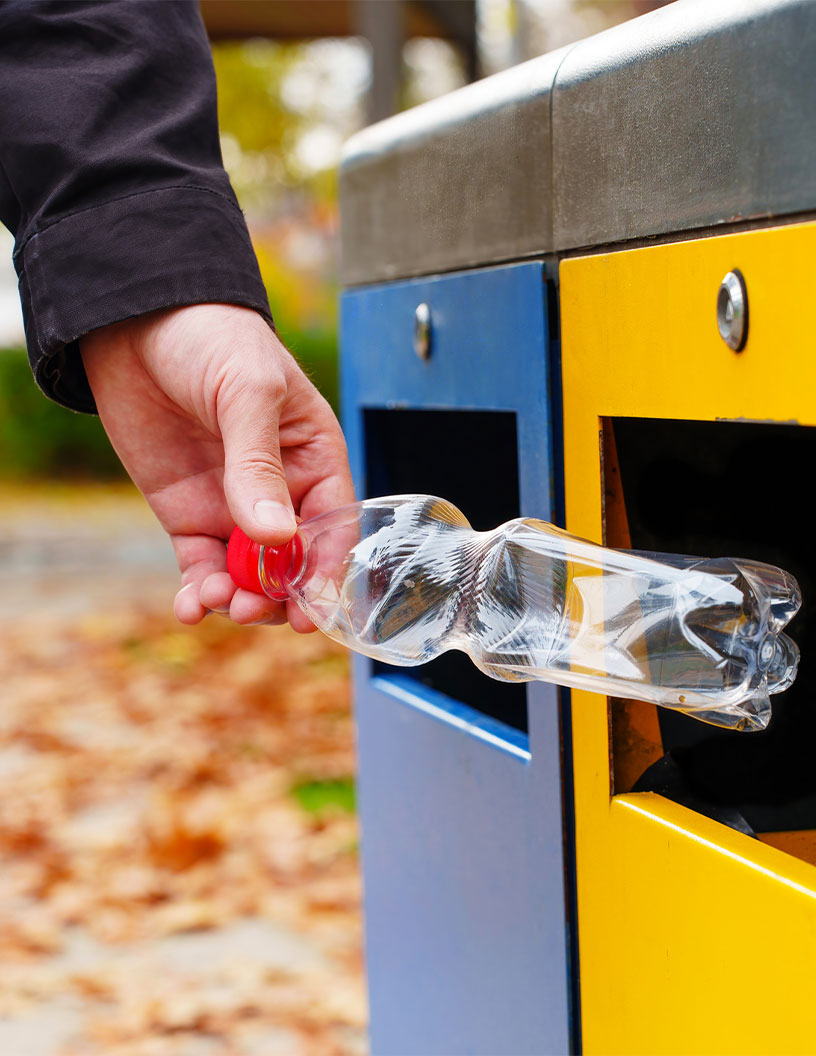


Plastic Recycling Solutions Market Size 2024-2028
The plastic recycling solutions market size is forecast to increase by USD 25.8 billion, at a CAGR of 8.87% between 2023 and 2028.
- The market is driven by growing environmental concerns, with the increasing awareness of plastic pollution and the need to reduce waste and minimize environmental impact. This trend is further fueled by the rising demand for recycled plastics, as companies and consumers seek sustainable alternatives to virgin materials. However, the market faces several challenges. First, the complexity and cost of plastic recycling processes can hinder widespread adoption. Second, the quality and consistency of recycled plastics can vary, limiting their use in certain applications. Lastly, the lack of standardization and regulation in the plastic recycling industry can create uncertainty and hinder market growth.
- Companies seeking to capitalize on market opportunities must navigate these challenges by investing in research and development to improve recycling technologies, ensuring consistent quality, and advocating for standardization and regulation. By doing so, they can position themselves as leaders in the sustainable plastic solutions space and meet the growing demand for eco-friendly alternatives.
What will be the Size of the Plastic Recycling Solutions Market during the forecast period?
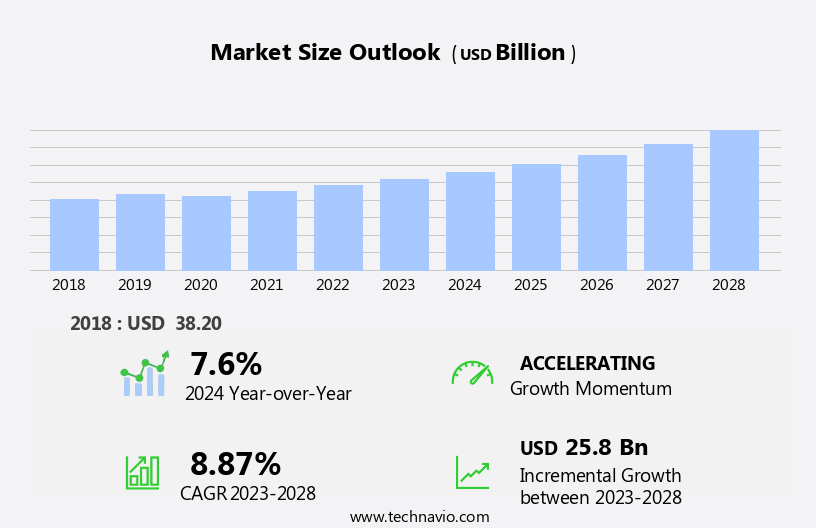
Explore in-depth regional segment analysis with market size data - historical 2018-2022 and forecasts 2024-2028 - in the full report.
Request Free Sample
The market continues to evolve, driven by various factors including environmental impact assessments, technological advancements, and stakeholder collaboration. Recycled plastics find applications in numerous sectors, such as electronic devices, sustainable packaging, and automotive components. Economic incentives and technology adoption are key catalysts for the market's growth. Recycling infrastructure and waste management systems undergo constant optimization to increase recycling rates and reduce plastic waste. Polystyrene (PS) and other plastic types, such as polypropylene (PP), polyethylene terephthalate (PET), polyvinyl chloride (PVC), and high-density polyethylene (HDPE), are subjected to mechanical and advanced recycling processes. Government regulations and plastic recycling policies play a significant role in shaping market dynamics.
Artificial intelligence (AI) and data analytics are increasingly adopted to enhance quality control and improve recycling process efficiency. Carbon footprint reduction is a major focus, with chemical recycling and renewable plastics gaining traction. Industry partnerships and consumer goods companies collaborate to develop innovative recycling solutions, creating opportunities for investment. Innovation in recycling technologies continues to unfold, with thermal recycling and plastic pyrolysis emerging as potential game-changers. The circular economy principle is embraced, with a shift towards pre-consumer and post-consumer recycling. Consumer behavior and public awareness are crucial elements in the market's growth trajectory. Sustainable packaging solutions and resource conservation are becoming increasingly important, driving demand for recycled plastic products.
The digital transformation is also impacting the market, with the integration of AI and data analytics in waste management systems. In summary, the market is a dynamic and ever-evolving landscape, shaped by various factors and applications across various sectors. The ongoing unfolding of market activities and evolving patterns underscore the importance of continuous innovation, collaboration, and adaptation to meet the evolving needs of a sustainable future.
How is this Plastic Recycling Solutions Industry segmented?
The plastic recycling solutions industry research report provides comprehensive data (region-wise segment analysis), with forecasts and estimates in "USD billion" for the period 2024-2028, as well as historical data from 2018-2022 for the following segments.
- Type
- Post-consumer recyclate
- Industrial recyclate
- End-user
- Packaging
- Construction
- Automotive
- Electrical and electronic components
- Others
- Geography
- North America
- US
- Europe
- Germany
- UK
- APAC
- China
- Japan
- Rest of World (ROW).
- North America
By Type Insights
The post-consumer recyclate segment is estimated to witness significant growth during the forecast period.
Post-consumer recyclate, derived from plastic materials that have completed their life cycle as consumer products, is collected from various sources, including households, commercial entities, and municipal recycling programs. This recyclate undergoes a meticulous process involving sorting and separation to ensure high-quality standards. The resulting recycled plastic materials are utilized in diverse industries and applications, such as packaging and electronics. Mechanical recycling, a common processing method, involves cleaning, shredding, and melting the plastic waste to produce recycled pellets or flakes. Alternatively, chemical recycling transforms the plastic waste into its base chemical components, enabling its reuse in various applications.
Stakeholder collaboration, a crucial element in the recycling industry, drives innovation in recycling technologies, including plastic pyrolysis, compostable plastics, and advanced recycling techniques. These advancements aim to reduce plastic waste, increase recycling rates, and promote resource conservation. Economic incentives, such as tax credits and subsidies, further encourage businesses to adopt recycling infrastructure and invest in recycling technologies. Sustainable packaging solutions and consumer behavior shifts towards reducing, reusing, and recycling plastic waste also contribute to the market's growth. Regulations and policies, including plastic recycling regulations and data analytics, play a significant role in ensuring the effective implementation of recycling processes and optimizing recycling process efficiency.
The circular economy, aided by digital transformation and industry partnerships, fosters a harmonious approach to plastic waste reduction and management.
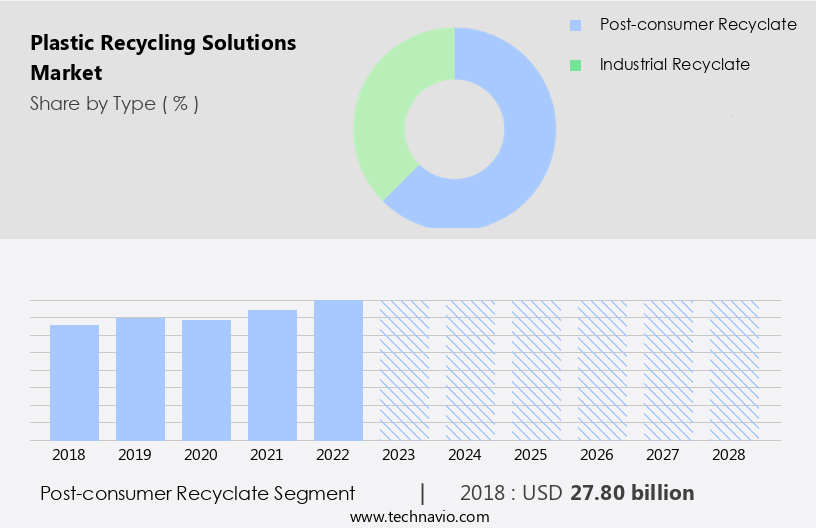
The Post-consumer recyclate segment was valued at USD 27.80 billion in 2018 and showed a gradual increase during the forecast period.
Regional Analysis
APAC is estimated to contribute 44% to the growth of the global market during the forecast period.Technavio's analysts have elaborately explained the regional trends and drivers that shape the market during the forecast period.
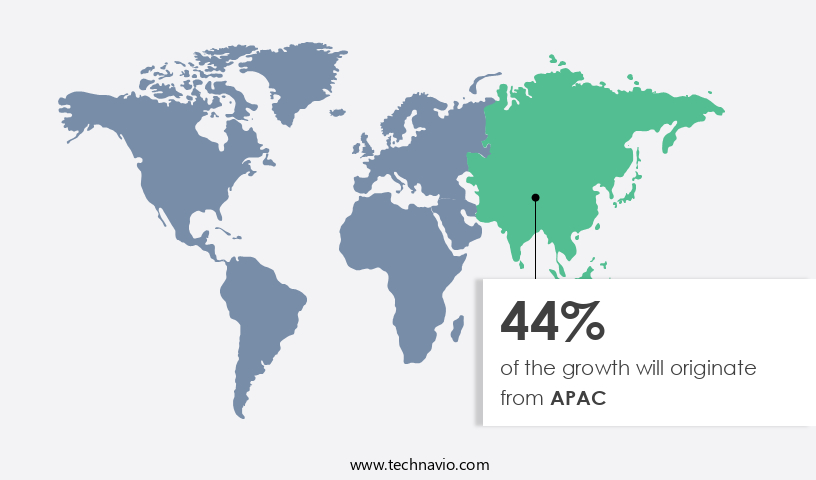
The market in Asia Pacific (APAC) is experiencing substantial growth due to the region's economic expansion and the resulting increase in plastic waste generation. For instance, India produces approximately 3.5 million metric tons of plastic waste annually, as stated in the Central Pollution Control Board (CPCB) Report (2019-20). This surge in plastic waste has sparked growing concern for the environmental impact, leading to a heightened focus on plastic recycling and sustainable waste management solutions. Recycling infrastructure development is a crucial aspect of this market, with stakeholders collaborating to improve sorting and separation technologies. Recycled plastics are in high demand, particularly in industries such as automotive components and construction materials.
Economic incentives, such as tax rebates and subsidies, are driving technology adoption, including advanced recycling methods like chemical and thermal processes. Electronic devices contribute significantly to plastic waste, and their recycling is a burgeoning area of interest. Plastic pyrolysis and compostable plastics are gaining traction as potential solutions for plastic waste reduction. Sustainable packaging is a key trend, with companies investing in recycled plastic products and optimizing recycling processes. Recycling policies and regulations are evolving to address the plastic waste issue, with some countries implementing extended producer responsibility (EPR) schemes. Artificial intelligence (AI) and data analytics are being integrated into recycling systems to improve quality control and streamline operations.
Carbon footprint reduction is a significant concern, with renewable plastics and pre-consumer recycling emerging as viable alternatives. Industry partnerships and collaborations are essential for driving innovation in recycling technologies. Polyethylene terephthalate (PET), high-density polyethylene (HDPE), polypropylene (PP), and polyvinyl chloride (PVC) are among the commonly recycled plastics. The market's growth is also influenced by consumer behavior and public awareness, with the circular economy gaining momentum as a sustainable approach to resource conservation.
Market Dynamics
Our researchers analyzed the data with 2023 as the base year, along with the key drivers, trends, and challenges. A holistic analysis of drivers will help companies refine their marketing strategies to gain a competitive advantage.
What are the key market drivers leading to the rise in the adoption of Plastic Recycling Solutions Industry?
- The escalating issue of environmental concerns, particularly those related to plastic pollution, serves as the primary market driver.
- Plastic pollution, a pressing environmental issue, has gained significant attention due to its detrimental effects on terrestrial and marine ecosystems. Single-use plastics, plastic packaging, and discarded products contribute to the contamination of waterways and soil, threatening marine life, wildlife, and potentially human health. Plastic debris entangles animals, restricts their movement, and can lead to injury or death. Moreover, plastic fragments break down into microplastics, which enter the food chain and pose health risks. The growing awareness of these issues has led to a shift in public attitudes towards plastic waste management. Thermal recycling, a process that converts plastic waste into fuel through high temperatures, has emerged as a promising solution.
- This method reduces the amount of plastic waste that ends up in landfills or the environment, while also generating energy. The increasing emphasis on sustainability and environmental stewardship is driving the demand for plastic recycling solutions, including thermal recycling. Companies are investing in research and development to improve the efficiency and affordability of thermal recycling technologies. This trend is expected to continue as the world seeks to mitigate the environmental impact of plastic pollution.
What are the market trends shaping the Plastic Recycling Solutions Industry?
- The trend in the market is characterized by a rising demand for recycled plastics. This developing trend is significant for both environmental and economic reasons.
- The global market for Plastic Recycling Solutions is experiencing significant growth due to the increasing adoption of sustainable practices in various industries, particularly in packaging and automotive sectors. The demand for recycled plastics is escalating as consumers become more environmentally conscious. In 2022, the packaging industry accounted for the majority of plastic waste production worldwide. The use of recycled plastics in packaging applications reduces waste and lowers the carbon footprint. Moreover, the automotive industry is increasingly utilizing recycled plastics to produce lightweight components, thereby reducing fuel consumption and greenhouse gas emissions. The shift towards sustainable practices presents economic incentives for businesses, including cost savings and potential tax incentives.
- Stakeholder collaboration and investment in advanced sorting and separation technologies, such as Plastic Pyrolysis, are crucial for enhancing recycling infrastructure and increasing recycling rates. Overall, the market offers substantial investment opportunities for businesses seeking to reduce their environmental impact and capitalize on the growing demand for sustainable products.
What challenges does the Plastic Recycling Solutions Industry face during its growth?
- The growth of the plastic recycling industry is significantly hindered by numerous challenges, including the complexities and costs associated with the process.
- Plastic waste reduction is a pressing concern for businesses and consumers alike, driving the demand for recycled plastic solutions. Compostable plastics offer an alternative to traditional plastic, but the focus is also on optimizing the recycling process to minimize waste and reduce the carbon footprint. Polystyrene (PS) and other plastics are subject to increasing regulations due to environmental concerns. Post-consumer recycling is gaining popularity, and recycling policy continues to evolve. Advancements in technology, such as artificial intelligence (AI) and data analytics, are enhancing recycling process efficiency and accuracy.
- Automotive components are increasingly utilizing recycled plastic, further boosting demand. However, concerns over the potential presence of harmful chemicals in recycled plastics, such as benzene, flame retardants, and endocrine disruptors, necessitate stringent quality control measures. Ensuring worker safety and minimizing health risks associated with plastic recycling remains a critical challenge.
Exclusive Customer Landscape
The plastic recycling solutions market forecasting report includes the adoption lifecycle of the market, covering from the innovator's stage to the laggard's stage. It focuses on adoption rates in different regions based on penetration. Furthermore, the plastic recycling solutions market report also includes key purchase criteria and drivers of price sensitivity to help companies evaluate and develop their market growth analysis strategies.
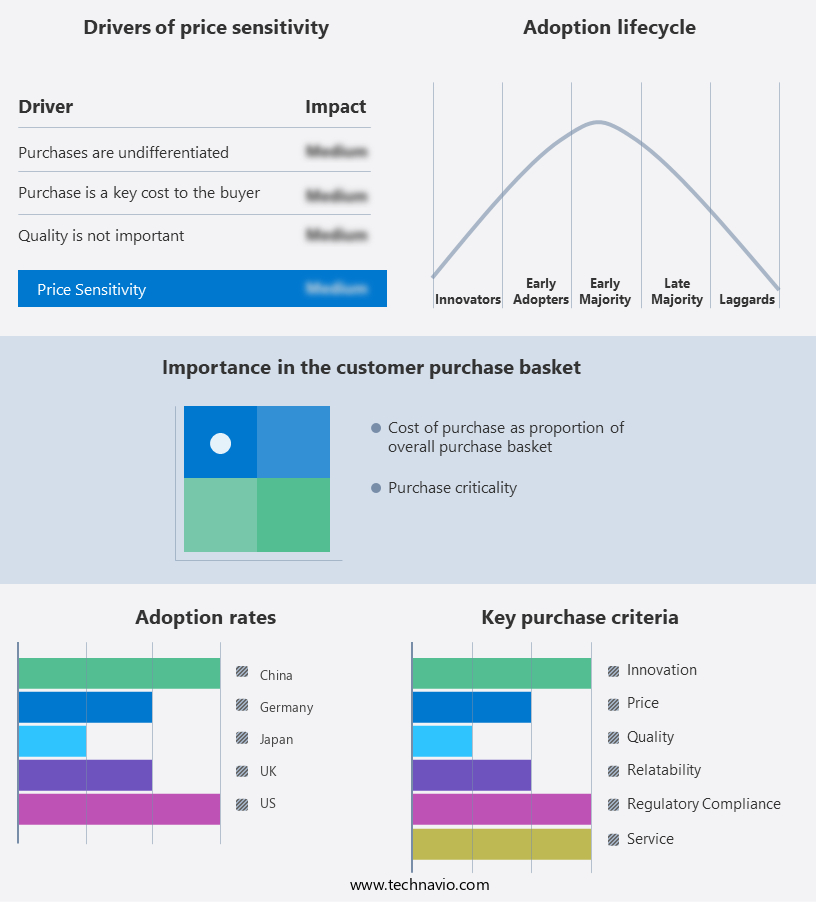
Customer Landscape
Key Companies & Market Insights
Companies are implementing various strategies, such as strategic alliances, plastic recycling solutions market forecast, partnerships, mergers and acquisitions, geographical expansion, and product/service launches, to enhance their presence in the industry.
Altium Packaging - The company specializes in advanced plastic recycling technologies, transforming various post-consumer packaging materials into valuable resources. Through innovative processes, we effectively address the complexities of plastic waste management, ensuring sustainable and eco-friendly outcomes. Our solutions cater to a diverse range of industries, contributing to the global circular economy and reducing reliance on virgin materials. By prioritizing original research and development, we remain at the forefront of plastic recycling solutions, enhancing our clients' sustainability initiatives while minimizing environmental impact.
The industry research and growth report includes detailed analyses of the competitive landscape of the market and information about key companies, including:
- Altium Packaging
- Biffa Plc
- CABKA Group GmbH
- Cross Wrap Oy
- EREMA Engineering Recycling Maschinen und Anlagen Ges.m.b.H.
- Far Eastern Group
- J and A Young Leicester Ltd.
- KW Plastics
- Loop Industries Inc.
- MBA Polymers Inc.
- OMV Aktiengesellschaft
- Petcore Europe
- Plastipak Holdings Inc.
- Republic Services Inc.
- Stericycle Inc.
- SUEZ SA
- Tomra Systems ASA
- Vanden Global Ltd.
- Veolia Environnement SA
- Waste Management Inc.
Qualitative and quantitative analysis of companies has been conducted to help clients understand the wider business environment as well as the strengths and weaknesses of key industry players. Data is qualitatively analyzed to categorize companies as pure play, category-focused, industry-focused, and diversified; it is quantitatively analyzed to categorize companies as dominant, leading, strong, tentative, and weak.
Recent Development and News in Plastic Recycling Solutions Market
- In February 2023, global recycling technology leader, Tomra Systems, announced the launch of its new Optic sorter, the Tomra 6A, designed specifically for PET bottle recycling. This advanced technology can identify and sort PET bottles based on color, shape, and size, improving the quality and purity of recycled PET (rPET) (Tomra Systems Press Release, 2023).
- In April 2024, chemical giant, Dow Inc., and leading circular economy solutions provider, Plastics and Chemicals Recycling GmbH & Co. KG (Plastix), announced a strategic partnership to develop a large-scale recycling plant in Europe. This collaboration aims to process 50,000 metric tons of post-consumer plastic waste annually, creating high-quality circular products (Dow Inc. Press Release, 2024).
- In July 2024, TerraCycle, a global leader in recycling solutions for complex waste streams, secured a strategic investment of USD100 million from PepsiCo. This funding will support the expansion of TerraCycle's Loop platform, a circular shopping system that aims to eliminate waste by keeping reusable packaging in the circular economy (TerraCycle Press Release, 2024).
- In November 2025, the European Union (EU) approved the Single Use Plastics Directive 2.0, which sets ambitious targets for plastic waste reduction, including a 65% reduction in plastic waste by 2030. This policy change is expected to drive significant growth in the market as companies adapt to meet the new regulations (European Commission Press Release, 2025).
Research Analyst Overview
- The plastic recycling industry continues to evolve, driven by stringent environmental sustainability regulations and the need for waste reduction strategies. ASTM and ISO standards play a crucial role in ensuring consistent quality in plastic recycling processes. Closed-loop recycling, which involves the reuse of recycled plastic resin, flakes, pellets, and other forms in the production of new plastic products, is gaining traction. Advancements in plastic recycling equipment, such as sorting machines, enable more efficient separation and processing of various types of plastic waste, including PVC, PP, PEt, HDPE, and PET. Emerging technologies, like chemical recycling and pyrolysis, offer promising solutions for recycling previously non-recyclable plastics.
- The future outlook for the plastic recycling industry remains optimistic, with extended producer responsibility programs and government initiatives promoting the adoption of recycled plastic in various applications, from injection molding and blow molding to packaging and construction. Life cycle assessment studies demonstrate the environmental benefits of recycling, further fueling industry growth.
Dive into Technavio's robust research methodology, blending expert interviews, extensive data synthesis, and validated models for unparalleled Plastic Recycling Solutions Market insights. See full methodology.
|
Market Scope |
|
|
Report Coverage |
Details |
|
Page number |
180 |
|
Base year |
2023 |
|
Historic period |
2018-2022 |
|
Forecast period |
2024-2028 |
|
Growth momentum & CAGR |
Accelerate at a CAGR of 8.87% |
|
Market growth 2024-2028 |
USD 25.8 billion |
|
Market structure |
Fragmented |
|
YoY growth 2023-2024(%) |
7.6 |
|
Key countries |
China, US, Japan, Germany, and UK |
|
Competitive landscape |
Leading Companies, Market Positioning of Companies, Competitive Strategies, and Industry Risks |
What are the Key Data Covered in this Plastic Recycling Solutions Market Research and Growth Report?
- CAGR of the Plastic Recycling Solutions industry during the forecast period
- Detailed information on factors that will drive the growth and forecasting between 2024 and 2028
- Precise estimation of the size of the market and its contribution of the industry in focus to the parent market
- Accurate predictions about upcoming growth and trends and changes in consumer behaviour
- Growth of the market across APAC, North America, Europe, Middle East and Africa, and South America
- Thorough analysis of the market's competitive landscape and detailed information about companies
- Comprehensive analysis of factors that will challenge the plastic recycling solutions market growth of industry companies
We can help! Our analysts can customize this plastic recycling solutions market research report to meet your requirements.
 RIA -
RIA - 
