
Recreational Equipment Market Analysis, Size, and Forecast 2026-2030: North America (US, Canada, and Mexico), Europe (Germany, UK, and France), APAC (China, India, and Japan), South America (Brazil, Argentina, and Colombia), Middle East and Africa (Saudi Arabia, UAE, and South Africa), and Rest of World (ROW)

Recreational Equipment Market Analysis, Size, and Forecast 2026-2030:
North America (US, Canada, and Mexico), Europe (Germany, UK, and France), APAC (China, India, and Japan), South America (Brazil, Argentina, and Colombia), Middle East and Africa (Saudi Arabia, UAE, and South Africa), and Rest of World (ROW)

Published: Apr 2026 319 Pages SKU: IRTNTR81405

Market Overview at a Glance

$45.93 B
Market Opportunity
7.5%
CAGR 2025 - 2030
29.2%
APAC Growth
$42.04 B
Camping and hiking gear segment 2024

Recreational Equipment Market Size 2026-2030

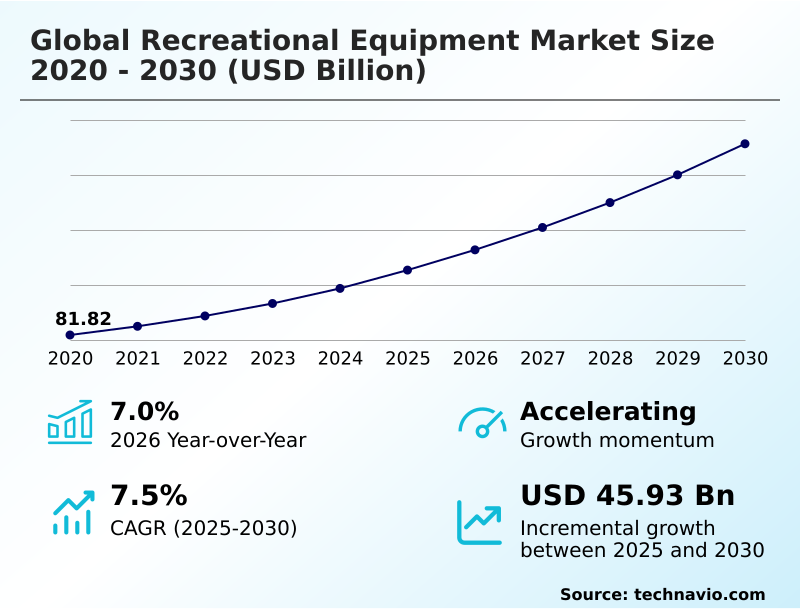
The recreational equipment market size is valued to increase by USD 45.93 billion, at a CAGR of 7.5% from 2025 to 2030. Increasing consumer focus on health and wellness will drive the recreational equipment market.

Major Market Trends & Insights

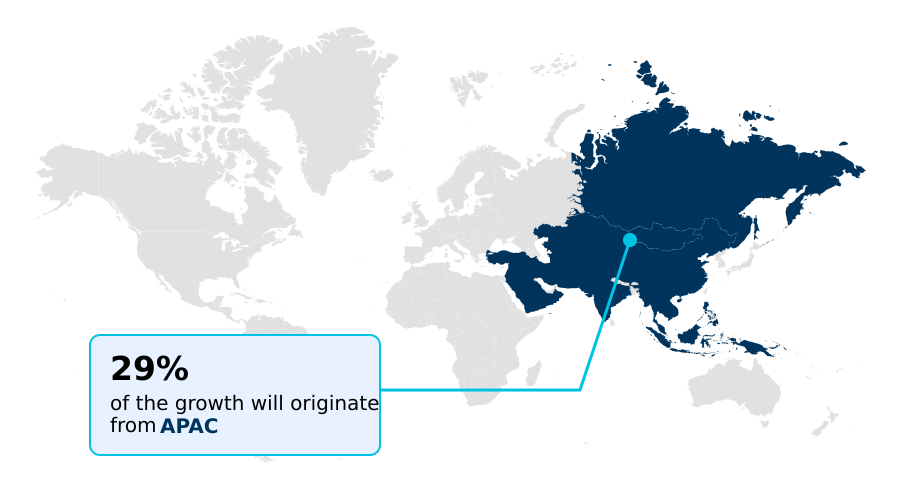
  • APAC dominated the market and accounted for a 29.2% growth during the forecast period.
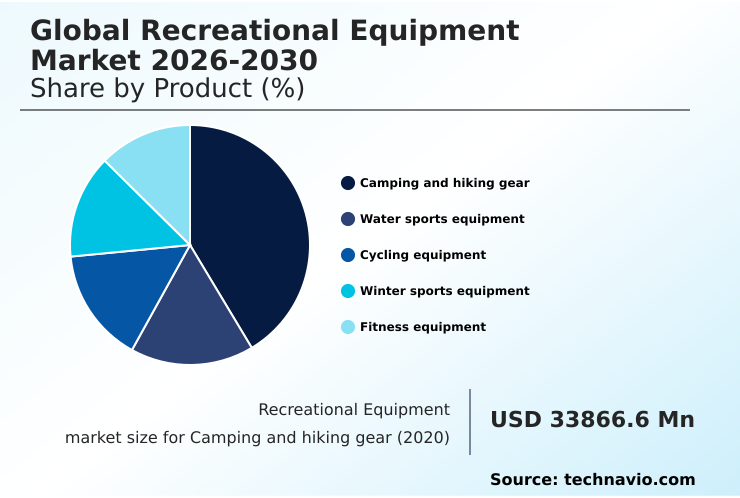
  • By Product - Camping and hiking gear segment was valued at USD 42.04 billion in 2024
  • By End-user - Residential users segment accounted for the largest market revenue share in 2024

Market Size & Forecast

  • Market Opportunities: USD 69.53 billion
  • Market Future Opportunities: USD 45.93 billion
  • CAGR from 2025 to 2030 : 7.5%

Market Summary

  • The recreational equipment market is driven by a deep-seated consumer shift towards health, wellness, and experiential activities. This evolution fuels demand for advanced gear, pushing manufacturers to innovate with materials like carbon fiber composites and plant-based polymers for enhanced performance and sustainability.
  • The integration of smart technology, including GPS-enabled navigation and smart helmet technology, is becoming standard, attracting tech-savvy users and compelling frequent upgrades. As a business scenario, consider a manufacturer implementing 3D printed custom gear solutions.
  • This approach not only caters to niche demands for personalized equipment but also optimizes the supply chain by enabling on-demand production, which reduces warehouse overhead and waste from unsold inventory. However, the market faces hurdles from raw material price volatility and the operational complexities of adopting sustainable methods like waterless dyeing techniques.
  • Balancing innovation, cost, and ecological responsibility through the use of biodegradable materials and organic fiber textiles remains the central strategic challenge for industry leaders navigating this competitive landscape.

What will be the Size of the Recreational Equipment Market during the forecast period?

Get Key Insights on Market Forecast (PDF) Request Free Sample

How is the Recreational Equipment Market Segmented?

The recreational equipment industry research report provides comprehensive data (region-wise segment analysis), with forecasts and estimates in "USD million" for the period 2026-2030, as well as historical data from 2020-2024 for the following segments.

  • Product
    • Camping and hiking gear
    • Water sports equipment
    • Cycling equipment
    • Winter sports equipment
    • Fitness equipment
  • End-user
    • Residential users
    • Commercial facilities
    • Sports clubs
    • Adventure tourism operators
  • Distribution channel
    • Specialty stores
    • Mass merchandisers
    • Online retailers
    • Department stores
  • Geography
    • North America
      • US
      • Canada
      • Mexico
    • Europe
      • Germany
      • UK
      • France
    • APAC
      • China
      • India
      • Japan
    • South America
      • Brazil
      • Argentina
      • Colombia
    • Middle East and Africa
      • Saudi Arabia
      • UAE
      • South Africa
    • Rest of World (ROW)

By Product Insights

The camping and hiking gear segment is estimated to witness significant growth during the forecast period.

The camping and hiking gear segment reflects a significant shift in consumer priorities toward outdoor wellness. This category, driven by demand for experiential tourism gear and equipment for micro-adventures, is seeing innovation in materials and design.

Manufacturers are integrating organic fiber textiles and biodegradable materials to appeal to eco-conscious buyers. Products featuring lightweight alloy frames and ergonomic equipment design are gaining traction for their portability and comfort during localized outdoor excursions.

The development of modular equipment designs, such as collapsible camping stoves and other packable outdoor gear, directly addresses consumer needs for convenience and versatility in family-oriented outdoor products, contributing to a 7% year-over-year increase in user engagement for leading product lines.

This strategic focus on adaptable, sustainable equipment is crucial for brand loyalty cultivation.

Request Free Sample

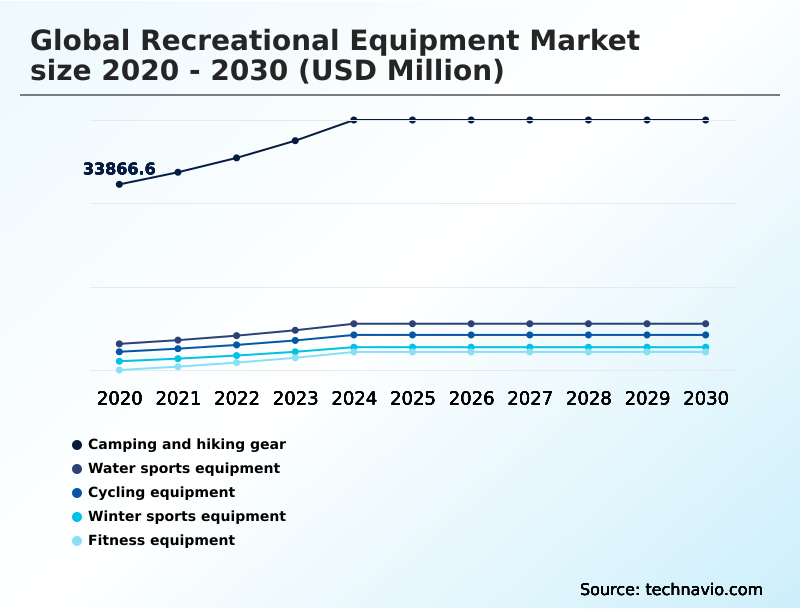
The Camping and hiking gear segment was valued at USD 42.04 billion in 2024 and showed a gradual increase during the forecast period.
Request Free Sample

Regional Analysis

APAC is estimated to contribute 29.2% to the growth of the global market during the forecast period.Technavio’s analysts have elaborately explained the regional trends and drivers that shape the market during the forecast period.

See How Recreational Equipment Market Demand is Rising in APAC Request Free Sample

The geographic landscape of the recreational equipment market is diversifying, with APAC poised to contribute 29.2% of the incremental growth.

In North America and Europe, demand is driven by eco-conscious consumerism, fueling interest in the second-hand equipment marketplace and products made with sustainable materials.

In these mature markets, adoption of localized manufacturing has reduced supply chain lead times by over 20%. Innovations such as ultra-lightweight gear design using epoxy resin construction and advanced gearing mechanisms are crucial.

The demand for adaptive gear for seniors and urban mobility solutions is also growing. In contrast, emerging markets show a higher demand for equipment for family-oriented outdoor products.

Across all regions, the expansion of equipment rental services for items with reinforced steel frames and sweat-resistant upholstery caters to transient and cost-conscious users.

Market Dynamics

Our researchers analyzed the data with 2025 as the base year, along with the key drivers, trends, and challenges. A holistic analysis of drivers will help companies refine their marketing strategies to gain a competitive advantage.

  • A comprehensive analysis of the global recreational equipment market 2026-2030 reveals several interconnected themes defining its trajectory. The impact of the circular economy on equipment sales is becoming more pronounced, as consumers embrace rental models versus ownership in recreation, which in turn pressures manufacturers to focus on durability.
  • Simultaneously, there is a clear growth of experiential tourism and gear demand, particularly for micro-adventures and required gear. This has spurred material science innovations in outdoor apparel and smart fabrics in athletic clothing. Technology integration in smart fitness gear is a key differentiator, with biometric tracking in home fitness machines and wearable technology in performance monitoring becoming standard.
  • Innovations in winter sports equipment design and advanced safety features in cycling helmets underscore the focus on performance and protection. The rise of e-commerce in equipment distribution and direct-to-consumer strategies for sports brands are reshaping the retail landscape. Manufacturers are leveraging personalized gear through 3D printing technology to create bespoke products.
  • However, the industry grapples with the challenges of raw material volatility, making sustainable manufacturing in recreational equipment and the use of eco-friendly alternatives in sports manufacturing not just an ethical choice but a strategic imperative. Firms that successfully mitigate supply chain risks have maintained margins within 2% of historical averages, while less prepared competitors face significant erosion.
  • The sustained impact of health and wellness trends on sales ensures that demand for lightweight materials for hiking and camping remains robust.

What are the key market drivers leading to the rise in the adoption of Recreational Equipment Industry?

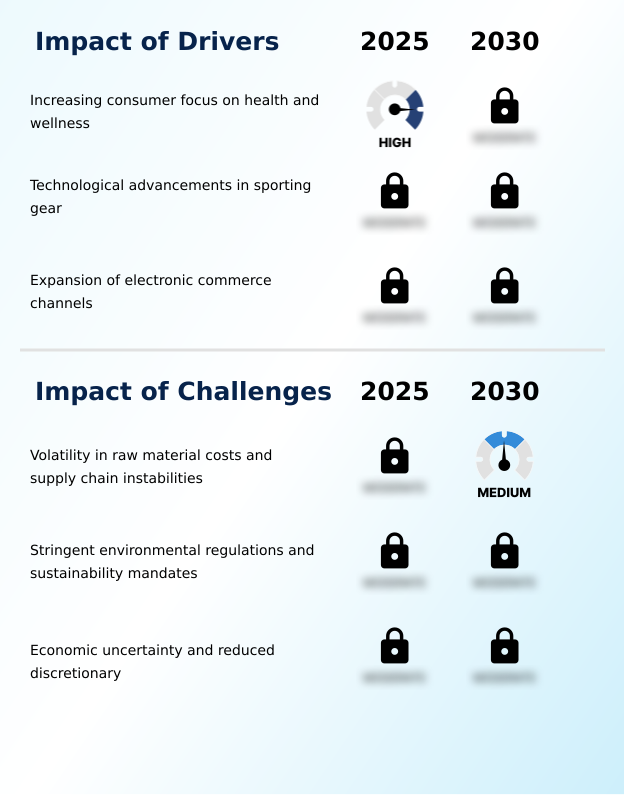
  • The increasing consumer focus on health and wellness is a key driver for the recreational equipment market.

  • The market is propelled by a consumer focus on health and accessibility, amplified by technological advancements.
  • The expansion of direct-to-consumer retail channels allows for greater personalization, such as 3D printed custom gear, and has led to a 20% increase in customer data acquisition efficiency.
  • The integration of GPS-enabled navigation and real-time performance monitoring via wearable fitness trackers drives enhanced user engagement and promotes sales of performance enhancement gear.
  • Innovations in materials, such as moisture-wicking fabrics, recycled polymer manufacturing, and lightweight aluminum frames, improve comfort and appeal to the urban mobility solutions segment.
  • Furthermore, the development of adaptive gear for seniors and improved waterless dyeing techniques demonstrates the industry's response to diverse demographic and environmental demands, leading to a 15% increase in activity consistency among users.

What are the market trends shaping the Recreational Equipment Industry?

  • The rise of sustainable and eco-friendly manufacturing practices represents a significant upcoming trend in the market. This shift is driven by growing consumer and regulatory demand for environmental accountability.

  • A pivotal trend is the market's shift toward circular economy models, where sustainability and economic viability intersect. This is driven by eco-conscious consumerism, with companies adopting these models reporting a 40% higher customer lifetime value. The rise of peer-to-peer rental platforms and certified refurbished gear programs is reshaping the athleisure apparel market.
  • Innovations in sustainable manufacturing practices are critical, including the use of plant-based polymers and titanium alloy components. The development of bio-based foam materials can reduce a product's carbon footprint by up to 25%, a significant factor for boardroom strategy. The integration of smart helmet technology and biometric sensor integration in graphene-infused equipment is creating new value within virtual training environments.

What challenges does the Recreational Equipment Industry face during its growth?

  • Volatility in raw material costs and supply chain instabilities pose a key challenge affecting industry growth.

  • Key challenges stem from operational and supply chain complexities. Volatility in the cost of advanced materials like carbon fiber composites has led to price fluctuations of up to 35% in a single quarter, complicating financial planning.
  • The lack of supply chain transparency for components like reinforced steel frames and epoxy resin construction contributes to inventory inaccuracies for over 20% of stock. While equipment rental services and the second-hand equipment marketplace offer consumers value, they also cannibalize new product sales.
  • This environment requires a focus on brand loyalty cultivation through high-quality, durable products, such as multi-purpose outerwear and ergonomic equipment design. Manufacturers must also innovate in niche areas like integrated avalanche systems and portable power stations to differentiate their offerings for specialized activities such as localized outdoor excursions and family-oriented outdoor products.

Exclusive Technavio Analysis on Customer Landscape

The recreational equipment market forecasting report includes the adoption lifecycle of the market, covering from the innovator’s stage to the laggard’s stage. It focuses on adoption rates in different regions based on penetration. Furthermore, the recreational equipment market report also includes key purchase criteria and drivers of price sensitivity to help companies evaluate and develop their market growth analysis strategies.
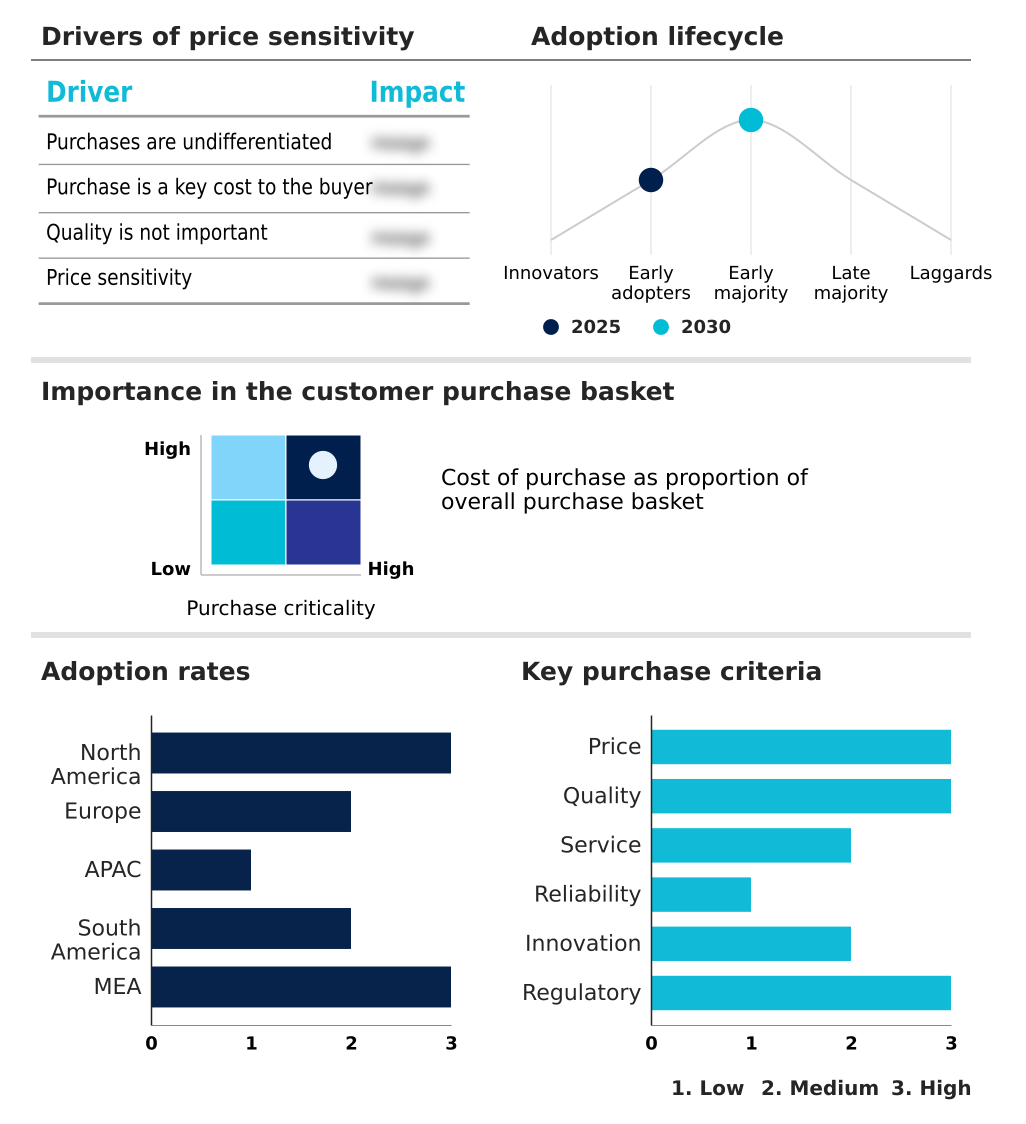
Customer Landscape of Recreational Equipment Industry

Competitive Landscape

Companies are implementing various strategies, such as strategic alliances, recreational equipment market forecast, partnerships, mergers and acquisitions, geographical expansion, and product/service launches, to enhance their presence in the industry.

Amer Sports Corp. - A diverse portfolio of recreational equipment is offered, covering winter sports, racquet sports, and outdoor apparel for varied athletic markets.

The industry research and growth report includes detailed analyses of the competitive landscape of the market and information about key companies, including:

  • Amer Sports Corp.
  • Brunswick Corp.
  • Clarus Corp.
  • Columbia Sportswear Co.
  • Decathlon SA
  • Deckers Outdoor Corp.
  • Garmin Ltd.
  • HEAD Sport GmbH
  • Naturehike
  • Newell Brands Inc.
  • Nike Inc.
  • Patagonia Inc.
  • Peloton Interactive Inc.
  • Recreational Equipment Inc.
  • The North Face
  • Topgolf Callaway Brands Corp.
  • Trek Bicycle Corp.
  • VF Corp.
  • Vista Outdoor Inc.
  • Yonex Co. Ltd.

Qualitative and quantitative analysis of companies has been conducted to help clients understand the wider business environment as well as the strengths and weaknesses of key industry players. Data is qualitatively analyzed to categorize companies as pure play, category-focused, industry-focused, and diversified; it is quantitatively analyzed to categorize companies as dominant, leading, strong, tentative, and weak.

Recent Development and News in Recreational equipment market

  • In May 2025, iFIT Inc. announced its acquisition of Reform RX, a provider of Pilates reformers, to expand its connected fitness ecosystem and enter the Pilates segment.
  • In April 2025, Raleigh announced the upcoming launch of the Raleigh ONE, a new urban commuter e-bike designed to combine practicality with smart connectivity for city-based riders.
  • In March 2025, Mountain Equipment launched its Xenith sleeping bag collection for Spring 2025, showcasing the company's lightest sleeping bags designed for optimal warmth-to-weight performance.
  • In January 2025, ALPS Mountaineering introduced a new series of backpacking sleeping bags, expanding its range of high-performance outdoor gear for wilderness adventures and family camping.

Dive into Technavio’s robust research methodology, blending expert interviews, extensive data synthesis, and validated models for unparalleled Recreational Equipment Market insights. See full methodology.

Market Scope
Page number 319
Base year 2025
Historic period 2020-2024
Forecast period 2026-2030
Growth momentum & CAGR Accelerate at a CAGR of 7.5%
Market growth 2026-2030 USD 45929.7 million
Market structure Fragmented
YoY growth 2025-2026(%) 7.0%
Key countries US, Canada, Mexico, Germany, UK, France, Italy, Spain, The Netherlands, China, India, Japan, South Korea, Australia, Indonesia, Brazil, Argentina, Colombia, Saudi Arabia, UAE, South Africa, Turkey and Israel
Competitive landscape Leading Companies, Market Positioning of Companies, Competitive Strategies, and Industry Risks

Request Free Sample

Research Analyst Overview

  • The recreational equipment market's evolution is defined by a rapid convergence of material science and digital technology. Boardroom decisions are now heavily influenced by the need to integrate sustainable and high-performance inputs into every product line. The strategic adoption of carbon fiber composites, moisture-wicking fabrics, and plant-based polymers is no longer optional.
  • This is coupled with the integration of GPS-enabled navigation, smart helmet technology, and wearable fitness trackers. Production methods are also transforming, with advancements in 3D printed custom gear, recycled polymer manufacturing, and waterless dyeing techniques becoming critical for maintaining a competitive edge.
  • The market is also seeing a push towards ergonomic equipment design utilizing lightweight alloy frames, titanium alloy components, and graphene-infused equipment to improve user experience. Products now feature reinforced steel frames, sweat-resistant upholstery, and multidirectional impact protection.
  • Innovations like bio-based foam materials, organic fiber textiles, and biodegradable materials are vital for compliance, with firms adopting these standards seeing a 15% faster approval rate in regulated markets.
  • For consumers, features such as modular equipment designs, packable outdoor gear, and foldable equipment design enhance convenience, while biometric sensor integration within virtual training environments, powered by portable power stations, deepens engagement.
  • The development of advanced gearing mechanisms, integrated avalanche systems, and hydrodynamic engineering showcases the industry's commitment to safety and performance in everything from inflatable watercraft to multi-purpose outerwear and collapsible camping stoves.

What are the Key Data Covered in this Recreational Equipment Market Research and Growth Report?

  • What is the expected growth of the Recreational Equipment Market between 2026 and 2030?

    • USD 45.93 billion, at a CAGR of 7.5%

  • What segmentation does the market report cover?

    • The report is segmented by Product (Camping and hiking gear, Water sports equipment, Cycling equipment, Winter sports equipment, and Fitness equipment), End-user (Residential users, Commercial facilities, Sports clubs, and Adventure tourism operators), Distribution Channel (Specialty stores, Mass merchandisers, Online retailers, and Department stores) and Geography (North America, Europe, APAC, South America, Middle East and Africa)

  • Which regions are analyzed in the report?

    • North America, Europe, APAC, South America and Middle East and Africa

  • What are the key growth drivers and market challenges?

    • Increasing consumer focus on health and wellness , Volatility in raw material costs and supply chain instabilities

  • Who are the major players in the Recreational Equipment Market?

    • Amer Sports Corp., Brunswick Corp., Clarus Corp., Columbia Sportswear Co., Decathlon SA, Deckers Outdoor Corp., Garmin Ltd., HEAD Sport GmbH, Naturehike, Newell Brands Inc., Nike Inc., Patagonia Inc., Peloton Interactive Inc., Recreational Equipment Inc., The North Face, Topgolf Callaway Brands Corp., Trek Bicycle Corp., VF Corp., Vista Outdoor Inc. and Yonex Co. Ltd.

Market Research Insights

  • The market's dynamic is shaped by evolving consumer behaviors and retail strategies. The adoption of direct-to-consumer retail has enabled some manufacturers to improve profit margins by up to 15% by bypassing traditional intermediaries. Simultaneously, circular economy models, including peer-to-peer rental platforms, are gaining traction, especially in the athleisure apparel market, where access is often prioritized over ownership.
  • These shifts are complemented by a focus on sustainable manufacturing practices, with the demand for experiential tourism gear driving innovation. Geographically, growth momentum in some emerging markets is nearly 30% higher than in mature regions, highlighting the global pivot in consumer spending on recreation and wellness.

We can help! Our analysts can customize this recreational equipment market research report to meet your requirements.

Get in touch

1. Executive Summary

1.1 Market overview

Executive Summary - Chart on Market Overview
Executive Summary - Data Table on Market Overview
Executive Summary - Chart on Global Market Characteristics
Executive Summary - Chart on Market by Geography
Executive Summary - Chart on Market Segmentation by Product
Executive Summary - Chart on Market Segmentation by End-user
Executive Summary - Chart on Market Segmentation by Distribution Channel
Executive Summary - Chart on Incremental Growth
Executive Summary - Data Table on Incremental Growth
Executive Summary - Chart on Company Market Positioning

2. Technavio Analysis

2.1 Analysis of price sensitivity, lifecycle, customer purchase basket, adoption rates, and purchase criteria

2.2 Criticality of inputs and Factors of differentiation

Chart on Overview on criticality of inputs and factors of differentiation

2.3 Factors of disruption

Chart on Overview on factors of disruption

2.4 Impact of drivers and challenges

Chart on Impact of drivers and challenges in 2025 and 2030

3. Market Landscape

3.1 Market ecosystem

Chart on Parent Market
Data Table on - Parent Market

3.2 Market characteristics

Chart on Market characteristics analysis

3.3 Value chain analysis

Chart on Value chain analysis

4. Market Sizing

4.1 Market definition

Data Table on Offerings of companies included in the market definition

4.2 Market segment analysis

Market segments

4.3 Market size 2025

4.4 Market outlook: Forecast for 2025-2030

Chart on Global - Market size and forecast 2025-2030 ($ million)
Data Table on Global - Market size and forecast 2025-2030 ($ million)
Chart on Global Market: Year-over-year growth 2025-2030 (%)
Data Table on Global Market: Year-over-year growth 2025-2030 (%)

5. Historic Market Size

5.1 Global Recreational Equipment Market 2020 - 2024

Historic Market Size - Data Table on Global Recreational Equipment Market 2020 - 2024 ($ million)

5.2 Product segment analysis 2020 - 2024

Historic Market Size - Product Segment 2020 - 2024 ($ million)

5.3 End-user segment analysis 2020 - 2024

Historic Market Size - End-user Segment 2020 - 2024 ($ million)

5.4 Distribution Channel segment analysis 2020 - 2024

Historic Market Size - Distribution Channel Segment 2020 - 2024 ($ million)

5.5 Geography segment analysis 2020 - 2024

Historic Market Size - Geography Segment 2020 - 2024 ($ million)

5.6 Country segment analysis 2020 - 2024

Historic Market Size - Country Segment 2020 - 2024 ($ million)

6. Qualitative Analysis

6.1 Impact of AI on Global Recreational Equipment Market

6.2 Impact of Geopolitical Conflicts on Global Recreational Equipment Market

7. Five Forces Analysis

7.1 Five forces summary

Five forces analysis - Comparison between 2025 and 2030

7.2 Bargaining power of buyers

Bargaining power of buyers - Impact of key factors 2025 and 2030

7.3 Bargaining power of suppliers

Bargaining power of suppliers - Impact of key factors in 2025 and 2030

7.4 Threat of new entrants

Threat of new entrants - Impact of key factors in 2025 and 2030

7.5 Threat of substitutes

Threat of substitutes - Impact of key factors in 2025 and 2030

7.6 Threat of rivalry

Threat of rivalry - Impact of key factors in 2025 and 2030

7.7 Market condition

Chart on Market condition - Five forces 2025 and 2030

8. Market Segmentation by Product

8.1 Market segments

Chart on Product - Market share 2025-2030 (%)
Data Table on Product - Market share 2025-2030 (%)

8.2 Comparison by Product

Chart on Comparison by Product
Data Table on Comparison by Product

8.3 Camping and hiking gear - Market size and forecast 2025-2030

Chart on Camping and hiking gear - Market size and forecast 2025-2030 ($ million)
Data Table on Camping and hiking gear - Market size and forecast 2025-2030 ($ million)
Chart on Camping and hiking gear - Year-over-year growth 2025-2030 (%)
Data Table on Camping and hiking gear - Year-over-year growth 2025-2030 (%)

8.4 Water sports equipment - Market size and forecast 2025-2030

Chart on Water sports equipment - Market size and forecast 2025-2030 ($ million)
Data Table on Water sports equipment - Market size and forecast 2025-2030 ($ million)
Chart on Water sports equipment - Year-over-year growth 2025-2030 (%)
Data Table on Water sports equipment - Year-over-year growth 2025-2030 (%)

8.5 Cycling equipment - Market size and forecast 2025-2030

Chart on Cycling equipment - Market size and forecast 2025-2030 ($ million)
Data Table on Cycling equipment - Market size and forecast 2025-2030 ($ million)
Chart on Cycling equipment - Year-over-year growth 2025-2030 (%)
Data Table on Cycling equipment - Year-over-year growth 2025-2030 (%)

8.6 Winter sports equipment - Market size and forecast 2025-2030

Chart on Winter sports equipment - Market size and forecast 2025-2030 ($ million)
Data Table on Winter sports equipment - Market size and forecast 2025-2030 ($ million)
Chart on Winter sports equipment - Year-over-year growth 2025-2030 (%)
Data Table on Winter sports equipment - Year-over-year growth 2025-2030 (%)

8.7 Fitness equipment - Market size and forecast 2025-2030

Chart on Fitness equipment - Market size and forecast 2025-2030 ($ million)
Data Table on Fitness equipment - Market size and forecast 2025-2030 ($ million)
Chart on Fitness equipment - Year-over-year growth 2025-2030 (%)
Data Table on Fitness equipment - Year-over-year growth 2025-2030 (%)

8.8 Market opportunity by Product

Market opportunity by Product ($ million)
Data Table on Market opportunity by Product ($ million)

9. Market Segmentation by End-user

9.1 Market segments

Chart on End-user - Market share 2025-2030 (%)
Data Table on End-user - Market share 2025-2030 (%)

9.2 Comparison by End-user

Chart on Comparison by End-user
Data Table on Comparison by End-user

9.3 Residential users - Market size and forecast 2025-2030

Chart on Residential users - Market size and forecast 2025-2030 ($ million)
Data Table on Residential users - Market size and forecast 2025-2030 ($ million)
Chart on Residential users - Year-over-year growth 2025-2030 (%)
Data Table on Residential users - Year-over-year growth 2025-2030 (%)

9.4 Commercial facilities - Market size and forecast 2025-2030

Chart on Commercial facilities - Market size and forecast 2025-2030 ($ million)
Data Table on Commercial facilities - Market size and forecast 2025-2030 ($ million)
Chart on Commercial facilities - Year-over-year growth 2025-2030 (%)
Data Table on Commercial facilities - Year-over-year growth 2025-2030 (%)

9.5 Sports clubs - Market size and forecast 2025-2030

Chart on Sports clubs - Market size and forecast 2025-2030 ($ million)
Data Table on Sports clubs - Market size and forecast 2025-2030 ($ million)
Chart on Sports clubs - Year-over-year growth 2025-2030 (%)
Data Table on Sports clubs - Year-over-year growth 2025-2030 (%)

9.6 Adventure tourism operators - Market size and forecast 2025-2030

Chart on Adventure tourism operators - Market size and forecast 2025-2030 ($ million)
Data Table on Adventure tourism operators - Market size and forecast 2025-2030 ($ million)
Chart on Adventure tourism operators - Year-over-year growth 2025-2030 (%)
Data Table on Adventure tourism operators - Year-over-year growth 2025-2030 (%)

9.7 Market opportunity by End-user

Market opportunity by End-user ($ million)
Data Table on Market opportunity by End-user ($ million)

10. Market Segmentation by Distribution Channel

10.1 Market segments

Chart on Distribution Channel - Market share 2025-2030 (%)
Data Table on Distribution Channel - Market share 2025-2030 (%)

10.2 Comparison by Distribution Channel

Chart on Comparison by Distribution Channel
Data Table on Comparison by Distribution Channel

10.3 Specialty stores - Market size and forecast 2025-2030

Chart on Specialty stores - Market size and forecast 2025-2030 ($ million)
Data Table on Specialty stores - Market size and forecast 2025-2030 ($ million)
Chart on Specialty stores - Year-over-year growth 2025-2030 (%)
Data Table on Specialty stores - Year-over-year growth 2025-2030 (%)

10.4 Mass merchandisers - Market size and forecast 2025-2030

Chart on Mass merchandisers - Market size and forecast 2025-2030 ($ million)
Data Table on Mass merchandisers - Market size and forecast 2025-2030 ($ million)
Chart on Mass merchandisers - Year-over-year growth 2025-2030 (%)
Data Table on Mass merchandisers - Year-over-year growth 2025-2030 (%)

10.5 Online retailers - Market size and forecast 2025-2030

Chart on Online retailers - Market size and forecast 2025-2030 ($ million)
Data Table on Online retailers - Market size and forecast 2025-2030 ($ million)
Chart on Online retailers - Year-over-year growth 2025-2030 (%)
Data Table on Online retailers - Year-over-year growth 2025-2030 (%)

10.6 Department stores - Market size and forecast 2025-2030

Chart on Department stores - Market size and forecast 2025-2030 ($ million)
Data Table on Department stores - Market size and forecast 2025-2030 ($ million)
Chart on Department stores - Year-over-year growth 2025-2030 (%)
Data Table on Department stores - Year-over-year growth 2025-2030 (%)

10.7 Market opportunity by Distribution Channel

Market opportunity by Distribution Channel ($ million)
Data Table on Market opportunity by Distribution Channel ($ million)

11. Customer Landscape

11.1 Customer landscape overview

Analysis of price sensitivity, lifecycle, customer purchase basket, adoption rates, and purchase criteria

12. Geographic Landscape

12.1 Geographic segmentation

Chart on Market share by geography 2025-2030 (%)
Data Table on Market share by geography 2025-2030 (%)

12.2 Geographic comparison

Chart on Geographic comparison
Data Table on Geographic comparison

12.3 North America - Market size and forecast 2025-2030

Chart on North America - Market size and forecast 2025-2030 ($ million)
Data Table on North America - Market size and forecast 2025-2030 ($ million)
Chart on North America - Year-over-year growth 2025-2030 (%)
Data Table on North America - Year-over-year growth 2025-2030 (%)
Chart on Regional Comparison - North America
Data Table on Regional Comparison - North America

12.3.1 US - Market size and forecast 2025-2030

Chart on US - Market size and forecast 2025-2030 ($ million)
Data Table on US - Market size and forecast 2025-2030 ($ million)
Chart on US - Year-over-year growth 2025-2030 (%)
Data Table on US - Year-over-year growth 2025-2030 (%)

12.3.2 Canada - Market size and forecast 2025-2030

Chart on Canada - Market size and forecast 2025-2030 ($ million)
Data Table on Canada - Market size and forecast 2025-2030 ($ million)
Chart on Canada - Year-over-year growth 2025-2030 (%)
Data Table on Canada - Year-over-year growth 2025-2030 (%)

12.3.3 Mexico - Market size and forecast 2025-2030

Chart on Mexico - Market size and forecast 2025-2030 ($ million)
Data Table on Mexico - Market size and forecast 2025-2030 ($ million)
Chart on Mexico - Year-over-year growth 2025-2030 (%)
Data Table on Mexico - Year-over-year growth 2025-2030 (%)

12.4 Europe - Market size and forecast 2025-2030

Chart on Europe - Market size and forecast 2025-2030 ($ million)
Data Table on Europe - Market size and forecast 2025-2030 ($ million)
Chart on Europe - Year-over-year growth 2025-2030 (%)
Data Table on Europe - Year-over-year growth 2025-2030 (%)
Chart on Regional Comparison - Europe
Data Table on Regional Comparison - Europe

12.4.1 Germany - Market size and forecast 2025-2030

Chart on Germany - Market size and forecast 2025-2030 ($ million)
Data Table on Germany - Market size and forecast 2025-2030 ($ million)
Chart on Germany - Year-over-year growth 2025-2030 (%)
Data Table on Germany - Year-over-year growth 2025-2030 (%)

12.4.2 UK - Market size and forecast 2025-2030

Chart on UK - Market size and forecast 2025-2030 ($ million)
Data Table on UK - Market size and forecast 2025-2030 ($ million)
Chart on UK - Year-over-year growth 2025-2030 (%)
Data Table on UK - Year-over-year growth 2025-2030 (%)

12.4.3 France - Market size and forecast 2025-2030

Chart on France - Market size and forecast 2025-2030 ($ million)
Data Table on France - Market size and forecast 2025-2030 ($ million)
Chart on France - Year-over-year growth 2025-2030 (%)
Data Table on France - Year-over-year growth 2025-2030 (%)

12.4.4 Italy - Market size and forecast 2025-2030

Chart on Italy - Market size and forecast 2025-2030 ($ million)
Data Table on Italy - Market size and forecast 2025-2030 ($ million)
Chart on Italy - Year-over-year growth 2025-2030 (%)
Data Table on Italy - Year-over-year growth 2025-2030 (%)

12.4.5 Spain - Market size and forecast 2025-2030

Chart on Spain - Market size and forecast 2025-2030 ($ million)
Data Table on Spain - Market size and forecast 2025-2030 ($ million)
Chart on Spain - Year-over-year growth 2025-2030 (%)
Data Table on Spain - Year-over-year growth 2025-2030 (%)

12.4.6 The Netherlands - Market size and forecast 2025-2030

Chart on The Netherlands - Market size and forecast 2025-2030 ($ million)
Data Table on The Netherlands - Market size and forecast 2025-2030 ($ million)
Chart on The Netherlands - Year-over-year growth 2025-2030 (%)
Data Table on The Netherlands - Year-over-year growth 2025-2030 (%)

12.5 APAC - Market size and forecast 2025-2030

Chart on APAC - Market size and forecast 2025-2030 ($ million)
Data Table on APAC - Market size and forecast 2025-2030 ($ million)
Chart on APAC - Year-over-year growth 2025-2030 (%)
Data Table on APAC - Year-over-year growth 2025-2030 (%)
Chart on Regional Comparison - APAC
Data Table on Regional Comparison - APAC

12.5.1 China - Market size and forecast 2025-2030

Chart on China - Market size and forecast 2025-2030 ($ million)
Data Table on China - Market size and forecast 2025-2030 ($ million)
Chart on China - Year-over-year growth 2025-2030 (%)
Data Table on China - Year-over-year growth 2025-2030 (%)

12.5.2 India - Market size and forecast 2025-2030

Chart on India - Market size and forecast 2025-2030 ($ million)
Data Table on India - Market size and forecast 2025-2030 ($ million)
Chart on India - Year-over-year growth 2025-2030 (%)
Data Table on India - Year-over-year growth 2025-2030 (%)

12.5.3 Japan - Market size and forecast 2025-2030

Chart on Japan - Market size and forecast 2025-2030 ($ million)
Data Table on Japan - Market size and forecast 2025-2030 ($ million)
Chart on Japan - Year-over-year growth 2025-2030 (%)
Data Table on Japan - Year-over-year growth 2025-2030 (%)

12.5.4 South Korea - Market size and forecast 2025-2030

Chart on South Korea - Market size and forecast 2025-2030 ($ million)
Data Table on South Korea - Market size and forecast 2025-2030 ($ million)
Chart on South Korea - Year-over-year growth 2025-2030 (%)
Data Table on South Korea - Year-over-year growth 2025-2030 (%)

12.5.5 Australia - Market size and forecast 2025-2030

Chart on Australia - Market size and forecast 2025-2030 ($ million)
Data Table on Australia - Market size and forecast 2025-2030 ($ million)
Chart on Australia - Year-over-year growth 2025-2030 (%)
Data Table on Australia - Year-over-year growth 2025-2030 (%)

12.5.6 Indonesia - Market size and forecast 2025-2030

Chart on Indonesia - Market size and forecast 2025-2030 ($ million)
Data Table on Indonesia - Market size and forecast 2025-2030 ($ million)
Chart on Indonesia - Year-over-year growth 2025-2030 (%)
Data Table on Indonesia - Year-over-year growth 2025-2030 (%)

12.6 South America - Market size and forecast 2025-2030

Chart on South America - Market size and forecast 2025-2030 ($ million)
Data Table on South America - Market size and forecast 2025-2030 ($ million)
Chart on South America - Year-over-year growth 2025-2030 (%)
Data Table on South America - Year-over-year growth 2025-2030 (%)
Chart on Regional Comparison - South America
Data Table on Regional Comparison - South America

12.6.1 Brazil - Market size and forecast 2025-2030

Chart on Brazil - Market size and forecast 2025-2030 ($ million)
Data Table on Brazil - Market size and forecast 2025-2030 ($ million)
Chart on Brazil - Year-over-year growth 2025-2030 (%)
Data Table on Brazil - Year-over-year growth 2025-2030 (%)

12.6.2 Argentina - Market size and forecast 2025-2030

Chart on Argentina - Market size and forecast 2025-2030 ($ million)
Data Table on Argentina - Market size and forecast 2025-2030 ($ million)
Chart on Argentina - Year-over-year growth 2025-2030 (%)
Data Table on Argentina - Year-over-year growth 2025-2030 (%)

12.6.3 Colombia - Market size and forecast 2025-2030

Chart on Colombia - Market size and forecast 2025-2030 ($ million)
Data Table on Colombia - Market size and forecast 2025-2030 ($ million)
Chart on Colombia - Year-over-year growth 2025-2030 (%)
Data Table on Colombia - Year-over-year growth 2025-2030 (%)

12.7 Middle East and Africa - Market size and forecast 2025-2030

Chart on Middle East and Africa - Market size and forecast 2025-2030 ($ million)
Data Table on Middle East and Africa - Market size and forecast 2025-2030 ($ million)
Chart on Middle East and Africa - Year-over-year growth 2025-2030 (%)
Data Table on Middle East and Africa - Year-over-year growth 2025-2030 (%)
Chart on Regional Comparison - Middle East and Africa
Data Table on Regional Comparison - Middle East and Africa

12.7.1 Saudi Arabia - Market size and forecast 2025-2030

Chart on Saudi Arabia - Market size and forecast 2025-2030 ($ million)
Data Table on Saudi Arabia - Market size and forecast 2025-2030 ($ million)
Chart on Saudi Arabia - Year-over-year growth 2025-2030 (%)
Data Table on Saudi Arabia - Year-over-year growth 2025-2030 (%)

12.7.2 UAE - Market size and forecast 2025-2030

Chart on UAE - Market size and forecast 2025-2030 ($ million)
Data Table on UAE - Market size and forecast 2025-2030 ($ million)
Chart on UAE - Year-over-year growth 2025-2030 (%)
Data Table on UAE - Year-over-year growth 2025-2030 (%)

12.7.3 South Africa - Market size and forecast 2025-2030

Chart on South Africa - Market size and forecast 2025-2030 ($ million)
Data Table on South Africa - Market size and forecast 2025-2030 ($ million)
Chart on South Africa - Year-over-year growth 2025-2030 (%)
Data Table on South Africa - Year-over-year growth 2025-2030 (%)

12.7.4 Turkey - Market size and forecast 2025-2030

Chart on Turkey - Market size and forecast 2025-2030 ($ million)
Data Table on Turkey - Market size and forecast 2025-2030 ($ million)
Chart on Turkey - Year-over-year growth 2025-2030 (%)
Data Table on Turkey - Year-over-year growth 2025-2030 (%)

12.7.5 Israel - Market size and forecast 2025-2030

Chart on Israel - Market size and forecast 2025-2030 ($ million)
Data Table on Israel - Market size and forecast 2025-2030 ($ million)
Chart on Israel - Year-over-year growth 2025-2030 (%)
Data Table on Israel - Year-over-year growth 2025-2030 (%)

12.8 Market opportunity by geography

Market opportunity by geography ($ million)
Data Tables on Market opportunity by geography ($ million)

13. Drivers, Challenges, and Opportunity

13.1 Market drivers

Increasing consumer focus on health and wellness
Technological advancements in sporting gear
Expansion of electronic commerce channels

13.2 Market challenges

Volatility in raw material costs and supply chain instabilities
Stringent environmental regulations and sustainability mandates
Economic uncertainty and reduced discretionary

13.3 Impact of drivers and challenges

Impact of drivers and challenges in 2025 and 2030

13.4 Market opportunities

Rise of sustainable and eco-friendly manufacturing practices
Emergence of circular economy and rental models
Growth of experiential tourism and micro-adventures

14. Competitive Landscape

14.1 Overview

14.2

Overview on criticality of inputs and factors of differentiation

14.3 Landscape disruption

Overview on factors of disruption

14.4 Industry risks

Impact of key risks on business

15. Competitive Analysis

15.1 Companies profiled

Companies covered

15.2 Company ranking index

15.3 Market positioning of companies

Matrix on companies position and classification

15.4 Amer Sports Corp.

Amer Sports Corp. - Overview
Amer Sports Corp. - Business segments
Amer Sports Corp. - Key offerings
Amer Sports Corp. - Segment focus
SWOT

15.5 Brunswick Corp.

Brunswick Corp. - Overview
Brunswick Corp. - Business segments
Brunswick Corp. - Key news
Brunswick Corp. - Key offerings
Brunswick Corp. - Segment focus
SWOT

15.6 Columbia Sportswear Co.

Columbia Sportswear Co. - Overview
Columbia Sportswear Co. - Business segments
Columbia Sportswear Co. - Key offerings
Columbia Sportswear Co. - Segment focus
SWOT

15.7 Decathlon SA

Decathlon SA - Overview
Decathlon SA - Product / Service
Decathlon SA - Key offerings
SWOT

15.8 Garmin Ltd.

Garmin Ltd. - Overview
Garmin Ltd. - Business segments
Garmin Ltd. - Key news
Garmin Ltd. - Key offerings
Garmin Ltd. - Segment focus
SWOT

15.9 HEAD Sport GmbH

HEAD Sport GmbH - Overview
HEAD Sport GmbH - Product / Service
HEAD Sport GmbH - Key offerings
SWOT

15.10 Newell Brands Inc.

Newell Brands Inc. - Overview
Newell Brands Inc. - Business segments
Newell Brands Inc. - Key offerings
Newell Brands Inc. - Segment focus
SWOT

15.11 Nike Inc.

Nike Inc. - Overview
Nike Inc. - Business segments
Nike Inc. - Key offerings
Nike Inc. - Segment focus
SWOT

15.12 Patagonia Inc.

Patagonia Inc. - Overview
Patagonia Inc. - Product / Service
Patagonia Inc. - Key offerings
SWOT

15.13 The North Face

The North Face - Overview
The North Face - Product / Service
The North Face - Key offerings
SWOT

15.14 Topgolf Callaway Brands Corp.

Topgolf Callaway Brands Corp. - Overview
Topgolf Callaway Brands Corp. - Business segments
Topgolf Callaway Brands Corp. - Key offerings
Topgolf Callaway Brands Corp. - Segment focus
SWOT

15.15 Trek Bicycle Corp.

Trek Bicycle Corp. - Overview
Trek Bicycle Corp. - Product / Service
Trek Bicycle Corp. - Key offerings
SWOT

15.16 VF Corp.

VF Corp. - Overview
VF Corp. - Business segments
VF Corp. - Key offerings
VF Corp. - Segment focus
SWOT

15.17 Vista Outdoor Inc.

Vista Outdoor Inc. - Overview
Vista Outdoor Inc. - Business segments
Vista Outdoor Inc. - Key offerings
Vista Outdoor Inc. - Segment focus
SWOT

15.18 Yonex Co. Ltd.

Yonex Co. Ltd. - Overview
Yonex Co. Ltd. - Business segments
Yonex Co. Ltd. - Key offerings
Yonex Co. Ltd. - Segment focus
SWOT

16. Appendix

16.1 Scope of the report

Market definition
Objectives
Notes and caveats

16.2 Inclusions and exclusions checklist

Inclusions checklist
Exclusions checklist

16.3 Currency conversion rates for US$

16.4 Research methodology

16.5 Data procurement

Information sources

16.6 Data validation

16.7 Validation techniques employed for market sizing

16.8 Data synthesis

16.9 360 degree market analysis

16.10 List of abbreviations

Research Methodology

Technavio presents a detailed picture of the market by way of study, synthesis, and summation of data from multiple sources. The analysts have presented the various facets of the market with a particular focus on identifying the key industry influencers. The data thus presented is comprehensive, reliable, and the result of extensive research, both primary and secondary.

INFORMATION SOURCES

Primary sources

  • Manufacturers and suppliers
  • Channel partners
  • Industry experts
  • Strategic decision makers

Secondary sources

  • Industry journals and periodicals
  • Government data
  • Financial reports of key industry players
  • Historical data
  • Press releases

DATA ANALYSIS

Data Synthesis

  • Collation of data
  • Estimation of key figures
  • Analysis of derived insights

Data Validation

  • Triangulation with data models
  • Reference against proprietary databases
  • Corroboration with industry experts

REPORT WRITING

Qualitative

  • Market drivers
  • Market challenges
  • Market trends
  • Five forces analysis

Quantitative

  • Market size and forecast
  • Market segmentation
  • Geographical insights
  • Competitive landscape

Interested in this report?

Get your sample now to see our research methodology and insights!

Download Now

Frequently Asked Questions

Recreational Equipment market growth will increase by USD 45929.7 million during 2026-2030.

The Recreational Equipment market is expected to grow at a CAGR of 7.5% during 2026-2030.

Recreational Equipment market is segmented by Product (Camping and hiking gear, Water sports equipment, Cycling equipment, Winter sports equipment, Fitness equipment) End-user (Residential users, Commercial facilities, Sports clubs, Adventure tourism operators) Distribution channel (Specialty stores, Mass merchandisers, Online retailers, Department stores)

Amer Sports Corp., Brunswick Corp., Clarus Corp., Columbia Sportswear Co., Decathlon SA, Deckers Outdoor Corp., Garmin Ltd., HEAD Sport GmbH, Naturehike, Newell Brands Inc., Nike Inc., Patagonia Inc., Peloton Interactive Inc., Recreational Equipment Inc., The North Face, Topgolf Callaway Brands Corp., Trek Bicycle Corp., VF Corp., Vista Outdoor Inc., Yonex Co. Ltd. are a few of the key vendors in the Recreational Equipment market.

APAC will register the highest growth rate of 29.2% among the other regions. Therefore, the Recreational Equipment market in APAC is expected to garner significant business opportunities for the vendors during the forecast period.

US, Canada, Mexico, Germany, UK, France, Italy, Spain, The Netherlands, China, India, Japan, South Korea, Australia, Indonesia, Brazil, Argentina, Colombia, Saudi Arabia, UAE, South Africa, Turkey, Israel

  • Increasing consumer focus on health and wellness is the driving factor this market.

The Recreational Equipment market vendors should focus on grabbing business opportunities from the Product segment as it accounted for the largest market share in the base year.
RIA - Research AI Assistant
Ask RIA