



Identity Verification Market Size 2026-2030
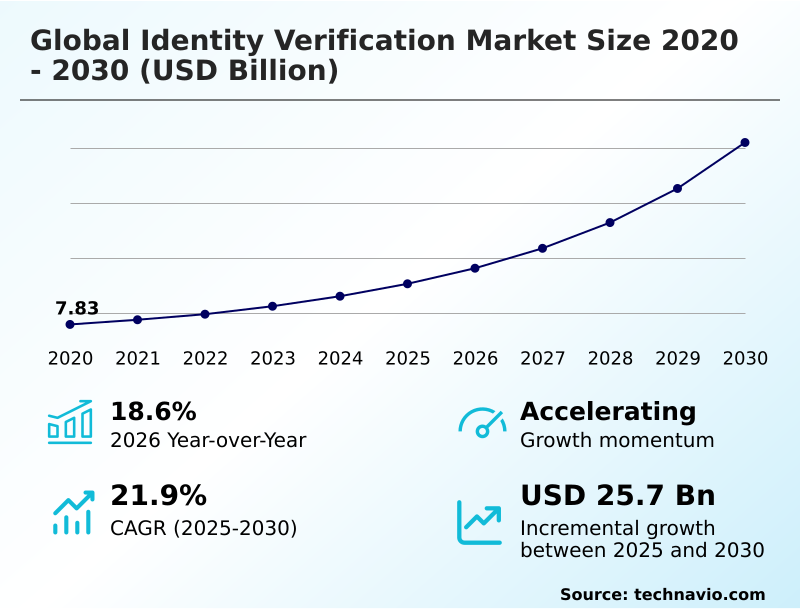
The identity verification market size is valued to increase by USD 25.70 billion, at a CAGR of 21.9% from 2025 to 2030. Rising incidence of identity theft and fraud will drive the identity verification market.
Major Market Trends & Insights
- North America dominated the market and accounted for a 33.2% growth during the forecast period.
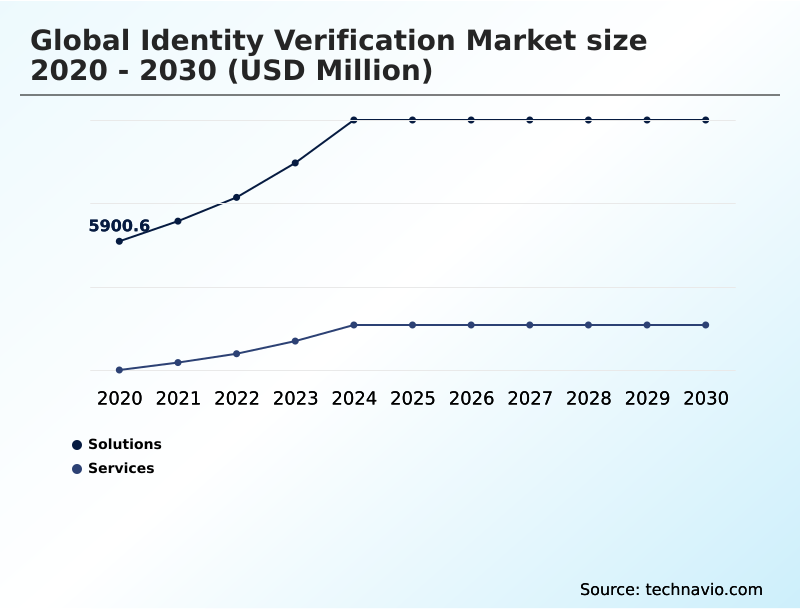
- By Component - Solutions segment was valued at USD 9.64 billion in 2024
- By Type - Large enterprises segment accounted for the largest market revenue share in 2024
Market Size & Forecast
- Market Opportunities: USD 33.08 billion
- Market Future Opportunities: USD 25.70 billion
- CAGR from 2025 to 2030 : 21.9%
Market Summary
- The identity verification market is characterized by rapid technological evolution, driven by the critical need to secure digital interactions against increasingly sophisticated threats. A primary driver is the surge in identity theft, which compels businesses to adopt stringent security protocols. In the fintech sector, for instance, seamless yet secure customer onboarding is paramount.
- A customer opening a new mobile banking account undergoes a multi-step verification process involving document scans and biometric checks, all validated in real-time to prevent fraud and ensure regulatory adherence. Key trends include the shift toward remote verification and the emergence of reusable digital identities, which enhance user convenience and operational efficiency.
- However, the market grapples with challenges such as the high costs of implementing advanced systems and persistent concerns over data privacy. Balancing robust security with a frictionless user experience remains a central objective for providers in this dynamic landscape.
What will be the Size of the Identity Verification Market during the forecast period?
Get Key Insights on Market Forecast (PDF) Request Free Sample
How is the Identity Verification Market Segmented?
The identity verification industry research report provides comprehensive data (region-wise segment analysis), with forecasts and estimates in "USD million" for the period 2026-2030, as well as historical data from 2020-2024 for the following segments.
- Component
- Solutions
- Services
- Type
- Large enterprises
- SMEs
- Technology
- Biometric verification
- Document verification
- Digital identity solutions and IDaaS
- Database verification
- Others
- Geography
- North America
- US
- Canada
- Mexico
- APAC
- China
- Japan
- India
- Europe
- Germany
- UK
- France
- South America
- Brazil
- Argentina
- Middle East and Africa
- UAE
- Saudi Arabia
- South Africa
- Rest of World (ROW)
- North America
By Component Insights
The solutions segment is estimated to witness significant growth during the forecast period.
The solutions segment of the identity verification market is expanding through the integration of advanced technologies. Platforms now combine AI-powered identity verification for robust document verification and biometric authentication to facilitate secure customer onboarding.
These systems are crucial for ensuring digital transaction security and mitigating risks associated with fraudulent activities.
Organizations are implementing comprehensive fraud detection systems to strengthen defenses, with some reporting up to a 244% increase in the identification of sophisticated digital forgeries.
This focus on technological enhancement addresses the rising need for reliable KYC compliance and secure digital interactions, making these solutions a fundamental component of modern security infrastructure and operational resilience in an increasingly digital landscape.
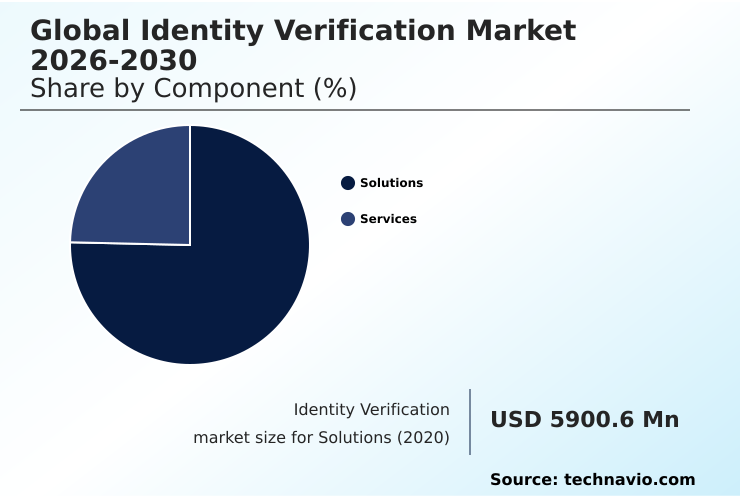
The Solutions segment was valued at USD 9.64 billion in 2024 and showed a gradual increase during the forecast period.
Regional Analysis
North America is estimated to contribute 33.2% to the growth of the global market during the forecast period.Technavio’s analysts have elaborately explained the regional trends and drivers that shape the market during the forecast period.
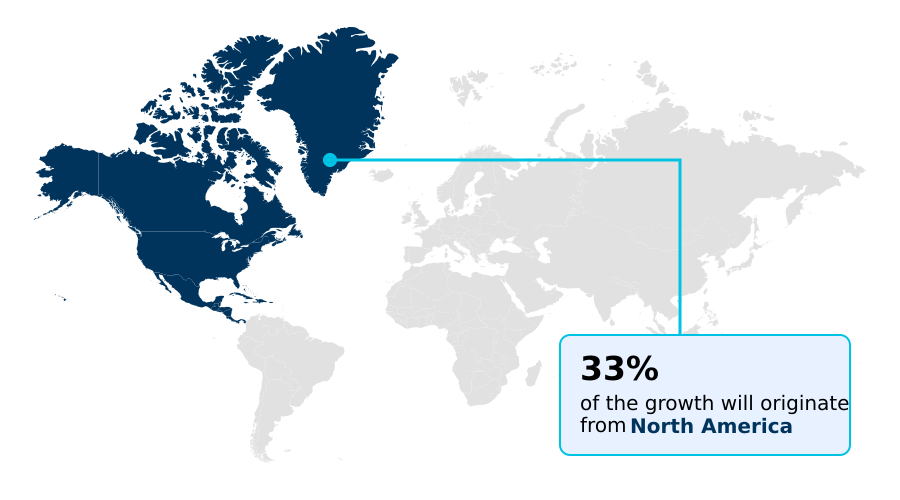
See How Identity Verification Market Demand is Rising in North America Request Free Sample
The geographic landscape of the identity verification market is diverse, with North America holding a significant market share of approximately 41%, driven by its mature regulatory environment and high adoption of anti-fraud measures.
The region focuses on identity proofing for government and financial services, utilizing risk-based authentication and advanced technologies like fingerprint scanning. Meanwhile, APAC is the fastest-growing region, with its market expanding by nearly 18% due to rapid digitalization and mobile-first economies.
This growth necessitates scalable solutions that support multi-factor authentication (MFA) and secure access management.
Europe prioritizes privacy-centric frameworks, while South America and the Middle East and Africa focus on solutions that promote financial inclusion and secure mobile transactions, reflecting a global trend toward tailored, regional-specific verification strategies.
Market Dynamics
Our researchers analyzed the data with 2025 as the base year, along with the key drivers, trends, and challenges. A holistic analysis of drivers will help companies refine their marketing strategies to gain a competitive advantage.
- Navigating the complexities of the identity verification market requires a deep understanding of its evolving components. When evaluating biometric verification vs document verification, organizations must consider accuracy, user experience, and compliance. Implementing KYC compliance for fintech is no longer optional; it is a critical step in preventing synthetic identity fraud attacks.
- As businesses adopt best practices for remote onboarding security, the benefits of decentralized identity models, such as enhanced user control and privacy, become increasingly apparent. Multi-factor authentication in mobile banking is now a standard, often leveraging AI in fraud detection systems to identify and neutralize threats in real time.
- For developers, comparing identity verification API providers is crucial for seamless integration. Automated document verification for global compliance helps businesses scale, while identity proofing for remote workforces secures distributed teams. The industry is also focused on securing digital wallets with biometrics to combat challenges in cross-border identity verification.
- For e-commerce platforms, robust user authentication is key to reducing account takeover fraud, where automated systems have been shown to be over 50% more effective than manual reviews. As trends in passwordless authentication solutions accelerate, the role of behavioral biometrics in security becomes more prominent.
- Businesses must effectively integrate identity verification with CRM systems and manage the digital identity lifecycle securely, using risk-based authentication for financial services and ensuring compliance with digital identity regulations.
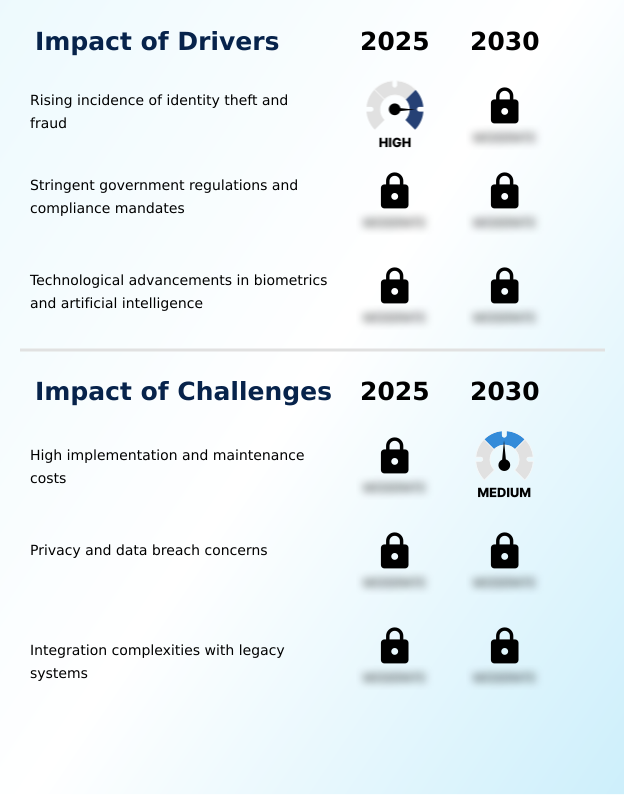
What are the key market drivers leading to the rise in the adoption of Identity Verification Industry?
- The rising incidence of identity theft and fraud is a key driver for the market, compelling organizations to adopt more robust security measures.
- A primary driver for the market is the escalating threat of sophisticated fraud, compelling organizations to adopt more advanced security measures. The rise of synthetic identity fraud and account takeover prevention strategies has intensified the need for robust verification.
- Technologies such as facial recognition technology and optical character recognition (OCR) are being integrated to enhance accuracy in identity checks. Customer due diligence processes now rely on these tools to meet higher identity assurance levels, particularly for cross-border verification.
- For example, financial institutions have reported that AI-driven systems can identify fraudulent patterns 30% faster than traditional methods. This driver underscores the critical importance of continuous innovation to safeguard against evolving financial crimes and maintain trust in digital transactions.
What are the market trends shaping the Identity Verification Industry?
- The accelerating adoption of digital onboarding and remote verification processes is a significant trend shaping the market. This shift reflects the growing demand for seamless and secure user identity confirmation without physical presence.
- Key trends in the market are centered on enhancing security and user convenience through technological innovation. The adoption of digital identity solutions is accelerating, with cloud-based verification platforms enabling scalable and efficient real-time identity validation.
- This shift is particularly evident in mobile identity verification, where liveness detection has become a standard feature to prevent spoofing attacks, with some systems reducing fraud attempts by over 40%. Companies are increasingly focused on AML screening and robust credential validation to meet stringent regulatory requirements.
- The market is also moving toward more sophisticated methods that streamline user verification without compromising security, reflecting a broader trend of integrating advanced digital tools to build trust in online ecosystems.
What challenges does the Identity Verification Industry face during its growth?
- High implementation and maintenance costs present a key challenge, potentially limiting the adoption of advanced solutions, particularly for smaller enterprises.
- Significant challenges in the identity verification market revolve around data security, cost, and integration. Adhering to diverse data privacy frameworks while managing e-KYC processes creates considerable compliance overhead. The deployment of secure digital wallets and verifiable credentials introduces new complexities in user identity management.
- Organizations often struggle with the high initial investment required for advanced electronic identification services, with implementation costs sometimes running 25% over budget.
- Furthermore, the reliance on intricate risk scoring models necessitates continuous updates and maintenance to remain effective against evolving threats, adding to the long-term operational burden for businesses, especially small and medium-sized enterprises seeking to adopt these essential security technologies.
Exclusive Technavio Analysis on Customer Landscape
The identity verification market forecasting report includes the adoption lifecycle of the market, covering from the innovator’s stage to the laggard’s stage. It focuses on adoption rates in different regions based on penetration. Furthermore, the identity verification market report also includes key purchase criteria and drivers of price sensitivity to help companies evaluate and develop their market growth analysis strategies.
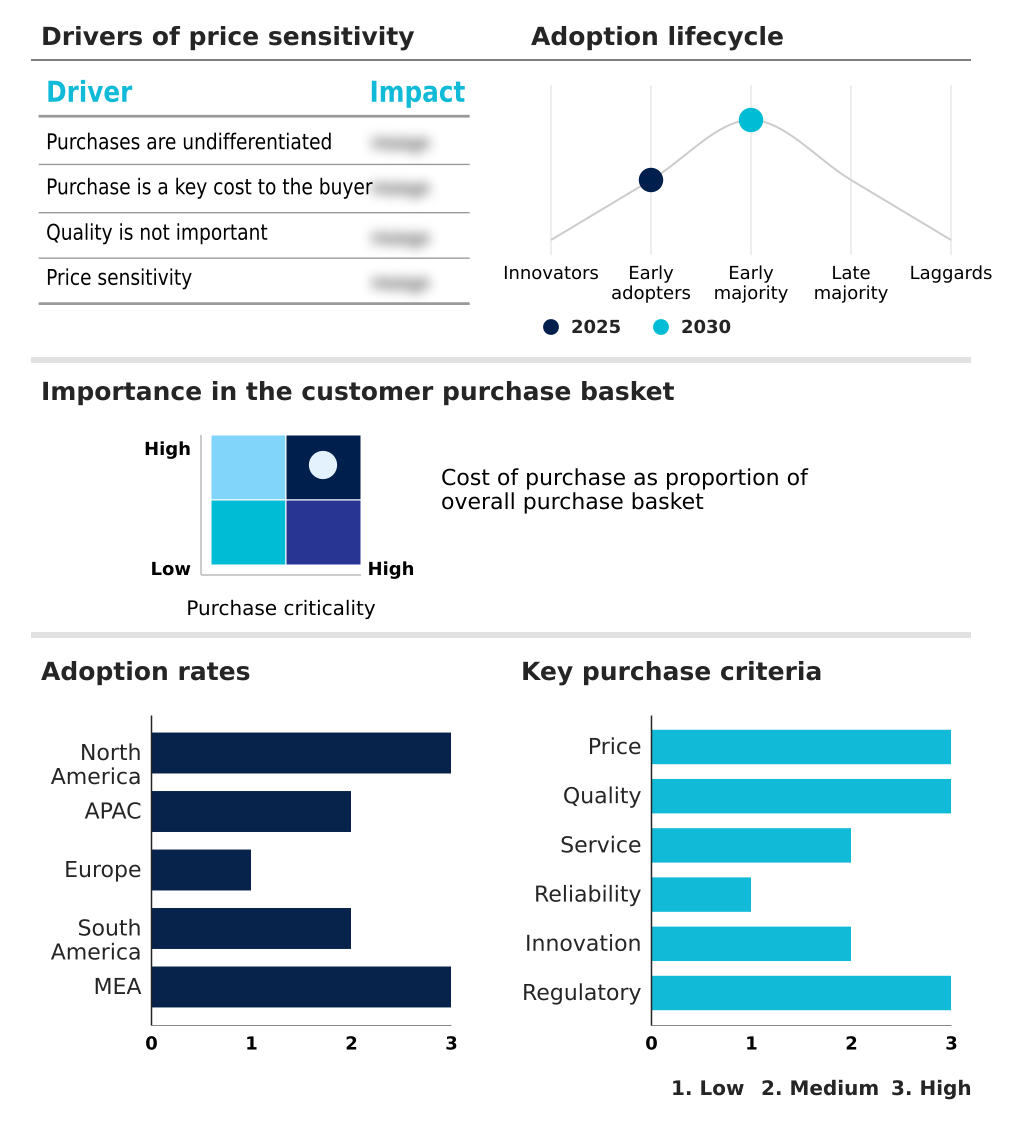
Customer Landscape of Identity Verification Industry
Competitive Landscape
Companies are implementing various strategies, such as strategic alliances, identity verification market forecast, partnerships, mergers and acquisitions, geographical expansion, and product/service launches, to enhance their presence in the industry.
Applied Recognition Corp. - Specializing in face recognition technology, the company offers solutions for advanced identity verification and authentication to secure digital access and confirm user identities.
The industry research and growth report includes detailed analyses of the competitive landscape of the market and information about key companies, including:
- Applied Recognition Corp.
- Au10tix Ltd.
- Entrust Corp.
- Equifax Inc.
- Experian Plc
- GB Group plc
- Gen Digital Inc.
- ID Merit
- Intellicheck Inc.
- Jumio Corp.
- Khosla Labs Pvt Ltd
- Mastercard Inc.
- Mitek Systems Inc.
- PXL Vision AG
- Shufti Pro Ltd.
- Thales Group
- TransUnion
- UAB iDenfy.
- Veriff
- WebID Solutions
Qualitative and quantitative analysis of companies has been conducted to help clients understand the wider business environment as well as the strengths and weaknesses of key industry players. Data is qualitatively analyzed to categorize companies as pure play, category-focused, industry-focused, and diversified; it is quantitatively analyzed to categorize companies as dominant, leading, strong, tentative, and weak.
Recent Development and News in Identity verification market
- In August 2024, Mitek Systems partnered with Alogent to integrate advanced fraud detection capabilities into mobile and check processing platforms, enhancing security for financial transactions.
- In September 2024, Cashfree Payments announced it had achieved over one billion user verifications on its Secure ID platform, highlighting the significant scale of mobile fintech verification in the APAC region.
- In February 2025, Equifax partnered with Google Cloud to leverage AI for enhancing real-time fraud detection in mobile identity verification processes, aiming to improve accuracy for mobile banking users.
- In April 2025, Entrust acquired Onfido for approximately $400 million, a strategic move designed to bolster its portfolio with AI-powered reusable identity solutions and combat sophisticated digital fraud.
Dive into Technavio’s robust research methodology, blending expert interviews, extensive data synthesis, and validated models for unparalleled Identity Verification Market insights. See full methodology.
| Market Scope | |
|---|---|
| Page number | 297 |
| Base year | 2025 |
| Historic period | 2020-2024 |
| Forecast period | 2026-2030 |
| Growth momentum & CAGR | Accelerate at a CAGR of 21.9% |
| Market growth 2026-2030 | USD 25695.8 million |
| Market structure | Fragmented |
| YoY growth 2025-2026(%) | 18.6% |
| Key countries | US, Canada, Mexico, China, Japan, India, South Korea, Australia, Indonesia, Germany, UK, France, Italy, Spain, The Netherlands, Brazil, Argentina, Chile, UAE, Saudi Arabia, South Africa, Egypt and Nigeria |
| Competitive landscape | Leading Companies, Market Positioning of Companies, Competitive Strategies, and Industry Risks |
Research Analyst Overview
- The identity verification market is defined by continuous innovation in response to sophisticated threats like synthetic identity fraud and account takeover prevention. Core technologies such as biometric authentication, document verification, and liveness detection are fundamental, enhanced by AI-driven fraud detection systems and behavioral biometrics.
- The adoption of zero trust architecture and identity orchestration platforms is becoming standard for managing the digital identity lifecycle and implementing robust risk-based authentication. In boardroom decisions, the focus is on achieving regulatory compliance mandates, such as KYC compliance and AML screening, while ensuring data privacy frameworks are upheld.
- For instance, the use of advanced digital document forgery detection has led to a 244% increase in identifying fraudulent submissions, directly impacting risk management strategies. Providers are differentiating through enhanced identity proofing, user authentication, and support for verifiable credentials within secure digital wallets.
- Technologies like facial recognition technology, fingerprint scanning, and optical character recognition (OCR) are being refined for greater accuracy, while trends like phishing-resistant authentication and near field communication (NFC) verification gain traction.
- The evolution toward decentralized identity models and secure identity attribute sharing is reshaping how organizations approach remote onboarding and credential validation, making multi-factor authentication (MFA) and e-KYC processes more secure and efficient.
What are the Key Data Covered in this Identity Verification Market Research and Growth Report?
-
What is the expected growth of the Identity Verification Market between 2026 and 2030?
-
USD 25.70 billion, at a CAGR of 21.9%
-
-
What segmentation does the market report cover?
-
The report is segmented by Component (Solutions, and Services), Type (Large enterprises, and SMEs), Technology (Biometric verification, Document verification, Digital identity solutions and IDaaS, Database verification, and Others) and Geography (North America, APAC, Europe, South America, Middle East and Africa)
-
-
Which regions are analyzed in the report?
-
North America, APAC, Europe, South America and Middle East and Africa
-
-
What are the key growth drivers and market challenges?
-
Rising incidence of identity theft and fraud, High implementation and maintenance costs
-
-
Who are the major players in the Identity Verification Market?
-
Applied Recognition Corp., Au10tix Ltd., Entrust Corp., Equifax Inc., Experian Plc, GB Group plc, Gen Digital Inc., ID Merit, Intellicheck Inc., Jumio Corp., Khosla Labs Pvt Ltd, Mastercard Inc., Mitek Systems Inc., PXL Vision AG, Shufti Pro Ltd., Thales Group, TransUnion, UAB iDenfy., Veriff and WebID Solutions
-
Market Research Insights
- The identity verification market is shaped by dynamic security and compliance demands. Organizations leverage trusted identity ecosystems and secure data sharing protocols to manage user identities effectively, with some platforms processing billions of verification requests annually.
- The emphasis on customer identification programs has led to a 26% increase in suspected digital fraud detection for new account creations, highlighting the efficacy of modern anti-fraud measures. As passwordless authentication and fraud intelligence platforms become more prevalent, businesses are achieving greater compliance automation.
- This shift enables more secure access management and supports the growth of digital identity frameworks, aligning security with operational efficiency. These dynamics underscore the market's response to evolving threats and regulatory expectations.
We can help! Our analysts can customize this identity verification market research report to meet your requirements.
 RIA -
RIA - 
