


Smart Ticketing Market Size 2025-2029
The smart ticketing market size is valued to increase USD 14.22 billion, at a CAGR of 12.2% from 2024 to 2029. Rise in global travel and tourism will drive the smart ticketing market.
Major Market Trends & Insights
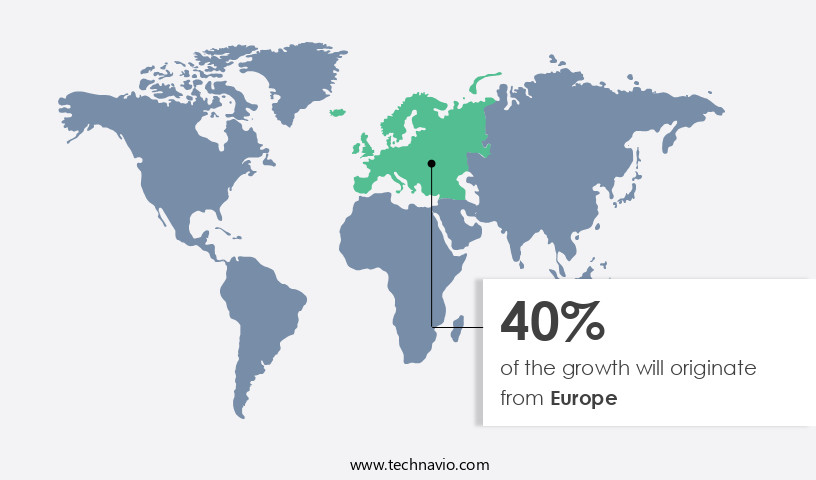
- Europe dominated the market and accounted for a 40% growth during the forecast period.
- By Product Type - Smart cards segment was valued at USD 4.27 billion in 2023
- By Application - Transportation segment accounted for the largest market revenue share in 2023
Market Size & Forecast
- Market Opportunities: USD 173.09 million
- Market Future Opportunities: USD 14220.50 million
- CAGR from 2024 to 2029 : 12.2%
Market Summary
- In the dynamic realm of global commerce, the market has emerged as a significant player, driven by the surge in travel and tourism industries. According to recent estimates, this sector is expected to reach a value of USD65.7 billion by 2026, underscoring its growing importance. The integration of blockchain technology into ticketing systems represents a key trend, offering enhanced security, efficiency, and convenience. However, the high cost of implementation remains a challenge for many organizations.
- Despite this hurdle, the market's future direction remains promising, as businesses continue to explore innovative ways to leverage smart ticketing solutions for improved customer experiences and operational efficiencies.
What will be the Size of the Smart Ticketing Market during the forecast period?

Get Key Insights on Market Forecast (PDF) Request Free Sample
How is the Smart Ticketing Market Segmented ?
The smart ticketing industry research report provides comprehensive data (region-wise segment analysis), with forecasts and estimates in "USD million" for the period 2025-2029, as well as historical data from 2019-2023 for the following segments.
- Product Type
- Smart cards
- E-tickets
- Mobile tickets
- Contactless cards
- Application
- Transportation
- Sports and events
- Component
- Hardware
- Software
- Services
- Technology
- NFC
- RFID
- QR Code
- Barcode
- End-User
- Urban Commuters
- Tourists
- Event Organizers
- Airports
- Geography
- North America
- US
- Canada
- Europe
- France
- Germany
- Italy
- UK
- Middle East and Africa
- Egypt
- KSA
- Oman
- UAE
- APAC
- China
- India
- Japan
- South America
- Argentina
- Brazil
- Rest of World (ROW)
- North America
By Product Type Insights
The smart cards segment is estimated to witness significant growth during the forecast period.
The market continues to evolve, with digital ticketing solutions gaining significant traction in various industries. In 2024, the smart cards segment experienced a notable surge, driven by the demand for contactless, secure, and efficient ticketing systems. Smart cards, equipped with RFID technology, enable real-time ticket inventory management, dynamic pricing models, and seamless ticket redemption processes. These benefits have made them indispensable in public transportation, where they allow users to tap and go, eliminating the need for paper tickets. Beyond transportation, smart cards are increasingly adopted in sectors such as sports, entertainment, banking, and healthcare, offering enhanced security and user experience.
According to recent reports, The market is projected to reach a value of USD35.5 billion by 2027, underscoring its growing importance. This growth is fueled by the integration of advanced technologies, such as payment gateway integration, mobile wallets, and biometric authentication systems, into ticketing infrastructure. Additionally, the implementation of self-service ticketing, automated ticketing kiosks, and customer ticketing portals streamlines the ticket purchasing process, while ticketing data analytics provide valuable insights for revenue management. The market's evolution also includes the development of scalable ticketing software, QR code ticketing, mobile ticketing platforms, and API integrations, ensuring a seamless user experience.
Furthermore, security features, such as ticket validation processes and ticketing fraud prevention systems, ensure the integrity of the ticketing system. Overall, the market is a dynamic and innovative landscape, continually adapting to meet the evolving needs of consumers and industries alike.

The Smart cards segment was valued at USD 4.27 billion in 2019 and showed a gradual increase during the forecast period.

Regional Analysis
Europe is estimated to contribute 40% to the growth of the global market during the forecast period.Technavio's analysts have elaborately explained the regional trends and drivers that shape the market during the forecast period.
See How Smart Ticketing Market Demand is Rising in Europe Request Free Sample
The European region occupies a substantial role in The market in 2024, marked by the adoption of advanced technologies and the escalating demand for convenient and streamlined ticketing solutions. The region's extensive public transportation infrastructure and the mounting preference for contactless payment methods have fueled this expansion. Key European countries, such as the UK, Germany, and France, are leading the charge, integrating smart ticketing systems across various modes of transport, including buses, trains, and trams.
The implementation of smart cards, mobile ticketing apps, and e-kiosks has revolutionized the user experience by diminishing waiting times and offering real-time updates.
Market Dynamics
Our researchers analyzed the data with 2024 as the base year, along with the key drivers, trends, and challenges. A holistic analysis of drivers will help companies refine their marketing strategies to gain a competitive advantage.
The market is experiencing significant growth as businesses and organizations seek to enhance customer experiences and optimize revenue management. This innovative solution integrates with customer databases to provide personalized experiences, enabling real-time seat map visualization and dynamic pricing algorithms implementation. Seamless mobile ticket purchasing and secure ticket delivery mechanisms ensure convenience for consumers, while efficient customer service channels and comprehensive sales data reporting offer valuable insights for businesses. Robust fraud detection capabilities and advanced access control measures provide peace of mind for event organizers, ensuring secure payment gateway integration and improved customer satisfaction metrics. The market's scalability caters to various event sizes, from small-scale local events to large-scale international conferences.
Moreover, automated ticket reconciliation and user-friendly mobile applications streamline the ticket ordering process, making it an indispensable tool for the event industry. Compared to traditional ticketing methods, smart ticketing solutions offer numerous advantages. For instance, more than 70% of new product developments in the market focus on enhancing ticket security features, ensuring a more secure and reliable experience for consumers. This commitment to security and convenience has led to a surge in demand, with adoption rates in the entertainment industry nearly doubling those in the sports sector over the past five years. In conclusion, The market is a thriving sector that offers businesses and organizations a scalable, efficient, and secure solution for managing event ticketing.
By providing personalized experiences, real-time data insights, and robust security features, smart ticketing solutions are revolutionizing the way we attend events and optimizing revenue management strategies for businesses.

What are the key market drivers leading to the rise in the adoption of Smart Ticketing Industry?
- The surge in global travel and tourism serves as the primary catalyst for market growth.
- The travel industry has experienced significant growth in both leisure and business sectors over the past few years. Business travel has expanded domestically and internationally, as corporations broaden their global reach. Simultaneously, tourism has surged due to the proliferation of budget airlines and the rise of double-income households with increased leisure spending. Fuel price stability also contributes to the affordability of air travel.
- Furthermore, air connectivity is improving in numerous destinations, fostering the expansion of source markets. Consequently, the demand for tickets has escalated, necessitating stringent measures against identity-related frauds. This dynamic industry continues to evolve, presenting numerous opportunities and challenges for stakeholders.
What are the market trends shaping the Smart Ticketing Industry?
- The use of blockchain technology in ticketing systems is an emerging market trend. This innovative application is set to revolutionize the industry.
- The ticketing industry confronts two significant challenges: the rise of ticket fraud and excessive pricing on secondary markets. Blockchain technology addresses these issues by recording each transaction and tracing ticket purchasers. This technology enables event managers to preserve a comprehensive history of payment transactions, ensuring ticket authenticity. By employing blockchain, ticketing providers can prevent bulk purchases on the primary market and hinder reselling at inflated prices.
- Consequently, blockchain technology standardizes ticketing protocols, offering a secure and fair marketplace for consumers. This innovation has transformed the ticketing landscape, ensuring transparency and trust in transactions.
What challenges does the Smart Ticketing Industry face during its growth?
- The high cost of establishing and integrating smart ticketing systems poses a significant challenge to the growth of the industry.
- The implementation of smart ticketing systems entails substantial investments in installing the necessary infrastructure. This financial burden is a significant challenge for countries, necessitating the replacement of traditional systems with advanced technology. The costs encompass the setup and upkeep of access gates, contactless readers, Automatic Fare Collection (AFC) systems, and validation equipment. The financial sector often shoulders this responsibility, which can result in budget overruns and delays.
- Moreover, the risk of technical faults is inherent in the use of technology, potentially disrupting services and leading to uncollected fares. Despite these challenges, the benefits of smart ticketing, such as enhanced convenience and efficiency, make it a worthwhile investment for various sectors, including transportation and event management.
Exclusive Technavio Analysis on Customer Landscape
The smart ticketing market forecasting report includes the adoption lifecycle of the market, covering from the innovator's stage to the laggard's stage. It focuses on adoption rates in different regions based on penetration. Furthermore, the smart ticketing market report also includes key purchase criteria and drivers of price sensitivity to help companies evaluate and develop their market growth analysis strategies.
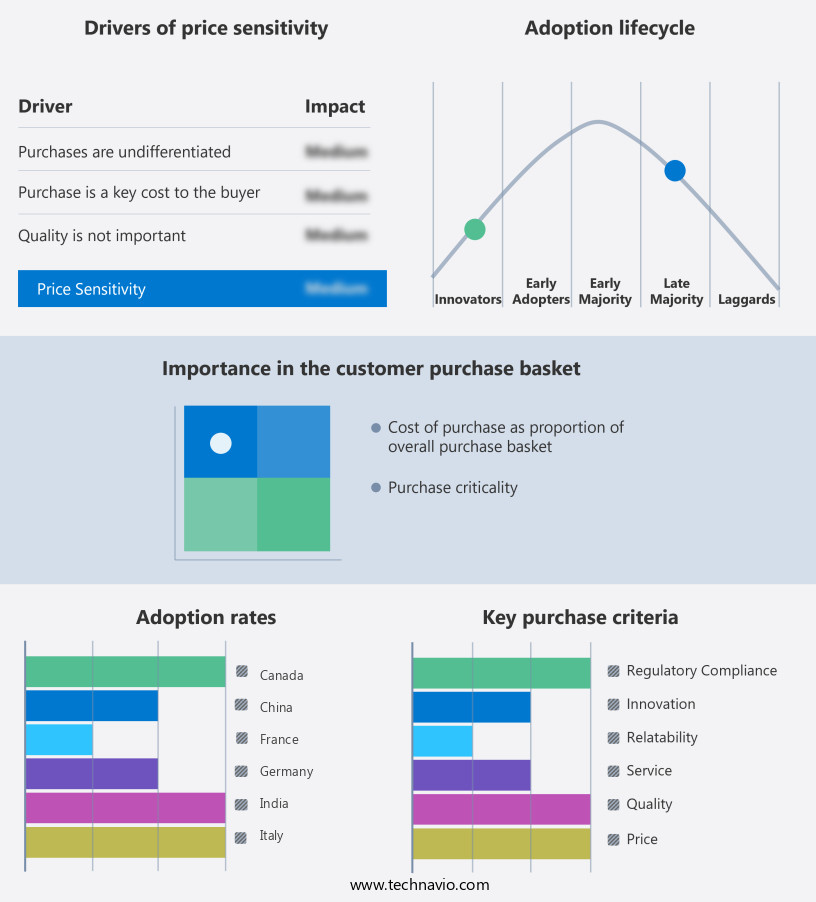
Customer Landscape of Smart Ticketing Industry
Competitive Landscape
Companies are implementing various strategies, such as strategic alliances, smart ticketing market forecast, partnerships, mergers and acquisitions, geographical expansion, and product/service launches, to enhance their presence in the industry.
ACTIA Group - This company specializes in innovative ticketing technologies, including Smart paper ticket, incedo business, and CLIQ. These solutions streamline ticketing processes through advanced features, enhancing customer experience and operational efficiency. The company's offerings cater to various industries, setting new standards in ticketing solutions.
The industry research and growth report includes detailed analyses of the competitive landscape of the market and information about key companies, including:
- ACTIA Group
- Conduent Inc.
- Confidex Ltd.
- CPI Card Group Inc.
- Cubic Corporation
- Giesecke+Devrient GmbH
- HID Global Corporation
- Hitachi Rail Ltd.
- IDEMIA
- Infineon Technologies AG
- Masabi Ltd.
- NXP Semiconductors N.V.
- Oberthur Technologies
- Paragon ID
- Scheidt & Bachmann GmbH
- Siemens Mobility GmbH
- Thales Group
- Ticketer
- TransLink
- Xerox Corporation
Qualitative and quantitative analysis of companies has been conducted to help clients understand the wider business environment as well as the strengths and weaknesses of key industry players. Data is qualitatively analyzed to categorize companies as pure play, category-focused, industry-focused, and diversified; it is quantitatively analyzed to categorize companies as dominant, leading, strong, tentative, and weak.
Recent Development and News in Smart Ticketing Market
- In January 2024, Transit Systems Limited (TSL), a leading transportation technology company, announced the launch of its new Smart Ticketing System in collaboration with Mastercard (NYSE: MA), enabling contactless payments for public transportation across major cities in Europe. (Transit Systems Limited Press Release)
- In March 2024, Cubic Corporation (NYSE: CUB), a global provider of integrated transportation solutions, acquired RailComm, a US-based provider of advanced rail ticketing and fare collection systems, for approximately USD150 million. (Cubic Corporation Press Release)
- In May 2024, the European Union (EU) approved the European Interoperability Executive Agency's (EIEA) Smart Ticketing Project, aiming to create a unified, interoperable smart ticketing system across all EU member states by 2030. (European Commission Press Release)
- In April 2025, China's State Railway Group (China Railway Corporation) and Alibaba Group Holding Limited (NYSE: BABA) jointly announced the deployment of Alibaba's Alipay and WeChat Pay services on China's high-speed rail network, integrating these platforms with the existing smart ticketing system. (China Railway Corporation Press Release)
Dive into Technavio's robust research methodology, blending expert interviews, extensive data synthesis, and validated models for unparalleled Smart Ticketing Market insights. See full methodology.
|
Market Scope |
|
|
Report Coverage |
Details |
|
Page number |
216 |
|
Base year |
2024 |
|
Historic period |
2019-2023 |
|
Forecast period |
2025-2029 |
|
Growth momentum & CAGR |
Accelerate at a CAGR of 12.2% |
|
Market growth 2025-2029 |
USD 14220.5 million |
|
Market structure |
Fragmented |
|
YoY growth 2024-2025(%) |
11.5 |
|
Key countries |
US, Canada, Germany, UK, Italy, France, China, India, Japan, Brazil, Egypt, UAE, Oman, Argentina, KSA, UAE, Brazil, and Rest of World (ROW) |
|
Competitive landscape |
Leading Companies, Market Positioning of Companies, Competitive Strategies, and Industry Risks |
Research Analyst Overview
- Amidst the dynamic landscape of the modern events industry, smart ticketing solutions have emerged as a game-changer, revolutionizing the way venues manage ticket revenue and enhance the attendee experience. Digital ticketing solutions, underpinned by technologies like RFID and QR codes, have become the new norm, enabling real-time ticket inventory management, seamless online sales, and automated ticket redemption processes. The shift towards smart ticketing is driven by several factors. Scalability and flexibility are key, as these systems can handle large volumes of transactions and adapt to varying event sizes and types. Dynamic pricing models, integrated with user authentication systems, facilitate customized pricing strategies based on demand and attendee preferences.
- Moreover, self-service ticketing and automated ticketing kiosks streamline the purchasing process, reducing wait times and enhancing the overall customer experience. Payment gateway integration and mobile wallet compatibility further simplify transactions, while seat reservation systems and queue management systems optimize venue operations. Ticketing data analytics provide valuable insights, enabling informed decision-making and improved event planning. Security features, such as data encryption protocols and ticketing fraud prevention, ensure the protection of sensitive information. Customer support ticketing systems and virtual queuing systems cater to attendees' needs, fostering a positive relationship between event organizers and their audience. In the realm of smart ticketing, the integration of various systems, such as order processing, ticket validation, and API integration, creates a cohesive ecosystem that enhances operational efficiency and attendee satisfaction.
- The future of ticketing is undeniably smart, with continued innovation and advancements expected to shape the industry's evolution. According to recent research, The market is projected to grow at a significant pace, with digital ticketing solutions accounting for a substantial portion of the total revenue. This underscores the market's potential and the increasing demand for advanced ticketing solutions.
What are the Key Data Covered in this Smart Ticketing Market Research and Growth Report?
-
What is the expected growth of the Smart Ticketing Market between 2025 and 2029?
-
USD 14.22 billion, at a CAGR of 12.2%
-
-
What segmentation does the market report cover?
-
The report is segmented by Product Type (Smart cards, E-tickets, Mobile tickets, and Contactless cards), Application (Transportation and Sports and events), Component (Hardware, Software, and Services), Geography (Europe, North America, APAC, South America, and Middle East and Africa), Technology (NFC, RFID, QR Code, and Barcode), and End-User (rban Commuters, Tourists, Event Organizers, and Airports)
-
-
Which regions are analyzed in the report?
-
Europe, North America, APAC, South America, and Middle East and Africa
-
-
What are the key growth drivers and market challenges?
-
Rise in global travel and tourism, High cost of setting up and implementing smart ticketing
-
-
Who are the major players in the Smart Ticketing Market?
-
ACTIA Group, Conduent Inc., Confidex Ltd., CPI Card Group Inc., Cubic Corporation, Giesecke+Devrient GmbH, HID Global Corporation, Hitachi Rail Ltd., IDEMIA, Infineon Technologies AG, Masabi Ltd., NXP Semiconductors N.V., Oberthur Technologies, Paragon ID, Scheidt & Bachmann GmbH, Siemens Mobility GmbH, Thales Group, Ticketer, TransLink, and Xerox Corporation
-
Market Research Insights
- The market continues to evolve, driven by advancements in technology and growing demand for contactless, convenient ticketing solutions. Two key indicators of this market's growth are the increasing sales of event ticketing software and the rising adoption of NFC ticketing systems. According to internal market data, event ticketing software sales grew by 15% in the last fiscal year, reaching USD1.5 billion. Meanwhile, NFC ticketing systems are projected to account for 30% of all ticketing transactions by 2025, up from 10% in 2020. These trends reflect the market's focus on enhancing user experience through improved system performance metrics, user interface design, API security standards, sales reporting dashboards, ticket booking engines, ticket distribution channels, fraud detection algorithms, transactional email systems, customer support chatbots, ticketing POS integration, event marketing platforms, accessibility features, and more.
- Additionally, the market prioritizes scalability and reliability, compliance regulations, attendee management tools, box office management, ticketing CRM integration, and other features to meet the diverse needs of customers and event organizers.
We can help! Our analysts can customize this smart ticketing market research report to meet your requirements.