
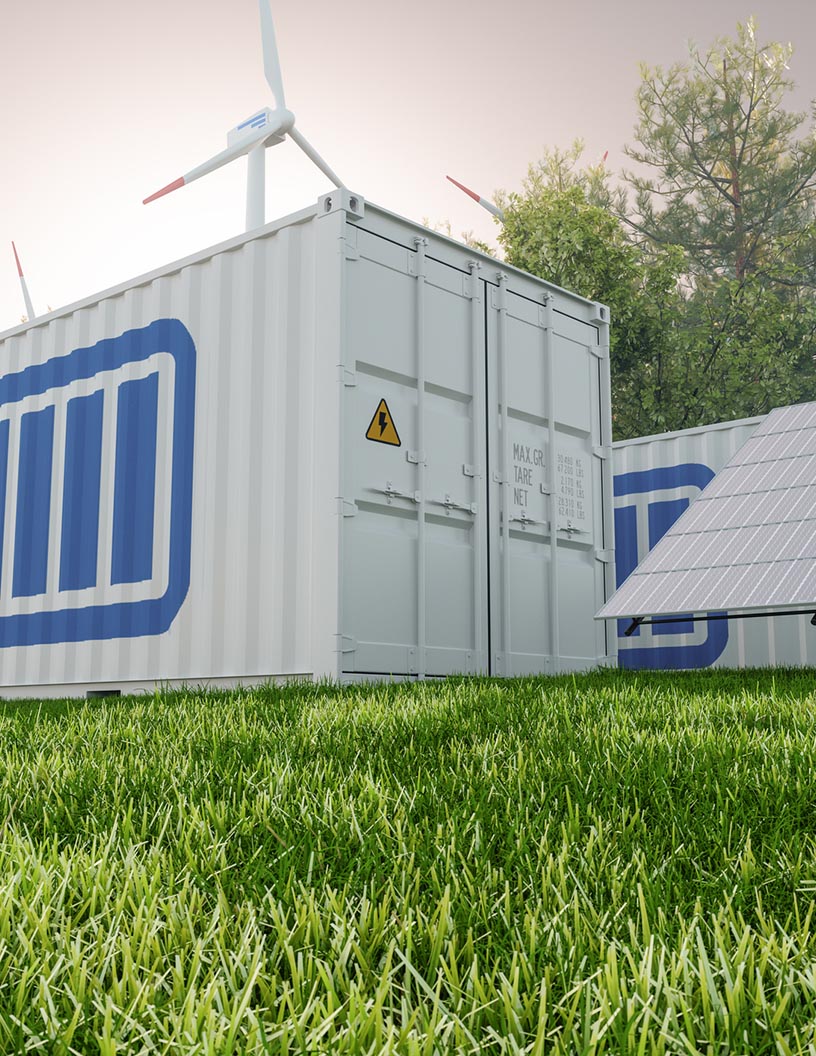


Solar Energy Storage Market Size 2024-2028
The solar energy storage market size is forecast to increase by USD 6.96 billion at a CAGR of 10.22% between 2023 and 2028. The market is experiencing significant growth due to several key drivers. The first is the decreasing cost of rechargeable solar panel systems, making them an increasingly affordable option for generating and storing renewable power. This trend is further supported by advancements in batteries, which are enhancing the efficiency and storage capacity of solar energy systems. Second, the adoption of clean energy technologies, such as solar and wind energy, is on the rise as countries strive to increase their renewable energy mix and reduce reliance on non-renewable sources. Additionally, stringent regulations against lead pollution are pushing industries to seek sustainable energy solutions, further boosting the demand for solar energy storage. Solar charging stations and off-grid power plants are becoming increasingly popular as eco-friendly alternatives to traditional power sources, especially in remote areas or regions with unreliable electricity grids. Overall, the market is poised for continued growth as the world transitions to cleaner, more sustainable energy solutions, with batteries playing a key role in facilitating energy storage and ensuring reliable power delivery.
What will the size of the market be during the forecast period?

Solar energy storage has emerged as a critical component of the renewable energy landscape, enabling the effective integration of solar power into the electricity grid. Solar energy, being a renewable and clean energy source, plays a significant role in reducing emissions and conserving traditional energy resources. However, the intermittent nature of solar power generation necessitates the deployment of energy storage technologies to ensure a consistent electricity supply. The integration of solar energy into power networks necessitates the adoption of energy storage systems to address the intermittency of solar power generation. Solar energy storage technologies, such as lithium-ion batteries and other rechargeable batteries, help store excess solar power generated during peak production hours and release it during periods of high electricity demand. This not only ensures a reliable electricity supply but also enhances the overall efficiency of the power network. The increasing electricity demand and the shift towards clean and sustainable energy sources have fueled the growth of the market.
Further, solar energy storage systems enable the effective utilization of renewable energy sources, such as solar panels and photovoltaic (PV) systems, even during periods of low demand or when the sun is not available. This not only reduces the reliance on traditional energy sources but also helps in emissions reduction. Role of Solar Energy Storage in Decentralized Energy Systems: Solar energy storage plays a crucial role in decentralized energy systems, particularly in remote locations where access to the main power grid is limited. Solar battery systems, coupled with solar panel systems and inverters, provide a cost-effective and sustainable energy solution for these areas. These systems not only ensure a consistent electricity supply but also provide resilience against power outages and grid failures. The production of solar energy storage batteries, such as lithium-ion batteries, requires raw materials like lithium, cobalt, and graphite. The demand for these materials is expected to increase with the growing adoption of solar energy storage systems.
Market Segmentation
The market research report provides comprehensive data (region-wise segment analysis), with forecasts and estimates in "USD million" for the period 2024-2028, as well as historical data from 2018-2022 for the following segments.
- End-user
- Utilities
- Residential
- Commercial and industrial
- Installation Sites
- On-grid
- Off-grid
- Geography
- APAC
- China
- India
- Japan
- North America
- US
- Europe
- Germany
- Middle East and Africa
- South America
- APAC
By End-user Insights
The utilities segment is estimated to witness significant growth during the forecast period. Solar energy storage solutions have become increasingly important as more countries shift towards renewable power sources to reduce their carbon footprints and achieve energy independence. However, the reliance on traditional fossil energy resources for electricity production has led utilities to invest heavily in these resources, resulting in higher electricity prices. Energy storage systems are crucial for governments in decarbonizing their economies, particularly with the rise of intermittent renewable energy sources like solar and wind power. Cost-effective energy storage solutions are essential for making renewable energy more viable and competitive with fossil fuels. Lithium-ion batteries, lead-acid batteries, and flow batteries are popular choices for energy storage due to their efficiency and longevity.
Further, artificial intelligence (AI) technologies are also being integrated into energy storage systems to optimize energy usage and improve grid stability. Energy trading is another area where AI can play a significant role in maximizing the value of renewable energy and reducing the overall cost of electricity. In conclusion, solar energy storage is a critical component in the transition towards renewable energy sources and reducing carbon emissions. Cost-effective energy storage solutions, such as lithium-ion, lead-acid, and flow batteries, are essential for making renewable energy competitive with fossil fuels. AI technologies and energy trading can further enhance the value of renewable energy and improve grid stability.
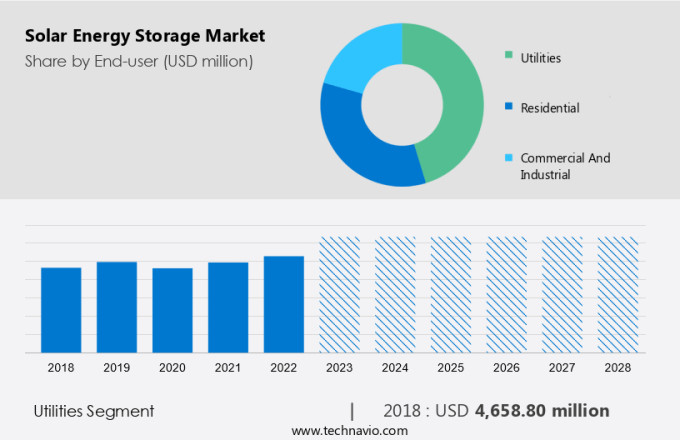
Get a glance at the market share of various segments Request Free Sample
The utilities segment accounted for USD 4.66 billion in 2018 and showed a gradual increase during the forecast period.
Regional Insights
APAC is estimated to contribute 64% to the growth of the global market during the forecast period. Technavio's analysts have elaborately explained the regional trends and drivers that shape the market during the forecast period.
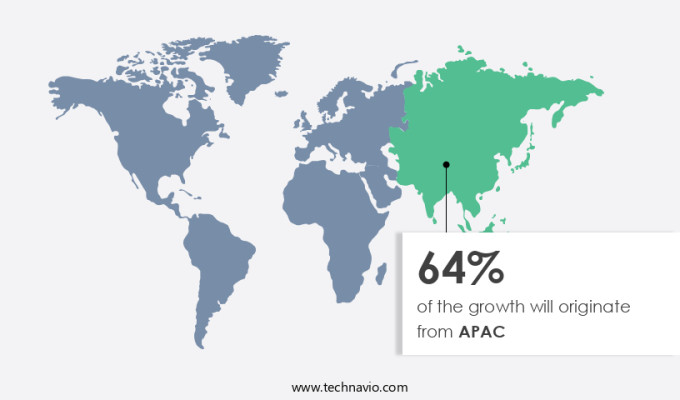
For more insights on the market share of various regions Request Free Sample
Solar Energy Storage has emerged as a critical component in reducing emissions and promoting energy conservation as the world shifts towards renewable energy sources. In 2023, key contributors to the market included South Korea, Japan, and China. China, in particular, has made significant strides in this area, with plans to construct major cities, factories, and supporting infrastructure with substantial energy storage capacity. This commitment to clean and sustainable energy sources is reflected in China's impressive growth in battery-storage capacity in 2023. With a total installed Photovoltaic (PV) capacity of 253 GW at the end of 2020, China accounted for approximately one-third of the world's total PV capacity.
Further, the rapid expansion of solar PV capacity in China is driven by strong policy support and decreasing technology costs, leading to increased demand for energy storage solutions. As energy demand continues to rise and power networks become more complex, the need for resilient energy systems and advanced energy storage technologies is more important than ever.
Our solar energy storage market researchers analyzed the data with 2023 as the base year, along with the key drivers, trends, and challenges. A holistic analysis of drivers will help companies refine their marketing strategies to gain a competitive advantage.
Market Driver
Reduction in costs of solar PV systems is the key driver of the market. The market in the United States has witnessed substantial growth due to the decreasing costs of solar photovoltaic (PV) systems. Over the past decade, the expense of solar PV modules and related equipment has seen a remarkable decrease, making solar energy a more financially viable alternative to traditional energy sources. Several factors have contributed to this cost reduction: Economies of scale: The escalating demand for solar PV systems across the US and globally has led to expanded manufacturing capacities and economies of scale. Mass production of solar panels and accompanying components has driven down costs, expanding the accessibility and affordability of solar energy.
Lithium-ion batteries have emerged as the preferred technology for these applications due to their high energy density, long cycle life, and low self-discharge rate. Renewable Energy Integration: Energy storage plays a crucial role in integrating renewable energy sources, like solar and wind, into the power grid. Clean Energy Initiatives: Government initiatives and corporate social responsibility programs aimed at reducing carbon emissions and promoting clean energy have accelerated the adoption of solar energy storage systems. As these initiatives continue to gain momentum, the market for solar energy storage is expected to grow further.
Market Trends
The rising adoption of clean energy technologies is the upcoming trend in the market. The global electricity demand has experienced substantial growth due to urbanization and industrialization. In response, the market has seen a notable increase in the adoption of clean energy technologies. This trend is fueled by various factors, such as the rising awareness of climate change and the need to decrease greenhouse gas emissions. Additionally, governments are providing support for the deployment of renewable energy, technological advancements in energy storage systems, and the declining costs of solar panels and batteries. As the world becomes more conscious of the environmental consequences of traditional energy sources, there is a growing preference for renewable power, including solar and hydropower, wind power, and others.
Technological advancements have played a significant role in the growth of the market. Energy storage systems have become more efficient, with longer battery life and higher capacity. These advancements have made renewable energy a more viable option for meeting energy demands, even during peak usage hours. Government initiatives and incentives have also contributed to the market's growth. Policymakers recognize the importance of reducing greenhouse gas emissions and are providing incentives for businesses and individuals to adopt renewable energy sources.
Market Challenge
Stringent regulations against lead pollution is a key challenge affecting the market growth. The lead-acid battery is a widely adopted technology for storing solar energy due to the rising demand for energy storage solutions and the growth in renewable electricity generation in the US. These batteries consist of lead plates submerged in sulfuric acid within a plastic casing. However, the production process of lead-acid batteries poses environmental concerns due to the use of toxic materials, such as lead, in their manufacture. The batteries contain a high concentration of lead oxide toxins, which negatively impact the environment. The production of these batteries necessitates a considerable amount of lead, some of which ends up in discharged fumes.
Green initiatives, such as Green Bonds and Renewable Certificates, are being employed to reduce carbon emissions and align with energy transition goals. As battery costs continue to decrease, the adoption of energy storage batteries, including solar batteries and inverters, is expected to increase.
Exclusive Customer Landscape
The market forecasting report includes the adoption lifecycle of the market, covering from the innovator's stage to the laggard's stage. It focuses on adoption rates in different regions based on penetration. Furthermore, the report also includes key purchase criteria and drivers of price sensitivity to help companies evaluate and develop their market growth analysis strategies.
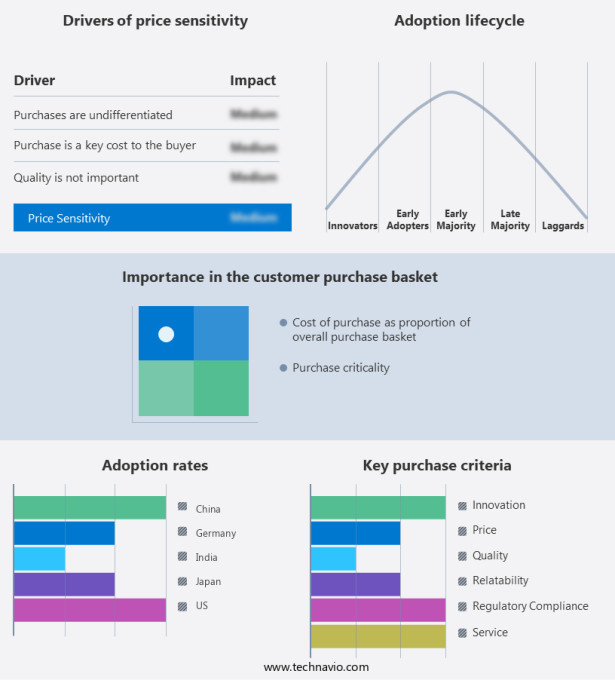
Customer Landscape
Key Companies & Market Insights
Companies are implementing various strategies, such as strategic alliances, partnerships, mergers and acquisitions, geographical expansion, and product/service launches, to enhance their presence in the market.
Acciona SA: The company offers solar energy storage solutions based on three complementary and synergistic technologies photovoltaic panels, concentrated solar energy with standard Rankine cycles and energy storage with molten salts and batteries.
The market research and growth report includes detailed analyses of the competitive landscape of the market and information about key companies, including:
- ABB Ltd.
- Abengoa SA
- AEG Power Solutions BV
- Aura Power Developments Ltd.
- BASF SE
- BYD Co. Ltd.
- Canadian Solar Inc.
- Enact Systems Inc.
- EnerSys
- General Electric Co.
- Helios New Energy Technology Australia Pty. Ltd.
- Leclanche SA
- LG Electronics Inc.
- Primus Power Solutions
- Samsung Electronics Co. Ltd.
- SMA Solar Technology AG
- SolarEdge Technologies Inc.
- Tesla Inc.
- TotalEnergies SE
Qualitative and quantitative analysis of companies has been conducted to help clients understand the wider business environment as well as the strengths and weaknesses of key market players. Data is qualitatively analyzed to categorize companies as pure play, category-focused, industry-focused, and diversified; it is quantitatively analyzed to categorize companies as dominant, leading, strong, tentative, and weak.
Research Analyst Overview
Solar energy storage is a critical component of the renewable energy landscape, enabling emissions reduction and energy conservation by storing excess solar power for later use. The growing electricity demand and the integration of clean, sustainable energy sources like solar, wind, and hydropower into the energy mix necessitate the development of resilient energy systems. Energy storage technologies, such as lithium-ion batteries, play a pivotal role in ensuring grid stability, self-consumption, and renewable energy integration. Decentralized energy systems, including mini-grids and off-grid applications, are increasingly popular due to their ability to provide energy independence and reduce carbon footprints. The capacity of energy storage units is a significant factor in the success of these systems, as it determines their ability to meet energy demands during peak usage periods or power outages. Behind-the-meter storage and solar charging stations are essential for optimizing the use of solar power and reducing reliance on fossil energy resources.
Further, the electrical sector is witnessing a transition towards renewable energy sources, and energy storage solutions are crucial for ensuring the reliability and cost-effectiveness of these systems. The use of advanced technologies like AI and various battery types, including lithium-ion, lead-acid, and flow batteries, is transforming the energy storage market. The cost-effectiveness and eco-friendly nature of these solutions make them an attractive alternative to traditional energy sources, contributing to the growth of the renewable energy sector. The renewable energy market faces challenges related to infrastructure networks, raw materials, and reliability. However, ongoing initiatives, such as green bonds and renewable certificates, are driving innovation and investment in sustainable energy solutions. Residential applications, power plants, and utility applications all benefit from these advancements, making energy storage a vital aspect of the renewable energy landscape.
|
Market Scope |
|
|
Report Coverage |
Details |
|
Page number |
179 |
|
Base year |
2023 |
|
Historic period |
2018-2022 |
|
Forecast period |
2024-2028 |
|
Growth momentum & CAGR |
Accelerate at a CAGR of 10.22% |
|
Market growth 2024-2028 |
USD 6.96 billion |
|
Market structure |
Fragmented |
|
YoY growth 2023-2024(%) |
9.36 |
|
Regional analysis |
APAC, North America, Europe, Middle East and Africa, and South America |
|
Performing market contribution |
APAC at 64% |
|
Key countries |
China, US, Japan, India, and Germany |
|
Competitive landscape |
Leading Companies, Market Positioning of Companies, Competitive Strategies, and Industry Risks |
|
Key companies profiled |
ABB Ltd., Abengoa SA, Acciona SA, AEG Power Solutions BV, Aura Power Developments Ltd., BASF SE, BYD Co. Ltd., Canadian Solar Inc., Enact Systems Inc., EnerSys, General Electric Co., Helios New Energy Technology Australia Pty. Ltd., Leclanche SA, LG Electronics Inc., Primus Power Solutions, Samsung Electronics Co. Ltd., SMA Solar Technology AG, SolarEdge Technologies Inc., Tesla Inc., and TotalEnergies SE |
|
Market dynamics |
Parent market analysis, market growth inducers and obstacles, market forecast, fast-growing and slow-growing segment analysis, COVID-19 impact and recovery analysis and future consumer dynamics, market condition analysis for the forecast period |
|
Customization purview |
If our market report has not included the data that you are looking for, you can reach out to our analysts and get segments customized. |
What are the Key Data Covered in this Market Research and Growth Report?
- CAGR of the market during the forecast period
- Detailed information on factors that will drive the market growth and forecasting between 2024 and 2028
- Precise estimation of the size of the market and its contribution of the market in focus to the parent market
- Accurate predictions about upcoming market growth and trends and changes in consumer behaviour
- Growth of the market across APAC, North America, Europe, Middle East and Africa, and South America
- Thorough analysis of the market's competitive landscape and detailed information about companies
- Comprehensive analysis of factors that will challenge the growth of market companies
We can help! Our analysts can customize this market research report to meet your requirements. Get in touch