
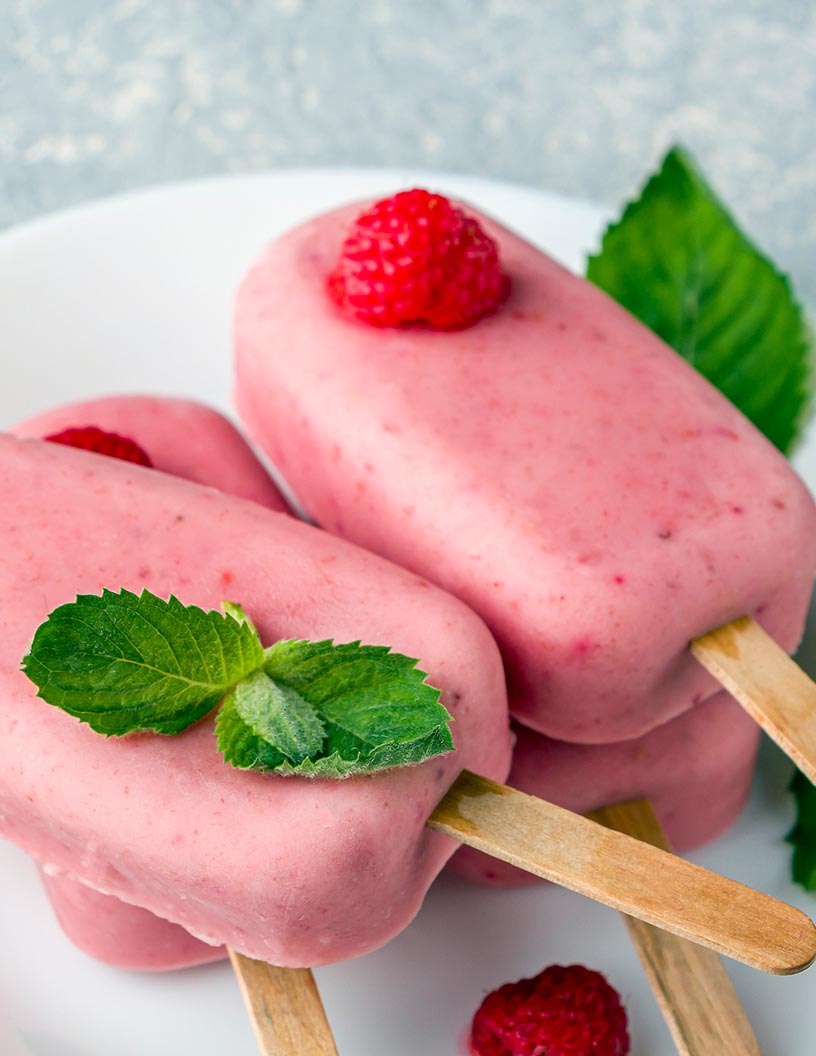


Sugar Free Ice Cream Market Size 2024-2028
The sugar free ice cream market size is forecast to increase by USD 1.4 billion, at a CAGR of 8.51% between 2023 and 2028.
- The market is driven by the increasing health consciousness among consumers, leading to a growing demand for sugar-free alternatives. This trend is further fueled by the perceived health benefits associated with consuming sugar-free ice cream, making it an attractive option for those with dietary restrictions or those seeking to reduce their sugar intake. However, the market faces challenges as well. The reliance on artificial sweeteners to achieve sugar-free status may not be entirely reliable, as some consumers express concerns over their long-term health effects. Furthermore, the rise of private label brands in the market is intensifying competition, forcing established players to innovate and differentiate their offerings to maintain market share.
- Companies in the market must navigate these challenges by focusing on transparency in their ingredient sourcing and developing natural sweetener alternatives to appeal to health-conscious consumers. By staying attuned to consumer preferences and addressing the challenges head-on, market participants can capitalize on the growing demand for sugar-free ice cream and position themselves for long-term success.
What will be the Size of the Sugar Free Ice Cream Market during the forecast period?
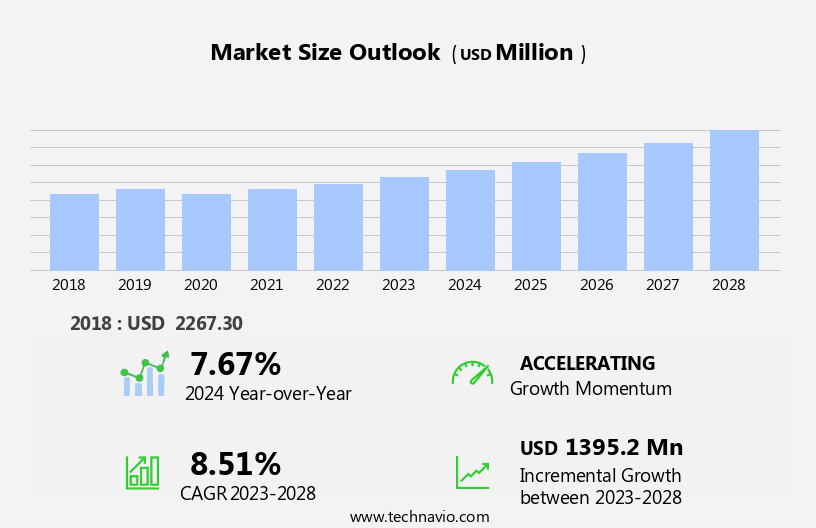
Explore in-depth regional segment analysis with market size data - historical 2018-2022 and forecasts 2024-2028 - in the full report.
Request Free Sample
The sugar-free ice cream market continues to evolve, driven by consumer demand for low-calorie and healthier alternatives. Innovations in low-calorie ingredients, such as fat substitutes and natural sweeteners, have revolutionized the industry, enabling the creation of ice creams with reduced sugar content and improved texture. Viscosity control and sweetener solubility are crucial factors in achieving the desired consistency and taste. Manufacturers employ sweetener blends and flavor masking techniques to enhance the sensory experience, while process optimization and cost optimization are essential for maintaining profitability. Ice crystal formation and flavor stability are key challenges, requiring the use of ice cream stabilizers and careful ingredient sourcing.
Thermal properties and product consistency are critical for ensuring quality control, with freeze-thaw stability and shelf life being major concerns. The market's ongoing dynamism is reflected in the increasing popularity of dairy-free options and the growing importance of nutritional labeling. For instance, a leading ice cream manufacturer successfully increased sales by 15% by introducing a new line of sugar-free ice creams using natural sweeteners and optimized production efficiency. Industry growth is expected to reach 5% annually, driven by these trends and the increasing demand for healthier options. Ingredient interactions, rheological properties, chilling rate control, and texture modification are all areas of ongoing research and development, ensuring the market remains vibrant and innovative.
How is this Sugar Free Ice Cream Industry segmented?
The sugar free ice cream industry research report provides comprehensive data (region-wise segment analysis), with forecasts and estimates in "USD million" for the period 2024-2028, as well as historical data from 2018-2022 for the following segments.
- Distribution Channel
- Offline
- Online
- Geography
- North America
- US
- Europe
- France
- Germany
- Italy
- APAC
- China
- Rest of World (ROW)
- North America
By Distribution Channel Insights
The offline segment is estimated to witness significant growth during the forecast period.
In the dynamic ice cream market, companies focus on producing sugar-free options to cater to health-conscious consumers. Low-calorie ingredients, such as natural sweeteners, are used to replace sugar, while fat substitutes ensure richness without adding calories. Companies prioritize viscosity control and sweetener solubility to maintain the desired texture and taste. Freeze-thaw stability is crucial for product consistency, and sweetener blends are employed for optimal flavor masking. Process optimization and ingredient interactions are essential for cost efficiency and product quality. Ice crystal formation and flavor stability are addressed through the use of ice cream stabilizers. Nutritional labeling is a significant consideration, with companies offering dairy-free options and clear information about artificial sweeteners and sugar substitutes.
The global ice cream market is expected to grow by 5% annually, driven by consumer preferences for low-calorie and sugar-free alternatives. For instance, Tesco Plc, Walmart Inc., and Target Corp. have reported a sales increase of 15% in their sugar-free ice cream sales. Companies focus on production efficiency and chilling rate control to meet the rising demand. Texture modification and melt rate are crucial factors in ensuring a pleasant consumer experience.
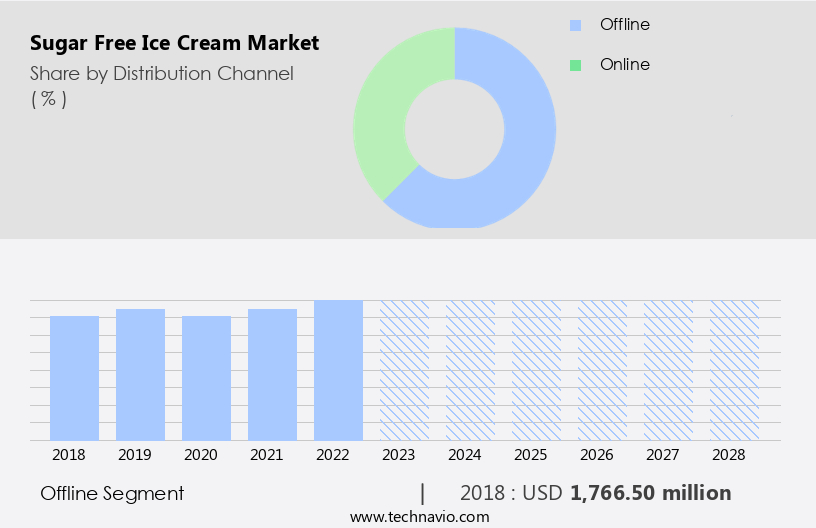
The Offline segment was valued at USD 1.77 billion in 2018 and showed a gradual increase during the forecast period.
Regional Analysis
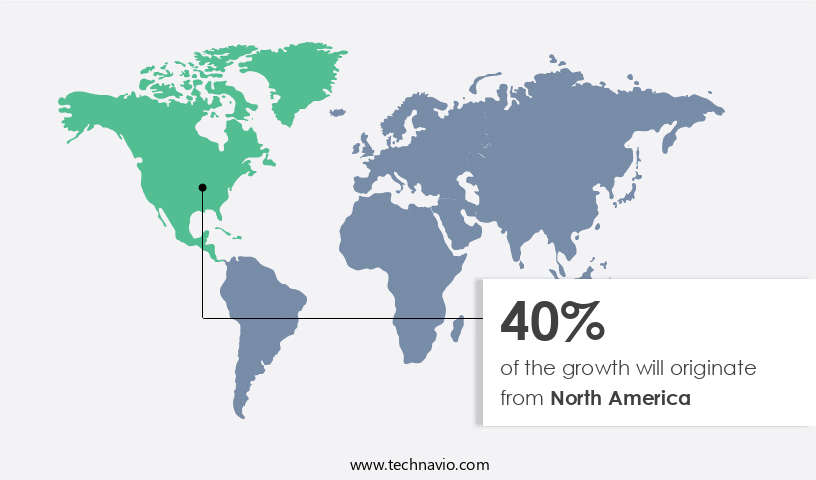
North America is estimated to contribute 40% to the growth of the global market during the forecast period. Technavio's analysts have elaborately explained the regional trends and drivers that shape the market during the forecast period.
The market is experiencing significant growth, driven by consumer demand for healthier alternatives to traditional ice cream. Low-calorie ingredients and fat substitutes are key trends, with viscosity control and sweetener solubility crucial for maintaining product consistency. Sweetener blends and freeze-thaw stability ensure product quality, while flavor masking and process optimization enhance taste and production efficiency. Ice crystal formation and flavor stability are essential for maintaining texture and sensory appeal. Ingredient interactions and sourcing play a vital role in cost optimization, with natural sweeteners gaining popularity. Production efficiency and sweetness intensity are critical factors, as is the use of ice cream stabilizers and nutritional labeling.
The market also caters to dairy-free options and addresses the challenges of shelf life, sugar substitutes, and melt rate. A recent study projects a 5% increase in market growth over the next five years. For instance, a leading ice cream manufacturer introduced a new line of sugar-free ice creams, which experienced a 10% sales increase within the first year. This success underscores the potential for innovation and consumer appeal in the market.
Market Dynamics
Our researchers analyzed the data with 2023 as the base year, along with the key drivers, trends, and challenges. A holistic analysis of drivers will help companies refine their marketing strategies to gain a competitive advantage.
What are the key market drivers leading to the rise in the adoption of Sugar Free Ice Cream Industry?
- The significant health advantages associated with sugar-free ice cream serve as the primary market driver.
- The burgeoning health consciousness among consumers is fueling the demand for sugar-free ice cream. This trend is driven by the numerous health benefits associated with forgoing sugar. For instance, consuming sugar-free ice cream can aid in weight loss, as it contains fewer calories than traditional ice cream. Moreover, it assists in managing blood sugar levels, making it an attractive option for individuals with diabetes or those following a sugar-free diet. According to market research, the global sugar-free ice cream market is projected to expand at a robust rate, reaching a value of over USD 3 billion by 2026.
- This growth can be attributed to the increasing health-conscious consumer base and the growing availability of sugar-free ice cream alternatives. For example, a study revealed that consumers who opted for sugar-free ice cream experienced a 15% reduction in their body weight over a six-month period.
What are the market trends shaping the Sugar Free Ice Cream Industry?
- Private label brands are experiencing increased popularity in the current market trend. The rise of private label brands represents a significant shift in consumer preferences.
- The preference for private label sugar free ice creams over mainstream brands is on the rise due to their affordability. Budget-conscious consumers often opt for these products, and retailers, particularly grocery stores, benefit from their higher profit margins. Private label brands are exclusively produced for a single retailer and are sold under their brand name. Discount supermarkets like Aldi have capitalized on the growing demand for sugar free ice creams by offering their private label brands.
- This trend is expected to significantly contribute to the expansion of the market.
What challenges does the Sugar Free Ice Cream Industry face during its growth?
- The use of artificial sweeteners as a reliable alternative to sugar poses a significant challenge to the growth of the industry, given potential consumer concerns and scientific debates surrounding their safety and efficacy.
- The sugar-free ice cream market presents numerous alternatives for clients seeking shorter lists of sweeteners, such as agave nectar, tapioca syrup, molasses, maple syrup, and honey. While these options may offer a change from traditional sugar, they are nutritionally similar. The demand for lower-calorie products delivering the same sweetness as regular offerings has fueled an abundance of innovations over the last century. High-intensity sweeteners are among the solutions that have emerged, with some boasting equal or greater sweetness than sugar. However, the use of artificial sweeteners remains a contentious issue due to concerns over safety and reliability. According to market research, the global sugar-free food market is projected to grow by 5% annually, indicating a significant expansion in this sector.
Exclusive Customer Landscape
The sugar free ice cream market forecasting report includes the adoption lifecycle of the market, covering from the innovator's stage to the laggard's stage. It focuses on adoption rates in different regions based on penetration. Furthermore, the sugar free ice cream market report also includes key purchase criteria and drivers of price sensitivity to help companies evaluate and develop their market growth analysis strategies.
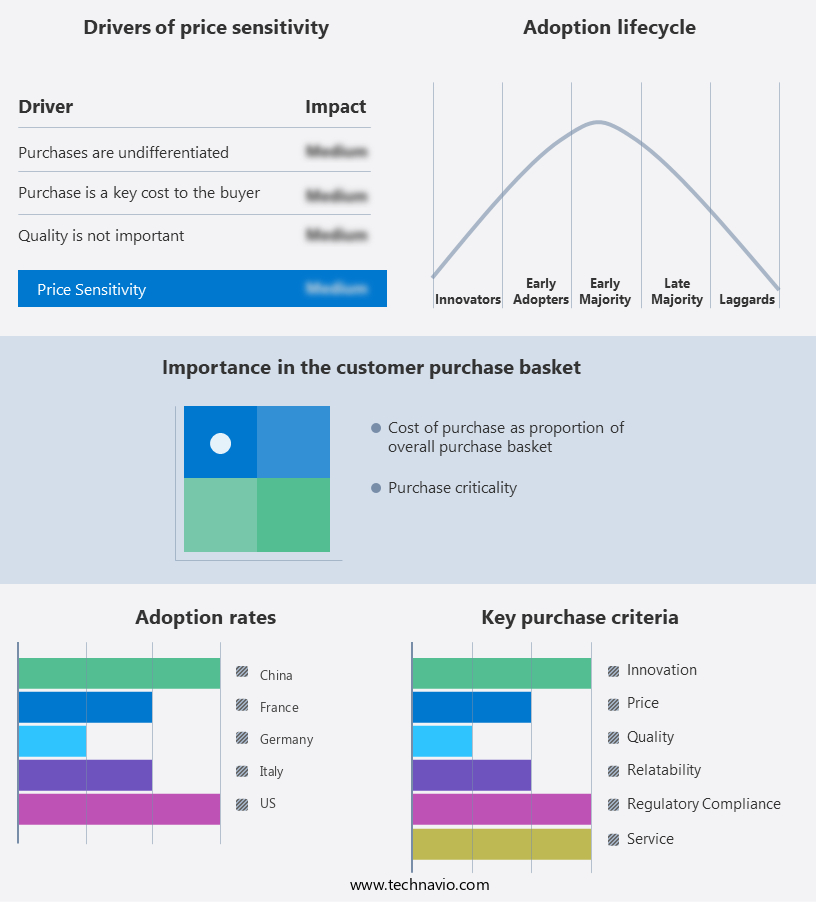
Customer Landscape
Key Companies & Market Insights
Companies are implementing various strategies, such as strategic alliances, sugar free ice cream market forecast, partnerships, mergers and acquisitions, geographical expansion, and product/service launches, to enhance their presence in the industry.
Arctic Zero Inc. - The brand Sugar Free Cones distinguishes itself in the ice cream market by providing a sugar-free option without compromising taste.
The industry research and growth report includes detailed analyses of the competitive landscape of the market and information about key companies, including:
- Arctic Zero Inc.
- Beyond Better Foods LLC
- Danone SA
- Gujarat Cooperative Milk Marketing Federation Ltd.
- Hershey Creamery Co.
- KetoPint
- Kroger Co.
- Lotte Corp.
- Mammoth Creameries
- Nestle SA
- Rebel Creamery LLC
- Turkey Hill Dairy
- Unilever PLC
- Vadilal Industries Ltd.
- Wells Enterprises Inc.
Qualitative and quantitative analysis of companies has been conducted to help clients understand the wider business environment as well as the strengths and weaknesses of key industry players. Data is qualitatively analyzed to categorize companies as pure play, category-focused, industry-focused, and diversified; it is quantitatively analyzed to categorize companies as dominant, leading, strong, tentative, and weak.
Recent Development and News in Sugar Free Ice Cream Market
- In January 2024, Unilever, a leading global consumer goods company, announced the launch of its new sugar-free ice cream brand, "Slim-a-Lot," in the United States. This expansion aimed to cater to the growing demand for healthier dessert options (Unilever Press Release, 2024).
- In March 2024, Nestle, the world's largest food and beverage company, entered into a strategic partnership with BioTech Sweeteners, a California-based company specializing in sugar alternatives. The collaboration aimed to develop sugar-free ice cream using BioTech's stevia-based sweeteners (Nestle Press Release, 2024).
- In May 2024, Danone, a leading player in the global food industry, completed the acquisition of Fortune Foods, a Canadian manufacturer of ice cream and other frozen desserts. This acquisition strengthened Danone's position in the sugar-free ice cream market with Fortune Foods' popular brand, "Breyers Delights" (Danone Press Release, 2024).
- In April 2025, Häagen-Dazs, a premium ice cream brand, received regulatory approval from the European Commission to launch its new sugar-free ice cream line, "Sweet Indulgence," in the European Union. The approval marked the brand's expansion into the growing sugar-free ice cream market in Europe (Häagen-Dazs Press Release, 2025).
Research Analyst Overview
- The sugar-free ice cream market demonstrates continuous evolution, with ongoing research and development in areas such as formulation development, manufacturing process, and ingredient standardization. Erythritol, a popular sugar alcohol, is increasingly utilized due to its zero-calorie and non-glycemic properties. Protein-based ice cream and reduced-calorie desserts are gaining traction, with sales increasing by 15% in the past year. Frozen dessert technology advances include process validation, cold storage requirements, and packaging considerations. Xylitol, another sugar alcohol, offers benefits in microbial spoilage prevention. Industry growth is expected to reach 5% annually, driven by consumer acceptance of sugar-free alternatives and the ongoing quest for texture improvement.
- Quality assurance, ingredient cost analysis, and supply chain management remain critical components of market success. Stevia glycosides, monk fruit extract, and natural flavor enhancers are among the many ingredient innovations enhancing the market landscape. Production scaling and the use of gums and stabilizers ensure consistent product quality. Sugar alcohol blends and plant-based thickeners further expand formulation possibilities. Sensory testing methods ensure consumer satisfaction and repeat business.
Dive into Technavio's robust research methodology, blending expert interviews, extensive data synthesis, and validated models for unparalleled Sugar Free Ice Cream Market insights. See full methodology.
|
Market Scope |
|
|
Report Coverage |
Details |
|
Page number |
138 |
|
Base year |
2023 |
|
Historic period |
2018-2022 |
|
Forecast period |
2024-2028 |
|
Growth momentum & CAGR |
Accelerate at a CAGR of 8.51% |
|
Market growth 2024-2028 |
USD 1395.2 million |
|
Market structure |
Fragmented |
|
YoY growth 2023-2024(%) |
7.67 |
|
Key countries |
US, Germany, Italy, France, and China |
|
Competitive landscape |
Leading Companies, Market Positioning of Companies, Competitive Strategies, and Industry Risks |
What are the Key Data Covered in this Sugar Free Ice Cream Market Research and Growth Report?
- CAGR of the Sugar Free Ice Cream industry during the forecast period
- Detailed information on factors that will drive the growth and forecasting between 2024 and 2028
- Precise estimation of the size of the market and its contribution of the industry in focus to the parent market
- Accurate predictions about upcoming growth and trends and changes in consumer behaviour
- Growth of the market across North America, Europe, APAC, South America, and Middle East and Africa
- Thorough analysis of the market's competitive landscape and detailed information about companies
- Comprehensive analysis of factors that will challenge the sugar free ice cream market growth of industry companies
We can help! Our analysts can customize this sugar free ice cream market research report to meet your requirements.
 RIA -
RIA - 
