



Sweet Biscuit Market Size 2024-2028
The sweet biscuit market size is forecast to increase by USD 22.8 billion, at a CAGR of 4.48% between 2023 and 2028.
- The market is witnessing significant growth, driven by the increasing preference for healthier biscuit options. Consumers are increasingly seeking biscuits made with whole grains, reduced sugar, and functional ingredients, leading manufacturers to innovate and cater to this demand. Another key trend shaping the market is the expansion of online retailing. E-commerce platforms are providing consumers with greater convenience and access to a wider range of biscuit varieties, driving sales growth. However, the market is not without challenges. Fluctuating raw material prices pose a significant threat to profitability, as biscuit manufacturers are heavily reliant on ingredients such as wheat, sugar, and oils.
- To navigate these challenges, companies must focus on supply chain optimization, price negotiations with suppliers, and product diversification to mitigate risks and capitalize on emerging opportunities.
What will be the Size of the Sweet Biscuit Market during the forecast period?
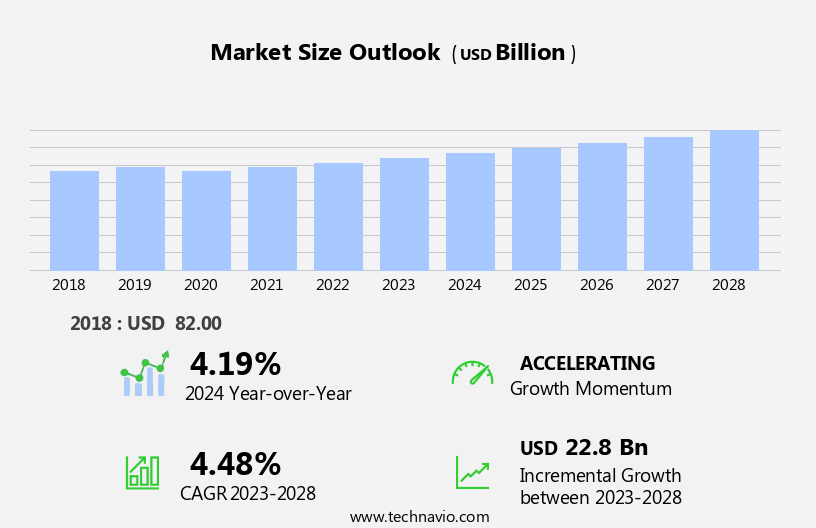
Explore in-depth regional segment analysis with market size data - historical 2018-2022 and forecasts 2024-2028 - in the full report.
Request Free Sample
The market exhibits a dynamic and ever-evolving landscape, shaped by various interconnected factors. Baking equipment maintenance plays a crucial role in ensuring optimal production capacity and consistent product quality. Adherence to baking industry standards is essential for maintaining consumer trust and regulatory compliance. Consumer preference mapping continues to influence new product development, as manufacturers strive to meet evolving tastes and dietary trends. Ingredient sourcing strategies, including the exploration of alternative sweeteners and functional ingredients, are a key focus. Fat dispersion methods and leavening agent effects significantly impact the sensory properties of sweet biscuits. Oven temperature control, flavor compound profiles, and ingredient functionality are also critical factors in achieving the desired texture and taste.
Energy efficiency measures, packaging material selection, and waste reduction strategies are increasingly important considerations in the production cycle. Automated baking systems and aroma release mechanisms contribute to process optimization and improved product quality. Sweet biscuit formulation development is an ongoing process, with ongoing research into sugar crystallization impact, dough rheological properties, and crumb texture analysis. Quality control systems and process parameter influence are essential for ensuring consistency and minimizing defects. Baking time optimization, dough mixing techniques, texture profile analysis, and crust browning kinetics are all areas of ongoing research and development. Moisture content control and gluten development stages are also critical factors in maintaining optimal product quality.
How is this Sweet Biscuit Industry segmented?
The sweet biscuit industry research report provides comprehensive data (region-wise segment analysis), with forecasts and estimates in "USD billion" for the period 2024-2028, as well as historical data from 2018-2022 for the following segments.
- Distribution Channel
- Offline
- Online
- Type
- Cream-Filled
- Coated
- Plain
- Wafer Biscuits
- Others
- Consumer Segment
- Household
- Foodservice
- Institutional
- Flavor
- Chocolate
- Vanilla
- Fruit
- Others
- Geography
- North America
- US
- Canada
- Mexico
- Europe
- France
- Germany
- UK
- Middle East and Africa
- UAE
- APAC
- China
- India
- Indonesia
- Japan
- Malaysia
- South Korea
- Thailand
- South America
- Brazil
- Rest of World (ROW)
- North America
By Distribution Channel Insights
The offline segment is estimated to witness significant growth during the forecast period.
In the baking industry, sweet biscuits continue to be a popular consumer choice, with significant demand in both the offline and online distribution segments. The offline segment, dominated by sales through supermarkets and hypermarkets, is driven by the expansion of the organized retail sector. Supermarkets and hypermarkets offer vast storage capacities and diverse product ranges from multiple companies, making them preferred shopping destinations for consumers. Additionally, these retailers often provide incentives for bulk purchases, further boosting sales. Baking industry standards dictate stringent maintenance of baking equipment to ensure consistent product quality. New product development is a key trend, with manufacturers focusing on formulations that cater to evolving consumer preferences.
Sensory evaluation methods play a crucial role in assessing the taste, texture, and aroma of sweet biscuits. Ingredient sourcing strategies are another critical factor, with manufacturers prioritizing the use of high-quality, sustainable ingredients. Fats are dispersed using various methods to ensure even distribution and optimal baking results. Leavening agents, such as baking powder and baking soda, impact the biscuit's rise and texture. Oven temperature control is essential for consistent baking and even browning. Flavor compound profiles are developed through careful ingredient selection and formulation design. Energy efficiency measures are increasingly important in biscuit production, with manufacturers investing in automated baking systems and optimizing processes to reduce waste.
Packaging material selection is another consideration, with focus on extending shelf life and maintaining freshness. The product development cycle is streamlined through the use of advanced technology and quality control systems. Baking process optimization involves analyzing dough rheological properties, moisture content control, and gluten development stages to ensure optimal baking results. Crumb texture analysis is essential for assessing product quality and consumer appeal. Crust browning kinetics and aroma release mechanisms are also critical factors in creating an appealing biscuit. Ingredient functionality, such as the role of starches in gelatinization and process parameter influence on baking time, is a key area of research.
Waste reduction strategies, including the use of by-products in biscuit production and energy recovery systems, are also gaining importance. Overall, the market is dynamic and evolving, with a focus on innovation, quality, and sustainability.
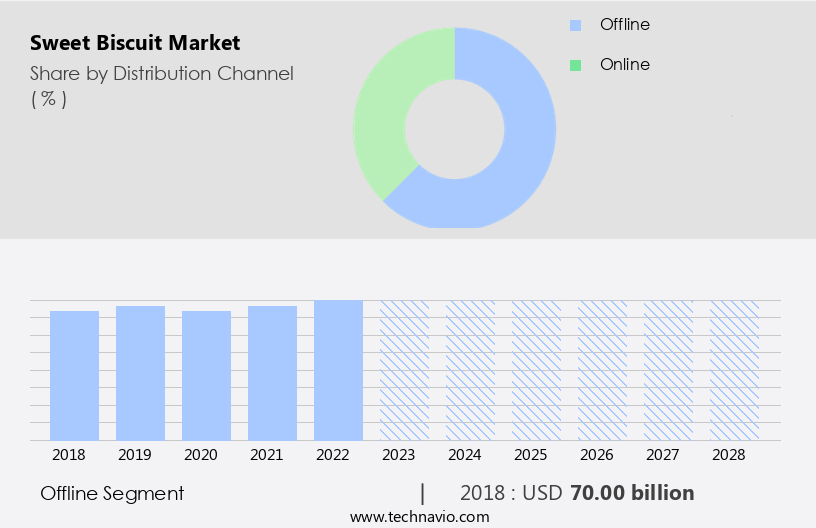
The Offline segment was valued at USD 70.00 billion in 2018 and showed a gradual increase during the forecast period.
Regional Analysis
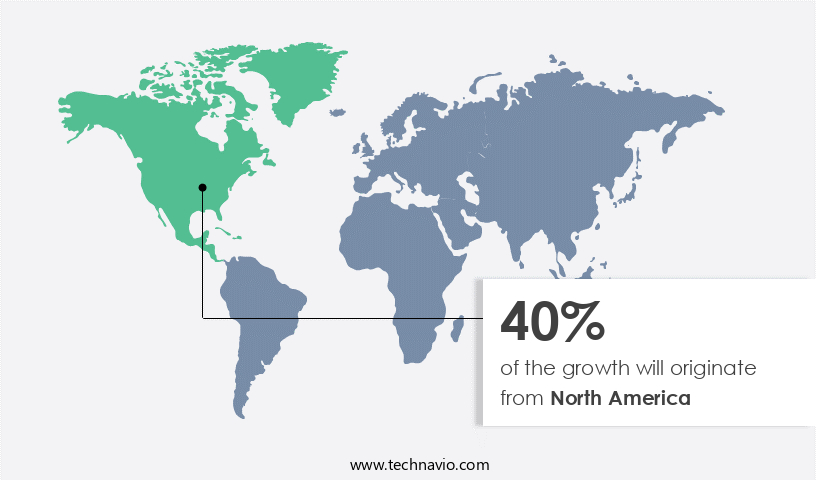
North America is estimated to contribute 40% to the growth of the global market during the forecast period.Technavio's analysts have elaborately explained the regional trends and drivers that shape the market during the forecast period.
In Europe, Italy, France, Germany, and the UK lead the market due to their significant retail sales and cultural affinity for tea and snacking. The market's expansion is driven by the increasing preference for clean label products and private-label offerings. The UK, with its robust tea culture, plays a pivotal role in this growth. Consumers' changing lifestyles and the convenience of readily available sweet biscuits at nearby stores are fueling the retail segment's dominance. Baking industry standards ensure consistent product quality, while new product development caters to evolving consumer preferences. Biscuit production capacity is optimized through energy efficiency measures and automated baking systems.
Sensory evaluation methods assess flavor compound profiles and crumb texture analysis. Ingredient sourcing strategies prioritize functionality and sustainability, while fat dispersion methods and leavening agent effects influence dough rheological properties and baking time optimization. Oven temperature control and starch gelatinization rate impact baking process optimization, while process parameter influence ensures quality control systems maintain waste reduction strategies. Crust browning kinetics and moisture content control are essential for shelf life extension. Aroma release mechanisms and texture profile analysis further enhance the overall product experience.
Market Dynamics
Our researchers analyzed the data with 2023 as the base year, along with the key drivers, trends, and challenges. A holistic analysis of drivers will help companies refine their marketing strategies to gain a competitive advantage.
The global sweet biscuit market size and forecast projects growth to USD 424.9 billion by 2030, with a CAGR of 5.4% from 2023-2030, driven by sweet biscuit market trends 2024-2028. B2B sweet biscuit supply solutions leverage advanced biscuit production technologies for quality. Sweet biscuit market growth opportunities 2025 include biscuits for retail and low-sugar sweet biscuits, meeting demand. Sweet biscuit supply chain software optimizes operations, while sweet biscuit market competitive analysis highlights brands like Britannia. Sustainable biscuit production practices align with eco-friendly snack trends. Sweet biscuit regulations 2024-2028 shapes biscuit demand in Europe 2025. Premium sweet biscuit solutions and sweet biscuit market insights boost adoption. Sweet biscuits for convenience stores and customized biscuit products target niches. Sweet biscuit market challenges and solutions address health concerns, with direct procurement strategies for biscuits and sweet biscuit pricing optimization enhancing profitability. Data-driven sweet biscuit analytics and healthy biscuit trends drive innovation.
What are the key market drivers leading to the rise in the adoption of Sweet Biscuit Industry?
- The increasing demand for health-conscious biscuits serves as the primary market catalyst.
- The market for sweet biscuits is experiencing significant growth due to increasing consumer interest in health and fitness and the preference for convenient, nutritious snack options. This trend is particularly prominent among working adults and millennials, who lead active lifestyles and seek accessible food choices. In response, manufacturers are focusing on producing healthy biscuits in various flavors to enhance their aroma and appeal to consumers. To optimize baking time and ensure consistent texture, dough mixing techniques and crust browning kinetics are being carefully considered.
- Additionally, moisture content control and gluten development stages are crucial factors in maintaining the desired texture and taste. Advancements in technology have enabled more precise texture profile analysis and moisture content measurement, ensuring a high-quality product. As consumers continue to prioritize health and convenience, the market for sweet biscuits is poised for continued growth.
What are the market trends shaping the Sweet Biscuit Industry?
- Online retailing is gaining significant traction as the next major market trend. The growth of this sector is mandatory for businesses seeking to adapt to evolving consumer preferences and behaviors.
- In the baking industry, maintaining baking equipment and adhering to industry standards are crucial for producing high-quality sweet biscuits. Consumer preference mapping plays a significant role in new product development, ensuring that manufacturers cater to evolving tastes and trends. The production capacity for biscuits is a critical factor in meeting demand, with sensory evaluation methods used to assess product quality and customer satisfaction. Ingredient sourcing strategies and fat dispersion methods are essential aspects of biscuit production, impacting both taste and texture.
- Leavening agent effects on dough are also closely monitored to optimize rising and baking processes. As the baking industry continues to evolve, manufacturers and distributors must stay informed about the latest research and developments to remain competitive. By focusing on these key areas, sweet biscuit suppliers can expand their reach and improve their bottom line in the growing online retail market.
What challenges does the Sweet Biscuit Industry face during its growth?
- The volatility in raw material prices poses a significant challenge to the industry's growth trajectory.
- The production of sweet biscuits involves the use of key ingredients such as refined flour, sugar, salt, and milk. The rising costs of production have led to increased expenses for manufacturers in acquiring these raw materials. Adverse weather conditions, national emergencies, strikes, governmental controls, natural disasters, and supply shortages are among the factors that can impact the availability and price of these ingredients. As a consequence, product prices increase, making it challenging for marketers to introduce new biscuit varieties with unique flavor compound profiles and improved crumb textures to attract consumers.
- To mitigate these challenges, manufacturers focus on implementing oven temperature control measures, energy efficiency measures, and packaging material selection to optimize production costs. The sweet biscuit formulation development cycle is a critical process that requires a deep understanding of ingredient functionality and market dynamics to create products that meet consumer preferences while maintaining profitability.
Exclusive Customer Landscape
The sweet biscuit market forecasting report includes the adoption lifecycle of the market, covering from the innovator's stage to the laggard's stage. It focuses on adoption rates in different regions based on penetration. Furthermore, the sweet biscuit market report also includes key purchase criteria and drivers of price sensitivity to help companies evaluate and develop their market growth analysis strategies.
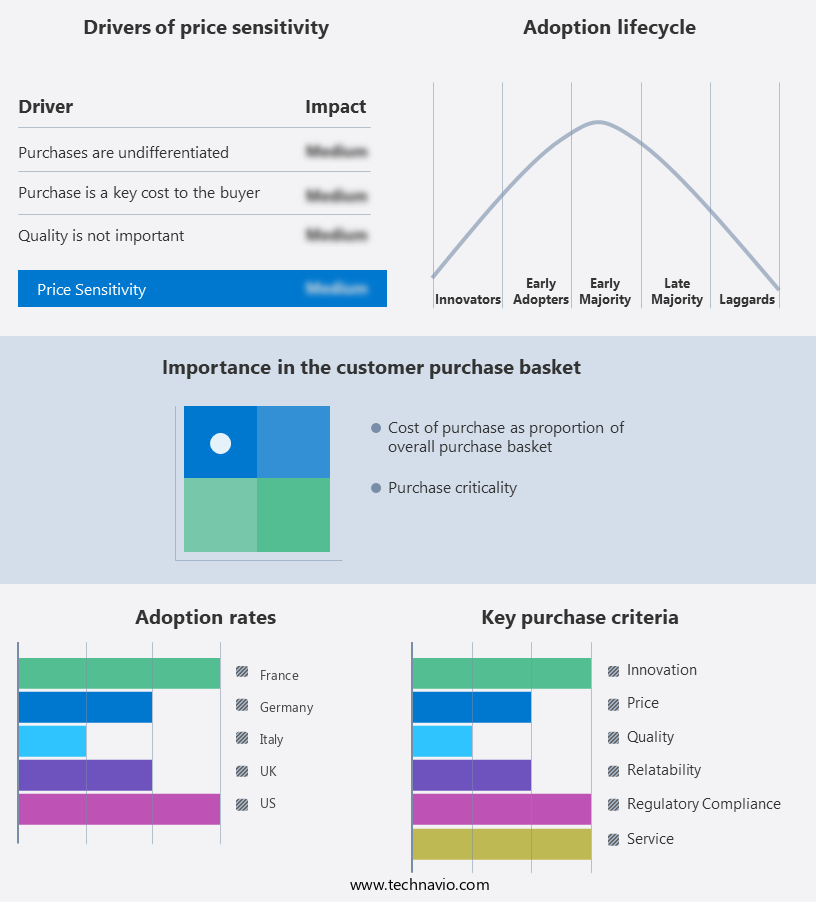
Customer Landscape
Key Companies & Market Insights
Companies are implementing various strategies, such as strategic alliances, sweet biscuit market forecast, partnerships, mergers and acquisitions, geographical expansion, and product/service launches, to enhance their presence in the industry.
Alco Group - This company specializes in producing a diverse range of sweet biscuits, including the unique milk-flavored ohne gleichen, the popular choco Leibniz dark, and the delightful choco waffers milk. These biscuits showcase the company's commitment to delivering high-quality, delicious treats for consumers worldwide.
The industry research and growth report includes detailed analyses of the competitive landscape of the market and information about key companies, including:
- Alco Group
- Bahlsen GmbH and Co. KG
- BakeMate
- Border Biscuits Ltd.
- Britannia Industries Ltd.
- Burtons Biscuit Co.
- Campbell Soup Co.
- Corporativo Bimbo SA de CV
- Cremica Food Industries Ltd.
- Frank Roberts and Sons Ltd.
- Grupo Nutresa
- ITC Ltd.
- Kellogg Co.
- Mondelez International Inc.
- Nestle SA
- Parle Products Pvt. Ltd.
- Poppies Bakeries NV
- The Kraft Heinz Co.
- United Biscuits UK Ltd.
- Yildiz Holding Inc.
Qualitative and quantitative analysis of companies has been conducted to help clients understand the wider business environment as well as the strengths and weaknesses of key industry players. Data is qualitatively analyzed to categorize companies as pure play, category-focused, industry-focused, and diversified; it is quantitatively analyzed to categorize companies as dominant, leading, strong, tentative, and weak.
Recent Development and News in Sweet Biscuit Market
- In January 2024, Quaker Oats, a leading food manufacturer, launched a new line of gluten-free sweet biscuits, catering to the growing demand for allergy-friendly food options (Quaker Oats Press Release). In March 2024, Nabisco, a division of Mondelez International, announced a strategic partnership with Starbucks to produce and distribute Starbucks-branded sweet biscuits in retail stores, expanding Nabisco's reach in the foodservice sector (Mondelez International Press Release).
- In May 2024, General Mills, another major player in the market, completed the acquisition of Annie's Homegrown, a leading organic biscuit manufacturer, bolstering General Mills' organic product offerings and market share (General Mills Press Release). In February 2025, the European Union approved new regulations requiring all biscuits sold in the region to contain at least 30% whole grains by 2026, prompting manufacturers to invest in product innovation and reformulation (European Commission Press Release).
Research Analyst Overview
- The market experiences dynamic interplays of various factors, shaping production efficiency and product quality. Flour protein content and process variables significantly influence baking soda reactivity and aroma volatiles, necessitating recipe optimization and packaging design. Innovative product designs prioritize sustainability initiatives, such as energy conservation and starch granule size optimization. Supplier relationships and ingredient interactions impact cost reduction strategies, with shortening functionality and sugar type influence being crucial considerations. Sensory attributes are influenced by flavor interaction, baking temperature gradient, and crumb structure analysis.
- Automation technologies streamline production line design, enhancing quality control tests and dough viscosity management. Market research data inform industry best practices, ensuring optimal gluten network formation and moisture migration, while oven spring mechanism and fat crystallization are essential aspects of baking science.
Dive into Technavio's robust research methodology, blending expert interviews, extensive data synthesis, and validated models for unparalleled Sweet Biscuit Market insights. See full methodology.
|
Market Scope |
|
|
Report Coverage |
Details |
|
Page number |
136 |
|
Base year |
2023 |
|
Historic period |
2018-2022 |
|
Forecast period |
2024-2028 |
|
Growth momentum & CAGR |
Accelerate at a CAGR of 4.48% |
|
Market growth 2024-2028 |
USD 22.8 billion |
|
Market structure |
Fragmented |
|
YoY growth 2023-2024(%) |
4.19 |
|
Key countries |
US, Malaysia, Indonesia, Germany, UK, South Korea, France, Canada, Brazil, Thailand, UAE, Mexico, China, Japan, and India |
|
Competitive landscape |
Leading Companies, Market Positioning of Companies, Competitive Strategies, and Industry Risks |
What are the Key Data Covered in this Sweet Biscuit Market Research and Growth Report?
- CAGR of the Sweet Biscuit industry during the forecast period
- Detailed information on factors that will drive the growth and forecasting between 2024 and 2028
- Precise estimation of the size of the market and its contribution of the industry in focus to the parent market
- Accurate predictions about upcoming growth and trends and changes in consumer behaviour
- Growth of the market across Europe, North America, APAC, South America, and Middle East and Africa
- Thorough analysis of the market's competitive landscape and detailed information about companies
- Comprehensive analysis of factors that will challenge the sweet biscuit market growth of industry companies
We can help! Our analysts can customize this sweet biscuit market research report to meet your requirements.
 RIA -
RIA - 
