


Timber Logistics Market Size 2025-2029
The timber logistics market size is forecast to increase by USD 18.57 billion at a CAGR of 6.4% between 2024 and 2029.
- The market is experiencing significant growth due to several key trends. Technological advances are revolutionizing the industry, with the adoption of automation and digitalization in timber transportation and processing. Additionally, there is an increasing demand for lesser-known timber species, offering opportunities for market expansion. The market's size is significant, with applications ranging from paper production using wood pulp and fuelwood to furniture manufacturing. However, the market faces challenges, including growing concerns over rising deforestation and the need for sustainable forestry practices. These issues are driving the need for transparency and accountability in the timber supply chain. The market analysis report provides a comprehensive overview of these trends and challenges, offering insights into the future growth prospects of the timber logistics industry.
What will be the Size of the Timber Logistics Market During the Forecast Period?
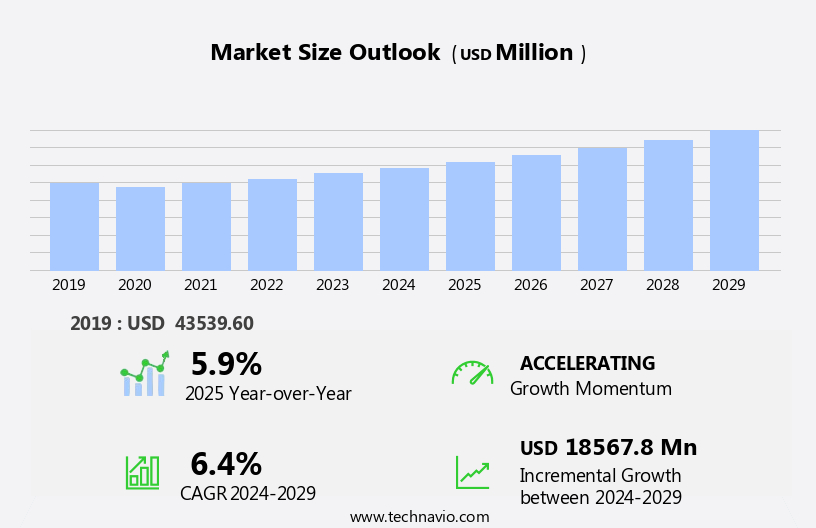
- The market encompasses the transportation and management of various timber products, including construction materials like sawn timber, plywood, and industrial roundwood, as well as paper-based packaging solutions such as paper and paperboard, tissue paper, and packaging materials. Key drivers in this market include the construction industry's continued demand for sustainable building materials and the growth of eco-friendly packaging trends.
- Moreover, sustainable forest management is increasingly important, with a focus on certified timber products and the reduction of deforestation and illegal logging practices. Infrastructure limitations pose challenges to efficient timber transportation via land and sea, necessitating innovation in the form of technologies like blockchain, drones, and satellite imagery for forest mapping and timber inventory management. Consumers' increasing environmental consciousness further fuels market growth.
How is this Timber Logistics Industry segmented and which is the largest segment?
The timber logistics industry research report provides comprehensive data (region-wise segment analysis), with forecasts and estimates in "USD billion" for the period 2025-2029, as well as historical data from 2019-2023 for the following segments.
- Type
- Industrial roundwood
- Fuelwood
- Others
- Mode Of Transportation
- Land transportation
- Sea transportation
- Service
- Transportation
- Warehousing
- Geography
- APAC
- China
- India
- Japan
- Europe
- Germany
- UK
- France
- Italy
- North America
- US
- South America
- Brazil
- Middle East and Africa
- APAC
By Type Insights
- The industrial roundwood segment is estimated to witness significant growth during the forecast period.
The market encompasses the transportation and distribution of industrial roundwood, a fundamental input in the production of paper, lumber, and various wood-based products. The market's expansion is fueled by the burgeoning wood-based product industry and the escalating preference for eco-friendly and sustainable solutions. The construction sector is a significant consumer of industrial roundwood, utilizing it for timber frames, roofing, flooring, and other applications. Moreover, it plays a pivotal role in the manufacturing of paper, packaging materials, and wood-based products for the furniture industry. The increasing urbanization and population growth have led to an increase in construction activities, thereby driving the demand for industrial roundwood.
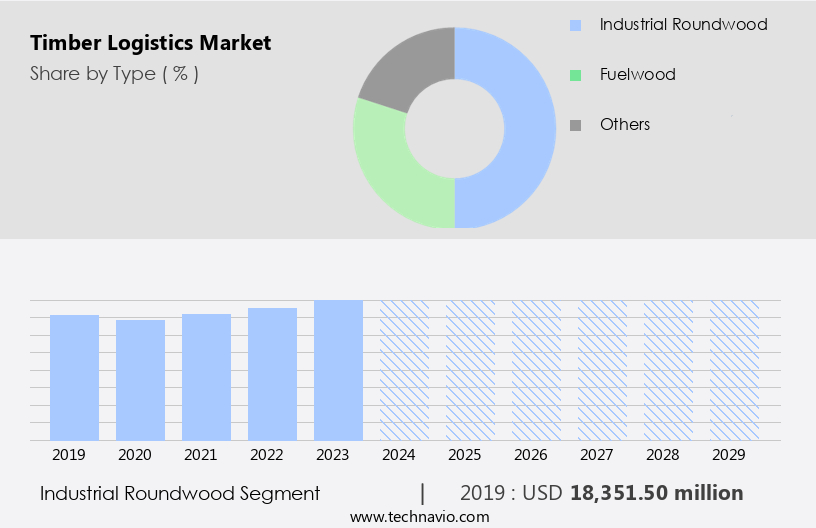
Get a glance at the Timber Logistics Industry report of share of various segments Request Free Sample
The industrial roundwood segment was valued at USD 18.35 billion in 2019 and showed a gradual increase during the forecast period.
Regional Analysis
- APAC is estimated to contribute 40% to the growth of the global market during the forecast period.
Technavio's analysts have elaborately explained the regional trends and drivers that shape the market during the forecast period.
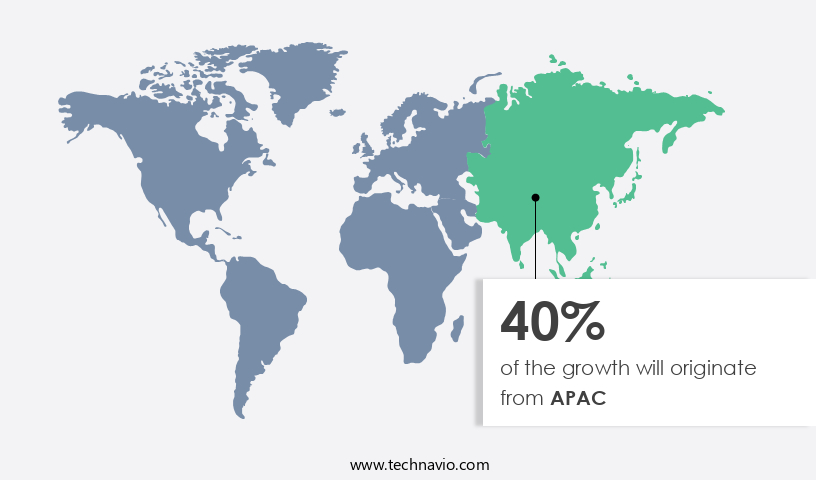
For more insights on the market share of various regions, Request Free Sample
The construction industry in Asia Pacific (APAC), particularly in countries like India, is experiencing significant growth. With the Indian government planning to mobilize over USD1 trillion in investments by 2025, the country is projected to rank among the world's top five largest construction markets. By 2050, it is estimated that over 65% of the global population will reside in urban areas, with a majority in APAC. Indonesia, a major construction market in APAC, is anticipated to expand at a faster pace than other countries in the region. The increasing urbanization and construction activities in APAC are driving the demand for various packaging solutions, including sustainable packaging, paper-based packaging, and timber products.
Market Dynamics
Our researchers analyzed the data with 2024 as the base year, along with the key drivers, trends, and challenges. A holistic analysis of drivers will help companies refine their marketing strategies to gain a competitive advantage.
What are the key market drivers leading to the rise in the adoption of Timber Logistics Industry?
Technological advances in timber logistics is the key driver of the market.
- The market is influenced by several technological advancements that enhance sustainability, efficiency, and competitiveness. Digital mapping and GPS technology are crucial innovations, enabling accurate forest mapping, logging sites, and transportation routes. This technology optimizes transportation routes, ensures real-time tracking of timber shipments, and guarantees efficient delivery to processing facilities. Furthermore, telematics and fleet management systems facilitate remote monitoring of vehicle performance, driver behavior, fuel consumption, and maintenance schedules. These systems improve operational efficiency, reduce fuel costs, increase driver safety, and optimize fleet utilization. Other technological advancements include blockchain technology for traceability and monitoring, drones and satellite imagery for forest mapping and inventory management, and circular economy principles promoting recycling and reuse.
- In addition, these developments cater to environmentally conscious consumers and help mitigate concerns related to deforestation, illegal logging practices, and market volatility. Infrastructure limitations and regulations, including sustainable timber sourcing certifications, also impact the market dynamics.
What are the market trends shaping the Timber Logistics Industry?
Increase in use of lesser-known timber species is the upcoming market trend.
- The market is experiencing a shift towards the use of sustainable packaging solutions, with an increasing focus on paper-based packaging made from wood pulp, paper, and paperboard. This trend is driven by growing environmental consciousness among consumers and regulations against deforestation and illegal logging practices. The adoption of lesser-known timber species, such as Darina, is on the rise due to their similar properties to traditional timber species and the cost savings they offer. For instance, a 40-board-feet writing desk made with Darina can save up to 35% compared to one made with hububalli, which is commonly used for furniture and building components.
- Moreover, market dynamics include timber availability, market volatility, and infrastructure limitations. These factors, along with digital technologies such as real-time tracking, certified timber products, and circular economy principles, are shaping the future of the market. The use of blockchain technology for traceability and monitoring is also gaining popularity, with drones and satellite imagery being used for forest mapping and timber inventory management. E-commerce markets are driving the demand for timber products, with the need for efficient land, rail, sea, and air transportation, as well as warehousing solutions. The use of sawn timber, plywood, and other timber products in the construction and furniture industries is also contributing to the growth of the market.
What challenges does the Timber Logistics Industry face during its growth?
Growing concerns over rising deforestation is a key challenge affecting the industry growth.
- The market encompasses the transportation and handling of various timber products, including sawn timber, plywood, and blockboard, as well as paper-based packaging materials like paper, paperboard, and tissue paper. Deforestation, driven by construction, industrial roundwood, fuelwood, and sustainable packaging demands, poses significant challenges to this market. To mitigate the environmental impact, there is a growing emphasis on sustainable timber sourcing, certifications, and regulations. For instance, in response to deforestation concerns, British Columbia increased efforts to protect old-growth forests in 2024 through collaborations with First Nations and local communities. Market dynamics include timber availability, market volatility, infrastructure limitations, and digital technologies.
- Furthermore, real-time tracking, monitoring, and traceability solutions, such as drones, satellite imagery, and forest mapping, are essential for circular economy principles, including recycling and reuse. Certified timber products and environmentally conscious consumers continue to influence market trends. Transportation modes include road, rail, sea, and air, with warehousing and inventory management playing crucial roles. Adhering to circular economy principles and implementing sustainable practices are key to the industry's future success.
Exclusive Customer Landscape
The timber logistics market forecasting report includes the adoption lifecycle of the market, covering from the innovator's stage to the laggard's stage. It focuses on adoption rates in different regions based on penetration. Furthermore, the timber logistics market report also includes key purchase criteria and drivers of price sensitivity to help companies evaluate and develop their market growth analysis strategies.
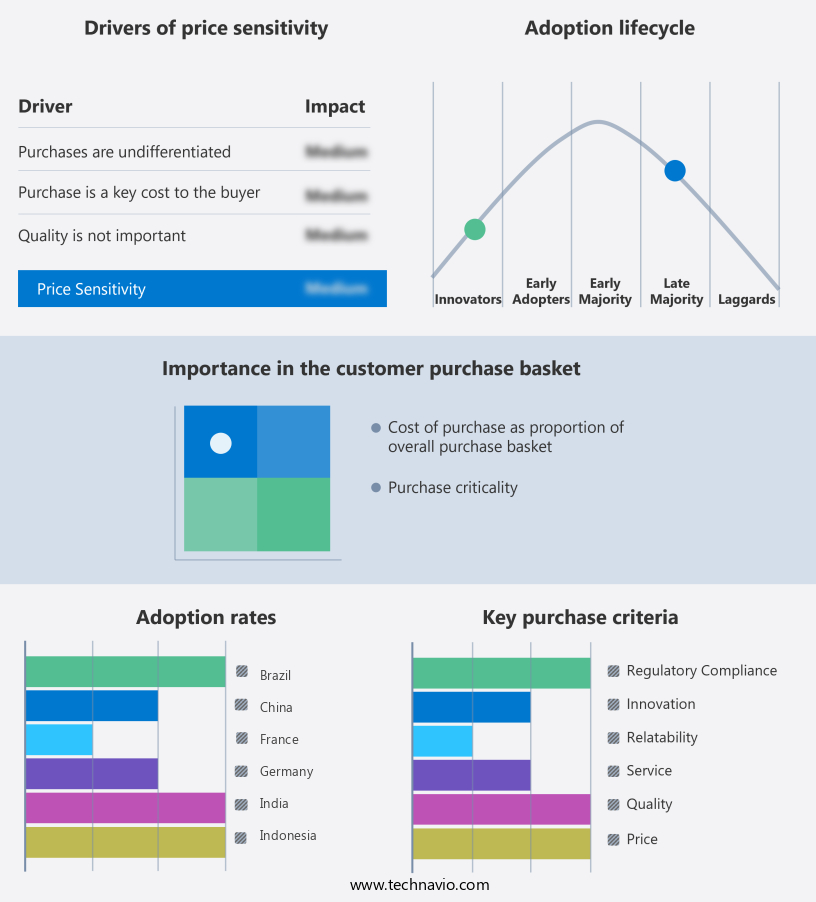
Customer Landscape
Key Companies & Market Insights
Companies are implementing various strategies, such as strategic alliances, timber logistics market forecast, partnerships, mergers and acquisitions, geographical expansion, and product/service launches, to enhance their presence in the industry.
acadon AG - The company offers timber logistics and supply through online and offline modes with industry specific measurement conversion.
The industry research and growth report includes detailed analyses of the competitive landscape of the market and information about key companies, including:
- Biewer Lumber LLC
- Buhle Betfu
- Champion Freight NZ Ltd.
- DePiT e.K
- Deutsche Bahn AG
- ET Transport
- Euroforest Ltd.
- Greenfreight
- J and J Denholm Ltd.
- Kuehne Nagel Management AG
- Malec Holdings Pty Ltd.
- PJSC Far Eastern Shipping Co.
- RETHMANN SE and Co. KG
- Tenco Ltd.
- Timber Products Co.
- Trimble Inc.
- Waller Transport Services Ltd.
- Wood Based Products Pty Ltd.
- Woodbridge Timber Ltd
Qualitative and quantitative analysis of companies has been conducted to help clients understand the wider business environment as well as the strengths and weaknesses of key industry players. Data is qualitatively analyzed to categorize companies as pure play, category-focused, industry-focused, and diversified; it is quantitatively analyzed to categorize companies as dominant, leading, strong, tentative, and weak.
Research Analyst Overview
The market encompasses the transportation and management of various timber products, including sawn timber, plywood, and blockboard, from forest to end-user. This sector plays a crucial role in supplying raw materials for the construction industry, sustainable packaging solutions, and paper and paperboard production. The demand for timber in the packaging industry is on the rise, driven by the growth of e-commerce markets. Paper-based packaging, such as tissue paper, has gained popularity due to its sustainability and biodegradability. Wood pulp, derived from timber, is a key component in the production of paper and paperboard. The market dynamics of the timber logistics sector are influenced by several factors.
In addition, market volatility, driven by fluctuations in timber availability and regulations, poses a significant challenge. Deforestation and illegal logging practices continue to be a concern, leading to certifications and sustainable timber sourcing becoming increasingly important. Infrastructure limitations, particularly in remote forested areas, can impact the efficiency and cost-effectiveness of timber transportation. Digital technologies, such as real-time tracking, drones, satellite imagery, and forest mapping, are being adopted to improve timber inventory management and enhance traceability. The circular economy principles of recycling and reuse are gaining traction in the timber industry. Blockchain technology is being explored to ensure transparency and traceability in the supply chain, from forest to end-user.
Furthermore, the use of various modes of transportation, including road, rail, sea, and air, plays a critical role in the timber logistics sector. Warehousing and storage facilities are essential for managing timber inventory and ensuring timely delivery to customers. Regulations and certifications are becoming increasingly important in the timber industry. Compliance with environmental and sustainability standards is a key consideration for consumers, particularly those who are environmentally conscious. The furniture industry is a significant consumer of timber products. The production and transportation of these products require efficient and cost-effective logistics solutions. The use of industrial roundwood and fuelwood for energy production is another application of the timber logistics sector.
In addition, the transportation and management of these products require specialized logistics solutions due to their bulk and weight. The market is influenced by several factors, including market volatility, regulations, certifications, infrastructure limitations, and digital technologies. Effective logistics solutions are essential for ensuring the efficient and cost-effective transportation and management of timber products.
|
Market Scope |
|
|
Report Coverage |
Details |
|
Page number |
212 |
|
Base year |
2024 |
|
Historic period |
2019-2023 |
|
Forecast period |
2025-2029 |
|
Growth momentum & CAGR |
Accelerate at a CAGR of 6.4% |
|
Market growth 2025-2029 |
USD 18.57 billion |
|
Market structure |
Fragmented |
|
YoY growth 2024-2025(%) |
5.9 |
|
Key countries |
China, US, Germany, UK, Brazil, Japan, France, Italy, India, and Indonesia |
|
Competitive landscape |
Leading Companies, market growth and forecasting , Market Positioning of Companies, Competitive Strategies, and Industry Risks |
What are the Key Data Covered in this Timber Logistics Market Research and Growth Report?
- CAGR of the Timber Logistics industry during the forecast period
- Detailed information on factors that will drive the growth and forecasting between 2025 and 2029
- Precise estimation of the size of the market and its contribution of the industry in focus to the parent market
- Accurate predictions about upcoming growth and trends and changes in consumer behaviour
- Growth of the market across APAC, Europe, North America, South America, and Middle East and Africa
- Thorough analysis of the market's competitive landscape and detailed information about companies
- Comprehensive analysis of factors that will challenge the timber logistics market growth of industry companies
We can help! Our analysts can customize this timber logistics market research report to meet your requirements.
 RIA -
RIA - 
