
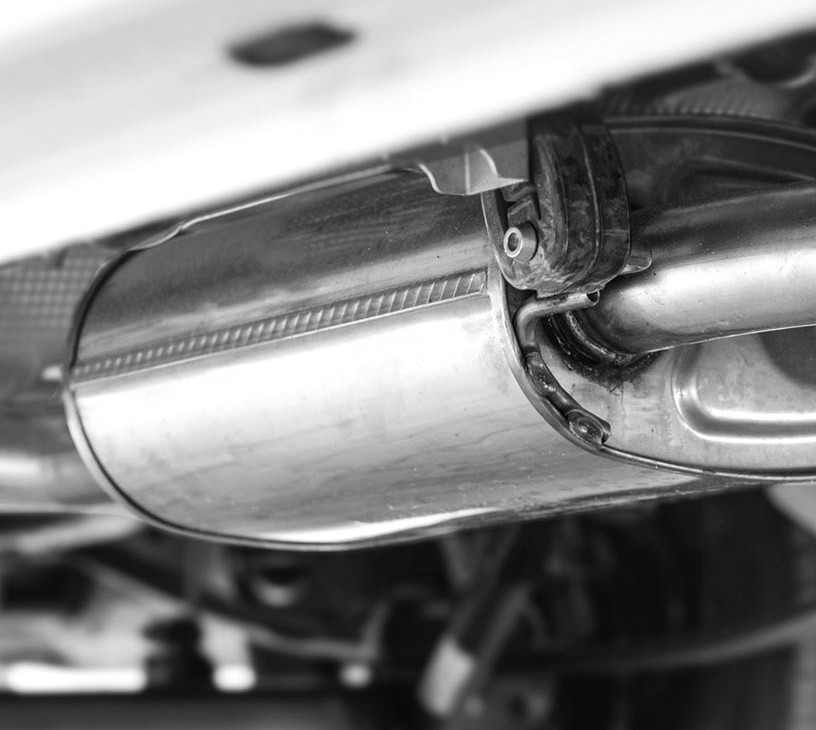


Two-wheeler Catalytic Converter Market Size 2026-2030
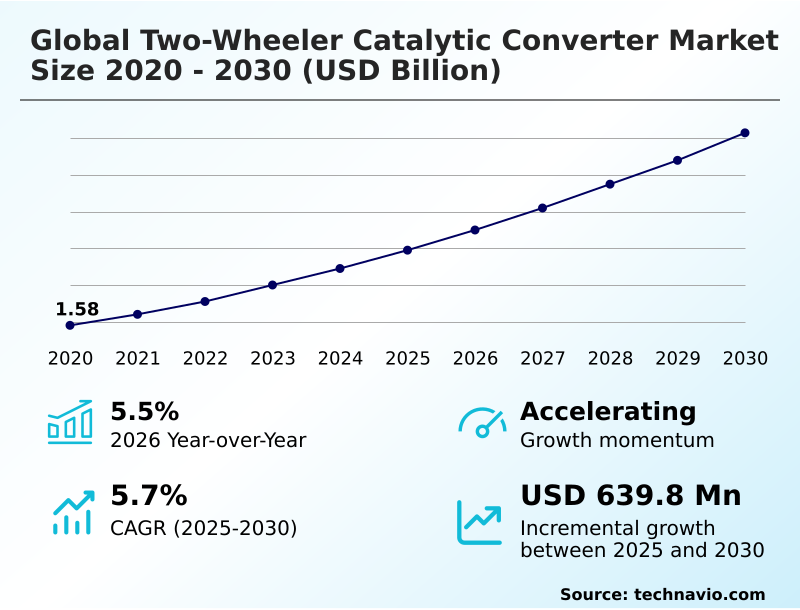
The two-wheeler catalytic converter market size is valued to increase by USD 639.8 million, at a CAGR of 5.7% from 2025 to 2030. Implementation of next-generation emission standards and real-time monitoring will drive the two-wheeler catalytic converter market.
Major Market Trends & Insights
- APAC dominated the market and accounted for a 56.5% growth during the forecast period.
- By Application - Entry level segment was valued at USD 1.84 billion in 2024
- By Product - Palladium segment accounted for the largest market revenue share in 2024
Market Size & Forecast
- Market Opportunities: USD 1.06 billion
- Market Future Opportunities: USD 639.8 million
- CAGR from 2025 to 2030 : 5.7%
Market Summary
- The two-wheeler catalytic converter market is fundamentally shaped by the global mandate for cleaner air and stricter environmental regulations. This has transformed the catalytic converter from a simple passive component into a sophisticated, performance-critical element of the powertrain.
- Key market drivers include the implementation of stringent emission norms like euro 5 plus standards and bharat stage vi phase ii, which necessitate advanced technologies such as on-board diagnostics (obd) ii for real-time monitoring. Concurrently, the industry is pursuing material innovation, exploring advanced catalytic substrates and wash-coat formulations to reduce reliance on volatile precious group metals (pgms).
- For instance, a manufacturer must now engineer a system that not only meets tailpipe limits but also maintains efficiency over a 20,000-kilometer durability cycle, a challenge compounded by the rise of alternative fuel powertrains.
- This dynamic environment is further pressured by the long-term threat of electrification and immediate supply chain challenges, forcing a strategic focus on cost optimization and technological resilience to sustain the viability of the internal combustion engine.
What will be the Size of the Two-wheeler Catalytic Converter Market during the forecast period?
Get Key Insights on Market Forecast (PDF) Get Free Sample
How is the Two-wheeler Catalytic Converter Market Segmented?
The two-wheeler catalytic converter industry research report provides comprehensive data (region-wise segment analysis), with forecasts and estimates in "USD million" for the period 2026-2030, as well as historical data from 2020-2024 for the following segments.
- Application
- Entry level
- Mid-size
- Full size
- Product
- Palladium
- Platinum
- Others
- Product type
- Three-way
- Two-way
- Geography
- APAC
- India
- China
- Indonesia
- North America
- US
- Canada
- Mexico
- Europe
- Germany
- UK
- France
- South America
- Brazil
- Argentina
- Colombia
- Middle East and Africa
- South Africa
- UAE
- Saudi Arabia
- Rest of World (ROW)
- APAC
By Application Insights
The entry level segment is estimated to witness significant growth during the forecast period.
The entry-level segment is undergoing a significant transformation, moving beyond basic compliance to adopt advanced emission control technologies. A key driver is the need to meet stringent standards, necessitating the use of advanced three-way catalytic converters even in cost-sensitive models.
These systems, featuring a rhodium reduction catalyst, are essential for managing emissions in a stoichiometric gasoline engine. Innovations are focused on achieving rapid light-off temperature and optimizing performance in lean-burn conditions, which improves fuel efficiency.
The introduction of dual-fuel platforms has created demand for catalysts that perform across different fuel types.
This technological shift is critical in regions like APAC, which represents over 56% of the market opportunity, where price sensitivity must be balanced with the need for roadworthiness certification and minimizing future warranty claims.
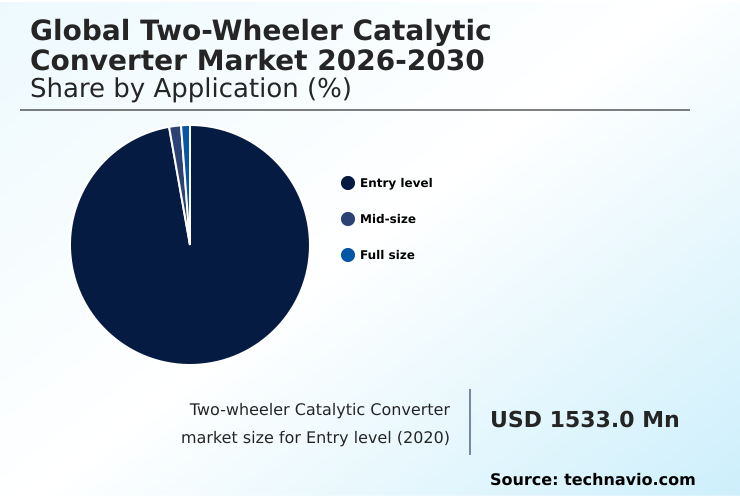
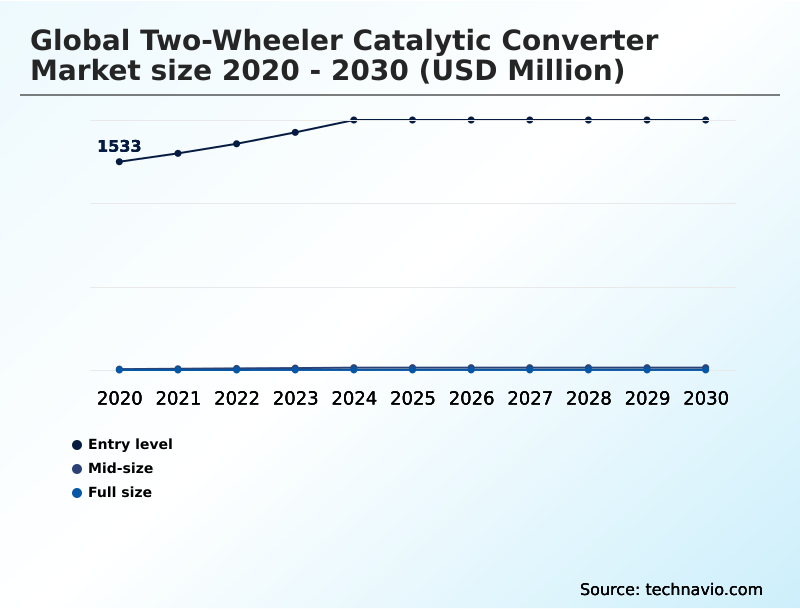
The Entry level segment was valued at USD 1.84 billion in 2024 and showed a gradual increase during the forecast period.
Regional Analysis
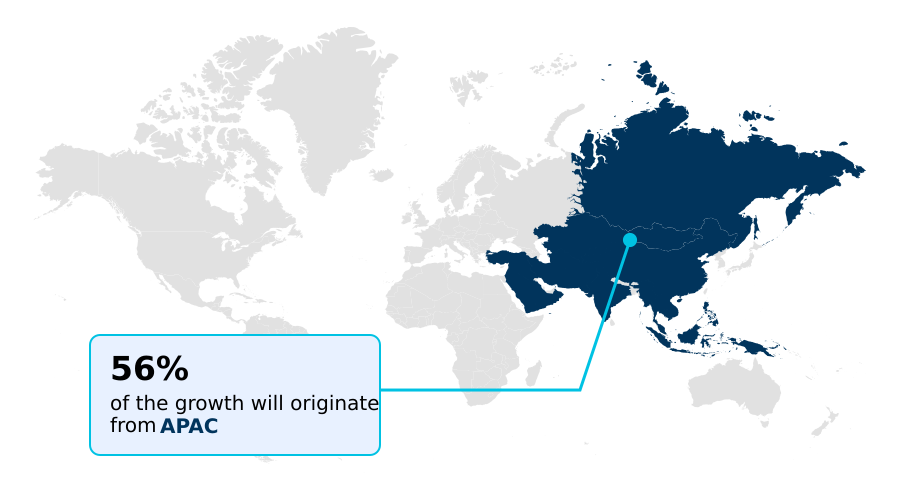
APAC is estimated to contribute 56.5% to the growth of the global market during the forecast period.Technavio’s analysts have elaborately explained the regional trends and drivers that shape the market during the forecast period.
See How Two-wheeler Catalytic Converter Market Demand is Rising in APAC Get Free Sample
The geographic landscape is dominated by the APAC region, which accounts for over 56% of the market's incremental growth, driven by high-volume production and the enforcement of stringent norms like bharat stage vi phase ii.
In these developing markets, the focus is on cost-effective compliance, transitioning from traditional ceramic monoliths to more efficient systems that can handle diverse alternative fuel powertrains and their unique exhaust gas composition.
In contrast, markets in Europe and North America prioritize performance, leading to the adoption of high-flow catalytic converters using metallic substrates made from materials like ferritic stainless steel.
This regional divergence in demand influences exhaust system architecture and material optimization strategies. For instance, addressing urban air pollution through low-emission zones in Europe necessitates different technological solutions than managing biofuel exhaust corrosion or high-altitude engine operation in South America.
Market Dynamics
Our researchers analyzed the data with 2025 as the base year, along with the key drivers, trends, and challenges. A holistic analysis of drivers will help companies refine their marketing strategies to gain a competitive advantage.
- The strategic landscape for the two-wheeler catalytic converter market is increasingly defined by targeted engineering solutions. Navigating the complex euro 5 plus obd ii requirements has become a baseline for competing in developed markets, compelling a deeper focus on the intricacies of catalyst design.
- The debate over metallic vs ceramic substrate performance continues, with high-flow converters for performance motorcycles increasingly favoring metallic options for better thermal management in compact exhaust systems. Simultaneously, cost pressures in emerging markets are accelerating innovation in pgm thrifting in wash-coat nanotechnology, with some manufacturers achieving a 15% reduction in noble metal loading without sacrificing performance.
- This is critical for developing cost-effective compliance for entry-level scooters. A significant growth area lies in specialized catalyst solutions for ethanol blend fuels and catalytic converters for cng motorcycles, which involves managing methane slip in dual-fuel engines. These alternative fuels require unique strategies for reducing palladium dependency and addressing challenges like hydrothermal aging in biofuel converters.
- The need for enhanced catalyst durability for ride-hailing fleets and specialized exhaust after-treatment for boxer engines or adventure motorcycles further fragments the market. Success hinges on mastering these niches, from integrating lambda sensors with the ecu to recycling precious metals from spent catalysts, as sourcing instability can swing input costs by over 30% in a single fiscal quarter.
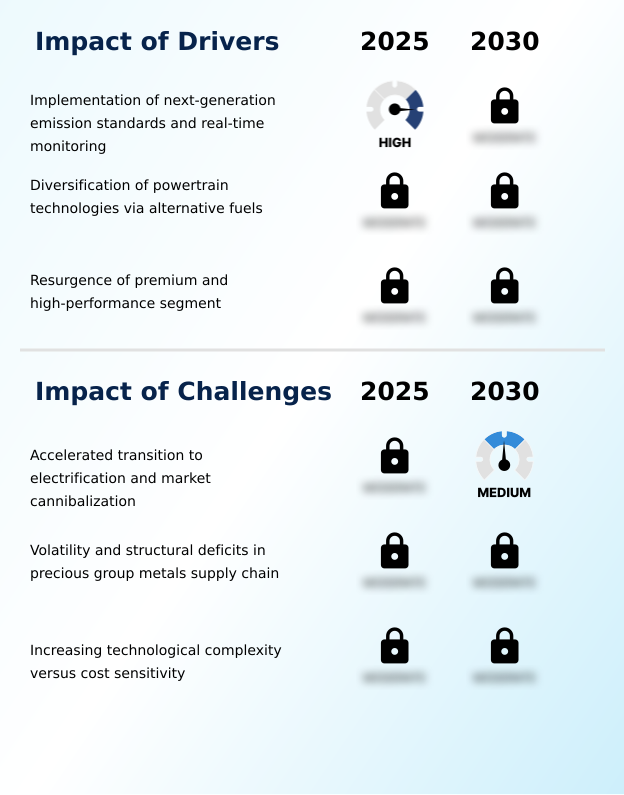
What are the key market drivers leading to the rise in the adoption of Two-wheeler Catalytic Converter Industry?
- The implementation of next-generation emission standards, coupled with mandates for real-time performance monitoring, serves as a primary market driver.
- Market expansion is overwhelmingly driven by regulatory mandates that elevate the technological baseline for all manufacturers. The implementation of euro 5 plus standards and similar real-time driving emission norms has made advanced on-board diagnostics (obd) ii a standard feature.
- This requires a complex system of lambda sensors and closed-loop control systems integrated with the engine control unit, transforming the emission control device into a monitored, intelligent component.
- The focus on catalyst durability monitoring and reducing cold-start emissions has intensified, with new testing cycles penalizing cold-start emissions up to 30% more than previous standards.
- This ensures the entire internal combustion ecosystem, including aftermarket exhaust systems, must meet a higher standard of environmental compliance. Consequently, the homologation process has become more rigorous, solidifying demand for high-value converters that can perform reliably throughout the vehicle's lifecycle.
What are the market trends shaping the Two-wheeler Catalytic Converter Industry?
- A strategic shift toward metallic substrates is reshaping high-performance applications. This trend addresses demands for reduced back pressure and faster light-off times under stringent emission norms.
- Key market trends are centered on material science and chemical engineering to balance cost, performance, and compliance. The aggressive pursuit of pgm thrifting is paramount, with nanotechnology integration enabling sophisticated dispersion techniques that prevent particle agglomeration and maximize the efficiency of precious noble metals.
- This focus on material optimization has become a key competitive differentiator, driving investment in advanced wash-coat chemistries using stabilizers like ceria-zirconia oxides. Such innovations allow for the substitution of more expensive metals, enhancing supply chain resilience against procurement challenges.
- These strategies improve the bill of materials cost, with advanced formulations reducing precious metal needs by up to 20% without impacting environmental compliance. This trend extends beyond traditional cordierite substrates to include non-standard catalyst chemistries designed for emerging fuel types.
What challenges does the Two-wheeler Catalytic Converter Industry face during its growth?
- The accelerated transition to electrification presents a key challenge, leading to market cannibalization of internal combustion engine components.
- The market faces significant challenges from both technological transitions and supply chain vulnerabilities. The proliferation of battery-electric vehicles, accelerated by government subsidies, poses a long-term existential threat by eliminating the need for any exhaust after-treatment system.
- In the immediate term, the reliance on precious group metals (pgms) creates acute financial risk due to price volatility, which can alter production costs by over 40% in a few months. This is compounded by the technological sophistication required to meet modern standards, such as developing methane-oxidation catalysts to prevent methane slip in new fuel types.
- Ensuring robust mechanical shock resistance and high thermal conductivity in compact designs adds another layer of engineering complexity, making it difficult to balance performance with the extreme price sensitivity of high-volume segments.
Exclusive Technavio Analysis on Customer Landscape
The two-wheeler catalytic converter market forecasting report includes the adoption lifecycle of the market, covering from the innovator’s stage to the laggard’s stage. It focuses on adoption rates in different regions based on penetration. Furthermore, the two-wheeler catalytic converter market report also includes key purchase criteria and drivers of price sensitivity to help companies evaluate and develop their market growth analysis strategies.
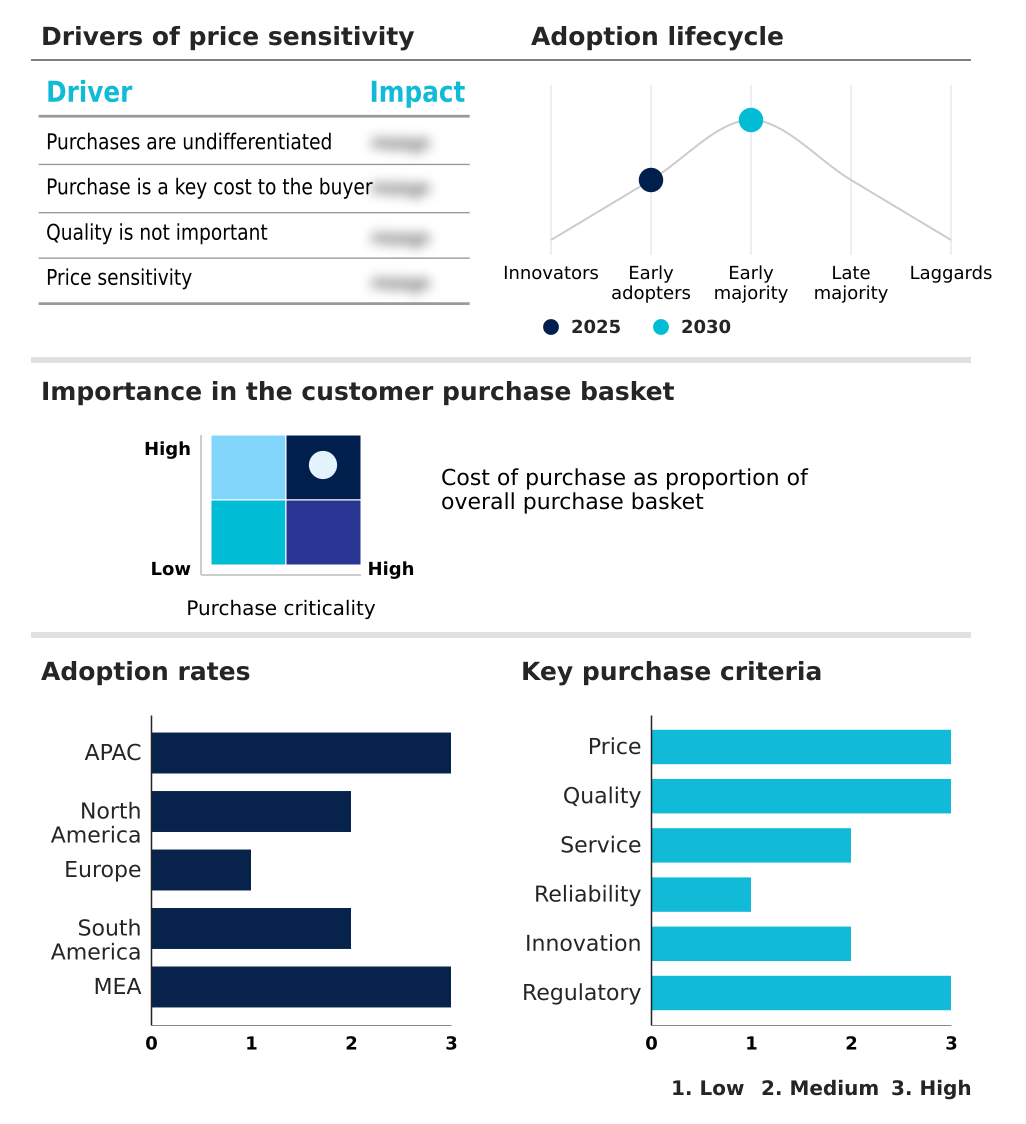
Customer Landscape of Two-wheeler Catalytic Converter Industry
Competitive Landscape
Companies are implementing various strategies, such as strategic alliances, two-wheeler catalytic converter market forecast, partnerships, mergers and acquisitions, geographical expansion, and product/service launches, to enhance their presence in the industry.
Akrapovic d.d. - Specializes in high-performance motorcycle exhaust systems featuring integrated catalyst technology, targeting premium and racing segments for enhanced power and emission compliance.
The industry research and growth report includes detailed analyses of the competitive landscape of the market and information about key companies, including:
- Akrapovic d.d.
- AP Exhaust Technologies Inc.
- BASF SE
- Bosal Nederland BV
- Continental AG
- Corning Inc.
- DENSO Corp.
- Eberspacher Gruppe GmbH
- Faurecia SE
- Futaba Corp.
- HJS Emission Technology GmbH
- Johnson Matthey Plc
- Katcon SA de CV
- Marelli Holdings Co. Ltd.
- Munjal Auto Industries Ltd.
- Scorpion Exhausts Ltd.
- Tenneco Inc.
- Umicore SA
- Yutaka Giken Co., Ltd.
Qualitative and quantitative analysis of companies has been conducted to help clients understand the wider business environment as well as the strengths and weaknesses of key industry players. Data is qualitatively analyzed to categorize companies as pure play, category-focused, industry-focused, and diversified; it is quantitatively analyzed to categorize companies as dominant, leading, strong, tentative, and weak.
Recent Development and News in Two-wheeler catalytic converter market
- In October 2024, Schaeffler AG completed its merger with Vitesco Technologies, integrating expertise in sensing and actuation technologies vital for managing exhaust gas after-treatment systems.
- In January 2025, the Vietnamese government enforced Level 3 emission standards, mandating that newly manufactured two-wheelers meet exhaust limits equivalent to Euro 3, driving demand for more efficient three-way systems.
- In April 2025, Umicore's Catalysis Business Group reported strong performance, confirming a strategy to maximize cash flow from the internal combustion engine sector by focusing on its Automotive Catalysts unit.
- In May 2025, the World Platinum Investment Council's quarterly analysis highlighted a persistent structural deficit in the palladium supply chain, reinforcing the industry's need to substitute with platinum to mitigate costs.
Dive into Technavio’s robust research methodology, blending expert interviews, extensive data synthesis, and validated models for unparalleled Two-wheeler Catalytic Converter Market insights. See full methodology.
| Market Scope | |
|---|---|
| Page number | 293 |
| Base year | 2025 |
| Historic period | 2020-2024 |
| Forecast period | 2026-2030 |
| Growth momentum & CAGR | Accelerate at a CAGR of 5.7% |
| Market growth 2026-2030 | USD 639.8 million |
| Market structure | Fragmented |
| YoY growth 2025-2026(%) | 5.5% |
| Key countries | India, China, Indonesia, Vietnam, Thailand, Australia, US, Canada, Mexico, Germany, UK, France, Italy, Spain, The Netherlands, Brazil, Argentina, Colombia, South Africa, Egypt, UAE, Saudi Arabia and Morocco |
| Competitive landscape | Leading Companies, Market Positioning of Companies, Competitive Strategies, and Industry Risks |
Research Analyst Overview
- The two-wheeler catalytic converter market is defined by a critical tension between regulatory mandates and material science innovation. The enforcement of euro 5 plus standards and bharat stage vi phase ii has elevated the emission control device from a commodity to a sophisticated component requiring a closed-loop control system with lambda sensors and a dedicated engine control unit.
- This necessitates advanced catalytic substrates, including both traditional cordierite and high-performance metallic substrates made of ferritic stainless steel, which offer superior thermal conductivity and mechanical shock resistance. Boardroom decisions now center on balancing the high cost of precious group metals (pgms) with compliance.
- This has ignited a race in wash-coat formulations, leveraging ceria-zirconia oxides and nanotechnology integration to enable pgm thrifting and reduce particle agglomeration. Specialized methane-oxidation catalysts for alternative fuel powertrains and high-flow catalytic converters for performance segments represent key growth verticals.
- With advanced wash-coat formulations reducing PGM loading by up to 25%, companies are mitigating sourcing risks while meeting stringent real-time driving emission targets and achieving a rapid light-off temperature.
What are the Key Data Covered in this Two-wheeler Catalytic Converter Market Research and Growth Report?
-
What is the expected growth of the Two-wheeler Catalytic Converter Market between 2026 and 2030?
-
USD 639.8 million, at a CAGR of 5.7%
-
-
What segmentation does the market report cover?
-
The report is segmented by Application (Entry level, Mid-size, and Full size), Product (Palladium, Platinum, and Others), Product Type (Three-way, and Two-way) and Geography (APAC, North America, Europe, South America, Middle East and Africa)
-
-
Which regions are analyzed in the report?
-
APAC, North America, Europe, South America and Middle East and Africa
-
-
What are the key growth drivers and market challenges?
-
Implementation of next-generation emission standards and real-time monitoring, Accelerated transition to electrification and market cannibalization
-
-
Who are the major players in the Two-wheeler Catalytic Converter Market?
-
Akrapovic d.d., AP Exhaust Technologies Inc., BASF SE, Bosal Nederland BV, Continental AG, Corning Inc., DENSO Corp., Eberspacher Gruppe GmbH, Faurecia SE, Futaba Corp., HJS Emission Technology GmbH, Johnson Matthey Plc, Katcon SA de CV, Marelli Holdings Co. Ltd., Munjal Auto Industries Ltd., Scorpion Exhausts Ltd., Tenneco Inc., Umicore SA and Yutaka Giken Co., Ltd.
-
Market Research Insights
- Market dynamics are defined by a complex interplay between regulatory pressure and technological adaptation. The imperative for environmental compliance drives the evolution of exhaust system architecture, with a focus on improving catalyst durability monitoring to meet stringent new standards. This has a direct impact on operational planning, as systems designed to reduce cold-start emissions by 40% require significant R&D investment.
- Simultaneously, supply chain resilience is a critical concern, with procurement challenges forcing a strategic shift in material optimization. For example, reliance on a single-source PGM can increase bill of materials cost by over 25% during periods of geopolitical instability.
- As a result, the development of non-standard catalyst chemistries is not just an innovation but a strategic necessity, where the growth opportunity in APAC is nearly three times larger than in North America.
We can help! Our analysts can customize this two-wheeler catalytic converter market research report to meet your requirements.
 RIA -
RIA - 
