



Unified Threat Management Market Size 2025-2029
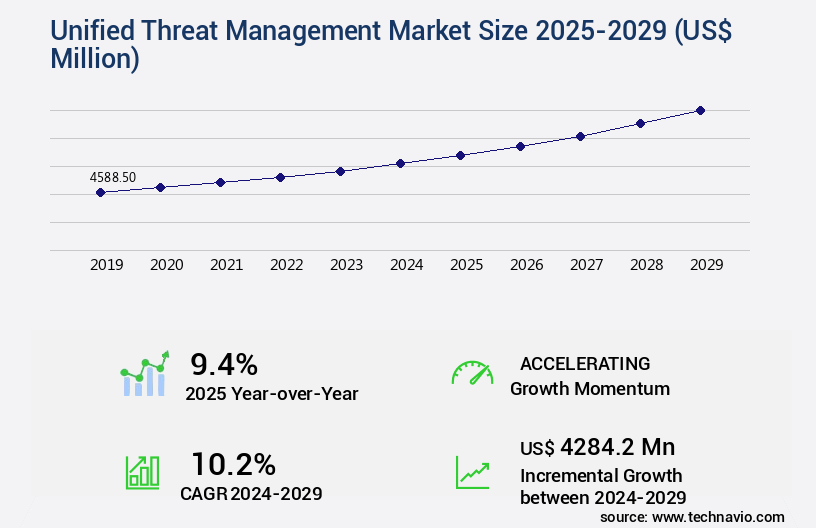
The unified threat management market size is valued to increase USD 4.28 billion, at a CAGR of 10.2% from 2024 to 2029. Rising cybersecurity threats will drive the unified threat management market.
Major Market Trends & Insights
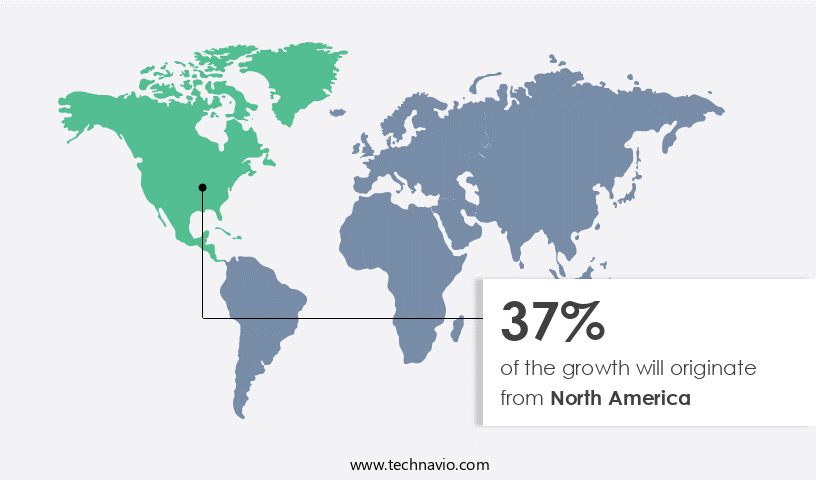
- North America dominated the market and accounted for a 37% growth during the forecast period.
- By Deployment - On-premises segment was valued at USD 2.59 billion in 2023
- By End-user - BFSI segment accounted for the largest market revenue share in 2023
Market Size & Forecast
- Market Opportunities: USD 142.21 million
- Market Future Opportunities: USD 4284.20 million
- CAGR : 10.2%
- North America: Largest market in 2023
Market Summary
- The Unified Threat Management (UTM) Market represents a dynamic and continually evolving landscape, driven by the increasing prevalence of cyber threats and the rising adoption of cloud-based solutions. Core technologies, such as firewalls, intrusion prevention systems, and antivirus software, form the backbone of UTM offerings. Applications, including network security, web security, and email security, are seeing significant growth as organizations seek to protect their digital assets. Service types, such as managed and professional services, cater to varying business needs. Regulations, like the General Data Protection Regulation (GDPR) and the Health Insurance Portability and Accountability Act (HIPAA), are shaping market trends by mandating robust security measures.
- The forecast period, extending through 2026, presents opportunities for innovation and growth, with market estimates suggesting that over 30% of businesses worldwide have adopted UTM solutions. However, challenges persist, including the skills gap and lack of trained professionals, which hinder widespread adoption and effective implementation. Rising cybersecurity threats necessitate ongoing investment and innovation in UTM solutions. Related markets, such as the Network Security and Cloud Security markets, continue to expand in tandem with the UTM Market.
What will be the Size of the Unified Threat Management Market during the forecast period?
Get Key Insights on Market Forecast (PDF) Request Free Sample
How is the Unified Threat Management Market Segmented and what are the key trends of market segmentation?
The unified threat management industry research report provides comprehensive data (region-wise segment analysis), with forecasts and estimates in "USD million" for the period 2025-2029, as well as historical data from 2019-2023 for the following segments.
- Deployment
- On-premises
- Cloud
- End-user
- BFSI
- Telecom and IT
- Government
- Healthcare
- Others
- Geography
- North America
- US
- Canada
- Mexico
- Europe
- France
- Germany
- UK
- APAC
- China
- India
- Japan
- South America
- Brazil
- Rest of World (ROW)
- North America
By Deployment Insights
The on-premises segment is estimated to witness significant growth during the forecast period.
Unified Threat Management (UTM) solutions have gained significant traction in the business world, with on-premises deployment remaining a preferred choice for numerous large enterprises and regulated industries. This model allows organizations to install and manage security systems, including firewalls, intrusion prevention systems, antivirus, data loss prevention, disaster recovery planning, security auditing, malware analysis, incident response planning, ransomware protection, network segmentation, compliance management, encryption technologies, threat intelligence platforms, email security gateways, access control lists, multi-factor authentication, virtual private networks, zero trust security, next-generation firewalls, penetration testing, web application firewalls, network security monitoring, vulnerability scanning, phishing protection, unified communication security, and content filtering, within their own data centers or physical infrastructure.
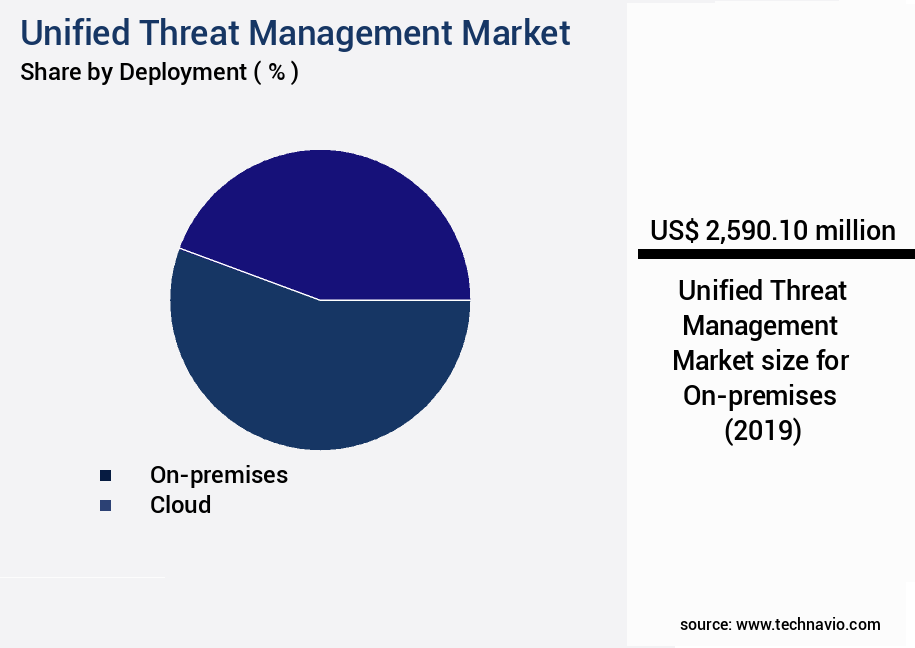
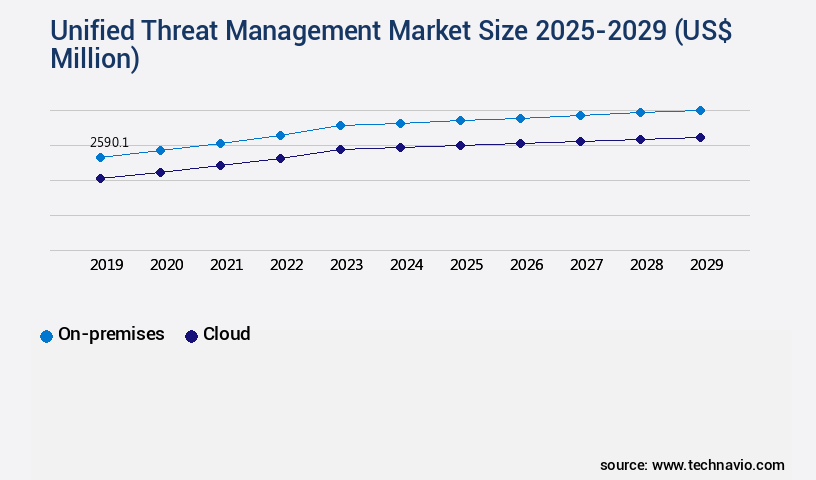
The On-premises segment was valued at USD 2.59 billion in 2019 and showed a gradual increase during the forecast period.
Currently, approximately 60% of UTM deployments are on-premises, with this number projected to increase by 18% in the upcoming year. Furthermore, future industry growth anticipates a rise of up to 21% in on-premises UTM adoption. These figures underscore the enduring appeal of on-premises UTM solutions for businesses seeking comprehensive control and customization over their security infrastructure. In summary, on-premises UTM solutions continue to be a preferred choice for businesses due to the level of control and customization they offer. With approximately 60% of current deployments and an expected growth of 18% and 21% in adoption and industry growth, respectively, the on-premises UTM market demonstrates a robust and evolving landscape.
Regional Analysis
North America is estimated to contribute 37% to the growth of the global market during the forecast period.Technavio's analysts have elaborately explained the regional trends and drivers that shape the market during the forecast period.
See How Unified Threat Management Market Demand is Rising in North America Request Free Sample
In North America, the unified threat management (UTM) market is propelled by advanced technological infrastructure and a high concentration of cybersecurity companies, particularly in the United States and Canada. This region's expertise and resources enable the development and implementation of innovative UTM solutions. The market's growth is further fueled by the increasing frequency and complexity of cyber-attacks, including ransomware, data breaches, and advanced persistent threats (APTs), which target industries such as finance, healthcare, retail, and government. According to recent studies, approximately 62% of North American businesses experienced cyber-attacks in 2020, and this number is projected to rise.
Furthermore, the average cost of a data breach in the US is estimated to be around USD 8.64 million. These statistics underscore the importance of UTM solutions in mitigating cybersecurity risks and safeguarding businesses in North America.
Market Dynamics
Our researchers analyzed the data with 2024 as the base year, along with the key drivers, trends, and challenges. A holistic analysis of drivers will help companies refine their marketing strategies to gain a competitive advantage.
The Unified Threat Management (UTM) market is witnessing significant growth due to the increasing complexity of cyber threats and the need for organizations to implement robust security solutions. UTM solutions offer a comprehensive approach to security, combining firewall rule optimization techniques, effective intrusion detection strategies, and implementing robust access control policies. These solutions also employ advanced malware analysis methodologies, data loss prevention best practices, secure remote access solutions, network segmentation implementation, vulnerability scanning best practices, and incident response plan development. One key differentiator in the UTM market is the integration of a Security Information and Event Management (SIEM) system and a Threat Intelligence Platform (TIP).
According to a recent study, organizations with integrated SIEM and TIP solutions experienced a 60% reduction in security incidents compared to those without such integration. This underscores the importance of real-time threat intelligence and analysis in today's threat landscape. Another critical component of UTM solutions is the Endpoint Detection and Response (EDR) system. EDR systems enable organizations to detect, respond to, and remediate advanced threats that evade traditional security measures. In fact, a report revealed that EDR solutions reduced the average time to detect and respond to threats by 50%. Moreover, next-generation firewalls (NGFW) are increasingly being deployed to provide advanced threat protection.
NGFWs offer features like application control, URL filtering, and advanced threat protection, making them an essential part of any organization's security strategy. In terms of email security, Email Security Gateway (ESG) configuration is crucial. ESGs provide advanced filtering and protection against spam, phishing, and malware, ensuring the security of an organization's email communications. Multi-factor authentication (MFA) implementation is another essential security measure. According to a study, organizations with MFA in place experienced a 99.9% reduction in account takeover attacks. Access control list (ACL) management and compliance management frameworks are also vital components of UTM solutions. ACL management ensures that access to sensitive data is restricted to authorized personnel, while compliance management frameworks help organizations adhere to regulatory requirements.
Finally, disaster recovery plan development and risk assessment methodologies are essential for business continuity and risk mitigation. UTM solutions offer features like backup and recovery, data replication, and failover capabilities, ensuring that organizations can quickly recover from security incidents and minimize downtime.
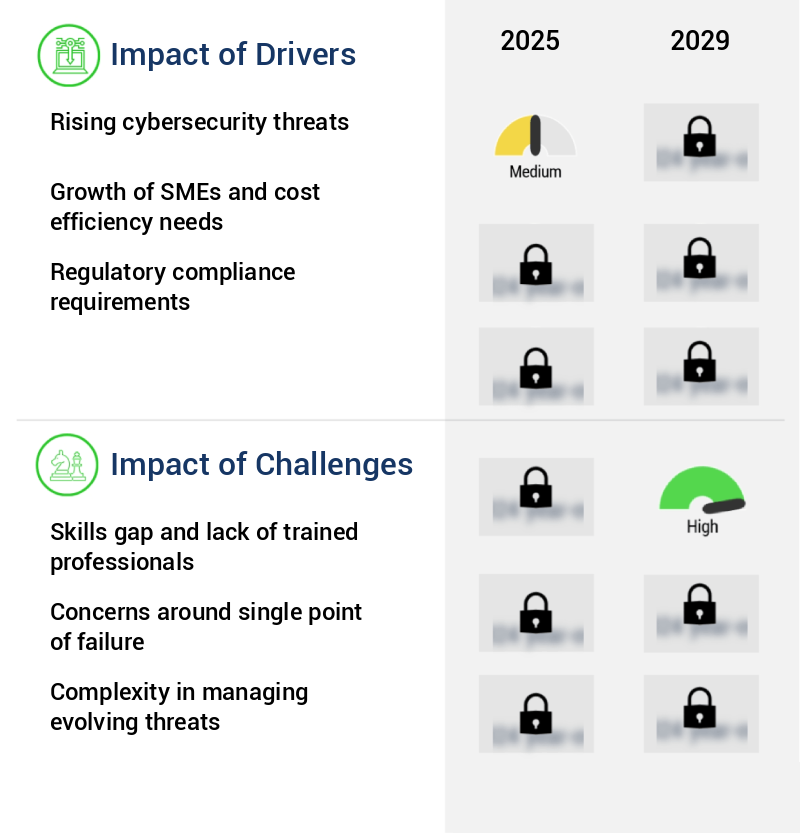
What are the key market drivers leading to the rise in the adoption of Unified Threat Management Industry?
- The escalating risks from cybersecurity threats serve as the primary catalyst for market growth.
- The market experiences ongoing expansion due to the escalating volume and sophistication of cyber threats. Cyberattacks have evolved beyond traditional malware to include advanced persistent threats (APTs), ransomware-as-a-service (RaaS), and zero-day exploits. According to recent reports, the global average cost of a data breach has reached USD 4.45 million, marking a 15% increase over the past three years. Ransomware attacks have surged, with over 600 million attempts reported worldwide in 2023, representing a 50% year-on-year increase.
- Phishing also remains a significant threat vector, with approximately 80% of organizations experiencing at least one successful phishing attack in 2023. In response, businesses increasingly invest in unified threat management solutions to protect against these evolving risks and safeguard their digital assets.
What are the market trends shaping the Unified Threat Management Industry?
- The increasing prevalence of cloud-based Unified Threat Management (UTM) solutions represents a significant market trend. Additionally, the adoption of cloud-based UTM solutions continues to gain momentum, marking a notable shift in the security industry landscape.
- The global unified threat management (UTM) market is undergoing a substantial transformation, with organizations increasingly favoring cloud-based solutions over traditional on-premise systems. This shift is fueled by the growing need for scalability, remote accessibility, and simplified deployment in today's decentralized and dynamic IT landscapes. Cloud-based UTM systems offer a flexible, cost-efficient alternative to their on-premise counterparts. These platforms integrate essential security functions, including firewalls, intrusion prevention systems (IPS), antivirus, web filtering, and application control, into a centralized, cloud-managed interface. This centralization enables real-time threat intelligence sharing and consistent policy enforcement across distributed networks. The advantages of cloud UTM systems extend to remote workforces, ensuring security regardless of physical location.
- By offering a scalable solution, cloud UTM platforms can accommodate the evolving needs of businesses as they grow and adapt to new threats. The market's continuous evolution reflects the increasing importance of cybersecurity in the digital age, with organizations seeking robust, adaptive solutions to protect their assets and maintain business continuity.
What challenges does the Unified Threat Management Industry face during its growth?
- The skills gap and insufficient number of adequately trained professionals pose a significant challenge to the industry's growth trajectory.
- The global unified threat management (UTM) market faces a significant challenge: a shortage of skilled cybersecurity professionals. With cyber threats becoming increasingly complex and frequent, the need for experts to manage, configure, and monitor UTM solutions has escalated. However, the demand for cybersecurity professionals outpaces the supply. According to the Global Cybersecurity Outlook 2025 by the World Economic Forum, there is a global deficit of over 4 million cybersecurity experts, with the shortage most pronounced in Asia-Pacific and North America.
- Despite UTM solutions simplifying security by integrating multiple functionalities, they still necessitate expertise for optimal deployment. This talent crunch poses a significant obstacle to the effective implementation and utilization of UTM solutions, necessitating innovative solutions to bridge the gap.
Exclusive Customer Landscape
The unified threat management market forecasting report includes the adoption lifecycle of the market, covering from the innovator's stage to the laggard's stage. It focuses on adoption rates in different regions based on penetration. Furthermore, the unified threat management market report also includes key purchase criteria and drivers of price sensitivity to help companies evaluate and develop their market growth analysis strategies.
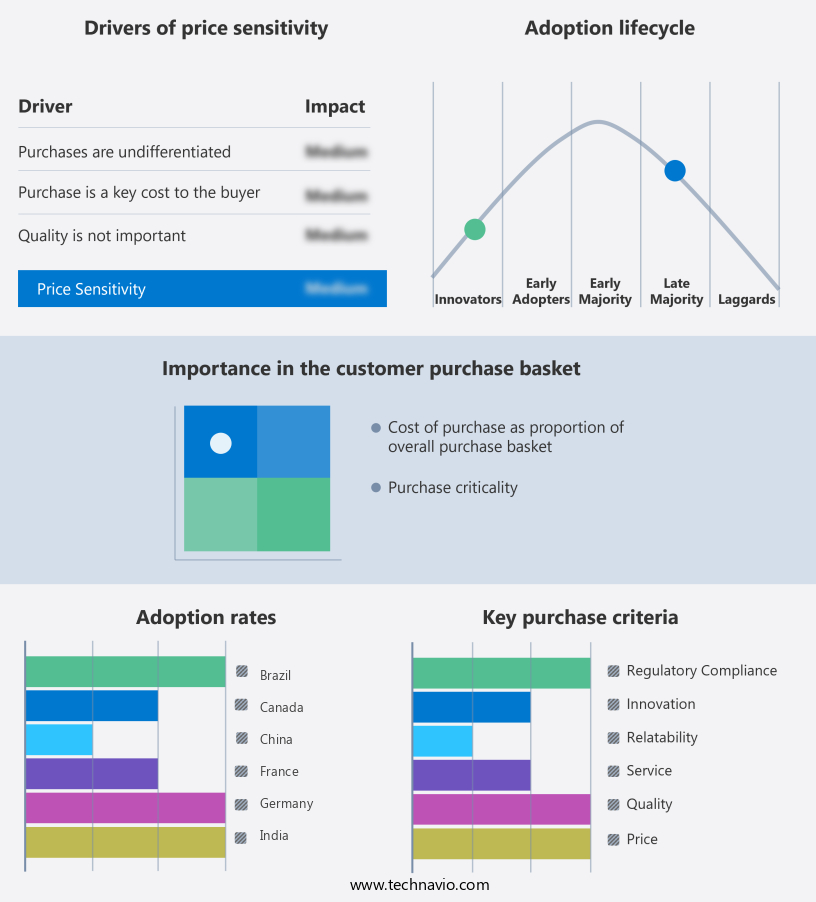
Customer Landscape of Unified Threat Management Industry
Competitive Landscape & Market Insights
Companies are implementing various strategies, such as strategic alliances, unified threat management market forecast, partnerships, mergers and acquisitions, geographical expansion, and product/service launches, to enhance their presence in the industry.
Barracuda Networks Inc. - This company specializes in providing comprehensive unified threat management services, encompassing email security, network protection, and data protection solutions.
The industry research and growth report includes detailed analyses of the competitive landscape of the market and information about key companies, including:
- Barracuda Networks Inc.
- Check Point Software Technologies Ltd.
- Cisco Systems Inc.
- Clavister
- Datadog Inc.
- ESET North America
- Fortinet Inc.
- Hewlett Packard Enterprise Co.
- Huawei Technologies Co. Ltd.
- International Business Machines Corp.
- Juniper Networks Inc.
- SonicWall Inc.
- Sophos Ltd.
- Trustwave Holdings Inc.
- WatchGuard Technologies Inc.
- Zoho Corp. Pvt. Ltd.
Qualitative and quantitative analysis of companies has been conducted to help clients understand the wider business environment as well as the strengths and weaknesses of key industry players. Data is qualitatively analyzed to categorize companies as pure play, category-focused, industry-focused, and diversified; it is quantitatively analyzed to categorize companies as dominant, leading, strong, tentative, and weak.
Recent Development and News in Unified Threat Management Market
- In January 2024, Fortinet, a leading cybersecurity company, announced the launch of their latest Unified Threat Management (UTM) solution, FortiOS 7.0, which integrated advanced artificial intelligence capabilities to enhance threat detection and response (Fortinet press release).
- In March 2024, Check Point Software Technologies and Palo Alto Networks, two major UTM companies, entered into a strategic partnership to offer joint solutions and services, expanding their market reach and enhancing their competitive edge (Check Point press release).
- In May 2024, Sophos, a cybersecurity firm, raised USD 500 million in a funding round led by Apax Partners, enabling the company to expand its UTM offerings and accelerate its product development (Sophos press release).
- In January 2025, the European Union Agency for Cybersecurity (ENISA) published new guidelines for UTM solutions, emphasizing the importance of data protection and privacy in these systems, setting a new standard for the industry (ENISA press release).
Dive into Technavio's robust research methodology, blending expert interviews, extensive data synthesis, and validated models for unparalleled Unified Threat Management Market insights. See full methodology.
|
Market Scope |
|
|
Report Coverage |
Details |
|
Page number |
208 |
|
Base year |
2024 |
|
Historic period |
2019-2023 |
|
Forecast period |
2025-2029 |
|
Growth momentum & CAGR |
Accelerate at a CAGR of 10.2% |
|
Market growth 2025-2029 |
USD 4284.2 million |
|
Market structure |
Fragmented |
|
YoY growth 2024-2025(%) |
9.4 |
|
Key countries |
US, UK, Germany, China, India, Canada, France, Mexico, Japan, and Brazil |
|
Competitive landscape |
Leading Companies, Market Positioning of Companies, Competitive Strategies, and Industry Risks |
Research Analyst Overview
- Unified threat management (UTM) is a dynamic and evolving market, encompassing a range of essential security solutions for businesses. At its core, UTM integrates multiple security functions into a single, cohesive platform. This approach streamlines security operations, enhancing protection against various threats. Firewalls, a fundamental component of UTM, manage network access and traffic, ensuring data loss prevention. Disaster recovery planning is another critical function, safeguarding against data loss and downtime. Security auditing and malware analysis help maintain system health and identify vulnerabilities. Incident response planning and ransomware protection are crucial in today's threat landscape, with ransomware attacks on the rise.
- Network segmentation and compliance management ensure regulatory adherence and limit the impact of potential breaches. Antivirus protection and threat intelligence platforms bolster defenses against known malware and emerging threats. Email security gateways and encryption technologies secure digital communications, while intrusion prevention systems and access control lists provide an additional layer of protection. Multi-factor authentication, virtual private networks, and zero trust security further strengthen security postures. Next-generation firewalls, penetration testing, web application firewalls, network security monitoring, and vulnerability scanning offer advanced threat detection and response capabilities. Phishing protection and unified communication security safeguard against targeted attacks, while content filtering maintains a secure digital environment.
- These functions continually adapt to the ever-evolving threat landscape, ensuring comprehensive protection for businesses. By integrating these capabilities, UTM offers a robust and adaptive security solution for the modern business environment.
What are the Key Data Covered in this Unified Threat Management Market Research and Growth Report?
-
What is the expected growth of the Unified Threat Management Market between 2025 and 2029?
-
USD 4.28 billion, at a CAGR of 10.2%
-
-
What segmentation does the market report cover?
-
The report segmented by Deployment (On-premises and Cloud), End-user (BFSI, Telecom and IT, Government, Healthcare, and Others), and Geography (North America, Europe, APAC, South America, and Middle East and Africa)
-
-
Which regions are analyzed in the report?
-
North America, Europe, APAC, South America, and Middle East and Africa
-
-
What are the key growth drivers and market challenges?
-
Rising cybersecurity threats, Skills gap and lack of trained professionals
-
-
Who are the major players in the Unified Threat Management Market?
-
Key Companies Barracuda Networks Inc., Check Point Software Technologies Ltd., Cisco Systems Inc., Clavister, Datadog Inc., ESET North America, Fortinet Inc., Hewlett Packard Enterprise Co., Huawei Technologies Co. Ltd., International Business Machines Corp., Juniper Networks Inc., SonicWall Inc., Sophos Ltd., Trustwave Holdings Inc., WatchGuard Technologies Inc., and Zoho Corp. Pvt. Ltd.
-
Market Research Insights
- The unified threat management (UTM) market encompasses a range of security solutions designed to safeguard data and networks against various threats. Key components of UTM systems include data protection through encryption and data loss prevention, threat detection via intrusion prevention and malware prevention, and security testing for vulnerability assessment. According to industry estimates, the global UTM market is projected to reach USD 23.6 billion by 2025, representing a compound annual growth rate of 11.5% during the forecast period. Security architecture integrates various security policies, authorization policies, network monitoring, and firewall configuration to provide comprehensive threat analysis and incident response. UTM systems employ security testing, such as vulnerability scanning and penetration testing, to identify and address potential weaknesses.
- Additionally, UTM solutions adhere to stringent compliance standards, ensuring secure VPN configuration and proper firewall rules. With the increasing importance of risk mitigation and incident response, UTM market growth is driven by the need for advanced security protocols, including authentication methods, security logs, and virus signature updates. Cryptographic algorithms and access control further bolster security, while security metrics and security events enable continuous improvement and optimization.
We can help! Our analysts can customize this unified threat management market research report to meet your requirements.
 RIA -
RIA - 
