



Vacuum Blood Collection Tube Market Size 2024-2028
The vacuum blood collection tube market size is forecast to increase by USD 905.3 million, at a CAGR of 7.3% between 2023 and 2028.
- The market is driven by the increasing prevalence of chronic conditions, leading to a heightened demand for regular blood tests. Home blood collection is an emerging trend in this market, as patients prefer the convenience and safety of collecting samples in their own environment. However, the market faces significant challenges. The shortage of trained professionals to collect and process blood samples efficiently and accurately poses a significant obstacle. Ensuring the integrity of the blood samples during transportation and storage is another challenge, as vacuum blood collection tubes must maintain specific temperature conditions to preserve sample quality. Companies in this market must address these challenges to capitalize on the growing demand for vacuum blood collection tubes and provide reliable, efficient, and accurate solutions to healthcare providers and patients.
- Effective strategies for addressing these challenges include investing in training programs for healthcare professionals, developing advanced temperature-controlled transportation and storage solutions, and collaborating with healthcare organizations to streamline the blood collection process.
What will be the Size of the Vacuum Blood Collection Tube Market during the forecast period?
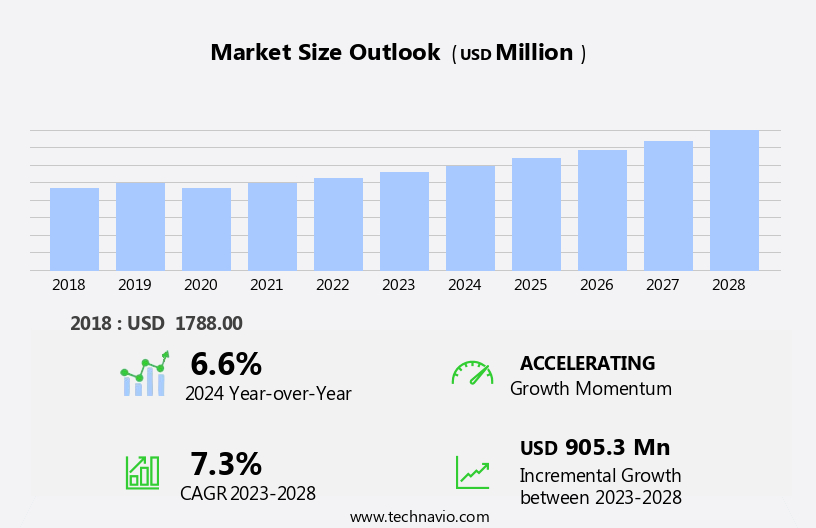
Explore in-depth regional segment analysis with market size data - historical 2018-2022 and forecasts 2024-2028 - in the full report.
Request Free Sample
The market is characterized by continuous evolution and dynamic market activities. This market caters to various sectors, including clinical laboratories and diagnostic centers, requiring efficient and reliable blood specimen collection. The market's focus is on ensuring closure system integrity and blood specimen integrity during transportation and storage. Vacuum pressure regulation plays a crucial role in maintaining optimal blood collection efficiency and preventing leakage. Quality control metrics are essential to ensure sample stability and accuracy during centrifugation. Centrifugation parameters, such as speed and duration, significantly impact the separation of plasma and serum. Vacuum tube additives, including EDTA anticoagulants and sodium citrate, influence clot activation time and hematocrit levels.
Pre-analytical variables, such as tube labeling standards and sterilization validation, are critical to maintaining sample integrity and ensuring safety in blood collection. Leakage prevention methods and material compatibility are essential considerations in the manufacturing process. Clot activator efficacy and additive degradation rates are essential factors in clot formation kinetics and additive interaction effects. Plasma separation technology and coagulation studies are ongoing areas of research and development in the market. The market's focus on innovation and improving blood collection safety continues to unfold, with ongoing advancements in tube size standardization, clot formation kinetics, and anticoagulant properties. The vacuum tube market's continuous evolution reflects the ever-changing needs of the clinical laboratory workflow and the importance of maintaining sample integrity throughout the specimen processing workflow.
How is this Vacuum Blood Collection Tube Industry segmented?
The vacuum blood collection tube industry research report provides comprehensive data (region-wise segment analysis), with forecasts and estimates in "USD million" for the period 2024-2028, as well as historical data from 2018-2022 for the following segments.
- Product
- Serum separating tubes
- EDTA tubes
- Heparin tubes
- ESR tubes
- Glucose tubes
- Geography
- North America
- US
- Canada
- Europe
- Germany
- UK
- APAC
- China
- Rest of World (ROW)
- North America
By Product Insights
The serum separating tubes segment is estimated to witness significant growth during the forecast period.
Serum-separating vacuum tubes are essential in clinical laboratories for performing medical diagnostic tests on blood serum. These tubes feature a unique gel that facilitates the separation of blood cells from the serum during centrifugation. The blood sample's integrity is crucial during this process to ensure accurate measurement of drug or hormone levels. Sterilization validation and tube manufacturing processes ensure the tubes' closure system integrity and material compatibility. EDTA anticoagulation and sodium citrate function maintain blood specimen integrity and prevent clotting. Leakage prevention methods and vacuum pressure regulation ensure sample stability during transport and processing. Quality control metrics and centrifugation parameters are critical factors in blood collection efficiency and sample stability.
Vacuum tube additives, such as clot activators and serum separator gels, impact clot activation time and clot formation kinetics. Additive interaction effects and anticoagulant properties influence the additive concentration levels and coagulation studies. Plasma separation technology and additive degradation rate are essential factors in maintaining sample stability metrics. Tube size standardization ensures consistency and compatibility with various centrifuges and clinical laboratory workflows. Clot activator efficacy and material compatibility are crucial for maintaining sample integrity and preventing hemolysis. Pre-analytical variables, such as hematocrit influence, must be considered to ensure accurate test results. The evolving market trends prioritize vacuum tube innovation, focusing on improving blood collection safety, sample processing workflow, and reducing pre-analytical variability.
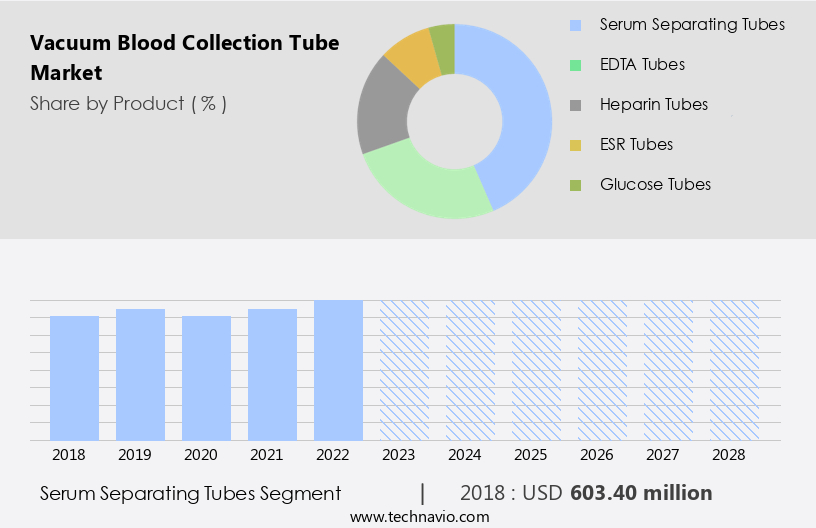
The Serum separating tubes segment was valued at USD 603.40 million in 2018 and showed a gradual increase during the forecast period.
Regional Analysis
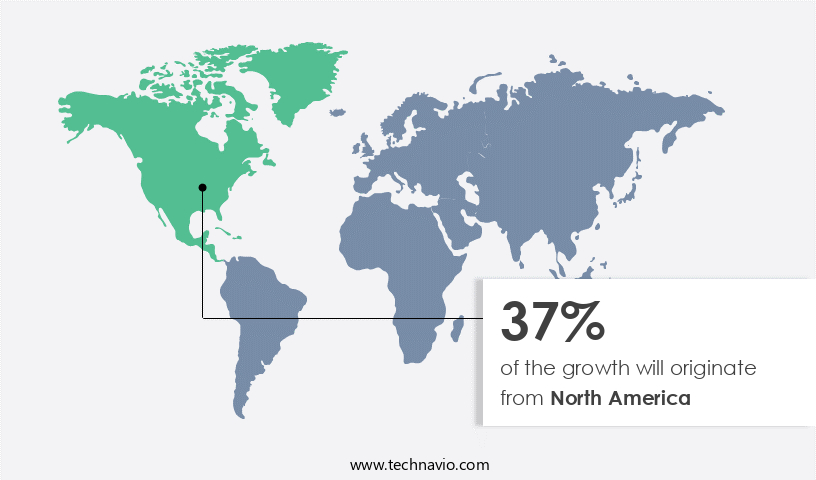
North America is estimated to contribute 37% to the growth of the global market during the forecast period. Technavio's analysts have elaborately explained the regional trends and drivers that shape the market during the forecast period.
The market is driven by stringent tube labeling standards and sterilization validation requirements to ensure blood specimen integrity and safety. In the US and Canada, where the awareness of blood safety and transfusion-transmitted infections is high, the need for efficient and reliable blood collection solutions is paramount. The high rate of blood transfusions in these countries, with an estimated 4.5 million individuals undergoing the procedure annually, fuels the demand for vacuum blood collection tubes. EDTA anticoagulation and sodium citrate function play crucial roles in maintaining blood cell preservation during collection and transport. The evacuated tube system streamlines the sample processing workflow, while leakage prevention methods and closure system integrity ensure sample stability.
Vacuum pressure regulation and quality control metrics are essential for blood collection efficiency and accurate test results. Vacuum tube additives, such as clot activators and serum separator gels, influence coagulation studies and plasma separation technology. Material compatibility and additive degradation rate are critical factors in maintaining sample stability metrics. Tube size standardization and centrifugation parameters ensure consistent results in clinical laboratory workflows. Clot activation time, hematocrit influence, and pre-analytical variables are essential considerations in the tube manufacturing process. Anticoagulant properties and additive interaction effects impact clot formation kinetics and clot activator efficacy. The market is continually evolving to address these challenges and improve the overall efficiency and safety of blood collection and testing processes.
Market Dynamics
Our researchers analyzed the data with 2023 as the base year, along with the key drivers, trends, and challenges. A holistic analysis of drivers will help companies refine their marketing strategies to gain a competitive advantage.
The market is driven by the increasing demand for efficient and reliable blood sampling techniques in clinical laboratories. Vacuum tubes are widely used due to their ability to minimize pre-analytical errors and ensure consistent sample quality. Vacuum tube additive compatibility testing is crucial to ensure accurate test results, as the addition of various additives can impact the performance of serum separator gels and the biocompatibility of the tube material. Blood collection tube manufacturing standards, including material biocompatibility and sterilization methods, play a significant role in maintaining sample integrity. Anticoagulants used in blood collection tubes can influence blood cell morphology, and the optimal centrifugation speed is essential to minimize hemolysis. Vacuum tube quality control measures, such as assessing closure system integrity and reducing pre-analytical errors, are also critical to ensuring accurate test results. The impact of storage temperature on sample integrity and vacuum tube additive degradation effects on test results are significant concerns in the market. Clinical laboratory procedures using vacuum blood tubes require validation of sterilization methods and optimization of workflows for improved efficiency. Comparison of different anticoagulants in blood collection tubes and minimizing hemolysis during blood collection are ongoing areas of research. Vacuum tube design and its impact on sample quality, regulatory compliance for manufacturing blood collection tubes, and minimizing pre-analytical errors are key considerations for market research reports in the market. Overall, the market is continually evolving to meet the demands of clinical laboratories for efficient, reliable, and accurate blood sampling techniques.
What are the key market drivers leading to the rise in the adoption of Vacuum Blood Collection Tube Industry?
- The rising prevalence of chronic conditions serves as the primary market driver, significantly expanding its scope and demand.
- Vacuum blood collection tubes play a crucial role in diagnosing various severe and chronic conditions, including cancer, cardiovascular diseases, and neurological disorders. The rising prevalence of these diseases globally is projected to fuel the demand for vacuum blood collection tubes, thereby propelling the market's expansion during the forecast period. According to the International Agency for Research on Cancer, the age-adjusted rate of new cancer cases in 2020 was 193,000 per day.
- Likewise, the American Heart Association estimates that approximately 92.1 million adults in the United States have some form of cardiovascular disease. The need for accurate and efficient blood collection methods to diagnose and monitor these conditions is paramount, making vacuum blood collection tubes an indispensable tool in healthcare.
What are the market trends shaping the Vacuum Blood Collection Tube Industry?
- The collection of blood samples from home is currently gaining popularity as a market trend. This approach offers convenience and flexibility for individuals, making it an attractive option in healthcare services.
- The market has seen significant growth due to the increased demand for home blood collection during the COVID-19 pandemic. With the reduction in healthcare facility visits for non-critical diseases, contactless blood collection has become a preferred option to minimize the risk of infection and contamination. Pathology laboratories and diagnostic centers have responded by initiating home blood collection services. Companies have launched home blood collection devices, such as the one introduced by a Seattle-based startup, Tasso, in November 2020. Sterilization validation and tube labeling standards are crucial considerations in the market. The use of EDTA anticoagulation and evacuated tube systems is common to preserve blood cell integrity during transportation and processing.
- Sodium citrate function plays a vital role in the coagulation process. Sample processing workflow and leakage prevention methods are essential to ensure accurate and reliable test results. Innovations in the market include advanced technologies for sterilization and labeling, as well as improvements in the design of evacuated tubes to enhance sample collection and transportation. These advancements contribute to the efficiency and accuracy of the blood collection and testing process. The market's growth is driven by the increasing demand for home blood collection, the need for efficient and accurate sample processing, and the importance of maintaining sterile and labeled tubes to ensure patient safety and test accuracy.
What challenges does the Vacuum Blood Collection Tube Industry face during its growth?
- The shortage of proficient professionals poses a significant challenge to the industry's growth trajectory.
- In the realm of blood testing, maintaining closure system integrity and blood specimen integrity are paramount for accurate results. Vacuum pressure regulation plays a crucial role in ensuring these aspects, as it influences the quality of the blood specimen during collection. With the emphasis on improving blood collection efficiency and optimizing centrifugation parameters, vacuum tube additives have gained popularity for their role in clot activation and preserving sample integrity. Quality control metrics are essential to ensure the validity and reliability of blood test results. The vacuum tube market focuses on providing advanced vacuum tube technology to maintain these metrics, ensuring the stability and accuracy of blood samples.
- Vacuum tube additives, with their ability to regulate clot activation time, have become an integral part of this market. As the demand for advanced blood testing techniques increases, there is a growing need for vacuum tubes that can maintain the integrity of blood specimens during transportation and storage. Vacuum pressure regulation and vacuum tube additives are key components in addressing these requirements, providing researchers with the confidence that their samples will remain stable and accurate throughout the testing process.
Exclusive Customer Landscape
The vacuum blood collection tube market forecasting report includes the adoption lifecycle of the market, covering from the innovator's stage to the laggard's stage. It focuses on adoption rates in different regions based on penetration. Furthermore, the vacuum blood collection tube market report also includes key purchase criteria and drivers of price sensitivity to help companies evaluate and develop their market growth analysis strategies.
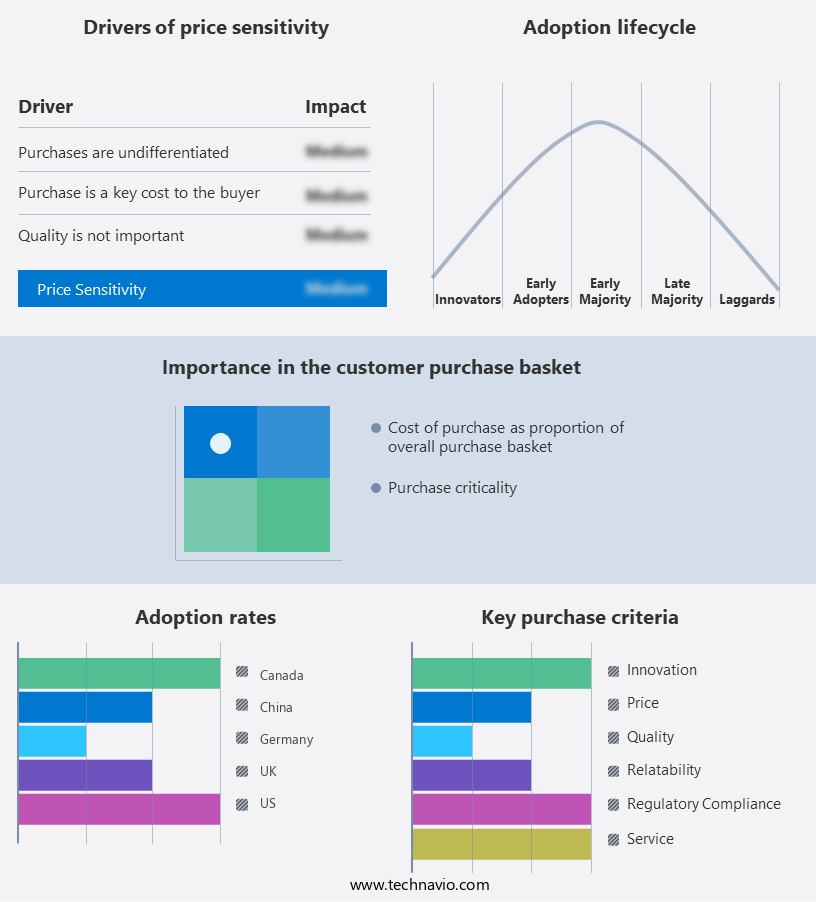
Customer Landscape
Key Companies & Market Insights
Companies are implementing various strategies, such as strategic alliances, vacuum blood collection tube market forecast, partnerships, mergers and acquisitions, geographical expansion, and product/service launches, to enhance their presence in the industry.
AdvaCare Pharma - The Vacutainer brand, operated by a leading global healthcare company, specializes in manufacturing vacuum blood collection tubes for diagnostic purposes.
The industry research and growth report includes detailed analyses of the competitive landscape of the market and information about key companies, including:
- AdvaCare Pharma
- Becton Dickinson and Co.
- CHENGDU RICH SCIENCE INDUSTRY CO. LTD.
- CML Biotech Pvt. Ltd.
- ELITechGroup SAS
- FL MEDICAL srl Unipersonale
- GPC Medical Ltd.
- Greiner Bio One International GmbH
- Guangzhou Improve Medical Instruments Co. Ltd
- Hebei Xinle Sci and Tech Co. Ltd.
- Labtech Disposables
- LIUYANG SANLI MEDICAL TECHNOLOGY DEVELOPMENT CO. LTD.
- Narang Medical Ltd.
- SARSTEDT AG and Co. KG
- Sekisui Chemical Co. Ltd.
- Streck Corp
- Sunphoria Co. Ltd.
- Terumo Corp.
- TUD SDN BHD
- Vertex Medical AS
Qualitative and quantitative analysis of companies has been conducted to help clients understand the wider business environment as well as the strengths and weaknesses of key industry players. Data is qualitatively analyzed to categorize companies as pure play, category-focused, industry-focused, and diversified; it is quantitatively analyzed to categorize companies as dominant, leading, strong, tentative, and weak.
Recent Development and News in Vacuum Blood Collection Tube Market
- In January 2024, BD (Becton, Dickinson and Company) announced the launch of its new Vacutainer® SST⢠II Advance blood collection system, which features a unique design to minimize hemolysis and improve sample stability (BD press release).
- In March 2024, Terumo Corporation and Haemonetics Corporation entered into a strategic partnership to expand their product offerings in the vacuum blood collection tubes market (Terumo press release).
- In April 2025, Greiner Bio-One International AG received FDA approval for its new Vacuette® Z-Grip® PLUS vacuum blood collection tubes, which offer enhanced ergonomics for easier handling (Greiner Bio-One press release).
- In May 2025, Graseby Medical, a leading player in the vacuum blood collection tubes market, completed the acquisition of Medico Systems, significantly expanding its product portfolio and geographic reach (Graseby Medical press release).
Research Analyst Overview
- The market encompasses various applications, including blood gas analysis, clinical chemistry analysis, hematology testing, coagulation testing, serology testing, immunoassay techniques, molecular diagnostics, microbiology testing, and trace element analysis. Regulatory compliance plays a pivotal role in market dynamics, with stringent regulations governing fill volume accuracy, storage temperature impact, and additive stability testing. Pathology workflows require adherence to blood draw techniques, tube material selection, and centrifugation protocols to ensure reliable results. In-vitro diagnostic use necessitates operator training, vacuum pressure testing, and sample collection protocols.
- Infection control measures and waste disposal protocols are essential for maintaining safety and quality assurance. Market trends include the integration of advanced technologies, such as microelectromechanical systems (MEMS) and barcoding systems, to enhance accuracy and efficiency. Additionally, the market is witnessing the growing importance of in-house diagnostics, which necessitates the development of tubes suitable for various testing techniques, including molecular diagnostics and microbiology testing.
Dive into Technavio's robust research methodology, blending expert interviews, extensive data synthesis, and validated models for unparalleled Vacuum Blood Collection Tube Market insights. See full methodology.
|
Market Scope |
|
|
Report Coverage |
Details |
|
Page number |
131 |
|
Base year |
2023 |
|
Historic period |
2018-2022 |
|
Forecast period |
2024-2028 |
|
Growth momentum & CAGR |
Accelerate at a CAGR of 7.3% |
|
Market growth 2024-2028 |
USD 905.3 million |
|
Market structure |
Fragmented |
|
YoY growth 2023-2024(%) |
6.6 |
|
Key countries |
US, Germany, UK, China, and Canada |
|
Competitive landscape |
Leading Companies, Market Positioning of Companies, Competitive Strategies, and Industry Risks |
What are the Key Data Covered in this Vacuum Blood Collection Tube Market Research and Growth Report?
- CAGR of the Vacuum Blood Collection Tube industry during the forecast period
- Detailed information on factors that will drive the growth and forecasting between 2024 and 2028
- Precise estimation of the size of the market and its contribution of the industry in focus to the parent market
- Accurate predictions about upcoming growth and trends and changes in consumer behaviour
- Growth of the market across North America, Europe, Asia, and Rest of World (ROW)
- Thorough analysis of the market's competitive landscape and detailed information about companies
- Comprehensive analysis of factors that will challenge the vacuum blood collection tube market growth of industry companies
We can help! Our analysts can customize this vacuum blood collection tube market research report to meet your requirements.
 RIA -
RIA - 
