


Wireless Microphone Market Analysis North America, Europe, APAC, South America, Middle East and Africa - US, China, Germany, Japan, Canada - Size and Forecast 2024-2028

Wireless Microphone Market Analysis North America, Europe, APAC, South America, Middle East and Africa - US, China, Germany, Japan, Canada - Size and Forecast 2024-2028

Published: Oct 2024 136 Pages SKU: IRTNTR71594

Market Overview at a Glance

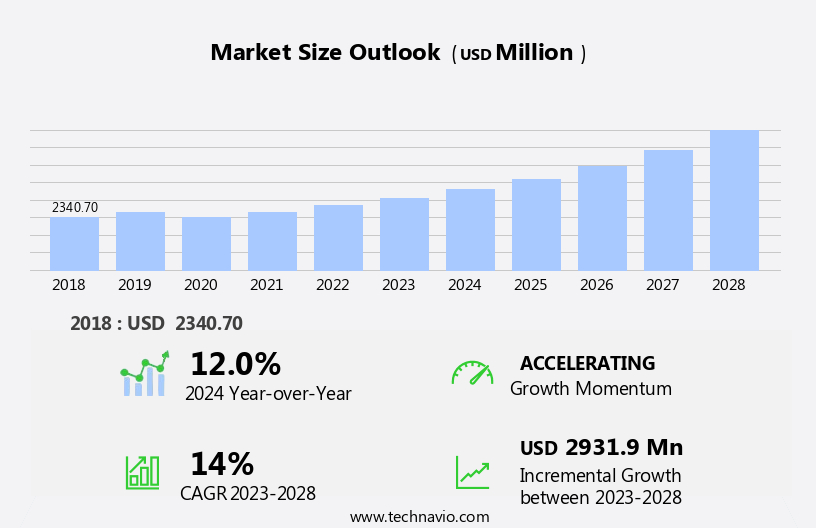
$2.93 B
Market Opportunity
14%
CAGR
12.0
YoY growth 2023-2024(%)

Wireless Microphone Market Size 2024-2028

The wireless microphone market size is forecast to increase by USD 2.93 billion at a CAGR of 14% between 2023 and 2028.

  • The market is witnessing significant growth due to the convenience of wireless technology. The increasing demand for digital assistance in various sectors, particularly in automobiles, is driving market expansion. However, privacy and security concerns associated with wireless technology pose a challenge to market growth. The use of encryption technologies and secure data transmission protocols can mitigate these concerns, providing opportunities for market participants. Additionally, advancements in battery technology and miniaturization of components are expected to boost market growth. Overall, the market is poised for steady growth, driven by technological advancements and increasing demand for wireless solutions.
  • What will be the Size of the Wireless Microphone Market During the Forecast Period?
    Wireless Microphone Market Size

     Request Free Sample

  • The market encompasses audio equipment that utilizes radio signals for transmitting microphone-captured audio to a receiver. This technology offers hands-free functionality and flexibility for various applications, including filmmaking, broadcasting, streaming, stage performances, and public speaking. Wireless microphone systems consist of a transmitter and a receiver, with offerings ranging from compact lavalier microphones to remote headset microphones and handheld microphones. These adaptable solutions cater to diverse industries, such as education, where wireless microphone systems enhance student engagement in online classes and educational settings. The market is driven by the growing demand for wireless audio equipment in live concerts, presentations, and broadcasts, as well as the increasing preference for remote and hands-free communication.
  • 5G technology is poised to revolutionize the market by enabling faster data transmission, ensuring seamless and uninterrupted audio communication. The market is expected to witness significant growth as more industries adopt wireless microphone systems to facilitate performance and audience interaction.
  • How is this Wireless Microphone Industry segmented and which is the largest segment?

    The wireless microphone industry research report provides comprehensive data (region-wise segment analysis), with forecasts and estimates in "USD million" for the period 2024-2028, as well as historical data from 2018-2022 for the following segments.

    • Type
      • Handheld
      • Clip-on
      • Tabletop
    • Geography
      • North America
        • Canada
        • US
      • Europe
        • Germany
      • APAC
        • China
        • Japan
      • South America
        • Middle East and Africa

        By Type Insights

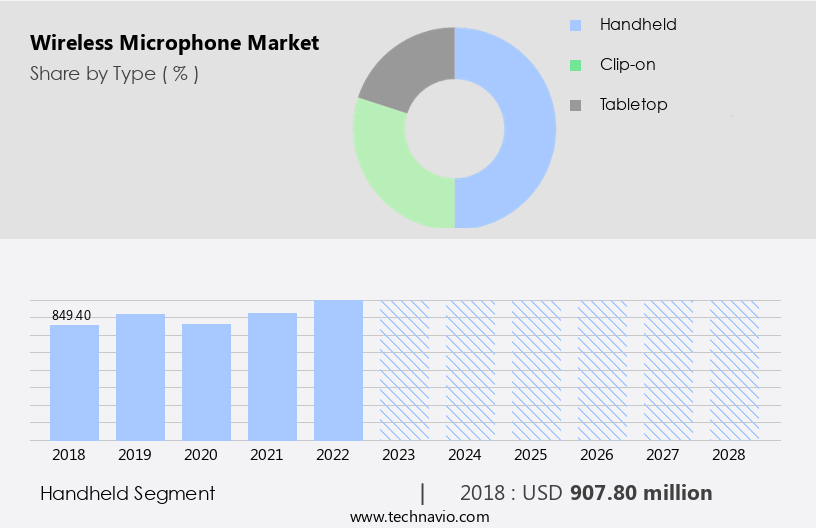
        • The handheld segment is estimated to witness significant growth during the forecast period.

        The market is experiencing significant growth, particularly In the handheld segment. Handheld wireless microphones are popular in live performances, broadcasting, public speaking, and various industries due to their ease of use, portability, and high-quality audio transmission. Technological advancements, such as Bluetooth, UHF, and VHF transmission, have improved handheld microphone performance, ensuring clearer sound and extended range. Innovations in battery life and signal interference reduction further enhance functionality and user experience. Wireless microphone systems utilize radio waves for audio transmission between a transmitter and receiver, with digital wireless technology offering improved data transmission and reduced signal dropouts. Handheld microphones are essential for content creators, filmmakers, broadcasters, streamers, stage performers, and more.

        Technologically advanced microphones include lavalier, remote headset, compact, and tabletop models, catering to diverse needs. Security concerns and frequency selection are crucial considerations in wireless microphone applications. The market for wireless microphone equipment continues to evolve with emerging technologies like 5G and adaptable equipment for performance and audience interaction.
        Wireless Microphone Market Size

        Get a glance at the  Wireless Microphone Industry report of share of various segments Request Free Sample

        The Handheld segment was valued at USD 907.80 billion in 2018 and showed a gradual increase during the forecast period.

        Regional Analysis

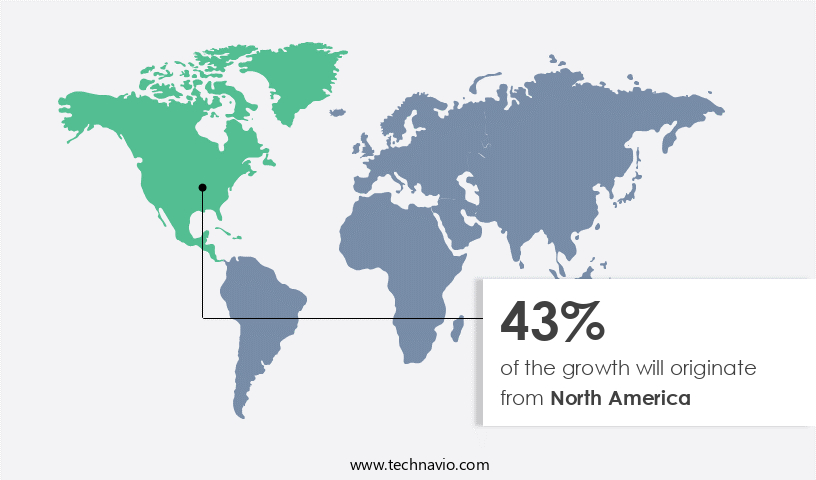
        • North America is estimated to contribute 43% to the growth of the global market during the forecast period.

        Technavio’s analysts have elaborately explained the regional trends and drivers that shape the market during the forecast period.
        Wireless Microphone Market Share by Geography

        For more insights on the market share of various regions, Request Free Sample

        The market in North America is expected to lead the global industry due to the region's technological advancements and high adoption of smart devices. The US, Canada, and Mexico are significant contributors to the market's revenue growth. Wireless microphones are increasingly popular in North America due to their hands-free functionality and versatility, making them essential for various applications, including filmed productions, live performances, and audio communications. Technologically advanced microphone systems, such as lavalier, remote headset, compact, and handheld microphones, are widely used by filmmakers, broadcasters, streamers, stage performers, and content creators. These microphones transmit audio signals via radio waves to a receiver, ensuring clear and uninterrupted audio transmission.

        The adoption of 5G technology in wireless audio equipment enhances data transmission, reducing signal dropouts and security concerns. The market is segmented into various types, including digital wireless technology, Bluetooth, and Wi-Fi. Digital wireless technology, which uses digital modulation, is gaining popularity due to its superior sound quality and adaptability to various environments. The market also offers affordable microphones catering to different sectors, such as corporate, hospitality, sports, and education. Battery life, frequency selection, and noise interference are critical factors influencing the market's growth. The market is expected to witness significant growth during the forecast period due to the increasing demand for wireless microphones in various industries and applications.

        Market Dynamics

        Our  researchers analyzed the data with 2023 as the base year, along with the key drivers, trends, and challenges. A holistic analysis of drivers will help companies refine their marketing strategies to gain a competitive advantage.

        What are the key market drivers leading to the rise In the adoption of Wireless Microphone Industry?

        Convenience of wireless technology is the key driver of the market.

      • Wireless microphone systems have revolutionized audio communications in various industries, including filmdaking, broadcasting, and streaming. These systems utilize radio signals to transmit audio signals from a transmitter, such as a lavalier microphone or handheld microphone, to a receiver. The receiver then converts the modulated radio waves back into audio signals for use with audio systems. Wireless microphone systems offer hands-free functionality, making them ideal for stage performers, presenters, and content creators. Technologically advanced microphones, such as remote headset microphones and compact wireless microphones, provide superior sound quality and adaptability for different performance settings. The entertainment industry, including live performances, sports venues, and concerts, heavily relies on wireless microphone systems for audio transmission.
      • Digital wireless technology, such as 5G, enables faster data transmission and improved signal stability, reducing the risk of signal dropout and security concerns. Wireless microphone systems are also used in corporate, hospitality, and educational settings for presentations, online classes, and audience interaction. Affordable microphones, such as clip-on microphones and plug-in microphones, cater to budget-conscious consumers and travel and hospitality industries. The market continues to grow, driven by the increasing demand for wireless audio equipment, advancements in transmission technologies, and the convenience of wireless microphones over traditional wired systems. Wi-Fi and Bluetooth are common transmission technologies used in wireless microphones, while digital modulation, such as compandor, ensures clear audio transmission.
      • Despite the benefits, wireless microphone systems can be susceptible to noise interference and frequency selection issues, which can impact sound quality. Frequency band selection and signal strength are critical factors in ensuring optimal performance. Overall, wireless microphone systems provide a flexible and adaptable solution for audio transmission, making them an essential component of modern audio systems.
      • What are the market trends shaping the Wireless Microphone Industry?

        Growing demand for digital assistance in automobiles is the upcoming market trend.

      • Wireless microphone systems have revolutionized various industries, including filmmaking, broadcasting, streaming, and live performances, by enabling hands-free functionality and enhancing audio communications. These systems utilize radio signals to transmit audio signals from a transmitter, such as a lavalier microphone or a remote headset microphone, to a receiver. Technologically advanced microphones offer features like adaptable equipment for different environments, frequency selection to minimize noise interference, and digital wireless technology for secure data transmission. The market for wireless microphone systems is expanding, driven by the increasing demand for high-quality audio systems in various sectors. Content creators, including filmmakers, broadcasters, and streamers, rely on wireless microphones for remote and discreet audio capture.
      • Stage performers and presenters benefit from the freedom and flexibility offered by these systems. Live performances, sports venues, and educational settings are other significant markets for wireless microphones. Compact wireless microphones, such as clip-on microphones and plug-in microphones, cater to the needs of budget-conscious users. Transmission technologies like Bluetooth, Wi-Fi, and 5G are being integrated into wireless microphone systems to improve data transmission speed and reliability. However, signal dropout and security concerns remain challenges for the market. In conclusion, the market is experiencing growth due to the increasing demand for wireless audio equipment in various industries. The market dynamics include advancements in transmission technologies, digital modulation, and the integration of wireless microphones into various applications, such as live concerts, presentations, and broadcasts.
      • The market is expected to continue growing as more industries recognize the benefits of wireless microphone systems for performance, audience interaction, and audio communications.
      • What challenges does the Wireless Microphone Industry face during its growth?

        Privacy and security concerns is a key challenge affecting the industry growth.

      • Wireless microphone systems have revolutionized audio communications in various industries, including filmmaking, broadcasting, and streaming. These systems utilize radio signals to transmit audio signals from a transmitter, such as a handheld microphone or a bodypack, to a wireless microphone receiver. Technologically advanced microphones, including lavalier and remote headset microphones, offer hands-free functionality and discreet use for stage performers and content creators. The market encompasses various transmission technologies, including digital and analog systems, which use modulated radio waves for audio transmission. Digital wireless technology, such as Compandor, offers improved sound quality and resistance to noise interference and signal dropouts. However, security concerns, such as traffic snooping, modification, and service disruption, pose challenges to the adoption of wireless microphone systems.
      • Frequency selection and data transmission technologies, including 5G, Bluetooth, and Wi-Fi, are essential considerations for wireless microphone systems. Affordable microphones, including clip-on and plug-in models, cater to various industries, including corporate, hospitality, and sports. Live performances, presentations, and broadcasts benefit from the adaptability and audience interaction capabilities of wireless microphone systems. Battery life, signal dropouts, and frequency selection are critical factors influencing the market dynamics of wireless microphone systems. The market is expected to grow due to the increasing demand for wireless audio equipment in various applications, including education, online classes, and travel and hospitality. However, privacy and security concerns, such as unauthorized collection, transfer, and use of personal data, may hinder market growth.
      • companies must address these concerns through advanced encryption and frequency hopping technologies to ensure secure and reliable wireless microphone systems.
      • Exclusive Customer Landscape

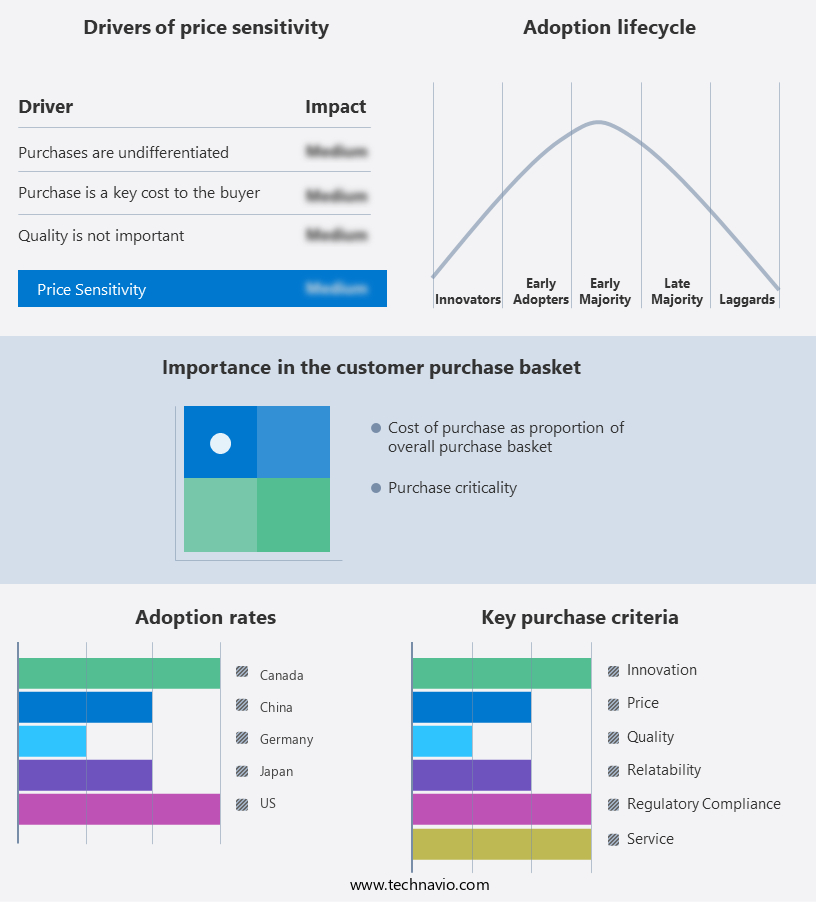
        The wireless microphone market forecasting report includes the adoption lifecycle of the market, covering from the innovator’s stage to the laggard’s stage. It focuses on adoption rates in different regions based on penetration. Furthermore, the wireless microphone market report also includes key purchase criteria and drivers of price sensitivity to help companies evaluate and develop their market growth analysis strategies.
        Wireless Microphone Market Share by Geography

         Customer Landscape

        Key Companies & Market Insights

        Companies are implementing various strategies, such as strategic alliances, wireless microphone market forecast, partnerships, mergers and acquisitions, geographical expansion, and product/service launches, to enhance their presence In the industry.

        Ahuja Radios - The company provides a range of wireless microphone solutions, including the ATM350UcW, ATR35CW, and AT2040 models. These offerings cater to various applications, ensuring clear and uninterrupted audio transmission. Wireless microphones have gained significant traction in industries such as broadcasting, live events, and education due to their flexibility and convenience. The technology enables users to move freely while delivering presentations, performing on stage, or reporting live, thereby enhancing overall productivity and effectiveness. With advancements in wireless technology, these devices offer longer battery life, improved sound quality, and reduced latency, making them an essential tool for professionals.

        The industry research and growth report includes detailed analyses of the competitive landscape of the market and information about key companies, including:

        • Ahuja Radios
        • Audio Technica US Inc.
        • AUDIX Corp.
        • Enping Lane Electronics Technology Co. Ltd.
        • GOANG-FANN Co. Ltd.
        • Guangdong Takstar Electronic Co. Ltd.
        • inMusic Brands Inc.
        • Lewitt GmbH
        • MIPRO Electronics Co. Ltd.
        • Movo Photo
        • Rode Microphone
        • Samson Technologies Corp.
        • Samsung Electronics Co. Ltd.
        • Sennheiser Electronic GmbH and Co. KG
        • Shenzhen Zero One Innovation Technology Co. Ltd.
        • Shure Inc.
        • Sony Group Corp.
        • VeGue
        • Yamaha Corp.

        Qualitative and quantitative analysis of companies has been conducted to help clients understand the wider business environment as well as the strengths and weaknesses of key industry players. Data is qualitatively analyzed to categorize companies as pure play, category-focused, industry-focused, and diversified; it is quantitatively analyzed to categorize companies as dominant, leading, strong, tentative, and weak.

        Research Analyst Overview

        Wireless microphone systems have revolutionized audio communications in various industries, offering adaptable equipment for filmmakers, broadcasters, streamers, and stage performers. These systems utilize radio signals to transmit audio from a transmitter to a receiver, enabling hands-free functionality and enhancing audience interaction during live performances, sports venues, concerts, and presentations. Audio signals transmitted through wireless microphone systems are essential for high-quality sound systems during live concerts and broadcasts. Technologically advanced microphones, such as lavalier, remote headset, compact, and handheld, cater to diverse needs in different sectors. The entertainment industry benefits significantly from wireless microphone technology. Film and television productions, live events, and sports broadcasts rely on these systems for clear and reliable audio transmission.

        In educational settings, wireless microphones facilitate student engagement during online classes and presentations. Digital wireless technology, including 5G and data transmission technologies like Bluetooth and Wi-Fi, have improved the performance and functionality of wireless microphone systems. These advancements enable seamless integration with mobile devices and longer battery life, making them an indispensable tool for corporate and hospitality events. However, wireless microphone systems face challenges such as signal dropout and security concerns. Digital modulation techniques and frequency selection are essential to mitigate these issues. Infrared microphones and analog systems are alternatives for environments where radio waves may not be suitable.

        Wireless microphone systems have become an integral part of the audio equipment landscape. They offer significant advantages over wired systems, including flexibility, ease of use, and improved audience interaction. As technology continues to evolve, wireless microphone systems will remain a vital component of sound systems in various industries. The market is driven by the increasing demand for adaptable and high-performance audio equipment. Transmission technologies, digital modulation, and frequency selection are key areas of innovation in this market. Corporations, hospitality industries, sports, and education sectors are significant contributors to the growth of the market. In conclusion, wireless microphone systems have transformed the way audio is captured and transmitted, offering significant benefits for various industries.

        Their flexibility, ease of use, and improved audience interaction make them an essential tool for filmmakers, broadcasters, streamers, stage performers, educators, and corporate event organizers. Despite challenges such as signal dropout and security concerns, the advancements in digital wireless technology continue to address these issues and drive innovation In the market.

        Market Scope

        Report Coverage

        Details

        Page number

        136

        Base year

        2023

        Historic period

        2018-2022

        Forecast period

        2024-2028

        Growth momentum & CAGR

        Accelerate at a CAGR of 14%

        Market growth 2024-2028

        USD 2931.9 million

        Market structure

        Fragmented

        YoY growth 2023-2024(%)

        12.0

        Key countries

        US, China, Germany, Japan, and Canada

        Competitive landscape

        Leading Companies, Market Positioning of Companies, Competitive Strategies, and Industry Risks

        Request Free Sample

        What are the Key Data Covered in this Wireless Microphone Market Research and Growth Report?

        • CAGR of the Wireless Microphone industry during the forecast period
        • Detailed information on factors that will drive the growth and forecasting between 2024 and 2028
        • Precise estimation of the size of the market and its contribution of the industry in focus to the parent market
        • Accurate predictions about upcoming growth and trends and changes in consumer behaviour
        • Growth of the market across North America, Europe, APAC, South America, and Middle East and Africa
        • Thorough analysis of the market’s competitive landscape and detailed information about companies
        • Comprehensive analysis of factors that will challenge the wireless microphone market growth of industry companies

        We can help! Our analysts can customize this wireless microphone market research report to meet your requirements.

        Get in touch


        1 Executive Summary

        • 1.1 Market overview
          • Executive Summary - Chart on Market Overview
          • Executive Summary - Data Table on Market Overview
          • Executive Summary - Chart on Global Market Characteristics
          • Executive Summary - Chart on Market by Geography
          • Executive Summary - Chart on Market Segmentation by Type
          • Executive Summary - Chart on Incremental Growth
          • Executive Summary - Data Table on Incremental Growth
          • Executive Summary - Chart on Company Market Positioning

        2 Market Landscape

        • 2.1 Market ecosystem
          • Parent Market
          • Data Table on - Parent Market
        • 2.2 Market characteristics
          • Market characteristics analysis
        • 2.3 Value chain analysis
          • Value Chain Analysis

        3 Market Sizing

        • 3.1 Market definition
          • Offerings of companies included in the market definition
        • 3.2 Market segment analysis
          • Market segments
        • 3.3 Market size 2023
          • 3.4 Market outlook: Forecast for 2023-2028
            • Chart on Global - Market size and forecast 2023-2028 ($ million)
            • Data Table on Global - Market size and forecast 2023-2028 ($ million)
            • Chart on Global Market: Year-over-year growth 2023-2028 (%)
            • Data Table on Global Market: Year-over-year growth 2023-2028 (%)

          4 Historic Market Size

          • 4.1 Global Wireless Microphone Market 2018 - 2022
            • Historic Market Size - Data Table on Global Wireless Microphone Market 2018 - 2022 ($ million)
          • 4.2 Type segment analysis 2018 - 2022
            • Historic Market Size - Type Segment 2018 - 2022 ($ million)
          • 4.3 Geography segment analysis 2018 - 2022
            • Historic Market Size - Geography Segment 2018 - 2022 ($ million)
          • 4.4 Country segment analysis 2018 - 2022
            • Historic Market Size - Country Segment 2018 - 2022 ($ million)

          5 Five Forces Analysis

          • 5.1 Five forces summary
            • Five forces analysis - Comparison between 2023 and 2028
          • 5.2 Bargaining power of buyers
            • Bargaining power of buyers - Impact of key factors 2023 and 2028
          • 5.3 Bargaining power of suppliers
            • Bargaining power of suppliers - Impact of key factors in 2023 and 2028
          • 5.4 Threat of new entrants
            • Threat of new entrants - Impact of key factors in 2023 and 2028
          • 5.5 Threat of substitutes
            • Threat of substitutes - Impact of key factors in 2023 and 2028
          • 5.6 Threat of rivalry
            • Threat of rivalry - Impact of key factors in 2023 and 2028
          • 5.7 Market condition
            • Chart on Market condition - Five forces 2023 and 2028

          6 Market Segmentation by Type

          • 6.1 Market segments
            • Chart on Type - Market share 2023-2028 (%)
            • Data Table on Type - Market share 2023-2028 (%)
          • 6.2 Comparison by Type
            • Chart on Comparison by Type
            • Data Table on Comparison by Type
          • 6.3 Handheld - Market size and forecast 2023-2028
            • Chart on Handheld - Market size and forecast 2023-2028 ($ million)
            • Data Table on Handheld - Market size and forecast 2023-2028 ($ million)
            • Chart on Handheld - Year-over-year growth 2023-2028 (%)
            • Data Table on Handheld - Year-over-year growth 2023-2028 (%)
          • 6.4 Clip-on - Market size and forecast 2023-2028
            • Chart on Clip-on - Market size and forecast 2023-2028 ($ million)
            • Data Table on Clip-on - Market size and forecast 2023-2028 ($ million)
            • Chart on Clip-on - Year-over-year growth 2023-2028 (%)
            • Data Table on Clip-on - Year-over-year growth 2023-2028 (%)
          • 6.5 Tabletop - Market size and forecast 2023-2028
            • Chart on Tabletop - Market size and forecast 2023-2028 ($ million)
            • Data Table on Tabletop - Market size and forecast 2023-2028 ($ million)
            • Chart on Tabletop - Year-over-year growth 2023-2028 (%)
            • Data Table on Tabletop - Year-over-year growth 2023-2028 (%)
          • 6.6 Market opportunity by Type
            • Market opportunity by Type ($ million)
            • Data Table on Market opportunity by Type ($ million)

          7 Customer Landscape

          • 7.1 Customer landscape overview
            • Analysis of price sensitivity, lifecycle, customer purchase basket, adoption rates, and purchase criteria

          8 Geographic Landscape

          • 8.1 Geographic segmentation
            • Chart on Market share by geography 2023-2028 (%)
            • Data Table on Market share by geography 2023-2028 (%)
          • 8.2 Geographic comparison
            • Chart on Geographic comparison
            • Data Table on Geographic comparison
          • 8.3 North America - Market size and forecast 2023-2028
            • Chart on North America - Market size and forecast 2023-2028 ($ million)
            • Data Table on North America - Market size and forecast 2023-2028 ($ million)
            • Chart on North America - Year-over-year growth 2023-2028 (%)
            • Data Table on North America - Year-over-year growth 2023-2028 (%)
          • 8.4 Europe - Market size and forecast 2023-2028
            • Chart on Europe - Market size and forecast 2023-2028 ($ million)
            • Data Table on Europe - Market size and forecast 2023-2028 ($ million)
            • Chart on Europe - Year-over-year growth 2023-2028 (%)
            • Data Table on Europe - Year-over-year growth 2023-2028 (%)
          • 8.5 APAC - Market size and forecast 2023-2028
            • Chart on APAC - Market size and forecast 2023-2028 ($ million)
            • Data Table on APAC - Market size and forecast 2023-2028 ($ million)
            • Chart on APAC - Year-over-year growth 2023-2028 (%)
            • Data Table on APAC - Year-over-year growth 2023-2028 (%)
          • 8.6 South America - Market size and forecast 2023-2028
            • Chart on South America - Market size and forecast 2023-2028 ($ million)
            • Data Table on South America - Market size and forecast 2023-2028 ($ million)
            • Chart on South America - Year-over-year growth 2023-2028 (%)
            • Data Table on South America - Year-over-year growth 2023-2028 (%)
          • 8.7 Middle East and Africa - Market size and forecast 2023-2028
            • Chart on Middle East and Africa - Market size and forecast 2023-2028 ($ million)
            • Data Table on Middle East and Africa - Market size and forecast 2023-2028 ($ million)
            • Chart on Middle East and Africa - Year-over-year growth 2023-2028 (%)
            • Data Table on Middle East and Africa - Year-over-year growth 2023-2028 (%)
          • 8.8 US - Market size and forecast 2023-2028
            • Chart on US - Market size and forecast 2023-2028 ($ million)
            • Data Table on US - Market size and forecast 2023-2028 ($ million)
            • Chart on US - Year-over-year growth 2023-2028 (%)
            • Data Table on US - Year-over-year growth 2023-2028 (%)
          • 8.9 China - Market size and forecast 2023-2028
            • Chart on China - Market size and forecast 2023-2028 ($ million)
            • Data Table on China - Market size and forecast 2023-2028 ($ million)
            • Chart on China - Year-over-year growth 2023-2028 (%)
            • Data Table on China - Year-over-year growth 2023-2028 (%)
          • 8.10 Germany - Market size and forecast 2023-2028
            • Chart on Germany - Market size and forecast 2023-2028 ($ million)
            • Data Table on Germany - Market size and forecast 2023-2028 ($ million)
            • Chart on Germany - Year-over-year growth 2023-2028 (%)
            • Data Table on Germany - Year-over-year growth 2023-2028 (%)
          • 8.11 Japan - Market size and forecast 2023-2028
            • Chart on Japan - Market size and forecast 2023-2028 ($ million)
            • Data Table on Japan - Market size and forecast 2023-2028 ($ million)
            • Chart on Japan - Year-over-year growth 2023-2028 (%)
            • Data Table on Japan - Year-over-year growth 2023-2028 (%)
          • 8.12 Canada - Market size and forecast 2023-2028
            • Chart on Canada - Market size and forecast 2023-2028 ($ million)
            • Data Table on Canada - Market size and forecast 2023-2028 ($ million)
            • Chart on Canada - Year-over-year growth 2023-2028 (%)
            • Data Table on Canada - Year-over-year growth 2023-2028 (%)
          • 8.13 Market opportunity by geography
            • Market opportunity by geography ($ million)
            • Data Tables on Market opportunity by geography ($ million)

          9 Drivers, Challenges, and Opportunity/Restraints

          • 9.1 Market drivers
            • 9.2 Market challenges
              • 9.3 Impact of drivers and challenges
                • Impact of drivers and challenges in 2023 and 2028
              • 9.4 Market opportunities/restraints

                10 Competitive Landscape

                • 10.1 Overview
                  • 10.2 Competitive Landscape
                    • Overview on criticality of inputs and factors of differentiation
                  • 10.3 Landscape disruption
                    • Overview on factors of disruption
                  • 10.4 Industry risks
                    • Impact of key risks on business

                  11 Competitive Analysis

                  • 11.1 Companies profiled
                    • Companies covered
                  • 11.2 Market positioning of companies
                    • Matrix on companies position and classification
                  • 11.3 Audio Technica US Inc.
                    • Audio Technica US Inc. - Overview
                    • Audio Technica US Inc. - Product / Service
                    • Audio Technica US Inc. - Key offerings
                  • 11.4 Lewitt GmbH
                    • Lewitt GmbH - Overview
                    • Lewitt GmbH - Product / Service
                    • Lewitt GmbH - Key offerings
                  • 11.5 MIPRO Electronics Co. Ltd.
                    • MIPRO Electronics Co. Ltd. - Overview
                    • MIPRO Electronics Co. Ltd. - Product / Service
                    • MIPRO Electronics Co. Ltd. - Key offerings
                  • 11.6 Rode Microphone
                    • Rode Microphone - Overview
                    • Rode Microphone - Product / Service
                    • Rode Microphone - Key offerings
                  • 11.7 Samson Technologies Corp.
                    • Samson Technologies Corp. - Overview
                    • Samson Technologies Corp. - Product / Service
                    • Samson Technologies Corp. - Key offerings
                  • 11.8 Samsung Electronics Co. Ltd.
                    • Samsung Electronics Co. Ltd. - Overview
                    • Samsung Electronics Co. Ltd. - Business segments
                    • Samsung Electronics Co. Ltd. - Key news
                    • Samsung Electronics Co. Ltd. - Key offerings
                    • Samsung Electronics Co. Ltd. - Segment focus
                  • 11.9 Sennheiser Electronic GmbH and Co. KG
                    • Sennheiser Electronic GmbH and Co. KG - Overview
                    • Sennheiser Electronic GmbH and Co. KG - Product / Service
                    • Sennheiser Electronic GmbH and Co. KG - Key news
                    • Sennheiser Electronic GmbH and Co. KG - Key offerings
                  • 11.10 Shure Inc.
                    • Shure Inc. - Overview
                    • Shure Inc. - Product / Service
                    • Shure Inc. - Key offerings
                  • 11.11 Sony Group Corp.
                    • Sony Group Corp. - Overview
                    • Sony Group Corp. - Business segments
                    • Sony Group Corp. - Key offerings
                    • Sony Group Corp. - Segment focus
                  • 11.12 Yamaha Corp.
                    • Yamaha Corp. - Overview
                    • Yamaha Corp. - Business segments
                    • Yamaha Corp. - Key news
                    • Yamaha Corp. - Key offerings
                    • Yamaha Corp. - Segment focus

                  12 Appendix

                  • 12.1 Scope of the report
                    • 12.2 Inclusions and exclusions checklist
                      • Inclusions checklist
                      • Exclusions checklist
                    • 12.3 Currency conversion rates for US$
                      • Currency conversion rates for US$
                    • 12.4 Research methodology
                      • Research methodology
                    • 12.5 Data procurement
                      • Information sources
                    • 12.6 Data validation
                      • Data validation
                    • 12.7 Validation techniques employed for market sizing
                      • Validation techniques employed for market sizing
                    • 12.8 Data synthesis
                      • Data synthesis
                    • 12.9 360 degree market analysis
                      • 360 degree market analysis
                    • 12.10 List of abbreviations
                      • List of abbreviations

                    Research Methodology

                    Technavio presents a detailed picture of the market by way of study, synthesis, and summation of data from multiple sources. The analysts have presented the various facets of the market with a particular focus on identifying the key industry influencers. The data thus presented is comprehensive, reliable, and the result of extensive research, both primary and secondary.

                    INFORMATION SOURCES

                    Primary sources

                    • Manufacturers and suppliers
                    • Channel partners
                    • Industry experts
                    • Strategic decision makers

                    Secondary sources

                    • Industry journals and periodicals
                    • Government data
                    • Financial reports of key industry players
                    • Historical data
                    • Press releases

                    DATA ANALYSIS

                    Data Synthesis

                    • Collation of data
                    • Estimation of key figures
                    • Analysis of derived insights

                    Data Validation

                    • Triangulation with data models
                    • Reference against proprietary databases
                    • Corroboration with industry experts

                    REPORT WRITING

                    Qualitative

                    • Market drivers
                    • Market challenges
                    • Market trends
                    • Five forces analysis

                    Quantitative

                    • Market size and forecast
                    • Market segmentation
                    • Geographical insights
                    • Competitive landscape

                    Interested in this report?

                    Get your sample now to see our research methodology and insights!

                    Download Now

                    Frequently Asked Questions

                    Wireless Microphone market growth will increase by $ 2931.9 mn during 2024-2028.

                    The Wireless Microphone market is expected to grow at a CAGR of 14% during 2024-2028.

                    Wireless Microphone market is segmented by Type( Handheld, Clip-on, Tabletop)

                    Ahuja Radios, Audio Technica US Inc., AUDIX Corp., Enping Lane Electronics Technology Co. Ltd., GOANG-FANN Co. Ltd., Guangdong Takstar Electronic Co. Ltd., inMusic Brands Inc., Lewitt GmbH, MIPRO Electronics Co. Ltd., Movo Photo, Rode Microphone, Samson Technologies Corp., Samsung Electronics Co. Ltd., Sennheiser Electronic GmbH and Co. KG, Shenzhen Zero One Innovation Technology Co. Ltd., Shure Inc., Sony Group Corp., VeGue, Yamaha Corp. are a few of the key vendors in the Wireless Microphone market.

                    North America will register the highest growth rate of 43% among the other regions. Therefore, the Wireless Microphone market in North America is expected to garner significant business opportunities for the vendors during the forecast period.

                    US, China, Germany, Japan, Canada

                    • Convenience of wireless technologyThe emergence of wireless technology was one of the major technological advances in the 21st century. Short-range radio waves help in sharing data such as pictures is the driving factor this market.
                    • music is the driving factor this market.
                    • documents is the driving factor this market.
                    • and videos. These waves are also used in microphones and speakers to collect voice or sound is the driving factor this market.
                    • convert it into electronic signals is the driving factor this market.
                    • and transfer signals without wires is the driving factor this market.
                    • which helps in sharing sound from a smart device to a wireless audio device. The increased use of wireless headphones with integrated microphones is likely to increase the requirement for wireless microphones rather than conventional wired microphones during the forecast period.The cord-free feature of wireless microphones is convenient for users. It offers mobility and a hands-free experience to continue doing any other task without hassles. Noise filtering is the driving factor this market.
                    • long-distance operations is the driving factor this market.
                    • multitasking is the driving factor this market.
                    • and high-quality audio are some of the key benefits offered by wireless microphones. Such factors are expected to drive the growth of the global wireless microphone market during the forecast period. is the driving factor this market.

                    The Wireless Microphone market vendors should focus on grabbing business opportunities from the Handheld segment as it accounted for the largest market share in the base year.
