



Ambulatory Cardiac Monitoring Devices Market Size 2024-2028
The ambulatory cardiac monitoring devices market size is forecast to increase by USD 2.42 billion, at a CAGR of 6.78% between 2023 and 2028.
- The market is experiencing significant growth, driven primarily by the rising incidence of heart disease. With an increasing number of individuals diagnosed with cardiac conditions, there is a growing demand for non-invasive, continuous monitoring solutions. This trend is further fueled by advancements in technology, enabling the development of more sophisticated and user-friendly devices. However, the market faces challenges due to the stringent regulatory process, which can hinder the entry of new players and limit innovation. Companies seeking to capitalize on this market's opportunities must navigate these regulatory hurdles while staying abreast of technological advancements to maintain a competitive edge.
- Additionally, focusing on patient comfort and ease of use will be crucial in attracting customers and differentiating offerings in this highly competitive landscape.
What will be the Size of the Ambulatory Cardiac Monitoring Devices Market during the forecast period?
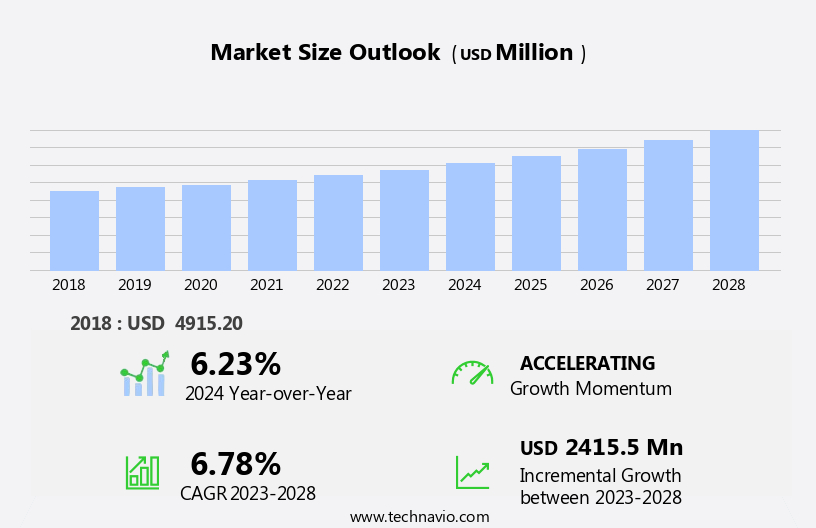
Explore in-depth regional segment analysis with market size data - historical 2018-2022 and forecasts 2024-2028 - in the full report.
Request Free Sample
The market continues to evolve, driven by advancements in technology and increasing demand for remote patient care. These devices, which include wearable sensors, Holter monitors, and implantable loop recorders, enable continuous heart monitoring outside of traditional hospital settings. Data analytics plays a crucial role in this market, with advanced algorithms used for arrhythmia detection, risk stratification, and electrocardiogram interpretation. Battery life and heart rate variability are essential considerations, as longer monitoring periods and improved patient comfort are key to ensuring compliance. Remote monitoring systems and wireless connectivity enable real-time data transmission, facilitating clinical decision support and early warning systems. Device usability, data visualization, and interoperability standards are also important factors, ensuring seamless integration with telecardiology platforms and health information exchanges.
Device miniaturization and power management are ongoing areas of focus, as manufacturers strive to create smaller, more efficient devices. Signal processing techniques and event detection algorithms are also advancing, enabling more accurate and reliable monitoring. The market is characterized by ongoing innovation, with new devices and features being introduced regularly. Data security measures are a critical concern, as the protection of sensitive patient information is paramount. The future of the market lies in the integration of these technologies and the continued development of remote patient monitoring solutions.
How is this Ambulatory Cardiac Monitoring Devices Industry segmented?
The ambulatory cardiac monitoring devices industry research report provides comprehensive data (region-wise segment analysis), with forecasts and estimates in "USD million" for the period 2024-2028, as well as historical data from 2018-2022 for the following segments.
- Device
- Ambulatory ECG devices
- Ambulatory cardiac event monitors
- Ambulatory cardiac telemetry devices
- Implantable loop recorders
- End-user
- Ambulatory care centers
- Hospitals
- Clinics and cardiac centers
- Geography
- North America
- US
- Europe
- Germany
- UK
- APAC
- China
- Japan
- Rest of World (ROW)
- North America
By Device Insights
The ambulatory ecg devices segment is estimated to witness significant growth during the forecast period.
The market experienced significant growth in 2023, with ambulatory ECG devices leading the segment. This expansion can be attributed to the rising prevalence of cardiovascular diseases, such as atrial fibrillation, which is a major cause of stroke. The aging population and the increasing prevalence of risk factors like obesity, hypertension, and diabetes further fueled the demand for these devices. Technology advancements have resulted in more portable and user-friendly ambulatory ECG devices, enhancing accessibility for patients and healthcare providers. Data security measures are crucial in this market, ensuring patient privacy and confidentiality. Clinical decision support systems integrated into these devices enable healthcare professionals to make informed diagnoses and treatment plans.
Device usability is another essential factor, as wearable sensors and user-friendly interfaces increase patient compliance. Data visualization tools facilitate easy interpretation of complex data, while arrhythmia detection algorithms enhance diagnostic accuracy. Device integration with telecardiology platforms and health information exchanges enables seamless data sharing and interoperability. Miniaturization and power management advancements have extended battery life, allowing for longer monitoring periods. Signal processing techniques and diagnostic algorithms contribute to improved heart rate variability analysis and risk stratification. Remote monitoring systems with wireless connectivity and early warning systems provide real-time patient data access for healthcare providers. Patient interface design and st segment analysis offer valuable insights into cardiac function.
Event detection and alert systems ensure timely intervention, improving patient outcomes. Remote patient monitoring and data analytics facilitate personalized care plans and population health management.
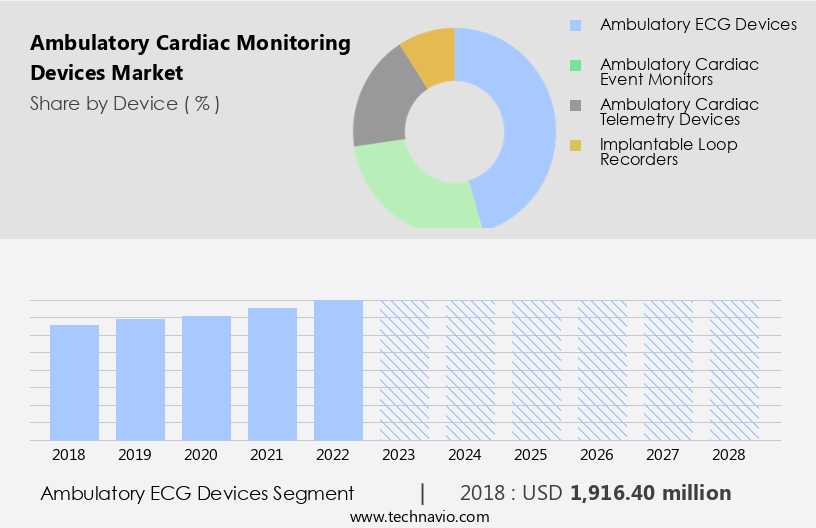
The Ambulatory ECG devices segment was valued at USD 1.92 billion in 2018 and showed a gradual increase during the forecast period.
Regional Analysis
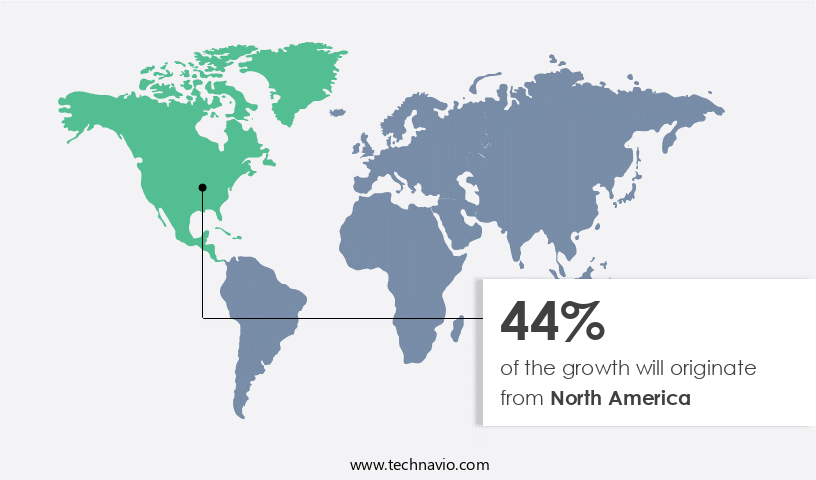
North America is estimated to contribute 44% to the growth of the global market during the forecast period.Technavio’s analysts have elaborately explained the regional trends and drivers that shape the market during the forecast period.
The market is witnessing significant growth due to several factors. In North America, this market is thriving, primarily driven by the presence of major revenue contributors, the US and Canada. The increasing prevalence of cardiovascular diseases in this region is a significant factor fueling the demand for these devices. Healthcare providers are increasingly relying on ambulatory cardiac monitoring devices to manage patients with heart conditions more effectively. Moreover, the popularity of telemedicine is another crucial factor contributing to the market's growth. Technological advancements have made these devices more accessible and affordable, enabling remote patient monitoring and early intervention.
Ambulatory cardiac monitoring devices offer several benefits, including data security measures, clinical decision support, device usability, data visualization, arrhythmia detection, wearable sensors, and device integration. These features enable healthcare providers to analyze patient data in real-time, improving diagnosis and treatment. Device miniaturization, ECG rhythm analysis, data transmission protocols, health information exchange, telecardiology platform, interoperability standards, holter monitoring, data storage capacity, sensor accuracy, data analytics, battery life, heart rate variability, risk stratification, electrocardiogram interpretation, remote monitoring systems, wireless connectivity, and power management are essential components of these devices. These features enable healthcare providers to monitor patients' heart health more effectively and efficiently.
Moreover, ambulatory cardiac monitoring devices offer advanced features such as event detection, early warning systems, patient interface design, st segment analysis, diagnostic algorithms, and alert systems. These features enhance patient compliance, ensuring accurate and reliable data collection. As technology continues to advance, we can expect to see further innovations in ambulatory cardiac monitoring devices, making them even more effective in managing heart conditions.
Market Dynamics
Our researchers analyzed the data with 2023 as the base year, along with the key drivers, trends, and challenges. A holistic analysis of drivers will help companies refine their marketing strategies to gain a competitive advantage.
The market encompasses a range of technologies designed to remotely monitor cardiac conditions outside of a hospital setting. These devices, including Holter monitors and event monitors, play a crucial role in diagnosing and managing various heart conditions, such as arrhythmias and heart failure. With considerations like patient comfort, mobility, and convenience becoming increasingly important, the market is focusing on advanced technologies that offer longer monitoring durations and wireless connectivity. Key areas involve continuous electrocardiogram (ECG) recording, which allows for the detection of intermittent cardiac abnormalities. Through methods such as extended recording periods and automated analysis algorithms, ambulatory cardiac monitoring devices can provide more comprehensive and accurate data, ultimately leading to improved patient outcomes. Furthermore, wearable devices and smartphone applications are gaining popularity, as they offer patients greater control over their monitoring and enable real-time data transmission to healthcare providers. Moreover, the integration of artificial intelligence (AI) and machine learning (ML) algorithms into ambulatory cardiac monitoring devices is a significant trend. These technologies enable automatic detection and interpretation of cardiac arrhythmias, reducing the need for manual analysis and improving diagnostic accuracy. Additionally, AI and ML can facilitate remote patient monitoring, allowing healthcare providers to intervene earlier and more effectively in cases of potential cardiac emergencies. In conclusion, the market is witnessing significant advancements in technology and application, with a focus on patient comfort, extended monitoring durations, wireless connectivity, and AI integration. These innovations are transforming the way cardiac conditions are diagnosed and managed, ultimately leading to better patient outcomes and improved quality of life.
What are the key market drivers leading to the rise in the adoption of Ambulatory Cardiac Monitoring Devices Industry?
- The escalating prevalence of heart disease serves as the primary catalyst for market growth.
- Heart disease is a major global health concern, with cardiovascular diseases (CVDs) being the leading cause of death worldwide, accounting for approximately 32% of all global deaths in 2021, according to the World Health Organization (WHO). The prevalence of heart disease has been increasing due to various factors, including unhealthy lifestyles, unhealthy diets, physical inactivity, tobacco use, and aging populations. In developed countries, the rise in heart disease is linked to the surge in obesity, type 2 diabetes, and high blood pressure, which are closely associated with unhealthy lifestyles. To address this issue, the healthcare industry has seen significant advancements in ambulatory cardiac monitoring devices.
- These devices enable continuous monitoring of cardiac rhythm outside of a hospital setting, providing valuable data for clinical decision-making. Data security measures are crucial in this context to ensure patient privacy and confidentiality. Advancements in technology have led to improvements in device usability, data visualization, arrhythmia detection, and wearable sensors. Device integration with electronic health records (EHRs) and other healthcare systems is essential for seamless data sharing and analysis. Additionally, device miniaturization has made these devices more portable and convenient for patients. Clinical decision support systems integrated with these devices can provide real-time analysis and recommendations, improving patient care and outcomes.
- Data visualization tools help healthcare professionals interpret complex data, enabling timely intervention and treatment. Wearable sensors and remote monitoring capabilities allow for continuous monitoring, enabling early detection and intervention of potential cardiac issues. In conclusion, the advancements in ambulatory cardiac monitoring devices offer significant benefits in the early detection and management of heart disease, improving patient outcomes and reducing healthcare costs. Data security, usability, data visualization, arrhythmia detection, and device miniaturization are key areas of focus in the development of these devices.
What are the market trends shaping the Ambulatory Cardiac Monitoring Devices Industry?
- The current market trend reflects significant advancements in technology. This technological progression is a mandatory and prominent factor shaping future business developments.
- Ambulatory cardiac monitoring devices, which include wearable electrocardiogram (ECG) devices, have gained significant traction in the healthcare industry due to their ability to provide continuous heart rhythm analysis outside of a clinical setting. These devices are essential for detecting and monitoring arrhythmias, or abnormal heart rhythms, which can be indicative of various heart conditions. One popular type of ambulatory cardiac monitoring device is the Holter monitor. These compact, portable devices record the heart's electrical activity over extended periods, typically 24 to 48 hours. Holter monitors provide valuable data on heart rate variability and can help diagnose and manage conditions such as atrial fibrillation, ventricular tachycardia, and heart failure.
- To ensure seamless data transmission and exchange, these devices employ advanced data transmission protocols and adhere to interoperability standards. This enables healthcare providers to access and analyze patient data in real-time through telecardiology platforms, enhancing the efficiency and accuracy of diagnosis and treatment. Moreover, these devices offer substantial data storage capacity and sensor accuracy to ensure reliable and precise monitoring. By offering continuous, ambulatory cardiac monitoring, these devices empower patients and healthcare providers with valuable insights into heart health, ultimately improving patient outcomes.
What challenges does the Ambulatory Cardiac Monitoring Devices Industry face during its growth?
- The stringent regulatory process poses a significant challenge to the industry's growth, requiring companies to adhere to rigorous compliance standards and lengthy approval processes.
- The market faces rigorous product approval processes and safety regulations set by regulatory bodies like the US Food and Drug Administration (FDA). These stringent requirements ensure that only effective and safe devices reach the market. Ambulatory cardiac monitoring devices, such as those using data analytics for heart rate variability analysis and remote monitoring systems with wireless connectivity, play a crucial role in risk stratification and electrocardiogram interpretation for patients with cardiac conditions. Long battery life is essential for these devices to provide continuous monitoring, enabling early detection and timely intervention. Remote patient monitoring allows healthcare professionals to assess patient data in real-time, improving patient care and outcomes.
- These advancements in technology are driving the growth of the market.
Exclusive Customer Landscape
The ambulatory cardiac monitoring devices market forecasting report includes the adoption lifecycle of the market, covering from the innovator’s stage to the laggard’s stage. It focuses on adoption rates in different regions based on penetration. Furthermore, the ambulatory cardiac monitoring devices market report also includes key purchase criteria and drivers of price sensitivity to help companies evaluate and develop their market growth analysis strategies.
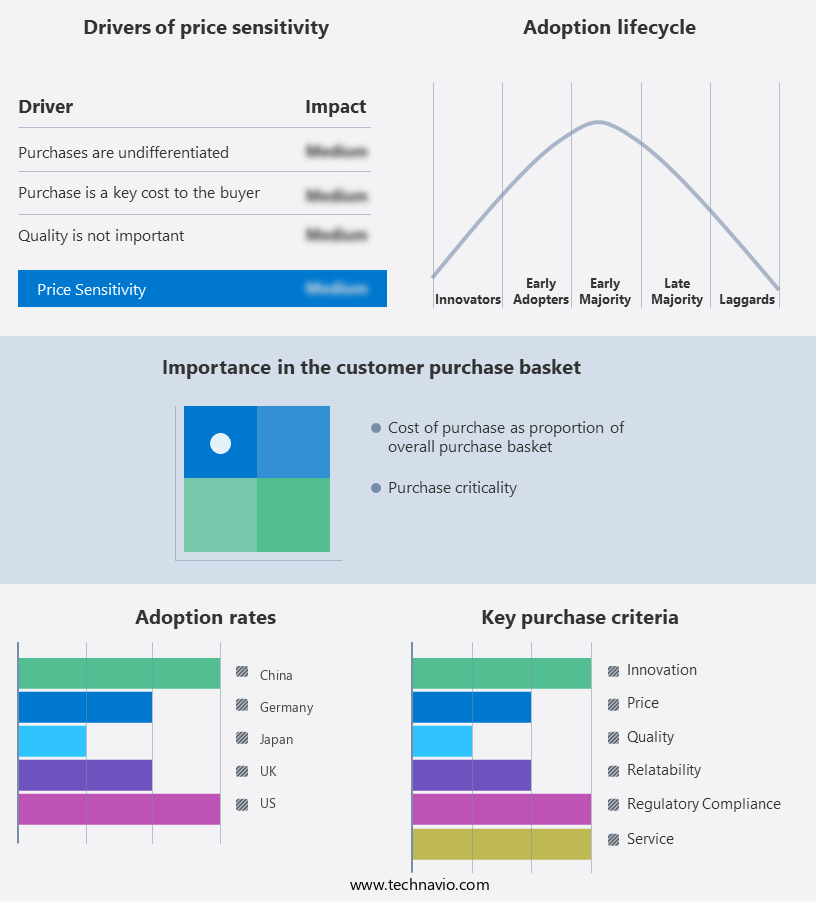
Customer Landscape
Key Companies & Market Insights
Companies are implementing various strategies, such as strategic alliances, ambulatory cardiac monitoring devices market forecast, partnerships, mergers and acquisitions, geographical expansion, and product/service launches, to enhance their presence in the industry.
Abbott Laboratories - The company specializes in advanced ambulatory cardiac monitoring technology, including leadless pacemakers, insertable cardiac monitors, and cardiac leads. These devices enable continuous, remote patient monitoring outside of a hospital setting, enhancing diagnostic accuracy and improving patient care.
The industry research and growth report includes detailed analyses of the competitive landscape of the market and information about key companies, including:
- Abbott Laboratories
- ACS Diagnostics Inc.
- Asahi Kasei Corp.
- Baxter International Inc.
- BIOTRONIK SE and Co. KG
- Fukuda Denshi Co. Ltd
- General Electric Co.
- iRhythm Technologies Inc.
- Koninklijke Philips N.V.
- Medi Lynx Cardiac Monitoring, LLC
- Medicalgorithmics SA
- Medtronic Plc
- Shenzhen Mindray BioMedical Electronics Co. Ltd
- Nihon Kohden Corp.
- OSI Systems Inc.
- SCHILLER AG
Qualitative and quantitative analysis of companies has been conducted to help clients understand the wider business environment as well as the strengths and weaknesses of key industry players. Data is qualitatively analyzed to categorize companies as pure play, category-focused, industry-focused, and diversified; it is quantitatively analyzed to categorize companies as dominant, leading, strong, tentative, and weak.
Recent Development and News in Ambulatory Cardiac Monitoring Devices Market
- In January 2024, Medtronic plc, a global leader in medical technology, solutions, and services, announced the U.S. Food and Drug Administration (FDA) approval of its new Reveal LINQ II Insertable Cardiac Monitor (ICM). This tiny, wireless device can record heart rhythm data for up to three years, enabling earlier detection of cardiac arrhythmias (Medtronic Press Release, 2024).
- In March 2024, Philips and Apple announced a strategic collaboration to integrate Philips' remote patient monitoring solutions with Apple's Health app. This partnership aimed to improve ambulatory cardiac monitoring by allowing patients to easily share their health data with their healthcare providers using Apple devices (Philips Press Release, 2024).
- In April 2025, Abbott Laboratories completed the acquisition of St. Jude Medical, a leading medical device company specializing in cardiovascular and neurological interventions. This acquisition expanded Abbott's portfolio in the cardiac monitoring market, including the addition of St. Jude's remote monitoring technologies (Abbott Press Release, 2025).
- In May 2025, the European Commission granted marketing authorization for the AliveCor KardiaMobile Rhythm Monitor, a portable electrocardiogram (ECG) device. This approval marked the first FDA-cleared and CE-marked mobile ECG solution available in Europe, expanding the market reach for AliveCor's ambulatory cardiac monitoring solutions (AliveCor Press Release, 2025).
Research Analyst Overview
- The market is experiencing significant advancements, driven by regulatory compliance for remote patient monitoring and the integration of cloud-based storage, mobile health applications, and algorithm validation for signal processing. Data integrity and privacy are paramount, with secure data transfer and healthcare integration ensuring seamless clinical workflow. Data visualization tools and data analytics platforms facilitate efficient device updates and long-term monitoring, while wearable technology, patient portals, and patient self-management enhance user experience. Device reliability, diagnostic accuracy, and prognostic value are essential for remote diagnostics and clinical validation.
- Sensor technology and device validation continue to evolve, extending device lifespan and improving ECG data interpretation and cardiac event detection. Remote diagnostics and clinical validation are crucial for enhancing physician workflow and optimizing patient care.
Dive into Technavio’s robust research methodology, blending expert interviews, extensive data synthesis, and validated models for unparalleled Ambulatory Cardiac Monitoring Devices Market insights. See full methodology.
|
Market Scope |
|
|
Report Coverage |
Details |
|
Page number |
170 |
|
Base year |
2023 |
|
Historic period |
2018-2022 |
|
Forecast period |
2024-2028 |
|
Growth momentum & CAGR |
Accelerate at a CAGR of 6.78% |
|
Market growth 2024-2028 |
USD 2415.5 million |
|
Market structure |
Fragmented |
|
YoY growth 2023-2024(%) |
6.23 |
|
Key countries |
US, China, Germany, Japan, and UK |
|
Competitive landscape |
Leading Companies, Market Positioning of Companies, Competitive Strategies, and Industry Risks |
What are the Key Data Covered in this Ambulatory Cardiac Monitoring Devices Market Research and Growth Report?
- CAGR of the Ambulatory Cardiac Monitoring Devices industry during the forecast period
- Detailed information on factors that will drive the growth and forecasting between 2024 and 2028
- Precise estimation of the size of the market and its contribution of the industry in focus to the parent market
- Accurate predictions about upcoming growth and trends and changes in consumer behaviour
- Growth of the market across North America, Asia, Europe, and Rest of World (ROW)
- Thorough analysis of the market’s competitive landscape and detailed information about companies
- Comprehensive analysis of factors that will challenge the ambulatory cardiac monitoring devices market growth of industry companies
We can help! Our analysts can customize this ambulatory cardiac monitoring devices market research report to meet your requirements.
 RIA -
RIA - 
