



Australia Traffic Management Market Size 2025-2029
The traffic management market in Australia size is forecast to increase by USD 273.1 billion at a CAGR of 6.5% between 2024 and 2029.
- The market is experiencing significant growth due to the increasing issue of traffic congestion and the rising demand for smart parking solutions. With the tide in urbanization and population growth, managing traffic efficiently has become a major challenge for cities. The implementation of advanced technologies such as real-time traffic monitoring, intelligent transportation systems, and predictive analytics is helping to mitigate traffic congestion and improve overall traffic flow. However, data privacy and data security concerns remain a major challenge for traffic management solutions, as the collection and analysis of vast amounts of data requires strong security measures. This market analysis report provides an in-depth examination of the growth factors, trends, and challenges shaping the traffic management market.
What will be the Size of the Market During the Forecast Period?
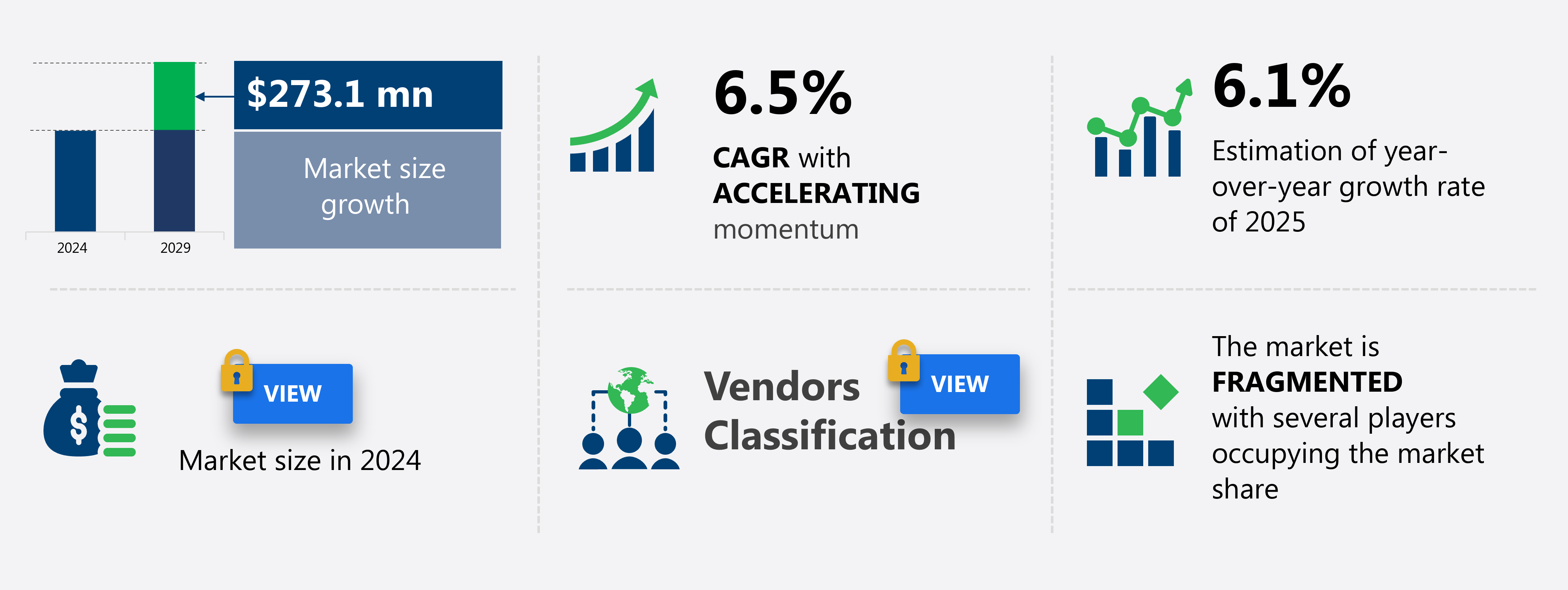
- The traffic management market is a critical component of modern transportation infrastructure, with an increasing focus on optimizing traffic flow, enhancing safety, and promoting sustainable transportation solutions. This dynamic industry is driven by several key trends and innovations, all aimed at addressing the challenges of congestion, parking, and urban mobility. One significant trend in the traffic management market is the integration of big data analytics. By harnessing the power of data from various sources, including traffic sensors, parking systems, and public transportation networks, traffic managers can gain valuable insights into traffic patterns, parking availability, and demand. Another notable trend is the adoption of advanced technologies, such as cyclist detection systems and pedestrian detection systems. Innovations in parking technology include parking payments, parking reservation, and parking guidance systems. Additionally, parking pricing strategies and big data analytics are being used to optimize parking revenue and ensure efficient use of parking spaces.
- Furthermore, safety training programs are essential to ensure that traffic managers and enforcement personnel are equipped with the knowledge and skills necessary to maintain a safe and efficient transportation network. Traffic congestion mitigation is another critical area of focus for the traffic management market. Intelligent transportation systems, such as traffic signal optimization and autonomous vehicle integration, are being employed to reduce congestion and improve overall traffic flow. Additionally, traffic calming measures, such as roundabouts and speed bumps, are being used to manage traffic and enhance safety in urban areas. The use of smart traffic management systems is gaining popularity in the traffic management market. These systems leverage advanced technologies, such as real-time traffic data analysis and traffic flow analysis, to provide actionable insights and enable proactive traffic management.
How is this market segmented and which is the largest segment?
The market research report provides comprehensive data (region-wise segment analysis), with forecasts and estimates in "USD million" for the period 2025-2029, as well as historical data from 2019-2023 for the following segments.
- Component
- Hardware
- Software
- Services
- Type
- Urban traffic management and control
- Adaptive traffic control system
- Journey time management system
- Dynamic traffic management system
- Others
- Deployment
- On-premises
- Cloud
- Geography
- Australia
- Australia
- Australia
By Component Insights
- The hardware segment is estimated to witness significant growth during the forecast period.
In the Australian traffic management market, the significance of hardware components in the deployment of intelligent transportation systems (ITS) cannot be overstated. Hardware elements such as traffic signals, cameras, and road sensors play a pivotal role in creating efficient and effective traffic management solutions. These devices are integral to monitoring traffic flow, controlling signal timings, and providing real-time updates to drivers, thereby improving connectivity and road safety. With the increasing population and expansion of urban areas in Australia, the demand for advanced traffic management systems is escalating. Hardware components are essential for addressing traffic congestion concerns and ensuring smooth traffic flow.
For instance, traffic signals optimized with AI technology can adapt to real-time traffic conditions and adjust timings accordingly. Similarly, GPS systems integrated with traffic management systems can provide drivers with real-time updates on traffic conditions and alternative routes. Smart mobility solutions, such as dynamic traffic signal coordination and adaptive traffic control systems, are becoming increasingly popular. These systems use real-time data to manage traffic flow and improve overall transportation efficiency. Furthermore, the integration of AI and machine learning algorithms in traffic management systems can help identify patterns and optimize traffic flow, reducing delays and enhancing safety. In summary, hardware components, including traffic signals, cameras, and sensors, are essential for creating efficient and effective traffic management systems.
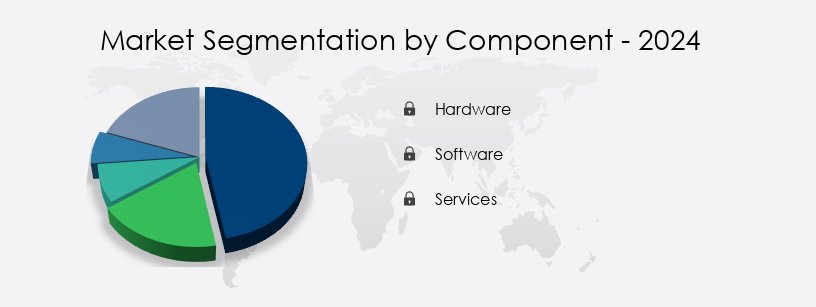
Get a glance at the market report of share of various segments Request Free Sample
Market Dynamics
Our Australia Traffic Management Market researchers analyzed the data with 2024 as the base year, along with the key drivers, trends, and challenges. A holistic analysis of drivers will help companies refine their marketing strategies to gain a competitive advantage.
What are the key market drivers leading to the rise in adoption of Australia Traffic Management Market?
High traffic congestion is the key driver of the market.
- The market is experiencing significant growth due to increasing traffic congestion in major cities. According to the 2023 INRIX Global Traffic Scorecard, Brisbane drivers lost an average of 74 hours annually due to traffic congestion between 2020 and 2023, ranking it as the 12th worst city globally for traffic delays. As urban populations grow and vehicle numbers increase, the strain on existing road infrastructure intensifies, leading to more frequent and severe traffic jams. To mitigate the impact of traffic congestion, there is a pressing need for advanced traffic management solutions. Intelligent speed adaptation, traffic signal control, and real-time traffic management systems are becoming essential components of modern transportation infrastructure.
- Advanced technologies, such as AI, 5G technology, and smart cameras, are increasingly being adopted to improve traffic control, reduce latency, and enhance road safety. In conclusion, the market is driven by the need to address traffic congestion and optimize transportation infrastructure. Advanced technologies and innovative solutions are essential to improve traffic flow, reduce congestion, and ensure reliable, safe, and carbon-efficient transportation systems.
What are the market trends shaping the Australia Traffic Management Market?
Growing demand for smart traffic management is the upcoming trend in the market.
- The market is witnessing significant growth due to the increasing need for efficient and intelligent transportation systems. Intelligent Speed Adaptation technology is playing a crucial role in reducing traffic congestion and enhancing road safety. Inflation and recession-resilient sectors are driving the demand for traffic management services, leading to an increased focus on pricing dynamics and parking tariffs. Talent acquisition and specialized training are essential for managing complex parking facilities, which are becoming increasingly digital with the integration of real-time data, GPS, and traffic analytics. Traffic signal control is another critical aspect of traffic management, with the implementation of AI technology, 5G connectivity, and smart mobility solutions.
- The traffic management market is dynamic, with pricing dynamics and bidding strategies playing a significant role. Real-time traffic management and traffic behavior analysis are essential for optimizing traffic flow and reducing travel time. The use of AI technology, traffic signal timing, and vehicle identification sensors provides valuable data insights, helping to improve traffic operations and road safety. However, there are challenges to overcome, including latency, security, and the need for reliable hardware. The market is also facing competition from traditional transportation infrastructure and the emergence of new technologies. Despite these challenges, the future of traffic management lies in the integration of advanced technology and data analytics to create smart cities and improve the overall transportation system.
What challenges does Australia Traffic Management Market face during the growth?
Data privacy and security concerns is a key challenge affecting the market growth.
- The market is experiencing significant growth due to the increasing demand for intelligent transportation systems. With inflation and population growth, there is a heightened focus on traffic management services that utilize real-time data, such as traffic analytics, to optimize traffic flow and reduce congestion. This includes the use of advanced technologies like AI, 5G, and GPS to enhance traffic signal control, vehicle identification sensors, and digital parking solutions. However, challenges persist in the form of labor shortages, pricing dynamics, and project lead times. Recession-resilient sectors like parking facilities and transportation infrastructure are prioritizing specialized training and bidding strategies to mitigate these issues.
- Additionally, there is a growing emphasis on reducing carbon emissions and improving road safety through green splits, smart mobility solutions, and traffic signal timing. Despite these advancements, data privacy and security concerns remain a significant challenge. With the increasing use of sensors, cameras, and other data-collecting technologies, there is a need for strong data management systems to ensure the protection of sensitive information. This includes implementing risk prediction analytics, hardware security measures, and adhering to government policies on data privacy and security. Moreover, the integration of AI technology and smart cities is transforming traffic management systems, enabling real-time traffic management, route guidance, and traffic behavior analysis.
Exclusive Customer Landscape
The market forecasting report includes the adoption lifecycle of the market, covering from the innovator's stage to the laggard's stage. It focuses on adoption rates in different regions based on penetration. Furthermore, the market report also includes key purchase criteria and drivers of price sensitivity to help companies evaluate and develop their market growth analysis strategies.
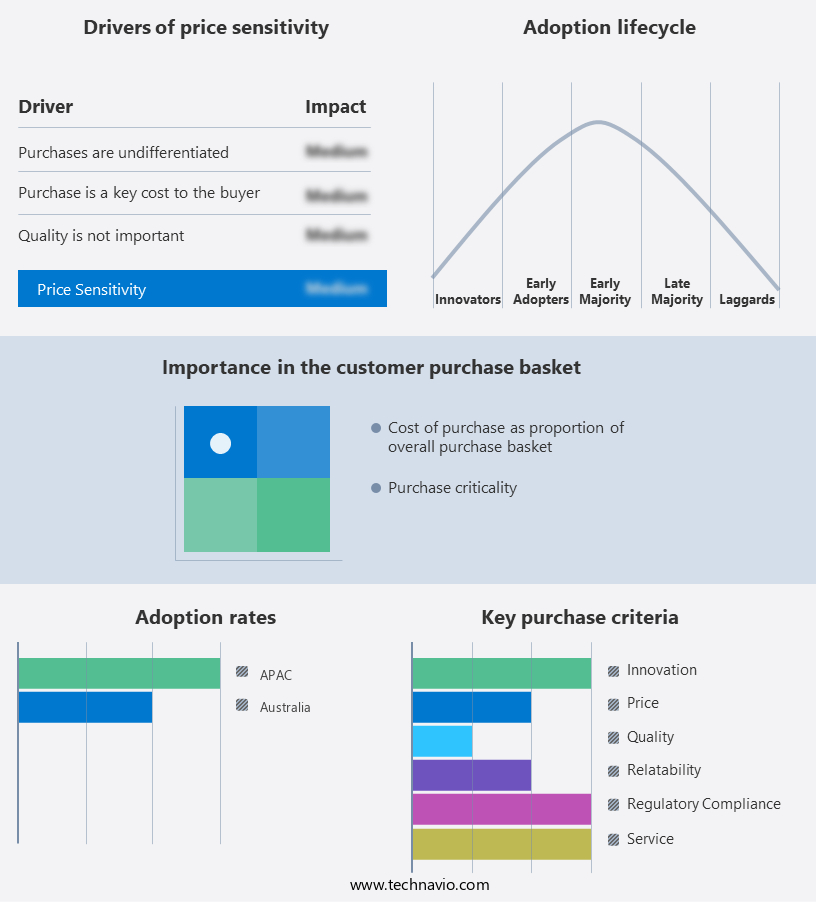
Customer Landscape
Key Companies & Market Insights
Companies are implementing various strategies, such as strategic alliances, market forecast, partnerships, mergers and acquisitions, geographical expansion, and product/service launches, to enhance their presence in the market.
- Acciona SA - The company offers traffic management in its construction of roads, bridges, and tunnels, using big data and innovative techniques to optimize traffic flow.
The market research and growth report includes detailed analyses of the competitive landscape of the market and information about key companies, including:
- Advanced Mobility Analytics Group Pty Ltd
- Altus Group
- Cisco Systems Inc.
- Egis Group
- Fulton Hogan Ltd.
- International Business Machines Corp.
- intuVision Inc.
- Invarion Inc.
- Kapsch TrafficCom AG
- PTV Planung Transport Verkehr AG
- Q Free ASA
- Road Manager
- Smats Traffic Solutions Inc.
- SWARCO AG
- Waze Mobile Ltd.
Qualitative and quantitative analysis of companies has been conducted to help clients understand the wider business environment as well as the strengths and weaknesses of key market players. Data is qualitatively analyzed to categorize companies as pure play, category-focused, industry-focused, and diversified; it is quantitatively analyzed to categorize companies as dominant, leading, strong, tentative, and weak.
Research Analyst Overview
Furthermore, reputation building is becoming increasingly important for traffic management organizations, as public perception plays a significant role in the success and acceptance of new traffic management initiatives. In conclusion, the traffic management market is a dynamic and evolving industry, driven by trends such as big data analytics, advanced technologies, and a focus on safety and sustainability.
|
Market Scope |
|
|
Report Coverage |
Details |
|
Page number |
181 |
|
Base year |
2024 |
|
Historic period |
2019-2023 |
|
Forecast period |
2025-2029 |
|
Growth momentum & CAGR |
Accelerate at a CAGR of 6.5% |
|
Market growth 2025-2029 |
USD 273.1 million |
|
Market structure |
Fragmented |
|
YoY growth 2024-2025(%) |
6.1 |
|
Key countries |
Australia and APAC |
|
Competitive landscape |
Leading Companies, Market Positioning of Companies, Competitive Strategies, and Industry Risks |
What are the Key Data Covered in this Market Research and Growth Report?
- CAGR of the market during the forecast period
- Detailed information on factors that will drive the market growth and forecasting between 2025 and 2029
- Precise estimation of the size of the market and its contribution of the market in focus to the parent market
- Accurate predictions about upcoming market growth and trends and changes in consumer behaviour
- Growth of the market across Australia
- Thorough analysis of the market's competitive landscape and detailed information about companies
- Comprehensive analysis of factors that will challenge the growth of market companies
We can help! Our analysts can customize this market research report to meet your requirements. Get in touch
 RIA -
RIA - 
