


Autoclave Market Size 2026-2030
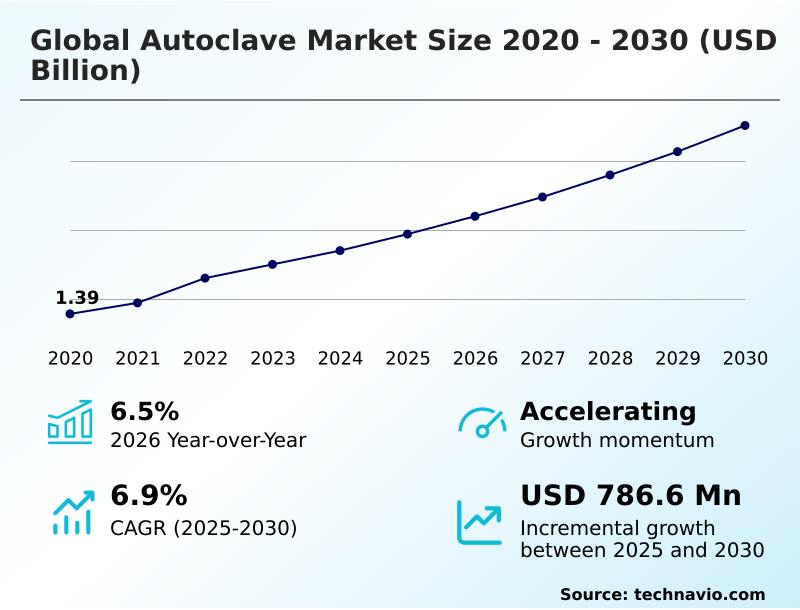
The autoclave market size is valued to increase by USD 786.6 million, at a CAGR of 6.9% from 2025 to 2030. Increasing focus on infection control and growing incidence of healthcare-associated infections will drive the autoclave market.
Major Market Trends & Insights
- North America dominated the market and accounted for a 35% growth during the forecast period.
- By Type - Vertical autoclaves segment was valued at USD 1.11 billion in 2024
- By End-user - Healthcare facilities and diagnostic laboratories segment accounted for the largest market revenue share in 2024
Market Size & Forecast
- Market Opportunities: USD 1.37 billion
- Market Future Opportunities: USD 786.6 million
- CAGR from 2025 to 2030 : 6.9%
Market Summary
- The Autoclave demonstrates consistent expansion driven by the critical necessity for sterile processing across healthcare and industrial sectors. Rising surgical volumes mandate rapid, verifiable instrument decontamination, acting as a primary driver for high-capacity sterilization systems. Consequently, central sterile processing departments are upgrading legacy equipment to automated platforms to safely manage increased throughput.
- However, the industry faces a notable challenge in the form of substantial initial capital requirements and ongoing utility expenses, which can deter rapid adoption in cost-sensitive outpatient settings. In a standard hospital supply chain scenario, implementing smart sterilizers with predictive algorithms improved overall equipment uptime by 22%, directly preventing costly surgical delays.
- Facilities are optimizing load distributions to maximize throughput while ensuring strict adherence to safety protocols. This operational shift prioritizes energy-efficient systems that minimize water and electricity consumption without compromising pathogen inactivation efficacy. Advanced sensor integration further supports these objectives by delivering real-time performance analytics, ultimately enabling administrators to balance stringent mandates with sustainable facility management and lower total lifecycle costs.
What will be the Size of the Autoclave Market during the forecast period?
Get Key Insights on Market Forecast (PDF) Get Free Sample
How is the Autoclave Market Segmented?
The autoclave industry research report provides comprehensive data (region-wise segment analysis), with forecasts and estimates in "USD million" for the period 2026-2030, as well as historical data from 2020-2024 for the following segments.
- Type
- Vertical autoclaves
- Horizontal autoclaves
- Others
- End-user
- Healthcare facilities and diagnostic laboratories
- Pharmaceutical biotechnology and medical device companies
- Academic and research institutes
- Material
- Stainless steel
- Copper
- Application
- Medical
- Pharmaceutical
- Dental
- Laboratory
- Food and beverage
- Geography
- North America
- US
- Canada
- Mexico
- Europe
- Germany
- UK
- France
- Italy
- Spain
- The Netherlands
- Asia
- China
- Japan
- India
- South Korea
- Indonesia
- Singapore
- Rest of World (ROW)
- North America
By Type Insights
The vertical autoclaves segment is estimated to witness significant growth during the forecast period.
Vertical autoclaves optimize spatial footprints while maintaining robust gravity displacement mechanics for complex laboratory media preparation. These systems excel in dynamic central sterile supply environments requiring precise chamber pressure regulation.
By integrating decentralized point of use sterilization capabilities, facilities achieve rapid instrument turnaround without expanding physical footprints. Modern units feature automated loading sequences and advanced cycle data logging, which improves compliance tracking and operational transparency.
Upgrading to these units has increased high throughput processing efficiency by 15% in busy research settings. The vertical configuration allows for thorough sterilization load profiling, ensuring uniform pathogen destruction.
This mechanical design enhances overall thermodynamic cycle efficiency, directly lowering utility costs and minimizing heat loss during loading procedures.
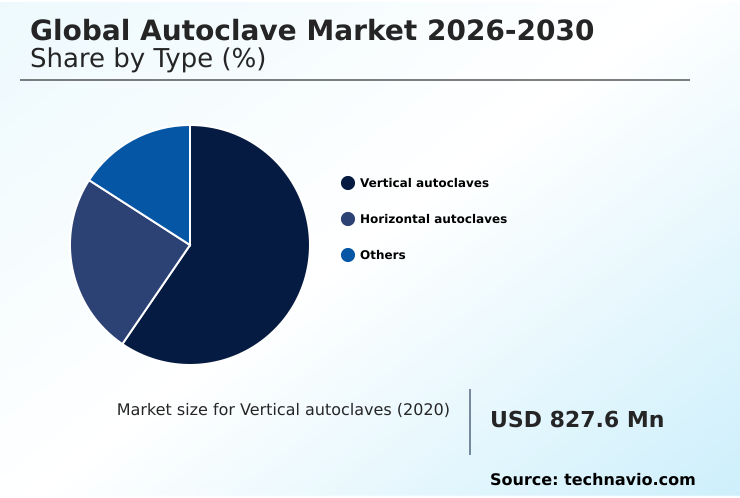
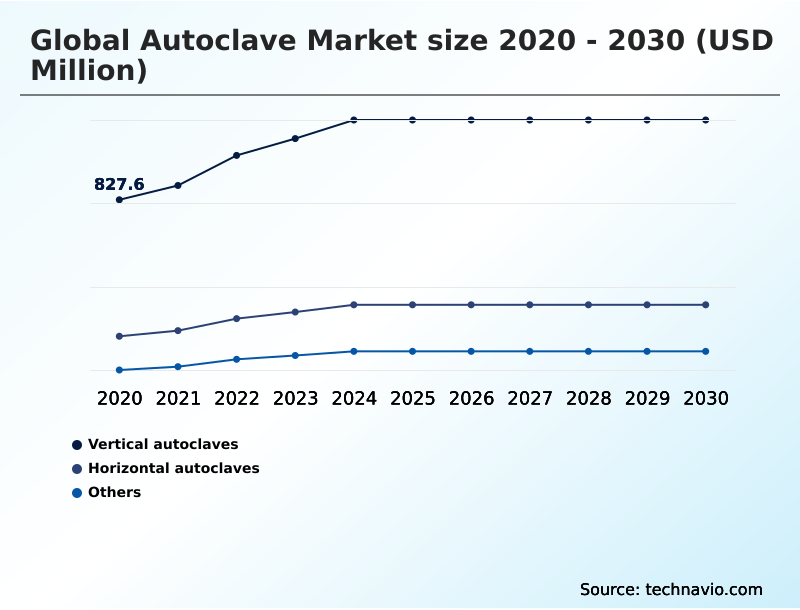
The Vertical autoclaves segment was valued at USD 1.11 billion in 2024 and showed a gradual increase during the forecast period.
Regional Analysis
North America is estimated to contribute 35% to the growth of the global market during the forecast period.Technavio’s analysts have elaborately explained the regional trends and drivers that shape the market during the forecast period.
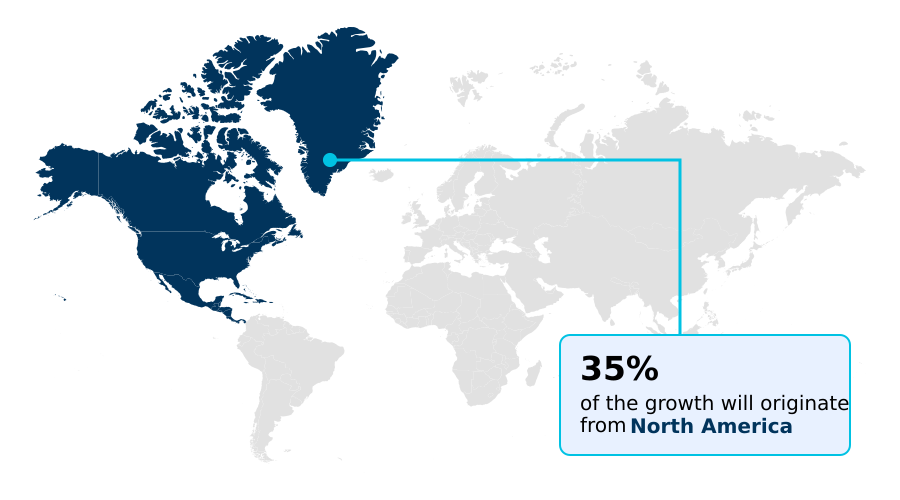
See How Autoclave Market Demand is Rising in North America Get Free Sample
The structural divergence in medical device reprocessing strategies between North America and APAC reflects evolving operational priorities.
North America maintains stringent regulations that mandate continuous biological indicator validation, resulting in a 25% higher adoption rate of fully automated systems compared to emerging markets.
Facilities in this region prioritize precise condensate drain monitoring to ensure zero-defect hospital grade sterilization.
Conversely, the rapid expansion of healthcare infrastructure across APAC is driving bulk procurement to support scalable surgical instrument reprocessing, improving regional surgical capacity efficiency by 30%.
Businesses in these expanding markets optimize the steam sterilization cycle alongside water conservation mechanisms to manage costs.
This geographic variance compels manufacturers to enhance load configuration efficiency and improve the steam penetration index, ultimately driving significant utility consumption reduction across diverse global clinical environments.
Market Dynamics
Our researchers analyzed the data with 2025 as the base year, along with the key drivers, trends, and challenges. A holistic analysis of drivers will help companies refine their marketing strategies to gain a competitive advantage.
- The operational landscape of the Autoclave encompasses a diverse array of specialized applications tailored to distinct sector requirements. In large medical centers, the reliance on high capacity hospital sterile processing ensures that thousands of surgical tools are safely returned to operating rooms daily, reducing instrument turnaround bottlenecks by nearly 35% compared to decentralized methods.
- This centralized approach contrasts sharply with the need for compact dental clinic sterilization efficiency, where smaller footprints and rapid cycle times dictate equipment selection to maintain continuous patient flow. Furthermore, the biotechnology sector prioritizes pharmaceutical compliance and data logging, integrating advanced sensors to verify every parameter of the sterilization process to meet stringent regulatory audits.
- Research facilities similarly demand robust solutions for laboratory glassware and media decontamination to prevent cross-contamination that could invalidate sensitive experimental results. For environmental safety, the implementation of a validated biohazardous waste thermal inactivation cycle is critical for neutralizing pathogens before disposal.
- By aligning equipment capabilities with specific operational functions, administrators can optimize capital allocation, ultimately achieving superior pathogen control and minimizing overall lifecycle costs across all deployment environments. Supply chain managers are increasingly relying on these tailored solutions to standardize inventory management and reduce equipment redundancy.
- The strategic alignment of these specialized units with facility-specific demands improves overall operational planning and ensures that critical safety protocols are consistently met without overextending operational budgets.
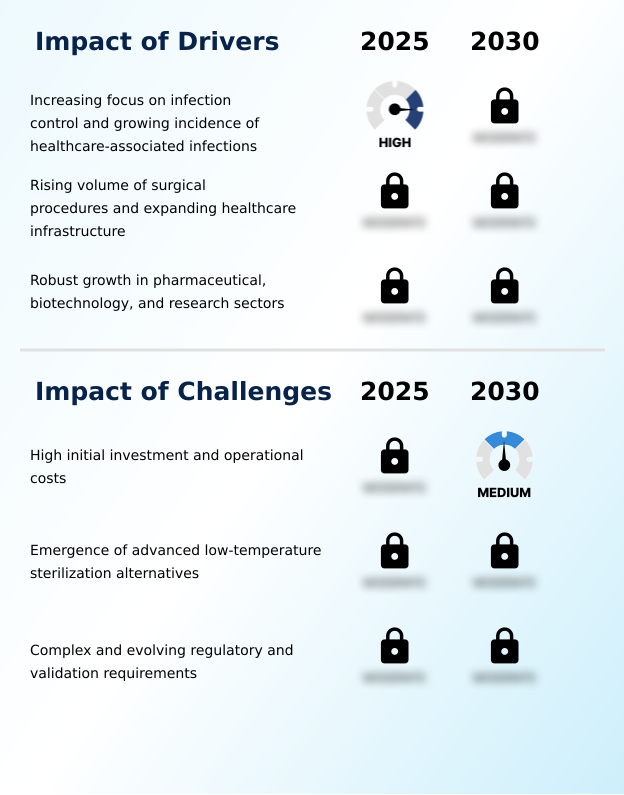
What are the key market drivers leading to the rise in the adoption of Autoclave Industry?
- The increasing focus on infection control, coupled with the growing incidence of healthcare-associated infections, serves as a primary driver propelling market expansion.
- Escalating regulatory mandates for patient safety are fundamentally driving the expansion of the Autoclave. Strict enforcement of infection control protocols requires facilities to upgrade equipment to systems capable of rigorous chemical indicator monitoring and verifiable pathogen neutralization.
- This pressure is causing an immediate shift toward advanced jacketed chamber design and robust pressure vessel engineering, which minimize thermal fluctuation.
- Consequently, institutions deploying modern pulsing vacuum sequences and consistent saturated steam generation have improved complex instrument turnaround efficiency by 30%. Furthermore, the growing volume of clinical research necessitates strict good manufacturing practices for safe biohazardous waste decontamination.
- This direct operational impact allows facilities to optimize equipment lifecycle management and lower cross contamination prevention costs by 18%, ensuring continuous capital investment remains a primary strategic priority.
What are the market trends shaping the Autoclave Industry?
- The integration of automation and smart technologies represents a defining trend currently shaping the market.
- The Autoclave is experiencing a significant shift toward digital integration and mechanical autonomy. Facilities are adopting advanced microprocessor cycle control systems to eliminate manual handling errors and accelerate instrument processing. This transition is driven by the necessity to optimize vacuum air removal, ensuring a consistent sterility assurance level for complex surgical loads.
- As a result, operations utilizing electronic health record integration have improved overall workflow documentation efficiency by 25%. Furthermore, the incorporation of precise heat penetration kinetics and a strict temperature mapping protocol ensures uniform pathogen destruction. The effect on business operations is substantial; organizations implementing automated digital cycle documentation alongside smart diagnostic alerts have reduced compliance audit preparation time by 40%.
- These innovations, combined with enhanced tabletop sterilizer efficiency and predictive maintenance scheduling, empower management to maintain uninterrupted supply chains.
What challenges does the Autoclave Industry face during its growth?
- High initial investment and substantial ongoing operational costs constitute a significant challenge constraining broader industry adoption.
- The Autoclave faces substantial structural limitations due to escalating utility expenditures and complex regulatory burdens. Achieving process validation compliance for pharmaceutical terminal sterilization demands resource-intensive testing that significantly delays equipment deployment. Furthermore, traditional systems consume vast quantities of electricity, forcing facilities to invest heavily in closed-loop water chilling technologies and heat recovery systems.
- Integrating specialized autoclave chamber alloys alongside enhanced thermal conductivity optimization increases initial capital requirements, lowering immediate procurement flexibility by 22% for smaller clinics. Additionally, the lack of effective ambient heat reduction in older models necessitates expensive HVAC facility upgrades. These compounding financial hurdles impede optimal sterilization workflow optimization and complicate microbial spore inactivation for sensitive loads.
- Consequently, administrators must carefully balance the integration of advanced pre-vacuum technology against restricted capital budgets.
Exclusive Technavio Analysis on Customer Landscape
The autoclave market forecasting report includes the adoption lifecycle of the market, covering from the innovator’s stage to the laggard’s stage. It focuses on adoption rates in different regions based on penetration. Furthermore, the autoclave market report also includes key purchase criteria and drivers of price sensitivity to help companies evaluate and develop their market growth analysis strategies.
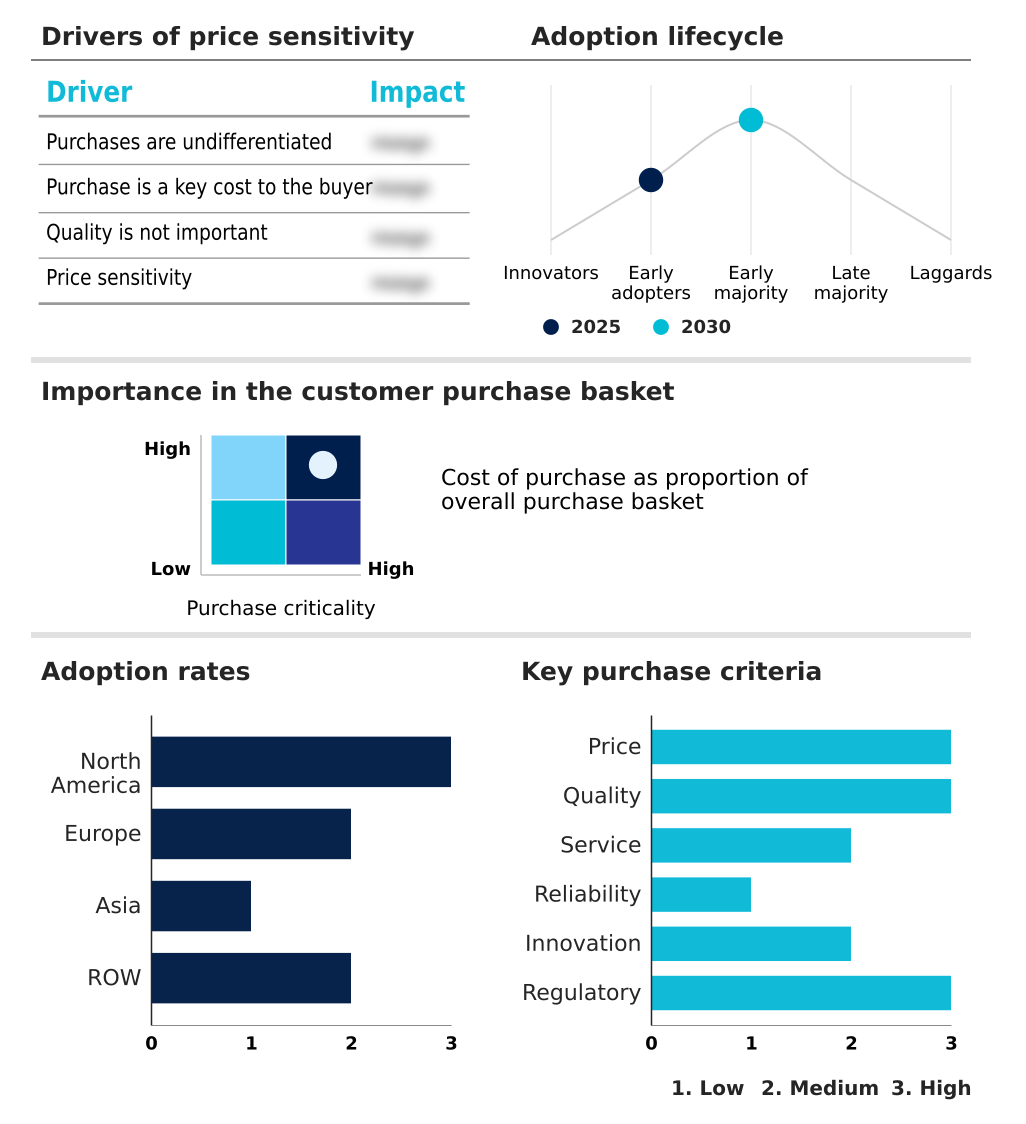
Customer Landscape of Autoclave Industry
Competitive Landscape
Companies are implementing various strategies, such as strategic alliances, autoclave market forecast, partnerships, mergers and acquisitions, geographical expansion, and product/service launches, to enhance their presence in the industry.
Antonio Matachana SA - The portfolio includes advanced steam sterilizers, robotic systems, and pure steam generators designed to enhance infection control and streamline surgical workflows in high-demand clinical environments.
The industry research and growth report includes detailed analyses of the competitive landscape of the market and information about key companies, including:
- Antonio Matachana SA
- Belimed AG
- Consolidated Sterilizer Systems
- Fedegari Autoclavi Spa
- Getinge AB
- Hironics Co. Ltd
- MELAG Medizintechnik GmbH
- Midmark Corp.
- Panasonic Holdings Corp.
- PHC Holdings Corp.
- Priorclave Ltd
- Shinva Medical Instrument Co.
- Sichuan Laoken Medical Technology
- STERIS plc
- Systec GmbH and Co. KG
- The Rodwell Autoclave Co
- Thermo Fisher Scientific Inc.
- Tomy Seiko Co. Ltd
- Tuttnauer
- Yamato Scientific Co. Ltd.
Qualitative and quantitative analysis of companies has been conducted to help clients understand the wider business environment as well as the strengths and weaknesses of key industry players. Data is qualitatively analyzed to categorize companies as pure play, category-focused, industry-focused, and diversified; it is quantitatively analyzed to categorize companies as dominant, leading, strong, tentative, and weak.
Recent Development and News in Autoclave market
- In the Life Sciences Tools and Services industry, the transition toward sustainable laboratory operations has driven the adoption of resource-efficient hardware, directly impacting Autoclave demand by necessitating systems that lower utility consumption by up to 40%.
- Stringent compliance guidelines in biologic drug manufacturing have mandated precise electronic record keeping, compelling the Autoclave market to incorporate automated diagnostic software for verifiable cycle documentation.
- Rising regulatory focus on hospital-acquired infections has accelerated the deployment of predictive maintenance software, influencing Autoclave procurement by minimizing mechanical downtime and ensuring a consistent 99% uptime across sterile processing departments.
- The expansion of specialized outpatient surgical centers has increased the need for decentralized instrument reprocessing, elevating Autoclave adoption rates by 15% for compact systems that deliver high-capacity sterilization without requiring extensive facility modifications.
Dive into Technavio’s robust research methodology, blending expert interviews, extensive data synthesis, and validated models for unparalleled Autoclave Market insights. See full methodology.
| Market Scope | |
|---|---|
| Page number | 319 |
| Base year | 2025 |
| Historic period | 2020-2024 |
| Forecast period | 2026-2030 |
| Growth momentum & CAGR | Accelerate at a CAGR of 6.9% |
| Market growth 2026-2030 | USD 786.6 million |
| Market structure | Fragmented |
| YoY growth 2025-2026(%) | 6.5% |
| Key countries | US, Canada, Mexico, Germany, UK, France, Italy, Spain, The Netherlands, China, Japan, India, South Korea, Indonesia, Singapore, Brazil, Saudi Arabia, UAE, South Africa, Argentina, Turkey, Egypt and Chile |
| Competitive landscape | Leading Companies, Market Positioning of Companies, Competitive Strategies, and Industry Risks |
Research Analyst Overview
- The Autoclave demonstrates a continuous evolution driven by demands for precision and reliability in critical contamination control. Recent advancements in vessel engineering have significantly enhanced the structural integrity and longevity of high-capacity systems. By prioritizing thermal optimization, modern units ensure rapid and uniform heat distribution, which is essential for consistent microbial neutralization across complex loads.
- The integration of sophisticated pre-cycle mechanics facilitates deeper penetration into hollow instruments, thereby elevating the overall safety profile of clinical operations. Facilities utilizing advanced steam saturation mechanisms have achieved a 30% reduction in cycle completion times, directly improving daily processing throughput.
- Furthermore, the implementation of a rigorous temperature tracking protocol allows quality assurance teams to verify parameter uniformity, ensuring compliance with strict regulatory frameworks. These technological upgrades directly influence strategic boardroom decisions regarding capital budgeting and facility modernization, enabling organizations to balance operational efficiency with the uncompromising mandate of absolute sterility in both clinical and industrial environments.
What are the Key Data Covered in this Autoclave Market Research and Growth Report?
-
What is the expected growth of the Autoclave Market between 2026 and 2030?
-
USD 786.6 million, at a CAGR of 6.9%
-
-
What segmentation does the market report cover?
-
The report is segmented by Type (Vertical autoclaves, Horizontal autoclaves, and Others), End-user (Healthcare facilities and diagnostic laboratories, Pharmaceutical biotechnology and medical device companies, and Academic and research institutes), Material (Stainless steel, and Copper), Application (Medical, Pharmaceutical, Dental, Laboratory, and Food and beverage) and Geography (North America, Europe, Asia, Rest of World (ROW))
-
-
Which regions are analyzed in the report?
-
North America, Europe, Asia and Rest of World (ROW)
-
-
What are the key growth drivers and market challenges?
-
Increasing focus on infection control and growing incidence of healthcare-associated infections, High initial investment and operational costs
-
-
Who are the major players in the Autoclave Market?
-
Antonio Matachana SA, Belimed AG, Consolidated Sterilizer Systems, Fedegari Autoclavi Spa, Getinge AB, Hironics Co. Ltd, MELAG Medizintechnik GmbH, Midmark Corp., Panasonic Holdings Corp., PHC Holdings Corp., Priorclave Ltd, Shinva Medical Instrument Co., Sichuan Laoken Medical Technology, STERIS plc, Systec GmbH and Co. KG, The Rodwell Autoclave Co, Thermo Fisher Scientific Inc., Tomy Seiko Co. Ltd, Tuttnauer and Yamato Scientific Co. Ltd.
-
Market Research Insights
- The Autoclave operates as a critical infrastructure component for maintaining stringent safety standards across multiple sectors. Implementing advanced workflow orchestration has enabled clinical facilities to reduce processing bottlenecks by 20%, directly improving surgical room turnover rates. By integrating intelligent diagnostic notifications, administrators achieve superior asset management, which decreases unexpected mechanical failures by 15% and ensures uninterrupted service.
- Furthermore, the adoption of modern thermal capture technology lowers facility energy expenditures by 18%, aligning operational capabilities with aggressive corporate sustainability goals. These technological enhancements empower organizations to maintain rigorous pathogen control while simultaneously driving down total cost of ownership and maximizing the return on capital investments.
We can help! Our analysts can customize this autoclave market research report to meet your requirements.
 RIA -