

Automated Food Sorting Machines Market Analysis North America, Europe, APAC, South America, Middle East and Africa - US, China, Germany, UK, India - Size and Forecast 2024-2028

Automated Food Sorting Machines Market Analysis North America, Europe, APAC, South America, Middle East and Africa - US, China, Germany, UK, India - Size and Forecast 2024-2028

Published: Jun 2024 181 Pages SKU: IRTNTR46598

Market Overview at a Glance

$846.6 Mn
Market Opportunity
9.45%
CAGR
8.41
YoY growth 2023-2024(%)

Automated Food Sorting Machines Market Size 2024-2028 

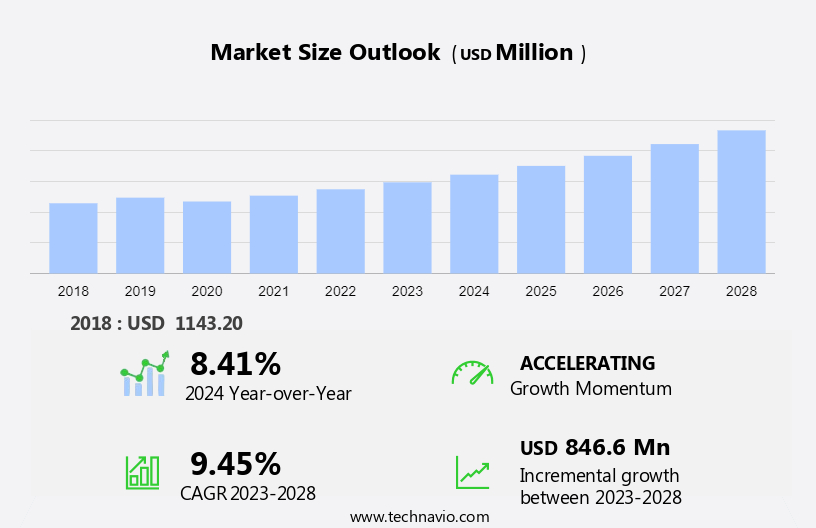
The automated food sorting machines market size is forecast to increase by USD 846.6 million at a CAGR of 9.45% between 2023 and 2028. The market is experiencing significant growth due to the increasing demand for improved food quality and safety. Manual sorting processes, which are labor-intensive and prone to errors, are being replaced by advanced sorting mechanisms. These machines offer higher sorting accuracy and throughput rates, reducing food waste management and increasing efficiency in processing food products such as seeds, grains, and prepared foods. However, the high implementation cost of these machines presents a challenge for smaller businesses. Food safety regulations and hygiene requirements also necessitate the use of automated sorting machines to ensure the highest standards are met. In the market, this trend is driven by the need for increased productivity, reduced labor costs, and enhanced food safety. Automated sorting machines offer a solution to these challenges, making them an essential investment for food processing businesses.
Automated Food Sorting Machines Market Size

 Request Free Sample

The food processing industry is witnessing a significant shift towards automation, with food sorting machines gaining popularity as a solution to manual labor-intensive processes. These machines utilize advanced technologies such as machine vision, artificial intelligence, and robotics to sort food products, including packaged snacks, beverages, and other packaged food items. Automated food sorting machines offer numerous benefits to food manufacturers. By implementing these systems, they can optimize their processes, reduce waste, and improve food safety. Machine learning algorithms and sensor technologies enable the machines to identify and sort food products based on various parameters, such as size, shape, color, and weight. This results in improved quality control and the elimination of contaminated or defective products from the production line. Food sorting machines also contribute to cost and labor efficiency. By automating the sorting process, food manufacturers can reduce their reliance on manual labor and save on associated labor costs.

Additionally, these machines are designed with energy-efficient components and eco-friendly materials, making them a sustainable investment for food processing facilities. The automation trend in the food processing industry is driven by the growing demand for convenient eating habits and healthy food ingredients. Consumers are increasingly seeking out packaged snacks and beverages that meet their dietary needs and offer quick and easy solutions for busy lifestyles. Automated food sorting machines enable food manufacturers to meet this demand by streamlining their production processes and ensuring a consistent product output. Moreover, food manufacturers are under increasing pressure to reduce waste and improve food safety. Automated food sorting machines help address these challenges by identifying and removing contaminated or defective products from the production line, reducing the risk of recalls and minimizing waste.

In conclusion, automated food sorting machines are a valuable investment for food manufacturers looking to streamline their production processes, improve quality control, and reduce waste. By utilizing advanced technologies such as machine vision, artificial intelligence, and robotics, these machines offer a cost-effective and sustainable solution to manual labor-intensive sorting processes. As the demand for convenient and healthy food products continues to grow, the adoption of automated food sorting machines is expected to increase, making them an essential component of modern food processing facilities.

Market Segmentation

The market research report provides comprehensive data (region-wise segment analysis), with forecasts and estimates in "USD million" for the period 2024-2028, as well as historical data from 2018-2022 for the following segments.

  • Product
    • Belt-sorter
    • Free-fall sorter
    • Gravity separator
    • Others
  • Application
    • Dry food and packaged food processing
    • Fruits and vegetable processing
    • Dairy product processing
    • Fats and oil processing
    • Others
  • Geography
    • North America
      • US
    • Europe
      • Germany
      • UK
    • APAC
      • China
      • India
    • South America
    • Middle East and Africa

By Product Insights

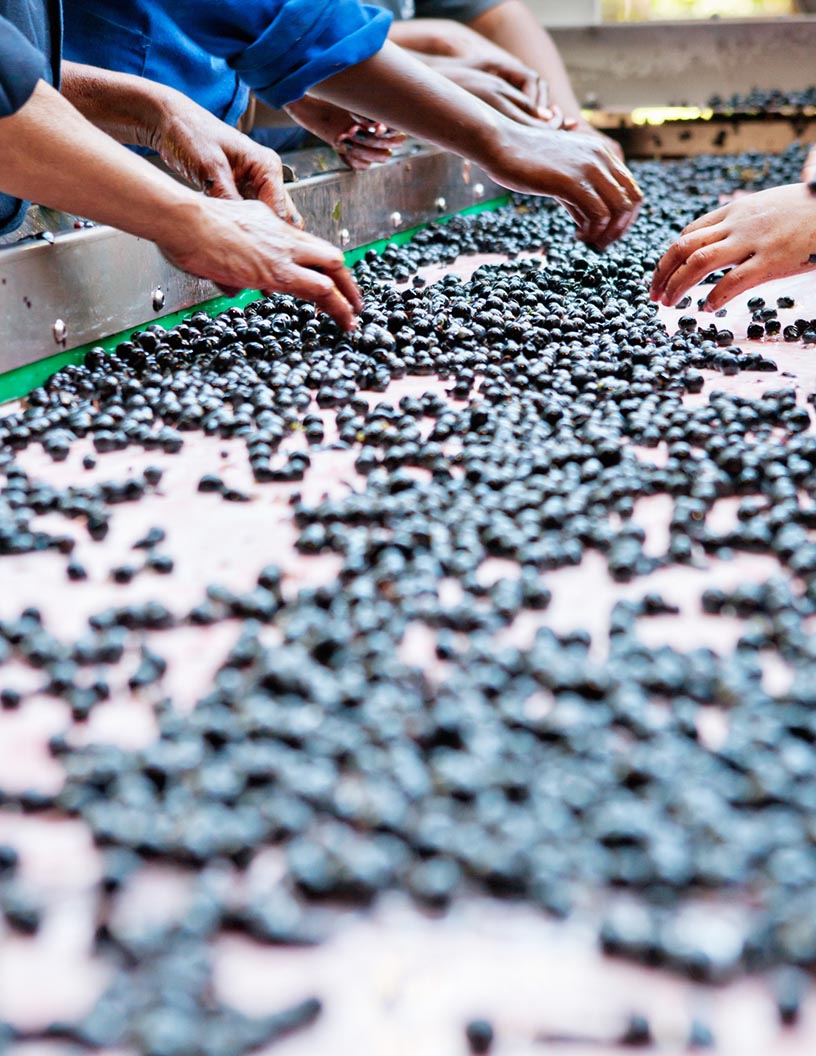
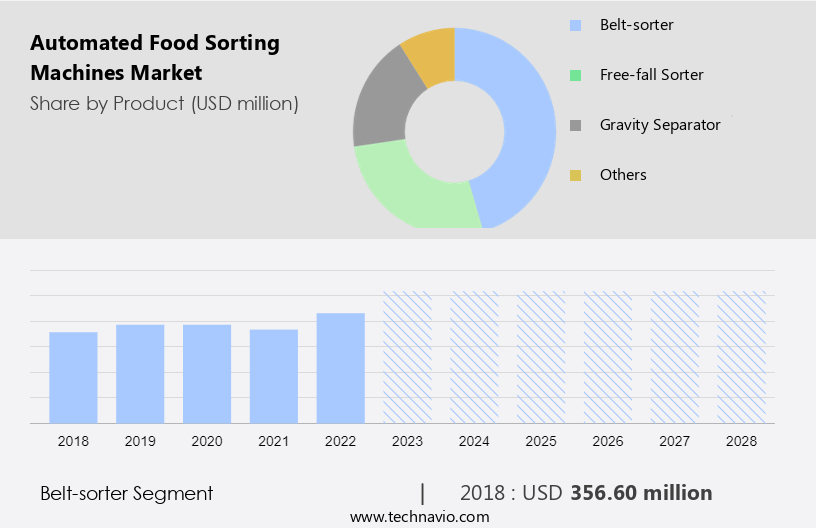
The belt-sorter segment is estimated to witness significant growth during the forecast period. In the realm of food processing and packaging, Automated Food Sorting Machines have gained significant traction in various industries, including pharmaceuticals and food & beverage. These machines employ advanced technologies such as sensors and cameras to ensure high-quality food production and maintain stringent regulations. The use of these systems is particularly prevalent in eCommerce and food processing industries, where the need for efficient and accurate sorting of food items is paramount. Belt sorters are a common type of Automated Food Sorting Machines, capable of sorting food items with varying shapes, colors, and sizes. These machines are utilized in sorting a wide range of food items, such as carrots, potatoes, garlic, cashews, and almonds.

Further, the optical system-enabled belt sorter offers high accuracy and speed, making it an ideal solution for sorting elongated and differently colored food items. Moreover, belt sorters provide a high payload capacity and efficiency, allowing them to sort both large and small food items with ease. With food safety and hygiene being of utmost importance in the food industry, automation offers a reliable and efficient solution to maintain these standards while ensuring a consistent production line. By employing the latest inspection technologies, these machines help ensure the highest quality food products reach consumers.
Automated Food Sorting Machines Market Size

Get a glance at the market share of various segments Request Free Sample

The belt-sorter segment accounted for USD 356.60 million in 2018 and showed a gradual increase during the forecast period.

Regional Insights

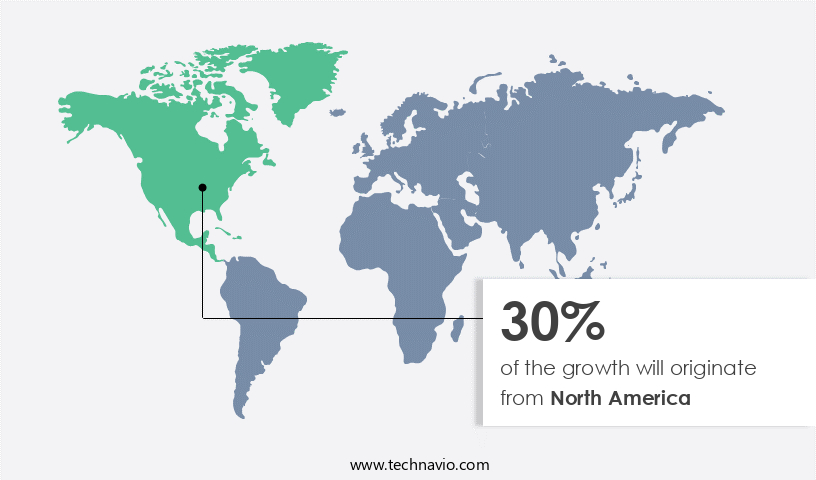
North America is estimated to contribute 30% to the growth of the global market during the forecast period. Technavio's analysts have elaborately explained the regional trends and drivers that shape the market during the forecast period.
Automated Food Sorting Machines Market Share by Geography

For more insights on the market share of various regions Request Free Sample

In North America, the market holds a significant share due to stringent food regulations and the region's high consumption of processed food. The food industry's rapid industrialization and urbanization have led to a high demand for automated sorting systems. These machines offer precision and efficiency, making them an essential investment for food processing companies. Although the upfront costs of installing these systems can be a barrier to entry for smaller firms, the long-term benefits, including reduced labor costs and improved product quality, outweigh the initial investment. The advanced sorting technologies used in these machines require regular training and maintenance to ensure optimal performance. The food industry in North America, which is the largest producer of meat, fish, and seafood processed food, has integrated these automated machines and technologies to enhance production processes and meet consumer demands for high-quality, safe food products.

Our researchers analyzed the data with 2023 as the base year, along with the key drivers, trends, and challenges. A holistic analysis of drivers will help companies refine their marketing strategies to gain a competitive advantage.

Market Driver

Increased focus on quality and safety of food products is the key driver of the market. The food industry has witnessed significant changes due to shifting consumer preferences and the increasing demand for high-quality, safe food products. With growing disposable income and diverse food choices, manufacturers are prioritizing the production of nutritious foods. However, ensuring product safety and maintaining quality standards remains a challenge, particularly in labor-intensive processes. To address these concerns, the food industry is embracing automation, specifically automated food sorting machines. These machines utilize advanced technologies, such as machine learning algorithms and sensor technologies, to sort products based on specific criteria. Machine learning algorithms analyze data to identify patterns and make accurate decisions, while sensor technologies detect defects or contamination.

Additionally, automated sorting machines minimize the risk of human error and contamination, ensuring a safer production environment. In conclusion, the adoption of automated food sorting machines is a response to the increasing demand for high-quality, safe food products and the need to streamline labor-intensive processes. These machines utilize advanced technologies, such as machine learning algorithms and sensor technologies, to sort products based on specific criteria, ensuring consistent product quality and minimizing the risk of contamination. By improving cost and labor efficiency, manufacturers can remain competitive and meet the evolving demands of consumers.

Market Trends

Advanced detection technology of food sorting machines is the upcoming trend in the market. In today's food industry, the emphasis on producing high-quality and safe food products has led to the adoption of advanced sorting technologies. Traditional methods of sorting food items, such as manual labor, are being replaced by automated and intelligent machines. The agricultural sector's use of pesticides and chemicals can impact the quality of raw materials, making it essential for the food processing industry to identify healthy produce.

Further, automated food sorting machines have become a crucial investment for manufacturers to ensure the production of healthy and safe food products.  According to industry reports, the market is projected to expand at a steady pace, driven by factors such as increasing health consciousness, growing demand for convenience foods, and the need for food safety and quality assurance.

Market Challenge

The high implementation cost of automated food sorting machines is a key challenge affecting the market growth. Automated food sorting machines have become increasingly popular in the food processing industry due to their ability to enhance sorting accuracy and throughput rates. However, the initial investment required for implementing these machines is higher than traditional labor-intensive methods. This cost barrier prevents many small and medium enterprises (SMEs) from adopting the technology. The food industry is characterized by a large number of SMEs that prioritize cost-effectiveness over advanced technologies. Despite the benefits of automated sorting mechanisms in reducing food wastage and ensuring food safety regulations, many food processing businesses continue to rely on manual labor for sorting seeds, grains, and processed food products.

Further, the implementation of automated machines is a significant investment, and SMEs often prefer to allocate resources towards labor instead. The food industry, which includes dairy and meat processing applications, has been in existence for a long time, and many businesses are hesitant to abandon traditional methods. However, with increasing awareness of the importance of food safety and hygiene, there is a growing trend towards automation in the food processing sector. 

Exclusive Customer Landscape

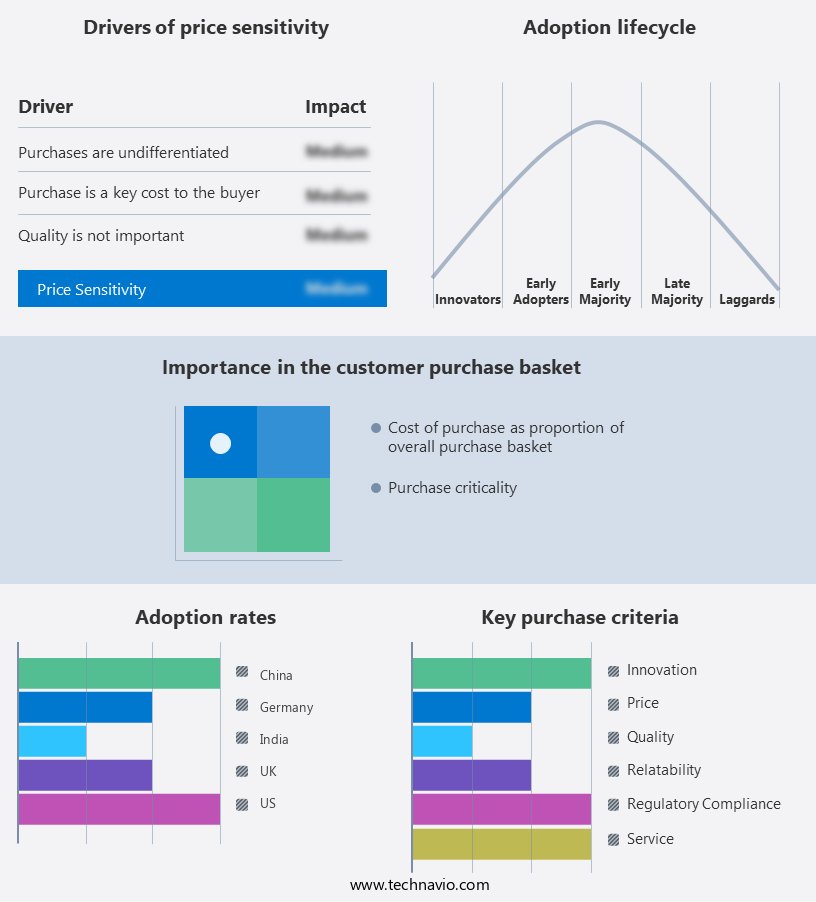
The market forecasting report includes the adoption lifecycle of the market, covering from the innovator's stage to the laggard's stage. It focuses on adoption rates in different regions based on penetration. Furthermore, the report also includes key purchase criteria and drivers of price sensitivity to help companies evaluate and develop their market growth analysis strategies.
Automated Food Sorting Machines Market Share by Geography

 Customer Landscape

Key Companies & Market Insights

Companies are implementing various strategies, such as strategic alliances, partnerships, mergers and acquisitions, geographical expansion, and product/service launches, to enhance their presence in the market.

  • Ellips BV - The company offers the best software, hardware, and retrofit grading and sorting technology for fruits and vegetables.

The market research and growth report includes detailed analyses of the competitive landscape of the market and information about key companies, including:

  • AGCO Corp.
  • Allgaier Werke GmbH
  • Amandus Kahl GmbH and Co. KG
  • ANHUI JIEXUN OPTOELECTRONIC TECHNOLOGY Co. Ltd.
  • ATS Automation Tooling Systems Inc.
  • Aweta G and P BV
  • Buhler AG
  • De Greefs Wagen Carrosserie en Machinebouw BV
  • Duravant LLC
  • Futura Srl
  • Heat and Control Inc.
  • Hefei Meyer Optoelectronic Technology Inc.
  • John Bean Technologies Corp.
  • Kind Technologies B.V.
  • Maf Roda
  • Orange Sorting Machines
  • Promech Industries Pvt. Ltd.
  • Satake Corp.
  • Tomra Systems ASA

Qualitative and quantitative analysis of companies has been conducted to help clients understand the wider business environment as well as the strengths and weaknesses of key market players. Data is qualitatively analyzed to categorize companies as pure play, category-focused, industry-focused, and diversified; it is quantitatively analyzed to categorize companies as dominant, leading, strong, tentative, and weak.

Research Analyst Overview

Automated food sorting machines have become increasingly popular in the food and beverage industry due to the growing demand for high-quality food products, convenient eating habits, and stringent food safety regulations. With the rise of packaged food products, snacks, beverages, and ecommerce, the need for efficient and accurate sorting systems has become essential for food manufacturers. Industrial processes have been rapidly industrializing and urbanizing, leading to an automation trend in food sorting. Automated machinery, including sensors, cameras, machine vision, and artificial intelligence, are being used to sort fruits, vegetables, seeds and grains, and other food products. These sophisticated sorting systems help reduce labor requirements, minimize manual flaws, and ensure consistent quality control.

Additionally, food safety and hygiene are top priorities in the food industry, and automated sorting machines help minimize contamination risks and ensure product quality. These machines use advanced sorting algorithms and sensor technologies to detect and remove defective products, ensuring only high-quality food products reach consumers. The upfront costs of installing and training staff to operate these machines can be a barrier to entry for smaller companies. However, the long-term benefits of increased cost efficiency, labor efficiency, and optimized processes make the investment worthwhile. Additionally, the use of eco-friendly materials and energy-efficient components in these machines aligns with the industry's focus on sustainability and waste reduction.

Further, governing bodies impose penalties for contaminated products, making it crucial for food manufacturers to invest in advanced sorting technologies to maintain consistent quality control and processing time. The use of machine learning algorithms and robotics in food sorting machines is a game-changer, enabling rapid sorting and resource utilization while minimizing waste management and recycling costs.

Market Scope

Report Coverage

Details

Page number

181

Base year

2023

Historic period

2018-2022

Forecast period

2024-2028

Growth momentum & CAGR

Accelerate at a CAGR of 9.45%

Market growth 2024-2028

USD 846.6 million

Market structure

Fragmented

YoY growth 2023-2024(%)

8.41

Regional analysis

North America, Europe, APAC, South America, and Middle East and Africa

Performing market contribution

North America at 30%

Key countries

US, China, Germany, UK, and India

Competitive landscape

Leading Companies, Market Positioning of Companies, Competitive Strategies, and Industry Risks

Key companies profiled

AGCO Corp., Allgaier Werke GmbH, Amandus Kahl GmbH and Co. KG, ANHUI JIEXUN OPTOELECTRONIC TECHNOLOGY Co. Ltd., ATS Automation Tooling Systems Inc., Aweta G and P BV, Buhler AG, De Greefs Wagen Carrosserie en Machinebouw BV, Duravant LLC, Ellips BV, Futura Srl, Heat and Control Inc., Hefei Meyer Optoelectronic Technology Inc., John Bean Technologies Corp., Kind Technologies B.V., Maf Roda, Orange Sorting Machines, Promech Industries Pvt. Ltd., Satake Corp., and Tomra Systems ASA

Market dynamics

Parent market analysis, market growth inducers and obstacles, market forecast, fast-growing and slow-growing segment analysis, COVID-19 impact and recovery analysis and future consumer dynamics, market condition analysis for the forecast period

Customization purview

If our market report has not included the data that you are looking for, you can reach out to our analysts and get segments customized.

Request Free Sample

What are the Key Data Covered in this Market Research and Growth Report?

  • CAGR of the market during the forecast period
  • Detailed information on factors that will drive the market growth and forecasting between 2024 and 2028
  • Precise estimation of the size of the market  and its contribution of the market in focus to the parent market
  • Accurate predictions about upcoming market growth and trends and changes in consumer behaviour
  • Growth of the market across North America, Europe, APAC, South America, and Middle East and Africa
  • Thorough analysis of the market's competitive landscape and detailed information about companies
  • Comprehensive analysis of factors that will challenge the growth of market companies

We can help! Our analysts can customize this market research report to meet your requirements. Get in touch

1 Executive Summary

  • 1.1 Market overview
    • Executive Summary - Chart on Market Overview
    • Executive Summary - Data Table on Market Overview
    • Executive Summary - Chart on Global Market Characteristics
    • Executive Summary - Chart on Market by Geography
    • Executive Summary - Chart on Market Segmentation by Product
    • Executive Summary - Chart on Market Segmentation by Application
    • Executive Summary - Chart on Incremental Growth
    • Executive Summary - Data Table on Incremental Growth
    • Executive Summary - Chart on Company Market Positioning

2 Market Landscape

  • 2.1 Market ecosystem
    • Parent Market
    • Data Table on - Parent Market
  • 2.2 Market characteristics
    • Market characteristics analysis
  • 2.3 Value chain analysis
    • Value Chain Analysis

3 Market Sizing

  • 3.1 Market definition
    • Offerings of companies included in the market definition
  • 3.2 Market segment analysis
    • Market segments
  • 3.3 Market size 2023
    • 3.4 Market outlook: Forecast for 2023-2028
      • Chart on Global - Market size and forecast 2023-2028 ($ million)
      • Data Table on Global - Market size and forecast 2023-2028 ($ million)
      • Chart on Global Market: Year-over-year growth 2023-2028 (%)
      • Data Table on Global Market: Year-over-year growth 2023-2028 (%)

    4 Historic Market Size

    • 4.1 Global Automated Food Sorting Machines Market 2018 - 2022
      • Historic Market Size - Data Table on Global Automated Food Sorting Machines Market 2018 - 2022 ($ million)
    • 4.2 Product segment analysis 2018 - 2022
      • Historic Market Size - Product Segment 2018 - 2022 ($ million)
    • 4.3 Application segment analysis 2018 - 2022
      • Historic Market Size - Application Segment 2018 - 2022 ($ million)
    • 4.4 Geography segment analysis 2018 - 2022
      • Historic Market Size - Geography Segment 2018 - 2022 ($ million)
    • 4.5 Country segment analysis 2018 - 2022
      • Historic Market Size - Country Segment 2018 - 2022 ($ million)

    5 Five Forces Analysis

    • 5.1 Five forces summary
      • Five forces analysis - Comparison between 2023 and 2028
    • 5.2 Bargaining power of buyers
      • Bargaining power of buyers - Impact of key factors 2023 and 2028
    • 5.3 Bargaining power of suppliers
      • Bargaining power of suppliers - Impact of key factors in 2023 and 2028
    • 5.4 Threat of new entrants
      • Threat of new entrants - Impact of key factors in 2023 and 2028
    • 5.5 Threat of substitutes
      • Threat of substitutes - Impact of key factors in 2023 and 2028
    • 5.6 Threat of rivalry
      • Threat of rivalry - Impact of key factors in 2023 and 2028
    • 5.7 Market condition
      • Chart on Market condition - Five forces 2023 and 2028

    6 Market Segmentation by Product

    • 6.1 Market segments
      • Chart on Product - Market share 2023-2028 (%)
      • Data Table on Product - Market share 2023-2028 (%)
    • 6.2 Comparison by Product
      • Chart on Comparison by Product
      • Data Table on Comparison by Product
    • 6.3 Belt-sorter - Market size and forecast 2023-2028
      • Chart on Belt-sorter - Market size and forecast 2023-2028 ($ million)
      • Data Table on Belt-sorter - Market size and forecast 2023-2028 ($ million)
      • Chart on Belt-sorter - Year-over-year growth 2023-2028 (%)
      • Data Table on Belt-sorter - Year-over-year growth 2023-2028 (%)
    • 6.4 Free-fall sorter - Market size and forecast 2023-2028
      • Chart on Free-fall sorter - Market size and forecast 2023-2028 ($ million)
      • Data Table on Free-fall sorter - Market size and forecast 2023-2028 ($ million)
      • Chart on Free-fall sorter - Year-over-year growth 2023-2028 (%)
      • Data Table on Free-fall sorter - Year-over-year growth 2023-2028 (%)
    • 6.5 Gravity separator - Market size and forecast 2023-2028
      • Chart on Gravity separator - Market size and forecast 2023-2028 ($ million)
      • Data Table on Gravity separator - Market size and forecast 2023-2028 ($ million)
      • Chart on Gravity separator - Year-over-year growth 2023-2028 (%)
      • Data Table on Gravity separator - Year-over-year growth 2023-2028 (%)
    • 6.6 Others - Market size and forecast 2023-2028
      • Chart on Others - Market size and forecast 2023-2028 ($ million)
      • Data Table on Others - Market size and forecast 2023-2028 ($ million)
      • Chart on Others - Year-over-year growth 2023-2028 (%)
      • Data Table on Others - Year-over-year growth 2023-2028 (%)
    • 6.7 Market opportunity by Product
      • Market opportunity by Product ($ million)
      • Data Table on Market opportunity by Product ($ million)

    7 Market Segmentation by Application

    • 7.1 Market segments
      • Chart on Application - Market share 2023-2028 (%)
      • Data Table on Application - Market share 2023-2028 (%)
    • 7.2 Comparison by Application
      • Chart on Comparison by Application
      • Data Table on Comparison by Application
    • 7.3 Dry food and packaged food processing - Market size and forecast 2023-2028
      • Chart on Dry food and packaged food processing - Market size and forecast 2023-2028 ($ million)
      • Data Table on Dry food and packaged food processing - Market size and forecast 2023-2028 ($ million)
      • Chart on Dry food and packaged food processing - Year-over-year growth 2023-2028 (%)
      • Data Table on Dry food and packaged food processing - Year-over-year growth 2023-2028 (%)
    • 7.4 Fruits and vegetable processing - Market size and forecast 2023-2028
      • Chart on Fruits and vegetable processing - Market size and forecast 2023-2028 ($ million)
      • Data Table on Fruits and vegetable processing - Market size and forecast 2023-2028 ($ million)
      • Chart on Fruits and vegetable processing - Year-over-year growth 2023-2028 (%)
      • Data Table on Fruits and vegetable processing - Year-over-year growth 2023-2028 (%)
    • 7.5 Dairy product processing - Market size and forecast 2023-2028
      • Chart on Dairy product processing - Market size and forecast 2023-2028 ($ million)
      • Data Table on Dairy product processing - Market size and forecast 2023-2028 ($ million)
      • Chart on Dairy product processing - Year-over-year growth 2023-2028 (%)
      • Data Table on Dairy product processing - Year-over-year growth 2023-2028 (%)
    • 7.6 Fats and oil processing - Market size and forecast 2023-2028
      • Chart on Fats and oil processing - Market size and forecast 2023-2028 ($ million)
      • Data Table on Fats and oil processing - Market size and forecast 2023-2028 ($ million)
      • Chart on Fats and oil processing - Year-over-year growth 2023-2028 (%)
      • Data Table on Fats and oil processing - Year-over-year growth 2023-2028 (%)
    • 7.7 Others - Market size and forecast 2023-2028
      • Chart on Others - Market size and forecast 2023-2028 ($ million)
      • Data Table on Others - Market size and forecast 2023-2028 ($ million)
      • Chart on Others - Year-over-year growth 2023-2028 (%)
      • Data Table on Others - Year-over-year growth 2023-2028 (%)
    • 7.8 Market opportunity by Application
      • Market opportunity by Application ($ million)
      • Data Table on Market opportunity by Application ($ million)

    8 Customer Landscape

    • 8.1 Customer landscape overview
      • Analysis of price sensitivity, lifecycle, customer purchase basket, adoption rates, and purchase criteria

    9 Geographic Landscape

    • 9.1 Geographic segmentation
      • Chart on Market share by geography 2023-2028 (%)
      • Data Table on Market share by geography 2023-2028 (%)
    • 9.2 Geographic comparison
      • Chart on Geographic comparison
      • Data Table on Geographic comparison
    • 9.3 North America - Market size and forecast 2023-2028
      • Chart on North America - Market size and forecast 2023-2028 ($ million)
      • Data Table on North America - Market size and forecast 2023-2028 ($ million)
      • Chart on North America - Year-over-year growth 2023-2028 (%)
      • Data Table on North America - Year-over-year growth 2023-2028 (%)
    • 9.4 Europe - Market size and forecast 2023-2028
      • Chart on Europe - Market size and forecast 2023-2028 ($ million)
      • Data Table on Europe - Market size and forecast 2023-2028 ($ million)
      • Chart on Europe - Year-over-year growth 2023-2028 (%)
      • Data Table on Europe - Year-over-year growth 2023-2028 (%)
    • 9.5 APAC - Market size and forecast 2023-2028
      • Chart on APAC - Market size and forecast 2023-2028 ($ million)
      • Data Table on APAC - Market size and forecast 2023-2028 ($ million)
      • Chart on APAC - Year-over-year growth 2023-2028 (%)
      • Data Table on APAC - Year-over-year growth 2023-2028 (%)
    • 9.6 South America - Market size and forecast 2023-2028
      • Chart on South America - Market size and forecast 2023-2028 ($ million)
      • Data Table on South America - Market size and forecast 2023-2028 ($ million)
      • Chart on South America - Year-over-year growth 2023-2028 (%)
      • Data Table on South America - Year-over-year growth 2023-2028 (%)
    • 9.7 Middle East and Africa - Market size and forecast 2023-2028
      • Chart on Middle East and Africa - Market size and forecast 2023-2028 ($ million)
      • Data Table on Middle East and Africa - Market size and forecast 2023-2028 ($ million)
      • Chart on Middle East and Africa - Year-over-year growth 2023-2028 (%)
      • Data Table on Middle East and Africa - Year-over-year growth 2023-2028 (%)
    • 9.8 US - Market size and forecast 2023-2028
      • Chart on US - Market size and forecast 2023-2028 ($ million)
      • Data Table on US - Market size and forecast 2023-2028 ($ million)
      • Chart on US - Year-over-year growth 2023-2028 (%)
      • Data Table on US - Year-over-year growth 2023-2028 (%)
    • 9.9 China - Market size and forecast 2023-2028
      • Chart on China - Market size and forecast 2023-2028 ($ million)
      • Data Table on China - Market size and forecast 2023-2028 ($ million)
      • Chart on China - Year-over-year growth 2023-2028 (%)
      • Data Table on China - Year-over-year growth 2023-2028 (%)
    • 9.10 Germany - Market size and forecast 2023-2028
      • Chart on Germany - Market size and forecast 2023-2028 ($ million)
      • Data Table on Germany - Market size and forecast 2023-2028 ($ million)
      • Chart on Germany - Year-over-year growth 2023-2028 (%)
      • Data Table on Germany - Year-over-year growth 2023-2028 (%)
    • 9.11 UK - Market size and forecast 2023-2028
      • Chart on UK - Market size and forecast 2023-2028 ($ million)
      • Data Table on UK - Market size and forecast 2023-2028 ($ million)
      • Chart on UK - Year-over-year growth 2023-2028 (%)
      • Data Table on UK - Year-over-year growth 2023-2028 (%)
    • 9.12 India - Market size and forecast 2023-2028
      • Chart on India - Market size and forecast 2023-2028 ($ million)
      • Data Table on India - Market size and forecast 2023-2028 ($ million)
      • Chart on India - Year-over-year growth 2023-2028 (%)
      • Data Table on India - Year-over-year growth 2023-2028 (%)
    • 9.13 Market opportunity by geography
      • Market opportunity by geography ($ million)
      • Data Tables on Market opportunity by geography ($ million)

    10 Drivers, Challenges, and Opportunity/Restraints

    • 10.1 Market drivers
      • 10.2 Market challenges
        • 10.3 Impact of drivers and challenges
          • Impact of drivers and challenges in 2023 and 2028
        • 10.4 Market opportunities/restraints

          11 Competitive Landscape

          • 11.1 Overview
            • 11.2 Competitive Landscape
              • Overview on criticality of inputs and factors of differentiation
            • 11.3 Landscape disruption
              • Overview on factors of disruption
            • 11.4 Industry risks
              • Impact of key risks on business

            12 Competitive Analysis

            • 12.1 Companies profiled
              • Companies covered
            • 12.2 Market positioning of companies
              • Matrix on companies position and classification
            • 12.3 AGCO Corp.
              • AGCO Corp. - Overview
              • AGCO Corp. - Business segments
              • AGCO Corp. - Key news
              • AGCO Corp. - Key offerings
              • AGCO Corp. - Segment focus
            • 12.4 Allgaier Werke GmbH
              • Allgaier Werke GmbH - Overview
              • Allgaier Werke GmbH - Product / Service
              • Allgaier Werke GmbH - Key offerings
            • 12.5 Amandus Kahl GmbH and Co. KG
              • Amandus Kahl GmbH and Co. KG - Overview
              • Amandus Kahl GmbH and Co. KG - Product / Service
              • Amandus Kahl GmbH and Co. KG - Key offerings
            • 12.6 ATS Automation Tooling Systems Inc.
              • ATS Automation Tooling Systems Inc. - Overview
              • ATS Automation Tooling Systems Inc. - Product / Service
              • ATS Automation Tooling Systems Inc. - Key news
              • ATS Automation Tooling Systems Inc. - Key offerings
            • 12.7 Aweta G and P BV
              • Aweta G and P BV - Overview
              • Aweta G and P BV - Product / Service
              • Aweta G and P BV - Key offerings
            • 12.8 Buhler AG
              • Buhler AG - Overview
              • Buhler AG - Business segments
              • Buhler AG - Key news
              • Buhler AG - Key offerings
              • Buhler AG - Segment focus
            • 12.9 De Greefs Wagen Carrosserie en Machinebouw BV
              • De Greefs Wagen Carrosserie en Machinebouw BV - Overview
              • De Greefs Wagen Carrosserie en Machinebouw BV - Product / Service
              • De Greefs Wagen Carrosserie en Machinebouw BV - Key offerings
            • 12.10 Duravant LLC
              • Duravant LLC - Overview
              • Duravant LLC - Product / Service
              • Duravant LLC - Key news
              • Duravant LLC - Key offerings
            • 12.11 Ellips BV
              • Ellips BV - Overview
              • Ellips BV - Product / Service
              • Ellips BV - Key offerings
            • 12.12 Futura Srl
              • Futura Srl - Overview
              • Futura Srl - Product / Service
              • Futura Srl - Key offerings
            • 12.13 Hefei Meyer Optoelectronic Technology Inc.
              • Hefei Meyer Optoelectronic Technology Inc. - Overview
              • Hefei Meyer Optoelectronic Technology Inc. - Product / Service
              • Hefei Meyer Optoelectronic Technology Inc. - Key offerings
            • 12.14 John Bean Technologies Corp.
              • John Bean Technologies Corp. - Overview
              • John Bean Technologies Corp. - Business segments
              • John Bean Technologies Corp. - Key news
              • John Bean Technologies Corp. - Key offerings
              • John Bean Technologies Corp. - Segment focus
            • 12.15 Kind Technologies B.V.
              • Kind Technologies B.V. - Overview
              • Kind Technologies B.V. - Product / Service
              • Kind Technologies B.V. - Key offerings
            • 12.16 Satake Corp.
              • Satake Corp. - Overview
              • Satake Corp. - Product / Service
              • Satake Corp. - Key offerings
            • 12.17 Tomra Systems ASA
              • Tomra Systems ASA - Overview
              • Tomra Systems ASA - Business segments
              • Tomra Systems ASA - Key news
              • Tomra Systems ASA - Key offerings
              • Tomra Systems ASA - Segment focus

            13 Appendix

            • 13.1 Scope of the report
              • 13.2 Inclusions and exclusions checklist
                • Inclusions checklist
                • Exclusions checklist
              • 13.3 Currency conversion rates for US$
                • Currency conversion rates for US$
              • 13.4 Research methodology
                • Research methodology
              • 13.5 Data procurement
                • Information sources
              • 13.6 Data validation
                • Data validation
              • 13.7 Validation techniques employed for market sizing
                • Validation techniques employed for market sizing
              • 13.8 Data synthesis
                • Data synthesis
              • 13.9 360 degree market analysis
                • 360 degree market analysis
              • 13.10 List of abbreviations
                • List of abbreviations

              Research Methodology

              Technavio presents a detailed picture of the market by way of study, synthesis, and summation of data from multiple sources. The analysts have presented the various facets of the market with a particular focus on identifying the key industry influencers. The data thus presented is comprehensive, reliable, and the result of extensive research, both primary and secondary.

              INFORMATION SOURCES

              Primary sources

              • Manufacturers and suppliers
              • Channel partners
              • Industry experts
              • Strategic decision makers

              Secondary sources

              • Industry journals and periodicals
              • Government data
              • Financial reports of key industry players
              • Historical data
              • Press releases

              DATA ANALYSIS

              Data Synthesis

              • Collation of data
              • Estimation of key figures
              • Analysis of derived insights

              Data Validation

              • Triangulation with data models
              • Reference against proprietary databases
              • Corroboration with industry experts

              REPORT WRITING

              Qualitative

              • Market drivers
              • Market challenges
              • Market trends
              • Five forces analysis

              Quantitative

              • Market size and forecast
              • Market segmentation
              • Geographical insights
              • Competitive landscape

              Interested in this report?

              Get your sample now to see our research methodology and insights!

              Download Now

              Frequently Asked Questions

              Automated Food Sorting Machines market growth will increase by $ 846.6 mn during 2024-2028 .

              The Automated Food Sorting Machines market is expected to grow at a CAGR of 9.45% during 2024-2028 .

              Automated Food Sorting Machines market is segmented by Product( Belt-sorter, Free-fall sorter, Gravity separator, Others) Application( Dry food and packaged food processing, Fruits and vegetable processing, Dairy product processing, Fats and oil processing, Others)

              AGCO Corp., Allgaier Werke GmbH, Amandus Kahl GmbH and Co. KG, ANHUI JIEXUN OPTOELECTRONIC TECHNOLOGY Co. Ltd., ATS Automation Tooling Systems Inc., Aweta G and P BV, Buhler AG, De Greefs Wagen Carrosserie en Machinebouw BV, Duravant LLC, Ellips BV, Futura Srl, Heat and Control Inc., Hefei Meyer Optoelectronic Technology Inc., John Bean Technologies Corp., Kind Technologies B.V., Maf Roda, Orange Sorting Machines, Promech Industries Pvt. Ltd., Satake Corp., Tomra Systems ASA are a few of the key vendors in the Automated Food Sorting Machines market.

              North America will register the highest growth rate of 30% among the other regions. Therefore, the Automated Food Sorting Machines market in North America is expected to garner significant business opportunities for the vendors during the forecast period.

              US, China, Germany, UK, India

              • Increased focus on quality and safety of food productsThe improving economy of developing nations has led to the change in food habits and trends followed by the population. The improved disposable income has led to a rise in demand for quality food products is the driving factor this market.
              • fats is the driving factor this market.
              • and protein-rich food. With diversified food choices is the driving factor this market.
              • the food industry is focused on manufacturing food products that fulfill the desired nutrition level. Also is the driving factor this market.
              • it is crucial to maintain safety standards in an industry that protects the final production from any infection or contamination caused by industrial workers. This has led to a transformation in the industry is the driving factor this market.
              • where industrial automation is adopted to facilitate the manufacturing processes is the driving factor this market.
              • keeping the safety of workers and the quality of food in check. To ease industrial operations is the driving factor this market.
              • improve efficiency is the driving factor this market.
              • and focus more on the quality of food is the driving factor this market.
              • automated machines are adopted. Automated food sorting machines are implemented for the production of various food items such as dairy is the driving factor this market.
              • meat is the driving factor this market.
              • seafood is the driving factor this market.
              • and fruits and vegetables. Earlier is the driving factor this market.
              • the meat industry did not witness any investment in modern technologies due to the availability of traditional equipment and methods and lack of awareness. However is the driving factor this market.
              • with the improved awareness level is the driving factor this market.
              • there has been growth in the adoption of modern machines and automated methods. To achieve the quality standards and safety of food products is the driving factor this market.
              • automation will be adopted throughout the food industry is the driving factor this market.
              • fueling the growth of the global automated food sorting machines market during the forecast period. is the driving factor this market.

              The Automated Food Sorting Machines market vendors should focus on grabbing business opportunities from the Belt-sorter segment as it accounted for the largest market share in the base year.
