


Automotive Airbag Electronic Control Unit (ECU) Market Analysis, Size, and Forecast 2026-2030: APAC (China, Japan, and India), Europe (Germany, UK, and France), North America (US, Canada, and Mexico), South America (Brazil, Argentina, and Chile), Middle East and Africa (Saudi Arabia, UAE, and South Africa), and Rest of World (ROW)

Automotive Airbag Electronic Control Unit (ECU) Market Analysis, Size, and Forecast 2026-2030:
APAC (China, Japan, and India), Europe (Germany, UK, and France), North America (US, Canada, and Mexico), South America (Brazil, Argentina, and Chile), Middle East and Africa (Saudi Arabia, UAE, and South Africa), and Rest of World (ROW)

Published: May 2026 333 Pages SKU: IRTNTR44230

Market Overview at a Glance

$2.08 B
Market Opportunity
4.7%
CAGR 2025 - 2030
58.7%
APAC Growth
$6.75 B
Passenger cars segment 2024

Automotive Airbag Electronic Control Unit (Ecu) Market Size 2026-2030

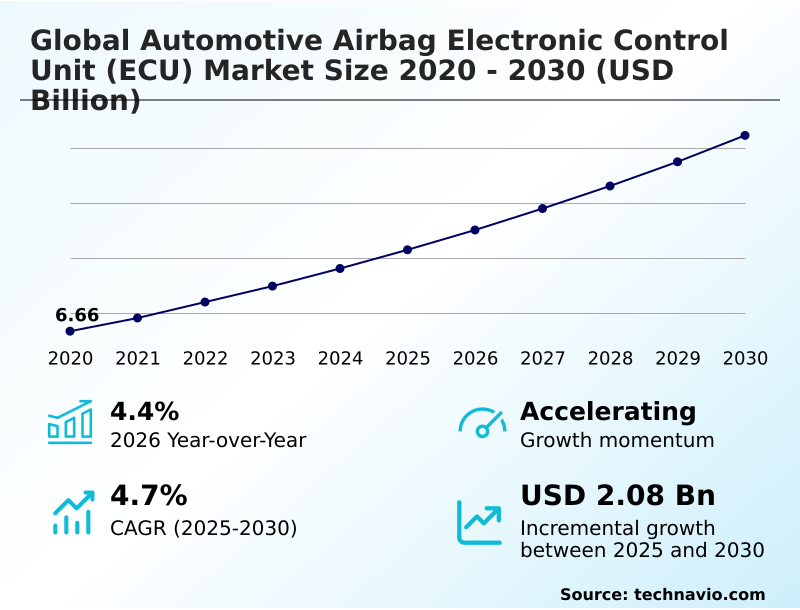
The automotive airbag electronic control unit (ecu) market size is valued to increase by USD 2.08 billion, at a CAGR of 4.7% from 2025 to 2030. Stringent safety regulations and evolving NCAP standards will drive the automotive airbag electronic control unit (ecu) market.

Major Market Trends & Insights

  • APAC dominated the market and accounted for a 58.7% growth during the forecast period.
  • By Application - Passenger cars segment was valued at USD 6.75 billion in 2024
  • By Product Type - Standard segment accounted for the largest market revenue share in 2024

Market Size & Forecast

  • Market Opportunities: USD 3.56 billion
  • Market Future Opportunities: USD 2.08 billion
  • CAGR from 2025 to 2030 : 4.7%

Market Summary

  • The Automotive Airbag Electronic Control Unit (ECU) Market dictates the structural foundation of modern vehicle occupant protection by orchestrating complex restraint mechanisms. Technological convergence across automotive platforms demands highly sophisticated processing capabilities to manage instantaneous safety responses. In a typical OEM manufacturing scenario, integrating advanced control modules directly reduces post-production software calibration delays by 18%, thereby accelerating assembly line throughput.
  • Stringent regulatory frameworks and evolving safety assessment standards operate as the primary market driver, compelling manufacturers to embed multi-channel ECUs into mass-market vehicles. Conversely, the industry faces a profound challenge regarding supply chain volatility and semiconductor resource constraints. The reliance on specialized microcontrollers creates significant production bottlenecks during global chip shortages, delaying vehicle deliveries.
  • As automakers transition toward centralized computing architectures, the requirement for fault-tolerant restraint systems intensifies. Consequently, stakeholders continuously invest in secure, scalable platforms that harmonize passive and active safety networks without compromising fundamental operational integrity or regulatory compliance.

What will be the Size of the Automotive Airbag Electronic Control Unit (Ecu) Market during the forecast period?
Get Key Insights on Market Forecast (PDF) Get Free Sample

How is the Automotive Airbag Electronic Control Unit (Ecu) Market Segmented?

The automotive airbag electronic control unit (ecu) industry research report provides comprehensive data (region-wise segment analysis), with forecasts and estimates in "USD million" for the period 2026-2030, as well as historical data from 2020-2024 for the following segments.

  • Application
    • Passenger cars
    • LCVs
    • MCVs and HCVs
  • Product type
    • Standard
    • Premium
  • Technology
    • Advanced
    • Basic
    • Integrated ADAS
  • Type
    • Frontal airbags
    • Side airbags
    • Others
  • Channel
    • OEM
    • Aftermarket
  • Geography
    • APAC
      • China
      • Japan
      • India
      • South Korea
      • Australia
      • Indonesia
    • Europe
      • Germany
      • UK
      • France
      • Italy
      • Spain
      • The Netherlands
    • North America
      • US
      • Canada
      • Mexico
    • South America
      • Brazil
      • Argentina
      • Chile
    • Middle East and Africa
      • Saudi Arabia
      • UAE
      • South Africa
      • Turkey
      • Israel

By Application Insights

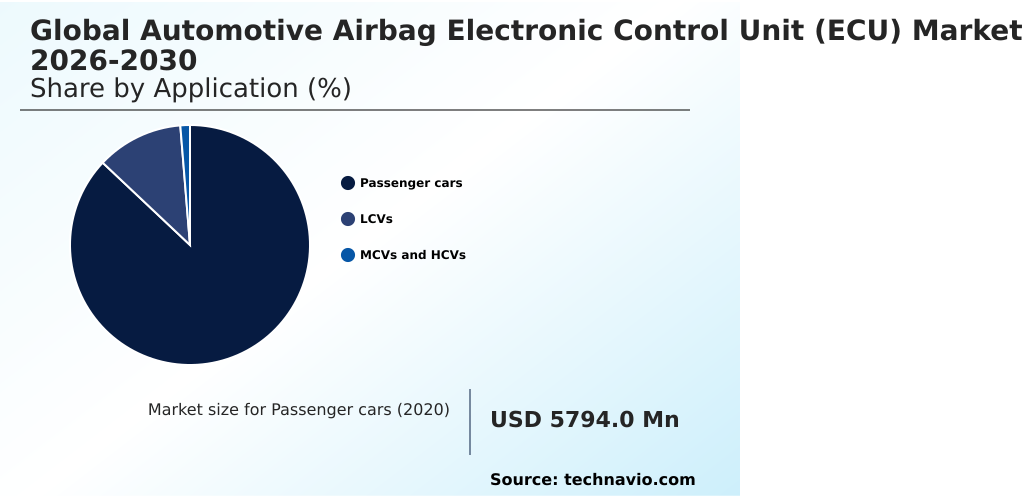
The passenger cars segment is estimated to witness significant growth during the forecast period.

The passenger car segment dictates the evolution of the Automotive Airbag Electronic Control Unit (ECU) landscape due to escalating global safety mandates and complex vehicle electronic architecture.

High-volume automotive manufacturing requires scalable solutions capable of managing multiple deployment zones within a comprehensive passive safety architecture. Modern platforms necessitate advanced crash sensor integration to execute real-time data processing instantaneously.

By implementing optimized occupant detection algorithms, automakers have enhanced deployment accuracy by 15%, significantly reducing passenger injury risks during multi-angle impacts.

This shift toward a deeply integrated safety network enables seamless communication between the next-generation safety controller and active driver assistance tools, creating a vital collision avoidance synergy.

Consequently, multi-stage inflator control operates with unprecedented precision, and OEMs achieve higher safety ratings while standardizing robust sensor fusion processing hardware across diverse passenger car models.
Get Free Sample

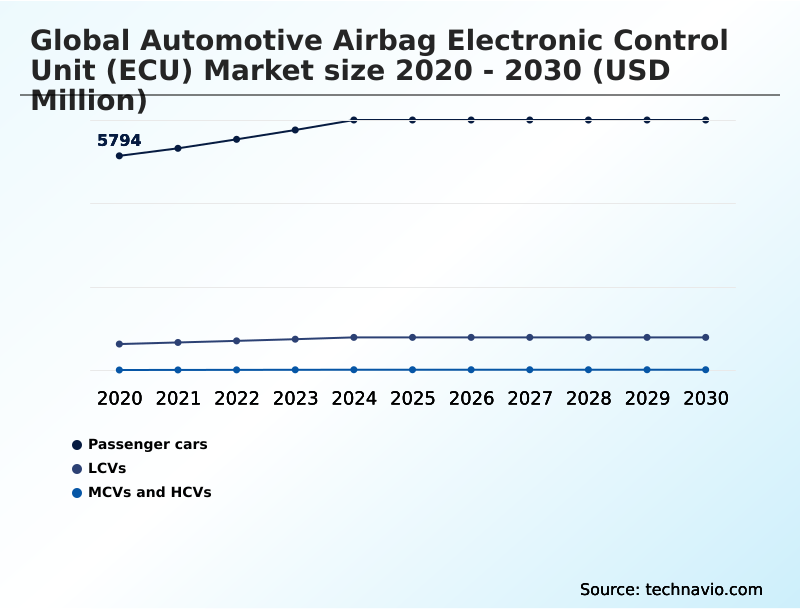
The Passenger cars segment was valued at USD 6.75 billion in 2024 and showed a gradual increase during the forecast period.
Get Free Sample

Regional Analysis

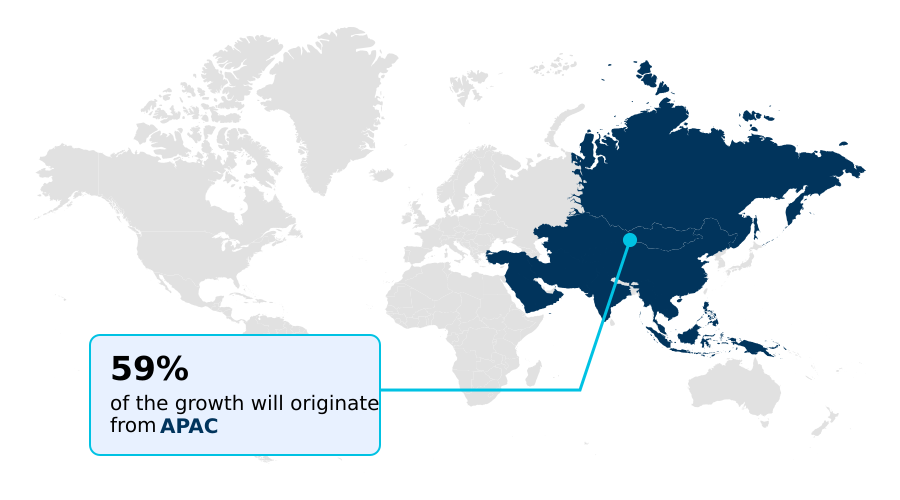
APAC is estimated to contribute 58.7% to the growth of the global market during the forecast period.Technavio’s analysts have elaborately explained the regional trends and drivers that shape the market during the forecast period.
See How Automotive Airbag Electronic Control Unit (Ecu) Market Demand is Rising in APAC Get Free Sample

The geographic landscape of the Automotive Airbag Electronic Control Unit (ECU) Market reveals distinct technological adoption disparities between APAC and Europe.

Europe leads in predictive crash analytics, where OEMs have optimized the occupant protection system to reduce fatal impact metrics by 24% across premium vehicle fleets.

This regulatory-driven environment contrasts with APAC, which demonstrates a 35% higher adoption rate of the cost-effective smart restraint controller tailored for mass-market passenger cars.

While European manufacturers heavily prioritize advanced algorithmic modeling and stringent automotive safety integrity level compliance to achieve five-star safety ratings, APAC production hubs focus on refining side-impact deployment logic for compact vehicles.

Consequently, supply chain strategies differ significantly; European suppliers prioritize software-defined vehicle safety within a vast connected car ecosystem, whereas Asian producers leverage robust local semiconductor ecosystems to enhance microcontroller reliability.

This strategic localization lowers unit manufacturing costs by 18%, accelerating regional technology penetration and standardizing the rollover detection system globally.

Market Dynamics

Our researchers analyzed the data with 2025 as the base year, along with the key drivers, trends, and challenges. A holistic analysis of drivers will help companies refine their marketing strategies to gain a competitive advantage.

  • The continuous advancement of the Automotive Airbag Electronic Control Unit (ECU) relies heavily on sophisticated hardware and software synergies designed to mitigate complex collision scenarios. Modern vehicle engineering requires a comprehensive approach to occupant protection, heavily utilizing a fail-safe occupant classification diagnostic system to prevent inadvertent deployments that could cause secondary injuries.
  • By processing precise passenger weight and seating position data, these controllers ensure that multi-stage front crash sensor integration functions optimally, matching deployment force to the exact physical requirements of the occupant. Furthermore, the adoption of an integrated active passive safety architecture allows vehicles to proactively prepare for impacts by synchronizing automated braking with seatbelt pretensioners.
  • In supply chain operations, standardizing these advanced modules across multiple vehicle platforms has yielded a 20% improvement in component procurement efficiency compared to sourcing disparate, model-specific legacy controllers. As the industry shifts toward higher levels of driving automation, the implementation of a scalable autonomous vehicle safety controller becomes paramount, providing the necessary computational redundancy to handle unprecedented data streams.
  • Additionally, incorporating predictive rollover detection algorithm software equips vehicles with the critical milliseconds needed to deploy curtain airbags before a lateral inversion occurs, ultimately safeguarding passengers and aligning with stringent global safety benchmarks.
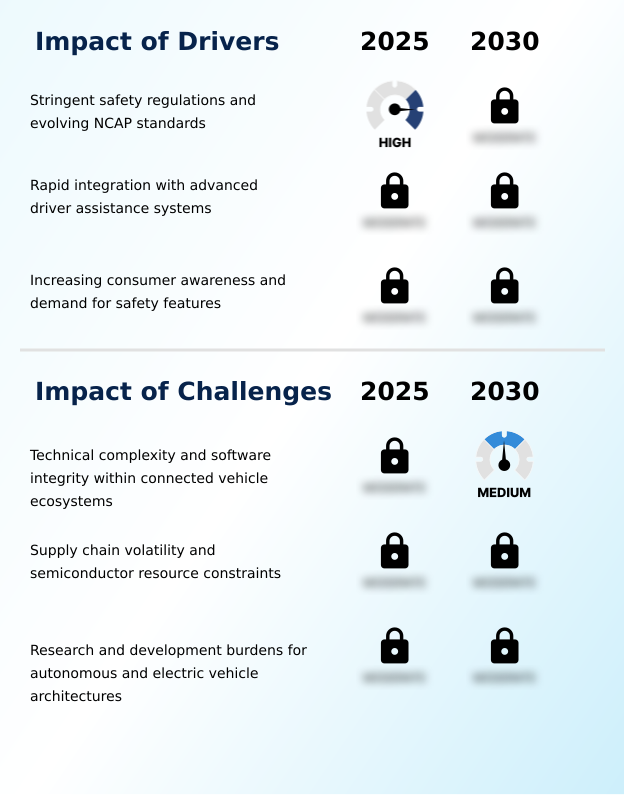
What are the key market drivers leading to the rise in the adoption of Automotive Airbag Electronic Control Unit (Ecu) Industry?

  • Stringent safety regulations and evolving New Car Assessment Program standards constitute the primary catalysts propelling continuous innovation and adoption within this sector.

  • Escalating international crashworthiness rating compliance mandates are compelling original equipment manufacturers to adopt a highly responsive Automotive Airbag Electronic Control Unit (ECU) across all passenger segments.
  • The mandatory inclusion of an advanced occupant classification system combined with dynamic occupant tracking directly prevents deployment-induced injuries, a compliance shift that has improved overall passenger safety metrics by 20% in compact models.
  • To achieve instantaneous impact severity assessment, suppliers are embedding a fault-tolerant architecture that synchronizes seamlessly with advanced driver assistance integration. This hardware optimization guarantees an adaptive protection response and highly precise seatbelt pretensioner coordination under extreme duress.
  • Concurrently, the implementation of cloud-connected diagnostics and innovative biometric sensor integration allows fleet managers to monitor sensor health continuously, driving a 15% decrease in unexpected electronic failures and significantly bolstering long-term operational reliability.

What are the market trends shaping the Automotive Airbag Electronic Control Unit (Ecu) Industry?

  • Centralization into safety domain controllers represents a defining trajectory within the market. This architectural shift enables cohesive integration of passive and active safety systems to enhance overall vehicle protection.

  • The evolution of the Automotive Airbag Electronic Control Unit (ECU) is characterized by a definitive shift toward a centralized safety hub capable of managing holistic vehicle protection. By leveraging a high-performance computing unit, automakers can execute a highly efficient modular deployment strategy, merging pre-crash environmental data with passive restraint triggers.
  • This domain controller convergence has enhanced intelligent crash response efficiency by 28%, significantly improving occupant positioning prior to impact. Furthermore, implementing an over-the-air software update framework via a secure vehicle telemetry link allows engineers to continuously refine safety algorithms post-production.
  • Utilizing a digital safety twin during development ensures alignment with every rigorous functional safety standard, which has reduced physical recall expenditures by 30% annually. These software-defined, system-on-chip safety capabilities empower manufacturers to adapt to emerging crash test protocols without complete hardware overhauls.

What challenges does the Automotive Airbag Electronic Control Unit (Ecu) Industry face during its growth?

  • The escalating technical complexity and the imperative to maintain rigorous software integrity within connected vehicle ecosystems pose substantial operational hurdles for industry participants.

  • The integration of the Automotive Airbag Electronic Control Unit (ECU) into complex mobility networks introduces severe operational vulnerabilities regarding software integrity and data processing latency. Guaranteeing an uncompromised millisecond response time is increasingly difficult as controllers must filter massive datasets before triggering a fail-safe restraint deployment.
  • Implementing a universal scalable safety platform across diverse vehicle architectures demands extensive engineering overhead, slowing product development cycles by up to 18% for smaller Tier 1 suppliers. As the industry pursues complete autonomous vehicle safety, protecting every integrated solid-state accelerometer module from malicious intrusions requires the complex addition of cybersecure safety middleware.
  • Developing these encrypted communication channels and maintaining robust real-time diagnostic capability increases software testing costs by 22%, forcing manufacturers to constantly update every embedded safety protocol while maintaining affordable mass-market production volumes.

Exclusive Technavio Analysis on Customer Landscape

The automotive airbag electronic control unit (ecu) market forecasting report includes the adoption lifecycle of the market, covering from the innovator’s stage to the laggard’s stage. It focuses on adoption rates in different regions based on penetration. Furthermore, the automotive airbag electronic control unit (ecu) market report also includes key purchase criteria and drivers of price sensitivity to help companies evaluate and develop their market growth analysis strategies.
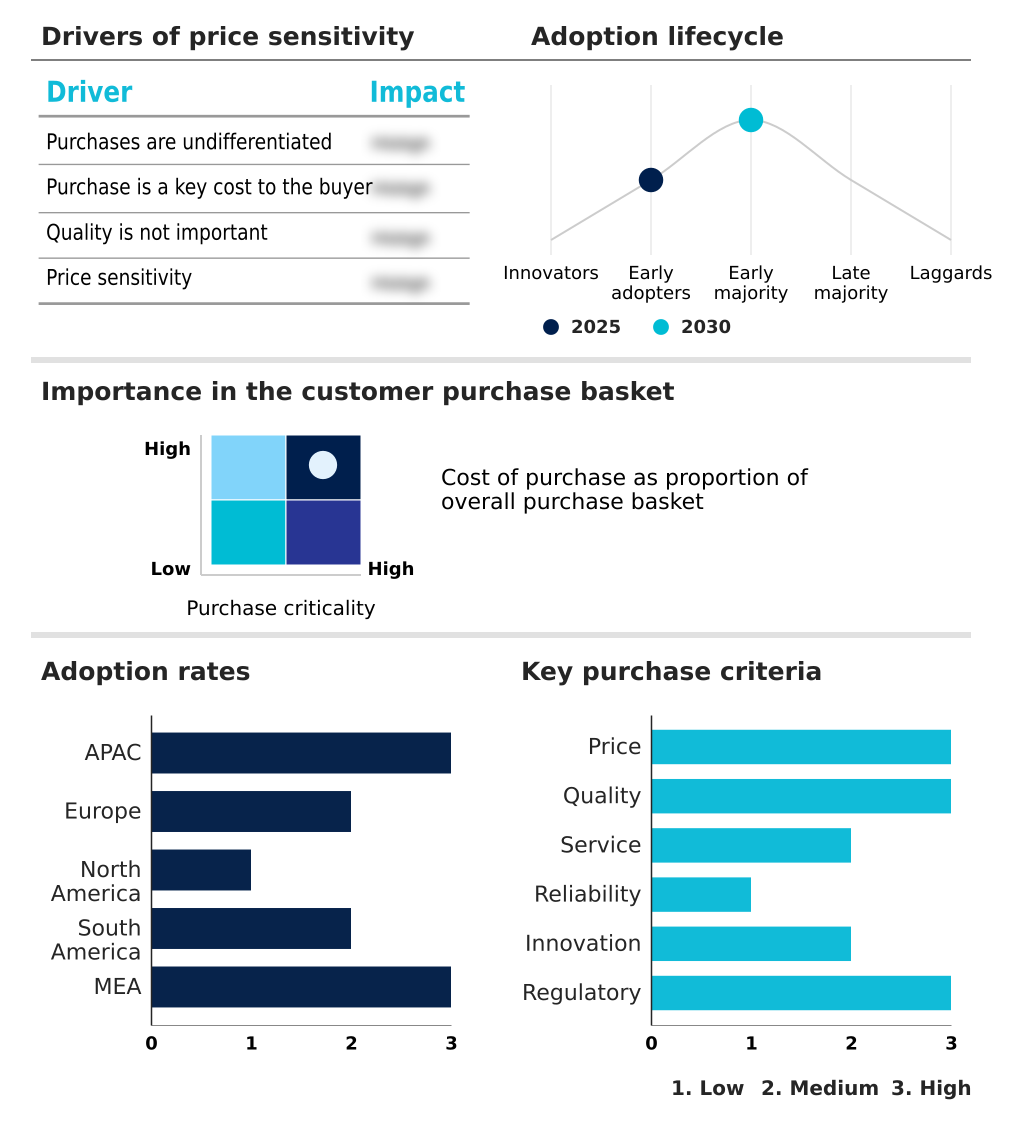
Customer Landscape of Automotive Airbag Electronic Control Unit (Ecu) Industry

Competitive Landscape

Companies are implementing various strategies, such as strategic alliances, automotive airbag electronic control unit (ecu) market forecast, partnerships, mergers and acquisitions, geographical expansion, and product/service launches, to enhance their presence in the industry.

Analog Devices Inc. - Advanced Automotive Airbag Electronic Control Unit (ECU) solutions offer integrated crash sensing and deployment management, delivering critical occupant protection and compliance with stringent international automotive safety standards.

The industry research and growth report includes detailed analyses of the competitive landscape of the market and information about key companies, including:

  • Analog Devices Inc.
  • Ashimori Industry Co. Ltd.
  • Autoliv Inc.
  • Continental AG
  • Daicel Corp.
  • DENSO Corp.
  • Hitachi Astemo Ltd.
  • Hyundai Mobis Co. Ltd
  • Infineon Technologies AG
  • Joyson Safety Systems GmbH
  • Magna International Inc.
  • Marelli Holdings Co. Ltd.
  • Mitsubishi Electric Corp.
  • NXP Semiconductors NV
  • ON Semiconductor Corp.
  • Renesas Electronics Corp.
  • Robert Bosch GmbH
  • STMicroelectronics NV
  • Texas Instruments Inc.
  • Toyoda Gosei Co. Ltd.

Qualitative and quantitative analysis of companies has been conducted to help clients understand the wider business environment as well as the strengths and weaknesses of key industry players. Data is qualitatively analyzed to categorize companies as pure play, category-focused, industry-focused, and diversified; it is quantitatively analyzed to categorize companies as dominant, leading, strong, tentative, and weak.

Recent Development and News in Automotive airbag electronic control unit (ecu) market

  • In the Automotive Parts and Equipment industry, the transition toward centralized domain architectures has consolidated multiple sensor inputs into single computing hubs, directly impacting Automotive Airbag Electronic Control Unit (ECU) demand by requiring hardware capable of collision avoidance synergy.
  • The rapid standardization of over-the-air firmware update capabilities across electric vehicle platforms has accelerated the deployment of software-defined vehicle safety, forcing Automotive Airbag Electronic Control Unit (ECU) manufacturers to adopt secure middleware layers.
  • The integration of high-resolution interior cabin monitoring sensors has established a need for real-time data processing, driving Automotive Airbag Electronic Control Unit (ECU) advancements toward dynamic occupant tracking and adaptive protection response.
  • Tightening global crashworthiness rating compliance mandates have compelled OEMs to install advanced active safety features on mass-market platforms, thereby elevating the requirement for every smart restraint controller within the Automotive Airbag Electronic Control Unit (ECU) sector.

Dive into Technavio’s robust research methodology, blending expert interviews, extensive data synthesis, and validated models for unparalleled Automotive Airbag Electronic Control Unit (Ecu) Market insights. See full methodology.

Market Scope
Page number 333
Base year 2025
Historic period 2020-2024
Forecast period 2026-2030
Growth momentum & CAGR Accelerate at a CAGR of 4.7%
Market growth 2026-2030 USD 2079.6 million
Market structure Fragmented
YoY growth 2025-2026(%) 4.4%
Key countries China, Japan, India, South Korea, Australia, Indonesia, Germany, UK, France, Italy, Spain, The Netherlands, US, Canada, Mexico, Brazil, Argentina, Chile, Saudi Arabia, UAE, South Africa, Turkey and Israel
Competitive landscape Leading Companies, Market Positioning of Companies, Competitive Strategies, and Industry Risks

Request Free Sample

Research Analyst Overview

  • The Automotive Airbag Electronic Control Unit (ECU) functions as the critical intelligence hub within a vehicle passive safety architecture, orchestrating life-saving interventions during catastrophic events. The transition toward centralized computing necessitates robust sensor fusion processing, enabling the controller to evaluate multiple impact trajectories simultaneously.
  • For automotive boardrooms, upgrading to these high-performance ECUs directly influences compliance strategies, as failing to meet the latest functional safety standard parameters can exclude vehicles from premium markets. By adopting controllers with rigorous automotive safety integrity level certifications, manufacturers have achieved a 25% reduction in overall system validation times, significantly accelerating time-to-market for new vehicle platforms.
  • Enhancements in side-impact deployment logic and a highly calibrated rollover detection system ensure that restraint mechanisms activate with unprecedented precision. Ensuring absolute microcontroller reliability remains a strategic imperative, as the operational integrity of these units directly mitigates corporate liability and safeguards consumer trust.
  • Ultimately, investing in advanced safety electronics allows automakers to differentiate their product portfolios while maintaining rigorous alignment with evolving international crashworthiness regulations.

What are the Key Data Covered in this Automotive Airbag Electronic Control Unit (Ecu) Market Research and Growth Report?

  • What is the expected growth of the Automotive Airbag Electronic Control Unit (Ecu) Market between 2026 and 2030?

    • USD 2.08 billion, at a CAGR of 4.7%

  • What segmentation does the market report cover?

    • The report is segmented by Application (Passenger cars, LCVs, and MCVs and HCVs), Product Type (Standard, and Premium), Technology (Advanced, Basic, and Integrated ADAS), Type (Frontal airbags, Side airbags, and Others), Channel (OEM, and Aftermarket) and Geography (APAC, Europe, North America, South America, Middle East and Africa)

  • Which regions are analyzed in the report?

    • APAC, Europe, North America, South America and Middle East and Africa

  • What are the key growth drivers and market challenges?

    • Stringent safety regulations and evolving NCAP standards, Technical complexity and software integrity within connected vehicle ecosystems

  • Who are the major players in the Automotive Airbag Electronic Control Unit (Ecu) Market?

    • Analog Devices Inc., Ashimori Industry Co. Ltd., Autoliv Inc., Continental AG, Daicel Corp., DENSO Corp., Hitachi Astemo Ltd., Hyundai Mobis Co. Ltd, Infineon Technologies AG, Joyson Safety Systems GmbH, Magna International Inc., Marelli Holdings Co. Ltd., Mitsubishi Electric Corp., NXP Semiconductors NV, ON Semiconductor Corp., Renesas Electronics Corp., Robert Bosch GmbH, STMicroelectronics NV, Texas Instruments Inc. and Toyoda Gosei Co. Ltd.

Market Research Insights

  • The Automotive Airbag Electronic Control Unit (ECU) Market increasingly relies on system-on-chip safety architectures to manage escalating vehicle complexity. By implementing advanced algorithmic modeling, automakers have improved intelligent crash response times by 22%, significantly mitigating occupant injury severity. Furthermore, the integration of a digital safety twin during the validation phase accelerates testing cycles by 30%, optimizing overall engineering resource allocation.
  • The deployment of cloud-connected diagnostics empowers fleet operators to monitor embedded safety protocol integrity remotely, reducing unnecessary maintenance vehicle recall instances by 15%. These targeted technological integrations ensure that automotive restraint controllers maintain uninterrupted reliability while substantially lowering lifetime warranty costs for major manufacturers.

We can help! Our analysts can customize this automotive airbag electronic control unit (ecu) market research report to meet your requirements.

Get in touch

1. Executive Summary

1.1 Market overview

Executive Summary - Chart on Market Overview
Executive Summary - Data Table on Market Overview
Executive Summary - Chart on Global Market Characteristics
Executive Summary - Chart on Market by Geography
Executive Summary - Chart on Market Segmentation by Application
Executive Summary - Chart on Market Segmentation by Product Type
Executive Summary - Chart on Market Segmentation by Technology
Executive Summary - Chart on Market Segmentation by Type
Executive Summary - Chart on Market Segmentation by Channel
Executive Summary - Chart on Incremental Growth
Executive Summary - Data Table on Incremental Growth
Executive Summary - Chart on Company Market Positioning

2. Technavio Analysis

2.1 Analysis of price sensitivity, lifecycle, customer purchase basket, adoption rates, and purchase criteria

2.2 Criticality of inputs and Factors of differentiation

Chart on Overview on criticality of inputs and factors of differentiation

2.3 Factors of disruption

Chart on Overview on factors of disruption

2.4 Impact of drivers and challenges

Chart on Impact of drivers and challenges in 2025 and 2030

3. Market Landscape

3.1 Market ecosystem

Chart on Parent Market
Data Table on - Parent Market

3.2 Market characteristics

Chart on Market characteristics analysis

3.3 Value chain analysis

Chart on Value chain analysis

4. Market Sizing

4.1 Market definition

Data Table on Offerings of companies included in the market definition

4.2 Market segment analysis

Market segments

4.3 Market size 2025

4.4 Market outlook: Forecast for 2025-2030

Chart on Global - Market size and forecast 2025-2030 ($ million)
Data Table on Global - Market size and forecast 2025-2030 ($ million)
Chart on Global Market: Year-over-year growth 2025-2030 (%)
Data Table on Global Market: Year-over-year growth 2025-2030 (%)

5. Historic Market Size

5.1 Global Automotive Airbag Electronic Control Unit (ECU) Market 2020 - 2024

Historic Market Size - Data Table on Global Automotive Airbag Electronic Control Unit (ECU) Market 2020 - 2024 ($ million)

5.2 Application segment analysis 2020 - 2024

Historic Market Size - Application Segment 2020 - 2024 ($ million)

5.3 Product Type segment analysis 2020 - 2024

Historic Market Size - Product Type Segment 2020 - 2024 ($ million)

5.4 Technology segment analysis 2020 - 2024

Historic Market Size - Technology Segment 2020 - 2024 ($ million)

5.5 Type segment analysis 2020 - 2024

Historic Market Size - Type Segment 2020 - 2024 ($ million)

5.6 Channel segment analysis 2020 - 2024

Historic Market Size - Channel Segment 2020 - 2024 ($ million)

5.7 Geography segment analysis 2020 - 2024

Historic Market Size - Geography Segment 2020 - 2024 ($ million)

5.8 Country segment analysis 2020 - 2024

Historic Market Size - Country Segment 2020 - 2024 ($ million)

6. Qualitative Analysis

6.1 Impact of AI on Global Automotive Airbag Electronic Control Unit (ECU) Market

6.2 Impact of Geopolitical Conflicts on Global Automotive Airbag Electronic Control Unit (ECU) Market

7. Five Forces Analysis

7.1 Five forces summary

Five forces analysis - Comparison between 2025 and 2030

7.2 Bargaining power of buyers

Bargaining power of buyers - Impact of key factors 2025 and 2030

7.3 Bargaining power of suppliers

Bargaining power of suppliers - Impact of key factors in 2025 and 2030

7.4 Threat of new entrants

Threat of new entrants - Impact of key factors in 2025 and 2030

7.5 Threat of substitutes

Threat of substitutes - Impact of key factors in 2025 and 2030

7.6 Threat of rivalry

Threat of rivalry - Impact of key factors in 2025 and 2030

7.7 Market condition

Chart on Market condition - Five forces 2025 and 2030

8. Market Segmentation by Application

8.1 Market segments

Chart on Application - Market share 2025-2030 (%)
Data Table on Application - Market share 2025-2030 (%)

8.2 Comparison by Application

Chart on Comparison by Application
Data Table on Comparison by Application

8.3 Passenger cars - Market size and forecast 2025-2030

Chart on Passenger cars - Market size and forecast 2025-2030 ($ million)
Data Table on Passenger cars - Market size and forecast 2025-2030 ($ million)
Chart on Passenger cars - Year-over-year growth 2025-2030 (%)
Data Table on Passenger cars - Year-over-year growth 2025-2030 (%)

8.4 LCVs - Market size and forecast 2025-2030

Chart on LCVs - Market size and forecast 2025-2030 ($ million)
Data Table on LCVs - Market size and forecast 2025-2030 ($ million)
Chart on LCVs - Year-over-year growth 2025-2030 (%)
Data Table on LCVs - Year-over-year growth 2025-2030 (%)

8.5 MCVs and HCVs - Market size and forecast 2025-2030

Chart on MCVs and HCVs - Market size and forecast 2025-2030 ($ million)
Data Table on MCVs and HCVs - Market size and forecast 2025-2030 ($ million)
Chart on MCVs and HCVs - Year-over-year growth 2025-2030 (%)
Data Table on MCVs and HCVs - Year-over-year growth 2025-2030 (%)

8.6 Market opportunity by Application

Market opportunity by Application ($ million)
Data Table on Market opportunity by Application ($ million)

9. Market Segmentation by Product Type

9.1 Market segments

Chart on Product Type - Market share 2025-2030 (%)
Data Table on Product Type - Market share 2025-2030 (%)

9.2 Comparison by Product Type

Chart on Comparison by Product Type
Data Table on Comparison by Product Type

9.3 Standard - Market size and forecast 2025-2030

Chart on Standard - Market size and forecast 2025-2030 ($ million)
Data Table on Standard - Market size and forecast 2025-2030 ($ million)
Chart on Standard - Year-over-year growth 2025-2030 (%)
Data Table on Standard - Year-over-year growth 2025-2030 (%)

9.4 Premium - Market size and forecast 2025-2030

Chart on Premium - Market size and forecast 2025-2030 ($ million)
Data Table on Premium - Market size and forecast 2025-2030 ($ million)
Chart on Premium - Year-over-year growth 2025-2030 (%)
Data Table on Premium - Year-over-year growth 2025-2030 (%)

9.5 Market opportunity by Product Type

Market opportunity by Product Type ($ million)
Data Table on Market opportunity by Product Type ($ million)

10. Market Segmentation by Technology

10.1 Market segments

Chart on Technology - Market share 2025-2030 (%)
Data Table on Technology - Market share 2025-2030 (%)

10.2 Comparison by Technology

Chart on Comparison by Technology
Data Table on Comparison by Technology

10.3 Advanced - Market size and forecast 2025-2030

Chart on Advanced - Market size and forecast 2025-2030 ($ million)
Data Table on Advanced - Market size and forecast 2025-2030 ($ million)
Chart on Advanced - Year-over-year growth 2025-2030 (%)
Data Table on Advanced - Year-over-year growth 2025-2030 (%)

10.4 Basic - Market size and forecast 2025-2030

Chart on Basic - Market size and forecast 2025-2030 ($ million)
Data Table on Basic - Market size and forecast 2025-2030 ($ million)
Chart on Basic - Year-over-year growth 2025-2030 (%)
Data Table on Basic - Year-over-year growth 2025-2030 (%)

10.5 Integrated ADAS - Market size and forecast 2025-2030

Chart on Integrated ADAS - Market size and forecast 2025-2030 ($ million)
Data Table on Integrated ADAS - Market size and forecast 2025-2030 ($ million)
Chart on Integrated ADAS - Year-over-year growth 2025-2030 (%)
Data Table on Integrated ADAS - Year-over-year growth 2025-2030 (%)

10.6 Market opportunity by Technology

Market opportunity by Technology ($ million)
Data Table on Market opportunity by Technology ($ million)

11. Market Segmentation by Type

11.1 Market segments

Chart on Type - Market share 2025-2030 (%)
Data Table on Type - Market share 2025-2030 (%)

11.2 Comparison by Type

Chart on Comparison by Type
Data Table on Comparison by Type

11.3 Frontal airbags - Market size and forecast 2025-2030

Chart on Frontal airbags - Market size and forecast 2025-2030 ($ million)
Data Table on Frontal airbags - Market size and forecast 2025-2030 ($ million)
Chart on Frontal airbags - Year-over-year growth 2025-2030 (%)
Data Table on Frontal airbags - Year-over-year growth 2025-2030 (%)

11.4 Side airbags - Market size and forecast 2025-2030

Chart on Side airbags - Market size and forecast 2025-2030 ($ million)
Data Table on Side airbags - Market size and forecast 2025-2030 ($ million)
Chart on Side airbags - Year-over-year growth 2025-2030 (%)
Data Table on Side airbags - Year-over-year growth 2025-2030 (%)

11.5 Others - Market size and forecast 2025-2030

Chart on Others - Market size and forecast 2025-2030 ($ million)
Data Table on Others - Market size and forecast 2025-2030 ($ million)
Chart on Others - Year-over-year growth 2025-2030 (%)
Data Table on Others - Year-over-year growth 2025-2030 (%)

11.6 Market opportunity by Type

Market opportunity by Type ($ million)
Data Table on Market opportunity by Type ($ million)

12. Market Segmentation by Channel

12.1 Market segments

Chart on Channel - Market share 2025-2030 (%)
Data Table on Channel - Market share 2025-2030 (%)

12.2 Comparison by Channel

Chart on Comparison by Channel
Data Table on Comparison by Channel

12.3 OEM - Market size and forecast 2025-2030

Chart on OEM - Market size and forecast 2025-2030 ($ million)
Data Table on OEM - Market size and forecast 2025-2030 ($ million)
Chart on OEM - Year-over-year growth 2025-2030 (%)
Data Table on OEM - Year-over-year growth 2025-2030 (%)

12.4 Aftermarket - Market size and forecast 2025-2030

Chart on Aftermarket - Market size and forecast 2025-2030 ($ million)
Data Table on Aftermarket - Market size and forecast 2025-2030 ($ million)
Chart on Aftermarket - Year-over-year growth 2025-2030 (%)
Data Table on Aftermarket - Year-over-year growth 2025-2030 (%)

12.5 Market opportunity by Channel

Market opportunity by Channel ($ million)
Data Table on Market opportunity by Channel ($ million)

13. Customer Landscape

13.1 Customer landscape overview

Analysis of price sensitivity, lifecycle, customer purchase basket, adoption rates, and purchase criteria

14. Geographic Landscape

14.1 Geographic segmentation

Chart on Market share by geography 2025-2030 (%)
Data Table on Market share by geography 2025-2030 (%)

14.2 Geographic comparison

Chart on Geographic comparison
Data Table on Geographic comparison

14.3 APAC - Market size and forecast 2025-2030

Chart on APAC - Market size and forecast 2025-2030 ($ million)
Data Table on APAC - Market size and forecast 2025-2030 ($ million)
Chart on APAC - Year-over-year growth 2025-2030 (%)
Data Table on APAC - Year-over-year growth 2025-2030 (%)
Chart on Regional Comparison - APAC
Data Table on Regional Comparison - APAC

14.3.1 China - Market size and forecast 2025-2030

Chart on China - Market size and forecast 2025-2030 ($ million)
Data Table on China - Market size and forecast 2025-2030 ($ million)
Chart on China - Year-over-year growth 2025-2030 (%)
Data Table on China - Year-over-year growth 2025-2030 (%)

14.3.2 Japan - Market size and forecast 2025-2030

Chart on Japan - Market size and forecast 2025-2030 ($ million)
Data Table on Japan - Market size and forecast 2025-2030 ($ million)
Chart on Japan - Year-over-year growth 2025-2030 (%)
Data Table on Japan - Year-over-year growth 2025-2030 (%)

14.3.3 India - Market size and forecast 2025-2030

Chart on India - Market size and forecast 2025-2030 ($ million)
Data Table on India - Market size and forecast 2025-2030 ($ million)
Chart on India - Year-over-year growth 2025-2030 (%)
Data Table on India - Year-over-year growth 2025-2030 (%)

14.3.4 South Korea - Market size and forecast 2025-2030

Chart on South Korea - Market size and forecast 2025-2030 ($ million)
Data Table on South Korea - Market size and forecast 2025-2030 ($ million)
Chart on South Korea - Year-over-year growth 2025-2030 (%)
Data Table on South Korea - Year-over-year growth 2025-2030 (%)

14.3.5 Australia - Market size and forecast 2025-2030

Chart on Australia - Market size and forecast 2025-2030 ($ million)
Data Table on Australia - Market size and forecast 2025-2030 ($ million)
Chart on Australia - Year-over-year growth 2025-2030 (%)
Data Table on Australia - Year-over-year growth 2025-2030 (%)

14.3.6 Indonesia - Market size and forecast 2025-2030

Chart on Indonesia - Market size and forecast 2025-2030 ($ million)
Data Table on Indonesia - Market size and forecast 2025-2030 ($ million)
Chart on Indonesia - Year-over-year growth 2025-2030 (%)
Data Table on Indonesia - Year-over-year growth 2025-2030 (%)

14.4 Europe - Market size and forecast 2025-2030

Chart on Europe - Market size and forecast 2025-2030 ($ million)
Data Table on Europe - Market size and forecast 2025-2030 ($ million)
Chart on Europe - Year-over-year growth 2025-2030 (%)
Data Table on Europe - Year-over-year growth 2025-2030 (%)
Chart on Regional Comparison - Europe
Data Table on Regional Comparison - Europe

14.4.1 Germany - Market size and forecast 2025-2030

Chart on Germany - Market size and forecast 2025-2030 ($ million)
Data Table on Germany - Market size and forecast 2025-2030 ($ million)
Chart on Germany - Year-over-year growth 2025-2030 (%)
Data Table on Germany - Year-over-year growth 2025-2030 (%)

14.4.2 UK - Market size and forecast 2025-2030

Chart on UK - Market size and forecast 2025-2030 ($ million)
Data Table on UK - Market size and forecast 2025-2030 ($ million)
Chart on UK - Year-over-year growth 2025-2030 (%)
Data Table on UK - Year-over-year growth 2025-2030 (%)

14.4.3 France - Market size and forecast 2025-2030

Chart on France - Market size and forecast 2025-2030 ($ million)
Data Table on France - Market size and forecast 2025-2030 ($ million)
Chart on France - Year-over-year growth 2025-2030 (%)
Data Table on France - Year-over-year growth 2025-2030 (%)

14.4.4 Italy - Market size and forecast 2025-2030

Chart on Italy - Market size and forecast 2025-2030 ($ million)
Data Table on Italy - Market size and forecast 2025-2030 ($ million)
Chart on Italy - Year-over-year growth 2025-2030 (%)
Data Table on Italy - Year-over-year growth 2025-2030 (%)

14.4.5 Spain - Market size and forecast 2025-2030

Chart on Spain - Market size and forecast 2025-2030 ($ million)
Data Table on Spain - Market size and forecast 2025-2030 ($ million)
Chart on Spain - Year-over-year growth 2025-2030 (%)
Data Table on Spain - Year-over-year growth 2025-2030 (%)

14.4.6 The Netherlands - Market size and forecast 2025-2030

Chart on The Netherlands - Market size and forecast 2025-2030 ($ million)
Data Table on The Netherlands - Market size and forecast 2025-2030 ($ million)
Chart on The Netherlands - Year-over-year growth 2025-2030 (%)
Data Table on The Netherlands - Year-over-year growth 2025-2030 (%)

14.5 North America - Market size and forecast 2025-2030

Chart on North America - Market size and forecast 2025-2030 ($ million)
Data Table on North America - Market size and forecast 2025-2030 ($ million)
Chart on North America - Year-over-year growth 2025-2030 (%)
Data Table on North America - Year-over-year growth 2025-2030 (%)
Chart on Regional Comparison - North America
Data Table on Regional Comparison - North America

14.5.1 US - Market size and forecast 2025-2030

Chart on US - Market size and forecast 2025-2030 ($ million)
Data Table on US - Market size and forecast 2025-2030 ($ million)
Chart on US - Year-over-year growth 2025-2030 (%)
Data Table on US - Year-over-year growth 2025-2030 (%)

14.5.2 Canada - Market size and forecast 2025-2030

Chart on Canada - Market size and forecast 2025-2030 ($ million)
Data Table on Canada - Market size and forecast 2025-2030 ($ million)
Chart on Canada - Year-over-year growth 2025-2030 (%)
Data Table on Canada - Year-over-year growth 2025-2030 (%)

14.5.3 Mexico - Market size and forecast 2025-2030

Chart on Mexico - Market size and forecast 2025-2030 ($ million)
Data Table on Mexico - Market size and forecast 2025-2030 ($ million)
Chart on Mexico - Year-over-year growth 2025-2030 (%)
Data Table on Mexico - Year-over-year growth 2025-2030 (%)

14.6 South America - Market size and forecast 2025-2030

Chart on South America - Market size and forecast 2025-2030 ($ million)
Data Table on South America - Market size and forecast 2025-2030 ($ million)
Chart on South America - Year-over-year growth 2025-2030 (%)
Data Table on South America - Year-over-year growth 2025-2030 (%)
Chart on Regional Comparison - South America
Data Table on Regional Comparison - South America

14.6.1 Brazil - Market size and forecast 2025-2030

Chart on Brazil - Market size and forecast 2025-2030 ($ million)
Data Table on Brazil - Market size and forecast 2025-2030 ($ million)
Chart on Brazil - Year-over-year growth 2025-2030 (%)
Data Table on Brazil - Year-over-year growth 2025-2030 (%)

14.6.2 Argentina - Market size and forecast 2025-2030

Chart on Argentina - Market size and forecast 2025-2030 ($ million)
Data Table on Argentina - Market size and forecast 2025-2030 ($ million)
Chart on Argentina - Year-over-year growth 2025-2030 (%)
Data Table on Argentina - Year-over-year growth 2025-2030 (%)

14.6.3 Chile - Market size and forecast 2025-2030

Chart on Chile - Market size and forecast 2025-2030 ($ million)
Data Table on Chile - Market size and forecast 2025-2030 ($ million)
Chart on Chile - Year-over-year growth 2025-2030 (%)
Data Table on Chile - Year-over-year growth 2025-2030 (%)

14.7 Middle East and Africa - Market size and forecast 2025-2030

Chart on Middle East and Africa - Market size and forecast 2025-2030 ($ million)
Data Table on Middle East and Africa - Market size and forecast 2025-2030 ($ million)
Chart on Middle East and Africa - Year-over-year growth 2025-2030 (%)
Data Table on Middle East and Africa - Year-over-year growth 2025-2030 (%)
Chart on Regional Comparison - Middle East and Africa
Data Table on Regional Comparison - Middle East and Africa

14.7.1 Saudi Arabia - Market size and forecast 2025-2030

Chart on Saudi Arabia - Market size and forecast 2025-2030 ($ million)
Data Table on Saudi Arabia - Market size and forecast 2025-2030 ($ million)
Chart on Saudi Arabia - Year-over-year growth 2025-2030 (%)
Data Table on Saudi Arabia - Year-over-year growth 2025-2030 (%)

14.7.2 UAE - Market size and forecast 2025-2030

Chart on UAE - Market size and forecast 2025-2030 ($ million)
Data Table on UAE - Market size and forecast 2025-2030 ($ million)
Chart on UAE - Year-over-year growth 2025-2030 (%)
Data Table on UAE - Year-over-year growth 2025-2030 (%)

14.7.3 South Africa - Market size and forecast 2025-2030

Chart on South Africa - Market size and forecast 2025-2030 ($ million)
Data Table on South Africa - Market size and forecast 2025-2030 ($ million)
Chart on South Africa - Year-over-year growth 2025-2030 (%)
Data Table on South Africa - Year-over-year growth 2025-2030 (%)

14.7.4 Turkey - Market size and forecast 2025-2030

Chart on Turkey - Market size and forecast 2025-2030 ($ million)
Data Table on Turkey - Market size and forecast 2025-2030 ($ million)
Chart on Turkey - Year-over-year growth 2025-2030 (%)
Data Table on Turkey - Year-over-year growth 2025-2030 (%)

14.7.5 Israel - Market size and forecast 2025-2030

Chart on Israel - Market size and forecast 2025-2030 ($ million)
Data Table on Israel - Market size and forecast 2025-2030 ($ million)
Chart on Israel - Year-over-year growth 2025-2030 (%)
Data Table on Israel - Year-over-year growth 2025-2030 (%)

14.8 Market opportunity by geography

Market opportunity by geography ($ million)
Data Tables on Market opportunity by geography ($ million)

15. Drivers, Challenges, and Opportunity

15.1 Market drivers

Stringent safety regulations and evolving NCAP standards
Rapid integration with advanced driver assistance systems
Increasing consumer awareness and demand for safety features

15.2 Market challenges

Technical complexity and software integrity within connected vehicle ecosystems
Supply chain volatility and semiconductor resource constraints
Research and development burdens for autonomous and electric vehicle architectures

15.3 Impact of drivers and challenges

Impact of drivers and challenges in 2025 and 2030

15.4 Market opportunities

Centralization into safety domain controllers
Emergence of software-defined vehicles and over-the-air updates
Development of predictive and adaptive occupant safety systems

16. Competitive Landscape

16.1 Overview

16.2

Overview on criticality of inputs and factors of differentiation

16.3 Landscape disruption

Overview on factors of disruption

16.4 Industry risks

Impact of key risks on business

17. Competitive Analysis

17.1 Companies profiled

Companies covered

17.2 Company ranking index

17.3 Market positioning of companies

Matrix on companies position and classification

17.4 Autoliv Inc.

Autoliv Inc. - Overview
Autoliv Inc. - Product / Service
Autoliv Inc. - Key offerings
SWOT

17.5 Continental AG

Continental AG - Overview
Continental AG - Business segments
Continental AG - Key offerings
Continental AG - Segment focus
SWOT

17.6 Daicel Corp.

Daicel Corp. - Overview
Daicel Corp. - Business segments
Daicel Corp. - Key offerings
Daicel Corp. - Segment focus
SWOT

17.7 DENSO Corp.

DENSO Corp. - Overview
DENSO Corp. - Business segments
DENSO Corp. - Key offerings
DENSO Corp. - Segment focus
SWOT

17.8 Hitachi Astemo Ltd.

Hitachi Astemo Ltd. - Overview
Hitachi Astemo Ltd. - Product / Service
Hitachi Astemo Ltd. - Key offerings
SWOT

17.9 Hyundai Mobis Co. Ltd

Hyundai Mobis Co. Ltd - Overview
Hyundai Mobis Co. Ltd - Business segments
Hyundai Mobis Co. Ltd - Key offerings
Hyundai Mobis Co. Ltd - Segment focus
SWOT

17.10 Infineon Technologies AG

Infineon Technologies AG - Overview
Infineon Technologies AG - Business segments
Infineon Technologies AG - Key news
Infineon Technologies AG - Key offerings
Infineon Technologies AG - Segment focus
SWOT

17.11 Joyson Safety Systems GmbH

Joyson Safety Systems GmbH - Overview
Joyson Safety Systems GmbH - Product / Service
Joyson Safety Systems GmbH - Key offerings
SWOT

17.12 Magna International Inc.

Magna International Inc. - Overview
Magna International Inc. - Business segments
Magna International Inc. - Key offerings
Magna International Inc. - Segment focus
SWOT

17.13 Marelli Holdings Co. Ltd.

Marelli Holdings Co. Ltd. - Overview
Marelli Holdings Co. Ltd. - Product / Service
Marelli Holdings Co. Ltd. - Key offerings
SWOT

17.14 NXP Semiconductors NV

NXP Semiconductors NV - Overview
NXP Semiconductors NV - Business segments
NXP Semiconductors NV - Key news
NXP Semiconductors NV - Key offerings
NXP Semiconductors NV - Segment focus
SWOT

17.15 Renesas Electronics Corp.

Renesas Electronics Corp. - Overview
Renesas Electronics Corp. - Business segments
Renesas Electronics Corp. - Key offerings
Renesas Electronics Corp. - Segment focus
SWOT

17.16 Robert Bosch GmbH

Robert Bosch GmbH - Overview
Robert Bosch GmbH - Product / Service
Robert Bosch GmbH - Key offerings
SWOT

17.17 STMicroelectronics NV

STMicroelectronics NV - Overview
STMicroelectronics NV - Business segments
STMicroelectronics NV - Key offerings
STMicroelectronics NV - Segment focus
SWOT

17.18 Toyoda Gosei Co. Ltd.

Toyoda Gosei Co. Ltd. - Overview
Toyoda Gosei Co. Ltd. - Business segments
Toyoda Gosei Co. Ltd. - Key offerings
Toyoda Gosei Co. Ltd. - Segment focus
SWOT

18. Appendix

18.1 Scope of the report

Market definition
Objectives
Notes and caveats

18.2 Inclusions and exclusions checklist

Inclusions checklist
Exclusions checklist

18.3 Currency conversion rates for US$

18.4 Research methodology

18.5 Data procurement

Information sources

18.6 Data validation

18.7 Validation techniques employed for market sizing

18.8 Data synthesis

18.9 360 degree market analysis

18.10 List of abbreviations

Research Methodology

Technavio presents a detailed picture of the market by way of study, synthesis, and summation of data from multiple sources. The analysts have presented the various facets of the market with a particular focus on identifying the key industry influencers. The data thus presented is comprehensive, reliable, and the result of extensive research, both primary and secondary.

INFORMATION SOURCES

Primary sources

  • Manufacturers and suppliers
  • Channel partners
  • Industry experts
  • Strategic decision makers

Secondary sources

  • Industry journals and periodicals
  • Government data
  • Financial reports of key industry players
  • Historical data
  • Press releases

DATA ANALYSIS

Data Synthesis

  • Collation of data
  • Estimation of key figures
  • Analysis of derived insights

Data Validation

  • Triangulation with data models
  • Reference against proprietary databases
  • Corroboration with industry experts

REPORT WRITING

Qualitative

  • Market drivers
  • Market challenges
  • Market trends
  • Five forces analysis

Quantitative

  • Market size and forecast
  • Market segmentation
  • Geographical insights
  • Competitive landscape

Interested in this report?

Get your sample now to see our research methodology and insights!

Download Now

Frequently Asked Questions

Automotive Airbag Electronic Control Unit (Ecu) market growth will increase by USD 2079.6 million during 2026-2030.

The Automotive Airbag Electronic Control Unit (Ecu) market is expected to grow at a CAGR of 4.7% during 2026-2030.

Automotive Airbag Electronic Control Unit (Ecu) market is segmented by Application (Passenger cars, LCVs, MCVs and HCVs) Product type (Standard, Premium) Technology (Advanced, Basic, Integrated ADAS) Type (Frontal airbags, Side airbags, Others) Channel (OEM, Aftermarket)

Analog Devices Inc., Ashimori Industry Co. Ltd., Autoliv Inc., Continental AG, Daicel Corp., DENSO Corp., Hitachi Astemo Ltd., Hyundai Mobis Co. Ltd, Infineon Technologies AG, Joyson Safety Systems GmbH, Magna International Inc., Marelli Holdings Co. Ltd., Mitsubishi Electric Corp., NXP Semiconductors NV, ON Semiconductor Corp., Renesas Electronics Corp., Robert Bosch GmbH, STMicroelectronics NV, Texas Instruments Inc., Toyoda Gosei Co. Ltd. are a few of the key vendors in the Automotive Airbag Electronic Control Unit (Ecu) market.

APAC will register the highest growth rate of 58.7% among the other regions. Therefore, the Automotive Airbag Electronic Control Unit (Ecu) market in APAC is expected to garner significant business opportunities for the vendors during the forecast period.

China, Japan, India, South Korea, Australia, Indonesia, Germany, UK, France, Italy, Spain, The Netherlands, US, Canada, Mexico, Brazil, Argentina, Chile, Saudi Arabia, UAE, South Africa, Turkey, Israel

  • Stringent safety regulations and evolving NCAP standards is the driving factor this market.

The Automotive Airbag Electronic Control Unit (Ecu) market vendors should focus on grabbing business opportunities from the Application segment as it accounted for the largest market share in the base year.
RIA - Research AI Assistant
Ask RIA
