


Automotive Power Steering Fluid Market Size 2025-2029
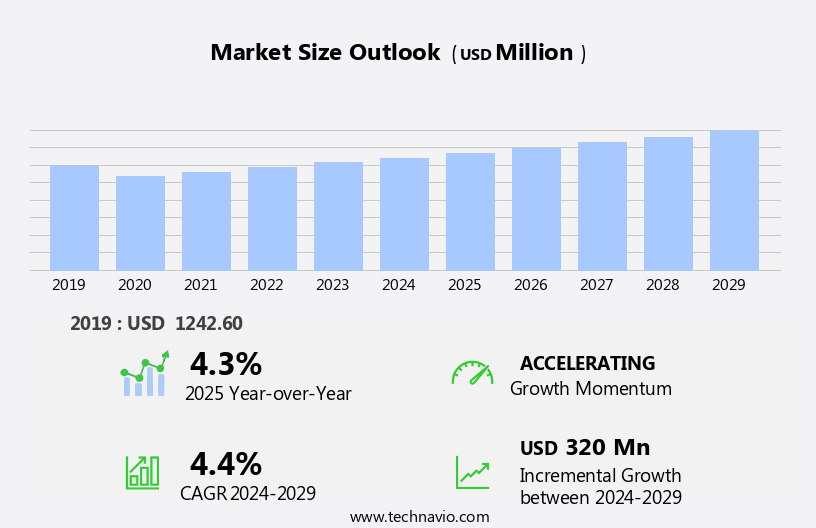
The automotive power steering fluid market size is forecast to increase by USD 320 million at a CAGR of 4.4% between 2024 and 2029.
- The market is experiencing significant growth due to the increasing production and sales of vehicles globally. According to recent statistics, the automotive industry is witnessing a demand, with over 80 million units produced in 2020 alone. This trend is expected to continue, providing ample opportunities for the power steering fluid market. Moreover, technological advancements in power steering systems are driving market growth. Electric power steering (EPS) systems, which use power steering fluid, are becoming increasingly popular due to their fuel efficiency and improved driving experience. These systems offer benefits such as reduced steering effort, improved fuel economy, and enhanced vehicle stability. These innovations include the development of electric power steering (EPS) systems, which offer improved fuel efficiency and better driving experience.
- However, the market faces challenges, including the development of cars without steering wheels. Although still in the experimental stage, these vehicles could potentially disrupt the power steering fluid market. Another challenge is the increasing focus on electric vehicles (EVs), which use regenerative steering systems that do not require power steering fluid. These challenges necessitate continuous innovation and adaptation by market players to remain competitive and capitalize on emerging opportunities. The integration of artificial intelligence (AI) and machine learning in power steering systems is also expected to drive market growth.
What will be the Size of the Automotive Power Steering Fluid Market during the forecast period?
- The market continues to evolve, driven by advancements in technology and shifting market dynamics. Hydraulic performance is a critical factor, with fluid degradation posing a significant challenge. Corrosion inhibitors and anti-wear agents are essential additives, ensuring seal compatibility and wear resistance. Electronic control units and sensor technology have transformed power steering systems, enabling improved steering response and vehicle stability. Environmental regulations have fueled the adoption of bio-based fluids and sustainable materials. Fuel efficiency is a key consideration, with mineral-based fluids and synthetic fluids offering varying benefits. Fuel-saving technologies, such as regenerative braking, are gaining traction. Light-duty trucks and commercial vehicles require robust power steering systems, with longer service life and temperature resistance essential. In the passenger car segment, the increasing preference for SUVs is driving market expansion.
- Fluid compatibility and oxidation stability are crucial for maintaining vehicle performance. Fluid analysis and filtration are essential for identifying contamination and ensuring quality standards. Repair shops play a vital role in maintaining power steering systems, with regular fluid replacement crucial for optimal performance. Hydraulic power steering systems are being replaced with Electric Power Steering (EPS) and Rack Assist EPS systems to provide better layout flexibility and power performance. The market is witnessing the emergence of hydraulic pressure sensors and EPS systems, enhancing steering wheel effort and fuel efficiency. The industry is embracing green technologies and emissions standards, with maintenance intervals and industry certifications playing a crucial role in ensuring reliable and sustainable power steering systems.
How is this Automotive Power Steering Fluid Industry segmented?
The automotive power steering fluid industry research report provides comprehensive data (region-wise segment analysis), with forecasts and estimates in "USD million" for the period 2025-2029, as well as historical data from 2019-2023 for the following segments.
- Type
- Mineral oil
- Synthetic oil
- Application
- Passenger cars
- Commercial vehicles
- End-user
- OEM
- Aftermarket
- Geography
- North America
- US
- Canada
- Europe
- France
- Germany
- UK
- APAC
- Australia
- China
- India
- Japan
- South Korea
- Rest of World (ROW)
- North America
By Type Insights
The mineral oil segment is estimated to witness significant growth during the forecast period. In the automotive industry, mineral oil-based power steering fluids have long been a common choice due to their affordability and wide availability. These fluids, derived from crude oil, offer fundamental lubrication and protection for power steering systems. However, they may not match the performance and durability of synthetic oils. Pentosin, a subsidiary of FUCHS PETROLUB SE, is a notable player in this market. They provide a variety of power steering fluids, including mineral oil-based options, designed for diverse automotive power steering systems. Environmental regulations have driven the demand for more eco-friendly alternatives. Sustainable materials and bio-based fluids have emerged as viable options.
Power steering pumps and EPS systems require high hydraulic pressure to function effectively. ATF fluid and hydraulic fluid are popular choices for these applications due to their ability to withstand high temperatures and pressures. Quality standards, such as API specifications, ensure the reliability and compatibility of power steering fluids. Industry certifications, such as those from SAE International, further validate the quality and performance of these fluids. Fluid leakage and contamination can significantly impact vehicle performance. Seal compatibility is essential to prevent these issues. Regenerative braking and fuel-saving technologies have increased the importance of power steering fluid efficiency. The market continues to evolve, with ongoing research and development focusing on improving fluid performance, reducing friction, and enhancing vehicle stability. Repair shops and maintenance intervals play a crucial role in ensuring the proper use and replacement of power steering fluids.
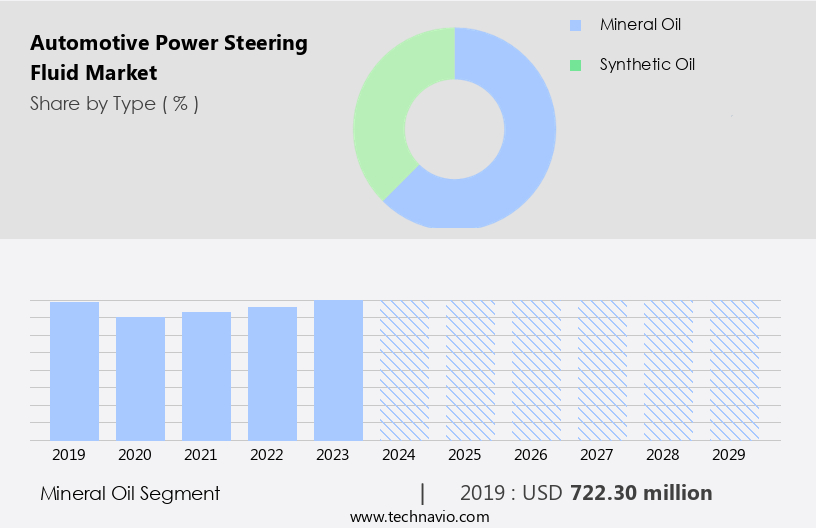
The Mineral oil segment was valued at USD 722.30 million in 2019 and showed a gradual increase during the forecast period. These fluids offer enhanced performance, longer service life, and reduced environmental impact. Synthetic fluids, with their superior wear resistance and temperature resistance, have gained traction in the market. They ensure better hydraulic performance, fluid compatibility, and resistance to oxidation and degradation. Heavy-duty trucks and commercial vehicles put immense strain on power steering systems. Anti-wear agents, friction modifiers, and anti-foam agents are crucial additives that extend the life of these systems. Electronic control units (ECUs) and sensor technology have revolutionized power steering systems, enhancing vehicle stability, fuel efficiency, and steering response. Fluid filtration and fluid analysis help maintain the health of power steering systems, preventing performance degradation and costly repairs.
Regional Analysis
APAC is estimated to contribute 51% to the growth of the global market during the forecast period. Technavio's analysts have elaborately explained the regional trends and drivers that shape the market during the forecast period.

In the automotive industry, the power steering fluid market is witnessing significant growth, driven by the increasing demand for passenger cars and commercial vehicles in emerging economies, particularly in the Asia Pacific region. Economic expansion in countries like China, India, Thailand, Indonesia, and South Korea has led to a substantial increase in per-capita income and purchasing power, fueling the demand for automobiles. The connector market caters to diverse applications, including radar equipment, infotainment systems in vehicles, and electronic components in electric vehicles. The region's governments have also invested heavily in infrastructure and industrial development, leading to a high demand for commercial vehicles. Environmental regulations have become increasingly stringent, necessitating the use of eco-friendly fluids that offer better oxidation stability, temperature resistance, and wear resistance.
These fluids must be compatible with various materials, including electronic control units, seals, and sensors, to ensure vehicle performance and longevity. Moreover, the use of bio-based fluids and synthetic fluids has gained popularity due to their sustainability and improved hydraulic performance. Heavy-duty trucks and commercial vehicles require high-performance power steering fluids that offer excellent friction reduction, fluid degradation resistance, and anti-wear properties. These fluids must also be resistant to fluid leakage and provide excellent seal compatibility to ensure optimal power steering system performance. Electric power steering systems have become increasingly common, necessitating the use of fluids that offer excellent fluid viscosity and hydraulic performance.
Quality standards and industry certifications are essential to ensure the safety and reliability of power steering fluids. Fluid analysis and filtration are crucial to maintain the fluid's performance and extend the service life of the power steering system components, including the steering wheel, steering rack, power steering pump, and power steering gear. Fuel efficiency is a critical consideration in the automotive industry, and power steering fluids play a role in this regard. Mineral-based fluids have been traditionally used, but synthetic fluids and fuel-saving technologies are gaining popularity due to their superior lubrication properties and hydraulic performance. Safety and security are crucial factors in the connector market, especially in applications such as airbags and GPS navigation systems. The use of friction modifiers and anti-foam agents also helps reduce power steering pump wear and improve steering response.
Emissions standards and maintenance intervals have become increasingly stringent, necessitating the use of fluids that offer excellent performance degradation resistance and temperature resistance. Green technologies, such as regenerative braking, are also gaining popularity, and power steering fluids must be compatible with these systems to ensure optimal performance. The power steering fluid market is witnessing significant growth due to the increasing demand for passenger cars and commercial vehicles in emerging economies. Environmental regulations, fuel efficiency, and vehicle performance are key drivers of market growth. Power steering fluids must offer excellent oxidation stability, temperature resistance, wear resistance, fluid compatibility, and hydraulic performance to meet the evolving demands of the automotive industry.
Market Dynamics
Our researchers analyzed the data with 2024 as the base year, along with the key drivers, trends, and challenges. A holistic analysis of drivers will help companies refine their marketing strategies to gain a competitive advantage.
What are the key market drivers leading to the rise in the adoption of Automotive Power Steering Fluid Industry?
- The escalating global production and sales of vehicles serve as the primary catalyst for market growth in this sector. The market is experiencing notable growth due to the increasing production and sales of vehicles globally. In 2023, over 80 million units were sold, marking a significant increase from previous years. This vehicle manufacturing results in a corresponding demand for automotive power steering fluids. These fluids are essential for power steering systems, which ensure smooth and effortless vehicle maneuverability. Several factors contribute to the market's expansion. Environmental regulations necessitate the use of fluids with corrosion inhibitors to protect against contamination and maintain vehicle performance. Fluid compatibility with various materials, including seals and electronic control units, is also crucial for optimal performance and longevity.
- Anti-foam agents and wear resistance additives help prevent performance degradation and ensure the fluid remains effective. Moreover, sensor technology and advanced friction reduction techniques have become increasingly important in power steering systems. These features enhance vehicle safety and improve the overall driving experience. However, maintaining fluid compatibility and ensuring seal compatibility remain significant challenges for market participants. The market is poised for continued growth, driven by the increasing demand for vehicles and the need for advanced power steering systems that offer improved performance, safety, and environmental compliance.
What are the market trends shaping the Automotive Power Steering Fluid Industry?
- The current market trend reflects a significant focus on technological advancements in power steering systems. These innovations are set to redefine automotive technology, enhancing vehicle handling and driver experience. The market is driven by the evolution of power steering systems in modern vehicles. Advanced power steering technologies, such as electric power steering (EPS) systems, demand specialized fluids that cater to their unique specifications. These fluids offer enhanced lubrication properties, oxidation stability, and temperature resistance. In response, leading automotive original equipment manufacturers (OEMs) and suppliers are investing in research and development to create innovative power steering solutions. Bosch, ZF Friedrichshafen AG, and Nexteer Automotive are among the companies pioneering advancements in power steering systems, from traditional hydraulic systems to EPS and steer-by-wire systems. The growing preference for sustainable materials in automotive manufacturing is also influencing the development of eco-friendly power steering fluids.
- Repair shops and passenger car owners prioritize the use of high-quality fluids for optimal system performance and longevity. Fluid analysis is essential for detecting potential issues, such as fluid leakage, ensuring timely maintenance and repair. The market is poised for growth due to the continuous innovation in power steering systems and the need for specialized fluids that cater to their specifications.
What challenges does the Automotive Power Steering Fluid Industry face during its growth?
- The absence of steering wheels in the development of cars poses a significant challenge to the industry's growth trajectory. The automotive power steering market is driven by the need for enhanced hydraulic performance in vehicles. However, the degradation of hydraulic fluids over time can impact steering system efficiency, leading to the requirement for regular fluid replacement. Light-duty trucks and other commercial vehicles often utilize heavy-duty steering systems, necessitating the use of robust hydraulic fluids for optimal performance. Two primary types of power steering fluids are mineral-based and bio-based. Mineral-based fluids offer excellent anti-wear properties, while bio-based fluids are environmentally friendly and provide improved fuel efficiency. The addition of anti-wear agents in hydraulic fluids further extends their service life and ensures the longevity of the steering rack.
- Automotive manufacturers and consumers alike are increasingly focusing on the importance of hydraulic fluid quality, as it directly impacts the overall performance and safety of a vehicle. Hydraulic pressure plays a crucial role in the power steering system, and maintaining the correct pressure level is essential for optimal performance. As the automotive industry evolves, advancements in technology may render steering wheels obsolete. Autonomous vehicles, which operate without human intervention, could lead to the design of future cities with customized roadways for these cars. This shift could significantly impact the power steering fluid market, as the need for manual steering systems may diminish.
Exclusive Customer Landscape
The automotive power steering fluid market forecasting report includes the adoption lifecycle of the market, covering from the innovator's stage to the laggard's stage. It focuses on adoption rates in different regions based on penetration. Furthermore, the automotive power steering fluid market report also includes key purchase criteria and drivers of price sensitivity to help companies evaluate and develop their market growth analysis strategies.

Customer Landscape
Key Companies & Market Insights
Companies are implementing various strategies, such as strategic alliances, automotive power steering fluid market forecast, partnerships, mergers and acquisitions, geographical expansion, and product/service launches, to enhance their presence in the industry.
Airosol Co. Inc. - The company provides advanced power steering fluid, engineered to safeguard automotive power steering systems from wear and oxidation damage.
The industry research and growth report includes detailed analyses of the competitive landscape of the market and information about key companies, including:
- Airosol Co. Inc.
- AMSOIL Inc.
- Bardahl Manufacturing Corp.
- Calumet Specialty Products Partners L.P.
- Chevron Corp.
- Energizer Holdings Inc.
- Exxon Mobil Corp.
- FUCHS SE
- General Motors Co.
- Honeywell International Inc.
- Lucas Oil Products Inc.
- Penrite Oil Co. Pty. Ltd.
- Phillips 66 Co.
- Recochem Inc.
- Shell plc
- TotalEnergies SE
- Valvoline Inc.
Qualitative and quantitative analysis of companies has been conducted to help clients understand the wider business environment as well as the strengths and weaknesses of key industry players. Data is qualitatively analyzed to categorize companies as pure play, category-focused, industry-focused, and diversified; it is quantitatively analyzed to categorize companies as dominant, leading, strong, tentative, and weak.
Recent Development and News in Automotive Power Steering Fluid Market
- In February 2023, Magna International, a leading automotive technology supplier, introduced its new electric power steering (EPS) system, Magna E-Steer, which utilizes a power steering fluid that requires no replacement throughout the vehicle's lifecycle. This innovation significantly reduces maintenance costs and contributes to the growing trend of sustainable automotive solutions (Magna International Press Release).
- In May 2024, ZF Friedrichshafen AG and Continental AG, two major automotive suppliers, announced their strategic collaboration to develop and produce advanced power steering systems, combining their expertise in hydraulic and electric power steering technologies. This partnership aims to strengthen their market position and cater to the increasing demand for electric and autonomous vehicles (ZF Friedrichshafen AG Press Release).
- In October 2024, Aptiv, a global technology company, and Hyundai Motor Group announced a strategic partnership to develop and commercialize advanced power steering systems for electric and autonomous vehicles. This collaboration is expected to accelerate the adoption of electric power steering technology in the automotive industry and reduce the carbon footprint of vehicles (Hyundai Motor Group Press Release).
- In January 2025, the European Union (EU) introduced new regulations mandating the use of low-phosphorus power steering fluids in all new passenger cars and light commercial vehicles from 2026 onwards. This initiative aims to reduce the environmental impact of automotive fluids and promote the use of more sustainable alternatives (European Commission Press Release).
Research Analyst Overview
The market is driven by the need for steering precision, energy efficiency, and vehicle safety. Fluid contamination control is a significant concern, leading to the adoption of predictive maintenance strategies and fluid analysis kits. Renewable resources and bio-based additives are gaining popularity for their environmental benefits and performance optimization. Steering linkage and column components require high-performance fluids with extended service intervals. Low-temperature performance is crucial for cold-climate regions, while high-temperature performance is essential for optimal hydraulic pump efficiency. Steering feel, responsiveness, and torque sensor accuracy are essential factors influencing market trends. Spectroscopic analysis and fluid testing help monitor fluid life and aging, ensuring steering ratio consistency and preventing potential failures. Additionally, the emergence of 5G technology networks is expected to fuel market growth, as these networks require advanced connectors to support high-speed data transfer and low latency.
Fluid recycling is a growing trend, reducing waste and conserving resources. Electric motor-assisted power steering systems are becoming more common, requiring specialized fluids for optimal performance. Innovations in power steering assist technologies, such as torque sensors and angle sensors, are enhancing driving experience and fueling market growth. Overall, the power steering fluid market is dynamic, with a focus on improving steering performance, energy efficiency, and vehicle safety.
Dive into Technavio's robust research methodology, blending expert interviews, extensive data synthesis, and validated models for unparalleled Automotive Power Steering Fluid Market insights. See full methodology.
|
Market Scope |
|
|
Report Coverage |
Details |
|
Page number |
218 |
|
Base year |
2024 |
|
Historic period |
2019-2023 |
|
Forecast period |
2025-2029 |
|
Growth momentum & CAGR |
Accelerate at a CAGR of 4.4% |
|
Market growth 2025-2029 |
USD 320 million |
|
Market structure |
Fragmented |
|
YoY growth 2024-2025(%) |
4.3 |
|
Key countries |
China, US, Japan, India, Germany, UK, Canada, South Korea, Australia, and France |
|
Competitive landscape |
Leading Companies, Market Positioning of Companies, Competitive Strategies, and Industry Risks |
What are the Key Data Covered in this Automotive Power Steering Fluid Market Research and Growth Report?
- CAGR of the Automotive Power Steering Fluid industry during the forecast period
- Detailed information on factors that will drive the growth and forecasting between 2025 and 2029
- Precise estimation of the size of the market and its contribution of the industry in focus to the parent market
- Accurate predictions about upcoming growth and trends and changes in consumer behaviour
- Growth of the market across APAC, Europe, North America, South America, and Middle East and Africa
- Thorough analysis of the market's competitive landscape and detailed information about companies
- Comprehensive analysis of factors that will challenge the automotive power steering fluid market growth of industry companies
We can help! Our analysts can customize this automotive power steering fluid market research report to meet your requirements.
 RIA -
RIA - 
