
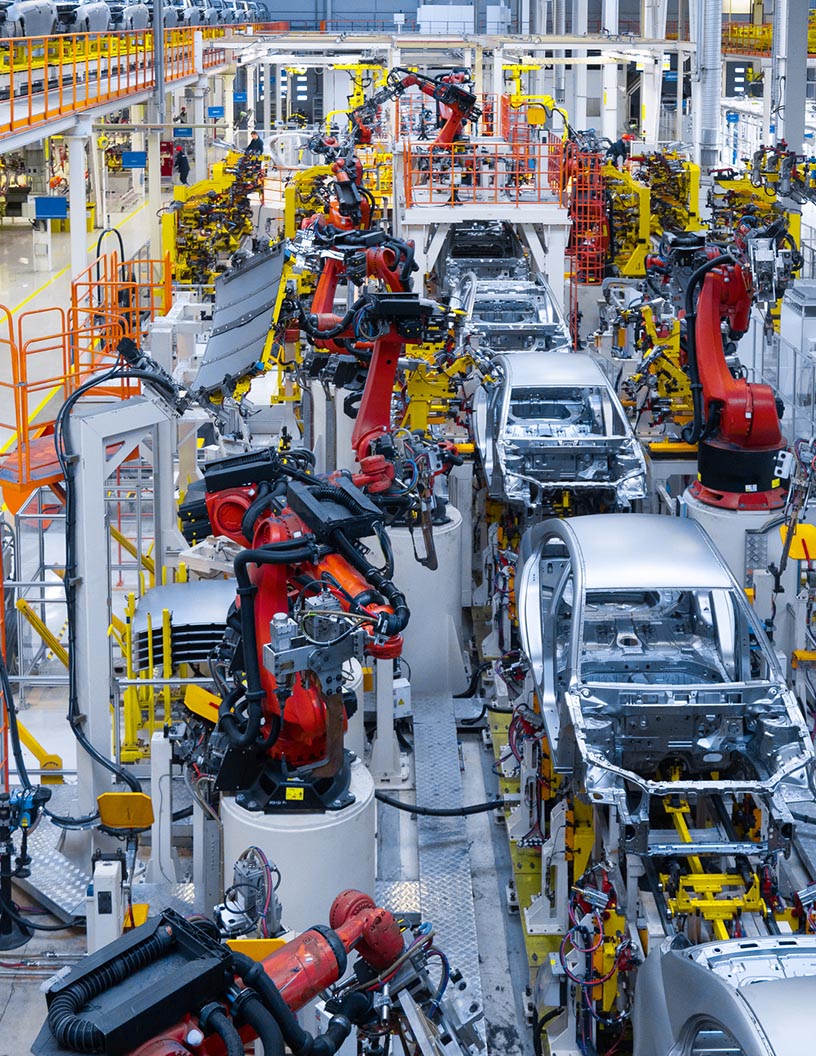


Automotive Testing, Inspection, and Certification (TIC) Market Size 2024-2028
The automotive testing, inspection, and certification (tic) market size is forecast to increase by USD 6.48 bn at a CAGR of 6.4% between 2023 and 2028.
What will be the Size of the Automotive Testing, Inspection, and Certification (TIC) Market during the Forecast Period?
_market_size_abstract_2024_v1.jpg)
How is this Automotive Testing, Inspection, and Certification (TIC) Industry segmented and which is the largest segment?
The automotive testing, inspection, and certification (tic) industry research report provides comprehensive data (region-wise segment analysis), with forecasts and estimates in "USD billion" for the period 2024-2028, as well as historical data from 2018-2022 for the following segments.
- Type
- Inhouse
- Outsourced
- Vehicle Type
- Passenger cars
- Commercial vehicle
- Geography
- Europe
- Germany
- Italy
- North America
- US
- APAC
- China
- Japan
- Middle East and Africa
- South America
- Europe
By Type Insights
The inhouse segment is estimated to witness significant growth during the forecast period. In-house Automotive Testing, Inspection, and Certification (TIC) is a critical aspect of the automotive sector's quality control and assurance. Manufacturers conduct in-house TIC activities, collaborating with public bodies and organizations, such as customs, competition authorities, and industrial health and safety authorities. To facilitate these activities, automotive manufacturers invest in essential infrastructures, including test and measurement equipment and skilled personnel. In-house TIC services encompass testing of electronic control units (ECUs) and other core components. This approach offers manufacturers greater control by keeping services and personnel under direct supervision. In the context of evolving automotive trends, in-house TIC plays a vital role in ensuring compliance with pollution levels, emission regulations, and safety standards for fuel-efficient vehicles, electric vehicles (EVs), autonomous cars, and hybrid vehicles.
Additionally, it addresses concerns related to raw material shortages, shipping delays, and the integration of electrical systems, telematics, vehicle inspection services, homologation testing, battery safety, electromagnetic compatibility, crash-test requirements, cybersecurity, and communication systems.
_market_segments_abstract_2024_v2.jpg)
Get a glance at the market report of various segments Request Free Sample
The Inhouse segment was valued at USD 9.08 bn in 2018 and showed a gradual increase during the forecast period.
Regional Analysis
Europe is estimated to contribute 36% to the growth of the global market during the forecast period. Technavio’s analysts have elaborately explained the regional trends and drivers that shape the market during the forecast period.
_market_regions_abstract_2023_geo_v2.jpg)
For more insights on the market size of various regions, Request Free Sample
The European the market is the largest globally due to established automobile industries in countries like Germany, the UK, France, Italy, and Spain. The demand for lightweight and electric commercial vehicles in Europe is driving the automotive sector's growth, necessitating periodic testing and inspection services to ensure safety compliance. Emission regulations, including those for fuel-efficient vehicles and emission control systems, are stringent in Europe, leading to a high demand for TIC services. The shift towards electric vehicles (EVs) and autonomous cars necessitates testing and certification for electrical systems, telematics, vehicle-to-vehicle communication, vehicle-to-infrastructure communication, in-vehicle entertainment, battery safety, electromagnetic compatibility, crash-test requirements, homologation, and cybersecurity.
TIC services encompass testing, inspection, and certification for automotive component manufacturers, device manufacturers, and EV battery systems, EV charging, connectors, and physical and digital products. In-house sourcing and outsourcing are common practices In the industry. The market's growth may be impacted by raw material shortages and shipping delays, but the recovery of the automotive manufacturing sector and the increasing sales of passenger and commercial vehicles are expected to offset these challenges.
Market Dynamics
Our researchers analyzed the data with 2023 as the base year, along with the key drivers, trends, and challenges. A holistic analysis of drivers will help companies refine their marketing strategies to gain a competitive advantage.
What are the key market drivers leading to the rise In the adoption of market?
Growing automotive industry worldwide is the key driver of the market.The market plays a crucial role in ensuring the quality and safety of vehicles, including passenger cars and commercial trucks. With the growing automotive sector and increasing sales of fuel-efficient and electric vehicles, there is a heightened focus on emission regulations and emission control systems. Vehicle population growth, driven by rising global population and urbanization, necessitates stricter emission standards and increased demand for testing, inspection, and certification services. Moreover, the shift towards electric vehicles (EVs) and autonomous cars necessitates new testing requirements, such as battery safety, electromagnetic compatibility, cybersecurity, and homologation. Electric vehicles and their charging infrastructure, electrical systems, telematics, and sensor adoption are among the digital and physical products that require rigorous testing and certification.
Automotive component manufacturers and device manufacturers also rely on TIC services for quality control and technical inspection (PTI) to meet carbon emission targets and ensure compliance with vehicle safety regulations. Raw material shortages and shipping delays can impact production schedules, making timely testing and certification services essential. In addition to traditional testing and certification services, TIC providers offer inspection services for in-vehicle entertainment systems, vehicle-to-vehicle communication, and vehicle-to-infrastructure communication. The automotive manufacturing recovery, driven by the increasing demand for electric and hybrid vehicles, presents significant growth opportunities for TIC market players.
What are the market trends shaping the Automotive Testing, Inspection, and Certification (TIC) market?
Advent of over-the-air TIC for vehicles is the upcoming market trend.The market plays a crucial role in ensuring the quality, safety, and compliance of vehicles with emission regulations In the face of growing pollution levels and a expanding vehicular population. With the rise of electric vehicles (EVs) and autonomous cars, the market encompasses testing and certification for electrical systems, telematics, battery safety, electromagnetic compatibility, cybersecurity, and crash-test requirements. The increasing adoption of sensor technology in vehicles, including those for EV charging, connectors, and in-vehicle entertainment, necessitates rigorous testing and certification. Moreover, the automotive sector is grappling with raw material shortages and shipping delays, making efficient testing and certification processes even more essential.
TIC services include testing, inspection, and certification for automobile manufacturers, device manufacturers, and electric vehicle battery systems. Homologation testing is a significant aspect of the market, ensuring compliance with vehicle emission regulations and safety standards. The market dynamics are influenced by factors such as carbon emission targets, vehicle recall, and the increasing sales of passenger and commercial vehicles. TIC services are vital for ensuring the safety and reliability of electric and hybrid vehicles, as well as for addressing the challenges posed by the integration of advanced technologies such as vehicle-to-vehicle and vehicle-to-infrastructure communication. TIC providers like TUV SUD offer comprehensive testing and certification services to help the automotive manufacturing sector recover and innovate, with a focus on emerging trends such as autonomous cars and in-house or outsourced production of physical and digital products.
What challenges does the market face during its growth?
High lead time involved in TIC processes is a key challenge affecting the industry growth.The market plays a crucial role in ensuring the compliance of vehicles with emission regulations and safety standards. With growing pollution levels and increasing vehicular population, the need for stringent vehicle emission regulations is on the rise. This necessitates the use of advanced emission control systems and fuel-efficient vehicles. The TIC process involves extensive testing and certification of vehicles, including electric vehicles (EVs) and autonomous cars, to ensure they meet the required safety, performance, and wear standards. TIC services encompass testing, inspection, and certification of various automotive components, electrical systems, telematics, and battery safety. The process includes homologation testing to ensure vehicles comply with the regulations of the country in which they will be sold.
TIC also covers cybersecurity testing to protect against potential threats. Automotive component manufacturers and device manufacturers rely on TIC services for quality control and assurance. The TIC market is dynamic, with ongoing advancements in technology leading to the adoption of sensors, electric vehicles, and hybrid vehicles. The market also faces challenges such as raw material shortages and shipping delays, which can impact testing services, inspection services, and certification services. The TIC market is essential for the automotive sector, as it helps ensure the safety and performance of vehicles, including electric vehicle sales, passenger vehicles, and commercial vehicles. The market also plays a role In the development of in-vehicle entertainment, vehicle-to-vehicle communication, and vehicle-to-infrastructure communication.
With the increasing focus on carbon emission targets, TIC services will continue to play a vital role In the testing and certification of electric vehicle battery systems, EV charging, connectors, and other physical and digital products. In-house sourcing and outsourcing are common strategies employed by companies to access TIC services.
Exclusive Customer Landscape
The automotive testing, inspection, and certification (tic) market forecasting report includes the adoption lifecycle of the market, covering from the innovator’s stage to the laggard’s stage. It focuses on adoption rates in different regions based on penetration. Furthermore, the automotive testing, inspection, and certification (tic) market report also includes key purchase criteria and drivers of price sensitivity to help companies evaluate and develop their market growth analysis strategies.
_market_customer_landscape_abstract_2023_geo_v1.jpg)
Customer Landscape
Key Companies & Market Insights
Companies are implementing various strategies, such as strategic alliances, automotive testing, inspection, and certification (tic) market forecast, partnerships, mergers and acquisitions, geographical expansion, and product/service launches, to enhance their presence In the industry.
Apave Group - The company specializes in providing comprehensive automotive testing, inspection, and certification services. These offerings encompass on-board vehicle measurements and customized tests, mechanical assessments, hydraulic testing with burst tests on hoses and pipes, and electromagnetic compatibility evaluations. By utilizing advanced testing methodologies, this organization ensures the highest standards of safety and performance for the global automotive industry.
The industry research and growth report includes detailed analyses of the competitive landscape of the market and information about key companies, including:
- Apave Group
- Applus Services S.A
- British Standards Institution
- Bureau Veritas SA
- DEKRA SE
- DNV Group AS
- Element Materials Technology Group Ltd.
- Eurofins Scientific SE
- Intertek Group Plc
- Mistras Group Inc.
- Nemko
- SGS SA
- TUV NORD AG
- TUV Rheinland AG
- TUV SUD AG
- UL Solutions Inc.
Qualitative and quantitative analysis of companies has been conducted to help clients understand the wider business environment as well as the strengths and weaknesses of key industry players. Data is qualitatively analyzed to categorize companies as pure play, category-focused, industry-focused, and diversified; it is quantitatively analyzed to categorize companies as dominant, leading, strong, tentative, and weak.
Research Analyst Overview
The market plays a crucial role in ensuring the quality, safety, and compliance of vehicles and their components. This market encompasses a range of services, including testing, inspection, and certification of various vehicle systems, such as emission control systems, electrical systems, telematics, and battery safety. The growth of the vehicular population and increasing pollution levels have led to stricter emission regulations worldwide. Consequently, the demand for TIC services has surged, particularly In the area of vehicle emission testing. Fuel-efficient vehicles and electric vehicles (EVs) have gained significant traction in recent years, necessitating stringent testing and certification to meet carbon emission targets.
The automotive sector is witnessing a paradigm shift, with the emergence of electric vehicles, autonomous vehicles, and advanced driver-assistance systems. These technological advancements bring new challenges to the TIC market, requiring specialized testing and certification services. For instance, battery safety and electromagnetic compatibility are critical aspects of EV testing, while cybersecurity is a major concern for autonomous cars. The TIC market caters to various stakeholders, including automobile manufacturers, component manufacturers, and device manufacturers. The market also offers testing, inspection, and certification services for electrical systems, sensor adoption, and vehicle safety. Homologation testing is another essential service provided by TIC companies to ensure compliance with regulatory requirements.
The TIC market is not without its challenges. Raw material shortages and shipping delays can impact testing and certification timelines, leading to potential delays in vehicle manufacturing and sales. Furthermore, the increasing adoption of digital products, such as in-vehicle entertainment and vehicle-to-vehicle communication, necessitates specialized testing services to ensure compatibility and cybersecurity. TIC companies, such as TUV Sud, play a pivotal role In the automotive manufacturing recovery by providing testing, inspection, and certification services. Their expertise in various domains, including crash-test requirements, vehicle-to-infrastructure communication, and homologation, enables manufacturers to bring safe and compliant vehicles to market. The TIC market is dynamic and evolving, with new technologies and regulatory requirements continually emerging.
Greenfield projects, such as the development of new electric vehicle models and autonomous cars, require extensive testing and certification to meet safety and regulatory standards. In conclusion, the automotive testing, inspection, and certification market plays a vital role in ensuring the safety, quality, and compliance of vehicles and their components. With the increasing complexity of vehicles and regulatory requirements, the demand for TIC services is expected to continue growing. TIC companies must adapt to the evolving market dynamics and provide specialized testing, inspection, and certification services to cater to the needs of various stakeholders.
|
Market Scope |
|
|
Report Coverage |
Details |
|
Page number |
177 |
|
Base year |
2023 |
|
Historic period |
2018-2022 |
|
Forecast period |
2024-2028 |
|
Growth momentum & CAGR |
Accelerate at a CAGR of 6.4% |
|
Market growth 2024-2028 |
USD 6.48 billion |
|
Market structure |
Fragmented |
|
YoY growth 2023-2024(%) |
5.53 |
|
Key countries |
US, China, Japan, Germany, and Italy |
|
Competitive landscape |
Leading Companies, Market Positioning of Companies, Competitive Strategies, and Industry Risks |
What are the Key Data Covered in this Automotive Testing, Inspection, and Certification (TIC) Market Research and Growth Report?
- CAGR of the Automotive Testing, Inspection, and Certification (TIC) industry during the forecast period
- Detailed information on factors that will drive the growth and forecasting between 2024 and 2028
- Precise estimation of the size of the market and its contribution of the industry in focus to the parent market
- Accurate predictions about upcoming growth and trends and changes in consumer behaviour
- Growth of the market across Europe, North America, APAC, Middle East and Africa, and South America
- Thorough analysis of the market’s competitive landscape and detailed information about companies
- Comprehensive analysis of factors that will challenge the automotive testing, inspection, and certification (tic) market growth of industry companies
We can help! Our analysts can customize this automotive testing, inspection, and certification (tic) market research report to meet your requirements.
 RIA -
RIA - 
