
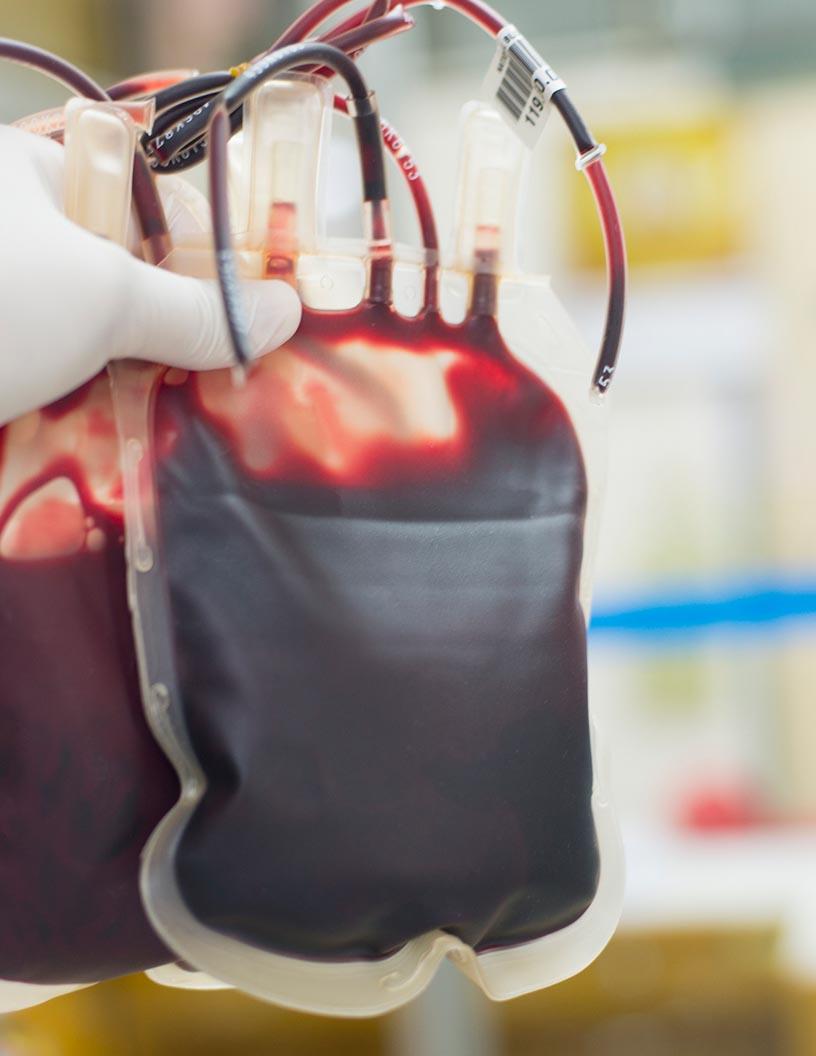


Blood Bags Market Size 2024-2028
The blood bags market size is forecast to increase by USD 203.7 million, at a CAGR of 8.1% between 2023 and 2028.
- The market is witnessing significant growth, driven by the increasing number of hospitals and blood banks worldwide. The expanding healthcare infrastructure is leading to an increased demand for blood bags to store and transport donated blood. Additionally, growing awareness about the importance of blood donation and its potential to save lives is fueling market growth. However, challenges persist, particularly in rural regions where the availability of advanced blood storage and transfusion facilities remains limited. This lack of infrastructure poses a significant obstacle to the effective collection, storage, and distribution of blood in these areas.
- Companies operating in the market must address this challenge by exploring innovative solutions to improve access to blood storage and transfusion facilities in rural regions. By doing so, they can capitalize on the growing demand for blood bags and contribute to saving lives in under-served communities.
What will be the Size of the Blood Bags Market during the forecast period?
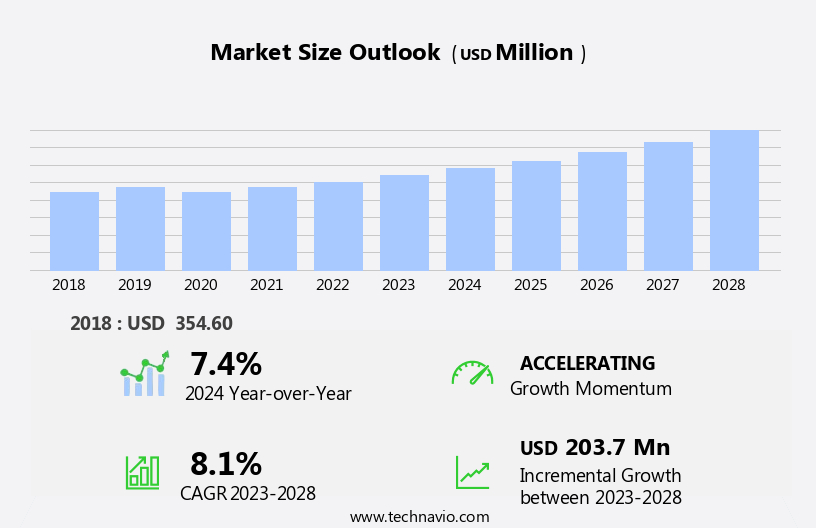
Explore in-depth regional segment analysis with market size data - historical 2018-2022 and forecasts 2024-2028 - in the full report.
Request Free Sample
The market is characterized by its continuous evolution, driven by advancements in medical technology and the ever-evolving needs of healthcare facilities. Medical grade polymers, a crucial component of blood bags, undergo constant innovation to ensure patient safety and trauma care. Infectious disease testing, a critical aspect of blood storage, is continually advancing to mitigate parasite contamination and bacterial or viral infections. Safety protocols, such as electron beam sterilization and gamma irradiation, are essential in maintaining regulatory compliance and reducing adverse events. Labeling requirements and temperature monitoring ensure proper inventory control and shelf life management. Compatibility testing and handling procedures are integral to maintaining the integrity of blood components during storage and transportation.
Blood management software, component sourcing, and distribution networks are essential elements of the blood supply chain, requiring seamless integration with inventory control software and quality control measures. The market's dynamism extends to regulatory compliance, with ongoing updates to safety protocols and handling procedures. Material science and preservation methods continue to evolve, influencing the design of storage containers and surgical procedures. Clinical outcomes are a primary focus, with a growing emphasis on blood group typing, blood screening, and blood component separation. Disposal methods and waste management are also crucial considerations in the market. The market's complexity is further amplified by the integration of emerging technologies, such as RFID tracking, barcode systems, plasma fractionation, and additive manufacturing, into blood center operations.
The ongoing unfolding of market activities underscores the importance of staying abreast of the latest trends and advancements in blood bag technology.
How is this Blood Bags Industry segmented?
The blood bags industry research report provides comprehensive data (region-wise segment analysis), with forecasts and estimates in "USD million" for the period 2024-2028, as well as historical data from 2018-2022 for the following segments.
- Type
- Collection bag
- Transfer bag
- Geography
- North America
- US
- Canada
- Europe
- Germany
- APAC
- China
- Japan
- Rest of World (ROW)
- North America
By Type Insights
The collection bag segment is estimated to witness significant growth during the forecast period.
The collection bags segment in the market plays a pivotal role in the healthcare industry, facilitating the efficient collection and storage of whole blood. Equipped with multiple tubes and needles, these bags ensure a streamlined process for medical professionals during blood donation drives and surgical procedures. Patient safety is prioritized through the maintenance of sterility and integrity during collection, making these bags an essential resource in hospitals and blood banks. The segment's growth is fueled by several factors, including the increasing number of chronic diseases and surgical procedures necessitating regular blood transfusions, as well as the growing awareness of the importance of blood donation.
Trauma care facilities and emergency medicine departments also rely heavily on collection bags due to their critical role in managing patient care. Medical grade polymers are utilized in the production of these bags to ensure compatibility and durability, while safety protocols such as electron beam sterilization and gamma irradiation are employed to minimize the risk of infectious disease transmission. Temperature monitoring and labeling requirements are stringently adhered to for proper blood storage and inventory management. Blood management software, compatibility testing, and regulatory compliance are essential components of the supply chain, ensuring the quality and safety of the blood components throughout the distribution network.
Material science and preservation methods are continually evolving to extend the shelf life and minimize bacterial contamination, parasite contamination, and viral contamination. Surgical procedures and clinical outcomes are significantly impacted by the use of blood components, highlighting the importance of rigorous handling procedures, inventory control software, and disposal methods. The integration of RFID tracking, barcode systems, and blood component separation technologies further enhances the efficiency and accuracy of the blood transfusion process. Plasma fractionation and blood centers are integral parts of the market, providing essential resources for various medical applications. Sterilization techniques such as ethylene oxide sterilization and cold chain storage ensure the continued safety and efficacy of the blood components.
In conclusion, the collection bags segment of the market is a vital component of the healthcare industry, with a steadily growing demand due to the increasing need for blood transfusions and the importance of maintaining patient safety and regulatory compliance. The integration of advanced technologies and continuous innovation in material science and preservation methods ensures the ongoing evolution of this essential market.
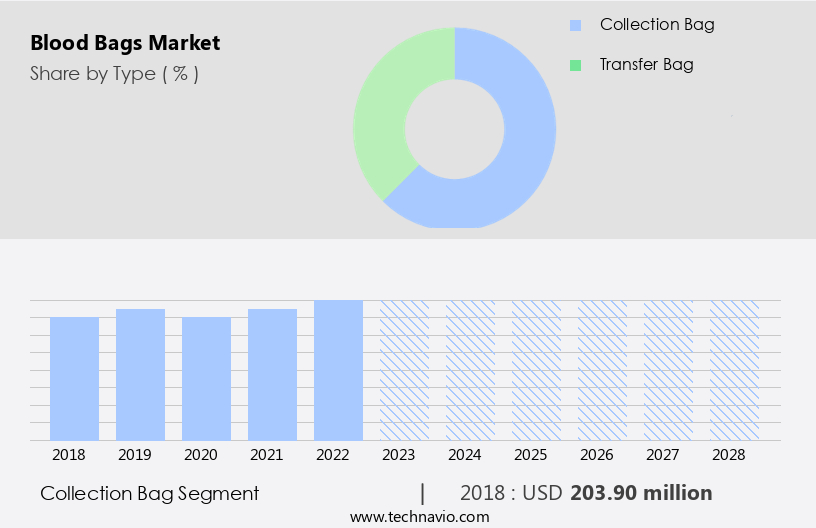
The Collection bag segment was valued at USD 203.90 million in 2018 and showed a gradual increase during the forecast period.
Regional Analysis
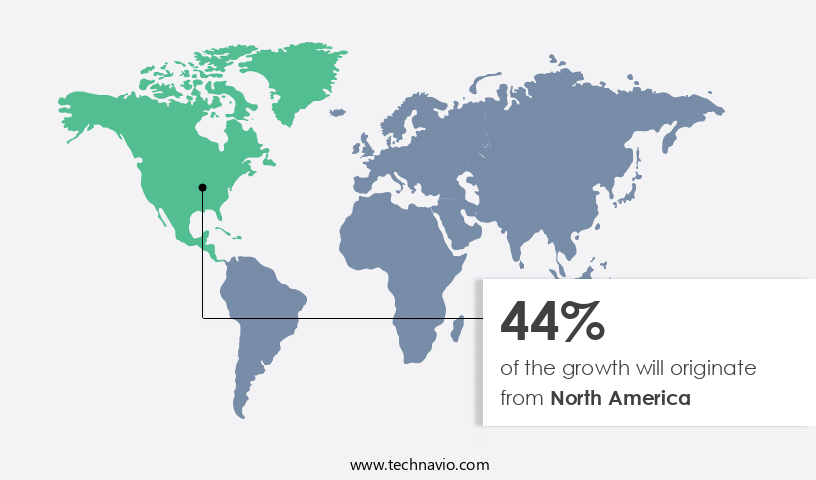
North America is estimated to contribute 44% to the growth of the global market during the forecast period. Technavio's analysts have elaborately explained the regional trends and drivers that shape the market during the forecast period.
The US market is experiencing steady growth due to several factors. The increasing prevalence of traumatic injuries from road accidents and sports activities necessitates an elevated demand for blood storage and transfusion. Furthermore, the expansion of healthcare facilities, including hospitals, independent blood banks, and government-managed blood banks, fuels market growth. With the rise in surgical procedures, the requirement for compatible blood bags, ensuring patient safety and infectious disease testing, becomes essential. Medical-grade polymers and advanced sterilization techniques, such as gamma irradiation and electron beam sterilization, ensure the safety and efficacy of the blood components. Temperature monitoring, labeling requirements, and inventory control software are critical components of the blood management process.
Additionally, regulatory compliance and quality control measures ensure the prevention of adverse events, such as bacterial or viral contamination. The blood centers employ various collection procedures, including ethylene oxide sterilization and waste management, to maintain the integrity of the blood supply chain. The market trends also include the adoption of advanced technologies, such as RFID tracking, barcode systems, and blood component separation, to enhance the overall efficiency and safety of the blood transfusion process. The market's growth is further driven by the increasing demand for plasma fractionation and the development of additive manufacturing techniques for producing customized blood bags.
Market Dynamics
Our researchers analyzed the data with 2023 as the base year, along with the key drivers, trends, and challenges. A holistic analysis of drivers will help companies refine their marketing strategies to gain a competitive advantage.
What are the key market drivers leading to the rise in the adoption of Blood Bags Industry?
- The increasing number of hospitals and blood banks serves as the primary driver for market growth in this sector.
- The demand for blood and blood components in the healthcare industry is escalating due to the increasing number of patients requiring critical care services. Chronic diseases, medical emergencies, and disease outbreaks are driving the expansion of hospitals and patient care centers, leading to an increased need for blood and blood components. Whole blood is essential for emergency surgeries to replace blood loss, while blood component separation is necessary for specific medical treatments. To ensure the safety and sterility of blood and blood components, various sterilization techniques, such as ethylene oxide are used. Waste management is a critical aspect of blood bag manufacturing, ensuring the safe disposal of used containers.
- Blood centers play a crucial role in the collection, processing, and distribution of blood and blood components. Advancements in technology, such as additive manufacturing, RFID tracking, and barcode systems, are improving the efficiency and accuracy of blood transfusion and plasma fractionation processes. Blood storage containers are also being developed with advanced materials and technologies to extend the shelf life and maintain the quality of blood components. In conclusion, the healthcare industry's growing demand for blood and blood components necessitates the development of advanced technologies and processes for their production, storage, and distribution. Sterilization techniques, waste management, and barcode systems are essential components of this process, ensuring the safety and efficacy of blood and blood components for critical care applications.
What are the market trends shaping the Blood Bags Industry?
- The increasing importance of blood donation is a notable trend in the current market. This awareness campaign emphasizes the significance of regular blood donations to ensure a steady supply for those in need.
- The market in developed countries has seen significant growth due to increased awareness initiatives and the importance of product traceability in trauma care. Medical-grade polymers used in blood storage bags ensure patient safety and comply with safety protocols. Infectious disease testing and adverse event reporting are crucial aspects of the market, ensuring the safety and efficacy of blood products. Electron beam sterilization and compatibility testing are essential processes in maintaining the quality of blood bags. Healthcare facilities prioritize temperature monitoring to preserve the integrity of the blood during storage. Labeling requirements are strictly enforced to ensure accurate identification and tracking of blood bags.
- The market is subjected to stringent regulations to maintain the highest standards of patient safety. In developed countries, the demand for blood bags is high due to the availability of advanced healthcare facilities and the importance of trauma care. Developing countries face challenges in increasing awareness and addressing misconceptions related to blood donation, which restricts the number of blood donation camps and, subsequently, the demand for blood bags. Government organizations and agencies in developed countries promote campaigns to educate the public about the benefits and side effects of blood donation, leading to a steady increase in demand for blood bags.
- The market is expected to continue growing due to the increasing need for blood in medical procedures and the importance of ensuring patient safety and product traceability.
What challenges does the Blood Bags Industry face during its growth?
- The scarcity of adequate blood storage and transfusion facilities in rural areas poses a significant challenge to the expansion and growth of the industry.
- The market faces unique challenges in rural areas due to limited healthcare infrastructure and disposable income. Advanced treatment methods, such as blood transfusions, are less adopted in these regions due to the scarcity of sophisticated medical facilities and trained healthcare professionals. This results in a lower demand for blood bags and hinders the growth of independent blood banks. Moreover, the lack of development in private hospitals, diagnostics centers, and clinics in rural markets restricts the growth of hospital-associated blood banks. The challenges of preserving blood quality and ensuring regulatory compliance, such as parasite contamination, bacterial contamination, and viral contamination, require advanced blood management software and robust inventory control systems.
- To mitigate these challenges, blood bag manufacturers focus on component sourcing, shelf life extension, and the use of high-quality packaging materials and distribution networks. Gamma irradiation and other sterilization methods are also employed to ensure regulatory compliance and maintain the safety and efficacy of the blood bags. In conclusion, the market is subject to unique challenges in rural areas due to limited healthcare infrastructure and disposable income. To address these challenges, manufacturers focus on advanced blood management software, component sourcing, shelf life extension, and regulatory compliance through gamma irradiation and other sterilization methods.
Exclusive Customer Landscape
The blood bags market forecasting report includes the adoption lifecycle of the market, covering from the innovator's stage to the laggard's stage. It focuses on adoption rates in different regions based on penetration. Furthermore, the blood bags market report also includes key purchase criteria and drivers of price sensitivity to help companies evaluate and develop their market growth analysis strategies.
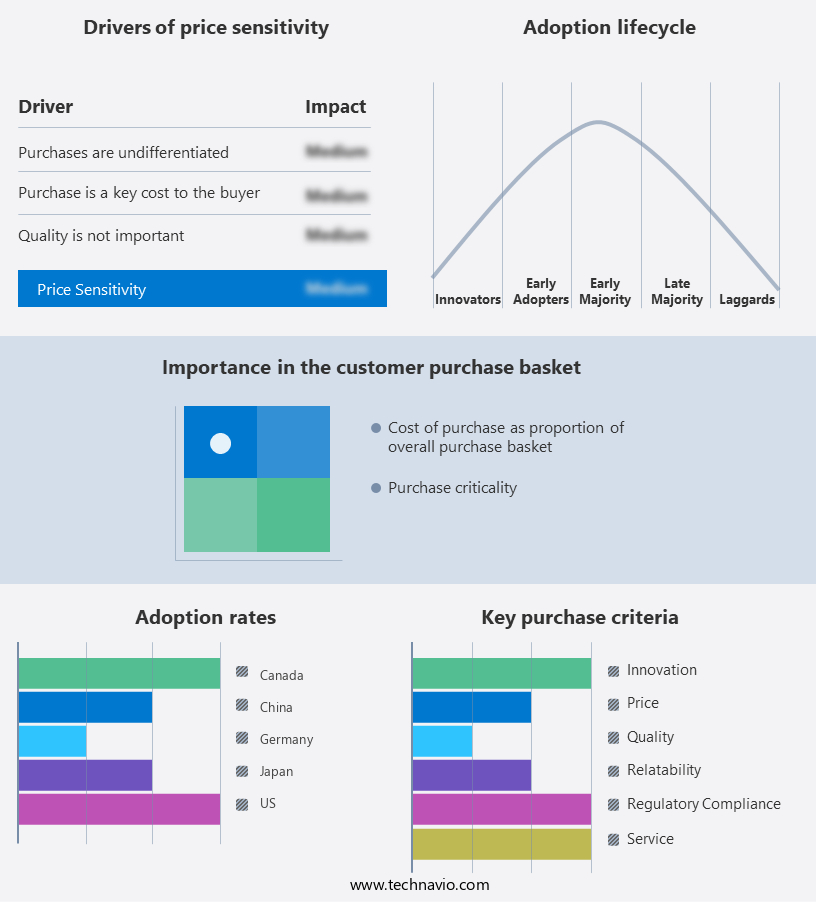
Customer Landscape
Key Companies & Market Insights
Companies are implementing various strategies, such as strategic alliances, blood bags market forecast, partnerships, mergers and acquisitions, geographical expansion, and product/service launches, to enhance their presence in the industry.
AdvaCare Pharma - This research focuses on the global blood bag market, specifically Blood Transfusion Bags. These essential medical supplies facilitate safe blood transfusions, ensuring optimal patient care.
The industry research and growth report includes detailed analyses of the competitive landscape of the market and information about key companies, including:
- AdvaCare Pharma
- B L Lifesciences Pvt Ltd.
- Demophorius Ltd
- Fresenius SE and Co. KGaA
- Grifols SA
- Haemonetics Corp.
- HLL Lifecare Ltd.
- Innvol Medical India Ltd.
- JMS Co. Ltd.
- Macopharma SA
- Mitra Industries Pvt. Ltd.
- Neomedic International
- Poly Medicure Ltd.
- Qingdao Sinoland International Trade Co. Ltd.
- RENOLIT SE
- Span Healthcare Pvt. Ltd.
- Sumitomo Bakelite Co. Ltd.
- Teleflex Inc.
- Terumo BCT Inc.
- Troge Medical GmbH
Qualitative and quantitative analysis of companies has been conducted to help clients understand the wider business environment as well as the strengths and weaknesses of key industry players. Data is qualitatively analyzed to categorize companies as pure play, category-focused, industry-focused, and diversified; it is quantitatively analyzed to categorize companies as dominant, leading, strong, tentative, and weak.
Recent Development and News in Blood Bags Market
- In January 2024, Grifols, a leading global healthcare company, announced the launch of its new PlasmaLyte A solution in blood bags, designed to maintain optimal electrolyte balance during blood transfusions. This innovative product expansion aimed to cater to the growing demand for advanced transfusion solutions (Grifols Press Release).
- In March 2024, Terumo Corporation and Haemonetics Corporation, two major players in the blood bag market, entered into a strategic collaboration to develop next-generation blood collection and processing systems. This partnership was expected to enhance their combined product offerings and strengthen their positions in the market (Terumo Corporation Press Release).
- In May 2024, Haemonetics Corporation completed a successful USD200 million funding round, securing significant investments from new and existing investors. The proceeds were allocated towards expanding their manufacturing capabilities and advancing research and development initiatives (Haemonetics Corporation SEC Filing).
- In April 2025, the European Commission approved the use of a new type of blood bag, called the "universal donor bag," which can be used for all blood types. This regulatory approval marked a significant milestone in the blood transfusion industry, potentially reducing the need for extensive blood typing and cross-matching processes (European Commission Press Release).
Research Analyst Overview
- The market is characterized by a focus on advanced technologies and stringent regulations. Predictive modeling and data analytics are increasingly used to optimize production and improve supply chain visibility. Academic partnerships and industry collaborations foster innovation, with research in sterility assurance and durability testing driving market growth. Pricing strategies are under constant scrutiny, with cost reduction and waste minimization key priorities. Quality assurance, process optimization, and compliance auditing are essential for maintaining international standards. Green initiatives and patent protection are important considerations for market players, as they seek to reduce environmental impact and secure intellectual property.
- Performance testing, validation studies, and automated systems ensure product quality and reliability. Lean manufacturing and six sigma methodologies are employed for continuous improvement, while sales and marketing efforts target global markets. Capacity planning and training programs are crucial for meeting demand and ensuring customer relationship management. Risk management and material selection are also critical factors in this competitive landscape. Artificial intelligence and artificial intelligence-driven systems are transforming the industry, streamlining operations and enhancing efficiency. Overall, the market is dynamic and evolving, with a focus on innovation, cost reduction, and regulatory compliance.
Dive into Technavio's robust research methodology, blending expert interviews, extensive data synthesis, and validated models for unparalleled Blood Bags Market insights. See full methodology.
|
Market Scope |
|
|
Report Coverage |
Details |
|
Page number |
140 |
|
Base year |
2023 |
|
Historic period |
2018-2022 |
|
Forecast period |
2024-2028 |
|
Growth momentum & CAGR |
Accelerate at a CAGR of 8.1% |
|
Market growth 2024-2028 |
USD 203.7 million |
|
Market structure |
Fragmented |
|
YoY growth 2023-2024(%) |
7.4 |
|
Key countries |
US, China, Japan, Germany, and Canada |
|
Competitive landscape |
Leading Companies, Market Positioning of Companies, Competitive Strategies, and Industry Risks |
What are the Key Data Covered in this Blood Bags Market Research and Growth Report?
- CAGR of the Blood Bags industry during the forecast period
- Detailed information on factors that will drive the growth and forecasting between 2024 and 2028
- Precise estimation of the size of the market and its contribution of the industry in focus to the parent market
- Accurate predictions about upcoming growth and trends and changes in consumer behaviour
- Growth of the market across North America, Asia, Europe, and Rest of World (ROW)
- Thorough analysis of the market's competitive landscape and detailed information about companies
- Comprehensive analysis of factors that will challenge the blood bags market growth of industry companies
We can help! Our analysts can customize this blood bags market research report to meet your requirements.
 RIA -
RIA - 
