


Camel Meat Market Size 2024-2028
The Camel Meat Market size is projected to increase by USD 100.83 million at a CAGR of 6.32% between 2023 and 2028. The consumption of camel meat is gaining increasing recognition due to its numerous health benefits. With the growing emphasis on fitness and protein-rich diets, camel meat, which is a lean source of high-quality protein, has emerged as an attractive option for health-conscious consumers. Furthermore, the rise in global meat consumption and production trends has led to a renewed interest in this traditional meat source. Camel meat is not only rich in protein but also low in saturated fat and cholesterol, making it an excellent choice for individuals seeking to maintain a healthy lifestyle. This lean, flavorful meat offers a unique taste and texture, providing a welcome alternative to more commonly consumed meats.
Camel Meat Market: Overview
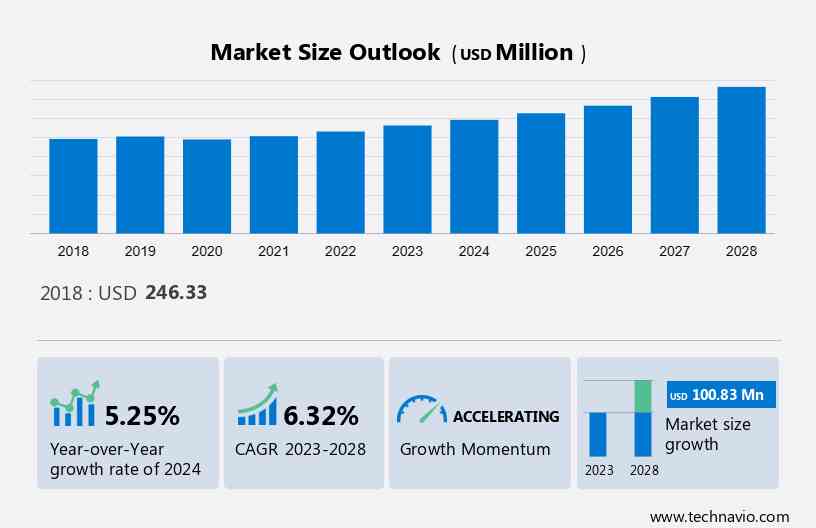
The Camel Meat Market shows an accelerated CAGR during the forecast period.
To get additional information about the market, Request Free Sample
Market Dynamics
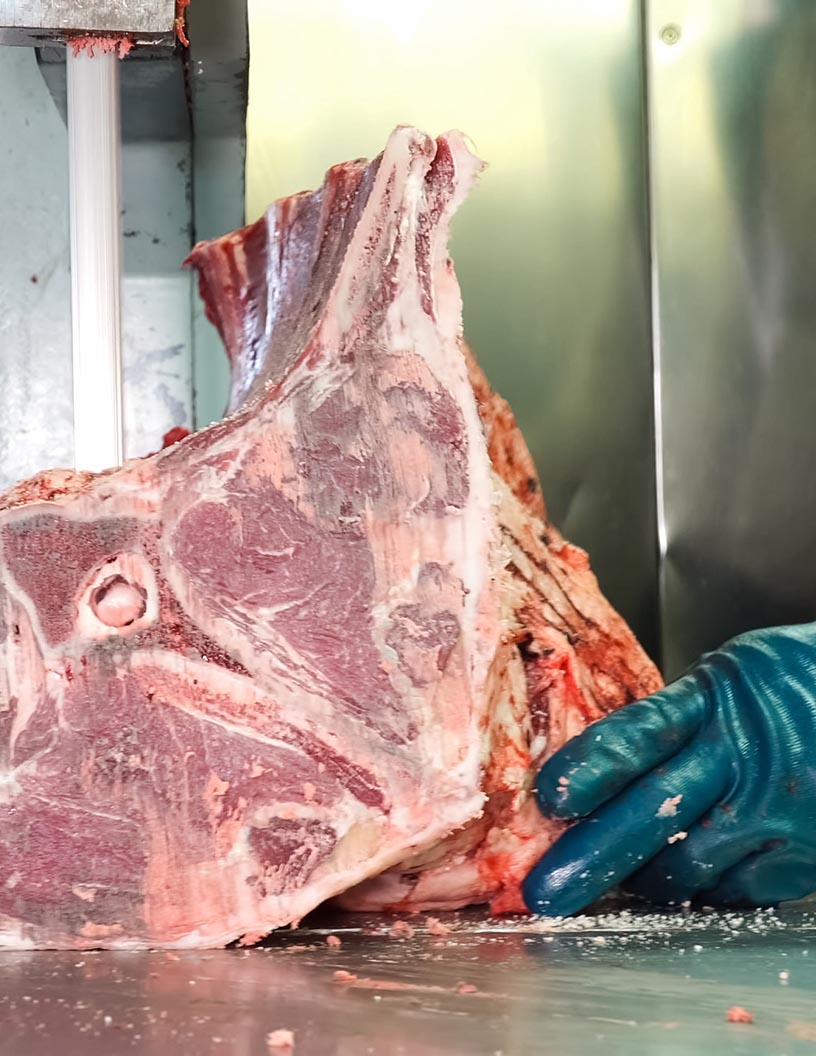
Camel meat, characterized by its camel carcass appearance in shades of raspberry red and dark brown, offers a unique mineral profile enriched with high-fat protein and short-affixed unsaturated fats. This makes it a distinctive choice compared to dairy animals' meat or goat meat, particularly suited for regions with bone-dry situations like the desert. Consumption of camel meat is associated with potential health benefits such as low-fat substance, aiding in the management of conditions like hyperacidity, hypertension, and respiratory illnesses such as pneumonia. As demand grows, retailers or distributors play a crucial role in making camel meat accessible beyond traditional markets, catering to both local preferences and international interest in exotic meats with unique nutritional qualities. The taming of camels and their adaptation to harsh desert environments contribute to the cultural significance and sustainability of camel meat production, highlighting its role in diverse culinary traditions worldwide.
Driver
Growing focus on fitness and protein-rich diets is notably driving the market growth. The rising number of fitness centres and clubs is a new trend that is positively affecting the global camel meat market. Since meat contains high protein levels, which help in muscle gain, meat consumption has increased with an increase in consumer focus on fitness and a rise in the number of fitness centres and clubs. Camel meat is a good source of many vitamins, particularly vitamin B complex, and vital minerals such as iron, calcium, and phosphorus. Camel meat is also characterized by a low level of cholesterol as compared to other meats like beef, thereby making it a healthy food option. Thus, a growing focus on fitness and protein-rich diets will drive the growth of the global camel meat market during the forecast period.
Trends
Growing demand for luxury and exotic meats is an emerging trend shaping the market growth. The demand for luxury and exotic meats like camel meat is increasing, primarily in developed countries across North America and Europe. Also, the demand for organic meat is growing globally. Organic meat is produced by feeding livestock 100% organic feed. In the US and the UK, camel meat is often used in foods like burgers, which enjoy high popularity. Although camel meat is a staple food for many pastoral households, it is not eaten daily in Middle Eastern countries, where consumption is very high.
Moreover, in the Middle East, camel meat is eaten mostly at parties and wedding receptions. In the US, the popularity of camel meat is growing. Many supermarkets and retail chains have started offering camel meats in various cuts. Thus, the growing demand for luxury and exotic meats will drive the growth of the global camel meat market during the forecast period.
Challenge
Stringent rules and regulations and the threat of contamination are significant challenges hindering market growth. Rules and regulations pertaining to the production of meat products vary across countries. Meat and meat food items form an important part of a nation's aggregate supply of food. Most countries follow international food standards for the labelling of meat products. In Australia, the government recommends that food labelled as meat products should also have labels showing the eating quality grade. In the US, the FDA requires the manufacturers of packaged food items to mention the nutritional details on the food packs. Improper handling of supplies could lead to contamination of meat. Proof of contamination of canned foods by raw materials will affect the safety and quality of the food.
Also, It will require companies to find alternate materials for canned products, lead to delays in production, or require the products to be discarded or recalled, which could affect a company's operation and sales. Thus, the stringent rules and regulations and the threat of contamination will drive the growth of the global camel meat market during the forecast period.
Market Segmentation
By Product
The processed camel meat market is expected to witness a steady growth rate during the forecast period. Most of the demand is concentrated in developed countries like the US and some European countries, where fresh camel meat is not readily available. Also, fresh camel meat is highly perishable due to its high moisture and protein content, which becomes an ideal culture medium for microorganisms. In regions where live animals are not available (like Europe and the Americas), processed camel meat is imported from Australia and the Middle East and Africa (MEA) to meet the demand. Processed camel meat is more convenient for consumers because of its long shelf life. APAC is the leading region that supplies processed camel meat around the world. Australia is one of the major exporters of processed camel meat, and most of the processed meat is exported to the Middle East, the US, and Europe. Thus, the increased demand for the global processed camel meat market will drive the growth of the global camel meat market during the forecast period.
By Distribution Channel
The market share growth by the offline segment will be significant during the forecast period. The following are potential offline distribution networks for the global camel meat market: Butcher Shops: To meet the unique needs in their area, nearby butcher shops can stock and sell camel meat on demand or on a regular basis. Speciality Meat Stores: To appeal to daring diners and ethnic communities where camel meat is popular, speciality meat stores that specialize in unusual and exotic meats may stock camel meat.
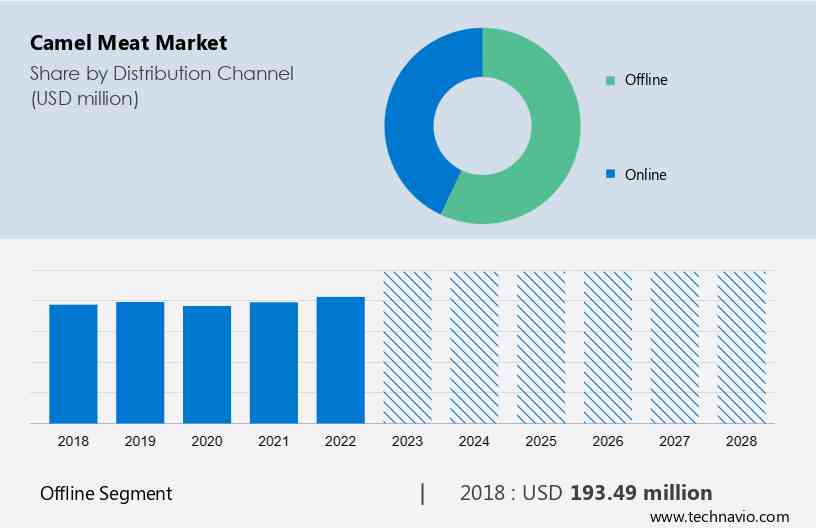
The offline segment was the largest and was valued at USD 193.49 million in 2018
For a detailed summary of the market segments Request for Sample Report
Online-to-Offline Model: By collaborating with nearby suppliers or butcher shops, online platforms that make camel meat ordering easier can compile and complete orders, enabling clients to pick them up offline. Direct Sales: Farmers, ranchers, or camel owners can sell camel meat directly to consumers either through their farms or by participating in farmer markets or flea markets where farmers set up stalls to directly sell camel meat to customers. Exports: Camel meat can be distributed offline through export channels to countries or regions where there is a demand for camel meat or where it is commonly consumed. Thus, the offline distribution channel segment is expected to witness significant growth because camel meat is a perishable item that requires proper refrigeration and transportation, which, in turn, will drive the growth of the global camel meat market during the forecast period.
Key Regions for the Camel Meat Market
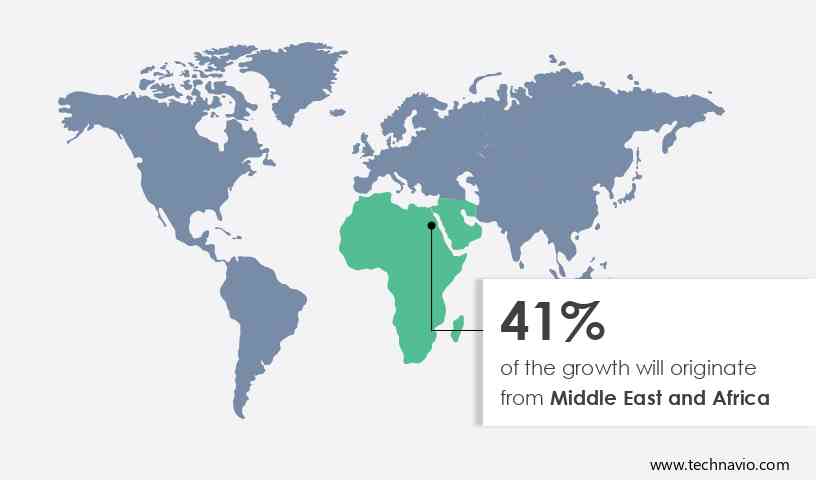
Middle East and Africa is estimated to contribute 41% to the growth of the global market during the forecast period
Get a glance at the market share of various regions View PDF Sample
Technavio’s analysts have elaborately explained the regional trends and drivers that shape the market during the forecast period. Since camel meat has a high protein content, it is healthy. As such, the health benefits of camel meat consumption drive the market in MEA. However, the market is constrained by incidents of adulteration. MEA camel meat market share is predicted to grow significantly during the forecast period, driven by the demand for camel meat in the region's local cuisines and the growing tourism industry in the region. In most Middle Eastern countries, a substantial portion of the staple food includes meat products. Meat is primarily imported from Australia, the US, and other countries. The fresh camel meat market is further supported by the increasing levels of consumer income in the region.
In addition, Camel meat is offered traditionally during festivals in the country and is listed on the menus of many prestigious restaurants in the UAE. Many restaurants in Abu Dhabi and Dubai are replacing other meats with camel meats on their menus. Also, products like camel burgers are gaining popularity in the country, which could drive market growth in the region during the forecast period.
In 2020 and early 2021, camel meat vendors incurred additional costs for sanitization and hygiene and witnessed challenges in maintaining the supply chains of camel meat due to the COVID-19 pandemic. In 2021, owing to the initiation of large-scale vaccination drives and various government initiatives in the region resulted in the relaxation of lockdowns. Such factors are expected to positively impact the growth of the camel meat market in MEA during the forecast period.
Company Overview
Companies are implementing various strategies, such as strategic alliances, partnerships, mergers and acquisitions, geographical expansion, and product/service launches, to enhance their presence in the market.
- Key Offering- Blackwing Ostrich Meats Inc. - The company offers camel meats such as Camel tenderloin, Camel burgers, and Ground camel.
- Key Offering- DAMIEN DE JONG - The company offers camel meat which nutritionally as good as any conventional meat source
- Key Offering- Exotic Meat Markets Inc. - The company offers camel meats such as Camel rib eye roast 3 Lbs, Camel rib eye roast 2 Lbs, Camel rib eye roast 4 Lbs.
The camel meat market report also includes detailed analyses of the competitive landscape of the market and information about 10 market companies, including:
- Fettayleh Wholesales Meat Supplies Pty Ltd
- FRESHTOHOME FOODS Pvt. Ltd.
- Halal Organic Meat
- Kezie UK Ltd.
- MS Global Food CO. WLL
- Samex Australian Meat Co Pty Ltd
- Windy Hills Export Meats PL
Qualitative and quantitative analysis of companies has been conducted to help clients understand the wider business environment as well as the strengths and weaknesses of key market players. Data is qualitatively analyzed to categorize companies as pure play, category-focused, industry-focused, and diversified; it is quantitatively analyzed to categorize companies as dominant, leading, strong, tentative, and weak.
Segment Overview
The market research report provides comprehensive data (region wise segment analysis), with forecasts and estimates in "USD Billion" for the period 2024 to 2028, as well as historical data from 2018 to 2022 for the following segments.
- Distribution Channel Outlook
- Offline
- Online
- Product Outlook
- Processed camel meat
- Fresh camel meat
- Region Outlook
- North America
- The U.S.
- Canada
- South America
- Chile
- Brazil
- Argentina
- Europe
- U.K.
- Germany
- France
- Rest of Europe
- APAC
- China
- India
- Middle East & Africa
- Saudi Arabia
- South Africa
- Rest of the Middle East & Africa
- North America
You may also interested in below market reports:
1. Edible Meat Market: Edible Meat Market Analysis India - India - Size and Forecast
2. Meat and Poultry Processing Equipment Market: Meat and Poultry Processing Equipment Market Analysis North America, APAC, Europe, South America, Middle East and Africa - US, China, Brazil, Germany, France - Size and Forecast
3. Processed Red Meat Market: Processed Red Meat Market Analysis APAC, North America, Europe, South America, Middle East and Africa - US, China, UK, Japan, Germany - Size and Forecast
Market Analyst Overview
Camel meat is known for its unique nutritional profile, rich in protein and fat yet with low cholesterol levels compared to other red meats like pork. It contains essential nutrients A and C, zinc, amino acids, and minerals such as sodium, potassium, copper, and magnesium. This makes it a nutritious choice particularly suited for low-fat diets and regions with bone-dry environments where fresh meat options are limited. In Middle East nations and among Bedouin communities, camel meat has been a staple due to its resilience in harsh dry environments and its high nutritional value. It is prized for its moisture content and protective proteins that help combat respiratory infections and other health dangers prevalent in such climates. With the rise of online retail and offline retail channels, camel meat products are reaching broader markets, appealing to consumers seeking high-quality meat and perishable items enriched with unique nutritional benefits.
|
Camel Meat Market Scope |
|
|
Report Coverage |
Details |
|
Page number |
148 |
|
Base year |
2023 |
|
Historic period |
2018 - 2022 |
|
Forecast period |
2024-2028 |
|
Growth momentum & CAGR |
Accelerate at a CAGR of 6.32% |
|
Market Growth 2024-2028 |
USD 100.83 million |
|
Market structure |
Concentrated |
|
YoY growth 2023-2024(%) |
5.25 |
|
Regional analysis |
Middle East and Africa, Europe, APAC, North America, and South America |
|
Performing market contribution |
Middle East and Africa at 41% |
|
Key countries |
US, Egypt, Saudi Arabia, United Arab Emirates, and Belgium |
|
Competitive landscape |
Leading Companies, Market Positioning of Companies, Competitive Strategies, and Industry Risks |
|
Key companies profiled |
Blackwing Ostrich Meats Inc., DAMIEN DE JONG, Exotic Meat Markets Inc., Fettayleh Wholesales Meat Supplies Pty Ltd, FRESHTOHOME FOODS Pvt. Ltd., Halal Organic Meat, Kezie UK Ltd., MS Global Food CO. WLL, Samex Australian Meat Co Pty Ltd, and Windy Hills Export Meats PL |
|
Market dynamics |
Parent market analysis, Market forecasting growth inducers and obstacles, Fast-growing and slow-growing segment analysis, COVID-19 impact and recovery analysis and future consumer dynamics, and Market condition analysis for the forecast period. |
|
Customization purview |
If our market report has not included the data that you are looking for, you can reach out to our analysts and get segments customized. |
BUY NOW Full Report and Discover more
What are the Key Data Covered in this Market Forecast Report?
- CAGR of the market during the forecast period
- Detailed information on factors that will drive the market growth and forecasting of the market between 2024 and 2028
- Precise estimation of the market size and its contribution to the parent market
- Accurate predictions about upcoming market trends and analysis and changes in consumer behavior
- Growth of the market across Europe, North America, APAC, South America, and Middle East and Africa
- Thorough market growth analysis of the market’s competitive landscape and detailed information about companies
- Comprehensive market analysis and report on the factors that will challenge the market research and growth of market companies
We can help! Our analysts can customize this market research report to meet your requirements. Get in touch
 RIA -
RIA - 
